Connect with us

Tech

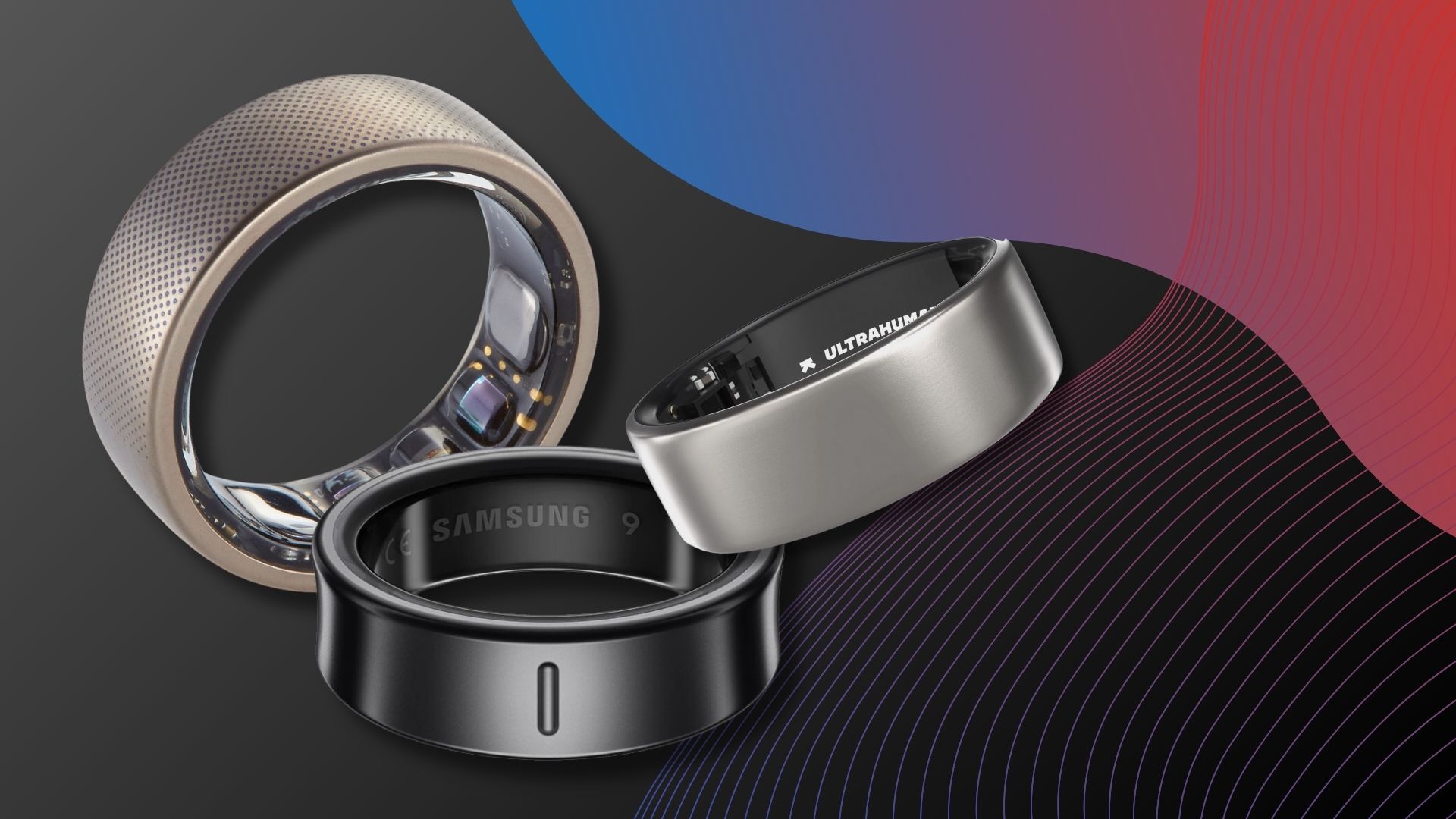
Top rings for tracking your health and fitness tested and ranked

Published

on

Although tracking your workouts and health metrics from your wrist isn’t new, in recent years the industry has moved towards a more discreet option for consumers: one that can be worn on your finger like a piece of jewellery. If you’re ready to see what the best smart rings have to offer, then you’re in the right place.

Whether it be the best smartwatch, best fitness tracker or the best running watch, the wearables industry at large has very much adopted wrist-based tech as the norm, but if you’re someone who doesn’t like to wear a watch, or you haven’t found one that complements your style, then you may be the exact person who would get on much better with a smart ring.

Our experts have rigorously tested and reviewed countless smart rings, with only the top-rated making it into our best list. These compact trackers can be worn, usually on a finger of your choosing, just like a typical ring, and while they lack a display that’d let you dive into their smarts on the spot, they are far more discreet but no less powerful.

Of course, if you are the type of person who enjoys having certain smart features like Google Maps directions on your wrist, then you may get along better with one of the best Apple Watches or the best Samsung Galaxy Watches.

Advertisement

On a similar note, marathon runners who rely on detailed GPS tracking to reach the finish line will likely find that the best Garmin Watches are designed with their needs in mind.

For everyone else, however, who simply wants to keep tabs on their core health and exercise metrics to make more positive moves towards a healthier lifestyle, a smart ring can be just the ticket. But where do you start when looking for a smart ring? That’s where we come in. 

Advertisement

If you need more help choosing a new smart ring, scroll down to our FAQs section, where we’ve answered the most common questions about the wearable, from any required subscriptions to the best finger to wear a smart ring on.

Advertisement

Best smart rings at a glance

SQUIRREL_ANCHOR_LIST

How we test smart rings

Much like how we test smartches, any smart rings we come across are used by one of our experts for at least a week to give you an in-depth understanding of how they work day to day, the accuracy of their data and more. All of that information is then fed into this very list so that you can make an informed decision every time.

  • Fantastically compact, premium design

  • Great overview of health and fitness

  • Polished, clutter-free app experience

  • Excellent battery life and rapid charging

  • No real changes to the app

  • New software features are region-locked

  • Requires a monthly subscription

Advertisement

Oura has been making some of the best smart rings on the market for years now, and with the Oura Ring 5, the company has taken a significant step forward in just about every area that matters.

If you’re after the best all-round smart ring available right now, this is the one to beat.

The headline change is a design overhaul that makes the Ring 5 40% smaller than its predecessor. That means it’s thinner, lighter and narrower than before, which makes for a ring that sits comfortably on any finger and genuinely looks and feels like a piece of jewellery rather than a fitness gadget. It’s the kind of design leap that could push smart rings firmly into the mainstream.

Where the Ring 5 truly earns its place at the top of this list is in its tracking accuracy. Sleep monitoring is arguably the strongest you’ll find in any smart ring right now, picking up sleep stages and disturbances with impressive precision so that you can get a clear picture of how rested your body actually is. Workout tracking can’t quite match a smartwatch for live data, but the Ring 5 auto-detects exercise sessions and logs them, with noticeably improved movement accuracy over the previous generation.

Advertisement

The Oura app remains a real highlight too. Key information, including a readiness score, sleep and activity scores and a stress monitor, is all laid out clearly on the main screen. If you want to dig deeper, the Vitals tab breaks down individual metrics while the My Health tab lets you keep tabs on longer-term trends.

The one thing to be aware of going in is that, just like the Ring 4, this is a subscription product. Full access to the features will cost you £5.99/$5.99 a month on top of the upfront hardware cost. Competitors like the Samsung Galaxy Ring and RingConn give you everything for a one-time fee, so the ongoing cost is worth factoring in. Battery life, at least, is genuinely impressive, with Oura claiming six to nine days per charge and our testing landing closer to eight. A full charge takes around 80 minutes.

If you want the most refined, best-looking smart ring with class-leading sleep and health tracking, the Oura Ring 5 is the one to go for. Just make sure you’re comfortable with the subscription before you commit.

SQUIRREL_PLAYLIST_10208548

Advertisement
  • Lightweight, understated design

  • Great health and fitness tracking

  • Consistent 4-day battery life

  • No automatic workout detection

  • Features can differ between iOS & Android apps

  • Takes a while to charge

Advertisement

Ultrahuman has emerged in the last few years to stake its claim in the smart ring market, taking more established brands like Oura to task. What’s impressive is that, in spite of its relative ‘newcomer’ status, Ultrahuman has managed to hit the ground running with its Ultrahuman Ring Air, which really impressed our team of experts.

In terms of the design, Ultrahuman absolutely understood the assignment here. With its very minimalist look, the Ring Air could easily be mistaken for a traditional piece of jewellery until further inspection, which is exactly why smart rings are so appealing compared to smartwatches in the first place. There are quite a few colour options available, including Raw Titanium, Matte Grey and the more recent Brushed Rose Gold edition.

Of course, the Ring Air wouldn’t have made it to this list if it had only stuck the landing where the design was concerned. When it comes to fitness tracking, there’s a lot to love here. The ring can discreetly track your effort throughout the day, using its sensors to monitor your heart rate levels, blood oxygen and more, so that, much like the Whoop MG, you can better understand how much rest you need to get in to accommodate your routine.

Speaking of rest, the sleep tracking on the Ultrahuman Ring Air is also excellent. You can clearly see how much time your body is spending in the different sleep zones, which gives you an idea of what you can do throughout the day to try to accommodate a better night’s sleep. The sleep index score is great in this regard, providing a quick understanding of whether your body is fully rested and ready for a challenging workout.

Advertisement

The accompanying Ultrahuman app is well built, with a modern aesthetic that makes the process of monitoring your health feel a bit more exciting. In what is sure to please more budget-conscious buyers, the Ring Air has no subscription fees whatsoever, so you’ll only have to part with the initial £329/$349 asking price for the pleasure of using it.

SQUIRREL_PLAYLIST_10208056

Advertisement
  • Battery life beats the competition

  • Attractive look

  • Delivers strong fitness and sleep tracking

  • Battery drop when using sleep apnea monitoring

  • Companion app isn’t the prettiest or most helpful

As much as we love the Oura Ring 4, its subscription model can make it a bit too costly over time. To that end, the RingConn Gen 2 is the ideal alternative, offering much of the same features as Oura, but for just £349/$359 and with no subscription in sight.

Even though RingConn is a lesser-known entity in this market than Oura, the Gen 2 smart ring is still an excellent option for general workout and sleep tracking. It can pick up on all of the key metrics that you’d want to know about, including SpO2 level, your heart rate variability (which signals how well rested you are) and your stress levels. It’s all fairly comprehensive and well laid out in the accompanying app.

Advertisement

What really separates the RingConn Gen 2 from the Oura Ring and all other competitors on the market is that it absolutely reigns supreme when it comes to battery life. Given how small smart rings are, most of them tend to suffer from lacklustre longevity, but this pick can run for up to 12 days on a single charge. That’s more than most smartwatches, and it means you won’t have to worry quite so often about crucial data being missed.

Circling back to sleep tracking, another ace up the Gen 2’s sleeve is the addition of sleep apnea detection. Given just how damaging sleep apnea can be in reducing your chance of having a solid night’s sleep, it’s no wonder that plenty of wearables have started to accommodate for it in their tracking, and it’s great to see RingConn do the same.

As you may have already noticed, RingConn’s wearable is also a stylish bit of kit. You can buy the ring in four unique colours, with a total of nine size options available for each. This makes it easy to find the right combination that’s both comfortable for daily use and fashionable enough to complement your wardrobe.

SQUIRREL_PLAYLIST_10208057

Advertisement
  • Great smart ring look

  • Solid tracking performance

  • Over a week of battery life

  • Some familiar software quirks with companion app

  • RingConn has ditched the portable charging case

Advertisement

The standard RingConn Gen 2 is already a bit of a bargain compared to the Oura Ring 4, but if the £349/$359 asking price was still just a bit too far out of your remit, then you’ll be glad to know that the company has a more affordable alternative in the RingConn Gen 2 Air. Despite its more affordable £239/$199 price tag, the Gen 2 Air still packs all of the key features that you’d want from a smart ring.

When it comes to the core fitness and sleep tracking experience, there’s very little that differentiates the Gen 2 Air from the full-fat Gen 2. For instance, these smart rings share the same sensors, which means that on the Gen 2 Air, you’re still getting access to your heart rate, blood oxygen levels, stress and more.

The only major feature that’s missing from the Gen 2 Air is sleep apnea tracking. While we won’t deny that it’s a useful feature to have, it’s far from being essential if you’re someone who has either already gone through the necessary steps to determine whether you have sleep apnea, or doesn’t have any major issues with getting to sleep, which would otherwise indicate that you don’t have sleep apnea.

Given that this is a more budget pick within RingConn’s range, we would have understood if the materials for the Gen 2 Air needed to be scaled back quite a bit to help reduce the price, but that isn’t the case here. Instead of a titanium build, the Gen 2 Air uses stainless steel, a significant improvement over plastic, which is more commonly associated with fitness wearables.

Advertisement

You needn’t worry about durability either, as the watch can survive being submerged in depths of up to 10ATM, which means that it’s more than ready for a dip at the local pool.

RingConn hasn’t skimped on its greatest offering of battery life either. The Gen 2 Air can run for a total of up to 10 days on a single charge, which runs rings about the five-day longevity of the Oura Ring 4.

SQUIRREL_PLAYLIST_10208058

Advertisement
  • Colourful design

  • Approachable AI Coach

  • Nicely designed companion app

  • Cudis Store rewards only available in some countries

  • Heart rate data looked high at times

  • Limited app integration currently

The Cudis 002 Sporty Ring is unlike anything else on this list, and that’s very much the point.

Advertisement

Where most smart rings lean into understated jewellery aesthetics, this one goes in the opposite direction entirely, with a chunky titanium body wrapped in a textured silicone band that you can swap out across 12 colour options. It’s a smart ring that actually looks like it belongs at the gym, which makes it a natural fit for anyone who wants their wearable to reflect a more active identity.

If you’re after a smart ring that actively tries to push you towards your fitness goals rather than simply recording what you’ve already done, this is the one to consider.

The customisable band does more than just look the part. It acts as a protective layer for the titanium body underneath, helping to keep scuffs at bay during daily wear. Sizing runs from 6 to 13, and while fit was comfortable in our testing, the ring does sit a little taller on the finger than most competitors on this list. A 5ATM water resistance rating means swimming is no problem, so you can keep it on without a second thought during pool sessions.

Core tracking covers the fundamentals well enough. Optical sensors handle sleep monitoring, resting heart rate, blood oxygen and step count, with readings landing in the right ballpark across most metrics. Heart rate did read a touch high compared to our reference devices, so it’s worth keeping that in mind if precision is a priority for you.

Advertisement

Where the Cudis 002 genuinely stands out, and the main reason it earns its place on this list, is in its approach to motivation. The built-in AI coach works as a proper chatbot, letting you ask questions about your stats and receive contextual suggestions in return. It feels far more conversational and less scripted than the AI-driven insights you tend to find on rivals.

Alongside this, a Health Points rewards scheme dishes out points for hitting goals, which can then be redeemed for perks like free fitness classes or coupons. That said, the scheme is currently only available in a limited number of countries, which is a frustrating restriction for anyone outside those regions.

Battery life is a genuine strong suit. Expect around 10 days of regular use, or closer to two weeks with lighter day-to-day use. Charging is handled through a portable case, with a full top-up taking just under an hour.

If you want a smart ring that brings a genuine sense of fun and encouragement to your fitness routine, this is the most distinctive option available right now.

Advertisement
  • Excellent sleep tracking accuracy

  • Emphasizes practical sleep coaching

  • Energy Score is user-friendly and insightful

  • Sleek design and very comfortable to wear

  • Offers fewer features than competitors and the Galaxy Watch

  • High price (but no subscription fee)

  • Inconsistent heart rate data and unreliable SpO2 readings

Advertisement

Although Samsung was far from the first company to dive into the smart ring market, the Galaxy Ring has shown that it’s still a force to be reckoned with, offering up a genuine alternative to more established picks from the likes of Oura and Ultrahuman.

As much as we love those other smart rings, the Samsung Galaxy Ring is easily the go-to pick for anyone who currently uses one of the best Samsung Galaxy smartphones.

Because this is a Samsung device, the Galaxy Ring is designed with the company’s ecosystem in mind, and if you already use the Samsung Health App as a means of keeping tabs on your fitness levels, then bringing the Ring into the mix is a no-brainer. Even if you already use a Samsung Galaxy Watch, having the ring in tow means that you can leave your watch at home on occasion when you want to travel light (or would just prefer not to wear a watch to bed).

In fact, we’d argue that weaning the Galaxy Ring overnight is a smart idea given just how great its sleep tracking actually is. Far too often, we see sleep data collected and then simply regurgitated as a series of numbers and charts that don’t really mean all that much to most people – Samsung’s Ring, on the other hand, goes down a more practical route by offering tangible advice.

Advertisement

The sleep coaching will offer actionable ways to improve the quality of your rest, and you’ll also be assigned a sleep animal, which is a fun way to better understand your nighttime habits. The data is also funnelled into an Energy Score so you can know right away whether or not your body is ready to take on a more challenging day.

Because the Samsung Galaxy Ring doesn’t work with iPhones, Apple users will need to check out the other options on this list if they are set on buying a smart ring. For Android users, it’s a great option, especially since it doesn’t require a subscription like the Oura Ring 4, and the ring itself is often available at a discount. The catch is that some features require a Samsung phone to work.

SQUIRREL_PLAYLIST_10208059

Advertisement
  • Unique smart ring design

  • Handy for tracking steps, sleep and daily heart rate

  • Data nicely presented in companion app

  • Just the one colour option

  • Battery life isn’t best in class

  • Comes in fewer sizes than other smart rings

Anyone who’s been reading our coverage of fitness trackers for some time will no doubt be familiar with the brand Amazit. The company has already released many great yet affordable smartwatches, including the Amazfit Active 2. Now, with the Amazfit Helio Ring, it has finally entered the world of smart rings, offering a more budget-friendly alternative to the competition.

Advertisement

With an original launch price of £269/$199, the Helio Ring was already cheaper than most other smart rings, but in the time since it came to market, the device has seen several price cuts making it easy to find at around the £110/$150 mark. When compared to the mounting costs of the Oura Ring 4, which features both an upfront cost and a monthly subscription, Amazfit’s Helio Ring packs astonishing value.

In spite of its affordable price tag, the Helio Ring still packs a punch where it counts. The optical sensor is capable of tracking your heart rate and sleep cycle, while the EDA sensor can keep tabs on your emotions and stress levels (always handy if you find yourself getting overwhelmed at work and need some guidance).

The ring can also track your skin temperature, which is crucial for women’s health and keeping tabs on the menstrual cycle. Again, for a budget upfront cost, it’s incredible what Amazfit can provide here, and it’s hard to imagine that any adopters of the Helio Ring will feel shortchanged on the value.

All of the health data that’s collected can be easily read in the accompanying Amazfit app, and it’ll tell you right away if any of your baseline metrics are off course, which could signal a broader issue at play. The only reason why you might opt for the RingConn Gen 2 Air instead is that it provides a longer battery life than the up to four-day stint offered by Amazfit.

Advertisement

Still, given just how much money you’re saving at the checkout, having to charge the ring a little more often is hardly a major trade-off.

Advertisement

Advertisement

Full Specs

  Oura Ring 5 Review Ultrahuman Ring Air Review RingConn Gen 2 Review RingConn Gen 2 Air Review Cudis 002 Sporty Ring Review Samsung Galaxy Ring Review Amazfit Helio Ring Review
Manufacturer Ultra Products Samsung Amazfit
Screen Size 0 mm
IP rating IP68 IP68 IP68 IP68 IP68 IP68 IP68
Waterproof 5ATM N/A 10ATM 10ATM 5ATM 10ATM 10ATM
Battery 22 mAh 24 mAh 20.5 mAh
Size (Dimensions) 6.09 x 6.09 x MM 8.1 x x 8.1 MM x x INCHES x x INCHES x x INCHES x x INCHES 2.6 x x 8 MM
Weight 2 G 2.4 G 2.5 G 3 G 3.75 G
Release Date 2026 2023 2025 2025 2026 2024 2025
First Reviewed Date 08/06/2026 13/08/2025 12/08/2025 08/04/2026 14/08/2025
Colours Black, Silver, Stealth, Brushed Silver, Gold and Deep Rose Matte Black, Aster Black, Gold, Silver Future Silver, Matte Black, Royal Gold, Rose Gold Dune Gold, Galaxy Silver Titanium
UK RRP £399 £185 £399 £149.9
USA RRP $399 $349 $359 $238.8 $399 $399 $199.99
What is the best finger to wear a smart ring on?

Although some brands offer slightly different guidance, generally speaking, you can wear a smart ring on either your ring, middle or index finger. The choice between the fingers essentially boils down to what feels most comfortable for you. Even so, it’s recommended that you avoid fingers where your knuckle is much wider than the base. 

However, Oura suggests that while the middle or ring finger should also work well for accurate tracking, the index finger offers the “best accuracy”. Even so, it’s recommended that, regardless of the smart ring you choose, you try it on both hands and different fingers to see what’s most comfortable and fits best for you.

Advertisement
Which smart ring is best?

At the time of writing, we’ve crowned the Oura Ring 5 as the best smart ring, thanks to its accuracy, well-presented data and overall comfortable design.

What is the best smart ring without a subscription?
Advertisement

Some smart rings, like the Oura Ring 4, require either a monthly or yearly subscription for full access to their data and advanced features. However, there are a good number of smart rings on our list that don’t require any additional subscription fees, including the RingConn Gen 2, Gen 2 Air and the Samsung Galaxy Ring. We’d especially recommend the Ultrahuman Ring Air, which is currently our best subscription-free smart ring.

Source link

Advertisement
Continue Reading
Click to comment

You must be logged in to post a comment Login

Leave a Reply

Tech

The Pivot From Tech Expert to Organizational Leader

Published

on

The transition from a purely technical expert or individual contributor position to a broader leadership role is one of the most challenging phases in a STEM career. It requires moving away from relying solely on technical excellence toward mastering systems thinking, adaptive leadership, and team alignment.

To help mid-career professionals navigate the shift, the inaugural IEEE International Leadership Conference is designed to provide attendees with practical tools to step into broader responsibility and champion an entrepreneurial mindset.

The ILC event is scheduled for 3 and 4 October in Budapest. Registration is open.

Thinking beyond technical contributions

To successfully step into a leadership role, technical professionals need to look beyond their individual output and focus on “understanding the larger system, and championing innovation by building trust and aligning new ideas with organizational goals,” says IEEE Life Senior Member Daniel Sniezek, cochair of the ILC program committee.

Advertisement

Because engineering decisions don’t exist in a vacuum, navigating the larger system requires recognizing how technical choices intersect with the organization’s broader business, operational, and ethical realities, Sniezek says.

By letting go of the need to be the sole technical expert and focusing instead on collaborative empowerment, he says, engineers can pivot into transformational leaders who align new initiatives with the organization’s strategic vision.

Ultimately, over the span of a career, an individual’s leadership journey evolves far beyond personal advancement to “creating a lasting legacy through the people you develop, the knowledge you share, and the innovations you inspire,” he says.

Solving the intrapreneur’s dilemma

Championing disruptive ideas within established corporate structures—sometimes called the intrapreneur’s dilemma—does not mean working against the organization. Rather, it requires emerging leaders to act like business owners instead of passive task-takers.

Advertisement

To begin thinking like an entrepreneur from within, professionals should shift their focus from merely executing assigned work to proactively identifying hidden areas that would create value for the company, building trust with colleagues, and presenting bold innovations as solutions to the organization’s long-term strategic goals.

That kind of self-starting entrepreneurial mindset is how leaders create opportunities out of institutional constraints.

IEEE Senior Member Deyasini Majumdar, cochair of the ILC program committee, advises professionals to exercise leadership and strategic thinking skills without being asked.

“Within the constraints of established organizational structures you can unearth a treasure trove of opportunities to innovate,” Majumdar says. “Remember: A key trait of an effective leader is to engineer solutions and lead, even in the face of difficulties.”

Advertisement

A multidirectional exchange

Leadership is a multidirectional exchange of ideas across generations—which is one focus of the ILC.

Although emerging leaders can gain invaluable strategic guidance from seasoned executives, the relationship is a dynamic, two-way street.

Modern leadership requires established executives to remain active learners. Addressing what senior leaders can glean from their mid-career counterparts, Majumdar emphasizes, the leaders must maintain “the openness to seek opportunities, to quickly adapt, and to learn and grow with everyone around them.”

A continuous-learning mindset is what keeps leaders agile and effective in a rapidly changing technological landscape, he says.

Advertisement

The mutual openness can serve as a bridge between generations.

Whether an emerging professional is making a mid-career pivot from technical expert to manager, or a senior executive is transitioning into a mentoring and advisory role, the fundamental rule of transformational leadership is similar. Success means shifting your focus from individual achievement to enabling the capability, growth, and legacy of others.

Building influence and impact

To help with the shift toward transformational leadership, the ILC is featuring sessions focused on questions professionals must ask at key career inflection points.

Rather than a single workshop, the distributed sessions aim to address diverse professional transitions, such as evaluating promotions, learning how to influence laterally, pitching innovative projects, and sustaining leadership energy.

Advertisement

Inflection points include evaluating new internal roles; building lateral or upward trust; pitching an idea about a disruptive project; and facing rapidly expanding responsibilities.

The questions include:

  • How do I evaluate career transitions without discarding hard-won experience?
  • How can I exercise leadership through credibility and collaboration, regardless of formal authority?
  • How do I use an entrepreneurial mindset to create value and gain sponsorship for new ideas?
  • How can I avoid the early warning signs of burnout while taking on more responsibility?

The conference is designed to equip attendees with systems thinking and communication mastery needed to cultivate influence.

Leadership is not just about reaching the top; it is also about engaging in a collaborative effort to multiply your impact across the ecosystem.

From Your Site Articles

Advertisement

Related Articles Around the Web

Source link

Continue Reading

Tech

WiiM Lands at Best Buy Nationwide but Can Stores Actually Show Shoppers Why It Matters?

Published

on

WiiM has spent the past few years making some much larger audio companies uncomfortable by offering an absurd amount of streaming functionality, connectivity, room correction, and amplification for considerably less money.

Now the company gets to make that argument inside Best Buy.

WiiM has announced its first nationwide brick and mortar retail partnership in the U.S., giving its streamers, amplifiers, wireless speakers, and expanding home theater ecosystem a much larger physical presence. Products are already appearing on BestBuy.com, while WiiM has indicated that additional inventory will begin reaching physical stores as the rollout expands.

For a company that initially became an enthusiast favorite with inexpensive little streaming boxes, this represents a significant change. WiiM now sells the Ultra network player, Amp and Amp Ultra streaming amplifiers, Sound wireless speakers, Sub Pro, and the new Dolby Atmos capable WiiM Bar.

Advertisement

That is not a collection of unrelated products anymore. It is an ecosystem, and Best Buy gives WiiM access to mainstream shoppers who may have never read an audio forum, watched a YouTube review, or even heard the name before walking into the store.

The opportunity is obvious. How Best Buy demonstrates all of this is considerably less obvious.

Putting WiiM on a Shelf Is the Easy Part

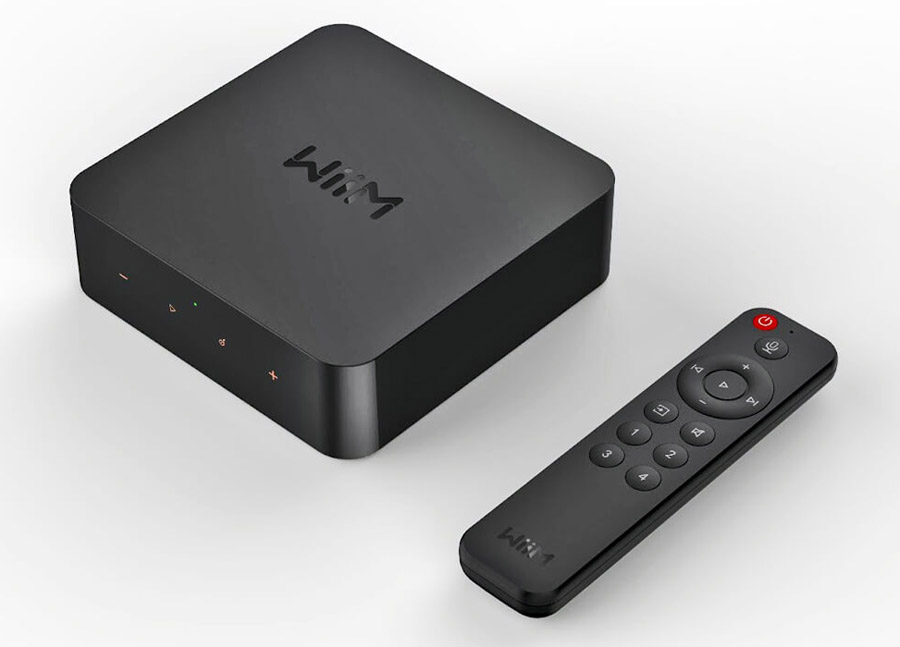
WiiM Pro Plus with Remote Control
WiiM Pro Plus

The WiiM Pro Plus barely needs an explanation. Connect it to an existing audio system, open the app, select a streaming service, and you are largely off to the races.

The WiiM Amp and Amp Ultra require a better conversation.

A shopper needs to understand that these are not merely small integrated amplifiers with streaming tossed into the chassis. The real appeal is how WiiM combines amplification, HDMI connectivity, subwoofer integration, extensive EQ, multiroom playback, streaming services, and RoomFit room correction inside one platform.

Advertisement

That raises some rather obvious questions about the Best Buy experience.

Who is going to show customers how the WiiM Home app works? Who explains how easily Spotify, TIDAL, Qobuz, Amazon Music, or another supported service can be integrated? Who demonstrates RoomFit, shows customers where to adjust the subwoofer crossover, or explains why somebody might use TIDAL Connect instead of initiating playback inside the WiiM app?

Advertisement. Scroll to continue reading.
WiiM Amp Ultra Streaming YouTube Music
WiiM Amp Ultra

The Amp Ultra at least gives Best Buy something visually interesting to work with. Its 3.5-inch touchscreen can display album art, playback information, and VU meters, helping it stand out from the usual collection of anonymous black boxes. But getting someone to stop and look is only half the battle. The real test will be whether the in-store demonstration shows shoppers what the Amp Ultra can actually do once it is connected to a capable pair of loudspeakers.

If the sales demonstration consists of pointing at a product card and saying, “It streams music too,” somebody has rather spectacularly missed the point.

Advertisement

And What Speakers Will They Use?

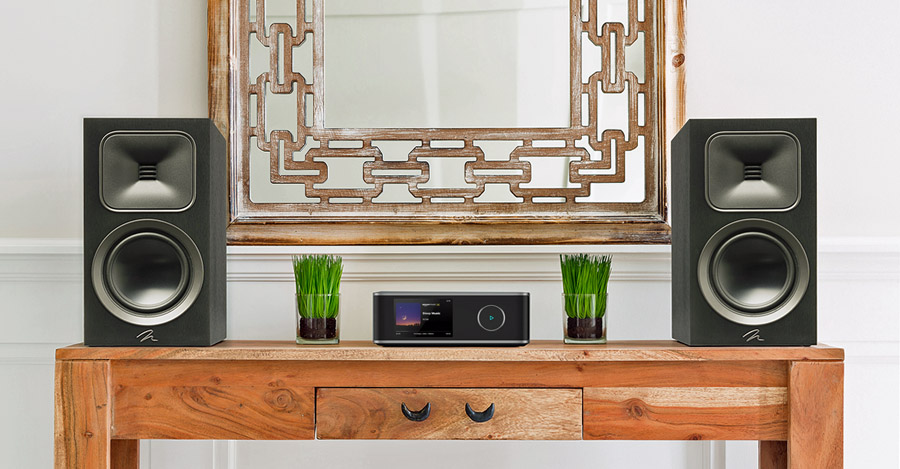
WiiM Amp Ultra with MartinLogan B1 Speakers
WiiM Amp Ultra with MartinLogan Foundation B1 Speakers

There is another part of the equation that matters even more.

What exactly will Best Buy connect the WiiM Amp and Amp Ultra to?

Best Buy already sells WiiM Amp packages with MartinLogan Motion Foundation B1 loudspeakers, which suggests at least one sensible direction. A proper demonstration with a capable pair of bookshelf or floorstanding loudspeakers would allow shoppers to hear that a compact streaming amplifier can anchor a genuinely good two channel system without requiring a rack full of electronics.

That matters because WiiM’s potential audience inside Best Buy is much broader than somebody already searching specifically for a network streamer.

Imagine somebody shopping for a Sonos system, soundbar, AV receiver, or pair of passive loudspeakers who suddenly discovers that one small WiiM amplifier can handle music streaming, television audio over HDMI, room correction, a powered subwoofer, and a pair of speakers.

Advertisement

That is the sale.

But only if somebody demonstrates it.

Connecting a WiiM Amp Ultra to mediocre loudspeakers in the middle of a noisy sales floor and letting it play Spotify for thirty seconds is not going to explain why enthusiasts have been making such a fuss about these products.

The Software Is Where WiiM Earned Its Reputation

WiiM Home App
WiiM Home App

WiiM has built its reputation partly because the company keeps improving products consumers already own rather than treating software as something finished on launch day.

The WiiM Home app has evolved considerably, adding deeper EQ controls, room correction, improved bass management, and broader system integration. RoomFit is particularly important because it gives consumers a tool that was historically uncommon on inexpensive two channel amplifiers.

Advertisement
Advertisement. Scroll to continue reading.

We have used it extensively during our reviews of WiiM products, and it can make a meaningful difference when properly configured.

That creates both an opportunity and a challenge for Best Buy.

A customer can purchase a WiiM Amp Ultra, connect speakers and a television, add a subwoofer, run RoomFit, log into their preferred streaming services, and have a rather sophisticated audio system running without spending the afternoon studying the back of an AV receiver with a flashlight.

Advertisement

That simplicity is precisely what Best Buy needs to demonstrate.

Because there is a big difference between simple to use and self explanatory from across the aisle.

Best Buy Changes Who WiiM Is Competing Against

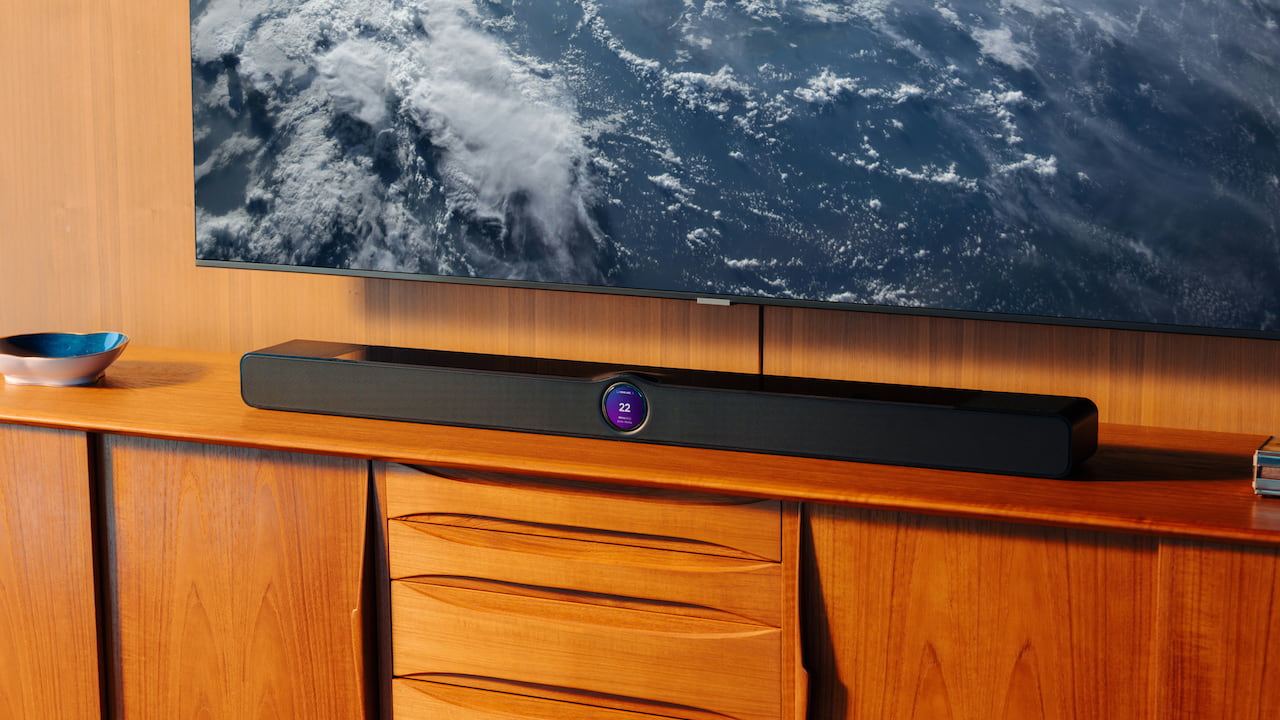
WiiM Bar Soundbar Lifestyle
WiiM Bar

The other reason this deal matters is that WiiM is no longer competing only with Bluesound, Cambridge Audio, Eversolo, and traditional network audio products.

The WiiM Bar, Sound speakers, and Sub Pro move the company directly toward Sonos territory, while the Amp and Amp Ultra increasingly offer an alternative to conventional integrated amplifiers and receivers for consumers building compact music and television systems.

Best Buy is where all of those categories collide.

Advertisement

Someone buying a television might start by looking at a soundbar and end up considering a WiiM Amp with a pair of passive speakers. Another shopper considering Sonos could discover that WiiM offers a different route toward whole home audio with considerably more flexibility for traditional loudspeakers.

That type of discovery rarely happens when the products exist primarily online.

It can happen at Best Buy.

The Bottom Line

WiiM getting nationwide exposure through Best Buy is a much bigger deal than another distribution announcement. The company has grown from selling inexpensive streaming adapters into offering amplifiers, speakers, subwoofers, and home theater products that increasingly operate as one ecosystem.

Advertisement
Advertisement. Scroll to continue reading.

But Best Buy and WiiM need to demonstrate what makes that ecosystem compelling.

Show customers the app. Run RoomFit. Connect an Amp Ultra to loudspeakers worthy of it. Demonstrate television audio over HDMI. Add a subwoofer. Let somebody connect their preferred streaming service and discover that the entire process does not require an engineering degree or three calls to customer support.

Do that properly and WiiM suddenly becomes accessible to millions of consumers who previously had no idea the brand existed.

Advertisement

Put the products on a shelf beside another dozen anonymous black boxes and hope somebody understands what all those logos mean?

Best Buy already has plenty of shelves that can do that without assistance.

For more information, view WiiM’s product line-up at Best Buy.

Advertisement

Source link

Continue Reading

Tech

Seattle AI Film Festival returns with 200 films that try to change your mind about AI cinema

Published

on

A scene from the short film Subway 3 from director David Ahn, which will be shown at the Seattle AI Film Festival later this month.

As debates over AI’s role in creative work intensify, the second annual Seattle AI Film Festival (SAIFF) is betting that filmmakers don’t have to choose between human creativity and artificial intelligence. The festival — now in its second year — returns this month with 200 films that explore what happens when filmmakers say yes to both.

Held at Seattle’s McCaw Hall from Aug. 29 to 30, the festival wants to cement the city’s status as an AI film hub, dispel doubts about the medium’s capabilities and showcase what the tools can enable when guided by passionate filmmakers.

“We launched an AI film festival here because there’s world class AI, a large and largely quiet creative economy, and the ability to develop a cultural scene that’s simultaneously distinct but globally relevant,” says John Gauntt, the festival’s creative director.

By championing AI as part of the creative workflow, the festival hopes to broaden access to the rarefied visual language of cinema while keeping storytelling and creative direction in human hands. Gauntt says they are on a mission to help “human creators tell better stories,” while also recognizing the ability to “create cinematic content under radically different economics, timescales and formal expertise.”

The event will show select films that use generative AI for animation, visual effects, editing, and sound design, and feature panels from film creators and industry experts.

Advertisement

Featured trailers highlight offerings that flex directors’ creative muscles:

  • La Pornographe from Canada shows experimental O’Keefe-like dreamscapes of dew-soaked flowers.
  • Half Psychopath from Korea is a high-energy action thriller.

Submissions come from 34 countries. South Korea alone accounted for 23 of the films submitted, with others coming from Kazakhstan, India, Iran, and Argentina. But hosting in Seattle was an obvious choice for organizers.

“When I’m outside this bubble and say ‘Seattle AI Film Festival’ —  it makes sense to people. Like Milwaukee and beer make sense,” Gauntt quips.

The festival also aims to strengthen the relationship between the city’s strong tech ecosystem and its creative economy.

Gauntt also emphasized that the event would steer away from slop. AI filmmaking backlash, he said, is “real with some valid points,” but it’s largely driven by fear, uncertainty and doubt. 

Advertisement

“This has cast Generative AI as poster child/punching bag for the general pace of change in creative industries which is a proxy for the rest of the economy and society,” Gauntt tells GeekWire. “So our value to attendees is partial immunization to AI FUD (fear, uncertainty, doubt) combined with being on the ground floor of a rapidly evolving global scene.”

By seeing that the cutting edge of AI filmmaking can avoid the genre’s tropes — of plasticky AI aesthetics, short-form snippets, and “In a dystopian cyberpunk world run by killer robots…” narratives, Gauntt said attendees could be “immunized” against sweeping negative generalizations.

Attendees will instead be greeted with creative and careful use of AI, he said. He pointed to longer films, between 15 and 30 minutes, more natural dialogue, and improved visual consistency as evidence.

The scale of the festival has evolved from its guerrilla origins. Organizers anticipate up to 500 attendees across the event’s two days, a jump from last year’s 110. 

Advertisement

Beyond screenings, the festival offers panels and workshops for creators to share generative AI techniques and connect with tech sponsors and production studios. Attendees can demo AI filmmaking tools to see under the hood how the films are generated.

Alongside the festival, the team is launching its Creative AI Accelerator, a program to train 30-50 Seattle creators to use AI in their workflows. The program, in partnership with other national and global AI film organizations, wants to establish a network of AI creators to collaborate on projects and reach global audiences, furthering growth in a field the team has already seen rapid improvement.

Tickets are available on Luma and start at $25 for single-day passes. Full weekend passes are available for attendees looking to catch the complete lineup of screenings, workshops and networking sessions.

Here’s a look at The Cinema That Never Was from Germany, which considers the films that never left writers’ imaginations.

Advertisement

Source link

Continue Reading

Tech

3 underrated movies on Hulu you should watch this weekend (August 7-9)

Published

on

If you spend more time on Hulu scrolling through rows of titles than actually watching anything, you are not alone. To save you from decision paralysis, I’ve put together a lineup of three underrated rom-com movies that range from a breezy London romance to a quiet drama about connection and vulnerability. Whether you are in the mood for something playful or something more reflective, there is a pick here for you. Given below are three Hulu titles worth adding to your watchlist this weekend.

We also have guides to the best new movies to stream, the best movies on Netflix, the best movies on Hulu, the best free movies, and the best movies on Amazon Prime Video.

Rye Lane (2023)

  • Genre: Romance, comedy
  • IMDb: 7.2/10
  • Rotten Tomatoes: 98%

Yas and Dom meet in a restroom of an art gallery while recovering from brutal breakups. They end up spending an entire day wandering South London together. I know the premise sounds familiar. It has the classic walk-and-talk formula, but the specific detours these two take, including an awkward run-in with an ex, keep it feeling fresh.

I recommend this movie for its visual style. Director Raine Allen-Miller shoots the city in warm, saturated colors that make even a restroom meet-cute look vibrant. David Jonsson and Vivian Oparah share an effortless chemistry that comes through in their rapid-fire dialogue, which never feels scripted. By the end, you will want to book a flight to London just to walk their route.

Advertisement

You can watch Rye Lane on Hulu.

Good Luck to You, Leo Grande (2022)

Genre: Comedy, drama
IMDb: 7.2/10
Rotten Tomatoes: 94%

Nancy Stokes is a retired schoolteacher looking for the intimacy she missed during her uninspiring marriage. She books a hotel room to meet a sex worker named Leo Grande. Their scheduled hookup quickly evolves into a series of deep, witty conversations about body image and vulnerability.

Advertisement

I liked how this Hulu movie skillfully turns what could be an awkward premise into a gentle, funny reflection on self-acceptance. The scenes remain mostly confined to a single hotel room, yet the conversation between the two carries the entire film without feeling stagnant. Lead actors Emma Thompson and Daryl McCormack share a tender dynamic that ends up saying more about self-acceptance than most bigger movies manage.

You can watch Good Luck to You, Leo Grande on Hulu.

Palm Springs (2020)

Genre: Comedy, romance
IMDb: 7.4/10
Rotten Tomatoes: 94%

Advertisement

Nyles wakes up at a wedding, stuck reliving the same day over and over, and he has fully given up trying to escape it. Everything changes when Sarah, the bride’s sister & maid of honor, accidentally ends up getting stuck in the loop. Together, they bounce between chaotic antics, nihilistic freedom, and existential dread.

Even though the premise leans on a sci-fi plot, the movie focuses mostly on emotional isolation, burnout, and what two people do when consequences stop existing. I liked the chemistry and playful banter between Andy Samberg and Cristin Milioti and how funny, strange, and surprisingly tender it gets by the end.

You can watch Palm Springs on Hulu.

Advertisement

Source link

Continue Reading

Tech

Former A16z partner to raise $100m for new venture firm debut

Published

on

Bryan Kim submitted formation documents for his new venture Mido last month, according to a regulatory filing.

As first reported by the Wall Street Journal (WSJ), former partner at Andreessen Horowitz (A16z) Bryan Kim plans to raise roughly $100m for the debut fund of his new venture, Mido Capital. 

Kim submitted documentation for Mido in Delaware during July, the WSJ reported, citing a regulatory filing, and the first fund is earmarked for investment in early-stage consumer AI and other companies, according to individuals familiar with the details who spoke to the publication.  

In a post on LinkedIn three months ago, Kim announced that after five years he would be leaving A16z to start his own fund, and that it was the toughest career-based decision he had made to date. 

Advertisement

“I learned from the best partners and was privileged to work with incredible founders. So why leave? It is simply time to build. More to come on this. We are still so early in the AI revolution,” he wrote. 

“Abundant intelligence will fundamentally reshape what creators, consumers and coders can do, and compress the gap between individuals and institutions in ways we’ve never seen. It’s a unique moment in history and I want to be fully in it.”

He thanked his co-workers and clients before adding, “Now it’s time to paddle hard. I’ll be spending the next few days calling many of you who made my life at A16z so special. And I’m beyond excited to earn the right to work with the next generation of the most ambitious founders building for the people.”

Kim’s main area of expertise is consumer tech and artificial-intelligence deals. Among Kim’s ventures is AI company ElevenLabs, with A16z co-leading its Series A and B funding rounds. Kim has also invested in Function Health, which offers lab tests to consumers; online-invitations business Partiful; and mental health AI platform SlingshotAI.

Advertisement

In April of this year, Ulysses, founded in Dublin by Akhil Voorakkara, Will O’Brien, Jamie Wedderburn and Colm O’Brien, announced newly acquired funding would be used to build “the Ocean company” – its $38m Series A round was led by A16z. 

Don’t miss out on the knowledge you need to succeed. Sign up for the Daily Brief, Silicon Republic’s digest of need-to-know sci-tech news.

Source link

Advertisement
Continue Reading

Tech

Hackaday Podcast Episode 381: Airless Tires, Full-color Prints, And 28 MW Of LEDs

Published

on

This week’s Hackaday podcast is a European affair again, as Elliot Williams is joined by Jenny List on a summer evening to review the week. And we have a feast of hacks for your delectation.

As the title above says, one of the stand-out hacks this week was a set of airless mountain bike tyres 3D printed in glorious fluorescent TPU. They look as though they shouldn’t work but in fact they showed real promise, and we discuss the process behind their design. Then we take a look at a hybrid of a UV printer and an SLA 3D printer, capable of making high-resolution and robust 3D prints. The prospect of new Amigas intrigues us for a while, then carbon-fibre fabric in 3D prints.

Finally we’re in awe of the tech behind the Las Vegas Sphere, and we’re there for some radio at the Danish BornHack hacker camp. Follow that one up and you’ll find a bonus, an unofficial extra Hackaday podcast.

Advertisement

All the usual links are below, but before you head on down to have a listen, don’t forget we’ve got a mailbag for the podcast and we’d love to hear from you!

Download your own non-volatile MP3 here.

Episode 381 Show Notes:

News:

Interesting Hacks of the Week:

Quick Hacks:

  • Elliot’s Picks:
  • Jenny’s Picks:

Can’t-Miss Articles:

Advertisement

Source link

Continue Reading

Tech

Water Utilities Group Partners With DEF CON Offshoot For Water Watch Center

Published

on

The National Rural Water Association has partnered with DEF CON Franklin to launch the Water Watch Center, which will provide threat intelligence and cybersecurity services to smaller U.S. water utilities serving fewer than 10,000 people. The initiative comes amid a growing wave of cyberattacks on water systems across multiple states. The Record reports: The program will see five managed detection and response providers work with DEF CON Franklin and the NRWA to offer cyber services for water utilities serving fewer than 10,000 people. There are over 50,000 community water systems across the U.S. and 91% of them serve fewer than 10,000 people. “These leading cyber firms and NRWA are architecting a scalable cyber delivery model that has eluded water industry and national security officials to date,” said Jake Braun, the co-founder of DEF CON Franklin and former cyber official in the Biden administration.

“Our incredible Franklin volunteers will support the effort to keep costs down for cash-strapped utilities fending off adversaries like the Iranian Red Guard or Chinese Military,” Braun said. “To further accelerate the effort, we hand-picked cyber providers who already support water utilities. These folks walk in the door knowing the intricacies of cybersecurity in a water utility environment.” The providers include Rapid7, Defendify, Legato Security, L1 Secure and Sentinel Technologies. The companies will share threat information and data on vulnerability patches with the NRWA, which will operate as a hub.

Read more of this story at Slashdot.

Advertisement

Source link

Continue Reading

Tech

5 Frequently-Used Gadgets You Should Restart More Often Than You Probably Do

Published

on


Modern-day homes consist of a wide array of gadgets and devices. Some of these are smart, featuring lots of built-in functionalities, while others are rather simple. Either way, every device benefits from a quick reboot. When you restart a device, you clear the built-up cache and eliminate idle processes, both of which can have a major impact on the device’s performance. While the more powerful devices like your laptop or smartphone can run plenty of processes at once without showing signs of slowdown, ones that come with fewer resources like your smart TV can feel noticeably faster after a restart.

The biggest benefit of restarting devices periodically is that it helps prevent common problems from showing up. Through regular reboots, you are effectively nipping problems in the bud instead of troubleshooting them later, saving you time and effort.

Keep in mind that restarting and resetting a device are entirely different concepts, and we are specifically discussing the former. A restart entails power cycling the device, which is basically cutting off power for a short period. A reset, on the other hand, involves completely wiping the device, which reverts it to a new-like state. While a reset can help at times, it should preferably be used as a last resort.

Advertisement

Smartphones and tablets

Smartphones are among the devices we use the most. Whether you’re browsing the web, shopping online, playing games, or any number of things, it’s the first device we usually go to. That’s why it’s important to restart smartphones from time to time, preferably once a week. The same idea applies to tablets. Even if you don’t use it as frequently as a smartphone, a tablet will ultimately benefit from a quick reboot, improving your overall experience. On smartphones and tablets, the restart process can vary based on the phone maker, but usually the easiest way is to press and hold the side button and the volume down button at the same time. Some phones will also have a power button in the notification shade.

As surprising as it may sound, restarting smartphones also has a security-related benefit. Some malware will run entirely in your phone’s RAM to avoid detection, since antivirus systems typically scan the storage for threats, not the memory. During the restart or power cycle, the RAM is cleared, and any threat that was lingering on it is effectively eliminated. However, if you are seeing signs of malware infection on a smartphone, it’s best to run a system-wide virus scan or reset the device.

Advertisement

Desktops and laptops

Just like smartphones, your computer, whether it’s a desktop or a laptop, should be restarted regularly, ideally once every week. This applies to all PC operating systems, whether it’s Windows, macOS, Linux, or ChromeOS. However, among the more popular options, macOS is significantly better at memory management. This means you may not have to restart your MacBook as frequently as a Windows laptop. While Microsoft suggests restarting Windows PCs at least once every week, Apple recommends doing so only when you notice an impact on your MacBook’s performance. Still, weekly restarts are the best option for most users.

To restart your PC, you can utilize the built-in options. Windows has a Restart option in the Start menu, while macOS has the same in the Apple menu. Additionally, you can configure your Windows PC or MacBook to restart automatically. For Windows, you can create a dedicated task within the natively available Task Scheduler utility, while on macOS, you can do the same via Terminal.

Advertisement

Regular reboots also have another benefit — they allow the device to install any pending updates. Some of these updates add new features, others patch known bugs, and a few are aimed at improving the system’s security.

Advertisement

Home routers

In the past decade, the number of devices that require uninterrupted connectivity has been on the rise, making the often-ignored router the most important device in almost every home. In addition to smartphones, tablets, gaming consoles, and computers, you now have smart plugs, TVs, refrigerators, washing machines, security cameras, thermostats, and a wide range of similar devices competing for the same bandwidth. As the number of connected devices increases, your router naturally has to work harder, making restarts all the more important. Remember, periodic restarts also help if your home network feels relatively unstable.

As for the frequency, you should restart your router once every month if it’s a modern one, and seven to fifteen days if it’s fairly old. You can also restart the router if you are facing issues with connectivity. This is often the most effective fix. To restart a router, simply unplug it from the power source, wait for 30-45 seconds, and then plug the router back in.

To streamline the process, you can automate these restarts. Some routers come with a built-in auto-reboot feature that allows you to set a preferred schedule. It’s usually accessible through the admin panel or the companion app. If your router doesn’t have this feature, another convenient option is to use a smart plug. Instead of the router, you can configure the smart plug to automatically cut off power and then resume it after 30-60 seconds. Keep in mind that this only works with smart plugs that have built-in memory, which most — but not all — do.

Advertisement

Smart TVs

When it comes to smart TVs, there’s no definite answer as to how often these should be rebooted. That’s because there are no detailed guidelines from manufacturers on the subject. But given the fact that smart TVs now run a host of background processes, you should restart your smart TV once a month. This will clear out the memory and restart the OS and background processes. In most cases, the TV should run faster after a reboot.

Remember, restarting the TV is not the same as pressing the power button on the remote, since that only turns off the display and puts the TV into a low-power state. For a full restart, turn off the TV, unplug it from the power source, wait for 30-60 seconds, and then plug the smart TV back into the power outlet.

Of course, you can always restart smart TVs at a shorter interval or when problems show up. Examples of common smart TV problems that can be fixed with a quick restart include random slowdowns, apps failing to launch, and software glitches triggering issues with Wi-Fi connectivity.

Advertisement

Smartwatches

Smartwatches have become increasingly popular in recent years, and they are another device you should restart more frequently than you probably do. But as surprising as it may sound, many people never restart their smartwatch. It just keeps running for weeks and months at a stretch, and the only time it reboots is when the battery runs out. However, for the best performance and a seamless experience, you should restart the smartwatch once every week.

Like smartphones and computers, your smartwatch has a dedicated operating system and a wide array of active background processes. So, it makes sense to restart it every once in a while, even if you can’t do it weekly. As for the steps to reboot a smartwatch, pressing and holding the power button does the trick in most cases. If that doesn’t work, check the watch’s manual or the manufacturer’s website for the exact steps.

Remember, the list isn’t exhaustive, and there are so many other household gadgets and devices that benefit from regular reboots. This includes speakers, streaming devices and sticks, gaming consoles, printers, and smart bulbs, among others. So, if you have any of these, consider rebooting them at least once a month or according to the manufacturer’s recommendations.

Advertisement


Source link

Advertisement
Continue Reading

Tech

Virginia Governor To Intervene In Dominion-NextEra Merger

Published

on

Longtime Slashdot reader schwit1 shares an opinion piece from the Washington Post, written by Virginia Governor Abigail Spanberger: NextEra Energy, a Florida-based utility company, has filed paperwork to buy Dominion Energy for about $67 billion, creating the largest regulated electric utility in the world. Virginia’s State Corporation Commission is the regulatory body tasked with reviewing the application, and the SCC’s commissioners will ultimately decide whether to approve, deny or impose new conditions on any potential merger.

As a Virginian, I am deeply skeptical about whether selling our primary state-regulated utility to an out-of-state company is good for the commonwealth. I have serious questions about what this deal would mean for us. And as governor, I intend to get answers and be a voice for Virginians in the process. That is why I will be taking the legal step of “intervening” in this proposed merger, which means that as governor, I will formally request to be a party to the case.

I know this action is unprecedented by a Virginia governor — but so, too, is the size of this proposed merger and its potential impact on the commonwealth. Virginians deserve to know that their leaders are laser-focused on ensuring that their needs are part of the SCC review. “If two large corporations stand to benefit financially from this merger, so, too, should the Virginians who pay the bills,” said Spanberger. “That is why any potential deal must deliver a more affordable energy bill with sustained, long-term energy cost savings.”

By formally intervening in the merger review, Spanberger’s administration would gain legal standing to participate directly in the case, request detailed information, raise concerns, and advocate for conditions that benefit people in the state. She says the goal is to push for lower long-term energy costs, protect utility jobs, and ensure any new owner continues investing in reliable, affordable and cleaner power.

Advertisement

Read more of this story at Slashdot.

Source link

Advertisement
Continue Reading

Tech

Take-Two’s CEO predicts streaming will 10x gaming’s install base within three years

Published

on

Looking ahead: As the RAM crisis makes high-end hardware increasingly unaffordable, it’s unsurprising to hear companies float streaming as a possible alternative for gaming. Despite the technology’s past failures, the head of Grand Theft Auto publisher Take-Two is bullish on its future.

During Take-Two’s first-quarter fiscal 2027 earnings call, CEO Strauss Zelnick put a number on it: he expects cloud gaming to reach commercial, low-latency viability within three years, potentially multiplying the effective installed base tenfold. He made the comments while addressing the rising cost of gaming hardware.

Due to tariffs, rising costs of TSMC’s semiconductors, and memory shortages stemming from AI data center construction, game consoles and PC components have gotten more expensive rather than cheaper over the past several years. The Xbox Series consoles and the PlayStation 5 launched at $500, but their successors might double that price.

Zelnick believes the popularity of Take-Two’s major franchises, likely referring to Grand Theft Auto and NBA 2K, will cushion the impact of hardware price hikes, though he acknowledged the price hikes could still limit the company’s addressable market.

Advertisement

Cloud gaming, meanwhile, has long been floated as a route for bringing high-end games to low-cost devices, and Zelnick believes its moment is finally near.

The CEO argued that advances in networking technology and infrastructure will make cloud gaming more viable than ever for a wider swath of users, potentially growing the installed base by an order of magnitude. While he doesn’t expect revenue to climb by a similar amount, he sees it as a way to reach players beyond Take-Two’s traditional core market.

According to Zelnick, those advances are what will separate this next wave from the technology’s most spectacular recent failure, Google Stadia. The major cloud gaming players today are Amazon’s Luna, Nvidia’s GeForce Now, Microsoft’s cloud functionality for Xbox Game Pass, and Sony’s PS5 cloud streaming through PlayStation Plus Premium.

The latter two have proven that streaming can succeed as a complementary feature for games users already own, but success via other business models remains elusive.

Advertisement

Strauss Zelnick noted that 90% of Take-Two’s business is already digital, though he left the door open for occasional physical releases going forward, comparing the practice to the enduring demand for vinyl records.

Zelnick also weighed in on Grand Theft Auto VI’s upcoming digital-only launch and the broader industry shift away from physical disc games on PlayStation. He noted that 90% of Take-Two’s business is already digital, though he left the door open for occasional physical releases going forward, comparing the practice to the enduring demand for vinyl records.

Unlike vinyl (and music CDs), though, no single company controls the pressing of physical games; console manufacturers alone manufacture their platforms’ discs, which makes a comparable resurgence less likely.

Grand Theft Auto VI is set to launch on November 19 for PlayStation 5 and Xbox Series consoles, with a PC version expected sometime later. An extended early look at the game will premiere exclusively on Netflix on August 27.

Advertisement

Source link

Continue Reading

Trending

Copyright © 2025