Connect with us

Business

Mecca Bingo owner Rank Group warns of bingo hall closures if gambling taxes rise

Published

on

Business Live

Boss of Grosvenor Casinos parent says tax plans ‘cast clouds over a regulated industry’

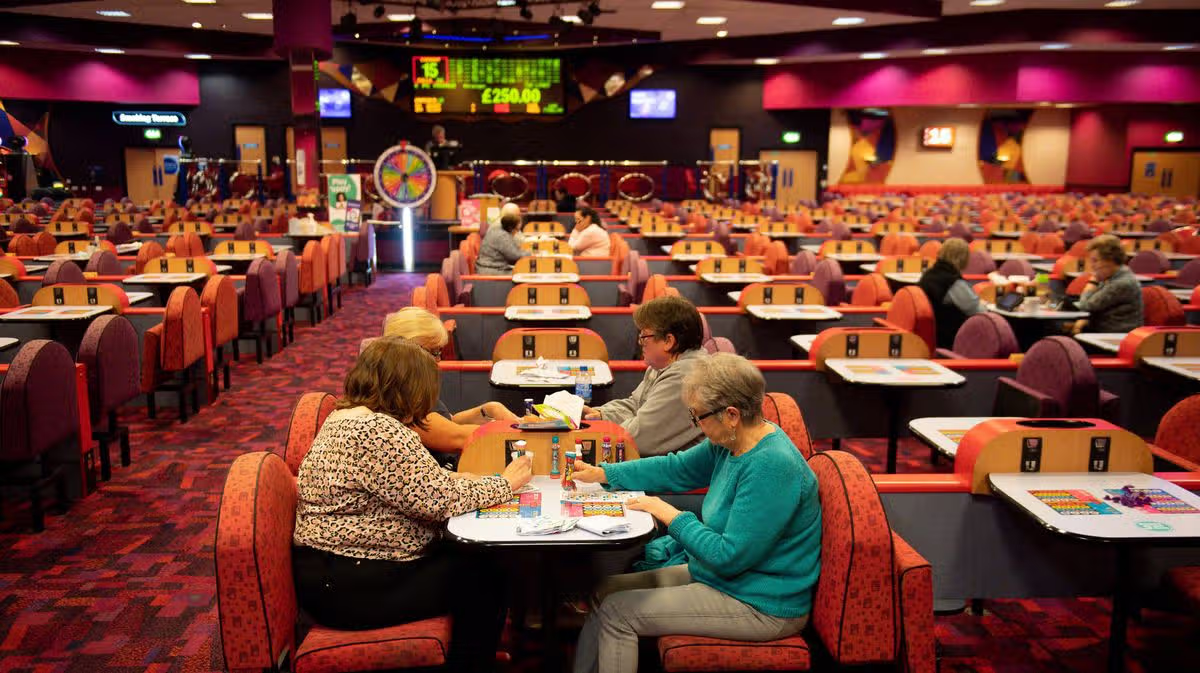
Customers at a Mecca Bingo hall

Customers at a Mecca Bingo hall(Image: PA)

Britain’s “much-loved” bingo halls could be at risk of closure if Andy Burnham proceeds with a £460m increase in gambling taxes, according to the owner of Grosvenor Casinos and Mecca Bingo.

Advertisement

Richard Harris, chief executive of Rank Group, said on Thursday: “Tax proposals from anti-gambling campaigners continue to cast clouds over a regulated industry that is proud to support jobs across the country [and] deliver great hospitality experiences to millions of customers.”

The FTSE 250 company reported paying more than £225m in taxes last year, and warned the government against imposing further tax increases on the gambling sector.

Before Andy Burnham’s appointment as Prime Minister, a left-wing think tank had suggested he could generate £460m by raising tax on slot and fruit machines from 20 to 40 per cent.

Any rise in Machine Games Duty (MGD) “will further impact venue viability across both Grosvenor and Mecca and will lead to a reduction in tax receipts within 12 months,” Rank Group stated, as reported by City AM.

Advertisement

While the government abolished a tax on physical bingo halls earlier this year, the prevalence of gaming machines at Mecca Bingo venues means the company could still suffer from such a tax rise.

Harris said higher gambling taxes would mean that “much-loved bingo halls and casinos will be forced to close, impacting customers in local communities”. The group said it is focusing on efforts to drive revenue from its digital machines and electronic gaming at its Grosvenor Casino and Mecca Bingo sites.

Rank Group recorded a five per cent rise in gaming revenue, to £835m, in the year to June, though pre-tax profit fell by 15 per cent to £39m.

The firm said its statutory profit was impacted by a £7.5m impairment charge relating to its gaming machines.

Advertisement

The business generated an average £7.6m gaming revenue per week at its Grosvenor Casinos arm, a rise of five per cent, which operates around 50 venues across the UK.

The group introduced 850 new machines across 37 of its casinos in an attempt to boost turnover, but noted that the Middle East conflict weighed on performance in its table gaming offering.

Rank has been scaling back its portfolio of Mecca bingo halls, responding to an “oversupply” of venues throughout the UK.

The group has been left with “a much healthier estate of core clubs and flagship venues, well-placed to compete more effectively in their marketplaces,” it said.

Advertisement

Gaming machine revenue climbed by six per cent at Mecca, accounting for 42 per cent of the business’s gaming turnover across the year.

Entain, the FTSE 100 owner of Ladbrokes, on Thursday criticised the government’s “significant and disappointing” hike to taxes on remote gambling, which it said weighed on its underlying earnings.

The Rank Group traces its origins back to media group The Rank Organisation, founded by Hull-born J Arthur Rank.


Advertisement
Continue Reading
Click to comment

You must be logged in to post a comment Login

Leave a Reply

Business

AutoStore Holdings Ltd. 2026 Q2 – Results – Earnings Call Presentation (OTCMKTS:AUTSF) 2026-08-13

Published

on

OneWater Marine Inc. (ONEW) Q1 2026 Earnings Call Transcript

This article was written by

Seeking Alpha’s transcripts team is responsible for the development of all of our transcript-related projects. We currently publish thousands of quarterly earnings calls per quarter on our site and are continuing to grow and expand our coverage. The purpose of this profile is to allow us to share with our readers new transcript-related developments. Thanks, SA Transcripts Team

Continue Reading

Business

UK economy helped by World Cup and hot weather but slowdown incoming

Published

on

Business Live

The UK economy grew in June, according to latest ONS data, surprising many economists

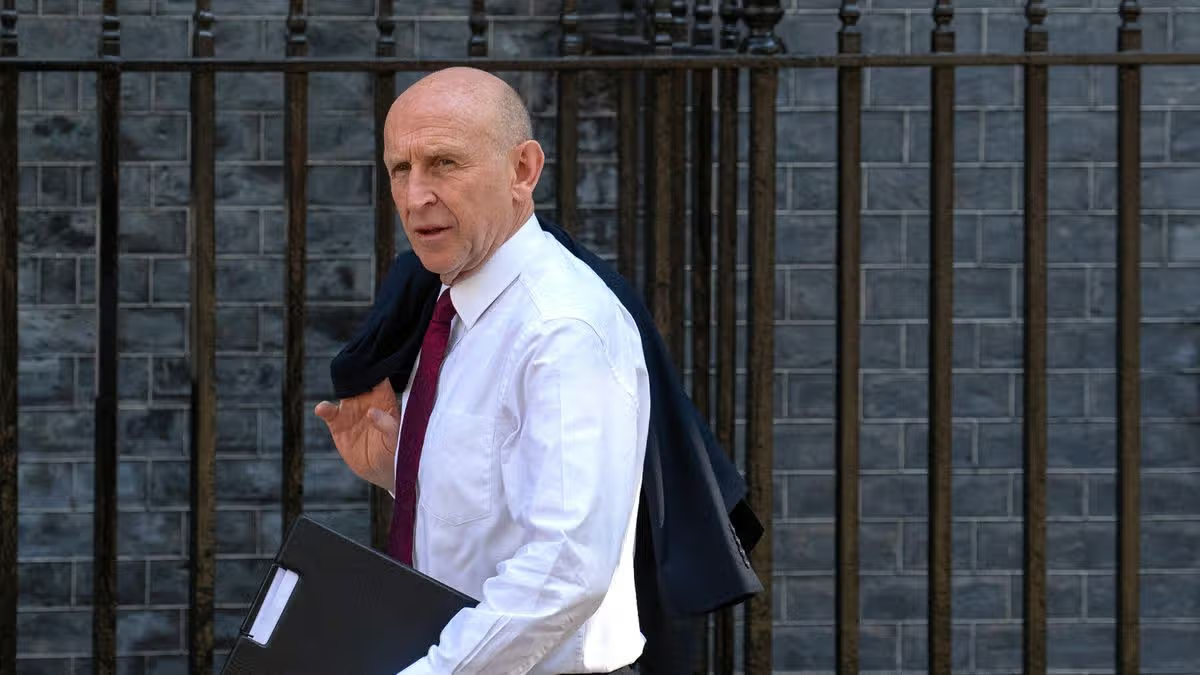
John Healey, Britain's Defence Secretary

John Healey is the UK’s new chancellor(Image: Carl Court/Getty Images)

The UK economy expanded by 0.4 per cent between April and June, according to official figures, though the outlook is expected to deteriorate as the year progresses. The Office for National Statistics (ONS) disclosed revealed the quarterly result was accompanied by a surprise growth figure of 0.3 per cent in June, surpassing analysts’ expectations.

Advertisement

Figures for May were revised downwards from 0.1 per cent growth to zero growth. City economists surveyed by Bloomberg had forecast second-quarter growth of 0.4 per cent, while June data was anticipated to show a decline in total product value of 0.1 per cent.

The services sector provided the primary boost to the UK economy over the three-month period, expanding by 0.5 per cent. Production remained stagnant with no change from the first quarter, while the construction sector struggled to gain traction with growth of just 0.3 per cent, as reported by City AM.

“Growth slowed in the second quarter of the year, following a strong start to 2026, but remained relatively robust,” Liz McKeown, director of economic statistics at the ONS, said.

“Within services, computer programming and advertising continued to perform strongly, as they have done throughout the year, while wholesale was a notable area of weakness.”

Advertisement

Second-quarter growth fell short of the activity recorded in the first three months of the year, when the UK’s official statistical body reported that GDP had risen by 0.6 per cent.

Schroders senior economist George Brown said the UK economy had demonstrated “resilient” qualities, though he cautioned that he suspected “seasonal quirks are flattering activity in the first half of the year, with growth likely to lose some steam later in 202”.

Yael Selfin, chief economist at KPMG, agreed, warning that “temporary tailwinds are likely to fade, and higher prices continue to squeeze households’ purchasing power”.

“Growth is expected to moderate in the coming months as the impact of higher prices and borrowing costs filter through to households and businesses,” Selfin said.

Advertisement

She further noted the figures had come as a surprise, with consumers having benefited from warm weather and having thus far weathered recent economic turbulence “remarkably well”. The ONS indicated that “sporting events”, widely interpreted as a reference to the World Cup, had provided a boost to consumer spending.

The deceleration in output and activity may unsettle Prime Minister Andy Burnham and Chancellor John Healey as they brace for a challenging Budget.

Both senior figures were cautioned that the UK economy’s trajectory hinged largely on President Trump’s decisions and Iran’s conduct across the Middle East, as well as the reopening of the Strait of Hormuz.

According to Bloomberg, Treasury officials warned the senior ministers that the UK economy would expand by just 0.3 per cent should the strait remain blocked for the remainder of the year. The Bank of England has similarly indicated it would increase interest rates if the strait stays closed for the rest of the year.

Advertisement

Independent forecasters have painted similarly bleak pictures for the UK economy.

Economists at EY have cautioned that the UK economy could tip into recession in a scenario where oil and gas supplies fail to leave or transit through the Gulf region, which accounts for roughly a fifth of global supplies.

Recent figures have highlighted that government spending has been a substantial driver of economic growth.

Healey faces mounting pressure from business leaders to deliver a confidence-boosting Budget against an increasingly gloomy economic backdrop.

Advertisement

Devolution is expected to be one of the centrepiece policies at the Budget, with the Chancellor having previously championed regional investment bodies to stimulate growth.

However, economists at Capital Economics have cautioned that reduced fiscal headroom and a raft of spending commitments on energy policy support and defence could compel him to raise approximately £25bn through tax increases.

Responding to the latest growth figures, Healey said: “I know people are worried about the impact of the conflict in the Middle East on their cost of living, which has been too high for too long and it has added pressure on British businesses.

“This is an active, hands-on government, putting British interests first – giving breathing space to those feeling the strain, making our country more resilient and bringing hope back”.

Advertisement

“We’ve seen the fastest growth in the G7 this year, but we now need to double down and drive growth in every postcode.”

Shadow chancellor Sir Mel Stride added: “Our economy is struggling because Labour have no plan for growth.

“Labour have mismanaged the economy with their tax and borrowing spree, leaving it weak and vulnerable to the effects of shocks like the Iran War.

“Yet Andy Burnham is gearing up to tax and borrow even more, doubling down on those failures.”

Advertisement
Continue Reading

Business

Yen’s slide to weekly loss prompts bets for another intervention

Published

on

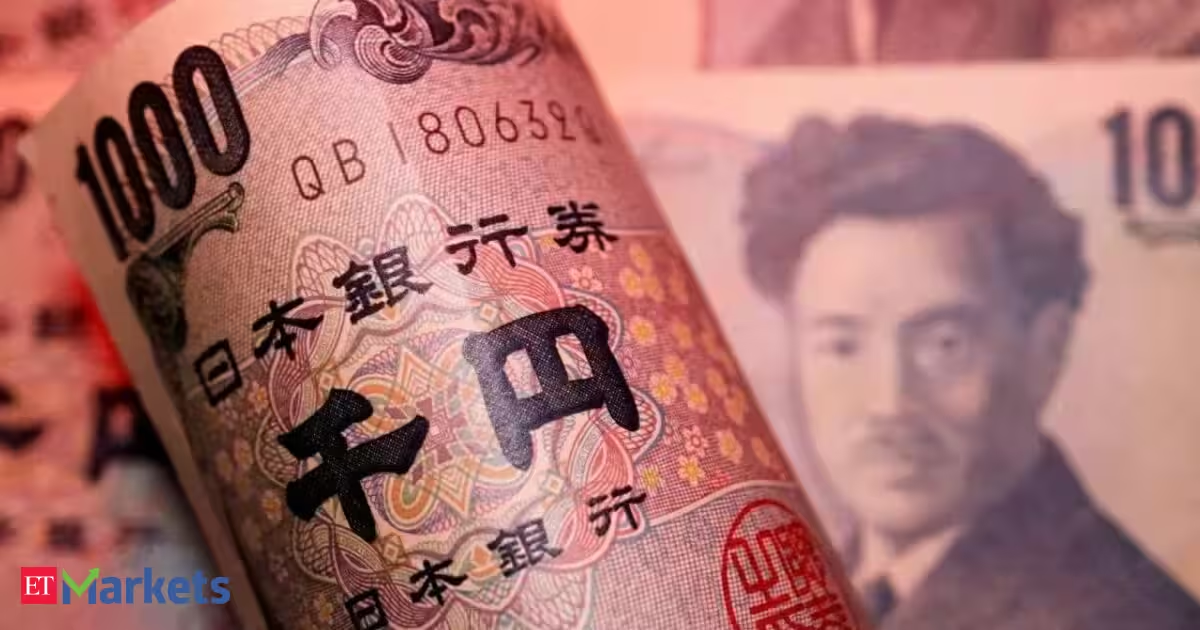
Yen's slide to weekly loss prompts bets for another intervention
The yen headed for its biggest weekly loss in three months on Friday as the impact of U.S. and Japanese ​intervention faded, leaving traders to wager another round ​of official buying would be needed to stem the rot.

The currency has surrendered roughly half the ​gains sparked by intervention in late July and early August, falling about 1% this week to 159.43 per dollar. It was trading near 164 per dollar before July’s intervention and traders see the 160 level as a potential trigger for fresh official action.

The yen’s retreat is set to be its biggest weekly ‌drop since May, ⁠when it ⁠was also backsliding after a round of official buying. A fall of about 0.8% to 183.91 yen per euro this week is the largest since April.

The Japanese currency ​was stable early on Friday but has been falling for years, and was at near four-decade lows before the intervention, on a combination of ​perennially low interest rates and newer confidence concerns around government spending and funding.

Advertisement

The broader currency market has been fairly steady this week, with support for the dollar from higher oil prices and Middle East tension offset by benign U.S. jobs and inflation reports that ​reduced expectations for U.S. interest rate hikes.


Overnight figures showing unchanged U.S. producer prices in July ⁠further supported ‌dialling back bets on a September hike, now seen as a roughly 35% chance.
The euro edged 0.2% ​lower to $1.1536 this week ​while sterling was flat at $1.3489. A surprisingly low inflation expectations reading knocked the New Zealand dollar ⁠on Thursday, but it bounced back as the swap market stuck with an 85% ​chance of a rate hike in September.The Australian dollar hovered at $0.7060. [AUD/]

THE ONUS IS ON BOJ

Japan ​may conduct more joint yen intervention “at any time” and signal the chance of faster-than-expected interest rate hikes to stem further falls, Tokyo’s former top currency diplomat Mitsuhiro Furusawa told Reuters in an interview.

Markets have already bet on the Bank of Japan raising rates further and sooner than previously expected after U.S. Treasury Secretary Scott Bessent said Japan should reinforce currency intervention with policies and fundamentals that underpin the yen.

“It’s not much of a surprise that the yen has retraced,” said OCBC strategist Sim Moh Siong.

Advertisement

“Because for the intervention to ‌change the yen trend, we need to see a more hawkish BOJ stance, which the market is trying to price in, but at the same time, we need validation,” he said. “The onus is on BOJ to ​step up.”

Markets currently ​see a 76% chance of a ⁠BOJ hike in September, according to Tokyo Tanshi data, a dramatic increase compared with 24% on July 30, but one which also opens the door to yen falls if investors are disappointed.

China’s yuan hovered at 6.7452 in offshore trade on Friday, not far from ​a 3-1/2-year high touched last week.

South Korea’s won, which was also supported by official intervention as authorities sold dollars in concert with Japan last month, has held steadier than the yen though was set to notch a modest loss of 0.6% on the dollar this week.

Advertisement

“Interventions, to me, even if they’re coordinated, even if they are quite powerful, are at best temporary, and at worst an invitation for the market to challenge them,” said Omar Slim, co-head of Asia public fixed income at MetLife Investment Management.

Continue Reading

Business

Rates Spark: The Yen Link To U.S. Treasuries

Published

on

Rates Spark: The Yen Link To U.S. Treasuries

Rates Spark: The Yen Link To U.S. Treasuries

Continue Reading

Business

CBH welcomes new locomotives in time for 2026 grain harvest

Published

on

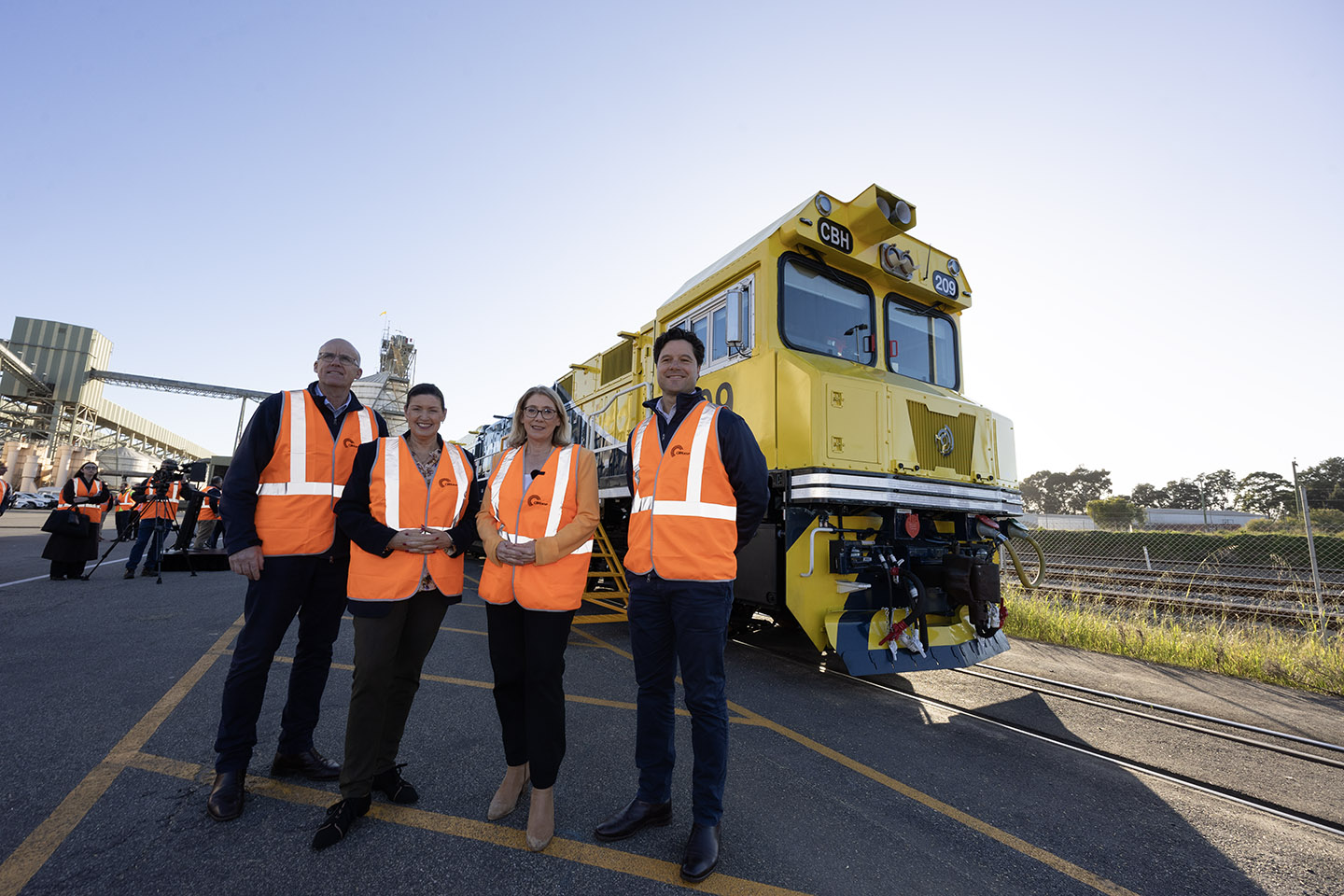
CBH welcomes new locomotives in time for 2026 grain harvest

New locomotives ready to take to WA’s freight rail network are equipped with “world-leading” lighting and will play a key role in delivering the state’s bumper crops to market.

Continue Reading

Business

Thames Water and Wessex Water to be allowed to hike bills to boost spending

Published

on

Business Live

They are among five suppliers given permission by the sector watchdog to increase charges

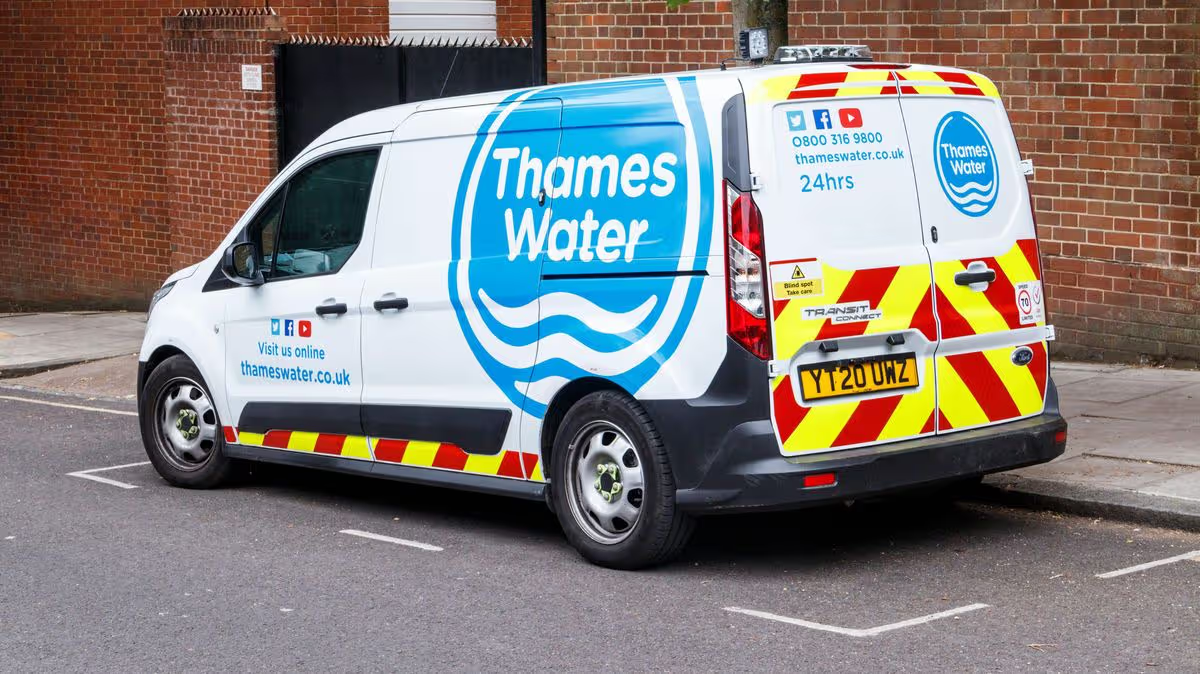
A Thames Water van parked on a street

A Thames Water van parked in a residential street(Image: No credit)

Thames Water and Wessex Water are among five water firms given the provisional go-ahead by the industry watchdog to hike bills further as part of plans allowing suppliers to spend an extra £3.4bn.

Advertisement

Ofwat revealed in its draft determination that five of 13 suppliers across England and Wales are set to be given permission to increase charges for customers to pump in the additional investment by the end of the decade to help upgrade networks to cope with new housing and data centres and tackle forever chemicals to ensure drinking water is safe and reliable.

Debt-laden Thames Water is one of the firms provisionally allowed to increase customer bills between 2027 and 2030, alongside Severn Trent Water, Southern Water, Wessex Water and South East Water.

Thames Water covers a large area of London and the Thames Valley as well as Oxfordshire, Berkshire, Wiltshire and Gloucestershire. Wessex Water, meanwhile, includes Dorset, Somerset and Bristol as well as most of Wiltshire and parts of Gloucestershire and Hampshire.

It follows a three-month review by Ofwat, with the 13 firms originally putting forward requests for further investment of £4.3bn.

Advertisement

Ofwat will now consult on the draft decision until September 24 with a final verdict due in December.

Helen Campbell, executive director for delivery at Ofwat, said: “The newly agreed funding will help unlock much-needed new housing development and boost business growth across a range of sectors, as well as improving drinking water quality and the removal of PFAS and forever chemicals.

“We will track performance to ensure companies are delivering the expected improvements for customers and the environment. If they don’t, expenditure can be clawed back.”

Environment Secretary Angela Eagle said: “I know that households across the country are watching every pound and I share their frustration that years of underinvestment and toothless regulation has led to this.

Advertisement

“We have already ringfenced money earmarked for new infrastructure so it can only be spent on fixing the problems, and will go further by fundamentally reforming the water sector so that it works for the public; keeping bills as low as they can be, and delivering higher standards, better performance and cleaner waterways.”

The news comes just days after Thames Water sparked outrage after handing a delayed £1m “golden handshake” to its chief financial officer and agreeing controversial retention payouts to top bosses as it battles to secure its financial future.

The stricken supplier is sinking under a debt pile of more than £20bn.

Advertisement
Continue Reading

Business

Thailand CPI Cools to 2.0% as BoT Holds Rates and Baht Stays Weak

Published

on

Why Is the Thai Baht So Weak in 2026?

Thailand’s July CPI eased to 2.0% yoy, below forecasts, driven by softer fuel prices. Core inflation remains manageable at 0.8%. BoT expected to hold rates at 1% through year-end amid subdued demand. THB strengthened to 33.00/USD but remains among Asia’s weakest currencies in 2025.


Key Points

  • Inflation: July CPI rose 2.0% yoy, below the 2.4% consensus and June’s reading, marking the lowest since March; core CPI averaged 0.8% YTD, under the government’s 1.5% forecast.
  • Policy Outlook: BoT likely to hold rates at 1% through year-end, citing manageable inflation and subdued demand pressures, per Assistant Governor Don Nakornthab.
  • FX: USD/THB fell to 33.00, a seven-week low; THB still down 4.5% YTD, underperforming regional peers.

Inflation Eases Below Expectations

Thailand’s July Consumer Price Index (CPI) rose 2.0% year-on-year, falling short of the Bloomberg consensus estimate of 2.4% and down from June’s 2.4% reading. This marks the lowest inflation print since March, driven largely by softer retail fuel prices that eased overall cost pressures. Despite the headline moderation, core CPI has been gradually climbing, averaging 0.8% over the first seven months of 2025—still comfortably below the government’s full-year core inflation forecast of 1.5%. Commerzbank strategists note that while underlying price pressures persist, they remain manageable and well-contained, suggesting inflation dynamics are not yet a pressing concern for policymakers or the broader economy.

Steady Monetary Policy Outlook

Given the benign inflation environment, the Bank of Thailand (BoT) is expected to hold its policy rate at 1% through the remainder of 2025. Commerzbank strategists see little justification for a shift in monetary policy at this stage, as demand-side pressures remain subdued and inflation risks appear skewed to the downside. This view was reinforced by BoT Assistant Governor Don Nakornthab, who recently indicated that inflation is under control and could potentially undershoot earlier projections due to weak consumer demand. The central bank’s cautious, wait-and-see stance reflects confidence that current price trends do not warrant tightening, while also leaving room for flexibility should conditions change later in the year.

\

Currency Performance Remains Weak Despite Recent Gains

In foreign exchange markets, the Thai baht (THB) strengthened modestly, with USD/THB falling 0.2% to 33.00, its lowest level since June 22. The currency has now gained for four consecutive sessions, aided by rising global gold prices, which have historically supported the baht given Thailand’s gold trade dynamics. Despite this short-term rebound, the THB remains the third worst-performing currency in Asia this year. On a year-to-date basis, the baht has depreciated 4.5% against the US dollar, a significantly steeper decline than the average 1.9% drop seen among other Asian currencies excluding Japan. This underscores that, despite recent stabilization, the baht continues to face broader structural and cyclical headwinds relative to regional peers.

Advertisement

Source : Thai Baht: Benign inflation keeps BoT on hold – Commerzbank

Continue Reading

Business

Zentalis Pharmaceuticals prices $80.5M stock offering at $3.50

Published

on


Zentalis Pharmaceuticals prices $80.5M stock offering at $3.50

Continue Reading

Business

Ibotta director Thomas Lehrman sells $1.53m in company stock.

Published

on


Ibotta director Thomas Lehrman sells $1.53m in company stock.

Continue Reading

Business

Intuitive Machines: Stifel upgrades to ’Buy’ on backlog surge despite Q2 miss

Published

on


Intuitive Machines: Stifel upgrades to ’Buy’ on backlog surge despite Q2 miss

Continue Reading

Trending

Copyright © 2025