
Business
Thai Baht’s Strength Poses Challenges to Economy, Warns Finance Minister

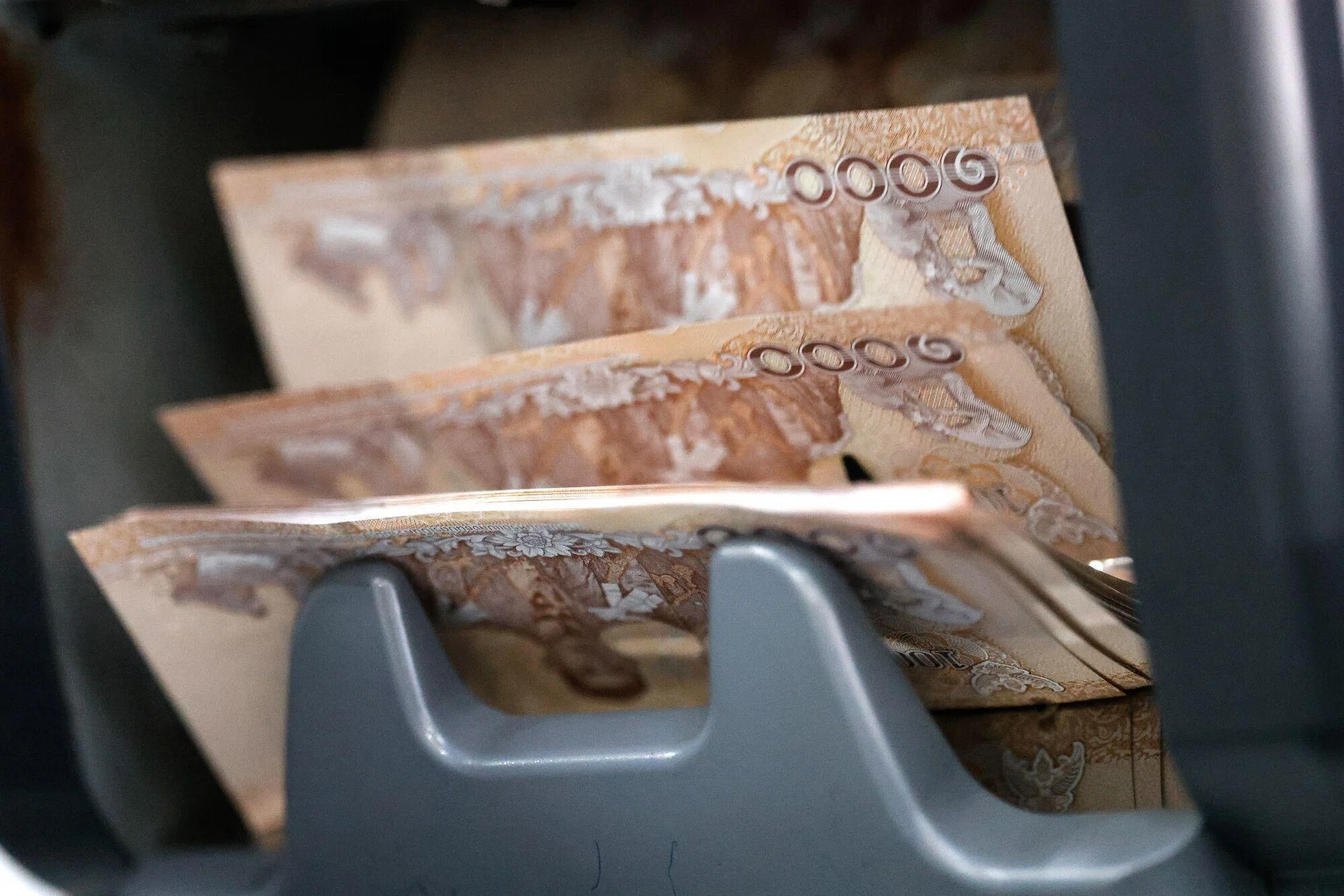
Thailand’s finance minister expressed concerns over the strong baht affecting the export-driven economy, urging measures to manage its strength and volatility amid challenging economic conditions and upcoming elections.
Key Points
- Thailand’s finance minister expressed concerns over the strengthening baht, which reached its highest level against the dollar in over four years, impacting the export-driven economy. The baht traded at 31.46 per dollar, having appreciated by 9% this year.
- Ekniti Nitithanprapas noted ongoing discussions with the central bank to manage currency volatility, stating the strong baht negatively affects economic growth, particularly for net exporters in the country.
- The central bank is tightening controls on forward foreign exchange transactions to mitigate volatility. GDP growth is projected at 2% for this year, as the government prepares budgets amid parliament dissolution, enabling potential snap elections in February.
Thai Baht’s Strength Poses Challenges for Economy, Says Finance Minister
Thailand’s Finance Minister has raised concerns over the strength of the Thai baht, stating that its current level is hindering the nation’s economic recovery. Speaking at a press conference in Bangkok on Thursday, he explained that a robust currency can adversely affect exports, which are critical for Thailand’s growth, especially in the wake of the ongoing global economic challenges.
The baht has appreciated significantly against the US dollar in recent months, reaching a two-year high. According to the Bank of Thailand, this has led to concerns among exporters who rely heavily on competitive pricing to access international markets. “A strong baht is not necessarily a sign of a healthy economy; it can stifle growth opportunities for many businesses,” Ekniti noted.
Exports, which make up nearly 70% of Thailand’s GDP, have seen sluggish growth due to the high value of the baht, making Thai goods more expensive abroad. Economists warn that if the baht remains elevated, it could threaten the already precarious recovery post-pandemic.
Officials have indicated that they may consider interventions to moderate the baht’s strength, although they also stress the importance of maintaining a market-driven economy. As Thailand navigates these challenges, the balance between currency value and economic viability remains a pivotal concern for policymakers.
Citations: Bank of Thailand, Ministry of Commerce, financial analysts



