






You might have a small kitchen, but that doesn’t mean you can’t make cafe-quality coffee at home. I test over a dozen coffee makers every year in my own small space, and I’ve found that when it comes to preparing delicious espresso, size really isn’t everything.
If you want a machine that will prepare 40 different beverages at the press of a button then, yes, you’ll need to dedicate a significant amount of space on your kitchen counter to a hefty fully automatic machine. However, if you just want to make delicious espresso, there are far smaller options that will do a superb job.
Here, I’ve picked out my all-time top-three compact coffee makers for small spaces, including one bean-to-cup brewer, one capsule coffee maker, and one more traditional manual brewer. I’d happily use any of the three myself — and they’re all very reasonably priced as well.
Latest Videos FromTechRadar
Lavazza A Modo Mio Jolie Evo
I tested this coffee maker just a few days ago, and it’s the smallest I’ve ever used, measuring a mere 4.9 x 8.3 x 13 inches / 124 x 210 x 330mm (W x H x D).
If you’re looking for a compact coffee maker that will brew a good espresso with minimum fuss, this is the one for you. It takes Lavazza’s own A Modo Mio pods, which you drop into a slot on top of the machine, before pushing back the large lever and hitting the “brew” button. Once you’re satisfied with the quantity in your cup, tap the button again to stop the flow. Done.
You don’t get Nespresso-like fancy flavors with Lavazza’s pods, but I’d argue that’s no bad thing. Coffee laced with added aromas often tastes unpleasantly sweet or artificial, and while Lavazza offers plenty of choice for beans and roasts, all the aromas come from the coffee itself, rather than from additives.
The only downside for me is that A Modo Mio pods are plastic, and can be difficult to recycle if you don’t have a collection point near you. I’m lucky to have one quite nearby, but you can’t send your pods in the mail — if there’s no drop-off spot nearby, your only option is to start one yourself.
In all other respects, this is a superb little coffee maker. It’s affordably priced, too, and its pods are some of the cheapest around.
Read our full Lavazza A Modo Mio Jolie Evo review
Philips Baristina
The Philips Baristina makes brewing espresso with fresh coffee beans just as simple as using pods. It measures 7 x 13.6 x 15 inches / 18 x 34.5 x 38cm (W x H x D), which is a fraction of the size of most bean-to-cup machines, and it’s half the price too.
Pour your coffee beans into the hopper located on the top surface of the Baristina, fill its water tank, and slide the portafilter handle into place. Choose whether you want a single or double espresso and the machine will grind just the right quantity of coffee. Tamp it down, then slide the filter underneath the brewing group, and dispense a perfectly extracted drink directly into your waiting cup.
It’s refreshingly simple, and cleanup is a piece of cake. Most bean-to-cup coffee machines do all the brewing inside a closed case, and the moist conditions combined with any leftover coffee grounds create the perfect conditions for mold to grow – unless you open everything up, clean it thoroughly, and leave the case open to dry overnight. With the Baristina, this isn’t a problem.
The only drawback of the standard Baristina is that there’s no steam wand for preparing milk. However, you can find the coffee maker bundled with a standalone milk frother, and Philips has recently launched a new machine called the Baristina Latte, which has a milk system built in. I’ve not had the opportunity to try it yet, but I have high hopes.
Read our full Philips Baristina review
De’Longhi Dedica Duo
We’ve had a capsule machine and a bean-to-cup coffee maker – now we have a traditional espresso machine, with a choice of portafilter baskets (both pressurized, making it easier to achieve a nice thick crema) and a manual steam wand. It measures 5.5 x 12 x 12.6 inches / 14 x 30.5 x 32cm (W x H x D), allowing it to slot onto even tiny kitchen counters.
The Dedica Duo has a list price of $299.95 / £279.99 (about AU$600), which is very affordable for a manual espresso machine, and would usually sound warning bells — espresso machines in this price bracket are usually pretty bad, and incapable of sustaining the steady temperature and pressure necessary for consistent brewing. That’s not the case here, though; this is a De’Longhi machine through and through, with no compromises on build quality or performance. Everything feels solidly made, and it’s a pleasure to use.
The “Duo” in the name refers to the fact that this little coffee maker can also make a cold-extracted espresso using water directly from the tank (bypassing the boiler). This takes longer then brewing hot, but works very well and produces a pleasingly mellow-tasting drink that’s an ideal foundation for iced drinks. A superb little all-rounder.
Read our full De’Longhi Dedica Duo review

Follow TechRadar on Google News and add us as a preferred source to get our expert news, reviews, and opinion in your feeds.


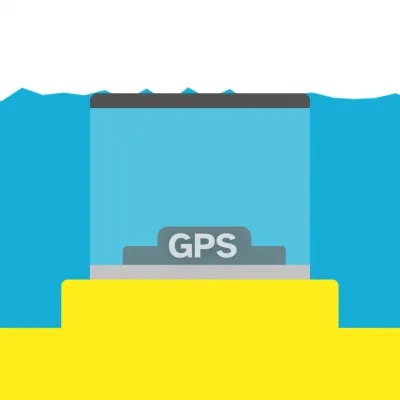
 The submersible itself is slightly positively buoyant. It features two concrete ballasts to adjust the center of gravity and six propulsion motors for six degrees of freedom. It’s powered by a NVIDIA Jetson to allow for autonomous operations and a whole host of sensors. Navigation is handled by a variety of sensors, mostly GPS and SBL. The GPS antenna sits in a radome at the top of the submersible, allowing for a strong enough signal for a positional fix when touching the bottom of the ice. SBL works similarly to sonar, where a transmitter on the submarine sends out an audio ping, received by a trio of hydrophones used to calculate the drone’s position.











































You must be logged in to post a comment Login