
News Beat
Japan clarifies nuclear weapons pledge amid security official’s comments

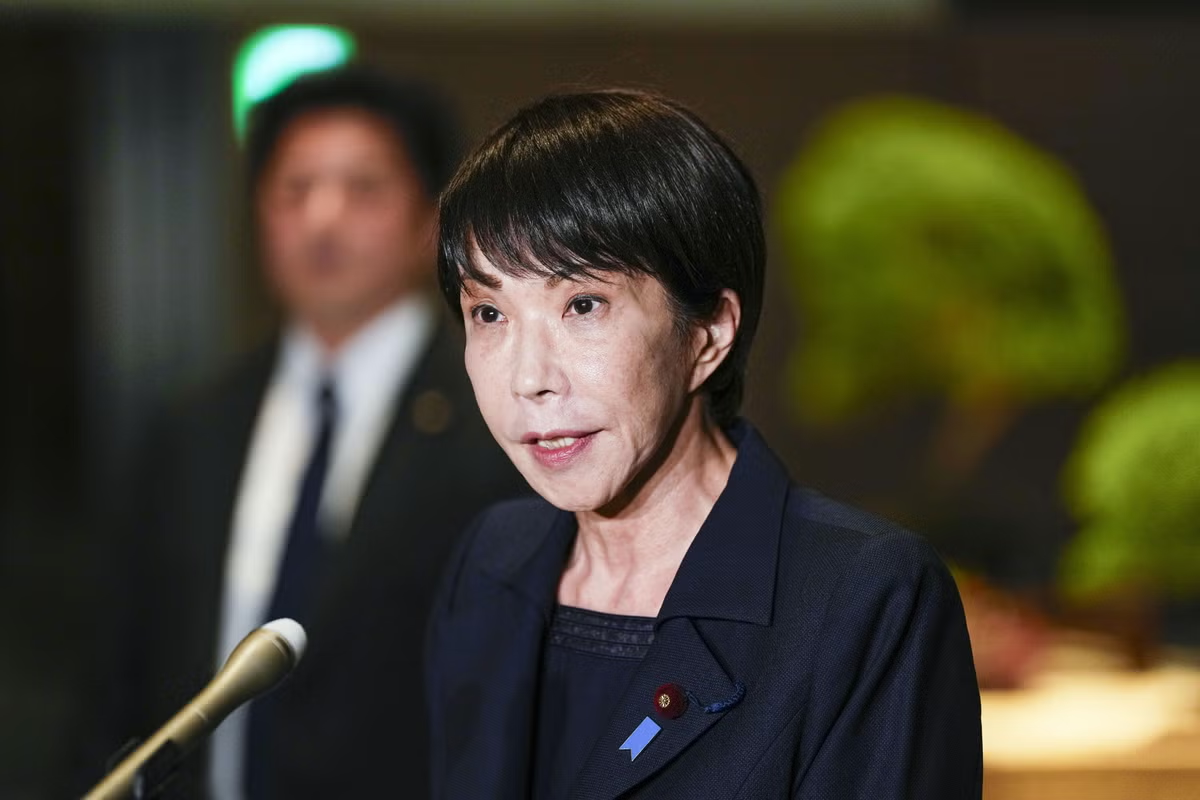
Japan has reiterated its long-standing commitment to never possessing nuclear weapons, following reports that a senior security official had suggested the country should acquire them for deterrence.
Local media, including public broadcaster NHK, reported that an unnamed official from Prime Minister Sanae Takaichi’s office advocated for nuclear armament due to a deteriorating security landscape.
The official reportedly acknowledged the significant political hurdles such a move would entail.
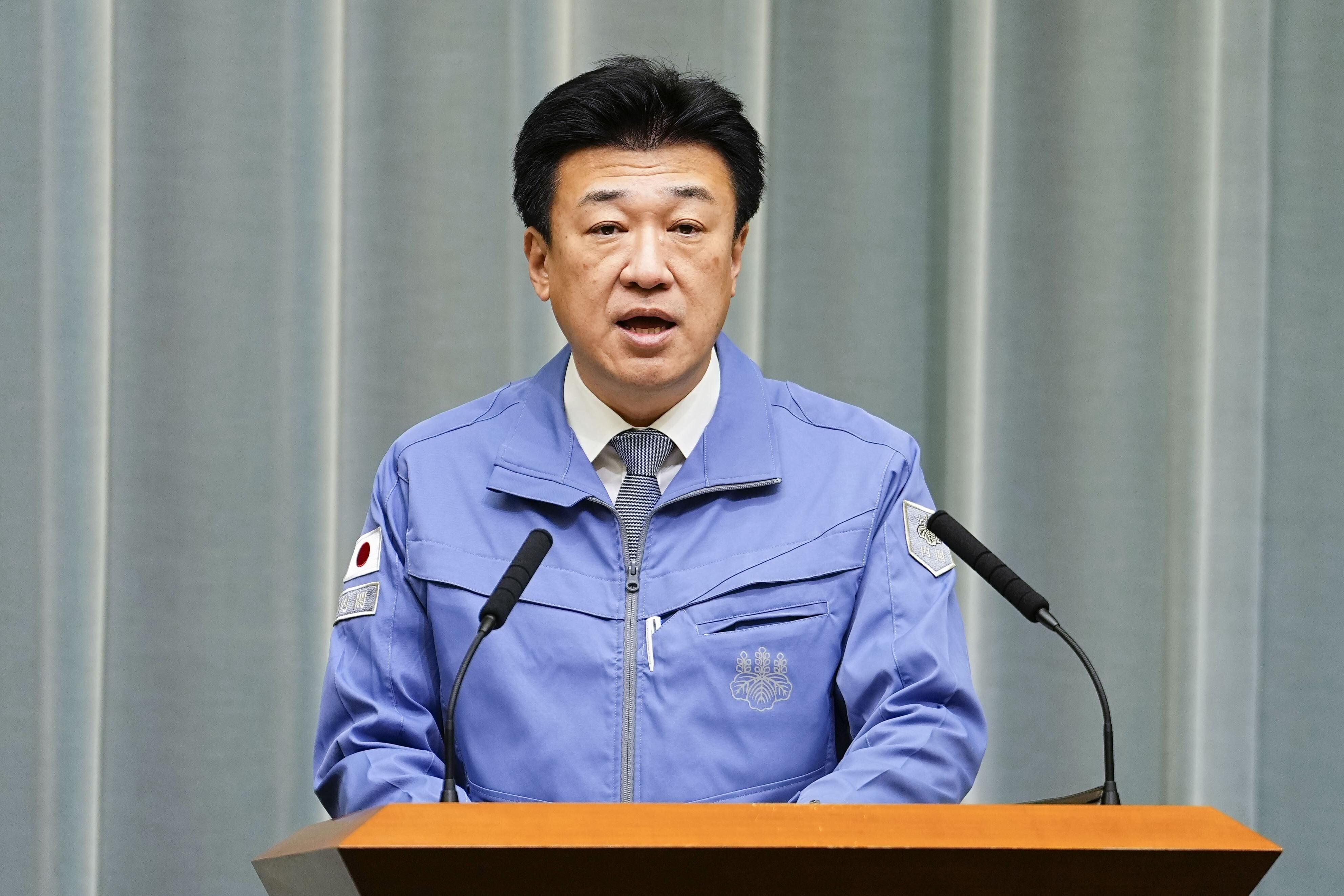
In response, Chief Cabinet Secretary Minoru Kihara confirmed in Tokyo that Japan’s nuclear policy remains unchanged.
However, he declined to comment on the official’s remarks or whether the individual would retain their government position.
A Reuters investigation published in August revealed a growing political and public appetite in Japan to reconsider its three non-nuclear principles, which prohibit the possession, development, or allowance of nuclear weapons.
This shift is partly driven by concerns over the reliability of US security guarantees under President Donald Trump, alongside escalating threats from nuclear-armed China, Russia, and North Korea.
Japan currently hosts the largest overseas concentration of US military forces and has maintained a security alliance with Washington for decades.
Some lawmakers within Takaichi’s ruling Liberal Democratic Party have said the United States should be allowed to bring nuclear weapons into Japan on submarines or other platforms to reinforce deterrence.
Takaichi last month stirred debate on her own stance by declining to say whether there would be any changes to the three principles when her administration formulates a new defence strategy next year.
“Putting these trial balloons out creates an opportunity to start to build consensus around the direction to move on changes in security policy,” said Stephen Nagy, professor at the department of politics and international studies at the International Christian University in Tokyo.
Beijing’s assertiveness and growing missile cooperation between Moscow and Pyongyang are “creating the momentum to really change Japan’s thinking about security,” he added.
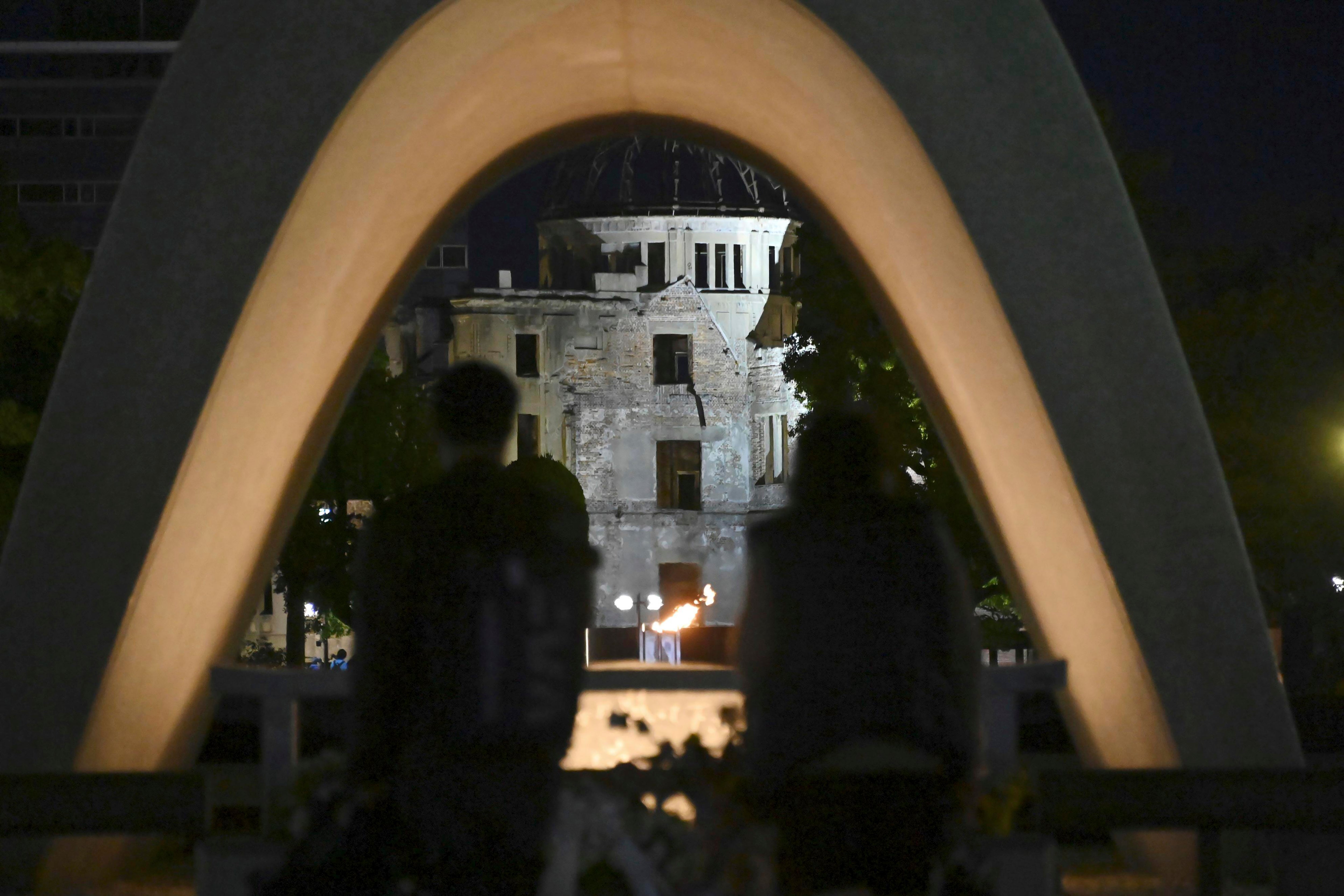
Discussions about acquiring or hosting nuclear weapons are highly sensitive in the only country to have suffered atomic bombings, and risk unsettling neighbouring countries, including China.
Ties between Tokyo and Beijing worsened last month after Takaichi said a Chinese attack on Taiwan that also threatened Japan could constitute a “survival-threatening situation” and trigger a military response.



