
Business
AI likely to displace jobs, says Bank of England governor

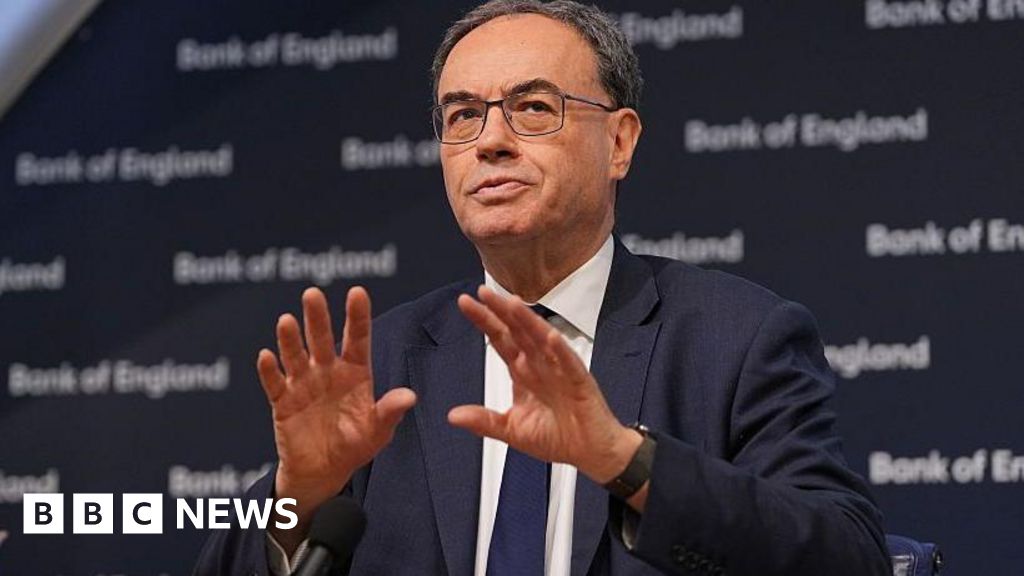
The widespread adoption of artificial intelligence (AI) is likely to displace people from jobs in a similar way seen during the Industrial Revolution, the governor of the Bank of England has said.
Andrew Bailey said the UK needed to have the “training, education, [and] skills in place” so workers could shift into jobs that use AI.
He told BBC Radio 4’s Today programme that people looking for a job would find securing employment “a lot easier” if they had such skills.
However, he warned that there was an issue with younger, inexperienced professionals finding it difficult to secure entry-level roles due to AI.
“We do have to think about: what is it doing to the pipeline of people? Is it changing it or not?” he said.
“I think if it’s people working with AI, I’m not sure it will change the pipeline, but I think we’re right to have an eye on that point.”
AI has become part of everyday life in recent years and is increasingly being adopted by businesses and the public sector.
The technology allows computers to process large amounts of data, identify patterns and follow detailed instructions about what to do with that information.
However, there are concerns over the impact it may already be having on the jobs market.
Official figures released this week revealed the UK unemployment rate rose to 5.1% in the three months to October, with younger workers particularly affected.
The number of unemployed 18 to 24-year-olds increased by 85,000 in the three months to October, the largest rise since November 2022, according to the Office for National Statistics (ONS).
Some have argued rises to the minimum wage and increased taxes has made it less appealing for businesses to hire entry-level staff.
However, some firms have said the growth of AI may eventually lead to fewer junior staff, particularly graduates being hired.
Entry-level professional jobs are thought to be most impacted by AI, particularly in sectors such as law, accountancy and administration.
The boss of accountancy giant PwC recently told the BBC that the firm was scaling back plans to increase its headcount.
“Now we have artificial intelligence. We want to hire, but I don’t know if it’s going to be the same level of people that we hire – it will be a different set of people,” said global chairman Mohamed Kande.
Firms who would have previously contracted PwC consultants to sift through data and documents may now use AI models instead, turning weeks of costly work into minutes.
Mr Bailey said worries over the impact of technology on populations cropped up at various times in history, stretching back centuries to when Queen Elizabeth I was worried about the impact of the invention of the knitting machine on her then subjects.
“As you saw in the Industrial Revolution, now over time, I think we can now sort of look back and say it didn’t cause mass unemployment, but it did displace people from jobs and this is important.
“My guess would be that it’s most likely that AI may well have a similar effect. So we need to be prepared for that, in a sense.”
Mr Bailey said AI was the “most likely source of the next leg up” for UK economic growth.
“In terms of its potential to improve productivity growth, I think it’s pretty substantial. It will get used across the economy. How quickly it comes through is another question, history would suggest that it does take some time.”
Mr Bailey said the Bank of England, which sets UK interest rates, was using AI but added the institution, along with others, were “probably all still experimenting”.
“To get it into sort of mainstream, everyday use will take some time, but it’s critically important that we obviously focus on getting the pre-conditions and all the conditions in place for that to happen,” he added.
Aside from the jobs market being affected by AI, there are concerns there could be an AI bubble – whether the big tech firms are being overvalued.
The Bank of England has recently sounded the alarm over a potential crash in the value of AI firms, reminiscent of previous incidents such as the dotcom bubble.
Jamie Dimon, the chief executive of US bank JP Morgan, told the BBC in October he was “far more worried than others” about the risk of a serious market correction in the coming years.
Mr Bailey told the Today programme that policymakers would “have to watch the valuation question”.
However, he did acknowledge that the majority of the big companies were generating cashflow.
“Of course, it’s still the case that it doesn’t mean they’ll all be winners. We’re watching it very closely, because we do need to watch, obviously, what the consequences of any sharp unwinding could be.”



