
CryptoCurrency
Metaverse Development Services for Enterprises in 2026

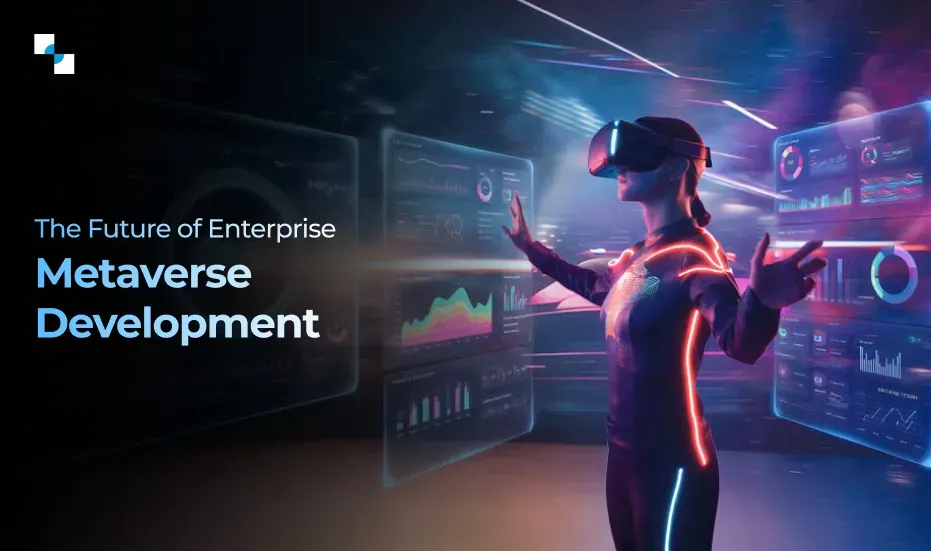
The metaverse has moved far ahead of the early-stage experimentation. What once existed as fragmented virtual worlds and solely proof-of-concept environments is rapidly evolving into a structured digital ecosystem designed for enterprise-scale operations.
By 2026, metaverse development is no longer about creating immersive spaces alone. It is more about architecting scalable, interoperable, and business-ready virtual ecosystems that support collaboration, commerce, training, customer engagement, & digital ownership at scale.
For enterprises and multinational organizations, the metaverse represents a long-term strategic layer of digital infrastructure—one that must be secure, adaptable, and aligned with real business outcomes.
Why Enterprises Are Taking Metaverse Development Seriously in 2026?
Early metaverse initiatives were largely driven by experimentation and brand visibility. Today, enterprise adoption is driven by measurable value creation.
Enterprises are investing in metaverse platforms to:
- Enable immersive remote collaboration and hybrid work
- Build virtual training and simulation environments
- Launch digital commerce and customer experience platforms
- Create persistent virtual campuses and digital twins
- Extend existing digital ecosystems into 3D environments
As these use cases mature, decision-makers are prioritizing scalability, interoperability, and long-term sustainability over novelty. The global metaverse market is projected to reach USD 936.6 billion by 2030, expanding at a CAGR of 46%, reflecting rapid growth across industries including gaming, retail, and enterprise platforms.
The Shift – From Virtual Spaces to Virtual Ecosystems
A critical shift in 2026 is the move from isolated virtual environments to connected metaverse ecosystems.
A scalable metaverse ecosystem includes:
- Persistent virtual environments that evolve over time
- Seamless user identity and access management
- Integrated digital economies and asset ownership
- Interoperability across platforms, devices, and networks
- Backend systems capable of supporting enterprise workloads
Metaverse development is no longer a front-end challenge, it is actually a full-stack architectural initiative.
Core Pillars of Scalable Metaverse Development
1. Infrastructure Built for Scale
Enterprise-grade metaverse platforms require cloud-native, modular infrastructure capable of dealing with:
- High concurrent user volumes
- Real-time interactions and data processing
- Cross-platform accessibility (web, mobile, VR, AR)
- Low-latency experiences across geographies
Scalability is not optional. Metaverse environments must grow alongside the organization, without requiring constant reinvention of the underlying architecture.
2. Interoperability as a Design Principle
In 2026, closed virtual worlds are a liability. Enterprises demand metaverse ecosystems that:
- Integrate with existing enterprise systems (ERP, CRM, LMS)
- Support interoperability across virtual platforms
- Enable digital assets and identities to move between environments
- Avoid vendor lock-in
Interoperability ensures that metaverse investments remain flexible and future-proof as technologies evolve.
3. Enterprise-Grade Security and Governance
As metaverse environments need to handle sensitive enterprise data, identity management, and digital assets, security becomes foundational.
Scalable metaverse development must include:
- Robust identity and access control mechanisms
- Secure authentication and role-based permissions
- Data privacy and regulatory compliance readiness
- Governance frameworks for digital assets and interactions
Without strong governance, metaverse platforms risk becoming operational and reputational liabilities. Enterprise-grade metaverse development services ensure top-notch security to avoid the occurence of any unfavorable events.
All Set to Build a Scalable Metaverse Ecosystem?
Business-Centric Use Cases Driving Metaverse Adoption
1. Virtual Workspaces and Collaboration
Metaverse-powered workspaces enable teams to collaborate in immersive environments that go beyond video conferencing. Persistent virtual offices, project rooms, & collaboration hubs improve engagement, spatial awareness, and productivity, especially for distributed teams.
2. Training, Simulation, and Skill Development
Enterprises are leveraging metaverse platforms for:
- Immersive onboarding programs
- Safety and compliance training
- Technical simulations and scenario-based learning
These environments reduce training costs while improving knowledge retention and real-world preparedness.
3. Customer Experience and Brand Engagement
Metaverse ecosystems allow enterprises to create interactive, immersive customer journeys:
- Virtual showrooms and product demonstrations
- Experiential marketing campaigns
- Personalized digital brand spaces
Unlike traditional digital channels, metaverse experiences create deeper emotional and experiential connections.
4. Digital Commerce and Virtual Economies
Scalable metaverse development readily supports
- Virtual storefronts and marketplaces
- Digital asset ownership and monetization
- Persistent virtual economies aligned with business models
These ecosystems extend commerce into immersive, interactive environments rather than replacing existing channels.
The Role of AI and Data in Metaverse Ecosystems
By 2026, AI is deeply embedded into metaverse platforms.AI enhances metaverse ecosystems by:
- Personalizing user experiences and environments
- Powering intelligent virtual assistants and NPCs
- Optimizing resource allocation and performance
- Providing behavioral insights and predictive analytics
For enterprises, AI-driven metaverse environments enable data-informed decision-making, not just immersive experiences.
What Successful Enterprise-Grade Metaverse Development Services Ensure?
Top-rated metaverse development services assures enterprises the best of results by:
- Managing performance across devices and networks
- Ensuring consistent user experience at scale
- Balancing immersion with accessibility
- Controlling infrastructure and operational costs
- Aligning metaverse initiatives with core business KPIs
Successful enterprises approach metaverse development with a platform mindset, not a campaign mindset. The increasing demand for metaverse-ready products and services by organizations worldwide is a clear indication of growing enterprise adoption.
Why Metaverse Development Services Matter?
Building a scalable metaverse ecosystem requires expertise across:
- 3D environment design and UX
- Cloud and backend engineering
- Blockchain and digital asset frameworks
- AI and data integration
- Security, compliance, and governance
This complexity is why enterprises increasingly rely on specialized metaverse development services rather than in-house experimentation alone. Professional development ensures:
- Faster time to market
- Reduced technical debt
- Long-term scalability
- Alignment with enterprise architecture
The Enterprise Metaverse in 2026 and Beyond
Looking ahead, the metaverse will increasingly function as:
- A digital extension of enterprise infrastructure
- A platform for persistent collaboration and commerce
- A data-rich environment for insight and innovation
- Convergence of AI, IoT, and metaverse platforms
- Metaverse as a core digital business layer
Enterprises that invest in scalable metaverse ecosystems today are positioning themselves for long-term competitive advantage rather than short-term visibility.
Fortune Business Insights projects the metaverse market will grow from USD 1.27 trillion in 2025 to over USD 7.6 trillion by 2032, driven in part by enterprise adoption of virtual collaboration platforms and immersive technologies.
Final Thoughts
Metaverse development in 2026 is defined by scale, structure, and strategy. Enterprises are no longer asking whether the metaverse matters, instead they are eager to know how to build virtual ecosystems that are secure, interoperable, and capable of supporting real business outcomes.
As organizations explore virtual collaboration, training, commerce, and digital twins, the metaverse is emerging as a foundational layer of the future digital enterprise. To succeed, enterprises must adopt a strategic approach that prioritizes scalability, security, long-term value, and real business outcomes.
As a provider of advanced metaverse development services, Antier helps enterprises design and build scalable virtual ecosystems that not only integrate seamlessly with existing digital infrastructure but also remain adaptable for future growth.



