

Business
Hyatt Hotels Chairman Thomas Pritzker steps down over Jeffrey Epstein ties


Check out what’s clicking on FoxBusiness.com.
Hyatt Hotels Executive Chairman Thomas Pritzker announced Monday that he is stepping down effective immediately after documents released by the Department of Justice (DOJ) revealed his association with convicted sex offender Jeffrey Epstein.
The executive, 75, told the company’s board that he will not seek re-election at Hyatt’s stockholder meeting in May, ending his 22-year tenure as chairman.
Pritzker acknowledged that he exercised poor judgment by failing to distance himself from the disgraced financier, who died in his jail cell in 2019 while awaiting trial on sex trafficking charges, as well as Ghislaine Maxwell, who was also convicted of trafficking minors alongside him.
“My job and responsibility is to provide good stewardship,” Pritzker said in a statement. “Following discussions with my fellow Board members, I have decided, after serving as Executive Chairman since 2004, and with the company in a strong position, that now is the right time for me to retire from Hyatt.”
EPSTEIN DOCS REVEAL HOTEL MAGNATE TOM PRITZKER, KIN OF DEMOCRATIC ILLINOIS GOV
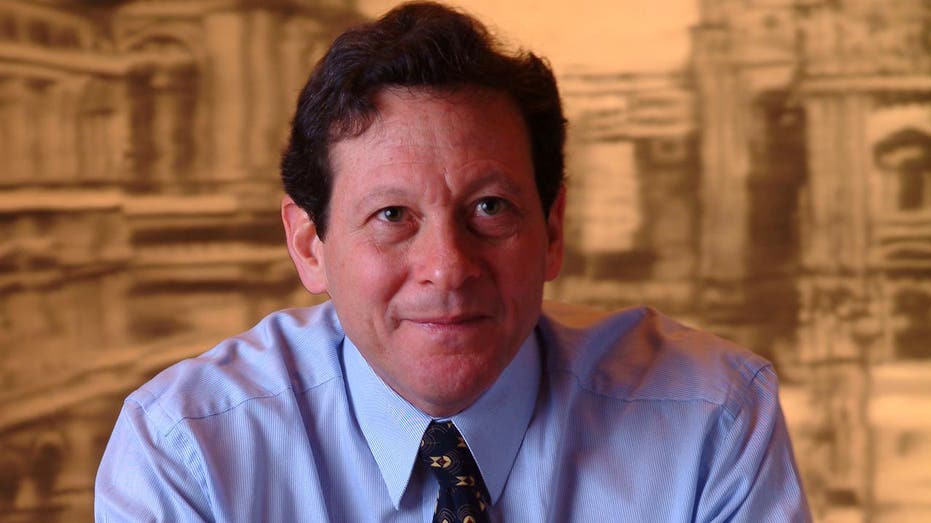
Tom Pritzker, executive chairman of the Hyatt Hotels Corporation, is seen on Dec. 4, 2004. (Michael L Abramson/Getty Images)
“Good stewardship also means protecting Hyatt, particularly in the context of my association with Jeffrey Epstein and Ghislaine Maxwell which I deeply regret,” he added. “I exercised terrible judgment in maintaining contact with them, and there is no excuse for failing to distance myself sooner. I condemn the actions and the harm caused by Epstein and Maxwell and I feel deep sorrow for the pain they inflicted on their victims.”
Mark S. Hoplamazian will take on the dual role of chairman and chief executive, the company said.
Pritzker, the billionaire hotel magnate and a cousin of Illinois Gov. JB Pritzker, is among the high-profile individuals named in the millions of unredacted documents the DOJ unsealed earlier this year as part of the expanding investigation into the notorious sex trafficker and his ties to numerous prominent business and political figures.
| Ticker | Security | Last | Change | Change % |
|---|---|---|---|---|
| H | HYATT HOTELS CORP. | 169.59 | +4.20 | +2.54% |
According to the files, Pritzker and Epstein exchanged numerous emails, some of which included attempts to arrange dinner plans and invitations to various events, Fox 32 Chicago reported.
Virginia Giuffre, a prominent Epstein accuser who died in 2025, alleged in a May 2016 deposition that she had one sexual encounter with Pritzker during her abuse. In a January statement to FOX Business, Pritzker’s spokesperson vehemently denied the allegations.
JEFFREY EPSTEIN LIST: COURT UNSEALS NAMES IN GHISLAINE MAXWELL LAWSUIT
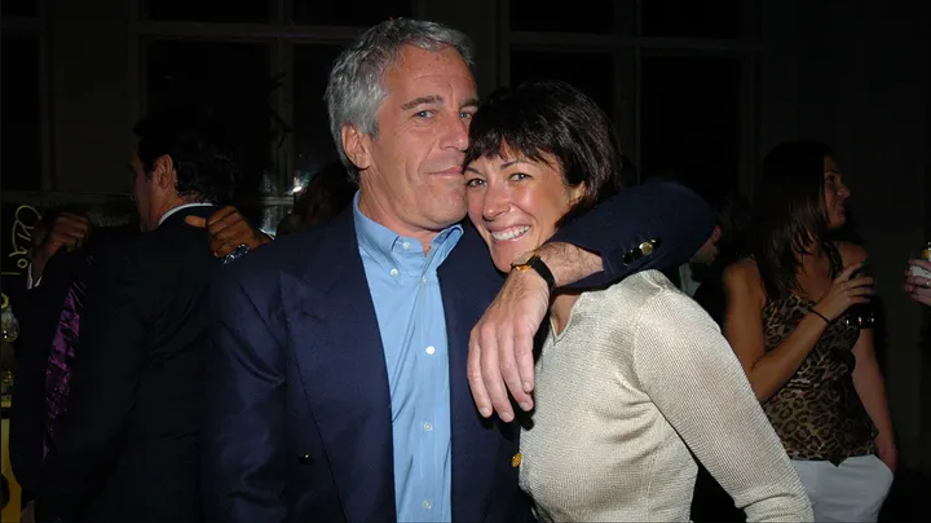
Jeffrey Epstein and Ghislaine Maxwell attend an event on March 15, 2005, in New York City. (Joe Schildhorn/Patrick McMullan via Getty Images)
Pritzker has served as executive chairman since 2004, during which he helped steer the company through its 2009 public offering and the COVID-19 pandemic in 2020.
“Tom’s leadership has been instrumental in shaping Hyatt’s strategy and long-term growth, and we thank him for his service and dedication to Hyatt,” Richard Tuttle, chair of the board’s nominating and corporate governance committee, said in a statement.
GET FOX BUSINESS ON THE GO BY CLICKING HERE
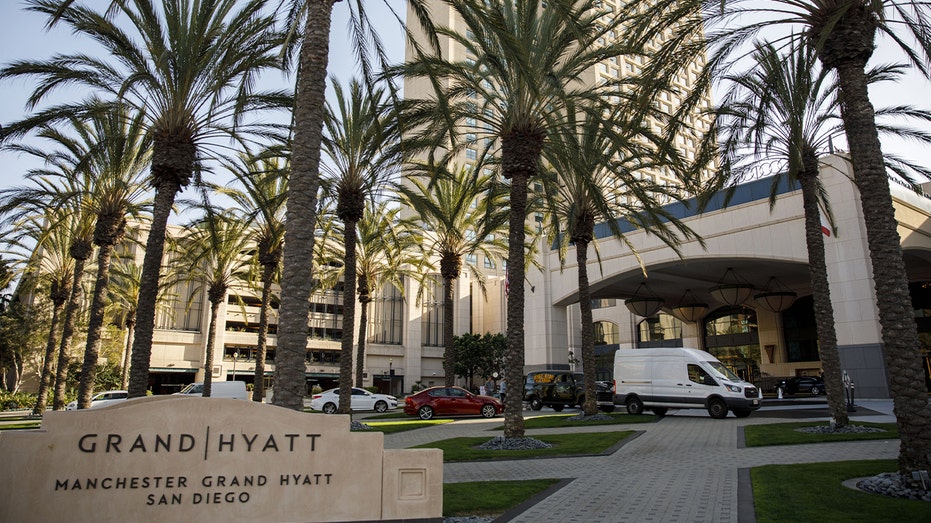
The Manchester Grand Hyatt Hotel in San Diego, California, on Feb. 11, 2018. (Patrick T. Fallon/Bloomberg via Getty Images)
“The Board has engaged in thoughtful succession planning, and we are confident that Mark’s deep knowledge of Hyatt’s business, strong relationships with owners and colleagues, and proven track record as CEO of nearly two decades positions him well to serve as Chairman and continue driving Hyatt’s long-term success.”
FOX Business’ Eric Revell contributed to this report.

Business
Warner Bros. Stock Slides. The Shares Are Offering a 14% Return If Paramount Deal Closes On Time.

Warner Bros. Stock Slides. The Shares Are Offering a 14% Return If Paramount Deal Closes On Time.
Business
SBI Mutual Fund: RIL, Infosys, and ICICI Bank among top 10 stock holdings in February – SBI Mutual Fund

The top two holdings of the fund house were in banking stocks. The allocation in HDFC Bank and ICICI Bank was 8.1% and 6%, respectively. Around 1.82 crore shares of ICICI Bank were added to the portfolio and the weight increased by 0.4% compared to previous month. The weight of HDFC Bank declined by 0.6% compared to the previous month.

Welcome to the home of The Cannabis Report. I cover the cannabis sector and other sectors. I am most interested in technical stock analysis, option strategies, small cap strategies, and emerging markets. Feel free to contact me with any questions about publicly traded stocks in the cannabis industry.
Analyst’s Disclosure: I/we have a beneficial long position in the shares of VFF either through stock ownership, options, or other derivatives. I wrote this article myself, and it expresses my own opinions. I am not receiving compensation for it (other than from Seeking Alpha). I have no business relationship with any company whose stock is mentioned in this article.
Seeking Alpha’s Disclosure: Past performance is no guarantee of future results. No recommendation or advice is being given as to whether any investment is suitable for a particular investor. Any views or opinions expressed above may not reflect those of Seeking Alpha as a whole. Seeking Alpha is not a licensed securities dealer, broker or US investment adviser or investment bank. Our analysts are third party authors that include both professional investors and individual investors who may not be licensed or certified by any institute or regulatory body.


The equity market is a powerful mechanism as daily fluctuations in price get aggregated to incredible wealth creation or destruction over the long term. Pacifica Yield aims to pursue long-term wealth creation with a focus on undervalued yet high-growth companies, high-dividend tickers, REITs, and green energy firms.
Analyst’s Disclosure: I/we have a beneficial long position in the shares of GRAB either through stock ownership, options, or other derivatives. I wrote this article myself, and it expresses my own opinions. I am not receiving compensation for it (other than from Seeking Alpha). I have no business relationship with any company whose stock is mentioned in this article.
Seeking Alpha’s Disclosure: Past performance is no guarantee of future results. No recommendation or advice is being given as to whether any investment is suitable for a particular investor. Any views or opinions expressed above may not reflect those of Seeking Alpha as a whole. Seeking Alpha is not a licensed securities dealer, broker or US investment adviser or investment bank. Our analysts are third party authors that include both professional investors and individual investors who may not be licensed or certified by any institute or regulatory body.

Cities around the world are adopting passive cooling strategies as alternatives to energy-intensive air conditioning, helping to combat rising urban temperatures and reduce greenhouse gas emissions.
Key Details:
- The UNEP Global Cooling Watch Report 2023 warns that global cooling equipment capacity will triple by 2050, more than doubling electricity consumption, with nearly 1,000 cities facing average summer highs of 35°C.
- Burkina Faso – The Schorge Secondary School in Koudougou uses traditional techniques like laterite bricks (which absorb heat by day and release it at night) and eucalyptus wood shading to keep classrooms cool.
- India – Ahmedabad painted 7,000 low-income rooftops white to reflect sunlight, reducing indoor temperatures and saving an estimated 1,100 lives per year; 30 other Indian cities have followed suit.
- Maldives – A new meteorological building in Addu City uses shading, insulation, and strategic orientation to minimise cooling energy demand.
- Cambodia – UNEP and UN ESCAP are testing passive cooling measures with property developers, aiming to embed the best strategies into national building regulations.
- Republic of Korea – Seoul’s revitalised Cheonggyecheon Stream reduced local temperatures by 3.3°C to 5.9°C compared to nearby roads, demonstrating the power of nature-based urban cooling.
Why It Matters: Passive cooling solutions offer a critical path to reducing the climate “double burden” of air conditioning — cutting both electricity demand and refrigerant emissions — while protecting vulnerable urban populations from increasingly extreme heat.
Air conditioning significantly contributes to climate change. As global cooling demand triples by 2050, cities are exploring sustainable alternatives. Traditional methods like shading, natural ventilation, and white roofs (reducing temperatures by 5°C) offer relief. Revitalizing urban waterways creates natural cooling corridors, mitigating the urban heat island effect. Examples include Burkina Faso’s naturally cooled schools, India’s white roof initiatives saving lives, and Seoul’s revitalized stream significantly lowering temperatures. These passive cooling strategies reduce energy consumption and harmful refrigerant emissions, vital for a cooler, more sustainable future.
The Global Cooling Watch Report 2023: Keeping it chill, released on 5 December 2023, highlights the importance of passive cooling alternatives to energy-hungry air conditioners.
The report, produced by the United Nations Environment Programme (UNEP), points out that between now and 2050 the global installed capacity of cooling equipment will triple, resulting in a more than doubling of electricity consumption.
Cooling is a double burden on the climate: air conditioners and refrigerators have both indirect emissions from electricity consumption and direct emissions from the release of refrigerant gases, the majority of which are much more potent at warming the planet than carbon.
By 2050, unless humanity dramatically lowers its emissions of climate-altering greenhouse gases, close to 1,000 cities will experience average summer highs of 35°C, nearly triple the current number. The urban population exposed to these high temperatures could increase by 800 per cent, reaching 1.6 billion by mid-century.
Other People are Reading
Business
Nifty at 10-month low: Iran war, US Fed, crude oil among 9 factors likely to steer D-Street this week
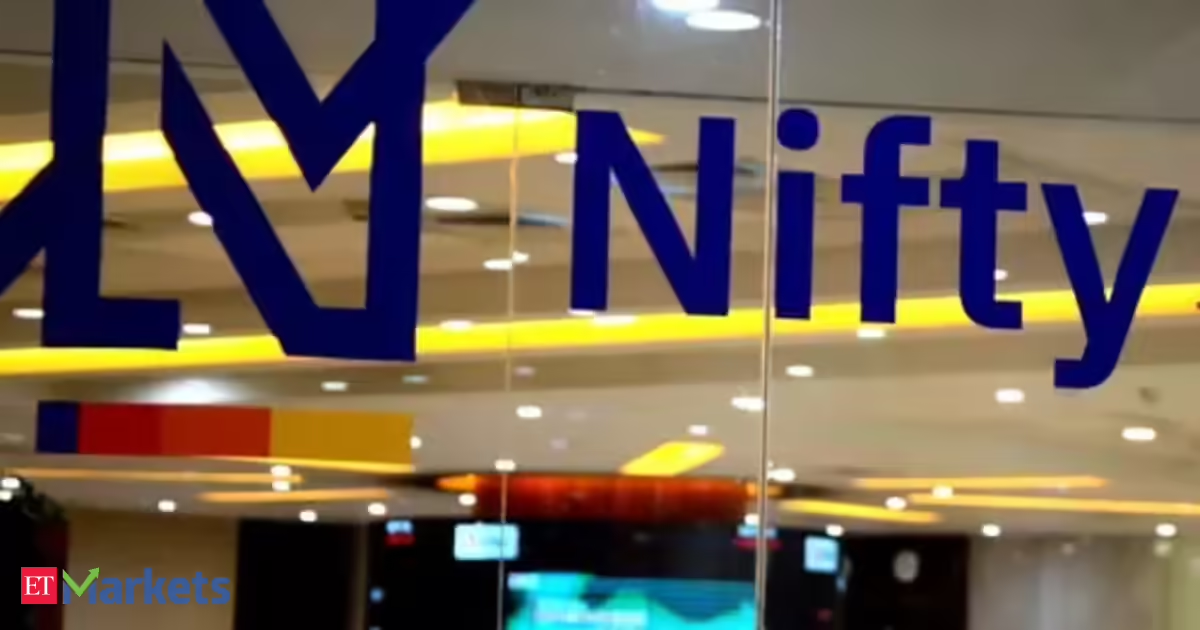
The 50-stock index slipped 488.05 points, or 2.06%, to close at 23,151.10.
Rupak De, Senior Technical Analyst at LKP Securities, said the index has moved further away from the 200-DMA as selling intensified. The RSI has entered the oversold zone and the trend remains weak, he added, expecting further downside with RSI languishing in deep oversold territory.
“In the short term, the trend may continue to remain weak, with any rise likely to be sold into. On the downside, the index may fall towards 23,000–22,800, while resistance is placed at 23,400,” De said.
1.Iran-Isreal War
By the time global markets begin trading on Monday, the Iran–Israel war would have entered its 17th day. Markets are expected to remain jittery as long as the conflict continues.

With any signs of a truce between the warring sides appearing distant, AFP reported Iran vowing to inflict what its foreign ministry spokesman described as an “unforgettable lesson” on its enemies in the United States and Israel.
“We cannot accept that they talk about dialogue and ceasefire now and then and after that we face the repetition of these crimes and war. Our armed forces are very determined to firmly teach the enemy an unforgettable lesson,” AFP quoted Iranian diplomat Esmaeil Baqaei as saying.
2. Fed FOMC
The US Federal Reserve’s policy meeting will be closely watched this week amid concerns that the ongoing conflict could disrupt inflation dynamics if it drags on.
The rate-setting committee will begin its two-day meeting on Tuesday, March 17, and announce its policy decision on Wednesday, March 18.
The central bank is widely expected to hold rates steady as US inflation remains above the Fed’s 2% target. The consumer price index rose 2.4% in February on a year-on-year basis, according to the latest Bureau of Labor Statistics data.
3. US markets
Domestic markets will also take cues from Wall Street. Major US indices ended lower on Friday. The Dow Jones Industrial Average fell 119.38 points, or 0.26%, to close at 46,558.50. The Nasdaq Composite dropped 206.62 points, or 0.93%, to 22,105.40, while the S&P 500 declined 0.61%, or about 40 points, to end at 6,632.19.
4.. Crude oil
All eyes will be on crude oil prices. Benchmark Brent and US WTI crude surged more than 3% in the previous session and could extend gains when trading resumes.
US WTI crude futures settled at $99.31 per barrel, rising $3.58 or 3.74%, while Brent crude climbed 3.43%, or $3.41, to close at $103.14 per barrel.
5.. FII / DII action
Foreign institutional investors (FIIs) sold Indian equities worth Rs 10,716.64 crore on Friday. Domestic institutional investors (DIIs), meanwhile, were net buyers at Rs 9,977.42 crore.
FIIs have offloaded equities worth Rs 52,704 crore in the first fortnight of March, with Friday recording the highest single-day outflow of 2026. On a year-to-date basis, foreign portfolio investors (FPIs) have sold Indian equities worth Rs 66,051 crore.
6. Sector watch
The Iran–Israel/US conflict has been impacting several sectors. Oil marketing companies (OMCs) could come under pressure if crude prices rise further, as higher input costs may squeeze their margins. On the other hand, upstream explorers such as ONGC and Oil India could benefit from higher oil prices.
Paint and tyre companies, which use crude derivatives as raw materials, may also face pressure. Airline and tourism stocks are expected to react when markets reopen. With LPG shortages already affecting restaurants, further correction in quick-service restaurant (QSR) stocks cannot be ruled out.
7. Technical triggers
Decoding the Nifty charts, Dr Ravi Singh, Chief Research Officer at Master Capital Services, said the index has decisively breached its critical 23,800 support and is now trading at a fresh 10-month low, signalling a strong bearish grip.
For the coming week, the psychological 23,000 level will be crucial. A breakdown below this could drag the index towards 22,800 and even 22,500, he said.
“On the upside, 23,800 and 24,050 now act as stiff resistance levels. The strategy remains ‘sell on rise’ until the index decisively reclaims the 24,000 mark. Expect continued volatility as the market searches for a bottom amid escalating Middle East tensions,” he added.
8. Rupee vs dollar
The rupee’s movement against the US dollar will also be closely tracked.
The Indian rupee fell to a record low on Friday amid concerns that the Iran war-driven surge in oil prices could disrupt India’s growth-inflation dynamics and dent capital flows. The rupee weakened to 92.4750 per dollar, surpassing its previous record low of 92.3575 hit on Thursday.
It eventually closed at 92.4550, down 0.7% for the week.
The benchmark Nifty 50 has slipped into correction territory since the US and Israel launched strikes on Iran on February 28, with the index falling about 2% on Friday.
Analysts told Reuters that a prolonged Middle East conflict could worsen the rupee’s outlook significantly, with persistently high energy prices potentially pushing the currency beyond 95 per dollar.
9.IPO watch
Activity in the primary market is expected to remain strong, with three IPOs opening for subscription this week and three companies scheduled to list.
Mainboard IPOs of GSP Crop Science and Central Mine Planning and Design Institute (CMPDI) will be in focus.
Agrochemical manufacturer GSP Crop Science plans to raise Rs 400 crore through its public offering. The IPO will open on March 16 and close on March 18, with a price band of Rs 304–320 per share.
CMPDI, a consultancy arm of Coal India, will open its IPO on March 20 and close on March 24. The grey market premium (GMP) is currently around Rs 24.
Meanwhile, the SME IPO of Novus Loyalty will open on March 17 and close on March 20. The price band has been set at Rs 139–146 per share, and the company aims to raise about Rs 60.15 crore.
Stocks of Rajputana Stainless, Apsis Aerocom and Raajmarg Infra Investment Trust are also scheduled to list on the exchanges this week.
(Disclaimer: Recommendations, suggestions, views and opinions given by the experts are their own. These do not represent the views of Economic Times)

I’m specialized in fundamental equity research, global macro strategy, and top-down portfolio construction.
Analyst’s Disclosure: I/we have a beneficial long position in the shares of ORCL either through stock ownership, options, or other derivatives. I wrote this article myself, and it expresses my own opinions. I am not receiving compensation for it (other than from Seeking Alpha). I have no business relationship with any company whose stock is mentioned in this article.
Seeking Alpha’s Disclosure: Past performance is no guarantee of future results. No recommendation or advice is being given as to whether any investment is suitable for a particular investor. Any views or opinions expressed above may not reflect those of Seeking Alpha as a whole. Seeking Alpha is not a licensed securities dealer, broker or US investment adviser or investment bank. Our analysts are third party authors that include both professional investors and individual investors who may not be licensed or certified by any institute or regulatory body.

Getty Images

By Jennifer Nash
Job openings rose more than expected in January, reaching 6.946 million vacancies, according to the latest Job Openings and Labor Turnover Survey (JOLTS). This represents an increase of 396,000 from the previous month, the largest monthly increase since October
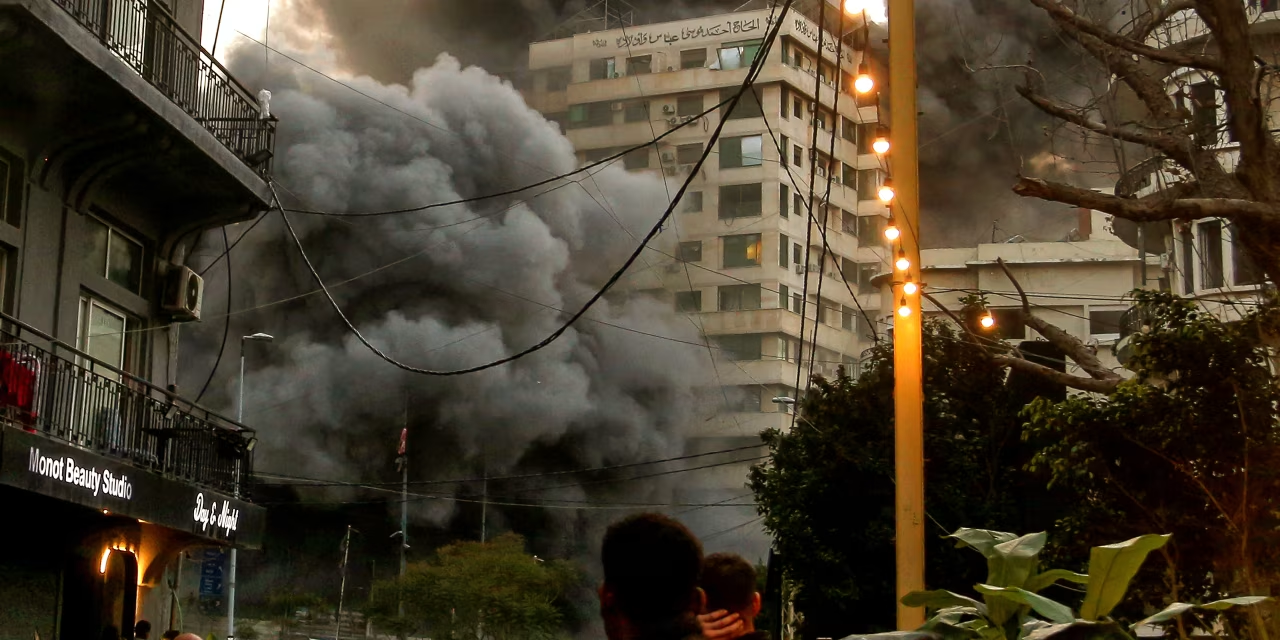
Oil prices settled Friday at over $100 a barrel, topping off a chaotic week that saw prices nearly hit $120 on Monday. Iran’s decision to halt oil traffic through the Strait of Hormuz has driven up crude prices.
Brent crude, the global oil benchmark, rose 11% this week to $103.14 a barrel. The U.S. benchmark, West Texas Intermediate crude, gained 8.6% to $98.71. Both have risen for four straight weeks.

GoDaddy: Losing Relevance In The AI Era (Rating Downgrade)

Lookman Features as Atlético Madrid Edge Getafe in Narrow La Liga Win

Are U.S. Utilities Trying to Delay Easy-to-Use Solar ‘Balcony’ Panels?

Gladiators fans call out scandal in first semi final tonight


-
 Tech4 days ago
A 1,300-Pound NASA Spacecraft To Re-Enter Earth’s Atmosphere
-

 News Videos6 days ago
10th Algebra | Financial Planning | Question Bank Solution | Board Exam 2026
-
 Crypto World1 day ago
HYPE Token Enters Net Deflation as HyperCore Buybacks Outpace Staking Rewards
-

 Business5 days ago
ExxonMobil seeks to move corporate registration from New Jersey to Texas
-

 Crypto World6 days ago
Paradigm, a16z, Winklevoss Capital, Balaji Srinivasan among investors in ZODL
-

 Fashion1 day ago
Weekend Open Thread: Addict Lip Glow
-

 Tech5 days ago
ChatGPT will now generate interactive visuals to help you with math and science concepts
-
Sports14 hours ago
Why Duke and Michigan Are Dead Even Entering Selection Sunday
-

 NewsBeat3 days ago
Residents reaction as Shildon murder probe enters second day
-

 Business6 days ago
Search for Nancy Guthrie Enters 37th Day as FBI Probes Wi-Fi Jammer Theory
-

 Business4 days ago
Search Enters Sixth Week With New Leads in Tucson Abduction Case
-
 NewsBeat5 days ago
Pagazzi Lighting enters administration as 70 jobs lost and 11 stores close across Scotland
-

 Tech6 days ago
Despite challenges, Ireland sixth in EU for board gender diversity
-

 Business16 hours ago
US Airports Launch Donation Drives for Unpaid TSA Workers as Partial Government Shutdown Enters Fifth Week
-

 NewsBeat4 days ago
I Entered The Manosphere. Nothing Could Prepare Me For What I Found.
-
Crypto World12 hours ago
Coinbase and Bybit in Investment Talks: Could Bybit Finally Enter the US Crypto Market?
-

 Business5 days ago
Search Enters 39th Day with FBI Tip Line Developments and No Major Breakthroughs
-

 Sports6 days ago
Skateboarding World Championships: Britain’s Sky Brown wins park gold
-

 Business17 hours ago
Country star Brantley Gilbert enters growing non-alcoholic beer market
-
 Crypto World5 days ago
Will Chainlink price reclaim $10 amid volatility squeeze?

