

The energy price cap is set to rise for millions of households in a matter of weeks
In a matter of days, Ofgem will introduce its new energy price cap, resulting in higher bills for average households. From next month, the typical energy bill will rise by 0.2% from £1,755 to £1,758 for the average dual fuel household paying their bills via direct debit.
Despite this slight increase inevitably leading to greater costs for most households, there is one particular strategy to offset some of these expenses. Energy customers are urged to take accurate and timely meter readings to avoid being overcharged for their electricity usage.
Taking an exact reading either on December 31 (the last day of the current energy rates), or on January 1 (the first day of the new rates), can prevent energy companies from inaccurately estimating your energy consumption and charging you more. Moreover, providing precise meter readings could also assist in challenging any questionable charges on your bill or disputing inaccurate or unfair charging.
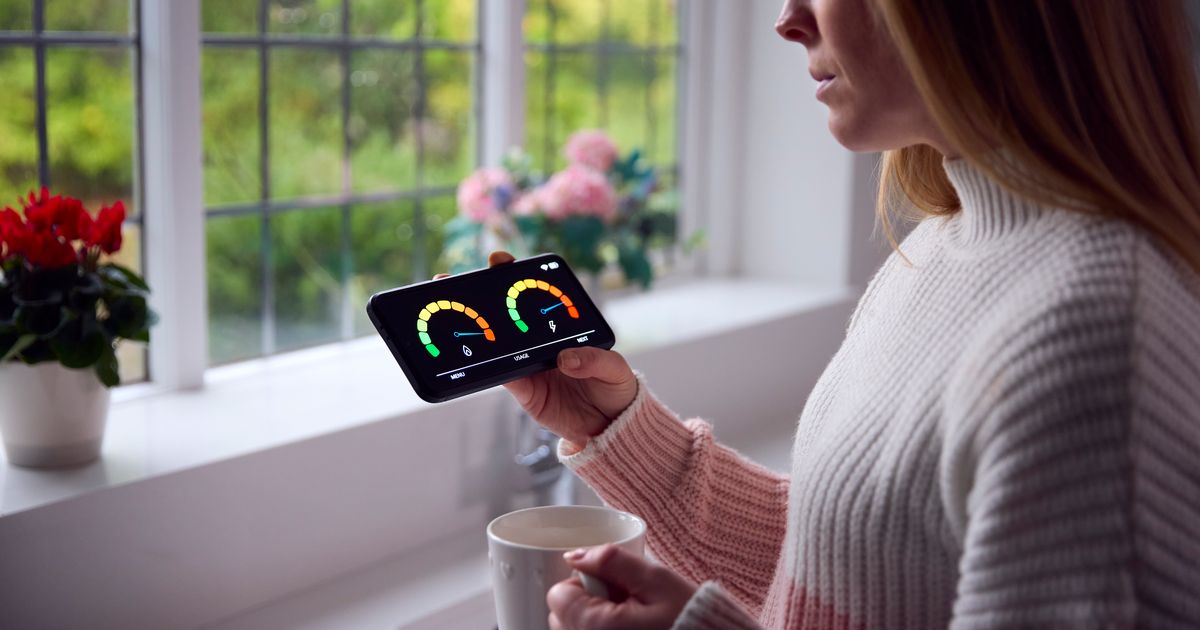
Customers should never intentionally provide false readings to their energy company in an attempt to save money as this is strictly illegal and considered fraud. If your home has a smart meter, the readings will be taken automatically.
How to take a meter reading
Different types of meters require different methods of reading. It’s vital to identify the type of meter your home has to provide an almost perfect reading.
These meters will exhibit five digits in black or white, possibly followed by one or more red digits. For this type of meter, you should record the first five digits from left to right and ignore any other numbers displayed.
Two-rate digital meter
Such meters will display two rows of digits. To read this meter, you should note down both sets of numbers from the top and bottom rows, disregarding any digits shown in red.
Dial meter
An electricity dial meter will feature five or more dials that spin to point to a number between 0 and 9. Each dial on the meter will rotate in the opposite direction to its neighbour.
To read this meter, you should jot down the first five dials from left to right, ignoring any red dials or dials labelled 1/10. If the pointer is situated between two numbers, you should record the lower number – if it’s between 9 and 0, write down 9.
If the pointer is directly over a number, you should note that number and underline it. Then, if the next dial is between 9 and 0, reduce the underlined number by 1.
What to do if you can’t submit a meter reading in time
On 1 October, numerous households will likely be attempting to provide their energy supplier with an updated meter reading. This could lead to a supplier’s website crashing due to high traffic volume.
Furthermore, some energy customers may come across a faulty meter on the day of the reading, which could prevent you from providing precise information. Fortunately, it’s generally possible to submit your reading to your supplier at a later date.
Usually, suppliers allow for a reading to be backdated for approximately a week, but it’s recommended to check with them about their specific policy.



