
Politics
Evan Rachel Wood Slams Practical Magic 2 For Recasting Her Role Without Telling Her

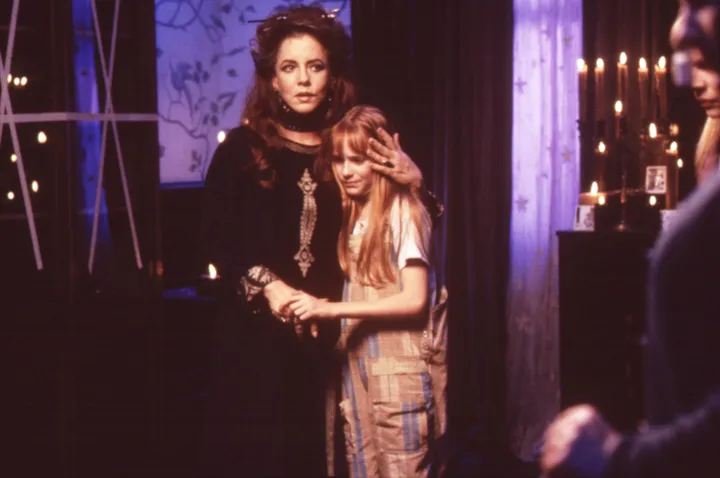
Evan Rachel Wood had some strong words for the team behind the new Practical Magic sequel.
The Westworld actor appeared in the original film alongside Sandra Bullock and Nicole Kidman, and while the majority of the cast were invited back for the upcoming sequel, Evan’s role was recast, with Joey King taking over as Kylie Owens.
While Evan called Joey “a sweetheart” she wasn’t as effusive about others involved in the cult classic’s follow-up.
“I really appreciated Joey King reaching out to me, because no one who worked on the original film did,” Evan shared on her Instagram Stories. “She’s a sweetheart.”
Evan and Alexandra Atrip played Sandra Bullock’s character’s daughters in the 1998 film, but neither reprised their roles in the sequel.
Joining Joey’s Kylie in Practical Magic 2 is Game Of Thrones star Maisie Williams, who has taken on the role of Antonia.

Evan was 11 when she played Kylie in the 1998 witchy favourite, and although the film is set over 25 years later, the character is now being played by an actor 10 years her junior.
At the premiere of her new Ryan Murphy TV show The Shards in July, Evan admitted she felt “sad” that she wasn’t asked back for the sequel.
“We bonded with that cast so much as children, and so to miss out on the opportunity to look at that cast and look at that house as an adult and see the history in our eyes, it’s something that can’t be faked,” she told Entertainment Tonight on the red carpet.
“I’m sad that doesn’t get to exist, especially for the fans.”
She also called out the makers of the sequel for not following the original source novel.
“I think in the book, it would’ve made sense to bring me back. I think in the way they’re redoing it and approaching it, it didn’t make sense,” she said at the premiere.
Evan immediately spoke out on Instagram when the sequel was announced, clearing up why she was not part of the cast.
“I offered my services, even if it was one scene or one line,” she wrote. “I was told they are re-casting. I am sorry to disappoint the fans. It was not in my control or my choice. I would have happily rejoined my sisters.”
Practical Magic 2 is out in cinemas on Friday 11 September.

Politics
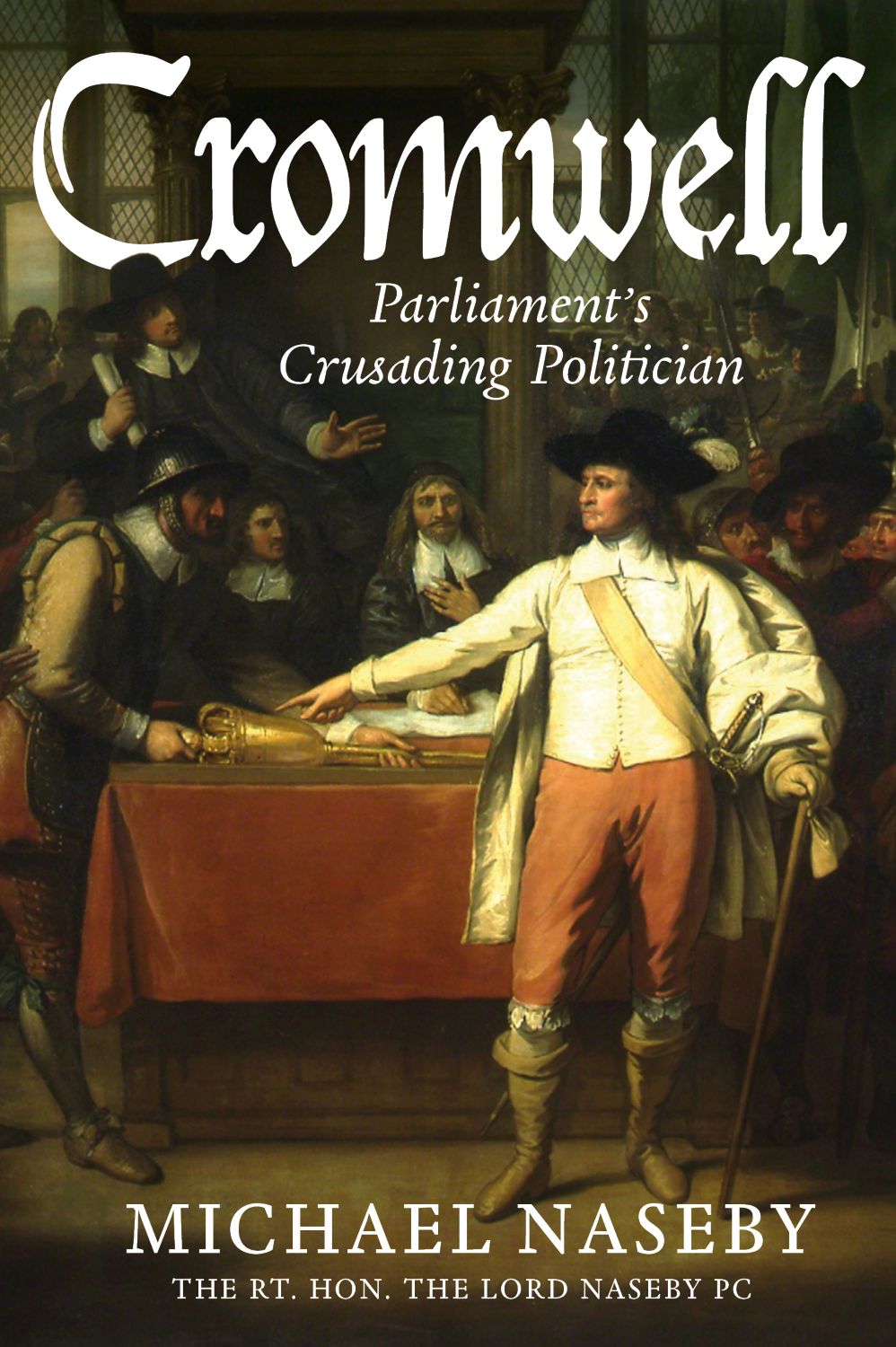
The House | “An intensely personal study”: Lord Wallace reviews ‘Cromwell: Parliament’s Crusading Politician’
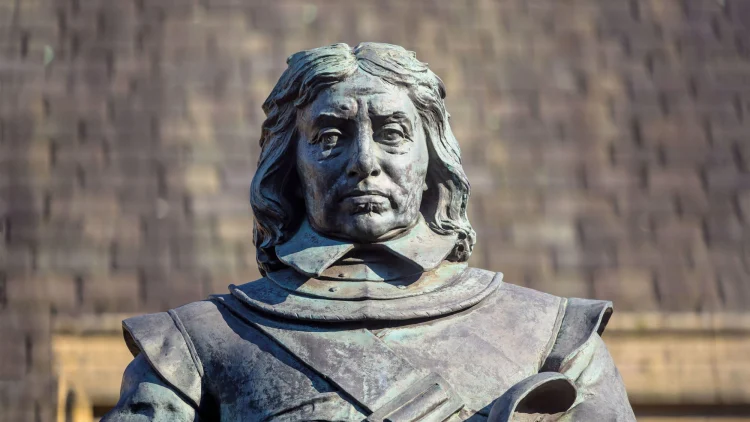
Westminster: 1899 statue of Oliver Cromwell | Image by: PjrStatues / Alamy

4 min read
Rich in fascinating details, committed Cromwellian Lord Naseby has produced a sympathetic portrait of the parliamentary commander
Michael Morris is such a committed Cromwellian that he took the greatest civil war victory as his title when he was nominated to the Lords. As the last sentence of his new book firmly declares, “Oliver Cromwell has always been and will continue to be the guiding inspiration for my entire political life.”
This intensely personal book identifies with Cromwell’s life, faith and hard choices, and seeks to understand them by imagining the difficult decisions that he faced at repeated points in his career, using Lord Naseby’s own lifetime experience as a politician and parliamentarian as comparison. The parallels in their careers, he writes, “lend me, I feel, a truly unique and special perspective” on Cromwell.
Naseby is 14 miles north of Northampton, which Michael Morris represented in the Commons as a Conservative MP for 23 years. After the eponymous battle in 1645, many of the wounded from both sides were treated in churches within his constituency. The author has studied the places Cromwell lived and worked as well as the battlefield, and became patron of the Naseby Battlefield Project Trust.
Naseby is keen to emphasise that Cromwell had been a tenant farmer, civilian and MP until fighting broke out in 1642 – and so it was that, at the age of 43, he and many others were charged with raising troops. His puritan faith, his concern for his men and his involvement in creating the New Model Army, made him a leading commander when others were prevaricating over further offensives against King Charles I. The cavalry charges he led, above all at Naseby, gave him the authority to deliver a firm message to a hesitant Parliament and later to become the ruler of England.
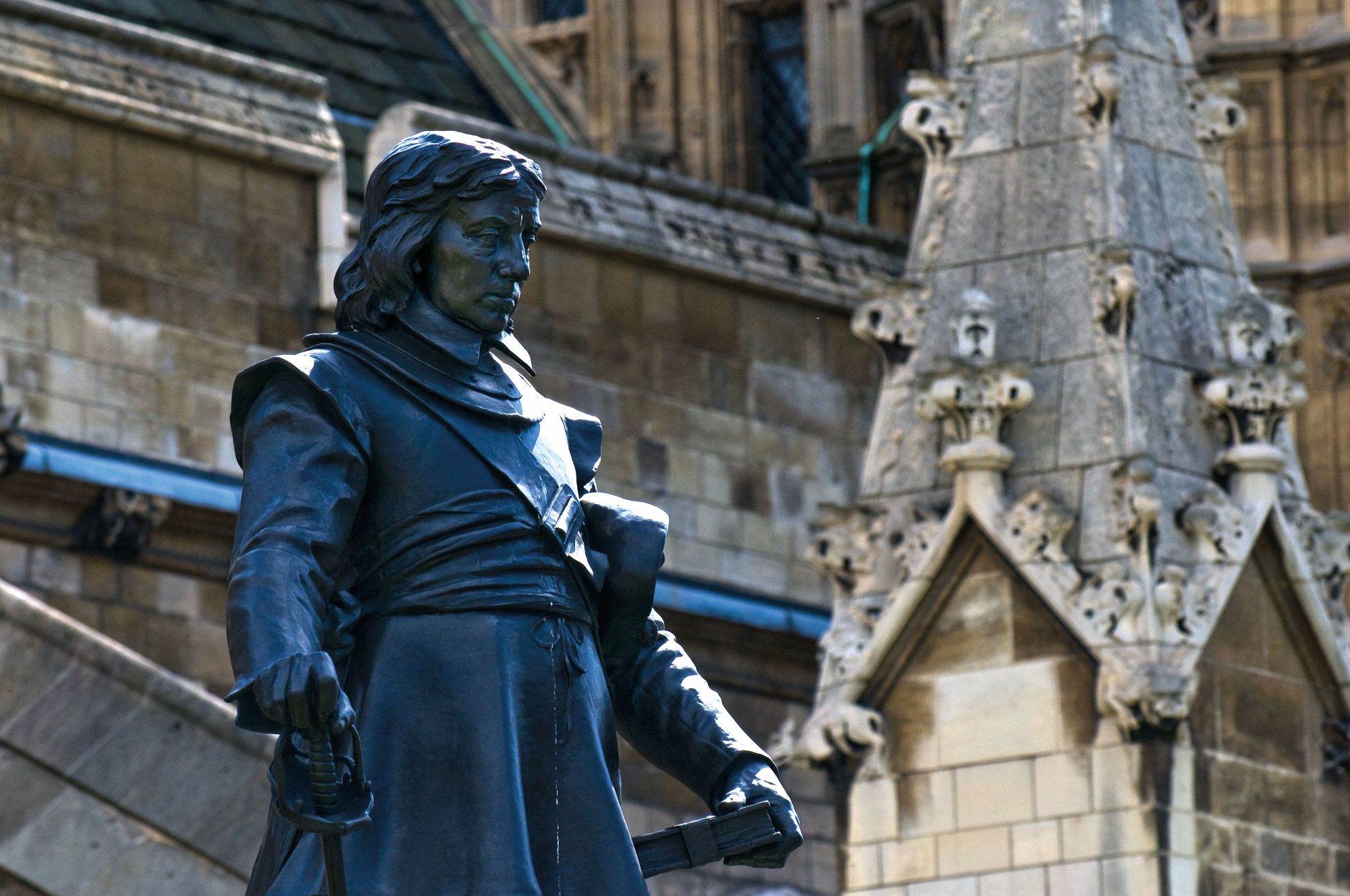
As late as 1894, Conservative MPs voted with Irish members against funding a statue of Cromwell outside Parliament
The core of the book covers the years 1642-49, in which Cromwell is transformed from a backbencher to the commander and defender of the army and the dominant personality in the parliamentarian camp. The description of his activities, dashing from Parliament to take command in suppressing a royalist surge in Wales, then another in Scotland, then back to Westminster to defend the army against proposals to disband many regiments, demonstrated both his determination and his stamina. But Naseby considers it a mistake for Cromwell to have agreed to lead the Irish campaign in 1649, spending six months in bitter fighting rather than shaping the constitutional order for the new Commonwealth.
Naseby’s admiration for Cromwell rests upon his understanding of him as a democrat and a believer in liberty of conscience, and a key figure in the development of our parliamentary democracy. In this he stands out from his party’s tradition; the Tories were royalists and Anglicans. As late as 1894, Conservative MPs voted with Irish members against funding a statue of Cromwell outside Parliament to mark the 300th anniversary of his birth, triggering the collapse of Lord Rosebery’s Liberal government.
 Naseby does not mention that Lord Salisbury then allowed Rosebery to fund the statue himself, though it was unveiled at 7.30am to avoid the risk of Irish protests.
There are a number of other fascinating details in Naseby’s study. We learn that the parliamentary term ‘the other place’ (used in the Commons Chamber when referring to the Lords) originated from Cromwell’s attempt to re-establish a Second Chamber. And that after Charles II sailed back to England on the naval ship Naseby, it was shortly thereafter renamed the Royal Charles.
A staunch parliamentarian throughout his life, Michael Naseby’s book makes plain that he would have fought alongside Cromwell in that cause.
Lord Wallace of Saltaire is a Liberal Democrat peer
Cromwell: Parliament’s Crusading Politician
By: Michael Naseby
Publisher: Unicorn
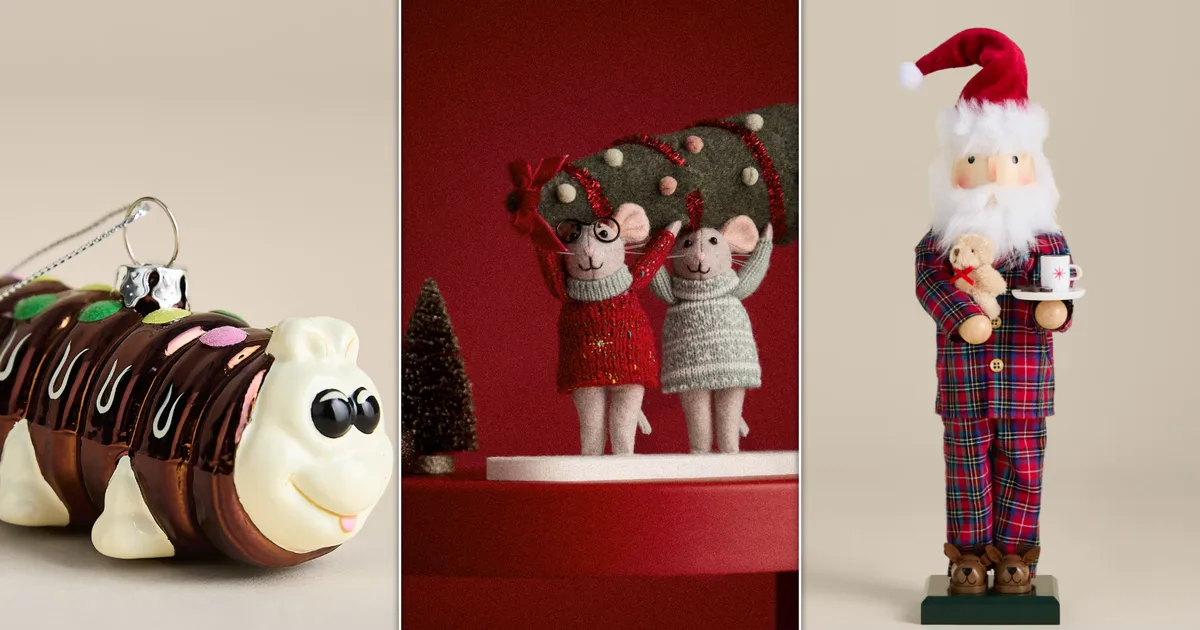
If there’s a retailer we can trust to get us feeling festive (so early!), it’s M&S.
The high street powerhouse has proved time and time again that it knows how to do everything just right.
So, when we saw that it had already released its Christmas decorations for this winter, we were naturally ready to fill our baskets.
This year, the brand has really outdone itself. There’s something for everyone, whether you have a tree or not.
Seriously, we’re talking mini M&S classics (Percy Pigs, Colin the Caterpillar, Cookies, and Olive Oil Crisps) immortalised as tree ornaments, sparkly houses, adorable felt woodland creatures, and even kitsch glittery dinosaurs.
It might be a little early to start decorating for the big day – we have Halloween to get through first – but trust us, you’ll want to stock up on these decorations before they sell out.
We now know high-intensity yoga is one of the best exercises you can do to boost sleep quality.
And, according to new research, it turns out you can even rely on movement to help counter the effects of pulling an all-nighter.
Sleep deprivation is no joke and is thought to impact one in three adults globally. Poor quality sleep can impact negatively on our physical and mental health, as well as increasing the risk of accidents.
“Sleep loss affects nearly every aspect of how we think and function, but many people can’t simply stop what they’re doing and get more sleep,” said Professor Marc Roig, from McGill University’s School of Physical and Occupational Therapy.
So, researchers from his team set out to discover whether exercise or a short nap could help mitigate against some of the effects of sleep deprivation on the brain.
What did the study find?
The relatively small study involved 54 healthy young adults who stayed awake for 30 hours under lab supervision.
They were then assigned to one of three groups: a 20-minute cycling session, a 90-minute nap or doing nothing.
Three days later, researchers tested their memory for images they had viewed immediately after each intervention and found those who had exercised or napped had better memory recall.
In fact, they performed about 22% better on memory tests after 30 hours without sleep, than those who did neither.
“Our findings show that even a brief bout of exercise may help preserve one of our most important cognitive abilities,” said Prof Roig.
What’s more, brain recordings revealed that exercise and napping helped memory recall in different ways.
While napping appeared to help the brain recharge, making it easier to take in and remember new information, exercise helped the brain use its remaining resources more efficiently.
Researchers suggested the findings could inform fatigue-management strategies in workplaces where sleep loss is common and mistakes can have serious consequences – for example, in healthcare settings.
“A nap isn’t always possible in the middle of a shift,” said first author Madhura Lotlikar, a doctoral candidate in McGill’s Department of Neurology and Neurosurgery.
“Exercise is accessible, inexpensive and easy to implement. That makes it a promising tool to help people stay cognitively sharp when sleep is limited.”
Previous research has also found that physical activity might counter some of the negative impacts of poor sleep. The study authors said, at the time, that people who did at least 150 minutes of moderate intensity or 75 minutes of vigorous intensity exercise per week “were, to some extent, protected against the detrimental health effects of poor sleep”.
Regular exercise can also improve sleep quality overall.
If you’re chronically sleep deprived, and it’s causing you distress or impacting wellbeing, speak to a specialist who can offer tailored support to your circumstances.
Politics
Lord Ashcroft: Is political news biased? Does social media make things better or worse? And what should leaders say about it?
Lord Ashcroft KCMG PC is an international businessman, philanthropist, author and pollster. For more information on his work, visit lordashcroft.com
How does the media influence British politics?
Many believe the relationship is negative, even toxic – but how do different kinds of voters see things, and what are the implications for Kemi Badenoch and the Conservatives?
My poll last month asked whether political news in the UK is generally impartial or generally biased, and whether it generally does a good job or a bad job at keeping that the public informed. From this, we derive two measures with which to quantify attitudes to the media:
- A “net biased” score – the proportion of any given group that thinks the media is generally biased, minus the proportion which thinks it is generally impartial
- A “net informative” score – the proportion thinking political news generally does a good job at keeping people informed, minus the proportion which thinks does a bad job of doing so
We have deliberately asked the question in general terms, rather than about particular news outlets, in order to remove party political considerations from the question and encourage people to think about the situation in the round.
I found voters as a whole saying the media does a good job rather than a bad job of keeping people informed by 44 per cent to 37 per cent – a “net informative score” of +7. At the same time, people were more than twice as likely to say political news was generally biased than that it was generally impartial – we found a “net biased score” of +32. The chart below shows how these scores distribute among people’s current voting intention:

This shows that the average supporter of every major party considers political news generally biased, albeit to greatly varying extents.
Those currently leaning towards the Conservatives, Labour or the Lib Dems tend to consider political news more informative and less biased than people as a whole. Conversely, Reform and Green supporters take a similarly scornful view of the quality and impartiality of political coverage. SNP and Plaid Cymru voters, meanwhile, took a similar view to the general public about media bias but were more likely to think the news does a poor job keeping the public informed.
There is a striking chasm between the views of political media among Conservative, Labour and Lib Dem voters on the one hand, and Reform and Green voters on the other. The point is not that the respective groups are unduly credulous or cynical – simply the size of the gap. We could hypothesise that such a divide would naturally exist between established and insurgent parties. Has it always been like this? The chart below shows the current supporters and people who backed them at the last three general elections for the five British parties, as well as the two sides of the 2016 referendum (relying on past vote data collected near contemporaneously rather than asking people to recall how they voted several years ago).

This shows that even at the notably polarising 2019 general election and the 2016 EU referendum, the different political camps were divided far less sharply in their views of the media than they are now. We are familiar with the left bloc (Labour, the Lib Dems, the Greens and the SNP and Plaid Cymru in Scotland and Wales) and the right bloc (Reform UK and the Conservatives). But these charts show a second dividing line in British politics: between the traditional three parties (the Conservatives, Labour and the Lib Dems) on the one hand and the and populist parties (primarily Reform and the Greens) on the other.
Has the growth in support for populist parties driven increased scepticism of the media, or the other way round? Are both true – in which case, which driver is more potent? Or is neither true – in which case, what is the root cause? A starting point is to look at some different groups of voters using the framework above:
If support for a populist party drives media scepticism, we could assume this scepticism would endure among those who later switch away from this party. 2024 Reform voters who no longer intend to vote Reform have a net biased score of +57 and a net informative score of –15, whereas the comparable scores for the average 2024 Reform voter has scores of +61 and –23 respectively. Conversely, 2024 Green voters who no longer intend to vote Green have net biased score +46 and net informative score of +21, compared with scores of +58 and –1 respectively for all 2024 Green voters. This suggests enduring media scepticism among Reform switchers, whereas much of the media scepticism drains away from Green switchers, who even appear to have a heightened appreciation for the media’s informative abilities.
We also see that the voters Kemi Badenoch has won back from Labour and the Lib Dems are in the rare position of having average negative net biased scores (that is, they are more likely to consider the media impartial than biased). This territory is also where 2019 Conservatives who switched to the Lib Dems in 2024 are to be found. To complete the picture, those who have switched from a mainstream to a populist party since the 2024 election are generally as sceptical of the media as those who backed a populist party in 2024.
Could social media play a part in this phenomenon?
In our poll, 61 per cent said social media had had a harmful effect on political discussion by enabling false information and extreme views; only 21 per cent said it had improved discussion by allowing a wider range of views to be heard and reducing the power of mainstream media. The chart below shows how this opinion breaks down based upon people’s voting intention:

Supporters of the three established parties are especially negative about the impact of social media – indeed, on this issue, Conservative voters have more in common with Labour and Lib Dem voters than they do with Reform voters. Reform supporters themselves are more evenly divided on the merits of social media, but even they are more likely to think social media damages political discussion than improves it.
Green voters have similar views to the general population, being more hostile to social media than Reform voters but less so than Labour, Lib Dem and Tory voters. The only voter group more likely to think social media has improved political discourse than the opposite comprises those who are going to vote for another party – the category that includes supporters of Restore Britain, which has received vigorous backing from Elon Musk.
For some people, negative views of political media are part their disillusionment with the political system. Two questions can shed some light on this. First, we asked whether they thought Labour and the Conservatives are part of the same failed political system and that new ideas are needed, or whether newer parties and politicians would probably do no better at dealing with the issues facing Britain today. Second, we asked people to indicate on a 0-10 scale whether democracy still basically works even if they don’t always like the results, or if it no longer represents people properly and we need fundamental change.
Based on this, we identify the following groups:
- Insurgents, who say that political news is generally biased, that Labour and the Conservatives are part of the same failed system, and that British democracy is broken. This group makes up 18 per cent of the population
- Semi-insurgents, who say that political news in the UK is generally biased, and who either say that Labour and the Conservatives are part of the same failed system, or that British democracy is broken – but not both. This group constitutes 21 per cent of the population
- Establishment, who say that political news in the UK is generally biased, that new parties would not do any better, and that democracy still basically works (or are neutral). These people make up 17 per cent of the population
- Impartial, who agree that political news in the UK is generally impartial. These people account for 24 per cent of the population
The remaining 19 per cent of the population say that they don’t know whether the media are biased or impartial, and they are considerably less likely than the other groups to vote at elections. They are excluded from this analysis.
Looking at how attitudes differ between these four groups, we see that some two thirds of the insurgent, semi-insurgent and establishment groups agree that the media give undue prominence to personality and drama, and that this is the media’s fault; just 38 per cent of the impartial group think this. The same applies to the impact of the media on elections: 34 to 40 per cent of the former three groups considers the media to have a big influence on the outcome of elections, as against a quarter of the impartial group. However, when we ask whether politicians are treated too softly, too harshly or about right by the media, the breakdown is a lot more revealing:

Unsurprisingly, those who think the media impartial are the most likely to say it is treatment of politicians is tough but fair; those in this group who think otherwise divide roughly evenly between thinking the media treatment of politicians is too hard and that it is too soft. Those who consider the media biased are more likely to think the media is too soft on politicians than too hard. This increases sharply the more anti-establishment the group becomes: a comfortable majority of the insurgent group consider the media too soft. The idea that the media treats politicians too harshly peaks in the establishment group.
The chart below shows how these four groups of voters distribute on the political map based upon voting intention; the size of the group is proportional to the bubble size.
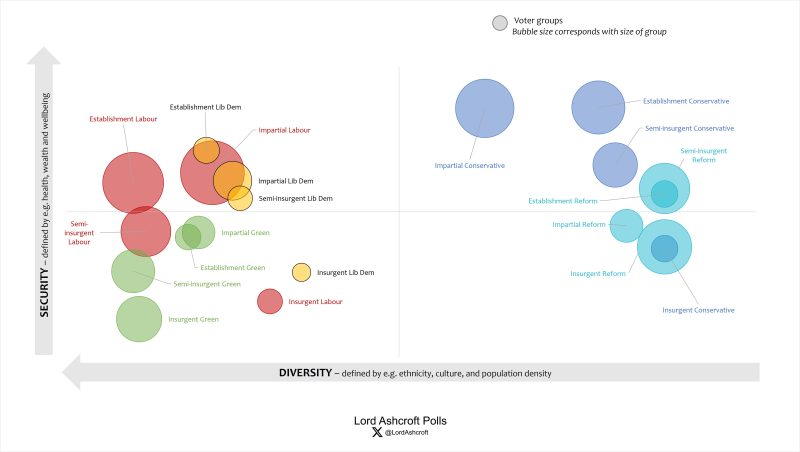
Notably, insurgent supporters of left bloc parties are a very long way down the vertical axis, while insurgent supporters of right bloc parties are in the bottom right quadrant, but much closer to the horizontal axis than the bottom of the chart. Even when we disregard the left/right distinction, there is a fundamental difference in worldview between those insurgents supporting a left bloc party and those insurgents supporting a right bloc party. The former are in a part of the map where pessimism and mistrust of institutions goes with the territory; that is much less so in the case of the latter.
Another striking feature is that the impartial Reform bubble is in the bottom right quadrant, further down than the establishment Reform and semi-insurgent Reform bubbles. The four Reform bubbles are also closer together than those for the other parties, whose insurgent and semi-insurgent bubbles are lowest down the chart. This suggests that there is something distinctive about Reform supporters: their position on the political map gives us much less of a clue about which group they will be in, and thus their views of political media.
What does all this mean for the Conservatives, and for Kemi Badenoch?
First, that there is very little to be gained from attacking the media.
The Reform supporters in the top right quadrant of our political map are those who are nearest to Conservative territory. They are very close to right bloc voters who think the media is biased but has a low influence on the outcome of British elections. For voters in this part of the map, an attack on the media would be an exercise in irrelevance; it would also be trying to compete with Nigel Farage on his home territory. But it could cost support elsewhere: the voters the Tories have won back from Labour and the Lib Dems, and the those for whom they will be competing with the Lib Dems at the next election, will not take kindly to a campaign of media-bashing.
Instead, Badenoch should welcome scrutiny – volunteer for it, even – and challenge her opponents to do the same. The country faces difficult problems and is increasingly polarised and fragmented. It cannot be governed by shallow soundbites or by the politics of victimhood and division. The British political media is far from perfect, but the accountability and scrutiny it brings is essential for anyone serious about leading the country.
The post Lord Ashcroft: Is political news biased? Does social media make things better or worse? And what should leaders say about it? appeared first on Conservative Home.
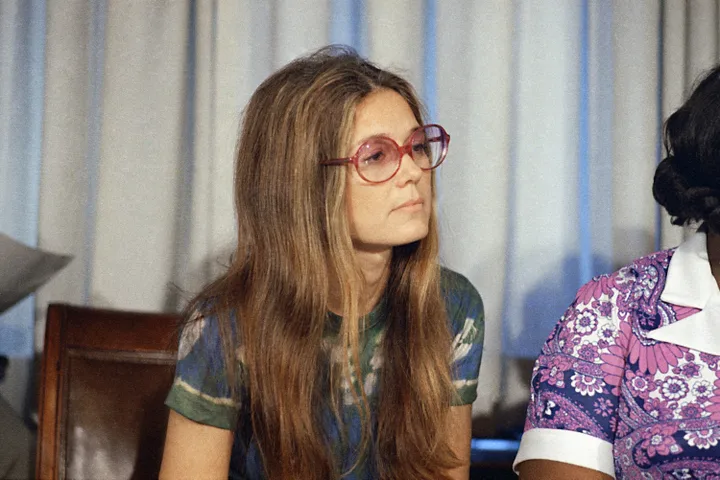
The pioneering activist and writer Gloria Steinem has died at the age of 92.
On Thursday morning, her spokesperson confirmed that the feminist trailblazer had died “peacefully at her home in New York City, surrounded by some of the many who loved her” a day earlier.
Paying tribute, they wrote on Instagram: “Gloria’s near-century on earth were years well-lived, and she continued working for equality until the very end.
“Gloria’s greatest gift was her ability to listen to others, to make others feel seen and heard. Her words, actions, and example gave people permission to be their truest selves. Gloria lived true to her independent spirit, always with curiosity and a great sense of humour.”
In the early 1960s, Gloria began her professional journalism career, first making a name for herself with an article highlighting the mistreatment of the so-called Bunnies living at the Playboy mansion.
From there, she covered issues such as abortion and women’s rights in major publications before co-founding the feminist magazine, Ms, in 1972.

Meanwhile, her writing on the subject of the fight for women’s equality made her a pivotal voice in the second-wave feminism movement, and she also lent her voice to a number of other causes, including protesting apartheid in South Africa in the 1980s, campaigning for accessibility to reproductive rights and, more recently, speaking out in support of the trans community.
Her spokesperson’s tribute continued: “She spent her recent years doing the two things she loved most: being in community with others and writing. She has welcomed hundreds of guests into her living room for Talking Circles, a tradition she insisted will continue long after she is no longer with us.
“As Gloria wrote in her forthcoming book, An Unexpected Life, ‘I have now lived for more than fifty years in this brownstone, in rooms that have witnessed lives before mine, and will know others after I am gone’.
“This book, along with her commitment to her home becoming a centre for social justice movements, are among the many gifts Gloria has given the world with the hope they have ripple effects for generations to come. Gloria often quoted the adage: ‘The flap of a butterfly’s wing can change the weather hundreds of miles away’. Gloria loved the tradition of lighting signal fires on hills to light the way to the other side of the mountain. Lighting your own candle for Gloria makes you part of this global and celestial community circle.”
Gloria’s team added that, in lieu of flowers, anyone hoping to pay their respects should make a donation to Gloria’s Foundation, a charitable organisation set up to preserve her New York apartment as a gathering place for social justice organising.
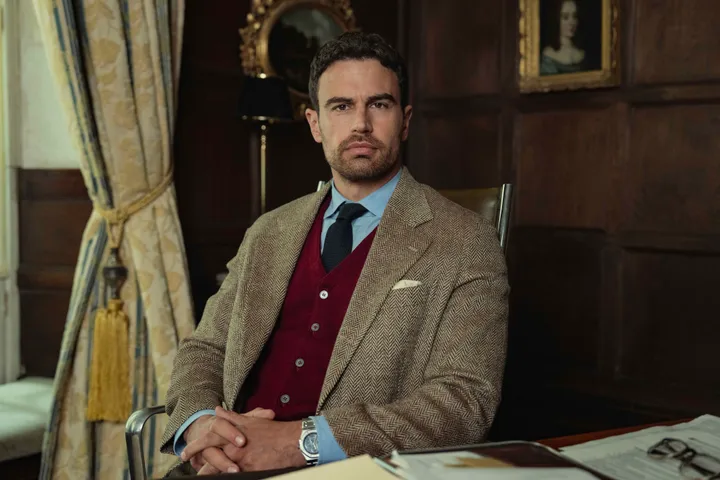
After two and a half years away from our screens, Guy Ritchie’s TV spin-off of his 2019 film The Gentlemen is back with more shoot-outs, swearing and eccentric characters.
In its second outing, the eight-part Netflix series once again centres around Theo James’ Eddie, after he inherits his family’s country estate and discovers it’s home to an enormous weed empire.
Season two brings back Kaya Scodelario, Joely Richardson, Vinnie Jones, Giancarlo Esposito and Ray Winstone, as well as introducing more larger-than-life characters hellbent on making Eddie’s life harder and more violent, played by the likes of Hugh Bonneville and Maya Jama.
So far, critics have mostly welcomed The Gentlemen’s return for all its brash and bloody escapism, with many suggesting the new episodes have a darker tone more reminiscent of MobLand.
However, some reviews have pointed out that the second season’s pacing issues do mean that it verges on the “slow” side at times.
This is what the critics are saying about season two of The Gentlemen…
“It comes with lashings of laughs, romance and a constant undercurrent of danger, courtesy of the duke’s gangster cohorts. If it all sounds rather similar to the debut series, then viewers will be pleasantly surprised.”
“Exquisitely shot, The Gentlemen season two is full of absurd characters, gunfights, hijinks (including million-dollar birds and shocking beheadings) and a couple of steamy romances.”

“The stakes are higher, the violence is bloodier and the tension is ramped up in the darkly humorous second season of Guy Ritchie’s The Gentlemen, which adds memorable new characters while sidelining one of the leads from season one in a surprise move that actually improves the series.”
“Flecks of Ritchie’s signature bold, brash, British style are still there – but where are the gags? The hijinks? There’s nothing even close to those heady chicken heights. This new eight-parter has lost the Ritchie quintessence the first so impeccably captured.
“All that being said, I had a cracking time watching the good and the bad of it all. At least with that ‘more is more’ approach, you’re seldom bored.”
“There’s a certain comfort in Ritchie’s commitment to the bit, a sense of reassurance in the knowledge that in these restless times, his fetishisation of the gentry and preoccupation with uninhibited wide-boys remains immutable.
“But it ain’t half slow, ma’am. For all its international hijinks, its oi-oi-saveloy geezerisms, you may still find yourself wishing the whole thing would, in the words of Bobby, ‘gerra faaackin’ move on’.”
“Through shrewd editing, handwritten effects, sound and narrative structure, new episodes feel playful and unserious despite its often sombre and hard-hitting undertones, with Ritchie’s tonal balance across it all being nothing short of impressive.
“Clearly, the best way to deal with the bad things in life is to sprinkle in as much absurdity and humour as possible, and Ritchie never lets us forget that.”

“This is an entertaining action romp with vivid production design and striking sets. It’s jam-packed with brutal shootouts and fiery combat that’s a lot of bloody fun and, somehow, hardly monotonous. The impeccably styled characters of its world live in lavish mansions, speak in zippy dialogue, and cherish crude British slang.”
“While season one of The Gentlemen stuck to the blueprint of Ritchie’s film, Season two expands in all directions in the vein of his more sober crime drama, MobLand. Expanding into the international world of criminals means that whatever equilibrium was found after Season one has been undone.”
“This is fast-food television: it might not leave you fully sated, but sometimes it’s exactly the kind of well-made nonsense that will satisfy a craving.”
“This is a show far too in love with carnage, wisecracks, lavish cinematography and fast editing to hold on to any depth or seriousness for too long. You come to this for chases, showdowns and more baroque deaths than you can shake a shooting stick at (you just know that when a tiger is introduced in episode one it will be lunching on human flesh before the credits roll).”
“You shouldn’t ever have to be patient with a show like The Gentlemen – you should be entertained by every scene. Be patient, however, and the second half of season two reveals that all this aimless noodling has a point to it, and as the strands tie together the story takes on a darker, harder edge, with proper stakes, real consequences.”
“Season two feels like an entertaining but somewhat shallow eight-episode interlude before The Gentlemen’s already-commissioned third season, rather than a well-rounded instalment on its own.”
“Over the course of The Gentlemen season two, both the billionaire Stanley Johnston and cannabis kingpin Bobby Glass explain that Duke Eddie Horniman must suffer to achieve his full potential.
“Unfortunately, viewers have to suffer with him as Guy Ritchie tosses aside most of the humour and quirky characters that made his Netflix series so much fun in favour of doing a beat-for-beat retelling of The Godfather and The Godfather Part 2.”
“The Gentlemen prioritises the easy gratification of vaguely witty dialogue over actual jokes, big twists over character development, and cheap thrills over earned tension. The result is a brash show that, not unlike the English aristocracy, isn’t working nearly hard enough.”
Both seasons of The Gentlemen are now streaming on Netflix.
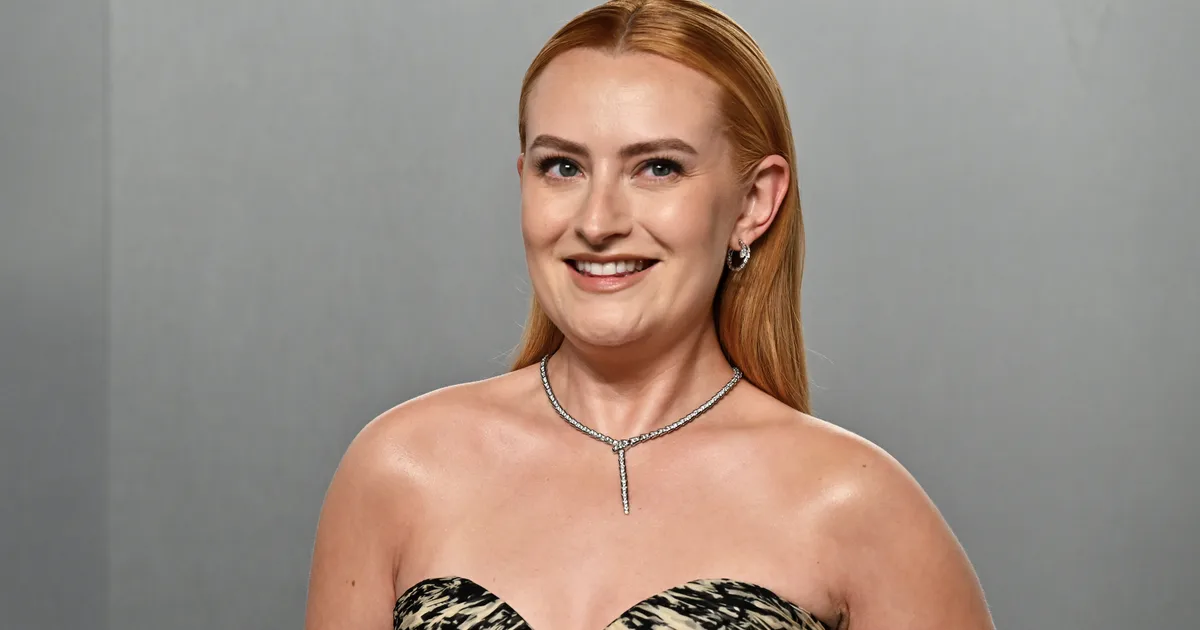
Internet personality Amelia Dimoldenberg has announced she’s bringing her YouTube interview series Chicken Shop Date to an end.
On Thursday morning, the British comedian confirmed that the upcoming episodes of Chicken Shop Date will be her last, more than a decade after launching the format as a column when she was just 17 years old, before turning it into a popular YouTube series.
Since the show exploded in popularity thanks to an appearance from future Oscar winner Daniel Kaluuya, who agreed to take part as he was a fan of the series, Amelia has interviewed everyone from Billie Eilish and Cher to Paul Mescal, Andrew Garfield and Sir Paul McCartney, all in the usual chicken shop setting.
“When I was 17, I thought that I might meet the love of my life on a date in a chicken shop,” Amelia said. “Since then, I’ve spent my entire 20s sat across from the most incredible people, people I’d always dreamt of meeting.
“All of them charmed me (some more than others), and I definitely charmed them.”
She continued: “To me, the show is my very own rom-com, and I have loved being able to share it with you. I am so grateful to everyone who has followed me on this journey and found a bit of joy in these episodes.
“I never thought I’d end Chicken Shop Date. I thought maybe it would be a part of my life forever, and in some way it always will, but I feel like it’s now time to move on from this adventure and onto the next one.
“But before I say goodbye forever, I want to celebrate everything Chicken Shop Date has been for me with you all, and a few final dates… coming very soon.”
A press release also teased that “the final series will be a celebration of everything that has made Chicken Shop Date a cultural phenomenon, with a last line-up of eclectic guests joining Amelia in the chicken shop before she closes this chapter”.
Following Chicken Shop Date’s surge in popularity, Amelia has become an official red carpet and online presenter for the Oscars, and recently made a cameo as herself in The Devil Wears Prada 2.
During an appearance at the Edinburgh TV Festival last month, she teased that she was writing a rom-com about a journalist who falls in love with an actor she’s assigned to interview, as well as a Skins-inspired teen series for the BBC.
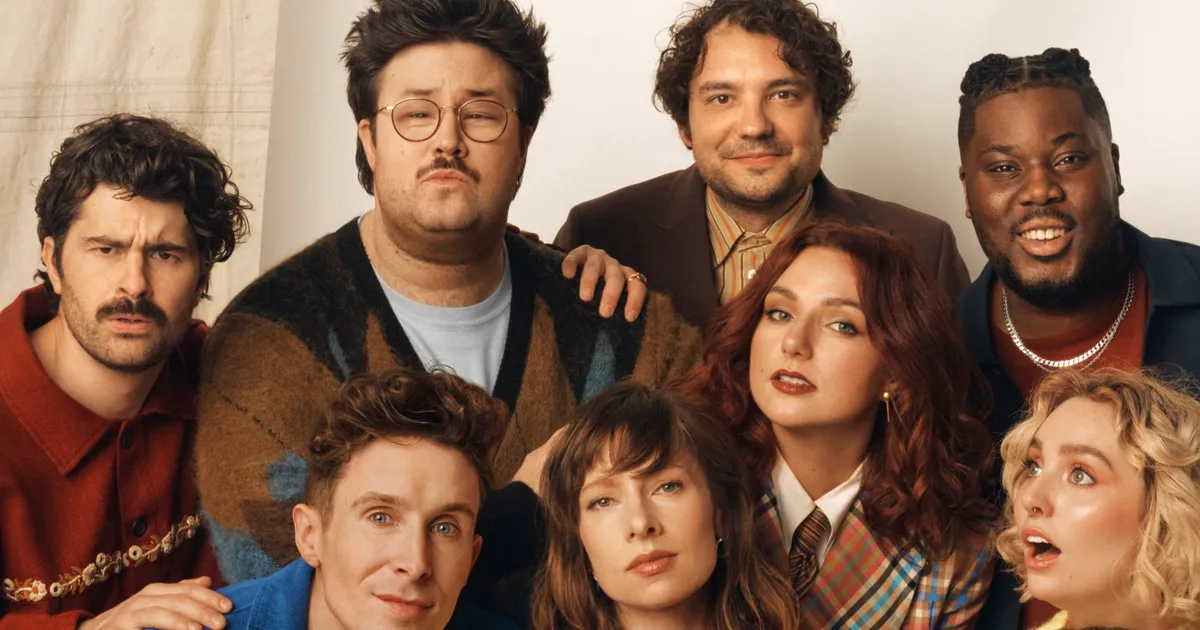
On Thursday morning, it was revealed that Oscar nominee Jeff Goldblum will be the first celebrity guest host of the new series, with his episode set to air live on Sky and Now on Saturday 12 September.
He’ll be joined in the studio by Irish singer-songwriter and Mercury Prize nominee CMAT, delivering two live performances during the episode.
The first three of these will air on consecutive weeks in September, returning for another three after a week off in early October.
Bosses have also confirmed that the final six episodes will then air in early 2027, although an exact date is yet to be specified.
All 11 members of the original SNL UK cast will be returning for season two, including Al Nash, Annabel Marlow, Ayoade Bamgboye, Celeste Dring, Emma Sidi, George Fouracres, Hammed Animashaun, Jack Shep and Larry Dean, while Ania Magliano and Paddy Young will be returning to the British Weekend Update desk.
Last week, it secured the Best Comedy prize at the Edinburgh TV Festival Awards, and was also long-listed in the Best Comedy category at the upcoming National Television Awards.
SNL UK airs on Saturday nights (obviously) on Sky and Now at 10pm.
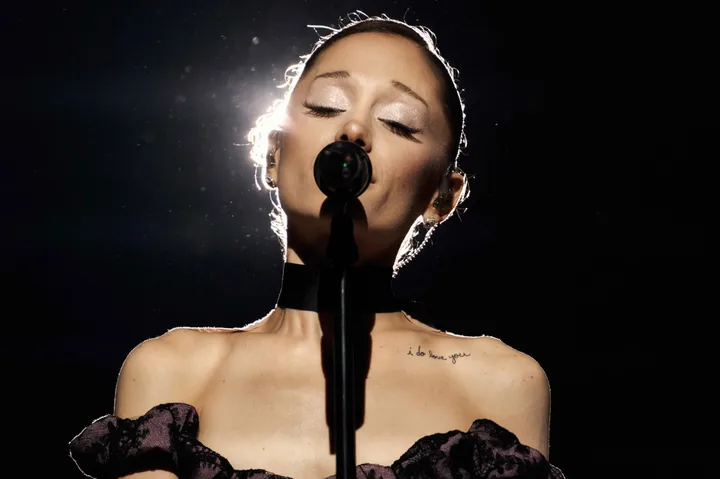
Ariana Grande has now completed her Eternal Sunshine world tour after 41 shows in three countries.
On Tuesday night, the Grammy winner ended her 10-night residency at London’s O2 Arena, bringing the tour to an end after three months.
“I just wanted to say thank you so much,” she told her fans towards the end of the night. “This has been an extraordinary experience.
“Thank you for 10 beautiful London shows and for 41 incredible Eternal Sunshine tour shows. This has been one of the most beautiful, extraordinary experiences of my life and I just wanted to express my gratitude without sobbing completely. Thank you from the bottom of my heart. It has been so special.”
She continued: “I’ll cherish this experience always. I have the best fans in the entire world and I always have. I love your outfits, I love your faces, I love seeing you. Thank you for all of your effort and continuing to make this so special.
“I have loved every minute of this with you all and I just wanted to make sure I express how grateful I am. Thank you and I love you so much.”

Ariana had previously indicated that the Eternal Sunshine tour would be the last show of its kind she did “for a long, long, long, long time”, comparing it last year to “one last hurrah – for now”.
Then, following the furore surrounding the release of her Petal music video at the end of July, Ariana’s team issued a statement reiterating that she would be “taking a step back from visibility after she completes the Eternal Sunshine Tour”.
Her team told People magazine: “[Ariana] looks forward to finishing the tour and ending it on a high note, both healthily and happily, and then taking a much-deserved break from public-facing work and appearances, which has led to endless, ongoing public scrutiny.
“This tour has been a beautiful experience for her. She loves her fans and has loved every minute of this tour so much.”
However, Billboard has reported that she will still take part in promotional activity for her new film Focker-In-Law later this year, as well as continuing her work for her makeup line R.E.M. Beauty.
It was also revealed earlier this year that she would no longer be appearing in a London revival of the musical Sunday In The Park With George, which would have reunited her with former Wicked co-star Jonathan Bailey.
More recently, Jonathan also confirmed he was pulling out of the production in solidarity with Ariana.
“Ari is one of my dearest friends, and my support for her is unwavering. Marianne is extraordinary and one of my longest collaborators and friends,” he said. “After much consideration, I have decided to also step back from Sunday In The Park With George.
“This brilliant, introspective musical has been a real passion project for me, and I feel incredibly lucky to have shared in its journey with this team.
“Among many things, the story explores the deep connection between George and Dot, a beautiful, devoted pairing, and I so look forward to seeing what the team, and the two actors who will now take on these roles, will create with it.”
Katie Price is remaining tight-lipped about the status of her relationship with her husband Lee Andrews, but she has shared a cryptic message about where her priorities lie.
On Wednesday, it was widely reported that the former glamour model and reality star had filed for divorce after around seven tumultuous months of marriage.
The Sun claimed that Katie had already met with divorce lawyers, after allegedly discovering that her husband had stretched the truth about how much money he’d made in cryptocurrency.
Neither Katie nor Lee has directly addressed the speculation yet, but the Celebrity Big Brother winner did share an Instagram post on Wednesday night alluding to the latest goings on in her personal life.
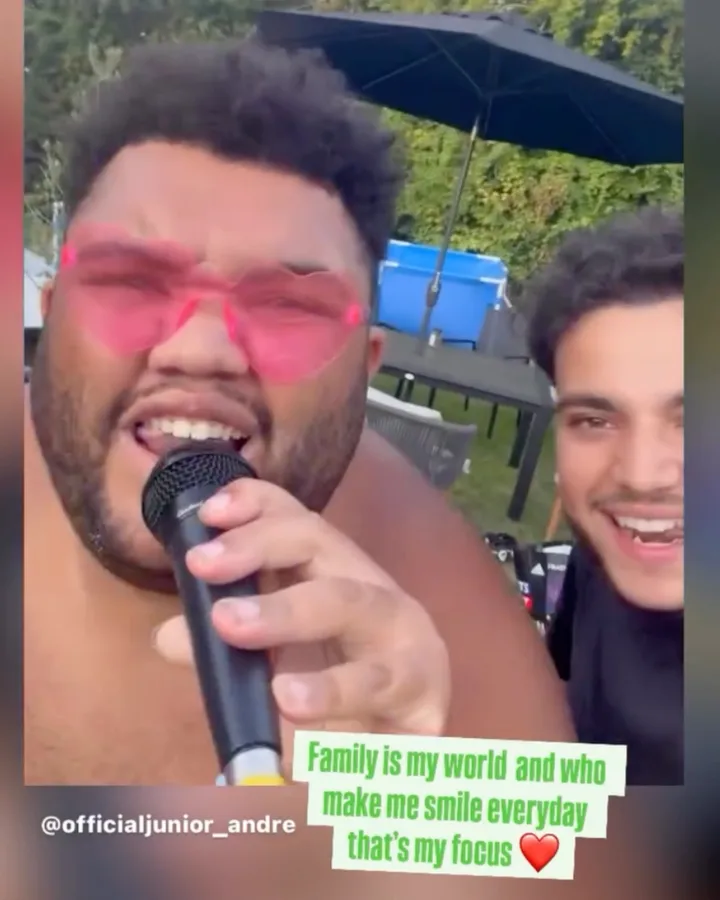
Alongside a video posted by her son Junior Andre of himself singing with his older brother, Harvey Price, Katie wrote: “Family is my world and who make me smile everyday…”
“That’s my focus,” she added.

Instagram/Katie Price/Junior Andre
Katie made headlines back in January when it was revealed that she and Lee had tied the knot in Dubai, where he is based, just days after meeting for the first time in real life, after first connecting over social media.
In the months that have followed, Lee has reportedly been arrested and detained in Dubai on two separate occasions.
Earlier in the summer, while promoting a Sky documentary series about the ups and downs she’s experienced throughout her life in the public eye, Katie told HuffPost UK: “It’s literally one scandal after another scandal, and another one, and another one, and another one. Even till this day there is a scandal!”
She added: “All the speculation about my life and what’s going on now, none of you have any idea.”
Katie has previously been married three times before, first to Mysterious Girl singer Peter Andre, who she met on the third season of I’m A Celebrity and with whom she shares two children, 21-year-old Junior and 19-year-old Princess.
She later married cage fighter Alex Reid and former stripper Kieran Hayler, later having two more children with her third husband, 13-year-old Jett and 12-year-old Bunny.
Katie also has a 24-year-old son, Harvey, from a previous relationship with footballer Dwight Yorke.

Luxury sleepwear from Cosabella – Pynck

I’m 19, And Just INHERITED $100,000!!! #daveramsey #money #finace
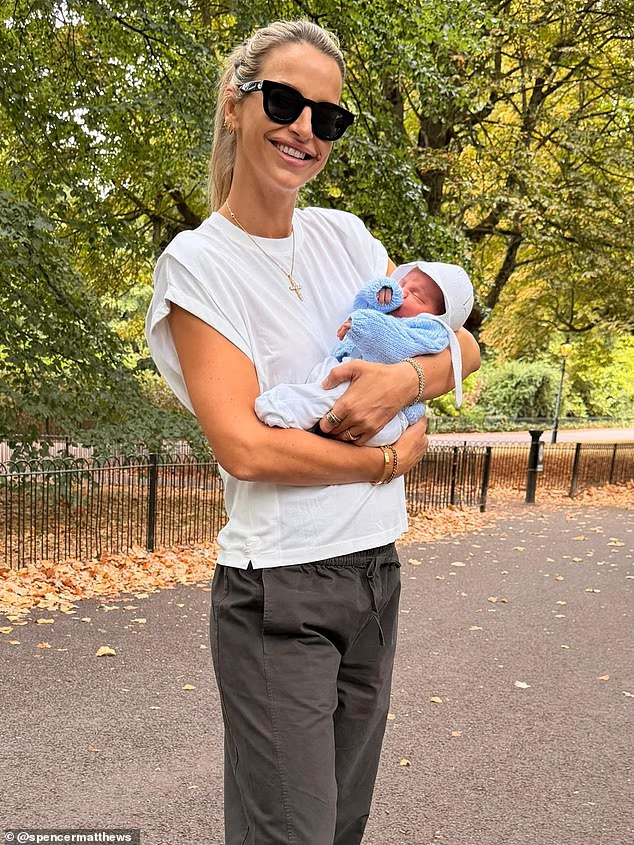
Vogue Williams’ husband Spencer Matthews proudly shares her bump to baby images and gives a glimpse of their newborn





-

 Fashion6 days ago
Weekend Open Thread: Maeve – Corporette.com
-

 Crypto World7 days ago
Bitcoin’s 22% rally now needs real demand to outlast Treasury liquidity boost
-
 Business7 days ago
Apple Confirms September 9 Keynote and Reveals Its Full Pre-Order Schedule
-
 Crypto World13 hours ago
CLARITY Act could advance within weeks, Atkins says
-

 Business7 days ago
Salesforce Stock Soars 19% as Blowout Earnings and Agentforce AI Growth Silence Software Skeptics
-

 Business5 days ago
Onto Innovation Stock: AI’s Next Bottleneck Is Yield (NYSE:ONTO)
-

 Crypto World6 days ago
Bitcoin price tests $82K resistance as Brandt stays long
-
 Tech5 days ago
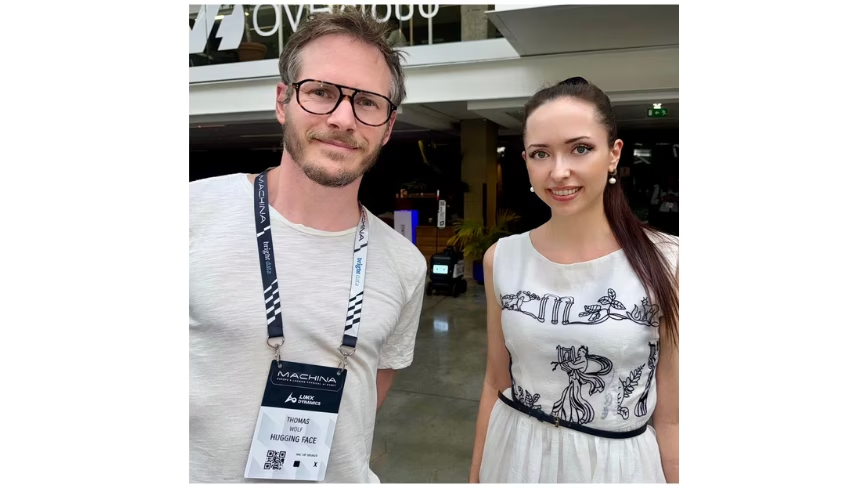
Hugging Face built a $4.5 billion empire on free AI models. Now Nvidia is buying it for $12.9 billion
-

 Business6 days ago
iPhone 18 Pro Pre-Orders Could Shift to Saturday as Apple Reportedly Avoids September 11 Anniversary
-

 Crypto World7 days ago
Truflation calls for Fed rate cut after PCE forecast
-
 News Videos4 days ago
Charlie Munger on Robinhood: No one should believe that Robinhood’s trades are free
-
 Tech7 days ago
The fix for the AI agent that hijacked a company’s DNS: it can propose the change, but it can’t approve it
-

 Tech6 days ago
PaperCut releases second emergency patch for exploited flaws
-

 Crypto World1 day ago
Elon Musk Says Grok 4.7 Lands in 10 Days and Will Beat Every Model
-
 Entertainment6 days ago
‘Adults’ Creators Break Down Season 2’s Most Shocking Moments and Tease a Potential Season 3
-

 Tech5 days ago
Tamagotchi Ring Takes the 30-Year Digital Pet and Places it on Your Finger
-
 Tech5 days ago
As the influencer economy drives retail sales, Seattle startup raises $22M to play matchmaker
-
 Crypto World2 days ago
Bitcoin slips below $77.5K as macro pressure offsets ETF inflows
-
 NewsBeat4 days ago
Trump posts AI video of ‘Lake America’ being protected by an army of bequiffed ‘Donald Ducks’
-
 Entertainment4 days ago
Taylor Swift Reportedly ‘Frustrated’ With Travis Kelce After ‘Short’ Honeymoon
You must be logged in to post a comment Login