OpenAI is now rolling out ChatGPT Astra, its most powerful model to date, to those with a $20 Plus subscription, but there’s no word on when free users will get access.
The rollout appears to be happening gradually, and Astra may show up inside ChatGPT Work before it becomes available in regular Chat.
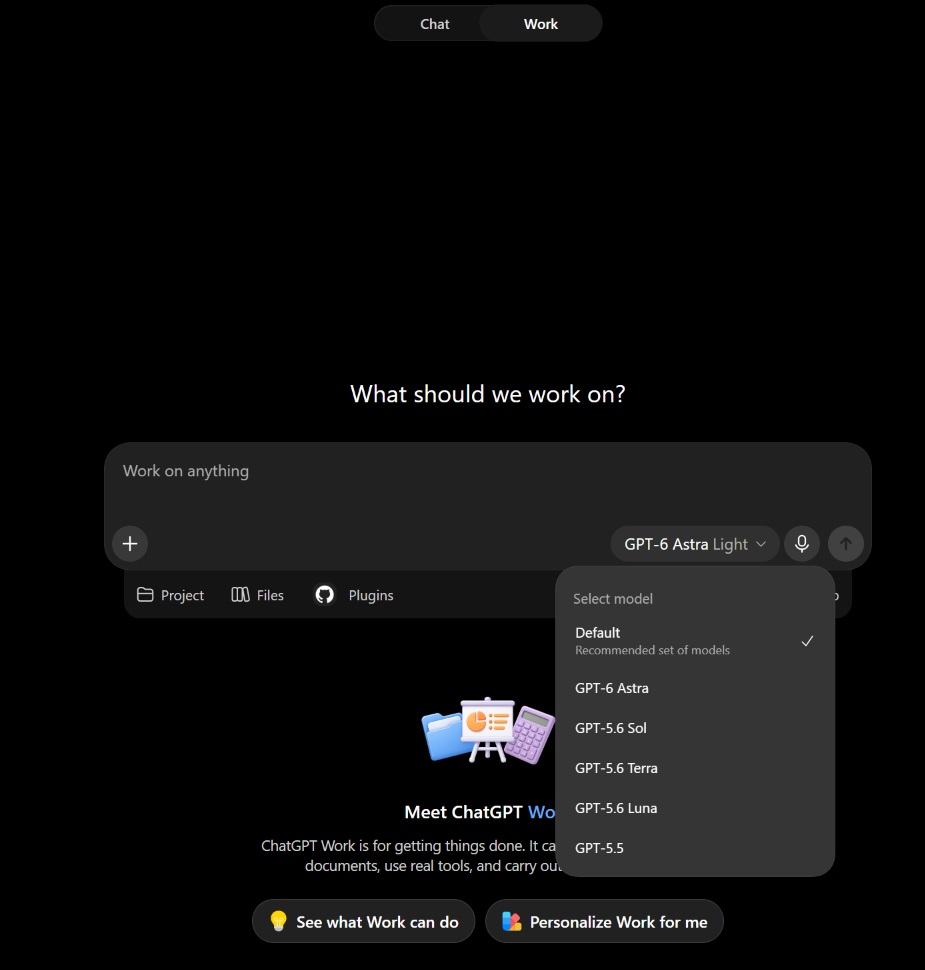
In my $20 Plus account, Astra is already available in the Work section of ChatGPT, while the normal Chat model picker still doesn’t offer it.
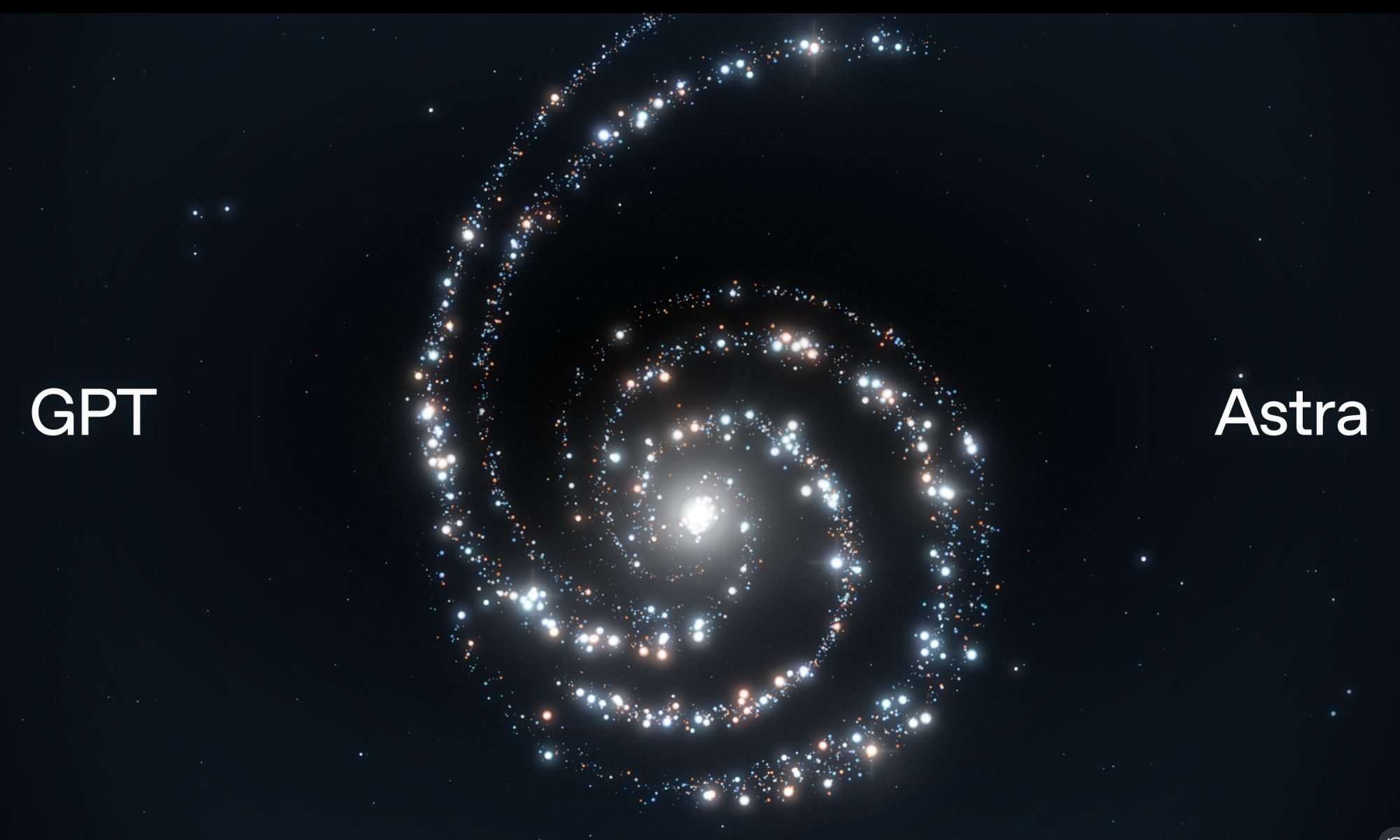
Here’s what it looks like when I go to ChatGPT Work and click on the model picker:
Advertisement
ChatGPT Astra
Source: BleepingComputer
So, if you have ChatGPT Plus and don’t see Astra in regular Chat yet, it’s worth checking Work.
OpenAI previously confirmed that it’s rolling out Astra to Plus users, but it’ll be a while before it shows up for everyone.
“GPT-6 Astra is now available to all Pro, Enterprise, and Business Premium users in ChatGPT Work and Codex. It’s also live in the API,” OpenAI wrote in a post on X.
“It might take a few days to roll out to our Plus and Business users.”
Astra is included with the existing ChatGPT Plus subscription
OpenAI says Astra usage is included within existing subscription limits, so Plus users do not need to purchase a separate plan to access the model.
Advertisement
If you need additional usage, you will also be able to buy credits.
Astra is OpenAI’s new flagship model and is designed for computer use, browsing, coding, science, cybersecurity, and longer professional tasks.
OpenAI says it is also significantly better than GPT-5.6 Sol at maintaining context during complex work.
While ChatGPT Astra is rolling out to paid users, OpenAI hasn’t said whether the model will roll out to free users, or in what capacity if it does. For now, free users have access to GPT-5.6 Sol and GPT-5.
Advertisement
Overall prevention scores can hide what happens after initial access. Once attackers are using valid credentials, prevention drops sharply.
The Blue Report 2026 measures defenses technique by technique across 338 million simulations run in customer production environments.
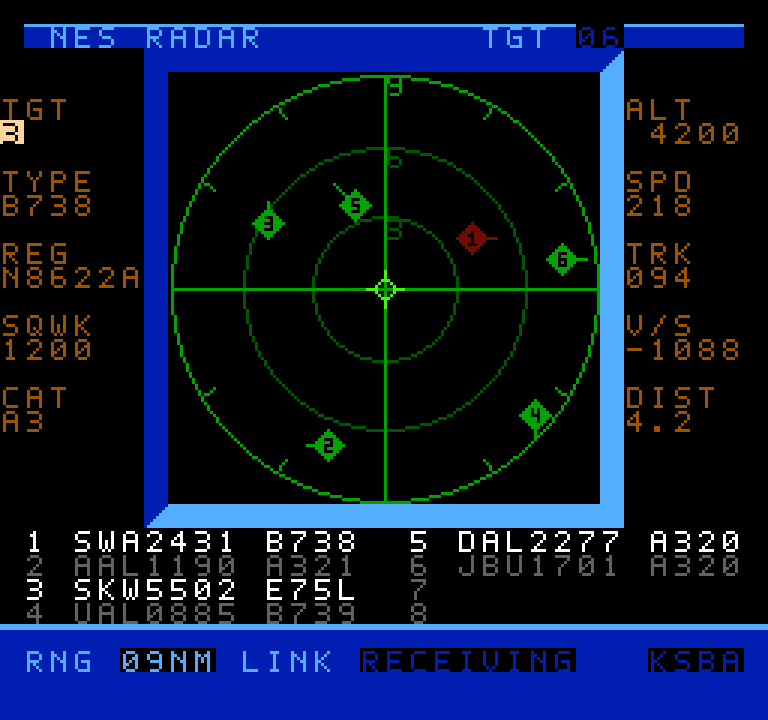
Air traffic visualizers seem to be having a bit of a moment right now, and now that moment has come to the venerable NES thanks to [k6lcm]’s NES Radar project, which is open-source under the GPL on GitHub. In spite of the name, there’s no Radio Direction or Range-Finding involved in this project– no radio at all, in fact, which makes this a bit interesting. It’s just an NES cartridge and a carefully constructed cable.
It looks like a period game, but it’s current-day air traffic.
The cartridge is a standard ROM cart that holds the software — no hidden ESP32 or PicoW here, which is what we initially suspected the project would be. So how is it that when you start up the NES with the cartridge inside, you can input an International Civil Aviation Organization (ICAO) code, like, say, KATL, and get a visualization of the traffic? Well, okay, if you put in KATL, you won’t get all the traffic, since the software is limited to 8 sprites, and that’s the world’s busiest airport. Still, how does it know where those airplanes are?
The secret is in the carefully constructed cable mentioned above: this project is using the second controller port on the NES as a serial port, and getting the data that way. A handy Python script on a nearby computer is what actually fetches aircraft positions. It’s based on c64u-radar, also by [k6lcm], which does the same Python server trick but relies on the Commodore 64 Ultimate’s LAN port to get data rather than using serial. The NES has no such ports available, though, so the controller port it was. We saw a similar trick used for satellite tracking on the NES some years ago.
If you like the idea of tracking flights, perhaps you’d like to see it done on a real radar CRT, or projected directly onto the ceiling. Thanks to ADS-B and free APIs, it seems airplane trackers are everywhere; if an interesting one has come onto your radar, please send us a tip.
Speaking of tips, thanks to [Levi] for putting this one on our scopes!
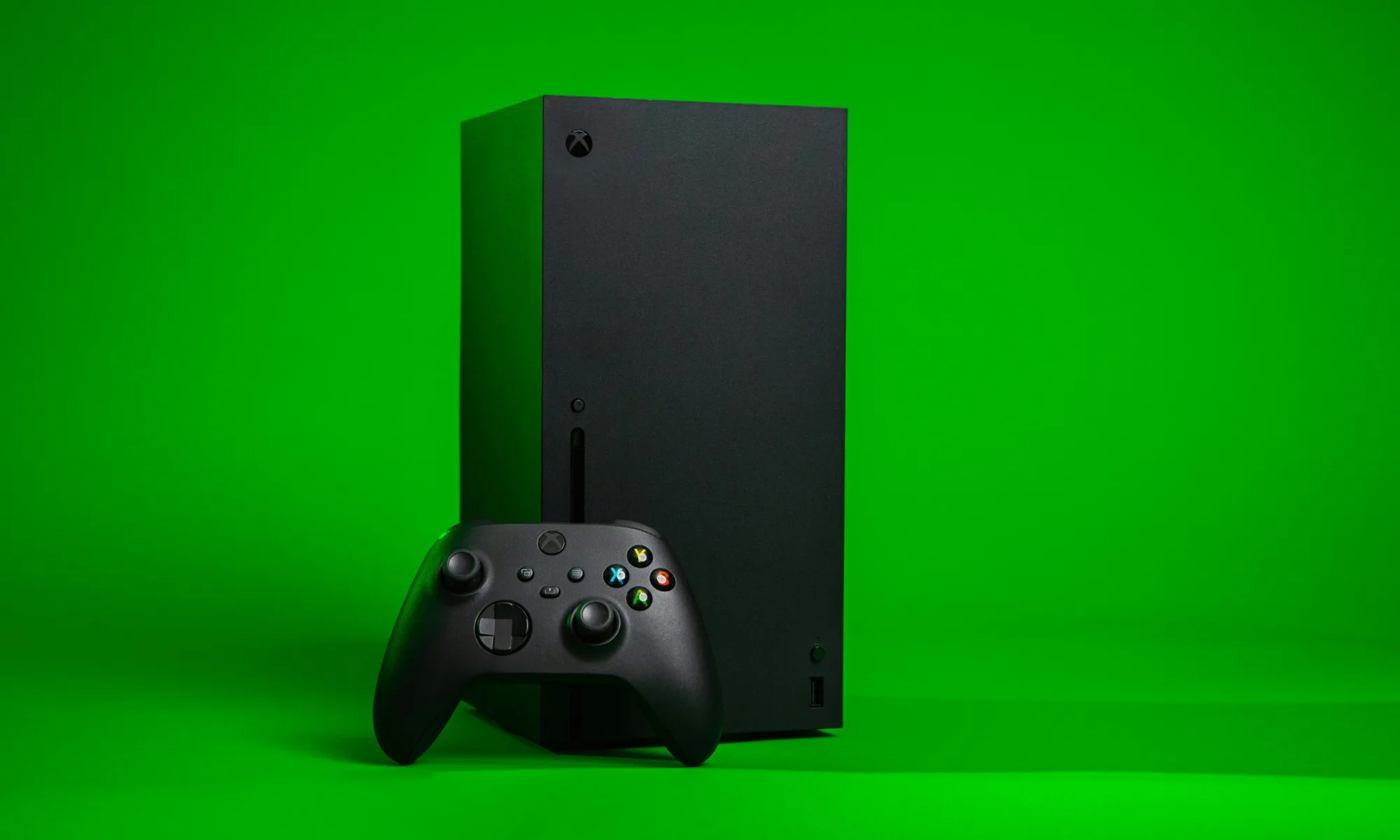
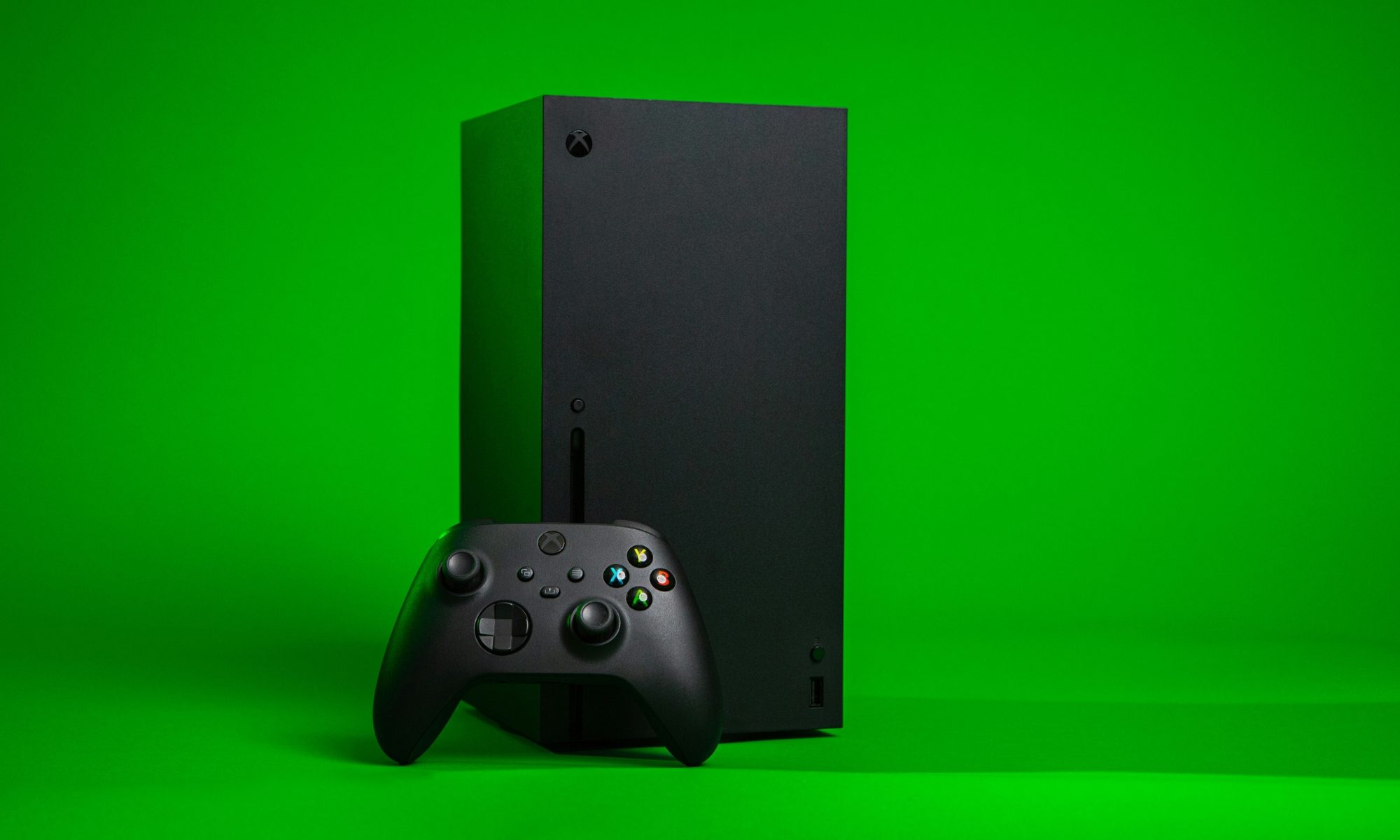
Microsoft is expanding Xbox Cloud Gaming beyond consoles and PCs, partnering with TCL to bring the Xbox app to select TCL Smart TVs in the coming months. The move gives gamers another way to access Xbox titles directly from a television without needing an Xbox console.
The partnership, announced on September 4, is part of Xbox’s broader push to make its gaming ecosystem available across more devices. Microsoft says the app will reach millions of TCL TV users across more than 25 countries, allowing them to stream supported Xbox games on TVs they already own.
Xbox gaming moves closer to becoming a TV app
Once the Xbox app arrives on supported TCL Smart TVs, players will be able to access Xbox Cloud Gaming through an Xbox Game Pass subscription and stream supported games directly to their television. Eligible Game Pass subscribers will also get access to an instant library of cloud-playable games.
There is a catch, however: users will need a supported TCL Smart TV, a compatible controller, and cloud playtime included with Xbox Game Pass or purchased separately. So while the console can stay out of the equation, the controller and subscription still matter.
Advertisement
For players, the appeal is fairly straightforward. A supported TV could effectively become another entry point into the Xbox ecosystem, making it possible to play without buying dedicated Xbox hardware. That could be particularly useful for casual players or households that already have a compatible TCL television.
The partnership also highlights Microsoft’s strategy of making Xbox less dependent on a single piece of hardware. Rather than restricting the experience to consoles, the company says it wants players to have more choice in how and where they play.
Your games can follow you across Xbox devices
The TV experience will also retain key parts of the wider Xbox ecosystem. Microsoft says games, friends, achievements and saves can travel between supported TCL Smart TVs, consoles and PCs, allowing players to pick up where they left off.
Xbox
That means the television isn’t being treated as an isolated gaming platform. Instead, it becomes another screen through which players can access their existing Xbox experience.
For now, Microsoft has only said the Xbox app will arrive on select TCL Smart TVs in the coming months. It has not provided a specific launch date in the announcement. The rollout will therefore depend on supported TV models and regional availability.
Advertisement
The next step is for Xbox and TCL to reveal which Smart TV models and countries will receive the app, followed by the actual rollout. Until then, gamers will have to wait before turning their TCL television into another Xbox Cloud Gaming machine.
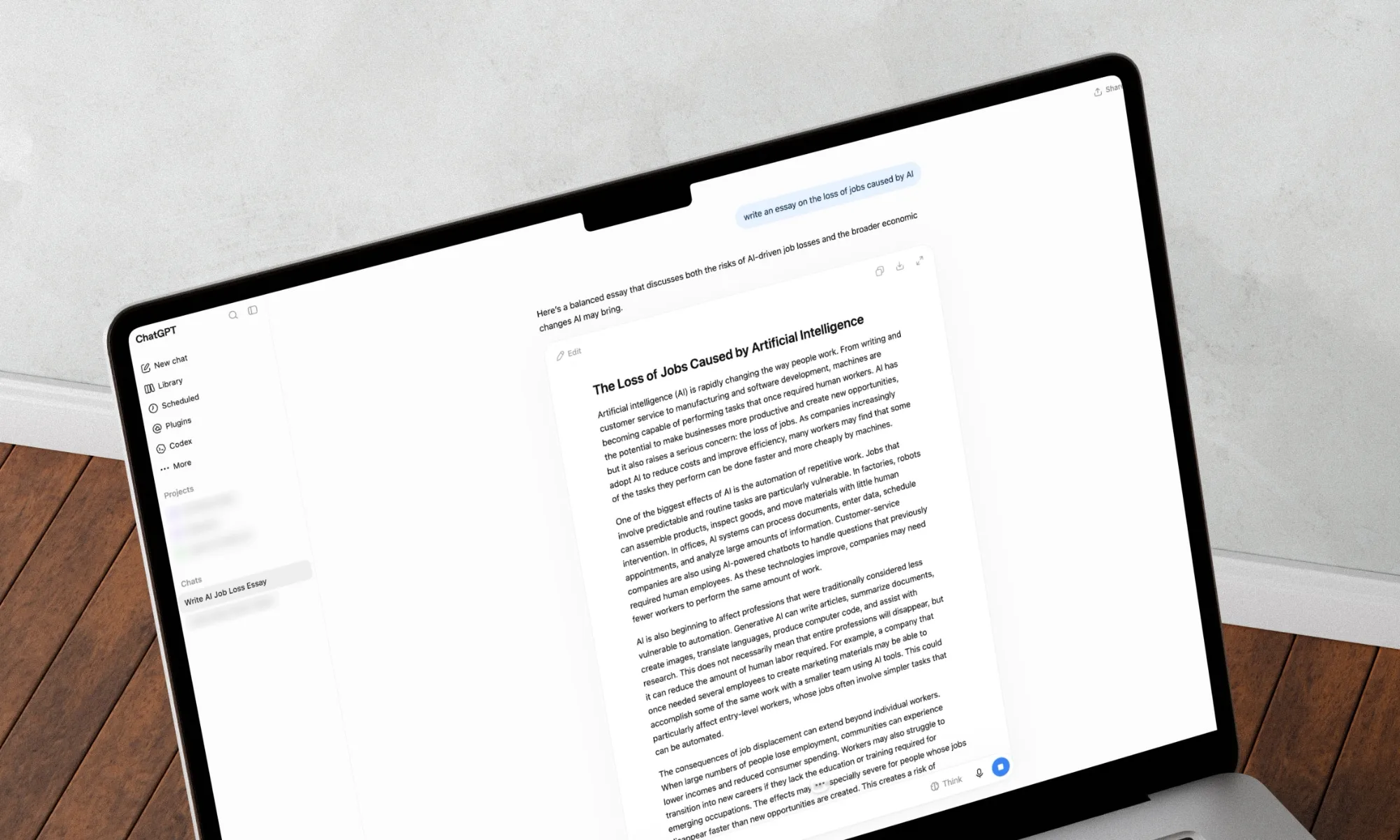
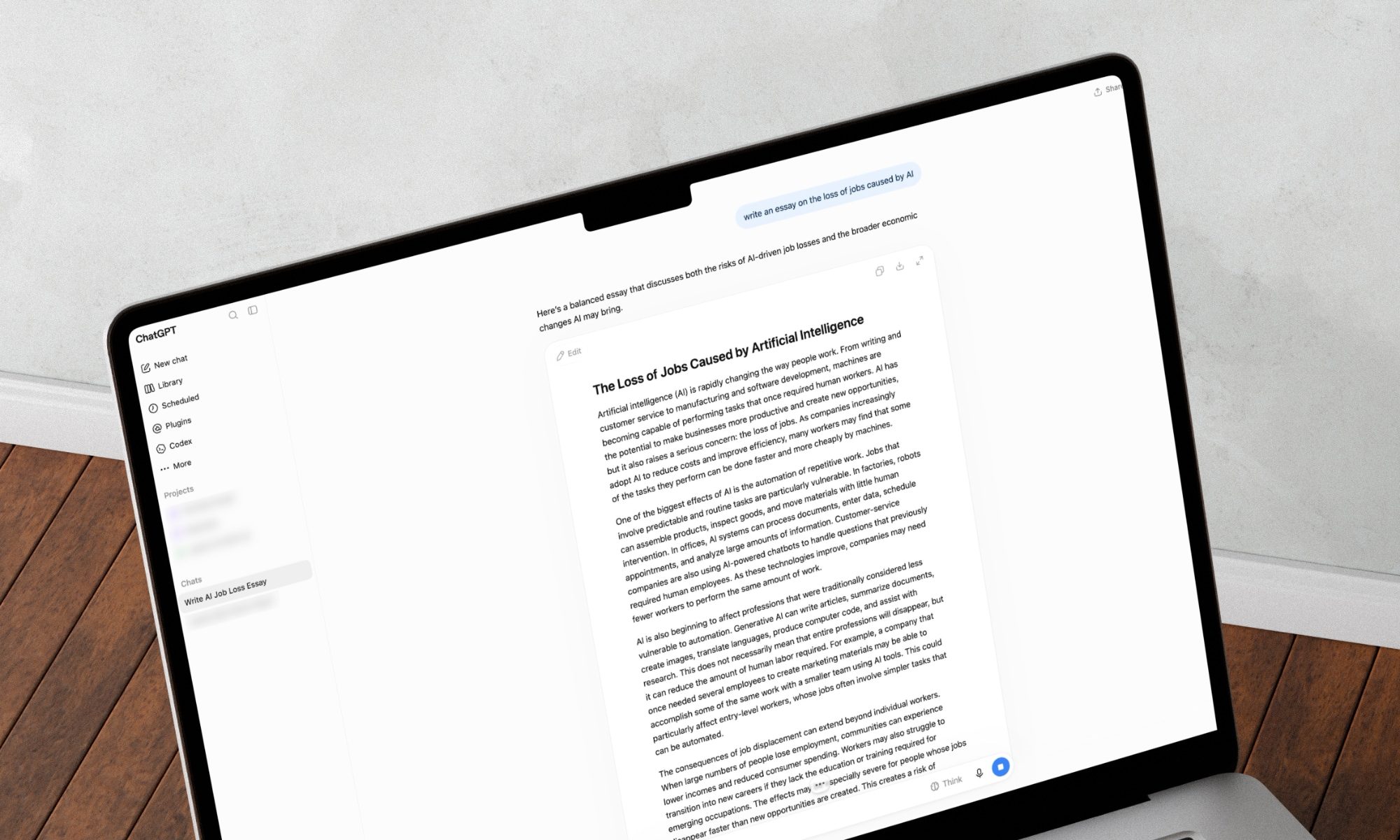
For over a decade, Teresios Bundi made a living writing essays for overseas college students looking for a shortcut. His first assignment, a two-page paper on a fruit he had never even heard of, earned him $7. Over the years that followed, Bundi says he churned out more than 2,500 essays covering subjects from engineering to medicine.
How did Kenya become an essay-writing hotspot?
Once cheap high-speed internet reached Kenya around 2009, thousands of well-educated but underemployed graduates found work in the cracks of the global digital economy. Essay writing became one of the most lucrative gigs, with writers charging $40 to $70 per paper.
Rachit Agarwal / Digital Trends
Researchers say Kenya’s essay-mill industry employed roughly 40,000 people in Nairobi at its peak. Bundi even built a business out of it, setting up a workspace stocked with computers and fast Wi-Fi to keep pace with the demand.
Kenya’s government leaned into the trend too, training graduates to use freelance platforms and later adopting a national plan built around online outsourcing work.
What happened when ChatGPT showed up?
Then OpenAI released ChatGPT in 2022, and the math changed overnight for students. Suddenly, students didn’t need a human ghostwriter in Nairobi when a free chatbot could spit out an essay in seconds. Demand for essay writers collapsed almost as fast as it had grown, and pay rates followed.
Advertisement
“I never would have expected AI could do this,” Bundi told The New York Times.
The damage wasn’t limited to essay writing. Transcription work and content moderation gigs, once reliable income for Kenyans, have also faded as AI tools took over. Labor activist Frida Mwangi, who used to transcribe interviews for a living, said companies eventually told her to just use AI herself. “My job went completely,” she said.
Tim Witzdam / Pexels
Oxford researcher Mark Graham, who has studied the global gig economy, put it bluntly: “It’s not just going to be Kenya — it’s going to be everywhere we see a big transformation. AI has come in and taken big chunks of these labor markets.”
Bundi now helps other young Kenyans navigate the digital economy, but he sees his own story as a warning of what’s coming for everyone else. “AI is coming for bankers, for accountants… it’s coming for everybody,” he said.
AI has already changed the job landscape as we know it, and this feels like just the beginning. Kenyans just found that out the hard way, and the rest of us might not be far behind.
MapQuest, who knew? A week ago, the app seemed like just another long-forgotten relic from the dotcom glory days. Now, it’s surged to the top of app download charts after the company ignored an executive order from President Donald Trump by refusing to relabel Lake Ontario as Lake America. And the company apparently is going to keep riding the wave.
The 30-year-old app announced that it was bringing its navigation service to Android Auto in an experimental phase. Thus, drivers can use MapQuest on their dashboard infotainment screens rather than Google Maps if they have Android Auto enabled.
Android Auto is a software system that allows Android phone apps to display on a dashboard screen, which basically performs like a computer monitor. By connecting your phone to the vehicle’s Android Auto system, you can use map apps such as Google, Waze and now MapQuest, as well as stream music and listen to podcasts or use AI programs like Google Assistant or Gemini to send texts and make calls.
Advertisement
What about Apple users? A message on MapQuest’s help center noted that “CarPlay is coming to the MapQuest iOS app soon!”
In addition to basic navigation, the MapQuest app is trying out a crowdsourcing feature on Android Auto. Drivers and passengers can report accidents, road closures and activity by police and other first-responders on the app so that other drivers might know what’s coming up for them on the roads.
As a comparison, MapQuest and Google Maps both have the basics — planning a route from Point A to Point B with an estimated travel time, a computer voice telling when and where to turn and search functionality to find businesses and other locations. But Google Maps also has public transit directions, indoor maps for malls and airports and user reviews of businesses through its integration with Google Search.
MapQuest did not say if all Android Auto users would be able to use it or how long the beta testing would last. A representative for MapQuest did not immediately respond to a request for comment.
MapQuest back in the spotlight
It’s been a while since “MapQuest” rolled off the tongue of many Americans. The company launched on Feb. 5, 1996, and within a few years, it controlled nearly all of the market share for online mapping, with 2 million page views per day in 1999. But the company began to decline after Google launched its maps app in 2005.
That changed earlier this week. MapQuest refused to change Lake Ontario to Lake America on its maps, as Trump called for with an executive order on Aug. 27. Google and Apple complied, but MapQuest and Microsoft haven’t.
Advertisement
Within days, MapQuest became the No. 1 most-downloaded app in the US, with more than 1.5 million downloads since Trump’s order. The company also created a widget that lets you name the lake whatever you want.
MapQuest General Manager Doug Berger told CNN’s Erin Burnett, “We were absolutely blown away by the response,” he said. “It’s completely shocking.”
Ever since being admittedly fascinated by the Cambridge coffee webcam from the 1990s, I’ve written about VPNs, the NFL, smartphones, living wages, over/unders and everything in between.
See full bio
OpenAI’s newest flagship AI model is starting to reach ChatGPT Plus subscribers, giving people on the $20 plan access to GPT-6 Astra just days after its debut.
Plus users can access Astra through ChatGPT Work and Codex as the rollout reaches more accounts. OpenAI says availability is gradual, so the model may not appear for everyone immediately. Astra is not currently included in regular Chat for Plus users.
Usage is covered by the existing Plus allowance rather than requiring another subscription. Plus users get limited Astra access, while additional usage can be purchased with credits once the included allowance runs out.
What are Plus users getting?
We previously covered Astra when OpenAI introduced it on September 3. The model is built for jobs such as writing code, researching subjects, operating software, and working through longer professional tasks.
Advertisement
Rachit Agarwal / Digital Trends
Astra can also create documents, spreadsheets, and presentations while following existing templates and adjusting when instructions change. OpenAI says it is better at keeping track of earlier requirements during long tasks instead of losing sight of the original request.
Why is Astra better than GPT-5.6 Sol?
OpenAI’s own tests show some sizeable gains over GPT-5.6 Sol. On Terminal-Bench 4.0, which measures performance on complex terminal-based work, Astra scored 57.9% compared with 37.3% for Sol. On OSWorld 2.0, Astra scored 72.6% and completed tasks in roughly 40 minutes on average, while Sol scored 65.7% and took around 75 minutes.
Long tasks also appear to be one of Astra’s stronger areas. On OpenAI’s 512K-to-1M long-context test, Astra scored 96.3% compared with 73.8% for Sol. It is worth keeping in mind that these numbers come from OpenAI’s own tests, so real-world results will depend on what people actually ask Astra to do.
OpenAI
OpenAI has not said if or when Astra will become available to free ChatGPT users. There is some precedent for what could happen, though. Free users never received GPT-5.6 Sol, which remained limited to paid plans. OpenAI instead gave them GPT-5.6 Luna, a lighter and faster model from the same family, about a month after Sol launched.
The company could eventually take a similar approach with GPT-6, giving free users a less capable model rather than Astra itself. That is purely speculation for now, based only on how OpenAI handled the previous generation. The company has not announced a lighter GPT-6 model or said whether any version of the GPT-6 family will come to free users.
The Alliance for Automotive Innovation, a lobby group for the auto industry, wants an outright ban on Chinese-made cars, parts and software.
John Bozzella, the AAI’s CEO and president, sent a letter to congressional leaders this week that asks Congress to ban selling, importing and manufacturing Chinese-made cars, hardware and software. There is currently bipartisan support in Washington to do just that, including the “Connected Vehicle Security Act of 2026,” which “prohibits the importation, manufacture, sale, resale, or introduction into US interstate commerce of connected vehicles and related software and hardware components associated with China, Russia, Iran, or North Korea.”
In the letter, Bozzella said the Chinese government’s policies are “rooted in a well-documented pattern of unfair trade, subsidies, intellectual property theft and surveillance.” The AAI expressed urgency and asked Congress to enact a ban before ending its session for this year. The AAI didn’t immediately respond to a request for comment.
Existing automakers selling to US consumers have had their own brushes with regulators over drivers’ privacy. In 2025, the Federal Trade Commission ordered General Motors not to sell driver data for five years, and a Consumer Reports investigation that year found nearly every automaker collects and shares data on driver behavior.
Advertisement
Chinese cars, particularly electric vehicles, have seen their popularity rise across the world due to their affordability. One reason those prices are so low is that the automakers get significant government subsidies. Chinese automakers are essentially blocked from selling to US consumers by high tariffs.
The AAI said a permanent ban will “send a clear and bipartisan message that China’s strategy to dominate global automotive manufacturing will be met with a national security policy response from the American government.”
Dashia Milden
Senior Consumer Insights Editor
Dashia is the consumer insights editor for CNET. She specializes in data-driven analysis and news at the intersection of tech, personal finance and consumer sentiment. Dashia investigates economic shifts and everyday challenges to help readers make well-informed decisions, and she covers a range of topics, including technology, security, energy and money. Dashia graduated from the University of South Carolina with a bachelor’s degree in journalism. She loves baking, teaching spinning and spending time with her family.
See full bio
While there are plenty of ways to limit notifications on our digital devices and avoid distraction overload, there’s nothing inherently wrong with these alerts. They just need to be well managed and kept in their place.
Keeping notifications useful and timely can help you get more done in the day, not less, and Windows 11 comes with built-in tools for setting up custom notifications that run on a schedule you specify.
You can use these scheduled notifications however you want. Maybe you need reminders to take breaks, or you want to make sure you devote specific blocks of time to certain projects, or you need alerts for when it’s time to go and pick the kids up.
However you want to use these custom notifications, here’s how to set them up—plus some extra apps that can help too.
Advertisement
Custom Notifications in Windows 11
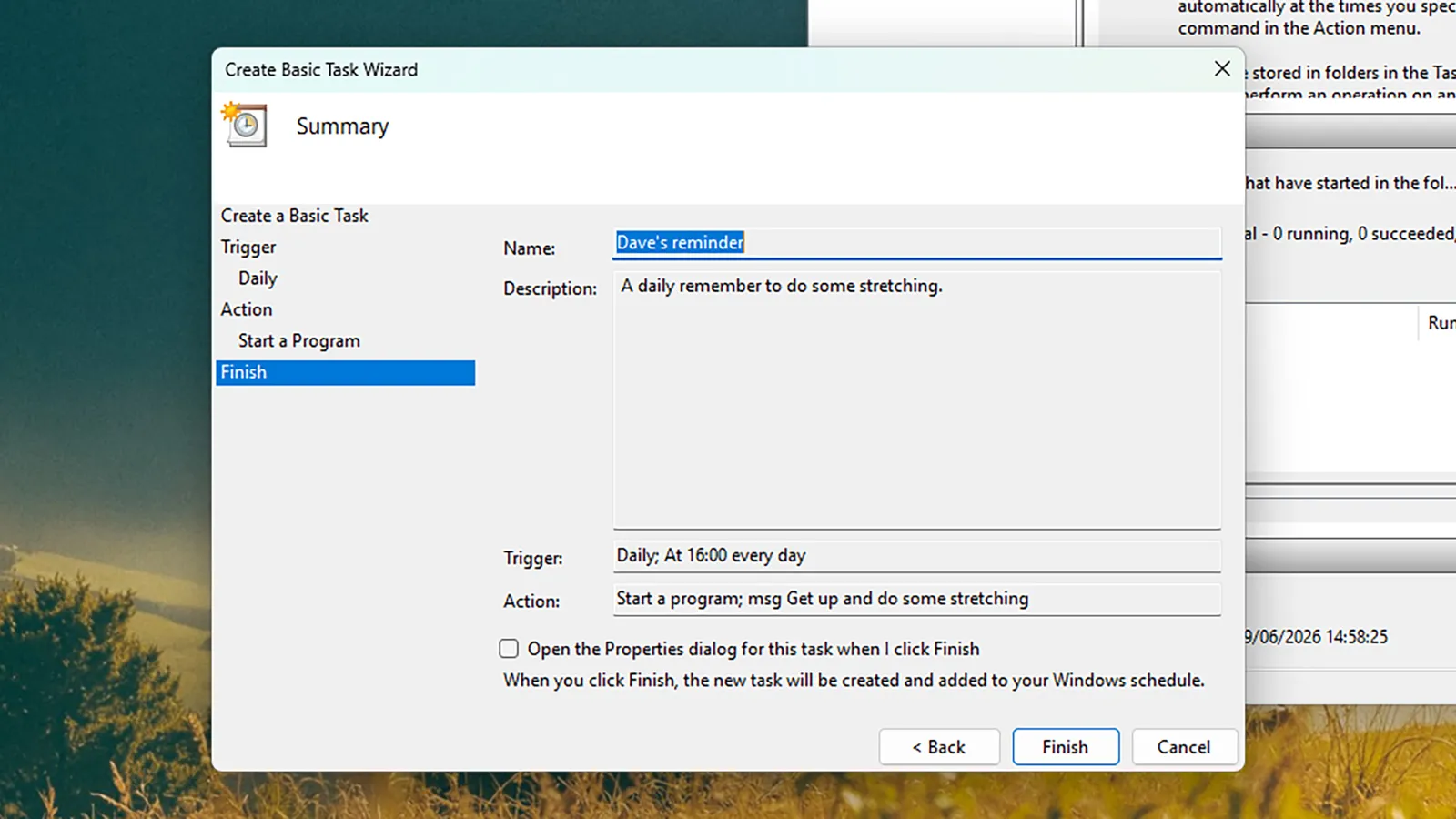
Task Scheduler gives you a clean, simple way of creating alerts.Screenshot: David Nield
If you want to set up custom notifications in Windows 11 without turning to an app, the Task Scheduler is the utility you want. Type “task scheduler” into the search box on the taskbar or the Start menu, then select it when it appears.
Open the Action menu, choose Create Basic Task, and then give it a suitable name and description so you can identify it later. Click Next, and you can set the frequency of the notification: Your options are Daily, Weekly, Monthly, One time, When the computer starts, When I log on, and When a specific event is logged, so there’s a lot of flexibility.
Click Next again, and if you’ve chosen a recurring task then you can set exactly when it recurs—4 pm every afternoon, for example. Click Next, then choose Start a program, and select Next again. This opens up the dialog box screen for composing your notification.
In the Program/script field, you need to enter “msg,” and in the Add arguments (optional) field, you put your actual notification text: “Reminder: get up and do some stretching” or whatever it happens to be. With another click on Next you can review your notification, and then choose Finish to confirm.
Advertisement
Your notification is created, and will pop up at the specified time, whether or not Task Scheduler is open. If you ever need to edit or delete the task, you can head back to Task Scheduler to find it—it’ll be listed under the Task Scheduler Library heading, and you can right-click on the task to make changes.
Setting Notifications Through Apps
You’re also able to set reminders through the built-in Clock app.Screenshot: David Nield
The appeal of the Task Scheduler is that it’s built right into the Windows operating system, so you don’t need any other apps running to get your notifications, but there are ways to do this with apps as well. The Microsoft Clock app comes preinstalled with Windows, for example, and lets you set custom alarms.
Generally, we do not look at the gentle patter of raindrops on a surface with much concern, but according to a study by [Zhongyuan Ni] et al. in Nature, we should probably regard these droplets with a little scrutiny for their corrosion potential. What they found is that these drops can gather a significant electric potential as they gently slide down a surface, with over 1 kV measured. By first having droplets charge up on an insulating surface before hitting a target metal surface, they were able to induce significant corrosion.
Despite the target metal surface being coated with a protective layer, these charged droplets managed to gradually break down the coating, exposing the bare metal. In this example, a Teflon coating was used, with water droplets containing a small amount of dissolved sodium chloride to simulate natural raindrops.
It was postulated that this causes dielectric breakdown of the insulating protective coating, as the charged water drop acts as one electrode and the — often grounded — metal surface as another electrode. Subsequent investigations on the samples showed that this appears to be indeed the case.
Advertisement
A potential defense here would be to discharge any water before it can reach sensitive surfaces, but it’s not a straightforward problem to solve. As noted in the study’s conclusion, charged droplets can also be generated in clouds and waves, in addition to the insulating materials demonstrated in the study. It’s also a phenomenon that can cause issues anywhere charged droplets occur, such as in a wide range of industrial processes.
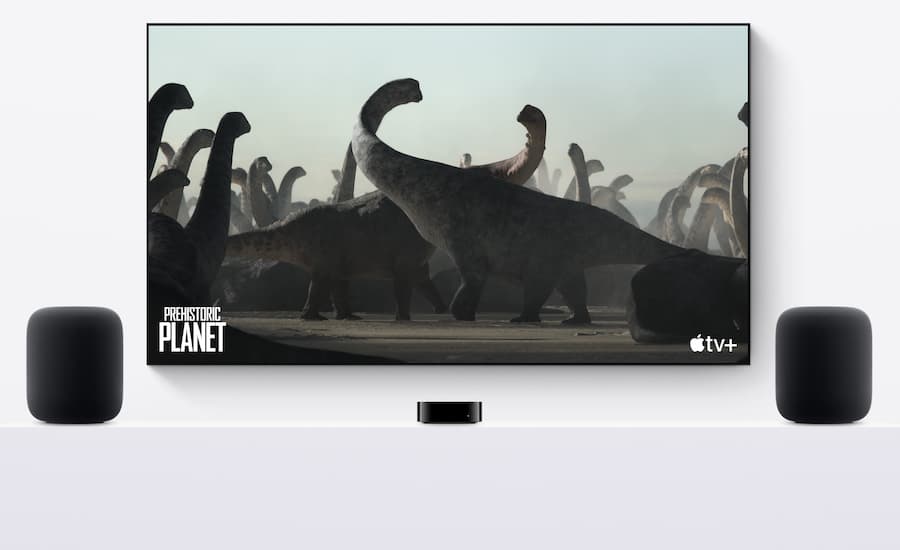
Apple has spent years insisting that one or two HomePods can handle home theater duties. To be fair, a stereo pair of 2nd generation HomePods can reproduce Dolby Atmos with an Apple TV 4K, and Apple’s computational audio does a respectable job of making two speakers positioned at the front of a room sound considerably larger than they actually are.
But two speakers are still two speakers, and new code discovered in audioOS 27 beta 8 suggests Apple is experimenting with something considerably more ambitious: a four-HomePod surround system using separate front-left, front-right, rear-left, and rear-right speakers. If Apple actually ships it, HomePod could evolve from an unusually capable stereo TV solution into something much closer to a legitimate wireless home theater platform.
That would put Apple into a very different fight.
What Is Apple Actually Testing?
Based on the code discovered, Apple has created tuning configurations for four 2nd generation HomePods arranged around the listening position. References in the software include front-left, front-right, rear-left, and rear-right speakers, along with automatic room calibration, speaker-position mapping, timing adjustment, bass management, EQ, dialogue enhancement, and separate processing modes for movies and music.
Advertisement
For stereo content, Apple also appears to be experimenting with two approaches: spatializing music across all four speakers or preserving conventional stereo playback through only the front pair.
That is considerably more sophisticated than simply grouping four AirPlay speakers and telling them to play the same thing. Timing correction and speaker-position mapping would be essential because four HomePods positioned around a room will rarely be equidistant from the listener, while bass management becomes particularly interesting when each full-size HomePod contains its own 4-inch high-excursion woofer.
Apple already uses computational audio, room sensing, and automatic bass correction within individual HomePods. Coordinating those capabilities across four separate locations could give the company far more control over imaging and surround placement than its existing one- or two-speaker implementation.
Apple HomePod 2nd Generation Stereo Pair
There Is Also Mystery Hardware
The beta code also contains references to a tuning system called “Forklift,” which reportedly combines two 2nd generation HomePods with two speakers carrying an unidentified AID12007 hardware designation. That identifier does not correspond to any currently available HomePod.
Advertisement
What exactly is it? Nobody outside Apple appears to know.
It could represent a future HomePod mini, a third-generation full-size HomePod, or another unreleased Apple audio product. There is currently no evidence that Apple plans to sell dedicated wireless surround speakers, so anything more specific would be speculation.
The presence of both configurations is nevertheless interesting because Apple may be testing more than one approach: four existing full-size HomePods in one arrangement and a combination of current and future hardware in another.
Advertisement. Scroll to continue reading.
Advertisement
The code also references a new “Party Mode” for stereo-paired HomePods designed to create a more diffuse sound field across a room rather than optimizing playback around a tightly focused listening position. That could be useful for music, but the home theater work is considerably more consequential.
What We Don’t Know
Apple has not announced a four-HomePod surround system, and there is no guarantee that anything discovered in beta software will become a commercial feature. The Home app and Apple TV currently provide no way to configure four HomePods as a permanent home theater system, and Apple’s current implementation supports either one HomePod or a stereo pair with Apple TV 4K.
We also don’t know whether existing 2nd generation HomePods would be supported, whether new hardware would be required, what AID12007 actually represents, or how Apple would map Dolby Atmos channels across four speakers. There is no indication of a dedicated center speaker or wireless subwoofer, no confirmed release date, and no evidence yet that Apple intends to describe the finished system as 4.0, 5.1.4, 7.1.4, or anything else.
That last point is worth emphasizing. Four physical speakers do not necessarily equal four audio channels. Modern spatial-audio systems routinely use beamforming and virtualization to reproduce more channels than there are physical enclosures, and the current HomePod already supports Spatial Audio with Dolby Atmos using its five-tweeter beamforming array and computational processing.
Advertisement
The missing physical center channel would still present an interesting challenge. Movie dialogue is normally anchored to the center speaker, so Apple would need to generate a convincing phantom center or use another computational technique to keep dialogue locked to the screen across multiple seating positions. HomePod already offers Enhance Dialogue, but we do not yet know how Apple would incorporate that technology into a four-speaker layout.
Physics, annoyingly, still does not accept firmware updates.
Apple HomePod 2nd Generation (2023 model)
Why This Matters
HomePod has always occupied a slightly odd position in Apple’s ecosystem. At $349, the 2nd generation model is considerably more capable than the average smart speaker, with a 4-inch high-excursion woofer, five beamforming tweeters, room sensing, automatic bass correction, computational audio, and Spatial Audio with Dolby Atmos.
Buy two and Apple already gives Apple TV 4K owners a surprisingly capable wireless television system. The obvious limitation is that all of the physical speakers remain at the front of the room, forcing Apple to create much of the surround experience through processing.
Advertisement
Real rear speakers would fundamentally change that. Surround information could originate behind the listener rather than being simulated entirely from the front, while four independently powered HomePods would give Apple multiple low-frequency sources and significantly more acoustic output to work with.
At the current $349 price, four HomePods would cost $1,396 before adding an Apple TV 4K. That is not inexpensive, but it puts the concept directly into premium soundbar and wireless home theater territory.
More importantly, Apple could finally give HomePod an upgrade path. Someone could theoretically start with one speaker, move to a stereo pair, and eventually expand into surround sound without discarding the hardware they already own.
Sonos has built a rather successful business around exactly that idea.
Advertisement
Advertisement. Scroll to continue reading.
Sonos Is the Obvious Competitor
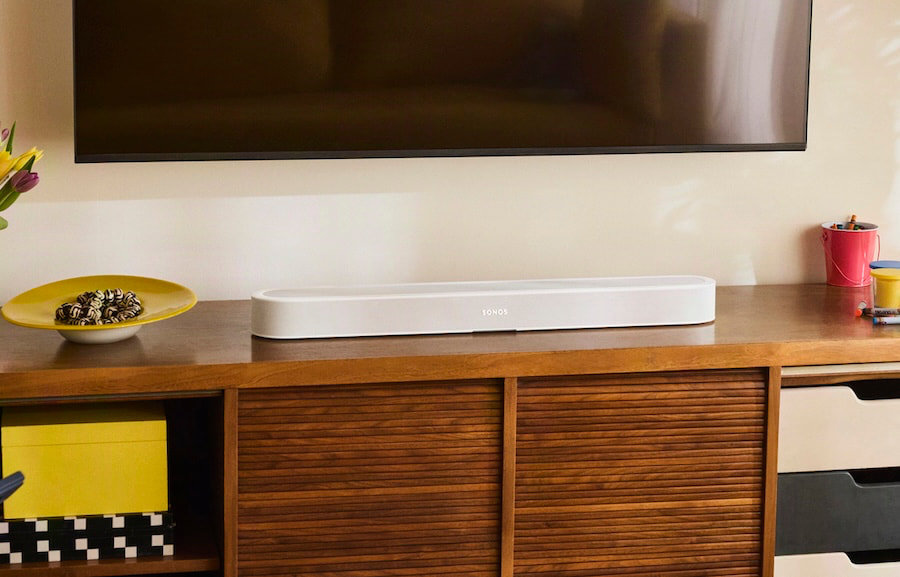
The newly introduced Sonos Beam Ultra makes that comparison particularly timely. The $699 compact soundbar moves Sonos to a true 7.1.2 Dolby Atmos architecture with nine drivers, including dedicated upward-firing height drivers, while retaining Trueplay room correction and the ability to expand the system with wireless surround speakers and a Sonos Sub.
2026 Sonos Beam Ultra Soundbar
That means someone can start with Beam Ultra and gradually turn it into a larger home theater system instead of buying everything on day one. Sonos also has the advantage of HDMI eARC connectivity and years of experience integrating soundbars, surrounds, subwoofers, headphones, and multiroom audio into one platform.
The larger Arc Ultra pushes the concept further with a claimed 9.1.4 presentation and can similarly be expanded with wireless surrounds and subwoofers. Apple would therefore be entering a category where Sonos already offers consumers clear steps from a single soundbar to a much larger immersive system.
Advertisement
Apple’s potential advantage would be architectural. Instead of relying on a soundbar to perform most of the front-channel work, four HomePods could distribute amplification, bass reproduction, beamforming, and computational processing around the entire room.
Whether that sounds better is something we can worry about if Apple actually lets anyone buy it.
Sony May Be an Even Closer Comparison
Sony BRAVIA Theatre Quad is a Four Speaker Surround Sound System
The Sony BRAVIA Theatre Quad may actually be the more interesting technical comparison because it also abandons the conventional soundbar layout. Sony uses four separate wireless speaker enclosures positioned around the listening area and employs 360 Spatial Sound Mapping to create additional virtual speaker positions within the room.
That sounds remarkably close to the problem Apple appears to be trying to solve. Sony also has a clever solution for the missing physical center speaker: compatible BRAVIA televisions can participate in the system through Acoustic Center Sync, helping anchor dialogue directly to the screen.
There is currently no evidence that Apple plans anything comparable with a television’s internal speakers, but the similarity between Sony’s four-speaker architecture and the audioOS testing is difficult to ignore.
Advertisement
Apple Would Also Be Moving Beyond Google
Google has also pushed further into television audio by allowing one or two Google Home Speakers to operate with the Google TV Streamer, giving consumers another wireless alternative to a conventional soundbar.
Apple adding physically separate rear speakers would move HomePod considerably beyond that type of two-speaker arrangement. More broadly, Apple, Google, Sonos, Sony, Samsung, and others are all chasing the same consumer: someone who wants immersive television sound but has little interest in an AVR, speaker wire, or seven individual loudspeakers scattered around the living room.
Traditional home theater is not disappearing, but the middle of the market is becoming increasingly wireless.
The Bottom Line
Apple has not announced a four-HomePod surround system, and beta code should never be confused with a product announcement. Features get tested internally and disappear all the time.
Advertisement
Advertisement. Scroll to continue reading.
But references to four physical speaker positions, room calibration, speaker mapping, timing correction, bass management, dialogue processing, multiple listening modes, and unidentified future hardware suggest that Apple is investigating something considerably more ambitious than another HomePod software update.
If Apple turns HomePod into an expandable wireless surround platform, it would create an obvious bridge between television speakers and a traditional component home theater system while placing Apple directly against Sonos Beam Ultra and Arc Ultra, Sony BRAVIA Theatre Quad, and other increasingly sophisticated wireless solutions.
For now, four HomePods surrounding the sofa remain an experiment. The important part is that Apple finally appears to be asking what happens when HomePod stops pretending that two speakers at the front of the room are enough.
Fitness coaches still name Garmin Venu 3 when someone wants one watch for training, sleep, and a full workday without living next to a charger. The 45mm AMOLED model is currently on sale at $291.90 (was $449.99). A few years later it remains the easy recommendation, now often priced well under launch while Garmin’s newer Venu 4 asks $549 and spends some of that extra money on training tools most casual athletes never open.
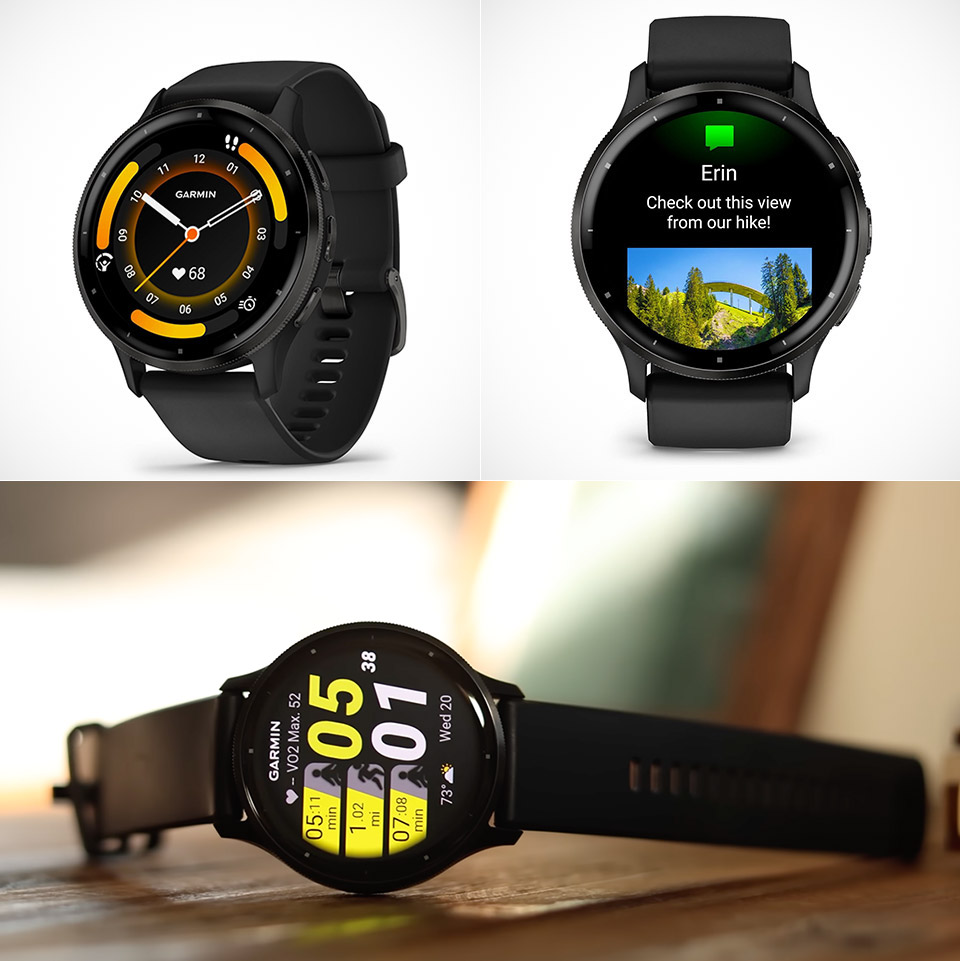
A 1.4-inch AMOLED screen sits below a sheet of Corning Gorilla Glass 3, with a stainless steel bezel wrapping around a fiber-reinforced polymer shell. It’s very little at 45 by 45 by 12 millimeters, and it weighs roughly 47 grams with the 22 millimeter silicone strap attached. Leaving the screen on all the time is an option. It has a water resistance rating of 5 ATM, which means you may take it in the pool or shower. There are two model sizes to choose from: the Venu 3, 45mm, which is most popular with guys and those with larger wrists, and the smaller 41 millimeter Venu 3S, which has a battery life of 10 days.
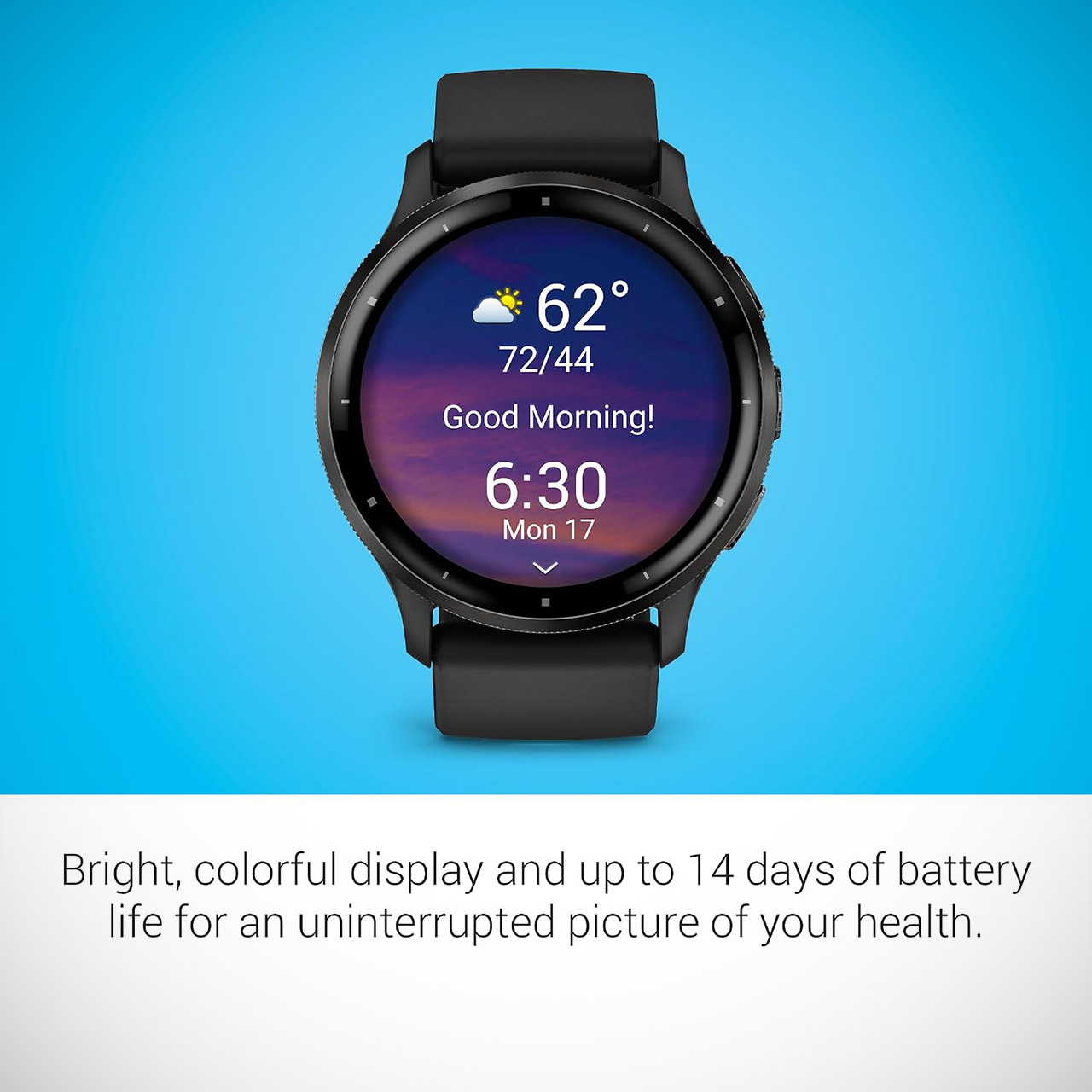
Designed with a bright, colorful display, get a more complete picture of your health, thanks to battery life of up to 14 days in smartwatch mode
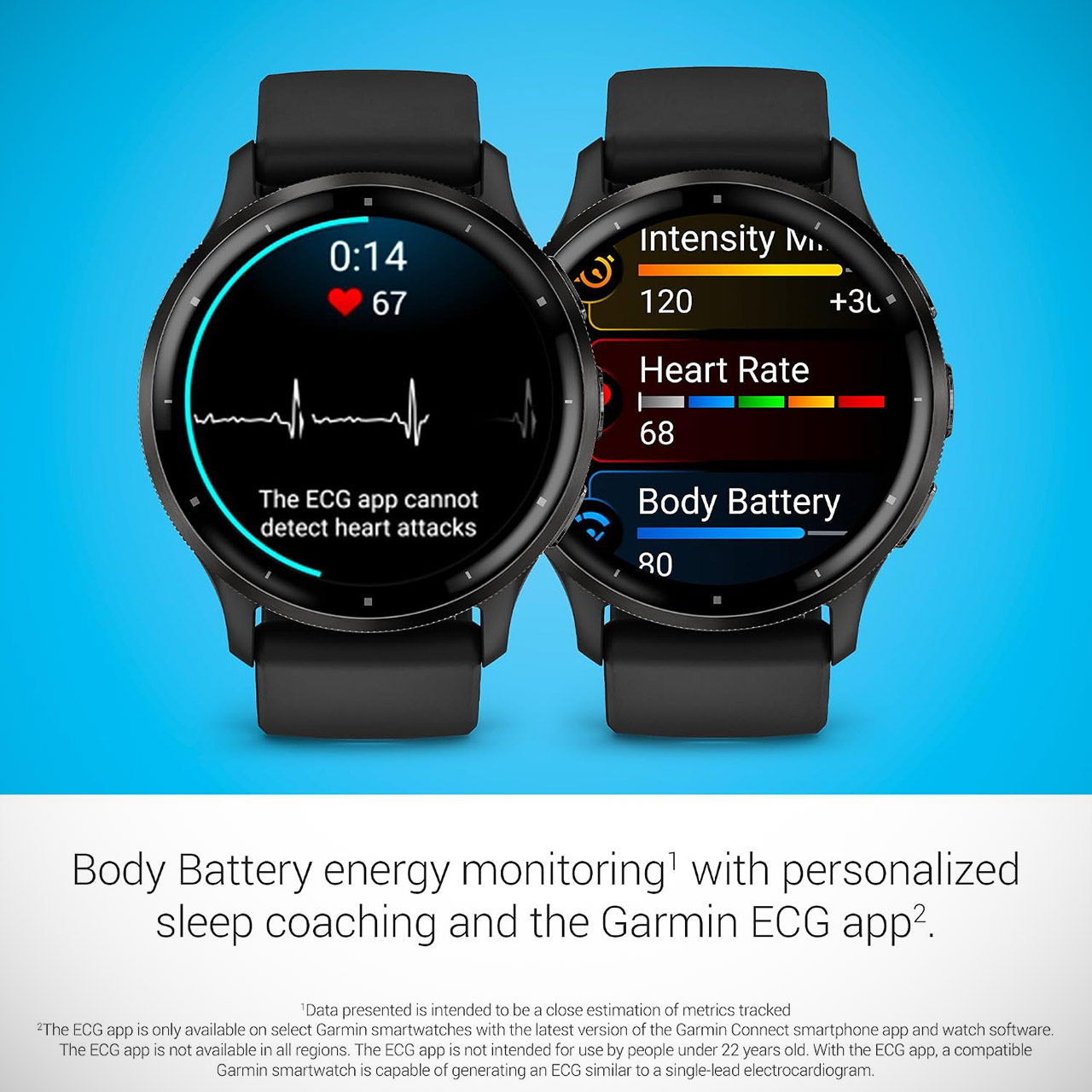
Body Battery energy monitoring helps you understand when you’re charged up or need to rest with even more personalized insights based on sleep…
Get a sleep score and personalized sleep coaching for how much sleep you need – and get tips on how to improve plus key metrics such as HRV status to…
Garmin claims you can get 14 days out of the 45mm Venu 3 in ‘smartwatch mode’, and keeping the screen on all the time would only reduce that to 5, but if you switch to ‘battery saver mode’, you can get 26 days. In GPS mode, it lasts 26 hours, 20 hours if you have three satellite systems active at the same time (GPS, GLONASS, and Galileo), and 11 hours if you want to stream music during that session. In real life, assuming you have all of the typical things going on, such as messages and an active lifestyle, you should be able to recharge in 10 to 12 days.
Advertisement
The Elevate V5 heart rate sensor is pretty solid, with 6 LEDs that track a steady run or an indoor spin session with similar accuracy to a chest strap, and only starts to show up the sharper peaks in an interval session, and best of all, it locks onto your location quickly even when you’re on some pretty dense urban routes. The GPS performs well in deep woodlands and city canyons. The standard sensor complement is present, including a pulse oximeter, barometric altimeter, compass, gyroscope, accelerometer, thermometer, and ambient light, all of which are packed in the same location. Oh, and if you update the software, you will receive an FDA-approved on-demand ECG test that can be exported as a PDF from Garmin Connect.
Body Battery is a simple number that integrates sleep, stress, naps, and workout activities to determine how much energy you have in the tank. It’s actually rather beneficial for structuring your day based on how you’re feeling. The Sleep Coach understands when you want to go to bed and how long you want to sleep, and then tells you how well you did. Its also got an automatic nap detector now, so it’ll even track a 20 minute doze on the couch and add it into the recovery math. And in the morning, it will inform you how well you slept, your HRV state, and a brief overview of the day ahead. It’s also tracking stress and breathing while doing all of this, and it almost makes you forget the device is even there.
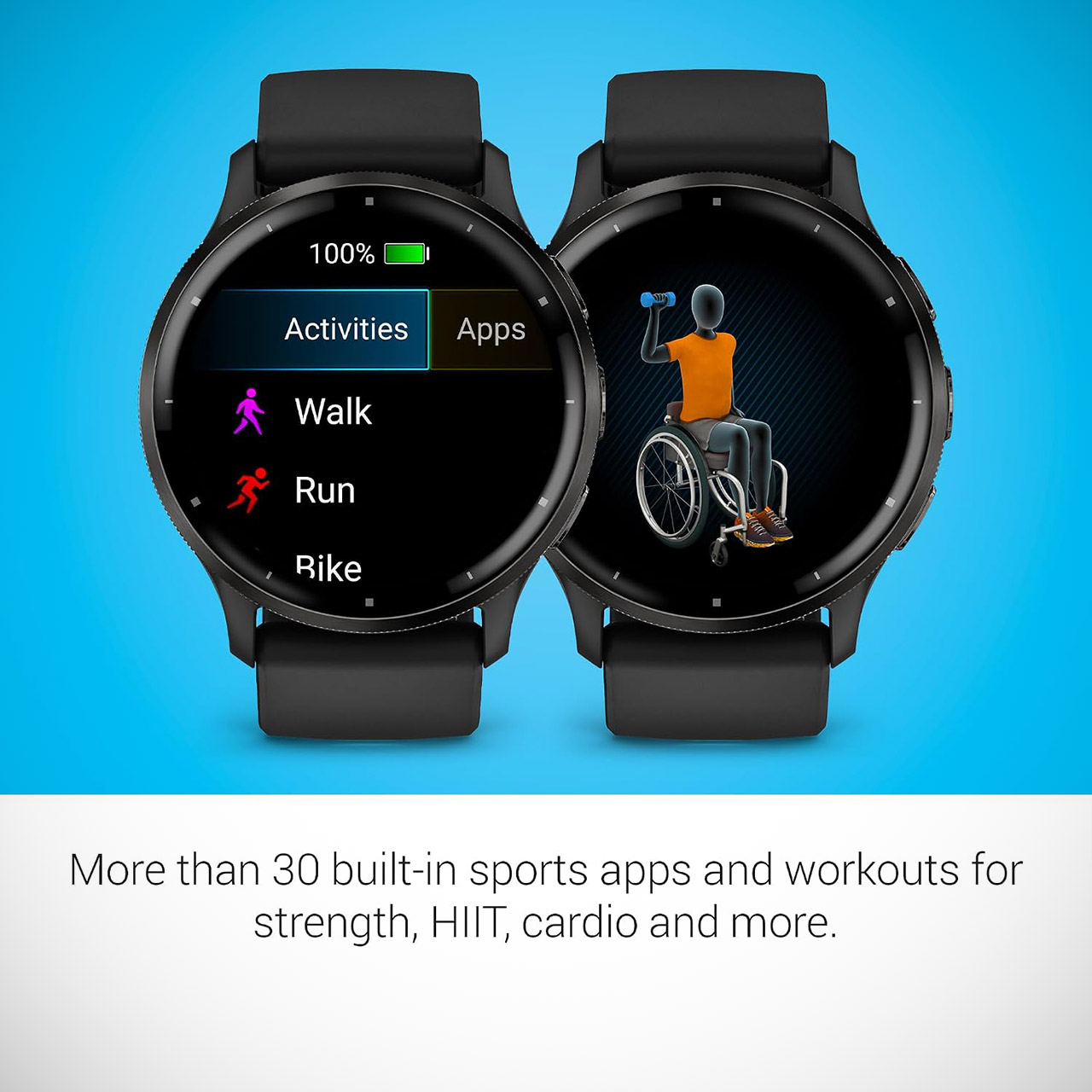
Over 30 built-in workout profiles include running, cycling, pool and open water swimming, HIIT, weight training, golf, pickleball, meditation, and even wheelchair workouts, all with engaging animated graphics on the display. You can see your VO2 max reading, how long it will take to recover, how many high-intensity minutes you’ve squeezed in, and even receive helpful strength training advice on screen. The Forerunner is the obvious choice for hardcore runners who still want running dynamics, PacePro, and multi-temperature training, but for the rest of us who spend our time at the gym, sitting at a desk, and sneaking off for a hike on weekends… well, we get all the numbers we need without having to wear a thing that looks like a racing computer to dinner.
You can even take calls or send texts from the wrist, since it will connect to your phone and ask your voice assistant any queries you may have. Android phone users may even send SMS via the watch, while iPhone users can use voice answers or pre-written responses. You can store roughly 650 songs from Spotify, Deezer, or Amazon Music on its 8GB storage, so you can still listen to music while running without your phone. Of course, Garmin Pay works with banks that support it. Connect IQ apps can be installed on the device, however the variety is far lower than that of an Apple Watch or a Wear OS device.


























































You must be logged in to post a comment Login