
Business
Steel IPO wave: 10 firms eye Rs 7,000 crore fundraise over next 10 months


Steel Infra Solutions Company Ltd, German Green Steel & Power Ltd, Rajputana Stainless Ltd, Bombay Coated Steel Ltd, A-One Steels India Ltd, Jindal Supreme (India) Ltd, Madhur Iron & Steel Ltd, and Synergy Advanced Metals Ltd are among those who have filed draft red herring prospectuses (DRHPs), while a few others are in advanced stages of preparation, according to investment bankers.
The steel industry’s rush to tap the capital markets comes amid improving demand visibility and supportive policy measures.
“India’s steel demand is expected to grow due to infrastructure push for roads, railways, ports, recovery in the steel sector, the PLI scheme for manufacturing, and the government’s continued focus on capex,” said Uday Patil, executive director at PL Capital Markets.
 Agencies
building capacity Industry rushes to tap capital mkts on better demand visibility and policy support
He added that about 25-30% of steel demand is linked to government projects and that safeguard and anti-dumping duties on select imports have helped domestic producers compete on a more level-playing field.

Local companies are targeting significant capacity expansions under the government’s long-term steel policy, aiming to capture the next leg of growth. Mid-sized processors and specialty steel makers, particularly those in coated steel, stainless products, and specialty alloys, are seeing improved order visibility from infrastructure, renewables, railways, metro projects, auto and engineering sectors.
“There is a clear capacity build-out cycle underway among mid-tier players who want to capture domestic demand growth and reduce import dependence in certain product categories,” said Deep Shah, senior manager at Unistone Capital, an investment banking firm. IPO proceeds are expected to be deployed towards greenfield lines, galvanising units, colour-coating facilities and stainless capacity additions. Besides expansion, companies are also looking to strengthen financial profiles, Shah said. After a prolonged deleveraging phase over the past decade, many steel companies are using favourable equity market conditions to further clean up their balance sheets. Lower leverage can improve return ratios, reduce interest burden, enhance credit ratings, and support future borrowing at better terms.
Given the working capital-intensive nature of the steel trade, a portion of the IPO proceeds is also likely to be earmarked for liquidity support to meet capacity expansions.
Bankers also flagged sectorspecific risks such as volatility in steel prices, swings in coking coal costs, import competition, global demand slowdown, and currency movements affecting exports. Margin sustainability will be closely monitored, particularly if raw material costs remain elevated. Yet market participants argue that the narrative around steel is gradually evolving. “India’s steel industry is not viewed purely as a commodity story but as a structural growth play backed by consumption from infrastructure, renewables, railways and urban development.” said Amogh Giridhar, associate partner at Prequate Advisory, adding that investors are becoming comfortable underwriting cyclical businesses where there is evidence of prudent leverage and disciplined capex plans.
However, bankers believe the real test in public markets would always be balance sheet quality and capital allocation discipline for a historically — volatile industry. “Those with clear integration strategies and export competitiveness, coupled with strong domestic consumption may be able to command premium valuations despite the cyclical backdrop,” said Giridhar.

Business
Oil Price Today (April 15): Crude oil below $95, falls for second consecutive day. What’s behind the decline?
U.S. President Donald Trump said on Tuesday that talks to end the conflict involving the U.S., Israel, and Iran could resume in Pakistan within the next two days. This follows a breakdown in negotiations over the weekend that led Washington to impose a blockade on Iranian ports. The prospect of renewed dialogue has raised hopes of a resolution that could restore crude and fuel flows.
Crude oil price on April 15
Brent crude futures slipped 52 cents, or 0.55%, to $94.27 a barrel at 0054 GMT, extending a 4.6% drop in the previous session. U.S. West Texas Intermediate crude fell $1.04, or 1.1%, to $90.24, after losing 7.9% a day earlier.The conflict has effectively shut the Strait of Hormuz, a critical route for transporting crude and refined products from the Gulf to global markets, especially in Asia and Europe.
Despite signs of possible diplomatic progress and talk of easing transit curbs, on-ground supply conditions remain disrupted.
What’s next for prices?
Brokerage firm Macquarie noted that even if tensions ease, oil prices are likely to stay supported in the $85 to $90 range, with a gradual move toward $110 as flows through the Strait of Hormuz normalise. It added that if disruptions extend through April, Brent could still rise to $150 per barrel.Looking ahead, crude prices could move higher from current levels. According to Kayanat Chainwala of Kotak Securities, oil may rise to $120 per barrel in the near term and potentially touch $150 if the conflict continues.
Nuvama Institutional Equities echoes the same view. The continued closure of the Strait of Hormuz, which handles around 20 million barrels per day, could push crude prices to the $110–150 per barrel range.
Market experts believe crude may be entering a structurally higher price phase. Ajit Mishra, Senior Vice President at Religare Broking, said the current ceasefire is temporary and a return to pre-war levels of $70 to $75 could take several months. In the near term, he expects crude to remain within a range of $80 to $85 on the downside and $95 to $100 on the upside.
Analysts also point out that as long as tensions persist, the outlook for crude remains volatile with an upward bias. Continued disruptions in the Middle East, particularly around the Strait of Hormuz, are likely to keep supply tight, supporting both Brent and WTI prices and maintaining inflationary pressures globally.
(Disclaimer: Recommendations, suggestions, views and opinions given by the experts are their own. These do not represent the views of The Economic Times)
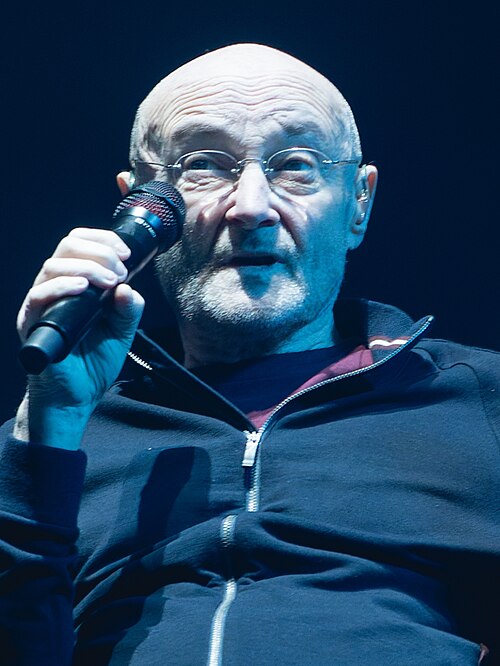
CLEVELAND — The Rock & Roll Hall of Fame unveiled its 2026 inductees on Monday night, honoring a star-studded class that spans pop anthems, heavy metal riffs, smooth R&B grooves and hip-hop innovation during a live reveal on “American Idol.”
Eight performers earned induction: Phil Collins, Billy Idol, Iron Maiden, Joy Division/New Order, Oasis, Sade, Luther Vandross and Wu-Tang Clan. The announcement, broadcast to millions, celebrated music’s broadest influences while sparking debates about what defines rock ‘n’ roll in 2026.

The class reflects the Hall’s evolving mandate to recognize “the music that connects us all,” as officials put it. From Manchester’s Britpop kings Oasis to New York’s Wu-Tang Clan, the inductees highlight how rock has absorbed and transformed global sounds over decades.
Phil Collins, making his solo debut after Genesis’ 2010 induction, expressed surprise and gratitude in early reactions. The Genesis drummer-turned-solo superstar dominated charts in the 1980s with hits like “In the Air Tonight” and “Against All Odds.” His induction caps a career that bridged progressive rock and accessible pop.
British new wave icon Billy Idol, known for sneering anthems like “Rebel Yell” and “White Wedding,” also joins the ranks after multiple nominations. His punk-to-pop evolution influenced generations of rockers and MTV-era stars.
Heavy metal titans Iron Maiden bring arena-shaking energy with their intricate compositions and mascot Eddie. The band’s decades-long influence on metal and beyond made their induction a fan favorite, though some purists questioned the wait.
Joy Division/New Order represent post-punk’s dark heart and dancefloor rebirth. Ian Curtis’ haunting legacy with Joy Division and the electronic shift under New Order helped shape alternative music from the late 1970s onward.
Oasis, the Gallagher brothers’ volatile Britpop force, finally enters after years of eligibility and drama. Hits like “Wonderwall” and “Don’t Look Back in Anger” defined 1990s rock, turning stadiums into singalongs and fueling a reunion tour buzz that amplified their cultural staying power.
Smooth operator Sade brings rare female representation among the performers with her sophisticated soul-jazz sound. The band’s elegant grooves on “Smooth Operator” and “No Ordinary Love” influenced R&B and beyond, earning acclaim for Adu’s sultry vocals and timeless style.
Soul legend Luther Vandross, a first-time nominee, receives posthumous recognition for his velvet voice and romantic ballads that defined ’80s and ’90s R&B. His emotional depth on tracks like “Never Too Much” left an indelible mark.
Wu-Tang Clan injects hip-hop’s raw street poetry into the Hall. The Staten Island collective’s 1993 debut “Enter the Wu-Tang (36 Chambers)” revolutionized the genre with gritty production, martial arts references and group chemistry, influencing countless MCs and producers.
Additional honors expanded the class to 18:
Early Influence Award: Celia Cruz, the Queen of Salsa whose vibrant rhythms brought Latin music to global stages; Afrobeat pioneer Fela Kuti; hip-hop trailblazers Queen Latifah and MC Lyte; and country-rock visionary Gram Parsons.
Musical Excellence Award: Songwriter Linda Creed (“Greatest Love of All”); producer Arif Mardin; legendary producer Jimmy Miller (Rolling Stones classics); and modern production icon Rick Rubin.
Ahmet Ertegun Award: Television pioneer Ed Sullivan, whose variety show introduced rock legends like Elvis Presley and the Beatles to American audiences.
The 2026 class drew from a pool of 17 nominees announced in February, which included Mariah Carey, P!nk, Shakira, Lauryn Hill, INXS, Melissa Etheridge, Jeff Buckley, The Black Crowes and New Edition, the latter winning the fan vote but falling short of induction. Voting involved more than 1,200 artists, historians and industry professionals alongside public input.
Critics and fans quickly weighed in online. Some praised the diversity, noting nods to global influences like Fela Kuti and Celia Cruz. Others debated rock’s boundaries, asking whether smooth operators like Sade or hip-hop collectives like Wu-Tang fit the “rock” label. Hall officials have long argued that the genre’s DNA includes rhythm and blues, soul, country and more — a philosophy that has broadened the institution since its 1983 founding in Cleveland.
The induction ceremony is scheduled for Saturday, Nov. 14, at the Peacock Theater in Los Angeles. It will tape for a December broadcast on ABC and Disney+, with exact air date details pending. Tickets for members and select packages are expected to go fast, as past ceremonies have drawn massive audiences and emotional performances.
This year’s class arrives amid renewed interest in rock’s legacy. Oasis’ reunion tour has packed stadiums, Iron Maiden continues epic world tours, and younger artists sample or cite these acts as foundational. Wu-Tang’s influence echoes in modern hip-hop, while Sade’s catalog enjoys streaming revivals.
Cleveland’s Rock & Roll Hall of Fame museum plans special exhibits featuring artifacts from the new inductees, allowing visitors to explore guitars, stage costumes, handwritten lyrics and more. The institution, designed by I.M. Pei, has become a pilgrimage site for music lovers since opening in 1995.
Induction often sparks career boosts or reunions, though some artists have declined or expressed mixed feelings over the years. For living honorees like Collins, Idol and members of Iron Maiden, Oasis and Wu-Tang, the honor cements their place in music history.
The announcement on “American Idol,” hosted with input from Ryan Seacrest and Lionel Richie, blended pop television with rock heritage, reaching a broad audience. Clips of performances and tributes circulated rapidly on social media, driving viral conversations about overlooked artists and genre evolution.
Music historians note the class bridges eras: from Gram Parsons’ cosmic American music in the 1960s-70s to Wu-Tang’s 1990s breakthrough and Sade’s consistent elegance. It also highlights behind-the-scenes contributors like producers Mardin, Miller and Rubin, whose work shaped countless hits.
As the music industry grapples with streaming, AI and shifting consumption, the Rock Hall continues to affirm timeless artistry. Chairman John Sykes has emphasized the Hall’s role in preserving culture while adapting to new voices.
Fans can expect powerful moments at the November ceremony, with potential all-star jams, emotional speeches and surprise collaborations. Past events have featured reunions and tributes that became instant classics.
The 2026 inductees embody rock ‘n’ roll’s rebellious spirit and expansive reach — from stadium anthems to intimate soul, metal thunder to hip-hop innovation. Their music continues to soundtrack lives, challenge norms and inspire new generations.
Whether debating the merits of each choice or celebrating long-overdue recognition, one thing is clear: the Class of 2026 adds fresh chapters to the ongoing story of music’s highest honor.
HAL Trust: Still Trading At A Discount

Earnings call transcript: Scott Technology’s H1 2026 shows steady growth
Google is putting its foot down on “back button hijacking,” an infamous deceptive practice where users are kept on a long loop of pressing the back button but are either not brought anywhere or redirected to other pages instead of the previous one.
While some may deduce that ads are preventing them from going back, the website itself that hosts the ads is the one locking them on that specific page and not allowing them to return.
Google Says No to Back Button Hijacking on Browsers
Google has explained in their latest blog post on the Google Search Central that they are now introducing a new spam policy on back button hijacking, which is now considered by the platform as a deceptive practice.
According to Google, back button hijacking is a practice where users click the “back” button, but instead of being brought to the previous page, they are directed to other pages, made to stay on the current one, or bombarded with unwanted ads.
Google expects that websites should make the back button work as intended, and when users click on it, they should be taken back to the previous page they saw.
With this, Google is now categorizing it as part of malicious practices under the spam policies of the platform, saying that websites that continue these practices in the future will violate its guidelines.
Google Will Punish Back-Button Hijackers, Websites
According to Google, pages that practice back button hijacking “may be subject to manual spam actions or automated demotions,” which will impact the site’s performance in Google Search results.
The company said that it is now giving site owners time to make the necessary changes as the new policy will take effect in two months, specifically on June 15, 2026.
Google said that sites that practice this should ensure that they are not “doing anything to interfere with a user’s ability to navigate their browser history” or else face the punishments that the company has laid out.
Should back button hijacking stem from the site’s included libraries or ad platform, Google still wants them to remove or disable any code to prevent the malicious practice.
The latest policy change came after Google allowed AI-generated headlines from Discover to Search.
Originally published on Tech Times

The Perth developer of a collagen nerve repair surgical wrap has inked a deal for access to over 200 US Department of Defence medical sites after validating its effectiveness on the battlefield of Ukraine.
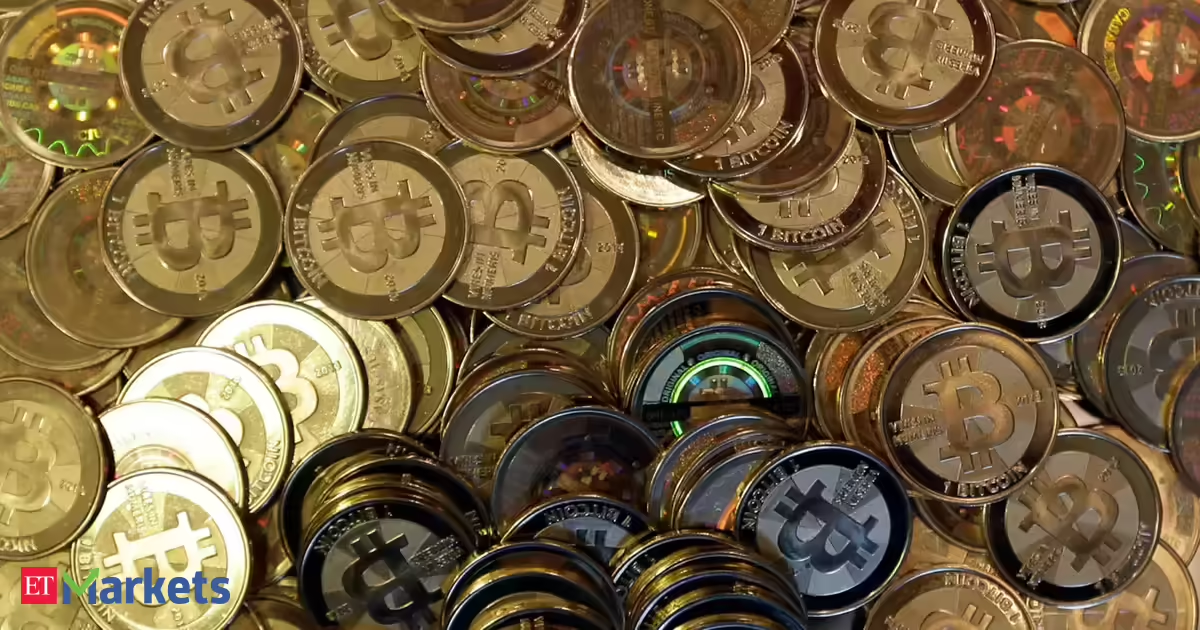
The largest cryptocurrency climbed as much as 2.4% to $74,945, its highest since March 17, before paring gains to trade around $74,400. Smaller tokens also advanced, with Ether up 5.5% to over $2,370.
The moves followed President Donald Trump’s claim that Iran had reached out to his administration for potential peace talks, even as the US began a naval blockade of the Strait of Hormuz.
Asian stocks also climbed on optimism that a deal would help ease oil prices and boost economic growth.
Since its crash from an all-time high of $126,000 in October, Bitcoin has been trading in a tight range for the past two months.
However, the token has fared better than many traditional assets since the US war with Iran started at the end of February. It is up more than 10% since Feb. 27, while gold has fallen nearly 10%. The S&P 500 index is roughly flat for the same period.
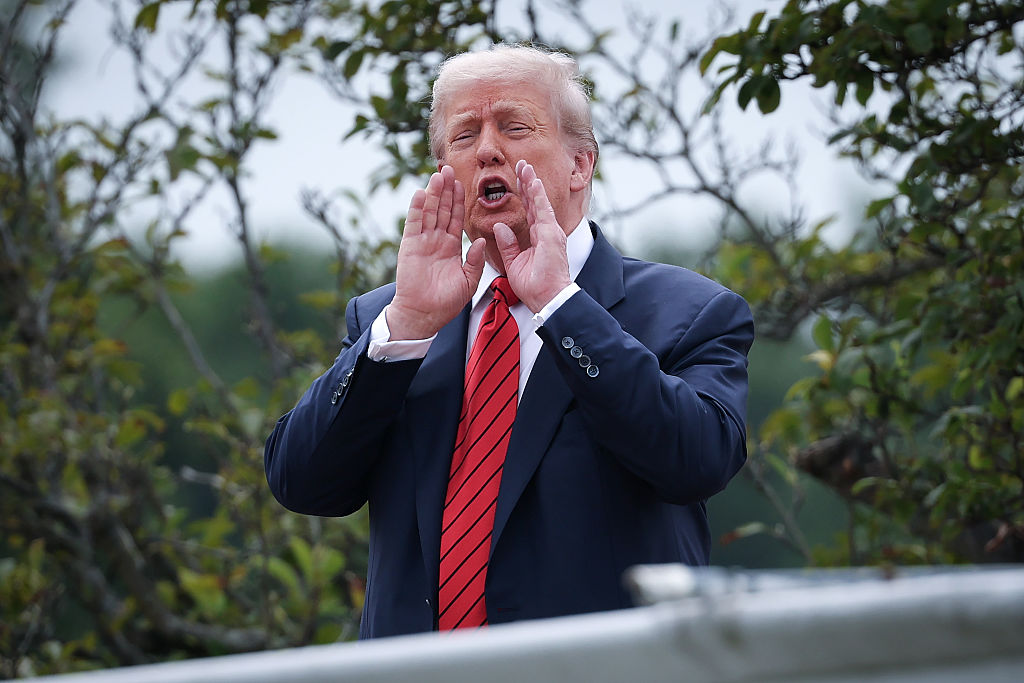

US President Donald Trump has claimed that talks between his country and Iran may resume in the coming days.
The revelation was made by a New York Post reporter, who said Trump had called her with the news.
US-Iran Talks May Resume
According to a report by The Guardian, the New York Post reporter said that Trump called to say that he had an update on the situation.
“You should stay there, really, because something could be happening over the next two days, and we’re more inclined to go there,” Trump said.
Trump also sang praises for Pakistan’s army chief, Field Marshal Asim Munir, who is arranging the talks, saying that Munir is doing a “great job.”
“He’s fantastic, and therefore it’s more likely that we go back there,” said the US President.
According to The Guardian, a Pakistani official said that talks may resume soon, but it may take longer than Trump expected.
US Continues Strait of Hormuz Blockade
The update comes as the United States continues its blockade of the Strait of Hormuz. According to the BBC, more than a dozen US warships are now implementing the blockade.
The blockade is believed to be targeting Iran’s oil revenue as well as the significant amount the Middle Eastern country is making from charging tolls.
However, the BBC notes in its report that at least four Iran-linked shipping vessels were able to cross despite the blockade.
China has spoken out against the blockade, calling it “dangerous and irresponsible.”
The country went on to say that the move would only “exacerbate tensions and undermine the already fragile ceasefire agreement.”
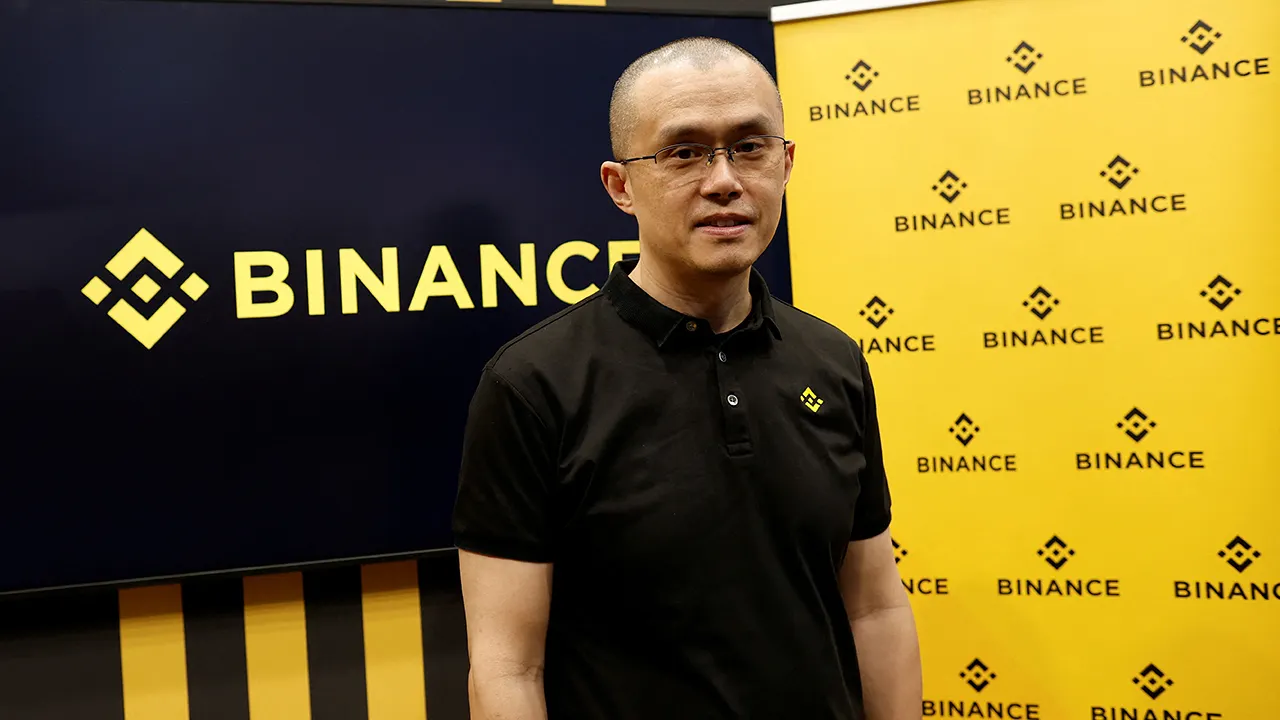
Binance founder Changpeng ‘CZ’ Zhao sheds light on his book, ‘Freedom of Money,’ as well as his interactions with Sam Bankman Fried and Gary Gensler during an interview with FOX Business’ Charlie Gasparino.
Changpeng Zhao, better known as CZ, is a survivor.
A childhood of poverty in China. Flipping hamburgers to pay his way through college before the self-described computer nerd entered the cutthroat world of high-frequency trading.
Soon came his nascent bet on something called bitcoin, the first and most popular decentralized digital asset, the creation of the world’s largest crypto exchange, Binance, navigating more than a few crypto winters, plus a stint in jail after being targeted during what many believe was the Biden administration’s over-zealous crackdown on all things crypto.
CRYPTO EXPERT EXPLAINS WHY BITCOIN MAKES ‘PERFECT RECORD’ FOR TRACKING DOWN CRIMINALS
Changpeng Zhao, founder and chief executive officer of Binance, attends the Viva Technology conference dedicated to innovation and startups at Porte de Versailles exhibition center in Paris, France, on June 16, 2022. (Benoit Tessier/Reuters)
His new book, “Freedom of Money,” details his life journey, a survivor’s tale, he tells me in an exclusive interview for FOX Business. The book explains how he is still standing, quite nicely, I should add, following a pardon from President Donald Trump and with his enormous net worth estimated at more than $100 billion.
CZ is no longer with Binance, having left when the feds came calling back in 2023, though he remains its largest shareholder. Now a free man, he is looking to be a thought leader for the crypto business. “Freedom of Money,” will certainly help in that regard.
Binance founder Changpeng Zhao speaks to FOX Business’ Charlie Gasparino on politics and crypto, Larry Fink’s transformation regarding crypto, the adoption of the technology and more.
Those looking for stylistic prose in this 364-page tome will be disappointed. English isn’t CZ’s first language, of course, and he wrote this book in federal prison, he said, which is no easy task.
COINBASE CEO: BIG BANKS ARE TRYING TO ‘KILL THE COMPETITION’ THROUGH CRYPTO REGULATION
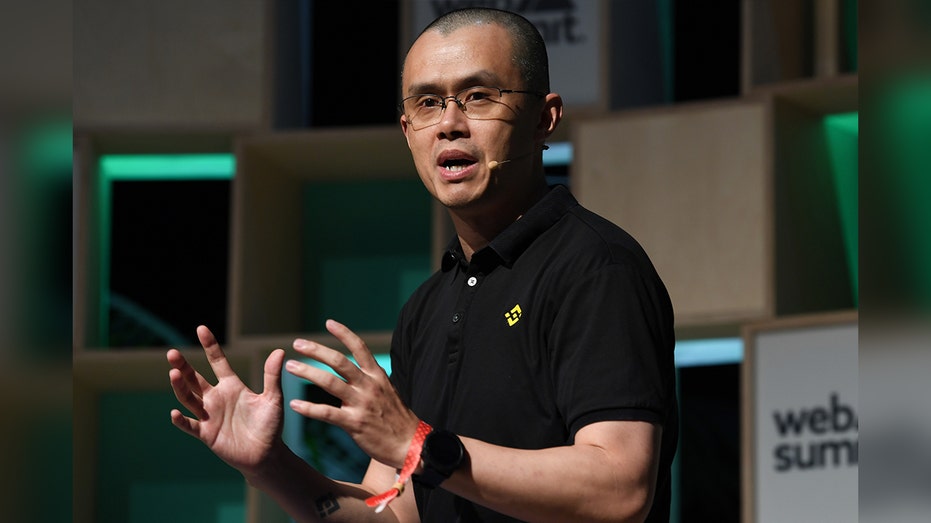
Binance founder Changpeng Zhao. (Zed Jameson/Bloomberg )
“There’s a terminal… You can get on there for 15 minutes. You can type, [but] there’s no cut and paste… if you cut one paragraph and want to move it to a different place… So, I just do a brain dump. Just type as fast as I can, and then I have to get off, and I wait for an hour to get back on the computer.”
That said, this is a book worth reading for the simple fact that CZ explains the rise of crypto (it’s now a $3 trillion business being embraced by the biggest banks and financial firms in the world) as well as his own journey in a clear, relatable narrative. He name-drops a ton, which is where this book shines, particularly his description of his last meeting with another famous crypto player known by his initials.
SEN RICHARD BLUMENTHAL: CRYPTO IS A GAMBLE OUR FINANCIAL SYSTEM DOESN’T NEED
That would be SBF, or Sam Bankman-Fried, the founder of the now-defunct FTX crypto exchange serving a 25-year sentence after being convicted of multiple fraud charges tied to the collapse of his company, when $8 billion in customer funds went missing. In CZ’s telling, as FTX was imploding, SBF came to him hat in hand for a loan in such a way that made him think something was up, and it wasn’t good.
Binance founder Changpeng ‘CZ’ Zhao discusses going to jail, his pardon by President Donald Trump, the Biden administration’s war on crypto and more during an exclusive interview with FOX Business’ Charlie Gasparino.
“He was just like he was just mumbling, like, can you give me a billion or whatever?” CZ tells me. “We’re talking about billions, right? I would expect him to say, look, I needed 4.387 billion, right?… He was like, it’s two, six is four. I was like, what’s going on? I think there was a lot of lying involved.”
CLICK HERE TO GET FOX BUSINESS ON THE GO
CZ decided against the loan, and not long after FTX went bust, as did SBF’s career.
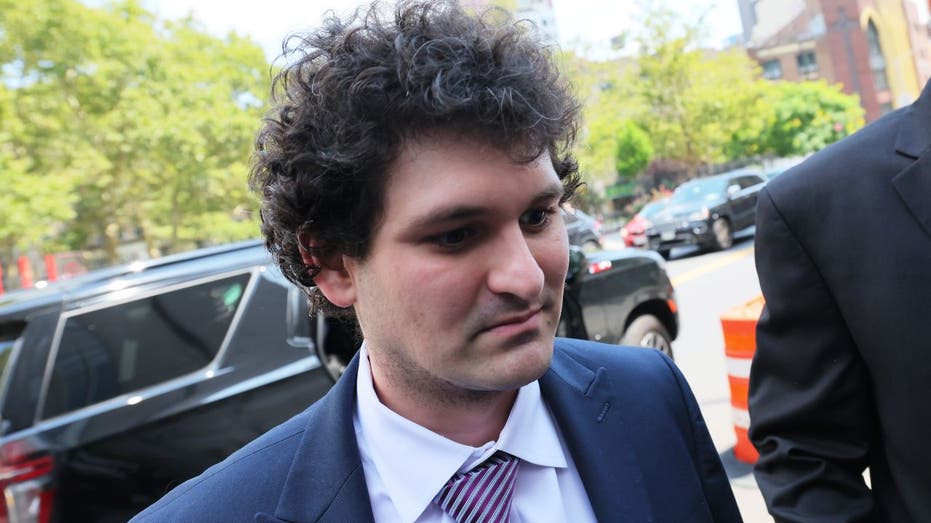
Former FTX CEO Sam Bankman-Fried arrives for a bail hearing at Manhattan Federal Court on Aug. 11, 2023 in New York City. (Michael M. Santiago/Getty Images)
CZ would face his own issues. In my interview, he explains the charges against him, the Biden administration’s approach to regulation – why he thinks it went so hard against crypto and how former SEC Chairman Gary Gensler went from an industry supporter to what he believes is an adversary – and his controversial pardon by Trump.
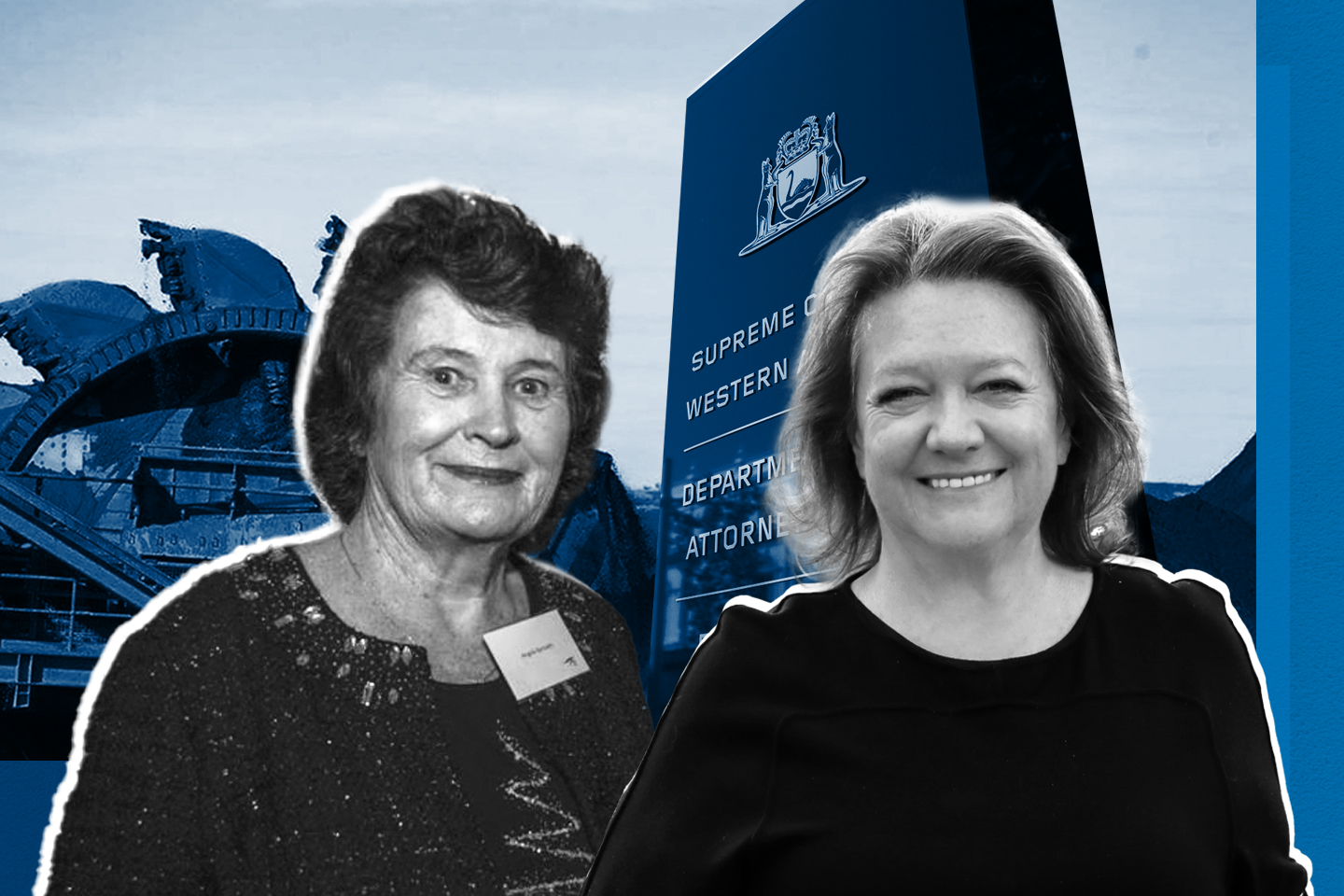
Rival heirs are entitled to Gina Rinehart-led Hancock Prospecting’s iron ore royalties over some mining tenements in the Pilbara, the state’s highest court ruled.

Ripple XRP MAJOR PUMP IMMINENT DAVID SCHWARTZ CONFIRMED DONT WAIT FOR CLARITY NOT TODAY SATAN!!!

Everything you need to know as MPs to debate rising home heating oil costs
Oil Price Today (April 15): Crude oil below $95, falls for second consecutive day. What’s behind the decline?


-

 Politics4 days ago
US brings back mandatory military draft registration
-
 Sports4 days ago
Man United discover Nico Schlotterbeck transfer fee as defender reaches Dortmund agreement
-

 Fashion4 days ago
Weekend Open Thread: Veronica Beard
-

 Politics5 days ago
Malcolm In The Middle OG Turned Down ‘Buckets Of Money’ To Appear In Reboot
-

 Politics3 days ago
World Cup exit makes Italy enter crisis mode
-

 Crypto World6 days ago
Canary Capital Files SEC Registration for PEPE ETF
-

 Business4 days ago
Tesla Model Y Tops China Auto Sales in March 2026 With 39,827 Registrations, Beating Cheaper EVs and Gas Cars
-

 Crypto World1 day ago
The SEC Conditionalises DeFi Platforms to Be Avoided for Broker Registration
-

 Crypto World1 day ago
SEC Signals Exemption for Crypto Interfaces From Broker Registration
-

 Crypto World7 days ago
Bitcoin recovers as US and Iran Agree a Ceasefire Deal
-
 NewsBeat2 days ago
Pep Guardiola and Gary Neville agree over Arsenal title problem that benefits Man City
-

 Business5 days ago
OpenAI Halts Stargate UK Data Centre Project Over Energy Costs and Copyright Row
-

 Business3 days ago
Ireland Fuel Protests Enter Day 5 as Blockades Spark Shortages and Government Prepares Support Package
-

 Politics5 days ago
LBC Presenter Mocks Trump Over Iran War Failures
-

 Crypto World4 days ago
Federal judge blocks Arizona from bringing criminal charges against Kalshi
-
 NewsBeat3 days ago
JD Vance announces ‘no agreement’ with Iran over nuclear weapons fear
-

 Tech5 days ago
A version of Windows 10 released a decade ago is now eligible for additional security patches
-

 Crypto World22 hours ago
SEC Proposes Certain Crypto Interfaces Don’t Need to Register as Brokers
-

 Business4 days ago
IMF retains floor for precautionary balances at SDR 20 billion
-

 NewsBeat18 hours ago
Trump and Pope Leo: Behind their disagreement over Iran war
You must be logged in to post a comment Login