
Crypto World
Cardano holds $0.20 support as bearish derivatives signals limit recovery



Key takeaways
- Cardano trades near $0.207 after falling more than 8% during the previous week.
- ADA’s long-to-short ratio of 0.88 indicates bearish positioning among derivatives traders.
- The funding rate turned positive at 0.0052%, showing a mild bullish bias despite the elevated short positioning.
- ADA must hold the $0.199-to-$0.200 support zone to avoid a decline toward $0.195, $0.173, or $0.150.
Cardano (ADA) traded near the critical $0.200 support zone on Monday after declining more than 8% during the previous week.
Although ADA remains above two important short-term moving averages, mixed derivatives data and sell-side pressure from large traders suggest that recovery attempts could encounter resistance at higher levels.
ADA long-to-short ratio signals bearish sentiment
Cardano’s derivatives indicators present a cautious and somewhat conflicting outlook.
CoinGlass data shows ADA’s long-to-short ratio at 0.91, close to its lowest level in a month. A reading below one indicates that traders hold more short positions than long positions, reflecting expectations of further price weakness.
However, Cardano’s funding rate turned positive on Monday, reaching 0.0052%. Positive funding means long-position holders are paying shorts, suggesting that some traders are positioning for a price recovery.
The contrast between the bearish long-to-short ratio and positive funding rate points to uncertainty rather than a clear directional consensus.
CryptoQuant’s market summary also signals caution. Large whale orders are appearing in ADA’s futures market, but sell-side activity remains dominant.
Both spot and futures markets are also showing signs of increased trading activity or “heating,” while several other indicators remain neutral.
Together, these factors suggest volatility could rise around the current support area. However, the dominance of large sell orders leaves Cardano exposed to further downside if buyers fail to defend $0.200.
Cardano holds above key moving averages
ADA traded at approximately $0.207 on Monday, remaining slightly above its 50-day exponential moving average at $0.199 and its 100-day EMA at $0.200.
Holding above these indicators gives Cardano’s short-term technical structure a mildly constructive tone despite the broader downward trend.
The Relative Strength Index stands at 50, indicating balanced momentum and consolidation. Meanwhile, the Moving Average Convergence Divergence indicator remains slightly negative, showing that bullish momentum has not yet strengthened enough to confirm a recovery.

Cardano’s immediate resistance sits at the 50% Fibonacci retracement level of $0.213. A move above that level could allow ADA to test the 61.8% retracement at $0.231.
Additional barriers are located at $0.236, the 200-day EMA near $0.240 and the horizontal resistance level at $0.245. ADA would need to break decisively through this cluster to improve its medium-term outlook.
A sustained move above $0.245 could bring the more distant $0.299 resistance level into focus.
Conversely, losing the 50-day and 100-day EMAs near $0.200 would expose the 38.2% Fibonacci retracement at $0.195. A deeper correction could then target the structural support levels at $0.173 and $0.150.

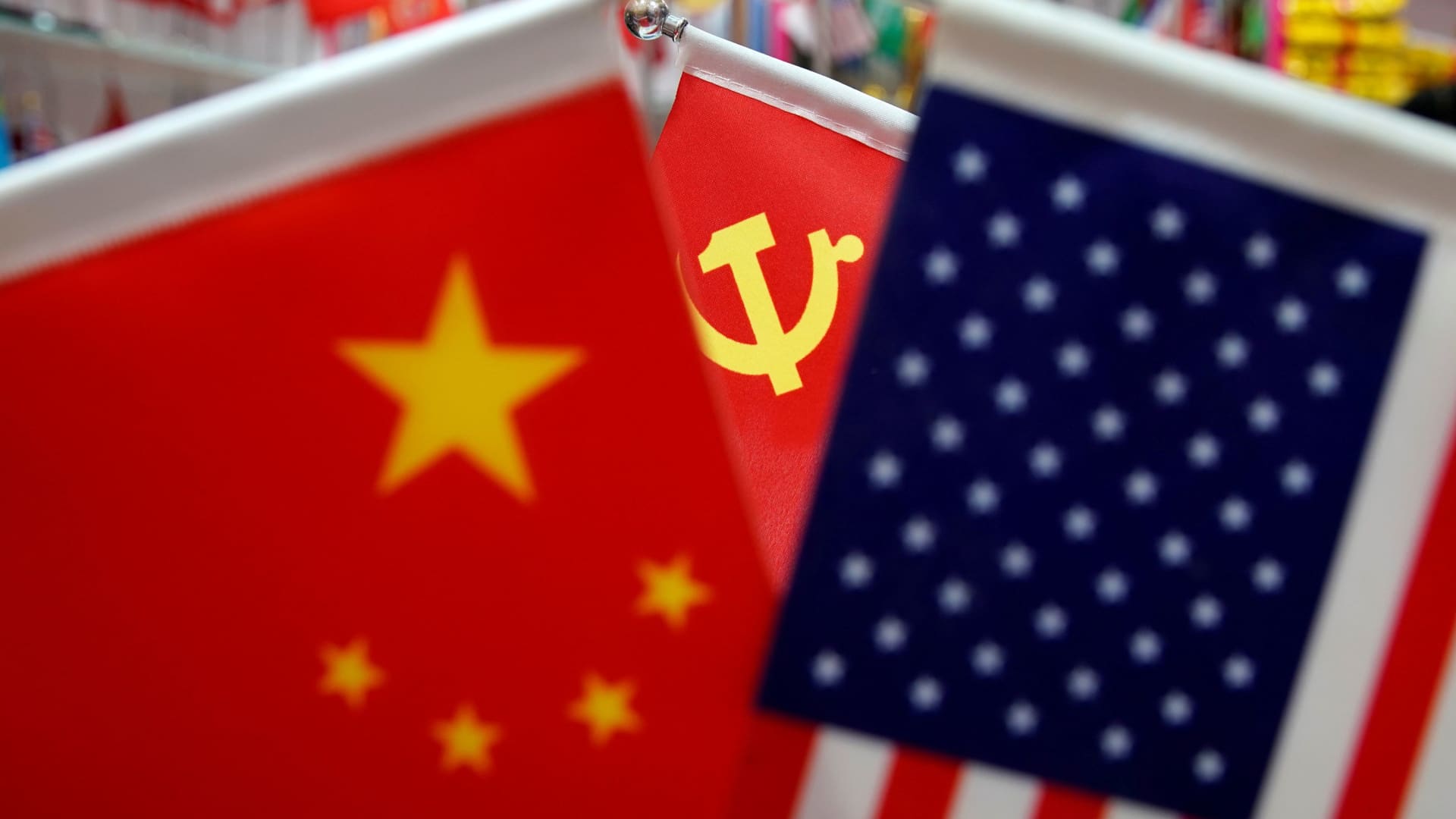
BEIJING — China on Monday pushed back on calls by U.S. AI executives for companies to slow down the development of the cutting-edge technology.
“Fear mongering, confrontation, competition will just disrupt [the] process of global AI governance,” Guo Jiakun, a spokesperson for China’s Foreign Ministry, said on Monday, per an English translation published by Reuters.
He was responding to a question about U.S. CEOs, including Anthropic’s Dario Amodei, OpenAI’s Sam Altman and Elon Musk, calling for the industry to slow down because of the dangers rapid advances in the technology pose.
China’s Minister of State Security, Chen Yixin, published an article on Sunday calling for the acceleration of construction of an AI security risk prevention and control system.
The field of AI has become “the main battleground for global technological competition and a new arena for strategic rivalry among major powers,” the minister said, adding there was a need for “healthy and orderly” development of the technology.
Closing the AI gap
AI-related stocks slumped on Monday, with SoftBank — one of the biggest investors in OpenAI — down 10% in Japan.
“Not building the technology deprives humanity of benefits or simply places AI in the hands of authoritarian powers, while building it too fast is reckless,” Amodei said in an essay published on Saturday.
He noted, however, that pacing would be limited by the lead that U.S. companies have over “authoritarian regimes, chiefly the Chinese Communist Party.”
“If we slow down by more than this amount, then (unpaced) CCP-associated projects will pull ahead, creating significant national security risk,” Amodei said.
U.S. President Donald Trump also warned against the U.S. losing any strategic advantage in the AI arms race. During a trip to Ireland, he rejected the AI bosses’ calls, saying, “Look, we’re leading China in AI… and, frankly I want to keep it that way because whoever wins AI, wins.”
At the weekend, President Xi Jinping said at the BRICS bloc summit in New Delhi that China will take the lead to help foster AI collaboration and development among developing countries.
Adoption of Chinese AI models is also gaining traction among Western companies as the capability have improved.

Revolut disclosed sensitive customer records to an unauthorized party after fraudulent data requests arrived from an email address on a legitimate government domain, the company confirmed on Saturday, September 12. The exposed material may include identity documents, verification selfies, account statements, and transaction histories containing Bitcoin activity.
Revolut told TechCrunch that a limited number of customers were affected and that its systems and customer funds remained unaffected. The incident raises privacy concerns because identity records and Bitcoin transaction histories may have been disclosed to an unauthorized party.
So what has happened? Someone impersonated a government agency using an address on that agency’s own domain, and the request cleared Revolut’s checks before it was identified as fraudulent. Customer information was disclosed during that period.
— Coin Bureau (@coinbureau) September 14, 2026
 BREAKING: Revolut attackers demand 10,000 BTC ransom, threatening to leak stolen customer data.
The threat actors who allegedly tricked Revolut into handing over sensitive customer data by posing as a government are now publishing information belonging to high-profile clients.… https://t.co/kJi58fAHaa pic.twitter.com/5IIaCHHOYT
The notification Revolut emailed to affected customers listed birth dates, postal and email addresses, phone numbers, and copies of identity documents such as passports and driving licenses. Verification selfies, account statements, and transaction histories may also have been disclosed, the bank said.
Revolut said it blocked the sender’s address after detecting the scheme and alerted the government agency concerned, as well as law enforcement, data protection authorities, and financial regulators. A company spokesperson characterized the episode as an external impersonation scam and said the company’s systems and customer funds were unaffected.
Trade XRP on Bybit and Get a Chance to Win Our $1,000 USDT Airdrop
ZachXBT Flags Bitcoin Exposure
Crypto investigator ZachXBT publicized the notice in a Telegram post and added several items Revolut’s own notification did not list: IBANs, withdrawal records, occupations, and transaction history covering Bitcoin. He assessed the incident as limited in scale and aimed at high-net-worth users.

Revolut has not disclosed an exact number of affected customers. The company also has not stated that crypto holders or wealthy customers were specifically targeted, so the assessment of the apparent target group remains separate from Revolut’s primary disclosure.
Earn $50 and Enter $300K Prize Draw on EdgeX
What’s Next for Revolut Users?
Bitcoin’s blockchain records transactions publicly, while personal details such as a passport or home address sit outside the network. Financial intermediaries can connect those different types of information through the records they collect. This incident illustrates the privacy concern when identity documents are disclosed alongside Bitcoin transaction histories.
Information that includes names, addresses, contact details, and transaction histories can create a more detailed picture of an affected customer than any one category of data alone. The reporting does not document a follow-on misuse of the information in this incident, but it highlights the sensitivity of records that link personal information with financial activity.
Revolut’s response included blocking the sender, notifying regulators, and contacting affected customers directly. The episode also focuses attention on how financial institutions assess requests that appear to come from government agencies and on the scope of information released when those requests are accepted as legitimate.
For crypto users who use Revolut or similar platforms, the incident is a reminder that crypto privacy can depend on how intermediaries handle identity documents, account records, and transaction histories. Revolut said customer funds remained safe, while the disclosure shows that fraud involving an apparently legitimate government-domain email can still expose sensitive customer data.
Discover: The Best Token Presales
The post Revolut Customer Records Exposed: Attackers Demand 10,000 BTC appeared first on Cryptonews.
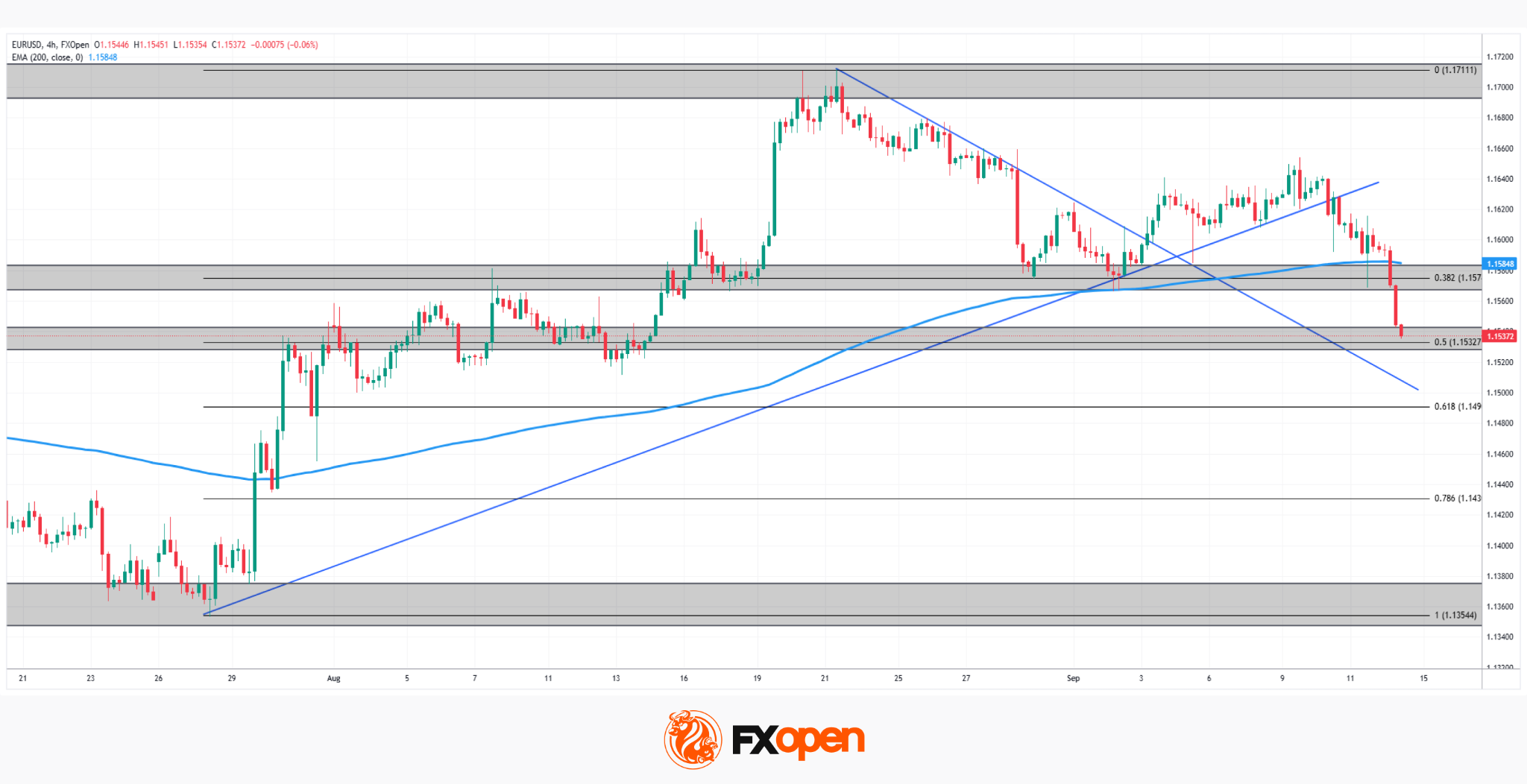
EUR/USD sits near 1.1610, just off a one-month low, as tomorrow’s Fed decision looms as the week’s true catalyst. The ECB delivered its second hike of the year on September 10, lifting the deposit rate to 2.50% and warning that Middle East-driven inflation pressures will keep price growth well above target for an extended period. Lagarde called the move a “no-brainer”, yet the euro barely reacted; the hike had been fully priced in, and markets are already pricing more ECB tightening than the central bank’s own projections suggest is needed.
The real action lies across the Atlantic. Thursday’s hotter-than-expected US CPI print pushed September Fed hike odds sharply higher, from 67% to 88% intraday, though the dollar has struggled to fully capitalise as falling oil prices pull Treasury yields back from three-year highs near 4.99%. Adding political noise, President Trump has reportedly pressed Fed Chair Kevin Warsh directly on rate cuts, a claim Trump himself has downplayed, just as the Fed enters its blackout period ahead of Tuesday’s meeting.
The result: an ECB that has already delivered its hawkish surprise with muted market impact, against a Fed whose next move, and its independence from political pressure, could prove far more consequential for EUR/USD heading into Wednesday.
Technical Analysis of EUR/USD
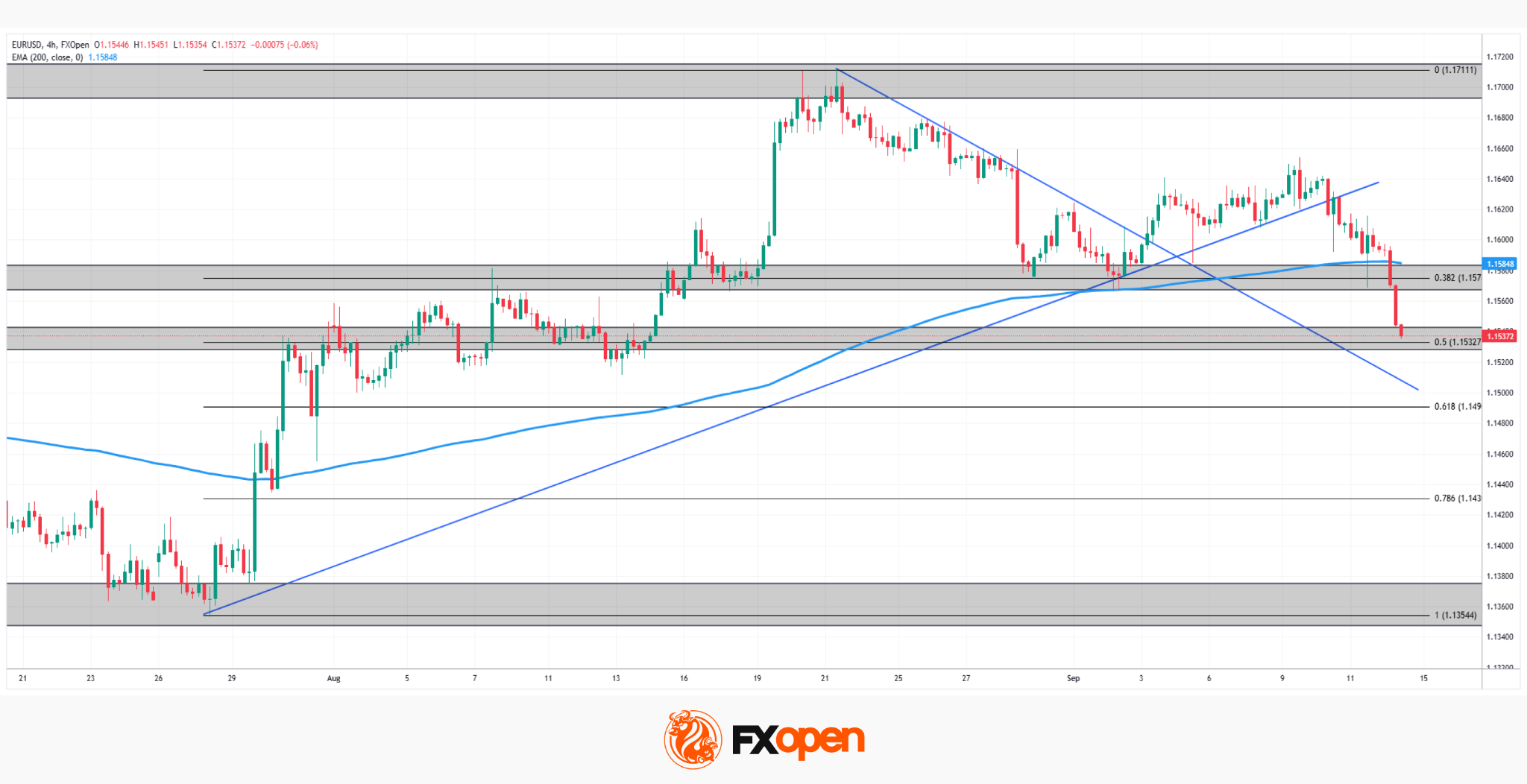
As the EUR/USD chart shows, the pair has recently broken below the ascending trendline that had guided the entire late-July recovery, a genuine shift in structure, and has now also lost the 200-period EMA and the 0.382 Fibonacci confluence near 1.1580, both of which had served as reliable support during the advance. Price is currently testing the 0.5 retracement near 1.1533, a key level in its own right.
Bullish Scenario
Should buyers reclaim the 0.5 support and stage a recovery, the first real test becomes the confluence of the 200-period EMA and the 0.382 retracement near 1.1580, now flipped into resistance. A confirmed break back above that zone would open the path towards retesting the broken ascending trendline, which itself converges near the last resistance on the chart.
Bearish Scenario
Conversely, a decisive break below the 0.5 retracement would confirm the bearish structure taking hold, exposing the 0.618 level near 1.1490, precisely where the broken descending trendline now sits as a potential resistance-turned-support test on the way down. A failure to hold there would risk a deeper slide towards the 0.786 retracement near 1.1430.
With price having just lost both its ascending trendline and the 200-period EMA in quick succession, EUR/USD’s next move looks set to determine whether Wednesday’s Fed decision accelerates this correction, or gives buyers a reason to defend the 0.5 support first.
Trade over 50 forex markets 24 hours a day with FXOpen. Take advantage of low commissions, deep liquidity, and spreads from 0.0 pips (additional fees may apply). Open your FXOpen account now or learn more about trading forex with FXOpen.
This article represents the opinion of the Companies operating under the FXOpen brand only. It is not to be construed as an offer, solicitation, or recommendation with respect to products and services provided by the Companies operating under the FXOpen brand, nor is it to be considered financial advice.
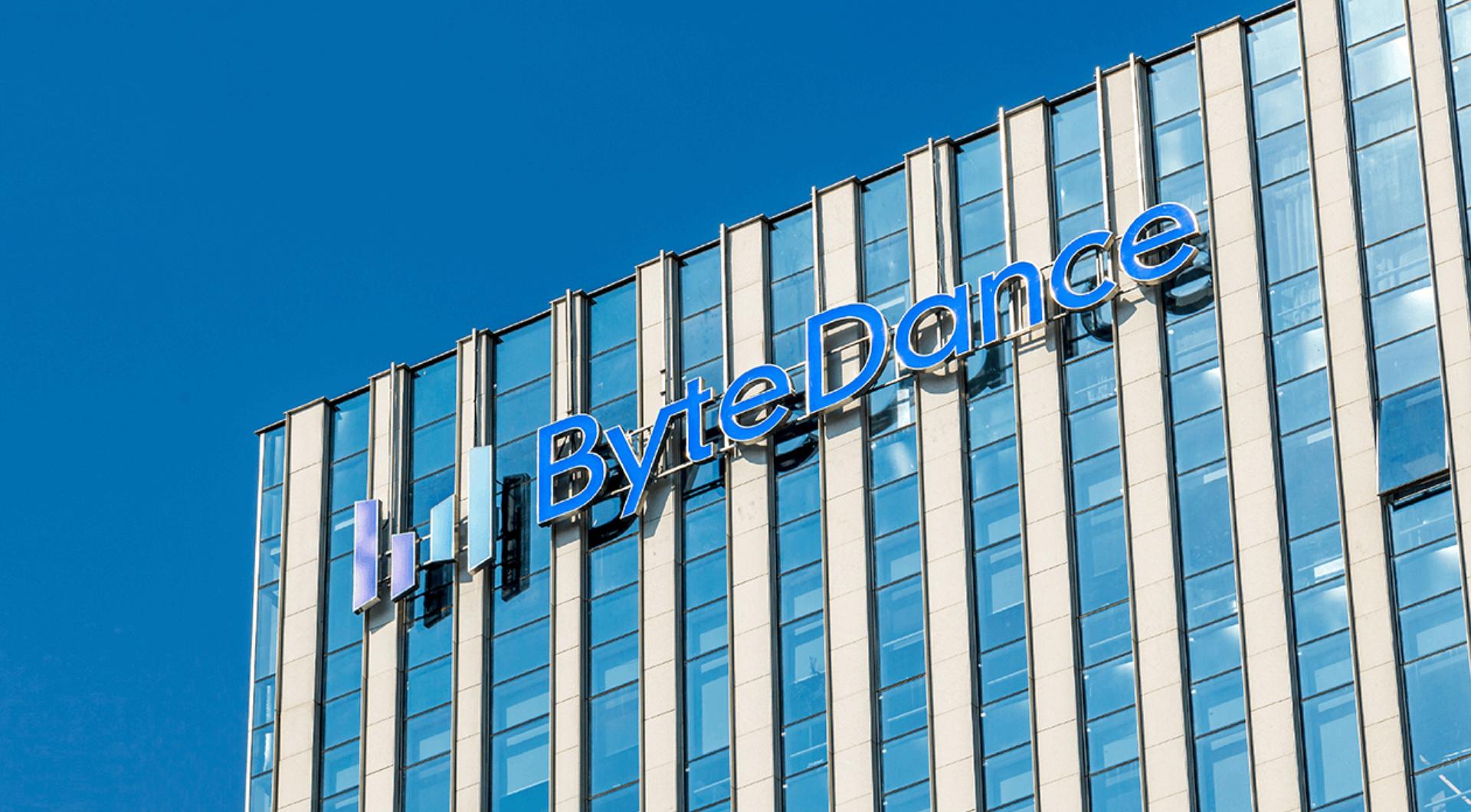
ByteDance was reportedly considering spending $70 billion on AI data centers and infrastructure. The news comes as U.S. AI giants call for slowing the AI race.


Your look at what’s coming in the week starting Sept. 14.
XRP is trading at $1.39, up 2% on the day, as the market braces for a procedural vote that could reshape the crypto price prediction. Tuesday’s Senate cloture vote on the CLARITY Act isn’t the headline event traders think it is.
The Senate votes on cloture for the motion to proceed to H.R. 3633 at 2:15 pm ET on September 15. That vote needs 60 yes votes to succeed. Republicans hold 53 seats, and at least two are expected to defect, leaving the majority nine Democrats short of the threshold.
— Lord XRP (@Bitforcoinz) September 12, 2026
CLARITY ACT COULD MAKE A LOT MILLIONARES OVERNIGHT!
GET READY FOLKS #XRP pic.twitter.com/9O9juWxlYE
Senate Democratic leader Chuck Schumer convened his caucus the evening of September 13 to decide whether nine members would cross over, and as of Monday, neither side has shown its hand. The CLARITY Act’s regulatory framework would give digital assets a defined legal structure.
This is a vote to start debating the bill, not to pass it. That distinction is getting lost in the noise, and it’s exactly where mispriced expectations tend to live.
Discover: The Best Token Presales
XRP Price Prediction: Hold $1.38 Through the Cloture Vote?
XRP’s move to $1.39 puts it back near the top of its recent range after dipping toward $1.33 over the weekend. The token had traded above $1.40 last week before profit-taking dragged it lower into the $1.34–$1.36 band. Regulatory catalysts have driven most of the volatility this month, and Tuesday’s vote is the next one on the calendar.
Support sits at $1.31–$1.33, the zone from last week’s rebound. Resistance is stacked at $1.38–$1.42, where price has stalled repeatedly ahead of the vote. A prediction market currently prices the odds of CLARITY becoming law in 2026 at just below 20%, long odds that partly explain why XRP hasn’t run harder despite bullish rhetoric.

What are the scenarios for XRP?
- Bull case: Successful cloture triggers a relief rally toward $1.42–$1.48, even without final passage.
- Base case: Vote fails or drags, XRP grinds sideways in the $1.33–$1.40 channel.
- Bear case: A clean failure with no path forward sends price back toward $1.31 support.
Standard Chartered’s $10 target for 2026 remains contingent on eventual passage, a scenario Tuesday doesn’t guarantee either way.
Earn $50 and Enter $300K Prize Draw on EdgeX
Maxi Doge Targets Early Mover Upside as XRP Tests Key Levels
A move to $1.39 validates anyone who bought the dip last week. But be honest about the math: even a full CLARITY breakout scenario gets XRP holders a double, maybe triple, over months, not the kind of return that changes a portfolio’s trajectory.
At XRP’s market cap, asymmetric upside isn’t really on the table anymore. That’s the gap presale plays are built to fill.
Maxi Doge ($MAXI) is a meme token built around 1000x leverage trading culture, a 240-lb canine mascot, holder-only trading competitions with leaderboard rewards, and a treasury fund earmarked for liquidity and partnerships.
The token is priced at $0.0002838, with $4.8 million raised so far and dynamic APY staking live for early buyers. The gym-bro humor is deliberate; the leverage-mentality branding is the actual hook for traders tired of watching majors grind sideways.
Research Maxi Doge before the presale window closes.
Trade XRP on Bybit and Get a Chance to Win Our $1,000 USDT Airdrop
The post XRP Price Prediction: What If the CLARITY Act Passes on Tuesday? appeared first on Cryptonews.


Brazil’s crypto market has entered a regulatory shakeout, with industry estimates indicating that fewer than 10% of companies currently operating in the country are likely to seek Central Bank authorization before an October deadline.
Summary
- Fewer than 10% of crypto companies operating in Brazil are expected to seek central bank authorization, according to industry estimates.
- Only 20 to 25 firms may apply for authorization, while roughly 10 are expected to ultimately secure a license.
- Existing crypto service providers have until Oct. 30 to begin the authorization process or face shutting down their operations within 30 days.
- Capital requirements can range from R$10.8 million to R$37.2 million, alongside governance, security, audit and compliance obligations.
- Several firms have already closed, consolidated operations or transferred retail customers as the market adjusts to the new rules.
Valor Investe reported that people closely following the licensing process estimate Brazil has between 150 and 200 domestic and foreign companies providing virtual asset services, although some industry estimates put the figure closer to 300. Only 20 to 25 are expected to have the capital, structure or interest needed to apply, while roughly 10 could ultimately secure authorization as digital asset service providers, known locally as PSAVs.
Companies that were providing virtual asset services before the new rules took effect in February have until Oct. 30 to file the first stage of their authorization request. Businesses that do not enter the process by the deadline will have 30 days to stop operating.
The estimates remain unofficial, and the number of applications will not become clear until the filing period closes. Financial institutions that already hold a banking license from the Central Bank do not need a separate authorization to operate in the sector, while fund managers remain under the regulatory framework of Brazil’s Securities and Exchange Commission, or CVM.
Brazil crypto licensing could leave around 10 authorized firms
Several crypto businesses have already restructured or withdrawn from Brazil as the authorization deadline approaches.
Bitnuvem closed its operations this year, citing higher operating costs and regulatory requirements among the reasons for its decision. NovaDAX followed in June, ending its Brazilian operation under an agreement that allowed customers to migrate to Foxbit.
Digitra.com later closed its retail business and directed customers to Foxbit, while BTG Pactual incorporated its Mynt crypto platform into the bank’s existing platforms. The move brought the group’s digital asset activities within BTG Pactual’s existing structure.
Bitso changed its Brazilian retail model in early September through a partnership with Mercado Bitcoin. Retail customers in the country are being directed to invest through Mercado Bitcoin, while Bitso is concentrating its local business on infrastructure and institutional services.
Coinext subsequently announced that it would close its retail operation after nearly a decade, ending crypto trading and custody services for those customers. Coinext Asset, its institutional asset management business, will continue operating.
Unlike some of the earlier exits, Coinext directly cited the new regulatory environment when explaining its decision. The company said it assessed the requirements for remaining in the market, held discussions with potential partners and considered alternatives, but found no viable option.
Industry participants cited by Valor Investe said further customer portfolio transfers are under negotiation, meaning more restructuring announcements could emerge before the transition period ends.
Capital requirements have raised the entry threshold
Capital requirements have become one of the main issues facing companies deciding whether to seek authorization.
During Public Consultation 109/2024, the Central Bank proposed minimum share capital of R$1 million for virtual asset intermediaries such as exchanges, R$2 million for custodians and R$3 million for brokers carrying out both activities.
The final rules announced in November set considerably higher requirements. Depending on a company’s activities and risk profile, required capital can range from R$10.8 million to R$37.2 million.
The authorization process extends beyond capital. Companies must meet requirements covering governance, internal controls, risk management, security, anti-money laundering procedures, technical certification, audits and periodic regulatory reporting.
Brazil approved another set of capital and risk rules in July, as crypto.news previously reported. The requirements begin taking effect in January 2027 and will eventually place virtual asset service providers in the S4 regulatory segment by June 2028. Smaller S5 institutions will no longer be permitted to provide virtual asset services.
The licensing framework already requires applicants and companies seeking license renewals to provide independent audit reports. Auditors must assess areas including anti-money laundering controls, segregation of customer assets, internal risk management and employee compliance programs.
Licensed exchanges face another requirement from Jan. 1, 2027, when they must provide daily asset sufficiency reports showing they hold enough assets to cover operational and security risks.
Regulatory timetable has drawn industry concerns
Ripple’s Latin America public policy and regulatory director, Isabel Sica Longhi, said the pressure was not limited to the substance of the requirements. She pointed to the pace at which new measures were introduced while companies were still adapting to earlier rules.
“The biggest problem was this sequencing, where everything came together very quickly, without even waiting to see whether the risks that the Central Bank intended to address with Resolutions 519, 520 and 521 would actually be addressed before adjusting the rules,” Longhi said, according to Valor Investe.
Executives cited in the report said the Central Bank had set a high regulatory threshold after problems involving fintech companies. Sources pointed to fraud, cyberattacks, third-party use of accounts and weak control structures as issues that contributed to the regulator’s approach.
Security requirements have continued to expand. In August, the Central Bank introduced rules requiring certain crypto transfers above $10,000 to be held for as long as 24 hours from Jan. 1, 2027 when funds are being sent to foreign virtual asset providers or self-custody wallets. Providers may release transactions earlier after completing the required risk review.
The regulator has separately developed a real-time crypto threat alert system with Hypernative after attackers converted part of the proceeds from a major cyberattack into cryptocurrency. Foxbit and Mercado Bitcoin were among the companies preparing to participate in the threat monitoring network.
Smaller crypto companies face higher compliance costs
Companies expected to remain in Brazil have not uniformly opposed tighter oversight. One executive quoted by Valor Investe described compliance as a necessary part of operating in a regulated market, saying that “regulation is not something you cry about, you comply with it.”
The executive said clear rules and Central Bank supervision were necessary for the sector to mature, while arguing that the chosen calibration could reduce innovation by excluding smaller companies and business models unable to absorb regulatory costs.
Longhi similarly described some reduction in the number of companies as a natural part of regulation but drew a distinction between removing unsuitable operators and excluding businesses simply because of their size.
“The thinning of the market is natural and should happen anyway,” she said. “What is not natural, if it happens, is preventing the market from existing and removing small participants simply because they are small participants.”
Brazilian banks, meanwhile, have been expanding access to digital assets while operating under their existing regulatory structures. Itaú, Bradesco, Santander, Banco do Brasil and Nubank have expanded crypto services since 2025, while Central Bank filings from March showed that the banks held no virtual assets on their own balance sheets. Nubank offered 28 digital assets to more than 7 million crypto customers, while Itaú offered 15 assets through its investment platform.
Mercado Bitcoin has continued expanding during the regulatory transition. Tether invested $20 million in the company in July as part of a strategic financing round focused on tokenized assets, payments, lending and onchain capital markets. Mercado Bitcoin said at the time that it served 4.5 million users and had issued more than R$2 billion in tokenized assets.
The final number of companies entering the Central Bank authorization process will become clearer after Oct. 30. Until then, industry participants cited by Valor Investe expect further closures, customer migrations, mergers and partnerships as companies decide whether to seek their own authorization or operate through other regulated structures.


OpenAI CEO Sam Altman has ruled out a 2026 initial public offering, citing unfinished safety and alignment work while leaving the company without a confirmed listing date.
Summary
- OpenAI CEO Sam Altman has ruled out a 2026 IPO while citing AI safety demands.
- Altman said OpenAI feels no pressure to list before its business and governance are ready.
- OpenAI has not publicly announced a firm IPO date or released offering terms for investors.
- The OpenAI Foundation directly controls OpenAI Group PBC through exclusive voting and governance rights today.
- Altman backed independent evaluators receiving employee-like access but said operational details would follow later publicly.
Fortune reported on Sept. 12 that Altman called the current period an “ill-advised moment” to go public and said OpenAI felt no pressure to pursue an offering.
Asked whether an IPO had moved from 2026 to 2027, Altman replied, “I would say not 2026.” He said OpenAI had substantial work remaining on safety, alignment and cooperation between governments and the AI industry.
His answer rules out a listing this year but does not establish a 2027 offering. OpenAI has not publicly disclosed a listing date, stock exchange, ticker, price range or number of shares to be offered.
OpenAI IPO has no confirmed 2027 date
Some reports have described 2027 as the earliest possible date for an OpenAI IPO. Altman did not commit to that timetable during the interview. He said the company would go public when its business was ready and when conditions surrounding the technology supported that decision.
The distinction is important to the factual record. OpenAI did not have a publicly announced 2026 offering that it formally postponed. The company remains privately held, and no publicly available registration statement identifies an active OpenAI stock sale.
Media reports have previously linked the company to a possible listing carrying a valuation of up to $1 trillion. OpenAI has not confirmed that estimate. Any valuation attached to a future offering would depend on its financial results, investor demand, capital structure and the terms disclosed at the time.
A traditional U.S. IPO would require a registration statement containing business, financial, management and risk information. The SEC says Form S-1 is the basic registration form available to companies and must contain a prospectus with audited financial statements.
OpenAI has not announced when it might begin such a process. Altman’s comments leave 2027 possible, but describing that year as a confirmed IPO schedule would go beyond his statement.
Safety work takes priority over listing preparations
During the Fortune interview, Altman connected the decision to rapid advances in artificial intelligence and unresolved questions about controlling increasingly capable systems. He said safety standards were not yet ready for the industry to push capabilities much further without additional safeguards.
OpenAI has discussed pausing at certain capability levels, Altman said, giving researchers and institutions time to improve alignment measures. He did not identify a model release, capability threshold or binding protocol that would trigger a pause.
The CEO called for cooperation among competing AI developers and governments. Any international arrangement remains prospective because OpenAI has not released a signed agreement, participating organizations or enforcement terms.
Altman framed the IPO decision as part of OpenAI’s ability to place its mission ahead of immediate shareholder returns. A public company would face reporting duties and market expectations, though he did not claim those requirements made responsible AI development impossible.
No direct market reaction exists for OpenAI shares because the company is not publicly traded. Private-market transactions and reported valuation estimates do not provide the continuous price discovery associated with a listed stock.
Independent evaluator proposal awaits details
Altman’s remarks followed a proposal from Anthropic CEO Dario Amodei calling for slower development of frontier AI systems. Amodei urged laboratories to provide qualified independent evaluators with access resembling that available to employees.
Altman publicly supported the evaluator proposal and said OpenAI would adopt a similar measure. The company has not yet published the evaluators’ selection process, technical access, confidentiality rules or authority over model deployments.
Independent access could involve exposure to internal models, testing tools and security-sensitive information. OpenAI has not specified how it would separate external review from access controls protecting proprietary technology and user data.
Elon Musk supported Amodei’s warning with the brief statement, “Dario is right.” His endorsement did not include a technical framework or a commitment describing how xAI would apply the proposed controls.
Industry agreement remains uncertain. In related coverage, Solana co-founder Anatoly Yakovenko questioned the financial motives behind proposals to slow frontier AI development. His comments presented a competing interpretation and did not provide evidence that OpenAI’s IPO decision was financially coordinated with other laboratories.
Altman said OpenAI would release more information about its evaluator commitment. No publication date accompanied the pledge.
OpenAI’s nonprofit control remains central
OpenAI’s current structure places OpenAI Group PBC under the control of the nonprofit OpenAI Foundation. The company announced the structure in October 2025 after discussions with the attorneys general of California and Delaware.
Special voting and governance rights permit the Foundation to appoint every director of OpenAI Group and replace directors at any time. The Foundation holds a 26% equity interest, while Microsoft owns roughly 27%. Current and former employees and other investors hold the remaining 47%.
The Foundation’s Safety and Security Committee oversees safety practices across the organization, including the for-profit group. OpenAI says the public benefit corporation must advance its stated mission and consider the interests of multiple stakeholders alongside commercial performance.
OpenAI’s structure does not prevent a future public offering. Any listing plan would need to explain how public shareholders fit within the Foundation’s control rights, board authority and safety oversight system.
Altman said the company had retained a complex governance structure so it could make decisions that might not serve immediate business or shareholder interests. OpenAI has not announced whether any future IPO would change the Foundation’s voting authority.
The next confirmed steps concern safety policy, not securities issuance. Altman said further details about independent evaluators would follow, while OpenAI has provided no deadline for an IPO filing or public listing.


Unnamed industry participants reportedly warned that UK fund rule uncertainty could slow tokenized gold development and limit investor access.
Pi Network (PI) shipped Pi Desktop version 0.6.3, adding updates to SoloHost, its framework for self-hosted apps. The release improves app discovery and reliability, but Pi continues to struggle with features that could lead to better user activity or for Pioneers to spend or hold PI.
Pi Desktop is the software Pioneers use to run Pi Nodes. The update also adds app rankings, a My Apps dashboard, and login and display-name fixes, the Pi Core Team said.
What Pi Desktop 0.6.3 Changes
Community SoloHost apps now rank by how many people currently run them, making active projects easier to spot. A readiness check also helps cut down on errors when an app is not yet responding.
Developers get a My Apps section, a starter repository for AI coding agents, and Docker Compose testing options.
The release also renames future versions Pi Desktop instead of Pi Node. The Pi Core Team says the update gives Pi Desktop and Nodes new roles beyond blockchain validation.
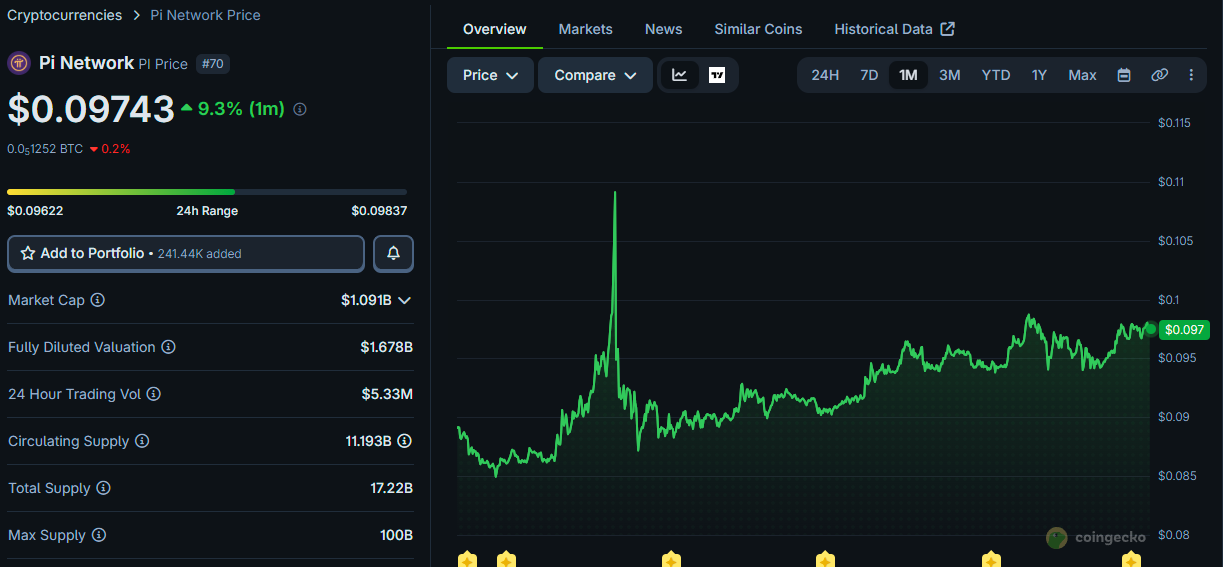
PI is trading near $0.097, up roughly 9% over the past month after climbing steadily from a low near $0.071. The token remains more than 96% below its February 2025 all-time high near $2.99.

Another Minor Update, but No New PI Use Case
While Pi continues to roll out updates aimed at improving the network, no new features change how Pioneers interact with PI.
The pattern extends what BeInCrypto flagged after the Pi2Day product launch in June. Of the three tools introduced that day, only PiVerify offered a plausible path to new PI demand.
Pi Network has floated a plan to pay top node operators in PI for distributed computing work. That feature remains in progress and is not part of this release.
Until a mechanism like that ships, this latest Pi Desktop 0.6.3 makes SoloHost easier to use, but it does not give PI holders a new reason to use PI.
The post Pi Network's Latest SoloHost Update Skips the One Thing PI Still Needs appeared first on BeInCrypto.

XRP & XLM – What’s Coming Is WORSE Than Any Recession | Catherine Austin

Oil prices rise by almost 3% after new strikes on Saudi Arabia

Stocks to Watch Monday: Nvidia, Oracle, SoftBank


-
 Tech6 days ago
Memory prices are slowing because buyers ran out of money
-

 Tech21 hours ago
The Latest Weird Thing to Play Doom Is the Mapped-Out Brain of a Fruit Fly
-

 Business4 days ago
Micron Stock Climbs Above $1,031 as AI Memory Crunch and a $50 Billion Outlook Fuel the Rally
-

 Business4 days ago
AMD Stock Climbs After Management Lifts 2027 Data Center Outlook Toward $70 Billion in AI Sales
-
 Crypto World5 days ago
Bitcoin price risks $76K drop as $78K support weakens
-

 Fashion3 days ago
Weekend Open Thread – Corporette.com
-

 Crypto World6 days ago
Robinhood Stock: How To Take Advantage With Reduced Risk
-

 Crypto World3 days ago
XAG/USD: Silver’s Short-Term Rally Meets Its Moment of Truth
-

 Crypto World4 days ago
2 Chip Stocks Broke Out This Week. Neither Was Nvidia
-

 Crypto World5 days ago
Ethereum price stalls below $2,500 as ADX drops to 11
-

 NewsBeat6 days ago
England up in reading, maths and science rankings as Scotland and Wales dip
-

 Business3 days ago
10 Most-Streamed Songs On Spotify In 2026 So Far, Led By Ella Langley’s Dominant Run On The Charts This Year
-

 Crypto World3 days ago
OKX launches 10x OpenAI, Anthropic X-Perps in Europe
-

 Tech4 days ago
Battery life is the only iPhone 18 Pro and iPhone Duo upgrade I care about. Apple didn’t disappoint
-

 Crypto World3 days ago
Diesel Tops $6 a Gallon for the First Time as 28 States Set Records
-
 Crypto World6 days ago
Intel Stock Jumps 9% on Chip Price Hike Report, US Stake Gains $36 Billion
-

 Tech4 days ago
Apple Watch Ultra 4 vs Watch Ultra 3: Should you really spend another $799?
-

 Crypto World4 days ago
Bitcoin price risks $70K if $78K neckline breaks
-

 Crypto World6 days ago
Pump Fun and Kraken delete Hunter Biden $LAPTOP promotion
-

 NewsBeat5 days ago
What went right this week: an ‘historic’ fall in violent crime, plus more
You must be logged in to post a comment Login