


Connect with us

Business

WaterBridge Infrastructure: The Value Is In The Destination, Not Just The Pipeline

Published

on

Delek Logistics: Robust Fundamentals And Valuation May Be Pipelined To More Upside (NYSE:DKL)
Continue Reading
Click to comment

You must be logged in to post a comment Login

Leave a Reply

Business

SanDisk Shares Sink 5.18% as DeepSeek’s Leaner AI Model Rattles Memory Chip Stocks Worldwide Once Again

Published

on

SanDisk

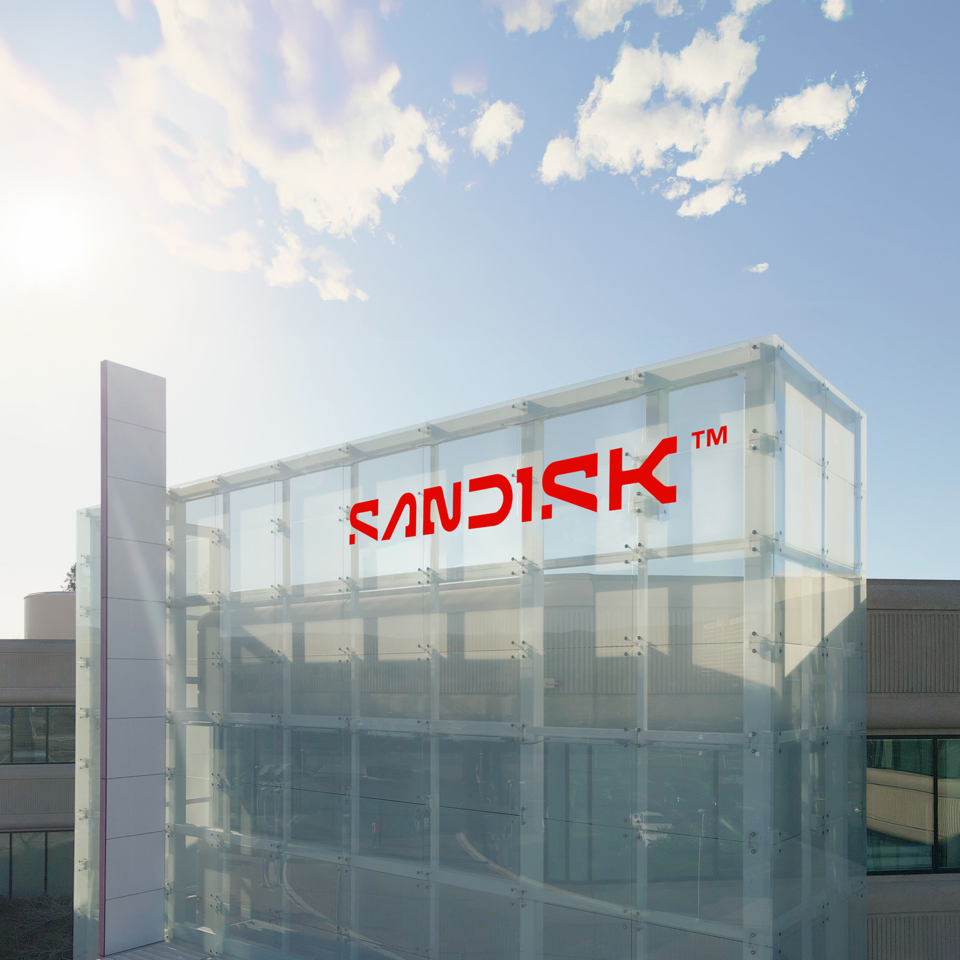
SAN JOSE, Calif. — Shares of SanDisk Corp. fell 5.18% to $1,544.98 in Monday trading, down $84.59, as a fresh wave of concern over the pace of artificial intelligence development combined with lingering questions about a Chinese AI model’s dramatically reduced memory requirements to pressure NAND flash and memory chip stocks across the board.

The decline, which briefly pushed shares down as much as 6% in premarket trading before paring slightly at the open, extended a broader pullback for storage and memory names Monday. Micron Technology fell roughly 5%, while Western Digital and Seagate Technology each dropped more than 4%. South Korea’s SK Hynix fell more than 7% in its own session. The sector-wide weakness came as investors weighed calls from prominent AI executives to slow the pace of frontier model development against a separate, more technical concern specific to memory chipmakers: whether the assumptions underpinning the sector’s explosive rally may be overstated.

That second concern traces back to DeepSeek, the Chinese AI developer, which released an updated version of its cost-optimized Flash model on September 10. The new model, DeepSeek V4.1 Flash, introduced architectural changes that dramatically reduce the amount of memory needed to run AI inference workloads, cutting the model’s key-value cache consumption, a core driver of memory demand during AI processing, to between roughly 13% and 25% of its predecessor’s requirements. In practical terms, the redesign allows the model to support four to eight times as many simultaneous users within the same memory footprint, according to DeepSeek’s own technical documentation.

The release rattled memory chip investors because so much of the sector’s recent rally has been built on the assumption that AI inference workloads would require ever-increasing amounts of high-bandwidth memory and NAND flash storage as AI adoption scales. If leading AI model developers adopt similar memory-efficient architectural techniques broadly, some analysts have warned, the baseline demand growth for high-capacity enterprise storage and memory chips, the very products that helped drive SanDisk’s revenue to $20.25 billion in its most recent fiscal year, could plateau earlier than current Wall Street forecasts anticipate. The concern first hit Samsung Electronics and SK Hynix directly in Seoul trading on September 11, when the DeepSeek release sent both stocks lower, before spreading more broadly across the global memory sector as U.S. markets absorbed the news alongside the weekend’s separate AI safety debate.

Advertisement

That AI safety debate, triggered by a weekend essay from Anthropic Chief Executive Officer Dario Amodei calling for a coordinated industry-wide slowdown in AI capability development, added a second, distinct source of pressure on memory stocks Monday, compounding the DeepSeek-related unease. Not every investor has accepted the safety framing at face value, however. Prominent short-seller Michael Burry, known for his early bet against the U.S. housing market, publicly dismissed the slowdown calls as self-interested positioning. “Let’s all take a moment to understand how self-serving it is for OpenAI, Anthropic and other execs of big hyperscalers to talk of slowing things down,” Burry wrote on social platform X, adding that large language models are not, in his view, genuine artificial intelligence and therefore have “nothing AI to slow down.” He also suggested the safety rhetoric could serve as convenient cover for both companies as they prepare for stock market listings, writing separately, “IPOs need hype & puffery.”

Despite Monday’s sharp decline, SanDisk’s rally over the past year has been extraordinary by almost any measure. The stock’s 52-week range spans from a low of roughly $82 to a high of $2,354.39, reflecting a period of intense investor enthusiasm for memory chip stocks tied to the broader AI infrastructure buildout. Even after Monday’s drop and a broader pullback that has already seen shares fall roughly 31% from their year-to-date high, SanDisk remains up dramatically from where it traded a year ago.

Wall Street’s outlook on the stock has remained largely positive even amid the recent volatility. Among 24 analysts covering the stock, the average rating remains a Buy, with a 12-month consensus price target of $2,125.09, implying substantial potential upside from current levels. Individual analyst targets have varied in recent weeks: Mizuho maintained an Outperform rating while trimming its price target to $1,875 in late August, RBC Capital raised its target to $1,600 while maintaining a more neutral Sector Perform rating, and Wells Fargo lifted its own target to $1,550 while keeping an Equal-Weight stance, reflecting a range of views on how much further the stock can climb even as most analysts remain constructive on the underlying business.

The bull case for SanDisk and its memory sector peers has rested heavily on severe supply constraints in the broader chip market. Industry researcher TrendForce has projected conventional DRAM contract prices to rise sharply quarter over quarter through the first half of 2026, with NAND flash contract prices also climbing substantially over the same period, reflecting a market where supply has struggled to keep pace with demand. Samsung’s chief financial officer has said the company’s 2026 production of next-generation HBM4 memory chips is already fully sold out, underscoring how tight the supply picture has been even before DeepSeek’s efficiency breakthrough raised questions about the durability of that demand.

Advertisement

Whether DeepSeek’s memory-efficient architecture proves to be an isolated technical achievement or the start of a broader industry shift toward less memory-intensive AI model design remains an open question for investors. Some engineers who have examined the model’s architecture note that while its reduced live memory footprint is significant for serving AI inference at scale, it does not directly reduce the massive amount of memory still required to train large AI models in the first place, suggesting the long-term implications for chip demand may be more nuanced than Monday’s sharp selloff implies.

With SanDisk’s stock remaining highly sensitive to shifting sentiment around AI infrastructure demand, and with the broader debate over the pace of AI development still unfolding following Amodei’s essay, investors are likely to remain focused in the coming days on further signals from both the AI industry’s largest developers and its chip suppliers about how durable current memory demand assumptions actually are.

Continue Reading

Business

SK Hynix ADRs Fall More Than 6% as Memory Rally Breaks on Fears of Slower AI Spending

Published

on

SEOUL — SK hynix American depositary receipts fell 6.33% to $178.04 on Monday, down $12.03, as memory stocks sold off on concern that calls to slow frontier artificial-intelligence development could crimp demand for high-bandwidth chips.

The Nasdaq-listed ADRs had closed Friday at $190.07. Premarket prints ran as low as about $175. In Seoul, the ordinary shares dropped 6.35% and the KOSPI index lost 3.26%. Micron, Sandisk and Western Digital also slid more than 4% in U.S. dealing. There was no SK hynix earnings warning. The tape was a sector move.

Investors marked down suppliers after Anthropic Chief Executive Dario Amodei urged the industry to manage the pace of frontier models, saying building AI “too fast is reckless” and calling China the “toughest dilemma” in any global speed limit. Reports said OpenAI’s Sam Altman and Elon Musk had echoed a slower-build argument. High-bandwidth memory is the bottleneck inside AI accelerators. A pause in server orders would hit SK hynix first among Korean names because HBM is the core of its premium mix.

That mix just printed a record quarter. On July 29 the company reported second-quarter revenue of 79.32 trillion won, up 51% from the prior quarter and 257% from a year earlier. Operating profit was 60.54 trillion won, a 76% margin. Net profit was 93.92 trillion won. HBM4 mass shipments started in the quarter. “HBM4 has demonstrated its differentiated technological edge by achieving customer-required operating speeds while delivering industry-leading power efficiency and cost competitiveness,” the company said. Production is set to ramp in the second half. HBM4E samples went to a major customer in the first half.

Advertisement

For the third quarter, management guided DRAM bit shipments up about 10% and NAND up a low-single-digit percentage. It said it has long-term agreements with about 10 key customers, cash of 88 trillion won and a debt-to-equity ratio of 7%. On the AI-capex-slowdown narrative, executives framed data-center leasing and more efficient models as monetizing kits already built, not cutting investment. Major customers, they said, are still asking for more memory.

Counterpoint Research put SK hynix at 50% of HBM revenue in the second quarter, down from 58% in the first as Samsung rose to 33%. The gap is narrower than a year ago, when SK hynix held 64%. The company remains the volume leader into Nvidia-class stacks. JPMorgan initiated coverage of the ADR on Sept. 10 at Overweight with a $245 target. Needham’s target is $220. A compiled average near $248 implied more than 30% upside from Friday’s close — before Monday’s gap.

The ADR listed in July at $149 and printed a 52-week high of $199.87 on Sept. 9. Monday’s $178 handle is a giveback of that spike, not a collapse of the earnings run-rate. Ipek Ozkardeskaya, senior analyst at Swissquote, called the session a “sour mood” morning after hotter U.S. core inflation revived talk of a firm Federal Reserve this week.

The risk Monday priced is duration. If hyperscalers stretch server cycles, HBM4 ramps into a softer book. If they do not, SK hynix is still the firm that started HBM4 shipments, guided 10% more DRAM bits this quarter and told the market customers want more silicon, not less. The next official numbers will come with the third-quarter report. Until then the ADR is a high-beta claim on a debate in San Francisco, not a change in Icheon’s shipment plan.

Advertisement
Continue Reading

Business

Beyond Meat enters new categories

Published

on

Beyond Meat enters new categories

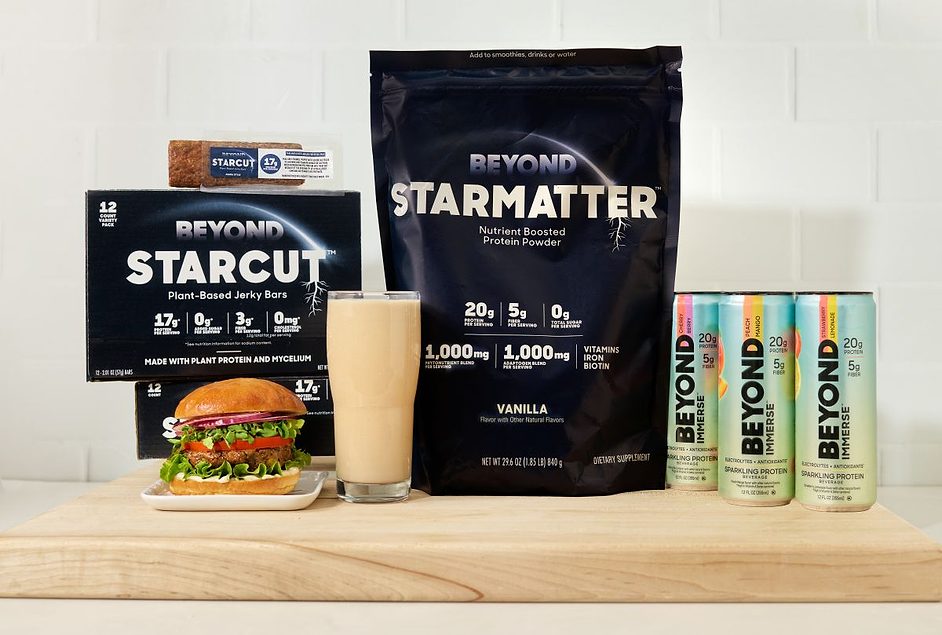
EL SEGUNDO, CALIF. —Beyond Meat, Inc. is launching its Phytosphere portfolio. The nutrient-focused portfolio includes powders, bars, beverages and center-of-plate offerings, according to the company.

Beyond Starmatter protein powders are formulated with plant protein, fiber, probiotics, polyphenols, plant sterols, biotin, adaptogens, vitamins and minerals. The powder is available in five flavors: plain, vanilla, salted caramel, strawberry banana and golden latte.

Beyond Starcut is a plant-based jerky bar containing 17 grams of protein and 3 grams of fiber. The bar is free from added sugar, cholesterol, added antibiotics, added hormones, added nitrates and added nitrites. The jerky is offered in Asada style, spicy Southwest barbecue style and classic dill.

Beyond Veggie is a plant-based burger formulated with fruits, vegetables, legumes, seeds, plant-protein, polyphenols and plant sterols. Each burger patty contains 12 grams of protein and 6 grams of fiber. The patties are offered in chipotle black bean and spiced chickpea varieties.

Advertisement

Beyond Immerse is a protein beverage containing 20 grams of plant protein, 5 grams of fiber, electrolytes and antioxidants. The 110-calorie canned beverage is made with organic agave and includes peach mango, strawberry lemonade and cherry berry varieties.

“The nutritive benefits of plants are extraordinary, yet we often fail to get meaningful amounts of these superpowers in our modern diet,” said Ethan Brown, founder and chief executive officer of Beyond Meat. “The Phytosphere portfolio invites the consumer into a world where access to powerful phytonutrition is cutting edge, delicious and convenient. As with our innovation more generally, we are building out the Phytosphere portfolio with our consumers, and for our consumers, and have been looking forward to this launch.”

Products in the Phytosphere portfolio are available for purchase online through the company’s website.

Advertisement
Continue Reading

Business

Asian markets retreat as oil tops $107 and Fed and BOJ rate hikes come into focus

Published

on

Asian markets retreat as oil tops $107 and Fed and BOJ rate hikes come into focus

Asian equities opened lower on Monday as a renewed oil-price surge intensified inflation concerns and investors prepared for potentially tighter monetary policy in both the United States and Japan. Brent crude rose around 3% to US$107.18 a barrel, after gaining almost 9% last week, while US crude reached US$102.62 as attacks and shipping disruptions threatened energy supplies.

On September 14, 2026, technology and artificial intelligence-linked shares plummeted across major Asian markets. The broad regional sell-off was triggered by unexpected weekend statements from the leaders of prominent AI development labs calling for a coordinated industry slowdown to manage existential risks and safety concerns.

Key Drivers of the Retreat

  • The Amodei Essay: Anthropic CEO Dario Amodei published a detailed essay calling for frontier AI labs to intentionally slow down model capability advancements to ensure adequate safety, alignment, and protection against misuse.
  • C-Suite Consensus: OpenAI CEO Sam Altman and xAI chief Elon Musk publicly backed Amodei’s call for restraint.
  • IPO Cancellation: Further souring investor sentiment, Sam Altman confirmed that OpenAI would not pursue an initial public offering (IPO) this year, citing safety and regulatory frict

The market reaction was broad. Japan’s Nikkei fell 1%, South Korea’s KOSPI dropped 3.2%, and MSCI’s broad Asia-Pacific index excluding Japan declined 1.1%; Chinese blue chips slipped 0.5%. Technology stocks were particularly weak after OpenAI and Anthropic executives called for slower AI development, adding another source of pressure to high-valued Asian technology shares.

The bigger macro issue is the combination of higher oil prices and accelerating inflation. Markets now price an 86% probability of a 25-basis-point Federal Reserve rate hike on Wednesday, following stronger-than-expected US consumer-price data, while the Bank of Japan is also expected to raise its policy rate by 25 basis points to 1.25% on Friday.

Bond yields are reinforcing the pressure on equities. The US 10-year Treasury yield was around 4.97%, while the two-year yield stood near 4.61% after rising 26 basis points last week, reflecting expectations that central banks may need to keep tightening even as economic growth faces the effects of higher energy costs.

Advertisement

The currency market is also adjusting. The yen was around 154.03 per dollar, close to a seven-month high, and has gained about 4% this month as investors increasingly expect the BOJ to accelerate its tightening cycle. The combination of a stronger yen, higher US yields and expensive oil could produce significant shifts in Asian capital flows during the week.

Key points

  • Brent crude rose about 3% to US$107.18/barrel, after gaining almost 9% last week.
  • Asian equities fell: Nikkei −1%, KOSPI −3.2%, MSCI Asia-Pacific ex-Japan −1.1%.
  • Markets price an 86% probability of a Fed hike this week, while the BOJ is widely expected to raise rates to 1.25%.

Why it matters: Thailand faces the same combination of risks: higher imported energy costs, tighter global financial conditions and potentially more volatile regional currencies. A sustained oil price above US$100 could complicate the Bank of Thailand’s policy choices, while higher US and Japanese rates could encourage capital to move away from emerging Asian markets.

Continue Reading

Business

Scale-up summits to be held in North East to boost regional business rate

Published

on

Business Live

The Entrepreneurs’ Forum will stage the events in Newcastle, Sunderland and Middlesbrough as part of national efforts by the ScaleUp Institute

Entrepreneurs' Forum chief executive Elaine Stroud

Entrepreneurs’ Forum chief executive Elaine Stroud(Image: Entrepreneurs’ Forum)

Three events to encourage companies to scale up will be held in the North East as part of national efforts to boost economic growth.

The events will be held in Newcastle, Sunderland and Middlesbrough during North East Entrepreneurship Week, a programme of events and activities which runs between November 11 and 20 under the theme The Place to Rise. The sessions will be led by North East business support group the Entrepreneurs’ Forum and form part of the ScaleUp Institute’s national ScaleUp Britain programme to celebrate, highlight and support scaling companies across the UK.

Advertisement

More than 25 of the region’s entrepreneurs, among them Crafter’s Companion founder and Dragons’ Den star Sara Davies, Sunderland entrepreneur Paul Callaghan and Bill Scott, CEO of Teesside’s Wilton Engineering, will give talks at the events. Sessions will cover issues such as starting a business, taking on staff and then scaling nationally and internationally.

The programme will be accompanied by the launch of a new region-wide Ones to Watch Index, which will identify 20 North East businesses with the potential to become some of the region’s most significant companies of the future. The final 20 will be revealed at Durham University Business School on November 4, ahead of the main programme.

Elaine Stroud, chief executive of the Entrepreneurs’ Forum, said: “Brilliant businesses are being started and built right across the North East, but their owners rarely get to see how much experience and support already exists around them.

“That’s what this week is for. Showing people thinking about starting a business that people like them are already doing it here, and for those scaling up, connecting entrepreneurs with others who have already faced the same challenges, and making the help that already exists across the region far easier to find.

Advertisement

“The Entrepreneurs’ Forum is delighted to have brought together so many organisations who collectively back the region’s entrepreneurs. The support is available and this week will show you how to find it.”

Recent figures show that the North East has 744 businesses for every 10,000 adults, compared to an average of 1,062 across England. That is the lowest rate of any English region and the North East would need to create 48,000 more companies to reach the national average.

Irene Graham, chief executive of the ScaleUp Institute, said: “Strong scaleup economies are built locally. Our research consistently shows that growing businesses want hyper-local connections to skilled talent, including experienced peers and mentors, university R&D support, investors, and greater access to market opportunities at home and abroad.

“They want to see the public and private sectors working together to address these needs and fast-track access to opportunities. Regions that focus on building talent, clusters, and capital, and harnessing their broad infrastructure towards scaling ambitions, whilst celebrating success, should see their growth thrive.”

Advertisement

The scale-up summits will be held in Newcastle on November 11, Sunderland on November 12 and Middlesbrough on November 13. More details can be found at NorthEastEntrepreneurshipWeek.co.uk.

Continue Reading

Business

REA agrees to end 'anti-competitive' contracts

Published

on

REA agrees to end 'anti-competitive' contracts

Real estate agents will no longer be forced to list all properties for sale and lease under contracts signed with the country’s largest residential listing portal, RealEstate.com.au.

Continue Reading

Business

Gerber adds pediatric rehydration solution

Published

on

Gerber adds pediatric rehydration solution

ARLINGTON, VA. — Nestle is expanding its Gerber brand with Gerberlyte, an oral rehydration solution (ORS) intended for children.

Gerberlyte is formulated with coconut water, electrolytes and 25% of the daily recommended intake of zinc per 12-oz serving. The beverage is the first USDA-Certified pediatric ORS, according to the company.

The beverage is available in kiwi, berry blend and tropical punch flavors.

“We heard from parents that they need simple, trusted solutions they can feel confident giving their children, whether they’re managing a stomach bug or replacing fluids after a long day of outdoor play,” said Oscar Benítez, president of Gerber. “For nearly 100 years, we’ve helped parents nourish their little ones, and with Gerberlyte, we’re extending the trusted quality and expertise families know from Gerber to new moments when hydration support matters most.”

Advertisement

The rehydration beverage is available in a 32-oz multi-serve bottles and a 4-count pack of 4-oz bottles. The beverages are available at retailers nationwide.

Continue Reading

Business

Amazon pauses operations with cargo carrier 21 Air following fatal Miami plane crash

Published

on

Amazon pauses operations with cargo carrier 21 Air following fatal Miami plane crash

Amazon has paused operations with cargo carrier 21 Air following the fatal crash of an Amazon-branded freighter at Miami International Airport earlier this month.

“After the tragic incident last weekend, we’ve spent time supporting the investigation and reviewing some of the surrounding circumstances, and we’ve decided to pause our operations with 21 Air, the operator of Flight 7598,” Amazon spokesperson Kelly Nantel said in a statement to Reuters. “We’ll continue working to support the investigation and everyone affected.”

The Sept. 6 flight, operated by 21 Air for Amazon Air, overran a runway while landing in Miami after arriving from San Juan, Puerto Rico, striking multiple vehicles on the ground. The crash killed five people and injured five others.

AMAZON SAYS IT’S ‘WORKING CLOSELY’ WITH AUTHORITIES AFTER CARGO PLANE CRASH KILLS 5

Advertisement

The aircraft was a 32-year-old Boeing 767-300 freighter. The National Transportation Safety Board is investigating the crash and said preliminary flight recorder evidence showed the pilots raised concerns about the aircraft’s speed during the landing.

Investigators have also said recorded data showed no indication that the aircraft’s speed brakes or thrust reversers were deployed before it traveled roughly 1,300 feet beyond the runway.

21 Air said it remains focused on supporting the families and loved ones affected by the crash and cooperating with investigators.

“We are confident in our safety policies, procedures and training,” the carrier said in a statement to Reuters.

Advertisement

In an earlier statement, 21 Air CEO Keith Winters said the company was “devastated” by the accident and was cooperating fully with the NTSB, Federal Aviation Administration and local authorities.

“Our deepest condolences are with the families and loved ones of those who lost their lives,” Winters said.

Amazon Air is the company’s cargo logistics network. 21 Air began operating Boeing 767 freighters for Amazon in 2024.

The crash has also prompted lawsuits in Florida alleging negligence by 21 Air, Amazon and other parties connected to the flight. The NTSB has not determined a probable cause, and its investigation remains ongoing.

Advertisement

CLICK HERE TO GET FOX BUSINESS ON THE GO

The Miami crash was the first fatal accident involving Amazon’s air cargo network since 2019, when an Atlas Air Boeing 767 operating for Amazon crashed in Texas, killing all three people aboard.

Reuters contributed to this report. 

Advertisement
Continue Reading

Business

How to Make 3D Word Art Online (Free & Easy)

Published

on

How to Make 3D Word Art Online (Free & Easy)

Free browser-based tools let you create professional-looking 3D text without installing heavy software or learning complex design programs. This guide walks through the whole process, from picking a generator to exporting a file that fits your project.

What Is 3D Word Art?

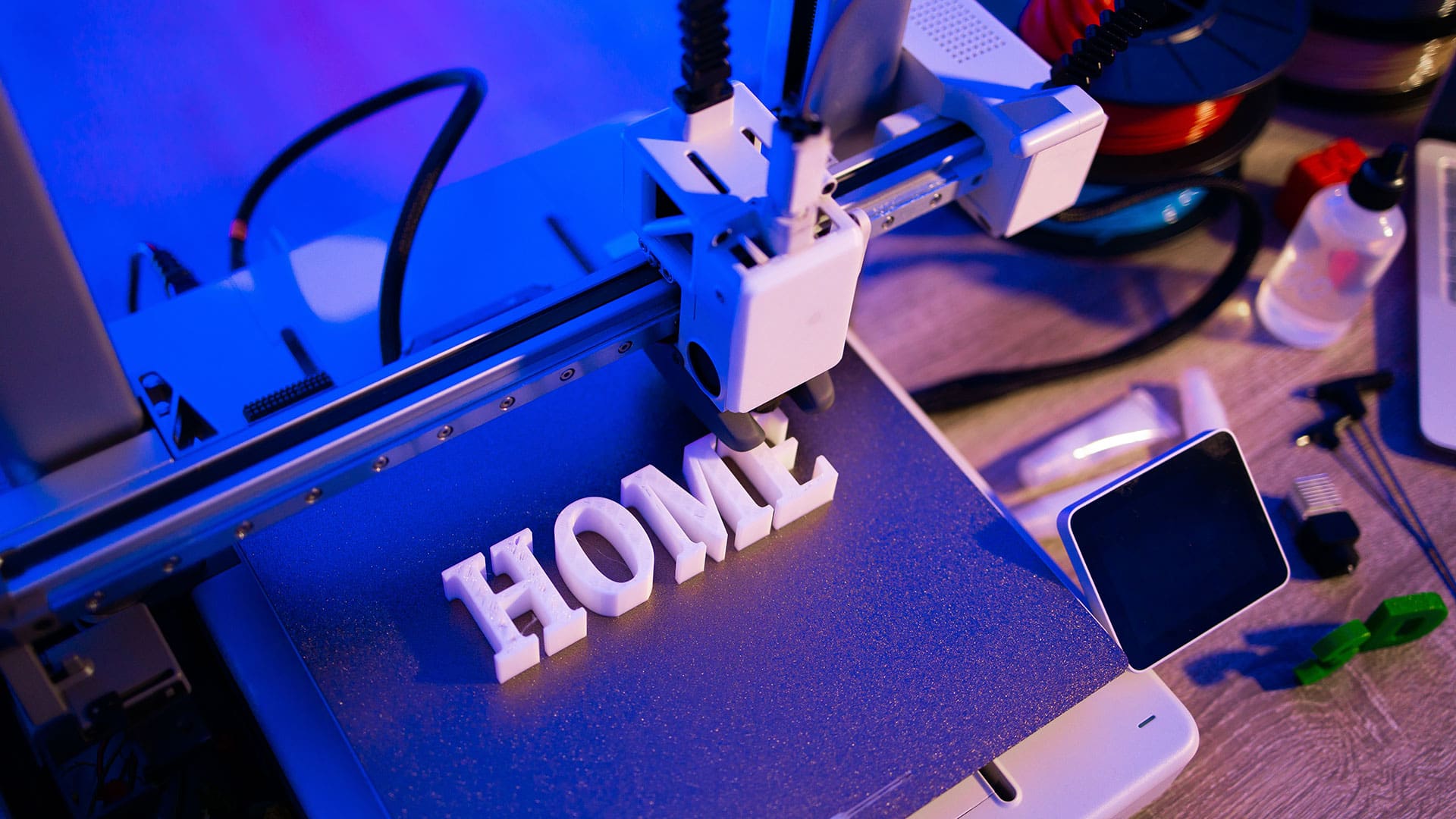
3D word art is text with a tangible, three-dimensional quality: raised letters catch light, throw shadows, and look like they have physical depth. You see it on YouTube thumbnails, social media graphics, company logos, product labels, decorative wall art, and even cake toppers made on a 3D printer. Where flat type can get lost in a busy design, 3D lettering adds visual weight and draws the eye.

Making 3D text used to mean buying professional design software and spending weeks learning it. Online generators changed that by putting the process in your browser. You type a word, choose a style, and the tool renders a dimensional version you can download, no design degree needed.

Free newsletters
Advertisement

The stories that matter to UK business, straight to your inbox.

Advertisement

Choosing the Right 3D Text Generator

Before you start, pick a generator that fits your needs. Here are the core features to look for:

  • Free and browser-based: Many good options run directly in your browser at no cost. You should not have to install software or create an account.
  • A solid font library: Whether you need a bold sans-serif for a logo or a playful script for a party sign, built-in fonts should cover common styles. Some tools let you upload your own font file for extra control.
  • Flexible styling: You should be able to adjust depth, add or soften a bevel, apply a material like metal or neon, and change colors. Having both raised and engraved options lets you design for screen and print.
  • Multiple export formats: For graphics, you will likely want a transparent PNG. For 3D modeling or printing, you need a 3D file format such as STL, OBJ, or GLB.

The right choice depends on the final use. Meshy satisfies all four core criteria: it runs in the browser, includes built-in fonts, provides flexible depth and styling controls, and exports true 3D files in STL, GLB, and OBJ formats.

Step-by-Step: Creating Your Own 3D Word Art

Once you have chosen a generator, the creative workflow is usually the same. Follow these steps to get professional-looking results.

Step 1: Type your text and choose a font

Start by entering the word or phrase you want to render. Keep it short enough to stay legible, especially if you plan to print it, because tiny, intricate letters can lose detail. Then pick a typeface. For an easily readable result, go with a bold sans-serif like Roboto Bold, Bebas Neue, or Bungee. Script and thin fonts look striking in renders but may fall apart when printed at a small scale. If the tool allows custom font uploads, use your brand’s typeface or a font that matches the project’s mood.

Step 2: Add depth and shape

Depth is what makes text look 3D. Increasing the extrusion depth pulls letters further out from a flat surface, creating a bolder, more pronounced effect. For a subtle, premium feel on a logo, keep the depth modest. For a fun, playful keychain or a sign, go deeper so the letters stand out.

Advertisement

A bevel softens the sharp edges where the front face of each letter meets its sides. A small bevel adds a smooth, polished finish and catches light attractively. Make sure the bevel size is proportional to the overall depth. If a bevel is too large relative to the text, it can cause rendering glitches or look distorted.

Step 3: Choose a style and texture

Now decide on the overall style. For engraved text, the letters are recessed into the base. This is a robust, durable choice that feels more industrial or subtle. For raised or embossed text, the letters extend outward. Raised text is easier to read quickly because its edges cast shadows, and it feels bold and prominent.

Then add visual interest with a material or texture. Many generators offer preset materials: shiny chrome, brushed gold, glossy plastic, or a neon glow effect. When printing on paper or posting on screen, metallic or glossy textures can make the text look premium and eye-catching.

Step 4: Adjust geometry and spacing

If your generator exposes more detailed settings, fine-tuning them can make a large difference. Adjust the letter spacing so evenly spaced characters do not stick together when extruded. Set curve or segment quality to keep the edges of curved letters smooth. A high polygon count gives a clean silhouette, while a simplified mesh is better for performance or slicing. Depending on the tool, you may also change the base-plate shape for a unified look.

Advertisement

Step 5: Preview and double-check

Before exporting, spend a few seconds rotating your 3D text in the preview to catch any geometry or text issues. If a letter looks distorted or the depth seems uneven, go back into your settings and adjust. This step matters even more when the text is headed to a 3D printer, where the physical result cannot be fixed with a single undo.

Step 6: Export your design

Once the design is ready, choose the format by destination. Export GLB for an interactive scene, AR experience, or game engine; export STL for 3D printing. Inspect the final geometry before moving it into the next tool.

With this platform, paste your text, choose a built-in font, adjust depth and styling, preview the lettering from different angles, and download it as STL for printing or GLB for digital use.

Conclusion

Good 3D word art starts with readable lettering, appropriate depth, and an export format matched to the final use. Try the Meshy 3D Text Generator in your browser to design, preview, and export a finished model in a few steps.

Advertisement

Continue Reading

Business

Trump pushes back on Anthropic CEO’s calls to slow AI development

Published

on

Trump pushes back on Anthropic CEO's calls to slow AI development

President Donald Trump doubled down on the importance of developing artificial intelligence despite the potential harms on Sunday.

The statement comes just days after Anthropic CEO Dario Amodei called for a blanket slowdown in AI development in order to ensure safety. Trump on Sunday appeared to push back on that sentiment.

Advertisement

“I’m not downplaying, but it’s, you know, it’s going to be more good than bad, but by a lot,” Trump told reporters when speaking of AI development.

ANTHROPIC CEO CALLS ON AI INDUSTRY TO SLOW DOWN TECH RACE, DRAWING SUPPORT FROM ELON MUSK, SAM ALTMAN

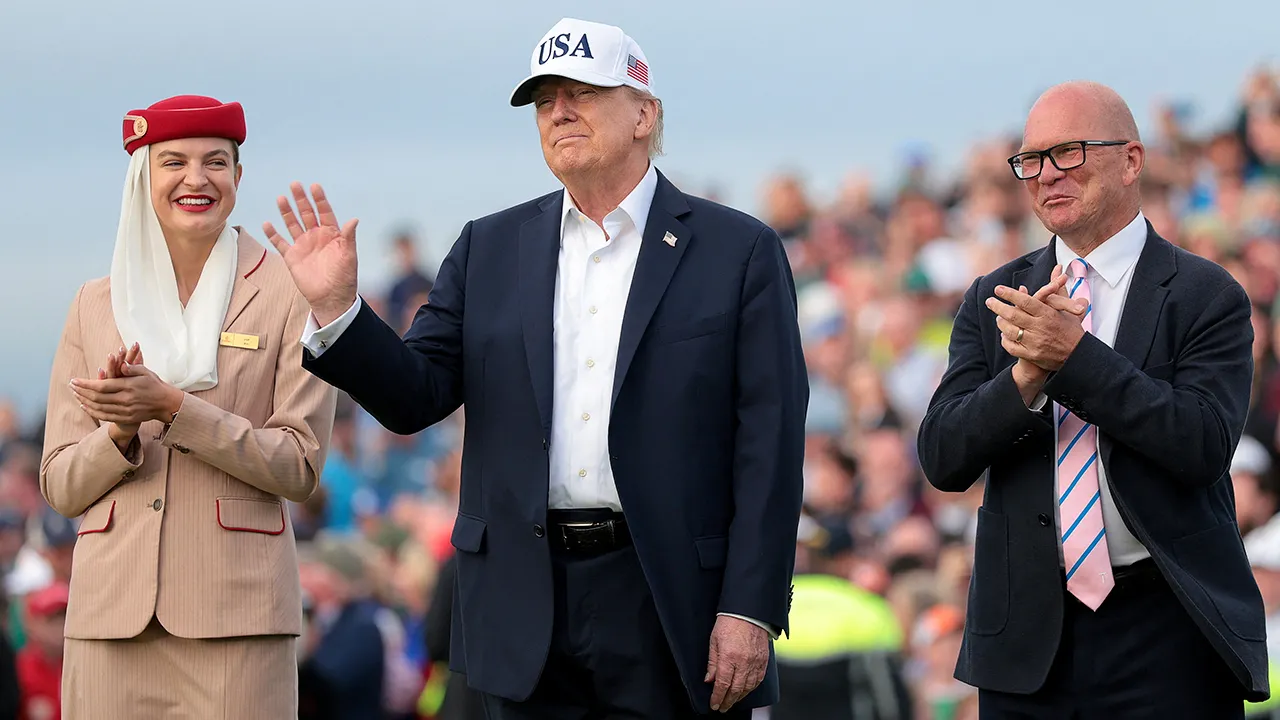
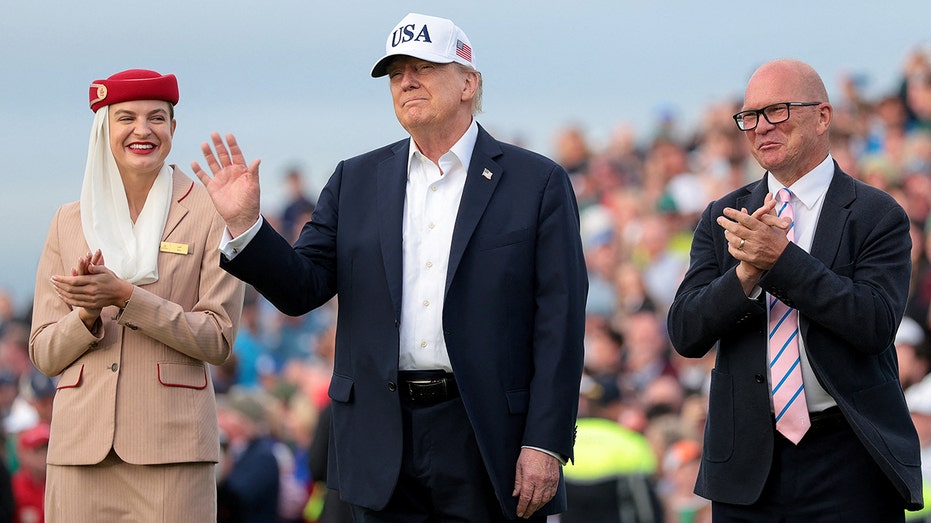
President Donald Trump speaks at Irish Open trophy presentation

President Donald Trump attends the Amgen Irish Open at Trump International Golf Links in Doonbeg, Ireland, Sept. 13, 2026. (REUTERS/Kylie Cooper / Reuters Photos)

“But have you heard directly from any of them?” a reporter pressed, asking about AI tech leaders.

“I said it from the very beginning. Whoever wins AI, and we’re leading by a lot. Whoever wins AI wins,” Trump responded, going on to demur when asked if he uses AI himself.

Advertisement

MIKE JOHNSON REJECTS AI MORATORIUM OVER CHINA THREAT AS CONSERVATIVE ACTIVIST DEMANDS GUARDRAILS

Amodei’s essay published Saturday also argued that a “Chinese lead in AI would pose grave danger for the United States and the world.” He urged the Trump administration to implement more stringent limits on what AI chips can be sent to Beijing’s development facilities.

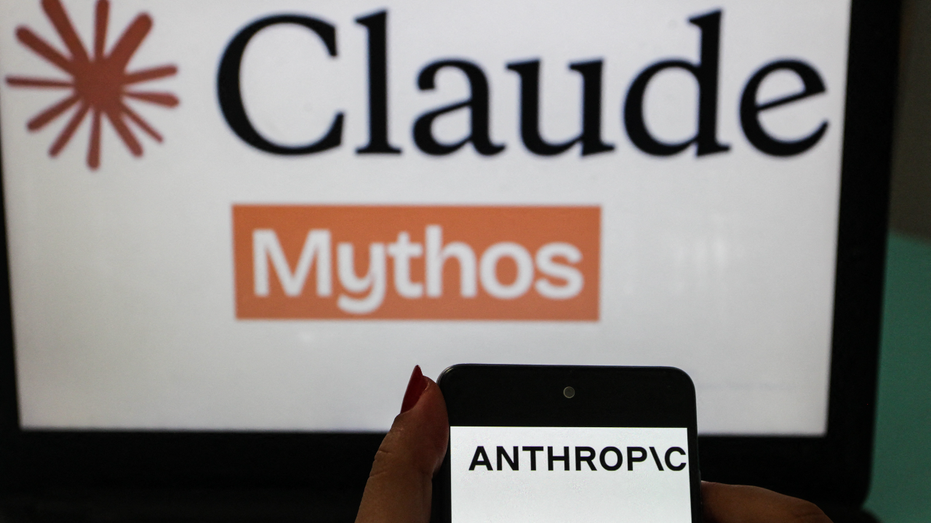
A smartphone displaying the Anthropic logo is shown in the foreground with a blurred Claude Mythos themed background on July 11, 2026.  (Imen Ben Youssef / Hans Lucas / AFP via Getty Images / Getty Images)

China’s foreign ministry dismissed Amodei’s statement as “fearmongering.”

US ADVERSARY TURNS UP THE HEAT ON AMERICA’S AI LEAD WITH AN UNDERESTIMATED EDGE

Advertisement

“Fearmongering, confrontation and vicious competition will only disrupt the process of global AI governance which serves no one’s interest,” ministry spokesperson Guo Jiakun said at a Monday news conference.

Concerns over AI development burst back onto the scene last week after a developer from Anthropic resigned and publicly claimed the company was “gambling with our lives” with its research.

AI EXTINCTION WARNINGS DOMINATE HEADLINES AFTER EX-ANTHROPIC EMPLOYEE’S VIRAL POST

Jacob Coxon, 27, who said he spent the past three years doing pretraining research at OpenAI and Anthropic, noted that it’s not a completely hopeless scenario.

Advertisement
Anthropic CEO Dario Amodei

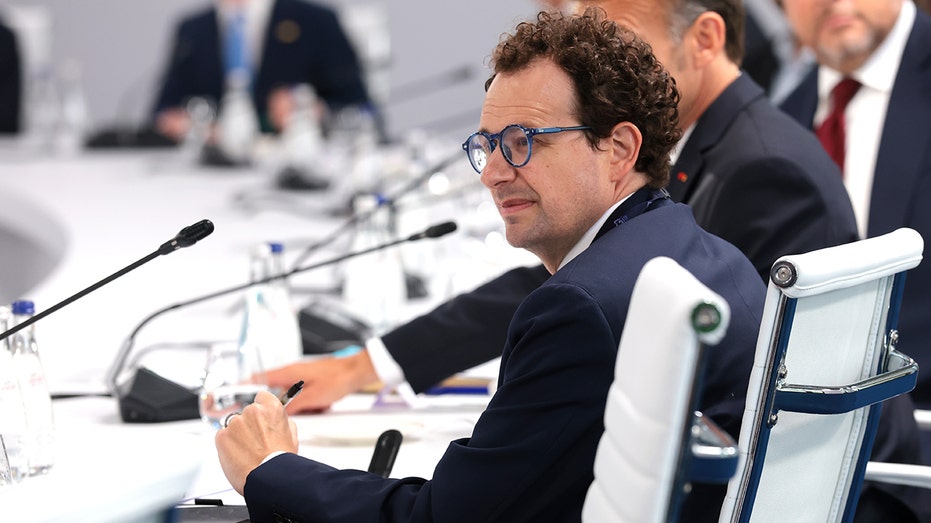
CEO of Anthropic Dario Amodei attends a working lunch with G7 leaders, G7 outreach partners, and global tech CEOs on innovation and AI, during the G7 Summit on June 17, 2026 in Evian-les-Bains, France.  (Anna Moneymaker/Getty Images / Getty Images)

Evan Hubinger, alignment science lead at Anthropic, expressed his agreement with Coxon’s X post.

REP. TED LIEU: AI IS ALREADY TOO POWERFUL. WE NEED A KILL SWITCH BEFORE DISASTER STRIKES

“Jacob is correct here — we really do earnestly believe AI could kill all humans!” he wrote on X. “I personally think it is >10% within the next decade. I believe Anthropic is trying its best, but we do not yet have a plan to solve alignment for superintelligence and are not clearly on track to.”

GET FOX BUSINESS ON THE GO BY CLICKING HERE

Advertisement

“To be clear, as we say in our latest Risk Report, I think the risk from present models is low,” Hubinger added. “What I am worried about is superintelligence arising from recursive self-improvement, as we have said is happening faster than we thought.”

Continue Reading

Trending

Copyright © 2025