Connect with us

Business

UBS to liquidate two ETFs citing profitability concerns

Published

on

Continue Reading
Click to comment

You must be logged in to post a comment Login

Leave a Reply

Business

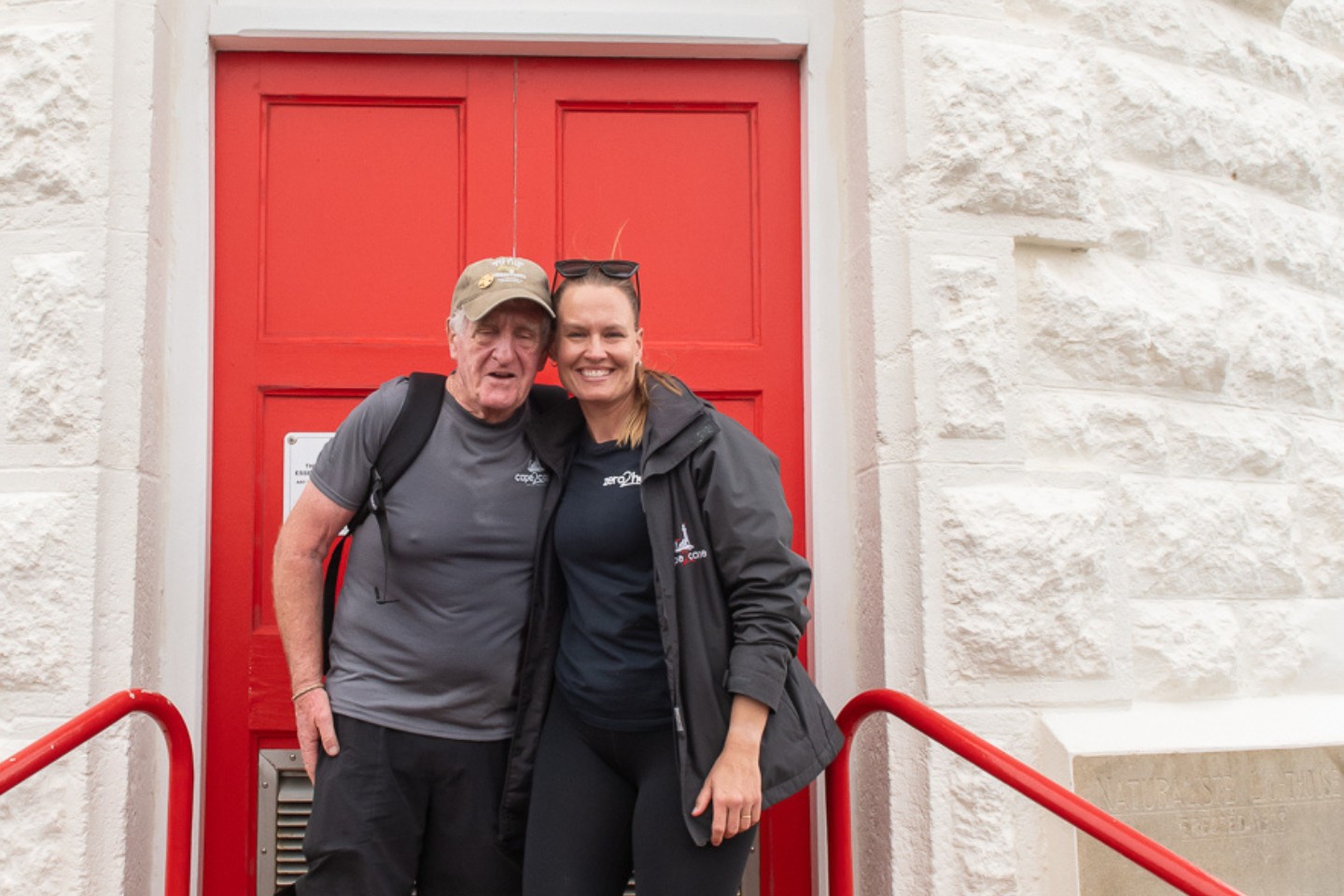
zero2hero nears $300k in business leaders’ trek

Published

on

zero2hero nears $300k in business leaders’ trek

Yes. Corporate subscriptions are available for teams and organisations, with discounted rates as user numbers increase. Pricing starts from $1,625 + GST per user.
Get in touch
to discuss the right option for your organisation.

Business News subscriptions are used by executives, investors, consultants and professionals who need to stay informed and make better decisions about the WA market. When you subscribe you’ll get

  • Unlimited access to WA’s most trusted business journalism
  • Data & Insights — detailed profiles of WA companies, people, projects and deals
  • MyBN — a personalised feed based on the companies, people and sectors you follow
  • Special publications and industry reports
  • Daily and weekly email newsletters

Data & Insights is a research tool built specifically for the WA market. It draws on more than 30 years of Business News reporting, updated regularly to reflect what’s happening now. Use it to:

  • Look up detailed profiles of WA companies, including financials, directors and ownership
  • Find decision-makers and track their career movements
  • Research live and completed projects across WA industries
  • Monitor deals, appointments and market activity
  • Access industry rankings and league tables

Data & Insights is updated daily by our dedicated research team, which uses the latest announcements, ASX filings and editorial coverage to keep our person, company, list and project records up to date.

Business News welcome all opportunities to make our dataset accurate, complete and current, so if you have an update request, please email the team at
general@businessnews.com.au, and we’d be happy to assist.

Advertisement

MyBN
is part of every subscription. It’s your personalised view of Business News. You can follow the companies, people, sectors and projects that matter to you, and get a news feed and alerts tailored to your interests. You can save articles to read later and retain only what you need.

Only subscribers have full access to all content on the Business News website.

Advertisement

If staying informed about the WA economy is part of your job, and/or you’re looking for networking opportunities in WA, Business News is built for you.

Business News subscribers are:

  • Executives and directors tracking competitors, clients and market movements
  • Investors and advisers researching companies, deals and industry trends
  • Consultants and professionals staying across sectors relevant to their clients
  • Business owners looking for leads, context and market intelligence

Most Business News publications cover national or global markets. Business News is focused entirely on Western Australia, which means the journalism, the data and the intelligence are all built around WA companies, people and projects — not adapted from a national feed. Data & Insights, included with every subscription, combines more than 30 years of WA-specific editorial research with live business data. There’s no comparable product for the WA market.

Advertisement

The Morning Digest Email provides a comprehensive wrap of the major headlines, relevant to WA business, and includes with a snapshot of the overnight news covering oil, gold and ASX-listed companies.

The Afternoon Wrap Email focuses on the news covered by our team of journalists during the course of the working day, including exclusive stories and analysis, all of which relates to WA business and the local economy.

The BN Weekender Email contains a wrap of the Business News from the week that was, highlighting the top stories in each area of WA business.
Sign up for free.

Advertisement

We’re happy to help.
Get in touch
and our team will come back to you.

Advertisement
Continue Reading

Business

New co-working space to open in former Bristol Waterworks building

Published

on

Business Live

Patch is opening its latest hub in the historic Armada House

Workspace provider Patch is opening at Armada House in Bristol's old city in November

Workspace provider Patch is opening at Armada House in Bristol’s old city in November(Image: Patch)

A workspace provider backed by the team behind Innocent Drinks is opening a base in Bristol in November. Patch’s new co-working hub will open at Armada House – an historic building in the old city that originally served as the offices for Bristol Waterworks Company.

Set across 13,000 sq ft just off Baldwin Street, the hub will have co-working studios, private offices, meeting rooms, large-scale event spaces and a rooftop lounge and terrace. It will also host a range of events including talks, workshops, industry gatherings and product launches, according to the company.

Advertisement

Patch Bristol will be the seventh site for the workspace firm, which already has hubs in Bournemouth, Gloucester, Twickenham, York, High Wycombe and Chelmsford.

Freddie Fforde, founder and chief executive of Patch, said: “Bristol has an incredible combination of entrepreneurial ambition, creativity and civic purpose.

“As our plans have developed, we’ve loved getting to know more of the founders, businesses and organisations shaping the city. We want Patch to become a home for that energy: somewhere people can build businesses, exchange ideas and start new collaborations.”

Built in 1903 as the headquarters of the Bristol Waterworks Company, Grade II-listed Armada House has been completely refurbished by Patch. The company says it has “reimagined” the property by adding “bold colour, contemporary design and beautifully crafted interiors”, while retaining original features.

Advertisement

“Bristol was a natural choice for Patch,” said Mr Fforde. “The city has an extraordinary concentration of creative talent, tech businesses, B Corps and climate innovators, alongside world-class universities and a thriving film and media sector with a global reputation.”

Patch’s backers include JamJar, the venture fund created by the team behind Innocent Drinks, alongside Active Partners and Matt Clifford CBE, co-founder of Entrepreneur First.

Patch will be led in Bristol by a local director and team.

Paloma Strelitz, creative director and head of product at Patch, said: “Bristol has an extraordinary crossover between entrepreneurship, creativity and culture. Some of the most interesting ideas emerge when people from different worlds connect. Patch can help join some of those dots, creating more opportunities for people and ideas to come together in the centre of Bristol.”

Advertisement
Continue Reading

Business

Global PMI Hint At Stubborn Inflation Amid Energy And Supply Chain Pressures

Published

on

Global PMI Hint At Stubborn Inflation Amid Energy And Supply Chain Pressures

Global PMI Hint At Stubborn Inflation Amid Energy And Supply Chain Pressures

Continue Reading

Business

Money Market Funds And CDs: Americans Pile On Low-Risk Investments Despite So-So Yields And Higher Inflation

Published

on

U.S. Money Markets: Slow Calm To Steady State

Money Market Funds And CDs: Americans Pile On Low-Risk Investments Despite So-So Yields And Higher Inflation

Continue Reading

Business

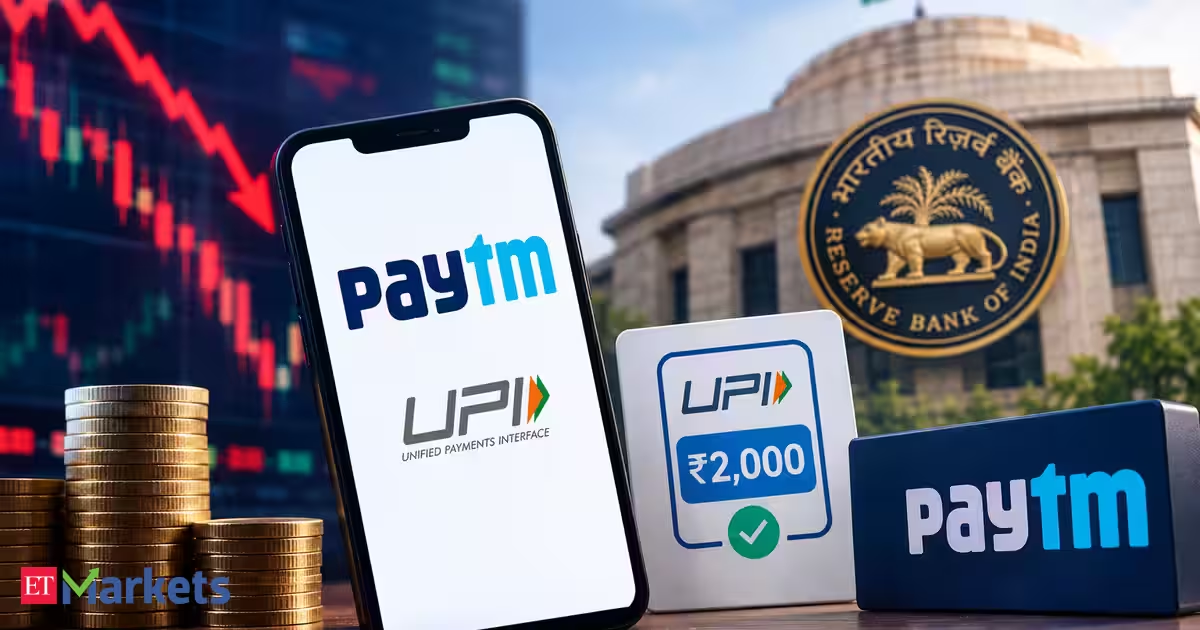
Paytm shares drop 3% after govt shields UPI payments only up to Rs 2,000 from charges. Should you buy the dip?

Published

on

Paytm shares drop 3% after govt shields UPI payments only up to Rs 2,000 from charges. Should you buy the dip?
Shares of One 97 Communications, the parent company of Paytm, dropped over 2.5% on Tuesday after the government directed banks and payment system providers not to levy charges on UPI transactions of up to Rs 2,000, leaving investors speculating about what happens to transactions above the said amount.

Paytm shares dropped to Rs 1,761.80 apiece on NSE on Tuesday morning. This comes a session after the stock hit a fresh 52-week high of Rs 1,840 apiece, nearly doubling in less than six months from its 52-week low of Rs 930.6 apiece which the stock had hit in March this year.

As per a gazette notification dated Monday, no bank or system provider would directly or indirectly impose any charge on a person making or receiving a payment through RuPay debit card or UPI transaction of up to Rs 2,000. However, the government did not specify whether charges would be applicable to transactions above Rs 2,000, to be paid by merchants. Currently, there are no charges levied on UPI transactions, irrespective of the amount.

Also read |Banks cannot impose charges on UPI payments of up to Rs 2,000, govt says

Advertisement

The latest notification comes after an amendment to the Payment and Settlement Systems Act, 2007, which provides a framework for imposing a Merchant Discount Rate (MDR) on payments through UPI and other notified electronic payment modes. The government in a statement explained the rationale for imposing charges, stating that with exponential transaction volumes, the system requires significant and continuous upgrades in cybersecurity, fraud prevention, and infrastructure.


Charges were required for market expansion and self sustainability, it said, adding that it is necessary to increase competition by encouraging more companies to expand operations, which requires a self-sustaining revenue model. Reliance on subsidies alone is not viable for the next wave of growth, and a balanced framework is required to ensure that UPI remains robust, inclusive and future-ready, the statement further said.

Why are Paytm shares falling today?

For nearly seven years, UPI became more and more popular as a transaction could be made so quickly without paying any additional charges. By specifically shielding UPI payments only up to Rs 2,000, the government has created the legal and regulatory space for a merchant discount rate, or MDR, to be eventually imposed on selected higher-value merchant transactions. No such charge has yet been announced.The government has however repeatedly clarified that UPI will remain free for citizens and person-to-person transactions will continue without charges. If MDR is introduced, it would only apply to a limited section of merchant transactions, above a specified threshold, and at a rate substantially below typical debit or credit-card MDR.

Finance Minister Nirmala Sitharaman has said any MDR would apply to merchants and not end-users, arguing that revenues generated within the payments ecosystem would enable banks and fintech companies to invest further in infrastructure, innovation and security.

While discussing the costs of digital-payment infrastructure, RBI Governor Sanjay Malhotra in August said, “Someone has to pay the cost”. He stressed that the RBI wants digital payments to remain accessible, affordable and safe, but also sustainable.

Advertisement

Also read | UPI charges above ₹2000? Government opens door to new merchant fee regime

Should you buy, sell or hold Paytm share price?

Jefferies recently increased its price target for the stock to Rs 2,100 apiece from Rs 1,600 apiece, while maintaining its ‘Buy’ call. The international brokerage highlighted that Paytm stands out on monetisation of its client base in near-zero MDR regime, which is now changing favourably. The fintech platform’s 4.9 crore merchant base and strong loan-origination model should drive 25% revenue CAGR over FY26-29, which, along with operational synergies will aid sharp rise in EBITDA and profit, it added.

Initiative in credit on UPI, cloud AI inference models, wealth offering and foray into overseas markets can lift growth, the international brokerage said, as it increased earnings estimates for FY28-29 by 20-25% to factor 25 bps MDR on UPI.

Bernstein recently named Paytm its top pick, citing robust merchant lending growth, operating leverage and the potential introduction of MDR on UPI as key drivers of earnings growth.

Advertisement

With a target price of Rs 2,200, Bernstein expects Paytm’s EPS to reach Rs 78 by FY29. Even after excluding any potential impact from MDR on UPI, its FY29E EPS estimate stands at Rs 54, still above the Rs 46 consensus estimate.

Also read | Jefferies’ 25% CAGR club: Paytm, Groww among 5 financial stocks that can deliver up to 25% returns

Disclaimer: This article has been written by Debaroti Adhikary, who is not a SEBI-registered Research Analyst or an Investment Adviser. Debaroti Adhikary and his/her ‘relative(s)’ (as defined under Section 2(77) of the Companies Act, 2013) do not hold any financial interest in the companies mentioned in this article as of the date of publication. The views/recommendations mentioned in this article, wherever applicable, are those of the respective SEBI-registered Research Analyst/brokerage and have been reproduced/reported with due attribution. They should not be construed as the views or recommendations of The Economic Times Digital or the journalist. Readers are advised to consider the original research report and make their investment decisions based on their own assessment. Brokerage disclaimers here.

Advertisement
Continue Reading

Business

State pension likely to rise by 3.9% next April

Published

on

Jack Clark, a man with short brown hair, dressed in a blue coat

The state pension is likely to rise by 3.9% next April, according to the latest jobs and pay data.

Under the triple lock pension guarantee, an increase is based on either average wage growth, inflation or 2.5% – whichever is highest.

Average wage growth between May and July slowed, according to the Office for National Statistics.

The number of vacancies in the UK shrank while the number of people claiming unemployment benefits rose.

Advertisement
Continue Reading

Business

U.S. Leads Developed Economy Growth To Fastest Rate For Over 4 Years

Published

on

U.S. Leads Developed Economy Growth To Fastest Rate For Over 4 Years

PMI - acronym from wooden blocks with letters

Roman Didkivskyi/iStock via Getty Images

PMI survey data from S&P Global showed worldwide economic growth accelerating further in August, led by the fastest growth among the advanced economies since early 2022. Advanced economy growth was led by the US, but growth has

Continue Reading

Business

Bond Vigilantes Smell Blood In The Water

Published

on

Treasury Yields Snapshot: July 31, 2026

Bond Vigilantes Smell Blood In The Water

Continue Reading

Business

High mortgage rates to keep US housing market revival elusive: Reuters poll

Published

on


High mortgage rates to keep US housing market revival elusive: Reuters poll

Continue Reading

Business

How Streaming Platforms and Social Media Are Changing the Economics of Sports Coverage

Published

on

computer monitor work from home

Sports coverage used to run on a plain deal: networks paid leagues, sold ad slots, and hoped a final round or derby kept viewers through the break. That deal is cracking. Netflix tests live events, Amazon buys Thursday night football, and TikTok turns a ten second dunk into a sales pitch before the postgame show starts. The same pattern shows up beside sport in other paid markets. One short clip can sell a subscription, a jersey, or a gambling prompt before anyone reads a match report. No editor can ignore that. In search data, paysafecard casinos frame how fans deposit with paysafecard before an online casino visit, which tells publishers one thing: payment comfort changes what people click. Attention is money. Another clue comes from games: demo https://www.onlinecasino.si/igralni-avtomati pages for slot machines teach media teams that sampling, replay, and quick loops make spending feel easier. Sports rights owners noticed. They now sell clips, creator access, team channels, betting feeds, and behind the scenes video as separate products, not scraps left after a broadcast.

Rights fees split into smaller packets

The old broadcast bundle hid a lot inside one price. A league sold a full season, a network filled weekends, and sponsors paid for reach. Streaming breaks that into pieces. A platform wants one marquee game, one shoulder show, one archive library, or one player documentary.

Small slices change bidding. Apple can buy Major League Soccer worldwide because it sells the package inside its own store. Amazon values NFL games because Prime members shop more after watching. YouTube pays for Sunday Ticket, then studies searches, signups, and cancellations in the same account graph. That data has cash value, even without a thirty second ad.

Clubs gain new rooms to rent. Training cam. Spanish audio. Youth matches. A paid Discord with a retired captain. None replaces the main rights cheque yet, but each line helps a finance director defend a higher wage bill.

Advertisement

Ads follow the fan, not the channel

Linear television sold broad audiences. A beer brand bought men aged 18 to 49 during halftime, then accepted waste as part of the bill. Social video is less patient. Meta, Snap, and TikTok sell by interest, location, watch time, and recent clicks.

The price model changes too. A sponsor can pay for completed views on a goals package, then retarget people who watched 75 percent of it with a jersey discount. It feels clinical. Still, clubs like the math because a sponsor sees a route between clip and cart.

This hurts mid sized broadcasters. They once owned the local sports audience by default. Now a striker with six million Instagram followers can sell a boot launch faster than a regional network can book a studio guest. The ad money follows proof, and proof now sits in dashboards, not overnight ratings.

Creators turn access into a media asset

A sideline reporter used to wait for permission. A creator with a phone waits for a door to open. The gap sounds small, but the economics are different. Credentialed influencers film arrival outfits, bench chatter, recovery meals, and five seconds of a star laughing with a kit manager.

Advertisement

Teams pay attention because those clips carry a softer sell. A creator video looks less like inventory and more like proof that the club has a culture worth joining. Sponsors like that texture. So do younger fans who rarely sit through a full pregame show.

There is risk. One awkward tunnel clip can anger a coach or reveal a set piece note on a whiteboard. The best clubs write strict rules: no medical rooms, no tactical boards, no minors without consent. Then they measure sales, watch time, and follower growth like any other campaign.

Live chat makes coverage shoppable

Live sport has always been social. The difference is the cash register now sits beside the comments. A viewer can tap a poll, buy a scarf, tip a creator, join a fantasy contest, or enter a sponsor draw without leaving the stream.

This rewires production. Commentators pause for fan questions. Producers build vertical replays for phones. Graphics teams prepare QR codes and odds warnings before kickoff. Even a rain delay becomes inventory if the host can keep chat moving for twelve minutes.

Advertisement

The hard part is trust. Too many prompts make a match feel like a mall kiosk. Smart publishers limit the ask. One sponsor tag during team news. One shop link after a goal. One paid sticker pack for a derby week. The money is smaller per action, but the count is visible, and finance teams love visible counts.

What the next rights deal will test

The next big contract will ask a blunt question. Is exclusivity worth more than reach? A league that sells every match to one paid app gets a clean cheque and tight data. It also risks hiding young stars behind another password.

Some owners now prefer a ladder. Free highlights on TikTok within minutes. A weekly YouTube magazine. Regional radio for older fans. Premium live matches on a paid service. Archive games in an app during the offseason. Each rung serves a different habit, and each has its own sponsor price.

Newsrooms feel the pressure first. Reporters must cover the match, clip the quote, host a live blog, record a podcast, and appear on camera before midnight. That workload is real. It needs editors, templates, rights clearance, and rest days, not just enthusiasm.

Advertisement

The smartest sports companies will stop treating coverage as one show. They will price moments. A transfer rumor has a shelf life of hours. A cup final save can sell for years. A local academy story earns trust, even if it never trends. No spreadsheet will catch all of it, but a rough map beats guessing in June alone. The practical move is simple: map every piece of coverage to a buyer, a fan habit, and a shelf life before the next season starts.

Continue Reading

Trending

Copyright © 2025