Connect with us

NewsBeat

Endangered marine life is being caught in fishing nets, but it doesn’t need to be

Published

on

Endangered marine life is being caught in fishing nets, but it doesn’t need to be

Hundreds of thousands of marine animals are killed every year after becoming accidentally caught in commercial fishing nets. Sharks, skates and rays are at particular risk, alongside turtles, seals, whales and dolphins, many of which are endangered.

Much of this problem comes down to the design of fishing nets and how they are used. Particularly damaging are tangle nets, which typically use large mesh sizes and large amounts of slack that can indiscriminately catch anything that crosses their path. They are also typically left in the water for long periods and only checked every one to ten days.

A new four-year study from Ireland’s national Marine Institute highlights the particular problem the nets are causing in Ireland. Legally protected seals, for instance, are regularly caught in this type of net, widely used by the Irish fishing industry including in the country’s only marine national park.

Tangle nets were first introduced to Ireland in the early 1970s. This was to help boost the competitiveness of the Irish crayfish fishing sector and provide an alternative method to the traditional pot-based method that was used up to that point.

Advertisement

But tangle nets are known to potentially harm a variety of species. The estimated impact from the latest report (covering 2021-2024) about what the nets had caught was stark:

• 1,161 nationally protected grey seals

• 81 critically endangered angel sharks

• 1,712 critically endangered flapper skate

Advertisement

• 532 critically endangered tope sharks

Other species caught included the endangered white skate and undulate ray, as well as rarer records of common and Risso dolphins. Catches varied throughout the study region, and included Ireland’s marine national park in County Kerry. It is unclear whether similar numbers are seen in other fishing areas throughout Ireland.

The report argues for the reduction of these accidental catches to “safe biological limits”, but acknowledges that there probably is no safe limit for several of the shark and skate species given their conservation status and their approach to reproduction.

The documented numbers of catches is particularly concerning for the species’ designated as critically endangered by the International Union for Conservation of Nature. This classification stipulates an extremely high risk of extinction in the immediate future. Unlike many bony fish such as cod, tuna and salmon, sharks, skates and rays tend to mature slowly (often at more than ten years of age), have long gestation periods, and only produce a few young every year or two.

Advertisement

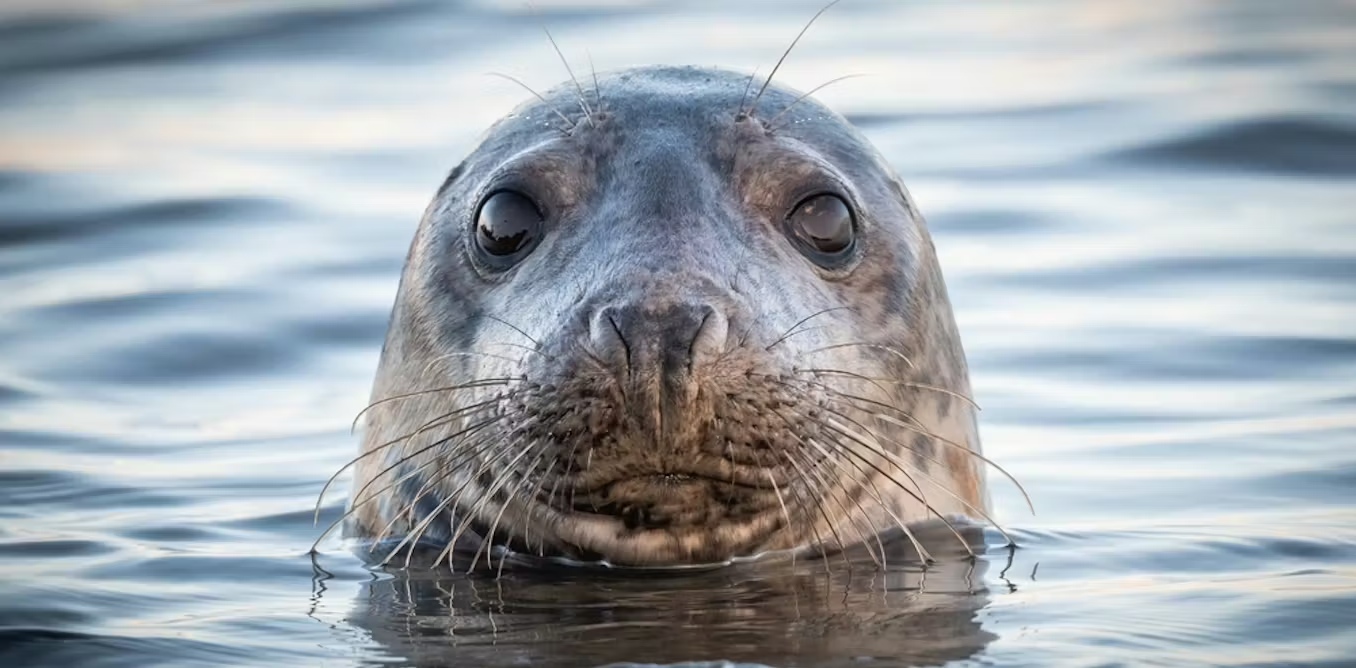
Rays and sharks are getting entangled in fishing nets.

This makes it very difficult for them to recover if anything causes their populations to decline. The angel shark is a good example – once widespread throughout the north-east Atlantic, it has suffered drastic declines across its range, and the species is now locally extinct throughout much of Europe.

There are few remaining strongholds for the species, but County Kerry is one of the last northerly refuges for angel sharks. With so few left in the wild, numbers caught in Ireland’s tangle net fishery are a significant concern at a global level.

Fisheries at a turning point?

Irish commercial fishers are facing a challenging future, with a number of recent restrictions to activities and quotas creating severe pressure on numerous businesses and communities around Ireland , and closing the crayfish fishery would be another blow.

Advertisement

But there is a suitable and straightforward low-impact alternative to the tangle net, which is to fully return to the traditional pot fishery to target crayfish.

Currently in Ireland some fishers still use these pots, and others a combination of pots and nets. Pots are typically netted, baited cages with a narrow-funneled opening designed to only catch the target species with a minimal footprint when landing on the seabed and low risk of harm to the endangered and protected species documented in the Kerry report.

The report clearly states the urgent need of phasing out tangle nets, and highlights an upcoming Marine Institute report focusing on economic considerations supporting a complete switch from nets to pots. The current report suggests this is the “optimum solution”. And it adds that trials using the pots showed equivalent catches.

Fishing is an integral part of Irish culture, and the need for a fair transition with appropriate support is repeatedly highlighted as essential for effective marine conservation.

Advertisement

What happens next in Kerry is probably going to be influenced by proposed legislation relating to how Ireland’s marine landscape is managed. The potential introduction of the Marine Protected Area and Nature Restoration laws, currently being debated, are aimed at protecting and restoring marine biodiversity, and may soon change how fishing is carried out in Irish waters.

Examples from around the world show that it is possible to change the type of fishing nets used to protect marine life. Gillnets (which capture fish by entangling then around the gills) have been almost completely phased out in Australia’s Great Barrier Reef marine park due to risks to animals including dolphins and turtles. Large scale drifting gillnets were banned in the European Union more than 20 years ago due to similar concerns.

The deaths of the world’s most sensitive marine animals documented in the tangle net report highlight the urgency of how fishing needs to change globally, while also protecting the livelihoods of an industry important to coastal communities.

Advertisement

Source link

Continue Reading
Click to comment

Leave a Reply

Your email address will not be published. Required fields are marked *

NewsBeat

How to get rid of mould and condensation in five minutes with ‘free’ method

Published

on

Manchester Evening News

Consumer champion Which? has shared a simple German ventilation hack to tackle damp, which is a simple and affordable method that helps fight off any mould in your property

Winter is often the worst time of the year for damp and mould in affected homes. Caused by excess moisture, the problem is exacerbated when the temperature drops and people spend more time indoors with the windows and doors closed. However, people have now been left stunned after learning about a ‘free’ method that helps to banish and prevent mould growth in your home in five minutes.

Which?, the UK’s leading consumer advocate that evaluates products and services, has brought the technique to public attention through social media. The organisation posted a video on Instagram showcasing the German Stoßlüften method to fight off and prevent mould, which requires opening every window in your property for five minutes, two times a day.

Advertisement

The term Stoß means ‘shock’ while lüften translates to ‘ventilation’, making this a shock ventilation strategy. It represents an inexpensive, straightforward and accessible solution for addressing mould issues within your property.

During the Instagram video, the Which? representative explaining Stoßlüften remarked: “Have you got a damp house? Well this is what the Germans would do about it and it’s basically free.

Content cannot be displayed without consent

“Some ways of conquering damp can be expensive or require a fair bit of DIY. Germans have a great habit that anyone can get into: Stoßlüften, literally shock ventilation.

“Wrap up warm, run around the house and open all your windows wide for five minutes twice a day. Yes, even in the freezing cold!”

Advertisement

The presenter elaborated: “The warm, damp air in your home will quickly get replaced with cold, dry air. When you’re sealed back up again the temperature should quickly get back to comfortable but now the moisture in the air is banished and won’t be condensing in damp patches on your walls and windows.”

The post was captioned: “This simple German hack will help you tackle damp and mould without spending a penny.”

The Instagram clip has garnered 3.5 million views, 37,000 likes and close to 1,000 comments, as people shared their bafflement by how easy the hack was.

One viewer remarked: “What great advice. I have a German/Dutch brother in law and a very good German friend and they always sleep with the bedroom window open.”

Advertisement

Someone else chimed in: “The lung clinic at my chronic asthma hospital team also recommend this – get them windows open!” A third person who’s tested the method wrote: “Done this for years, in a council block, that has huge issues with damp and mould. Works perfectly and really is a life saver.”

Numerous Instagram users sharing their experiences in the comments revealed that Stoßlüften has proved effective for themselves or relatives who’ve given it a go. A cottage dweller explained: “I open my windows every day all year. I live in a very old cottage with no damp proof course. And no damp at all inside. So it works. I’ve always needed fresh air. Glad I’m doing something right.”

That said, a number of UK-based Instagram users expressed doubts about its effectiveness in Britain. One pointed out the “air in England isn’t dry, it’s damp, especially at the minute”.

This sentiment resonated with many others.

Advertisement

Another user disputed this claim, offering clarification: “A lot of people in the comments seem to mistakenly believe that the cold air outside their house is as humid (or even more humid) than the warm air inside their house. This isn’t true: cold air has a much lower carrying capacity: it can’t hold as much water vapour as warm air.”

They continued: “When you open your windows, the dense cold air flows into the house replacing the less dense warm air (which is driven outside). This means that you have replaced warm air with a high moisture content with cold air with a lower moisture content.”

The explanation went on: “As that cold air warms up inside your house it absorbs moisture from surfaces and materials. Doing this multiple times a day will therefore move moisture from inside your house to outside your house.”

Which? then posted a follow-up video addressing viewers who argued that Britain’s damp climate would render window opening ineffective against mould.

Advertisement

In the clip, their spokesperson described this as a “confusion between relative humidity and absolute humidity”.

Using a visual aid of two water glasses – one small and filled to the brim, another larger but containing less liquid – he illustrated the concept.

Gesturing to the smaller vessel, he explained: “This very full glass is like the air outside on a cold day. It’s at 95% capacity. It is holding as much water as it’s capable of holding but warm air can actually hold almost twice as much in a house compared to the cold air outside.”

Source link

Advertisement
Continue Reading

NewsBeat

Met Office pinpoints exact day we can expect 13C temperatures and bright sunshine

Published

on

Wales Online

This year has seen prolonged periods of rain and snow but that could change next week according to weather maps

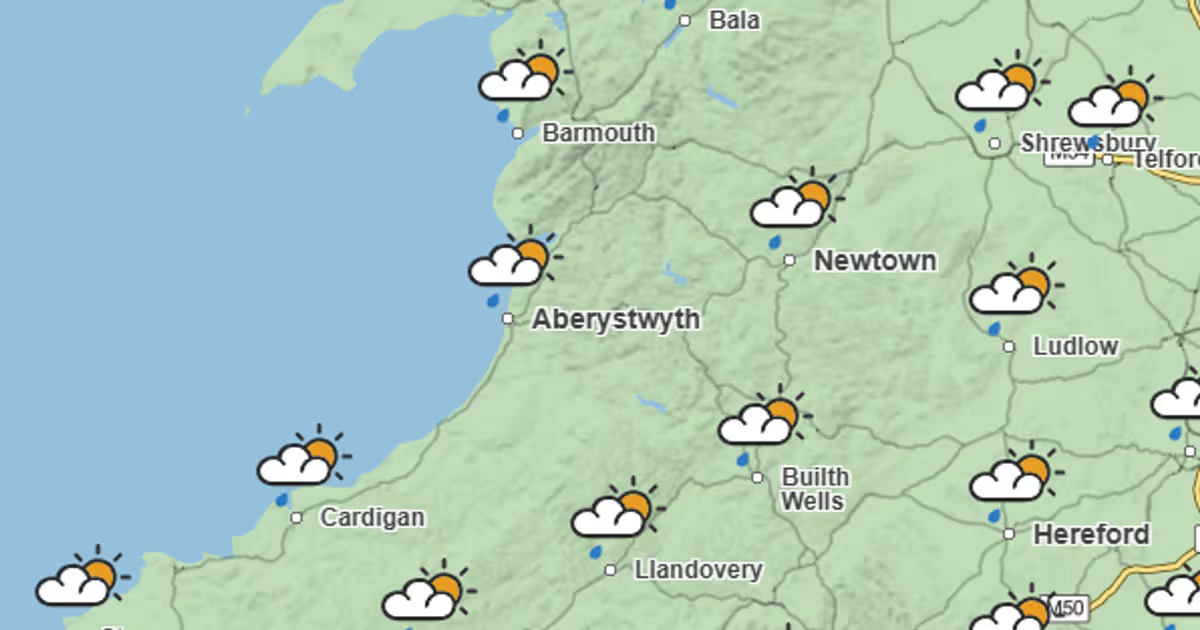
After months of rain and snow dominating the weather in Wales so far this year, many people will be happy to know that the Met Office has forecast warmer temperatures paired with sunshine next week. Temperatures across the UK will reach double digits this weekend with it only getting warmer up until Wednesday, February 25.

Advertisement

Met Office weather maps show sunshine and highs of 13C for Wednesday after a mild but wet weekend across Wales.

The long range forecast for the UK from Tuesday, February 24 to Thursday, March 5 states: “Broadly changeable during this period with Atlantic frontal systems moving across the country and shorter dry and bright interludes in-between. Rain and showers typically heaviest and most frequent in the west, with more sheltered eastern areas seeing much smaller amounts of rain.

“Often windy with a chance of gales at times. Temperatures well above average at first, likely falling closer to average towards the end of February and into March, perhaps briefly cold enough for some wintry showers or even snow in upland areas of the north. A very small chance of more settled weather by the end of the period.”

In January it rained every day in south Wales and parts of England, so a welcome break from the downpours could be celebrated. For our free daily briefing on the biggest issues facing the nation sign up to the Wales Matters newsletter here.

Advertisement

Some areas in Wales will see showers on Wednesday morning, turning brighter throughout the day before rain returns again in the evening.

Areas across the region will see the temperatures rise to double digits, warmer than usual for this time of year in Wales.

By 12pm the whole of Wales is expected to have sunshine with clouds and it should mainly stay dry.

Places including Wrexham and Monmouth will see highs of 13C along with the rest of the country feeling temperatures rise to 11C and 12C from midday.

Ensure our latest news and sport headlines always appear at the top of your Google Search by making us a Preferred Source. Click here to activate or add us as Preferred Source in your Google search settings

Source link

Advertisement
Continue Reading

NewsBeat

Urgent action needed to stop further deaths at Welsh beauty spot

Published

on

Wales Online

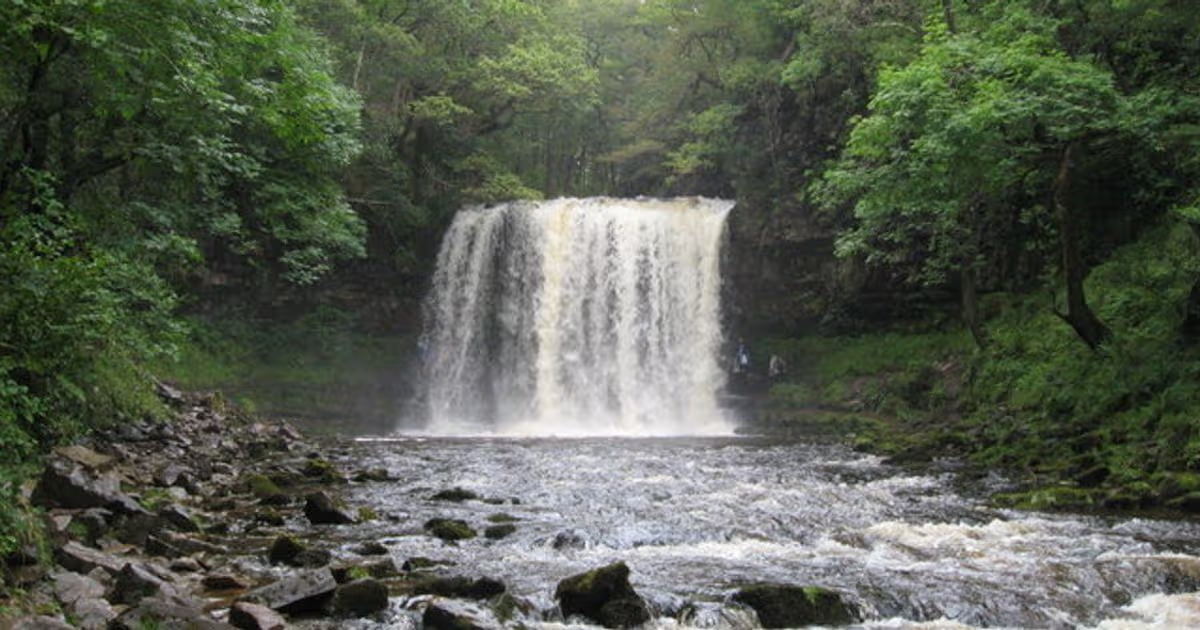
Three people died in an area known as ‘Waterfall Country’ in Bannau Brycheiniog within the space of just 18 months

A coroner has warned that people will continue to die at a Welsh beauty spot popular with walkers unless action is taken to improve safety by three Welsh councils and two other organisations.

Advertisement

Married couple Helen and Rachael Patching died in an area known as ‘Waterfall Country’ in Bannau Brycheiniog National Park in 2023, less than 18 months before Corey Longdon fell and died in a nearby spot. A combined inquest into the three deaths was held at Pontypridd Coroners’ Court last month, when Rachel Knight, Assistant Coroner for South Wales Central, heard details of the two separate incidents.

Ms Knight recorded formal conclusions of “accidental death” in all three cases and confirmed that she would be issuing a new Regulation 28 Report which would be sent to Bannau Brycheiniog National Park Authority, NRW, Neath Port Talbot Council, Rhondda Cynon Taf Council, and Powys Council.

You can read a full report from last month’s inquest here. Don’t miss a court report by signing up to our crime newsletter here.

That report has now been published and sent to the parties mentioned above.

Advertisement

In it, Ms Knight wrote: “On January 22 I held a hearing where three inquests were conjoined as they all raised the same issue.

“The inquests related to the deaths of Helen Patching, Rachael Patching and Corey Longdon.

“All three died accidental deaths within the area known as Waterfall Country within Bannau Brycheiniog National Park. During the course of the inquest the evidence revealed matters giving rise to concern.

Advertisement

“In my opinion there is a risk that future deaths will occur unless action is taken. In the circumstances it is my statutory duty to report to you.”

Ms Knight went on to highlight the “matters of concern” as follows:

  • “There is a high rate of accidents, including some fatal accidents, from trips and slips in the area known as Waterfall Country.”
  • “A previous Prevention of Future Death report has led to the erection of signage concerning the risk of drowning in the water itself. However, the current signage provision does not adequately address the significant additional risk of accidental falling. Many walkers fail to understand the official routes, closed and open paths and the significant risks they face.”
  • “Serious and fatal accidents will continue to occur unless these risks are addressed.”
  • “Mobile telephone signal is poor to non-existent in certain more remote areas, which creates delay in alerting emergency services when accidents do occur.”

Ms Knight wrote “in my opinion action should be taken to prevent future deaths and I believe you and your organisation have the power to take such action”.

The chief executives of Bannau Brycheiniog National Park Authority, NRW, Neath Port Talbot Council, Rhondda Cynon Taf Council, and Powys Council are under a duty to respond to the Regulation 28 report by June 9 with “details of action taken or proposed to be taken, setting out the timetable for action”.

A copy has also been sent to the families of Helen Patching, Rachael Patching and Corey Longdon.

Advertisement

Get daily breaking news updates on your phone by joining our WhatsApp community here. We occasionally treat members to special offers, promotions and ads from us and our partners. See our Privacy Notice.

Source link

Continue Reading

NewsBeat

Good Luck, Have Fun, Don’t Die review: This movie just seriously bummed me out

Published

on

Good Luck, Have Fun, Don't Die review: This movie just seriously bummed me out
Good Luck, Have Fun, Don’t Die is a depressingly realistic film (Picture: Everett/Shutterstock)

Sam Rockwell playing an eccentric time traveller from the future on a righteous crusade to save us all from AI slop and the nonsense of social media is a strong premise for a film.

In Good Luck, Have Fun, Don’t Die Oscar winner Rockwell seems primed for success by Pirates of the Caribbean filmmaker Gore Verbinski’s first movie in almost a decade, penned by author, director and Ricky Gervais collaborator Matthew Robinson (The Invention of Lying).

But the film seems to let its ambitions to take down the evils of technology in one fell cinematic swoop slightly get the better of it, resulting in a sprawling story with uneven characters and a lack of focus.

It’s also borrowed pretty heavily from the likes of Groundhog Day and Terminator 2: Judgment Day.

Advertisement

I did, however, have fun with some of the stand-out story arcs and Good Luck, Have Fun, Don’t Die’s wilder swings – even if its doom-and-gloom (yet entirely unfanciful) predictions for the future bummed me out.

The film kicks off with Rockwell making a dramatic entrance to a diner as his unnamed man from the future, warning all the patrons of what will happen – as he can attest to, not that we get much detail – if they continue to allow social media to ‘rob people of their dignity’.

To view this video please enable JavaScript, and consider upgrading to a web
browser that
supports HTML5
video

Advertisement
This image released by Briarcliff Entertainment shows Sam Rockwell, center, in a scene from "Good Luck, Have Fun, Don't Die." (Briarcliff Entertainment via AP)
Sam Rockwell is compelling as always in his role as a man from the future determined to save humanity from itself (Picture: Briarcliff Entertainment via AP)

Ranting and raving that ‘humanity can be saved’ from the dangers of AI if people join his mission right now, while scraggily bearded and rigged up with a homemade bomb vest, is an entertaining premise that Rockwell makes the most of.

As he explains, this is his 117th time delivering this rousing call to arms in the hopes of finding the right combination of people to help him save humanity. Here, Rockwell is able to unleash his charisma as a performer: he shows off his prior knowledge of the patrons – their names, the fact one couple is on a first date, and he even kisses one woman.

He’s compelling as always, but it’s the type of role Rockwell could do in his sleep – and he’s has had better material to work with before.

With a lot of wrangling – there aren’t many volunteers – his future man ends up with a motley crew of recruits, including married teachers Mark and Janet (Michael Peña and Zazie Beetz), grieving mum Susan (Juno Temple), Uber driver Scott (Asim Chaudhry, struggling to sound – I think – American) and Haley Lu Richardson’s Ingrid, a professional party princess who’s allergic to Wi-Fi and electronic devices.

Advertisement
This image released by Briarcliff Entertainment shows Juno Temple in a scene from "Good Luck, Have Fun, Don't Die." (Briarcliff Entertainment via AP)
Juno Temple is another stand -out as a mother who cloned her son (Picture: Briarcliff Entertainment via AP)

Good Luck, Have Fun, Don’t Die: Key details

Director

Gore Verbinski

Writer

Matthew Robinson

Cast

Sam Rockwell, Haley Lu Richardson, Juno Temple,  Michael Peña, Zazie Beetz, Asim Chaudhry, Tom Taylor, Riccardo Drayton 

Age rating

15

Run time

2hr 14m

Advertisement

Release date

Good Luck, Have Fun, Don’t Die will be released in UK and Irish cinemas on Friday, February 20.

No Merchandising. Editorial Use Only. No Book Cover Usage. Mandatory Credit: Photo by Everett/Shutterstock (15920948k) GOOD LUCK, HAVE FUN, DON'T DIE, Haley Lu Richardson, 2025. ? Briarcliff Entertainment /Courtesy Everett Collection Good Luck, Have Fun, Don't Die - 2025
The film is a rage against the AI machine, although it struggles with consistency and focus (Picture: Everett/Shutterstock)

From here the film flits between vignettes for the people on the team, sharing their experience with tech and how it’s ruined their lives, and the mission they’ve been yanked in for.

Some are much stronger than others, with Temple’s Susan (a heartbreakingly nuanced performance) given a scenario that could have been an entire movie by itself as she’s invited to make a clone of her son with AI after he’s killed in a school mass shooting.

Advertisement

Not only is she able to customise his temperament for the 2.0 version but she even meets parents at an event who are several clones in on their daughter as she keeps being gunned down. In a twisted way of managing their trauma, they’ve decided to make the latest version of their child ‘freakishly tall’ and ‘a little bit racist’ while she’s here.

Richardson’s segment is the other with most promise as Ingrid battles her natural sensitivity while her partner (Tom Taylor) sinks under the insidious influence of a VR headset.

No Merchandising. Editorial Use Only. No Book Cover Usage. Mandatory Credit: Photo by Everett/Shutterstock (15920951c) GOOD LUCK, HAVE FUN, DON'T DIE, 2025. ? Briarcliff Entertainment /Courtesy Everett Collection Good Luck, Have Fun, Don't Die, 2025
Some of the vignettes of characters recruited in Verbinski’s movie could have formed the basis for a separate film altogether (Picture: Everett/Shutterstock)
No Merchandising. Editorial Use Only. No Book Cover Usage. Mandatory Credit: Photo by Everett/Shutterstock (15920948c) GOOD LUCK, HAVE FUN, DON'T DIE, from left: Asim Chaudhry, Zazie Beetz, Haley Lu Richardson, Michael Pena, Juno Temple, 2025. ? Briarcliff Entertainment /Courtesy Everett Collection Good Luck, Have Fun, Don't Die - 2025
Asim Chaudhry, Zazie Beetz, Haley Lu Richardson, Michael Pena and Temple as the supporting cast in Good Luck, Have Fun, Don’t Die (Picture: Everett/Shutterstock)

Meanwhile their mission with Rockwell’s character continues, encompassing baddies in pig masks, an army of phone-addicted youths and a creepy mound of wires. And this is before I even mention the giant cat-horse creature with a long neck that pees and spews glitter, which is sinister enough before you even discover its cannibalistic tendencies.

At two and a quarter hours Good Luck, Have Fun, Don’t Die is too long and becomes convoluted as it struggles with which direction to take.

The muddled final act also prevents it sticking the landing – with further developments harking back too closely to Terminator 2 again.

Advertisement

Verdict

Good Luck, Have Fun, Don’t Die is not the revolutionary film I was ready for it to be. While there are parts to admire, including the performances of Rockwell and Temple, this movie doesn’t make a satisfying and cohesive whole.

Good Luck, Have Fun, Don’t Die is in cinemas from today.

Advertisement

Got a story?

If you’ve got a celebrity story, video or pictures get in touch with the Metro.co.uk entertainment team by emailing us celebtips@metro.co.uk, calling 020 3615 2145 or by visiting our Submit Stuff page – we’d love to hear from you.

Advertisement

Source link

Advertisement
Continue Reading

NewsBeat

Yarm residents awake to electric car cables cut and stolen

Published

on

Yarm residents awake to electric car cables cut and stolen

Police were alerted shortly after 7am to reports of electric car cables being cut and stolen on Tangmere Road in Yarm and enquiries are underway.

One woman, who has lived on the estate for seven years, said she woke up and saw a post on Facebook warning residents to check their cables.

Police were alerted shortly after 7am to reports of electric car cables being cut and stolen on Tangmere Road in Yarm and enquiries are under way. (Image: THE NORTHERN ECHO)

She said: “I went outside to find the cable had been cut and stolen.

“I went and checked the doorbell and there was nothing there. I rang the police and messaged our neighbours.

Advertisement

“I’m angry, it’s just an invasion of your home. And it’s the inconvenience and cost of it getting replaced too.

“If you can’t just replace the cable and we have to replace the whole thing it could be more than £1,000.”

A spokesperson for Cleveland Police said: “At 7.15am on Thursday, February 19, police received a report of an electric cable being cut on Tangmere Road in Yarm.

“Anyone with information is asked to contact Cleveland Police on 101 quoting reference number 031773.”

Advertisement

Source link

Continue Reading

NewsBeat

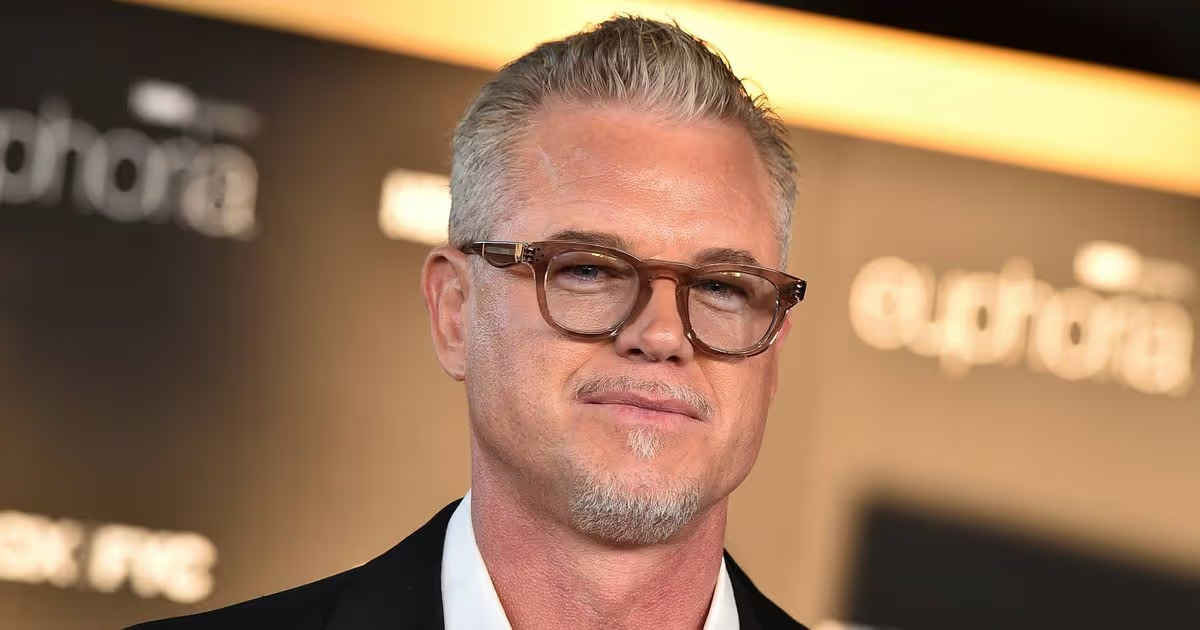
Grey’s Anatomy star Eric Dane dies at 53 after short health fight

Published

on

Wales Online

Erin Dane was diagnosed with amyotrophic lateral sclerosis in 2025

Grey’s Anatomy star Eric Dane has died after a short illness.

The 53-year-old actor passed away on Thursday, February 19 after battling amyotrophic lateral sclerosis (ALS). Dane was diagnosed with the disease in 2025. ALS attacks motor neurons in the brain and spinal cord.

Advertisement

“With heavy hearts, we share that Eric Dane passed on Thursday afternoon following a courageous battle with ALS. He spent his final days surrounded by dear friends, his devoted wife, and his two beautiful daughters, Billie and Georgia, who were the centre of his world,” a statement from Eric’s family read.

Ensure our latest news and sport headlines always appear at the top of your Google Search by making us a Preferred Source. Click here to activate or add us as Preferred Source.

“Throughout his journey with ALS, Eric became a passionate advocate for awareness and research, determined to make a difference for others facing the same fight.”

Advertisement

“He will be deeply missed, and lovingly remembered always. Eric adored his fans and is forever grateful for the outpouring of love and support he’s received. The family has asked for privacy as they navigate this impossible time.”

The disease causes a loss of voluntary muscle control, paralysis and respiratory failure. Around 5,000 new cases of the disease are diagnosed in the US annually.

Eric continued to work despite his ill-health, but was not well enough to attend the Emmy Awards last month.

He enjoyed a 35-year career, during which Eric portrayed Dr Mark Sloan, also known as McSteamy, in the hit show Grey’s Anatomy between 2006 and 2012. He returned for a cameo in 2021. He also starred in nine episodes of fantasy drama Charmed in 2003 and 2004.

Advertisement

Eric continued to film psychological teen drama Euphoria despite his illness. The third season is yet to air.

Speaking on Good Morning America in June, a Eric said: “I wake up every day and I’m immediately reminded that this is happening… It’s not a dream. I don’t think this is the end of my story… I don’t feel like this is the end of me.”

Source link

Advertisement
Continue Reading

NewsBeat

ResPark- City of York Council parking permit costs in 2026/7

Published

on

ResPark- City of York Council parking permit costs in 2026/7

The changes, which are set to take effect this April, will see the price of discounted first ResPark permits stay at £92-a-year.

Costs for the first premium permit for larger or higher emission vehicles are set to rise by £17, to £190-a-year.

It comes as part of City of York Council’s budget for the 2026/7 financial year which councillors approved on Thursday, February 12.


RECOMMENDED READING:

Advertisement

Yearly charges for households’ second permits are set to go up by £13 to £277 for standard ones, £10.40 to £221.60 for discounted ones and £37 to £411 for premium ones.

The price of households’ third permits will be £577.50-a-year for standard passes, £27.50 more, £462-a-year for discount ones, £22 more and £823 for premium ones, £75 more.

Visitor permit charges are set to stay at £1.45, or 35p for concessionary rates.

Minster Badges, which give York residents daytime discounts on parking charges of 30 per cent and 50 per cent in the evening, is set to stay at £45.

Advertisement

Special Control Parking Permits for people living in the Micklegate, North Street or Agar Street ResPark areas are set to cost £7 more, £149, for standard passes.

Discount ones are set to go up by £5.60, to £119.20, with premium ones rising by £19 to £208.

Prices for Special Additional Permits for people in receipt of Personal Independence or Attendance Allowances are set to increase in line with special control charges.

Business Permits are set to cost £27 more, £563, or £21.60 more, £450.40, for discounted rates.

Advertisement

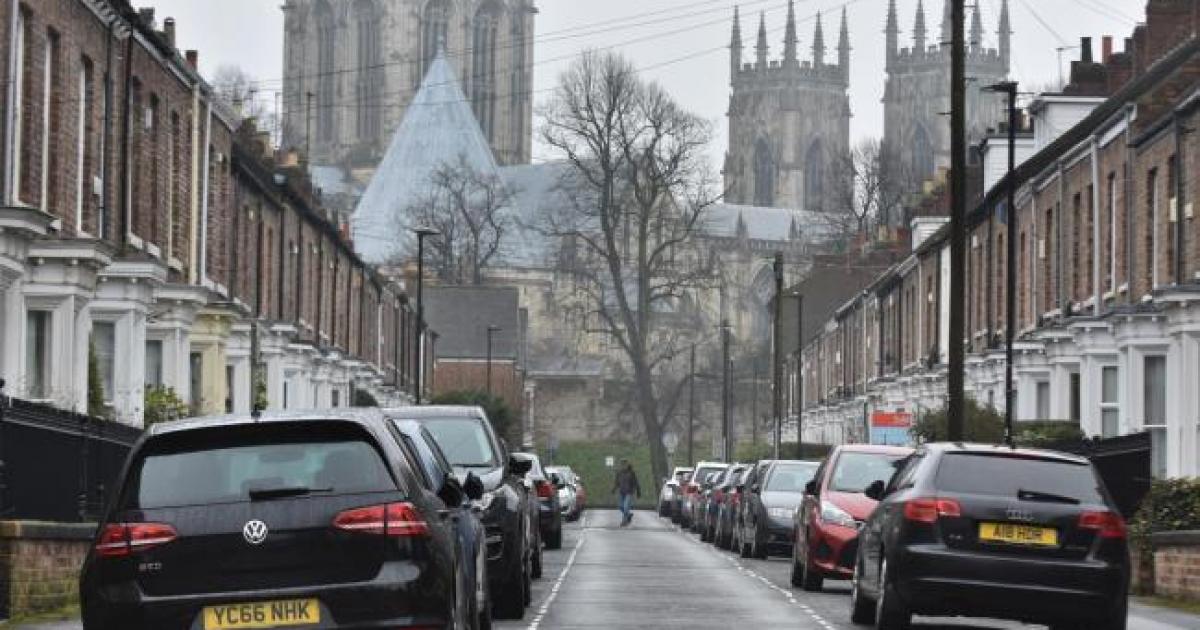
Some charges for residential parking (ResPark) permits are set to change

The same increases and prices will apply to Guest House Authorisation Cards.

Permits for homes of multiple occupancy (HMOs) residents are set to increase by £11 to £223, or by £8.80 to £179.20 for discount passes.

Separate HMO permits are set to be abolished and households put into the standard ResPark system following a council decision in December.

Landlord permit charges are set to rise by the same amount and to equivalent rates to the current HMO ones.

Advertisement

The landlord scheme includes premium rates which are set to increase by £25 to £277.

Community Permit charges for carers are set to be £4 more for standard ones, £75, £3.20 more for discounted ones, £60, and £9 more for premium ones, £96.

Day use Community Permits are set to remain at £1.45, or 35p for charities.

The charge for an Authorisation Card, which allows people without a car to buy visitor permits, is set to cost 20p more and will be priced at £4.40.

Advertisement

An £8 increase for Property Renovation Permits for people working in unoccupied homes is set to see prices rise to £176, with discount ones rising by £6.40 to £140.80.

Commercial Permits allowing people visiting homes or businesses to park in ResPark zones are set to cost £838, £40 more.

Discount rates for those permits are set to rise by £32 to £670.40.

Charges for Commercial Permits for specific zones are set to go up by £10 to £210 for standard rates and by £8 to £168 for discount ones.

Advertisement

Commercial Permits for schools are set to cost £132, £6 more, and £4.80 more, £105.60, for discount ones.

Parking fines are set to remain at £50 for lower penalty charge notices (PCNs) and £70 for higher ones for more serious offences.

It will continue to cost £25 to pay off a lower PCN early, or £35 for a higher one.

Enforced PCNs where charge certificates are issued will still cost £75 for lower ones and £105 for higher ones.

Advertisement

Standard charges for vehicle removals are set to rise by £7, to £138, by £1 for storage, to £17-a-day and by £2 for disposals, to £34.

The administration fee is set go up to £3 to £61.

Source link

Advertisement
Continue Reading

NewsBeat

Weirdly named County Durham village becomes US quiz question

Published

on

Weirdly named County Durham village becomes US quiz question

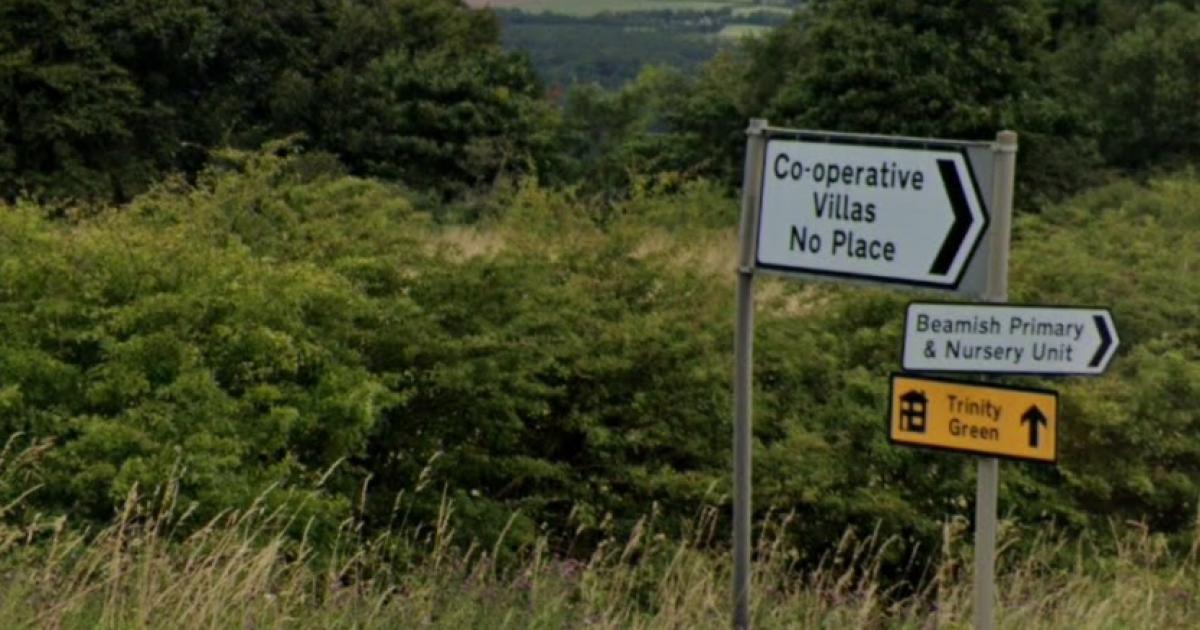
According to The Northern Echo’s Chris Lloyd “No Place is one of the greatest place names ever coined,” and the village, between Stanley and Beamish is ‘great’ because “no one has ever satisfactorily explained how it came to be No Place.”

It has such a bemusing name that it even featured as a quiz question in an American-made video game.

Jackbox Games, a studio based in Chicago, Illinois, included the village in a question in its 2014 game ‘Fibbage’ and the answer tricked some United States players.

Advertisement

“Located near the town of Stanley, there’s a small village in England called No _________.”

The answer is of course ‘Place’.

Despite the fact that nobody quite knows how or why it got its name, scholars have nevertheless attempted to come up with some explanations.

David Simpson, a toponymist from Durham, offers several possible explanations.

Advertisement

He believes the settlement, built in the mid-19th century, may have been dubbed “No Place” because it sat on the border between the parishes of Chester-le-Street and Stanley.

Neither parish wanted to claim responsibility for the village, meaning it was, quite literally, no place.

Other theories suggest the name could be a corruption of “Near Place” or “Nigh Place”, referencing its proximity to two pits at Beamish Colliery.

Another possibility is that it once stood for “North Place,” though this is less likely as it is not located north of any significant landmarks.

Advertisement

Despite the uncertainty, the village’s unusual name continues to spark curiosity and conversation worldwide.

Source link

Advertisement
Continue Reading

NewsBeat

Trial set to begin for climber who ‘left his girlfriend to die’ on Austria’s highest mountain

Published

on

Trial set to begin for climber who ‘left his girlfriend to die’ on Austria’s highest mountain

The trial of an Alpine climber charged with manslaughter after he left his girlfriend on Austria’s highest mountain before she froze to death, is due to begin on Thursday.

Thomas P and Kerstin G were just 50m away from the 3,798m (12,460ft) summit of Grossglockner when she started suffering from exhaustion and disorientation, according to the Innsbruck public prosecutor’s office.

Mr Thomas decided to leave her at 2am on Sunday, 19 January last year and descend to the nearest mountain hut to seek help, only returning six and a half hours later in the morning to find her dead, according to the public prosecutor.

Kerstin, 33, froze to death alone on the mountain after she was left in -8C temperatures, with winds of up to 45mph contributing to temperatures that “feel” as low as -20C.

Advertisement

Prosecutors undertook an 11-month investigation into the incident and examined the couple’s mobile phones, sports watches, and photographs of their climb, as well as commissioning an independent report from an Alpine mountaineering expert.

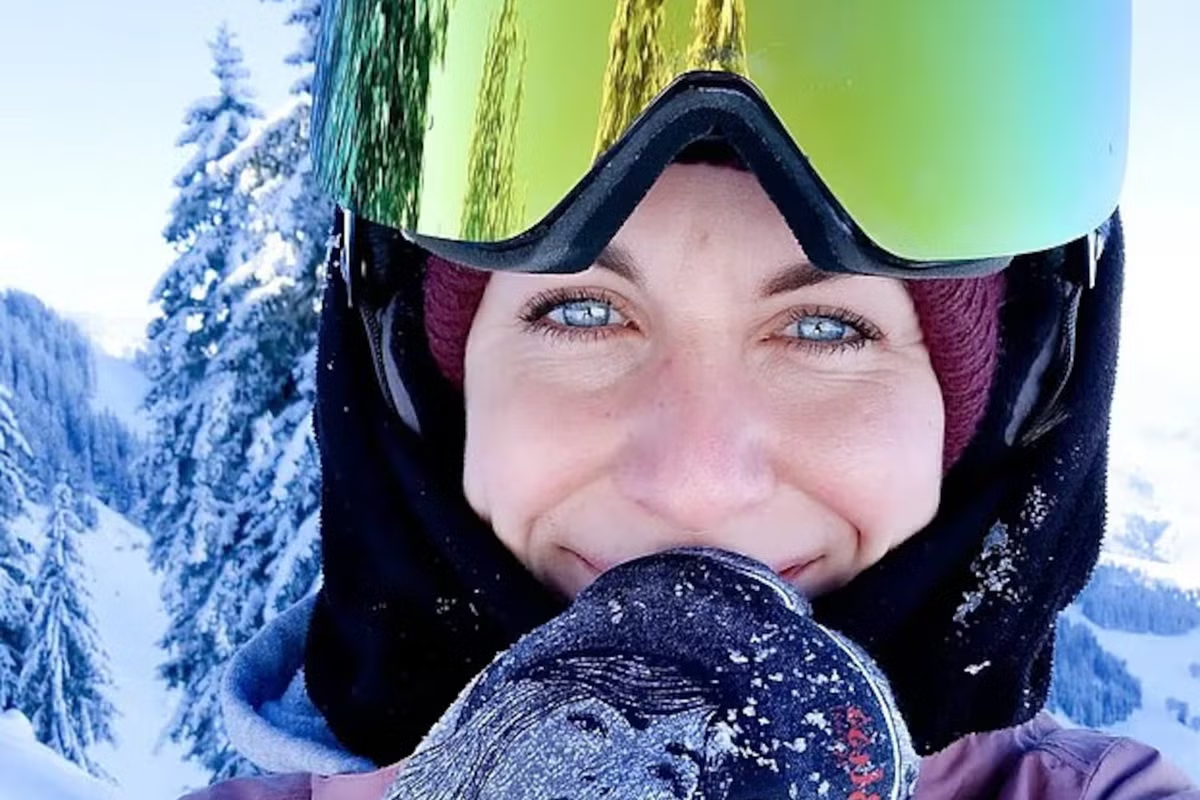
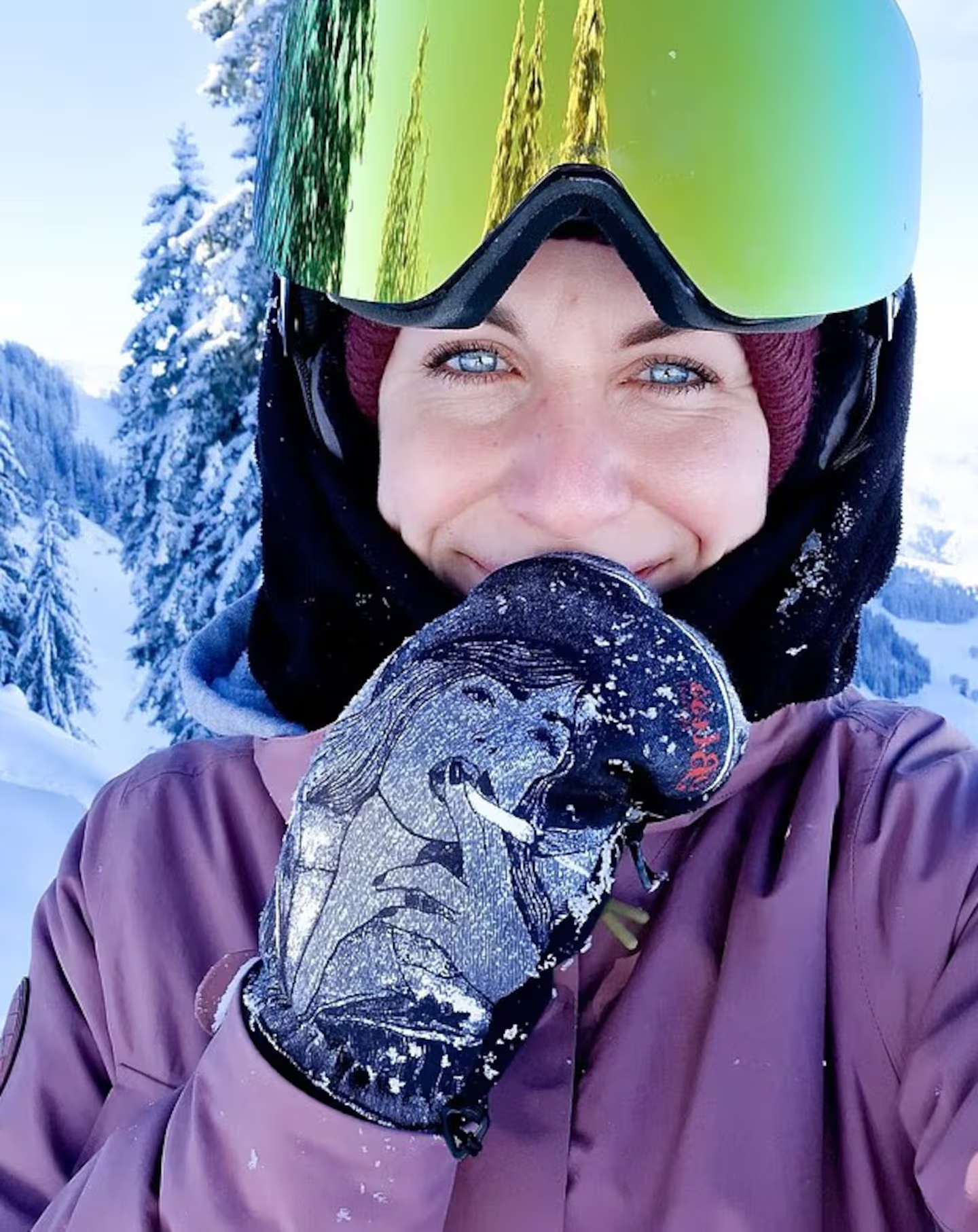
Kerstin G died in January 2025 while attempting to climb Grossglockner with her boyfriend

Kerstin G died in January 2025 while attempting to climb Grossglockner with her boyfriend (Instagram)

They have now charged Mr Thomas with negligent manslaughter, arguing that he made nine key mistakes that led to Kerstin’s death, from not planning the expedition properly to failing to make contact with search teams and police.

The trial, which opens in Innsbruck, Austria, will focus on whether Mr Thomas’ actions amounted to gross negligent manslaughter.

Advertisement

Prosecutors argue that, as the more experienced climber and the person who organised the ascent of the Grossglockner, he was the “responsible guide for the tour”.

Mr Thomas has denied any wrongdoing. His lawyer has previously rejected part of the Innsbruck prosecutors’ timeline of events, claiming he left Gurtner on the mountain “by mutual agreement”.

Prosecutors say the couple set off two hours too late on the morning of 18 January to realistically summit Grossglockner and return safely.

They effectively became stranded by stormy weather at approximately 8.50pm, but prosecutors allege that Mr Thomas made no attempts to call for help and did not issue any distress signals to a police helicopter that flew over their position at 10.50pm.

Advertisement

Police tried to call Mr Thomas multiple times before he called an officer back at 12.35am. The prosecutor’s office said the contents of the call remained “unclear” but that Mr Thomas then put his phone on silent and no further contact was made.

“At approximately 2am, the defendant left his girlfriend unprotected, exhausted, hypothermic, and disoriented about 50m [metres] below the summit cross of the Grossglockner. The woman froze to death,” the statement said.

“Since the defendant, unlike his girlfriend, was already very experienced with alpine high-altitude tours and had planned the tour, he was to be considered the responsible guide of the tour,” it added.

The defence, led by lawyer Karl Jelinek, described Kerstin’s death as a “tragic accident” and disputed parts of the prosecution timeline.

Advertisement

He argued the couple planned the expedition together, believed they were sufficiently experienced and properly equipped, and only encountered sudden difficulties close to the summit.

At 12.35am on 19 January, Mr Thomas contacted mountain police, though the exact details of the conversation remain unclear. His lawyer says he requested assistance and denies that he told officers everything was fine. Prosecutors allege he then put his phone on silent and did not answer further calls.

Mr Jelinek denies that his client ignored police calls or failed to seek help promptly.

The Grossglockner is considered one of the most challenging climbs in the Austrian Alps, requiring full climbing and glacier gear.

Advertisement
The couple were metres away from the summit when Kerstin Gurtner fell sick

The couple were metres away from the summit when Kerstin Gurtner fell sick (AFP/Getty)

Yet police said Mr Thomas allowed his girlfriend to use a splitboard – a snowboard that can be divided into two parts to be used like skis for climbing – and soft snowboard boots, equipment that prosecutors said was unsuitable for their high-alpine winter route.

He also allegedly failed to move his girlfriend to a position where she would be sheltered from the wind or to give her their bivouac sleeping bag or aluminium foil blankets to keep her warm before he left.

Prosecutors said the woman was inexperienced and had never undertaken an alpine tour of this length, difficulty, and altitude.

Advertisement

In a series of posts on his now-deleted Instagram, Mr Thomas said Kerstin’s death was “hurting so much”.

“I miss you so much. It hurts so incredibly much. Forever in my heart. Without you, time is meaningless”, he wrote on social media, and co-signed the obituary her parents wrote, according to Bild.

Tributes on Kerstin’s page since her death have described her as a “beloved daughter, sister, sister-in-law, godmother, granddaughter, partner and friend”.

“Thank you, dear Kerstin, for being you, for being you, and for your soul always will be. Thank you for the mark you left not only on me, but on so many others. Through you, you live on here as well,” a friend of Kerstin wrote.

Advertisement

If Mr Thomas is found guilty, he could face up to three years in prison.

Source link

Continue Reading

NewsBeat

gripping thriller reminds us why academic freedom needs protecting

Published

on

gripping thriller reminds us why academic freedom needs protecting

Kleber Mendonça Filho’s The Secret Agent (O Agente Secreto, 2025) marks a moment of consolidation in one of contemporary Brazilian cinema’s most consistent careers.

Since his early short films such as Cold Tropics (Recife Frio, 2009), the filmmaker has developed a unique style packed with movie references that tantalisingly falls somewhere between arthouse and genre film. These traits reach new heights of self-awareness and formal freedom in The Secret Agent, which has been nominated for four Academy Awards, including best picture, and best actor for Wagner Moura.

The film belongs to a recent wave of Brazilian productions revisiting the military dictatorship (1964-1985), including Walter Salles’s Oscar-winning I’m Still Here (Ainda Estou Aqui, 2024), and actor/director Wagner Moura’s Marighella (2019). Yet these films do more than reconstruct historical episodes: they process, through cinema, an unresolved trauma whose reverberations continue to shape Brazil’s political present.

The film’s Brazilian director Kleber Mendonça Filho.
Marco Barada / Alamy

One of the features that makes The Secret Agent, set predominantly in 1977, particularly compelling in this regard is its treatment of universities, as battlegrounds where memory, power and democracy collide.

Advertisement

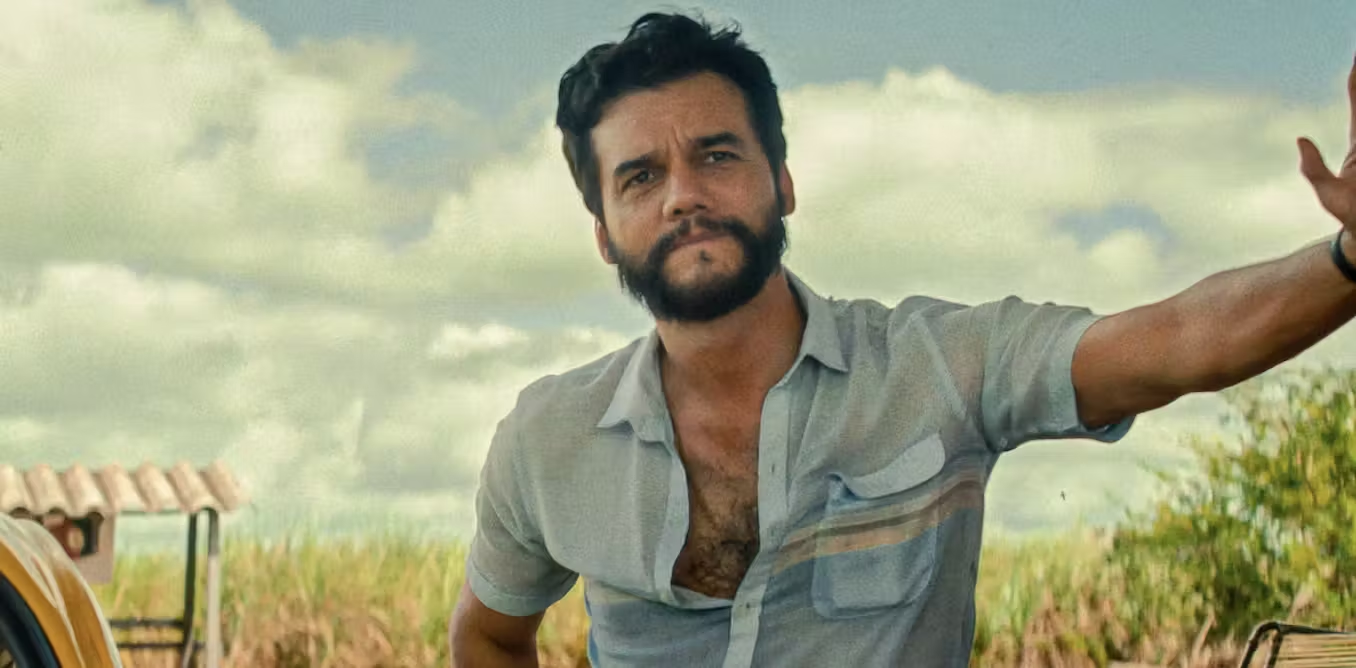
The film’s main character Armando, played by Oscar-nominated Moura, is not, in fact, a secret agent and has no obvious links to opposition movements. He is an academic forced into hiding after clashing with big business interests aligned with the authoritarian regime who want to get their hands on his research.

Brazilian philosopher Marilena Chauí has spoken of her personal experience of these dark days in Brazil portrayed in Mendonça Filho’s film. Chauí returned from France in 1969 with her PhD in hand, just after the Brazilian military suspended most civil rights in the country, leading to a state hunt for “communists” and the intensification of torture and censorship.

Chauí describes the presence on campus of mysterious military figures with the power to hire and fire and “disappear” staff and students who were hostile to the regime. The presence of secret agents disguised as students to monitor professors and students in classrooms in public universities was commonplace.

Advertisement

In The Secret Agent, Armando has recently returned from the University of Leeds in Britain. He and the international research team he has set up at the Federal University of Pernambuco in Brazil’s north-east fall under the scrutiny of Henrique Ghirotti, an industrialist from Sao Paulo.

Armando openly questions Ghirotti’s ethics and points to a conflict of interest: how can a wealthy industrialist justify taking government funding destined for universities for his own private interests? Armando’s bitter reaction to such an open show of corruption is enough for him to become a marked man. Much of the film portrays Armando’s attempt to hide from Ghirotti and the corrupt law enforcement and paid assassins he has at his disposal.

This dramatic situation illuminates not only the surveillance and repression universities endured under the dictatorship, but also broader patterns of corruption. The spider’s web connecting military interests with big business that drained Brazil’s economic momentum throughout the 1970s, is a history that is only now fully coming to light.

The film’s focus on academic freedom carries contemporary resonance. Mendonça Filho wrote The Secret Agent during the presidency of far-right Jair Bolsonaro (2019-2022), whose long list of hostile measures included attacks on public education. Between 2019 and 2022, federal universities lost 14.4% of their budget, and by 2022 funding had fallen below 2013 levels.

Advertisement

Universities reported severe difficulties maintaining basic operations and scholarship programmes, with accumulated cuts exceeding R$100 billion (£14 billion) over four years. Bolsonaro and his followers encouraged the reporting (and “outing” on social media) of teaching staff deemed to be “ideological”. Following Lula’s victory in the 2022 elections, modest relief arrived and, with the renewal of funding lines, the reconstruction of this ravaged terrain is slowly getting underway.

Walter Salles’ I’m Still Here explores similar territory about Brazil’s military dictatorship.

Archives of repression

The Secret Agent also speaks to renewed global debates around the privatisation of research, intellectual property, and the political vulnerability of universities, increasingly viewed as hotbeds of leftist sedition. Mendonça Filho’s film suggests that authoritarianism attacks society not only through violence but through the destruction, privatisation, or silencing of knowledge production itself.

The industrialist Ghirotti takes delight in informing Armando that he’ll be recommending that his research team is shut down and the work transferred to the University of São Paulo, with whom Ghirotti has dubious links. Ghirotti questions the usefulness of any research being carried out in the north-east that speaks to national interests, particularly when Canadians are working on the same tech and Brazil can pay for foreign science and technology.

Advertisement

Mendonça Filho, who is from Recife, the capital of Pernambuco, has been very vocal about the ingrained prejudice of many from the wealthier and whiter southern states in relation to the north, which is dismissed as backward. It is telling that in The Secret Agent Armando’s international research team first took shape in Leeds, given similar prejudices are often held about the north of England.

In a subplot set in the present day, a group of students work on an oral history project involving tape recordings made by dissidents during the dictatorship, including Armando. One of them, Flávia, travels to Pernambuco to visit Armando’s now middle-aged son.

A young black mother with family in the north-east, living in the periphery of São Paulo, Flávia, typifies the new, more diverse university student body, made possible by hard-won affirmative action initiatives and the expansion of the public university network.

In The Secret Agent, it is Flávia and students like her who have inherited not only the archives of repression, but also the possibility of transforming knowledge into a form of democratic repair.

Advertisement

Anchored by Wagner Moura’s compelling performance, Mendonça Filho’s film connects the struggles of the past to the curiosity and courage of a new generation. In so doing, The Secret Agent powerfully underscores cinema’s ability not only to entertain, but also to illuminate, question and inspire.

Source link

Advertisement
Continue Reading

Trending

Copyright © 2025