





It is two years since Sir Jim Ratcliffe’s investment into Man Utd was given the green light. It has been an interesting couple of years.

04:00, 20 Feb 2026
When Sir Jim Ratcliffe sat down with Sky News in Antwerp last week, there was one particular comment that dominated headlines and would set the agenda for days, if not weeks, to come. Not just around Manchester United, but also politically.
It’s not every day the co-owner of one of the world’s biggest football clubs is told to apologise by the Prime Minister, but Ratcliffe’s comments on immigration drew condemnation and even prompted a public response from the club he owns.
But as we reflect on the second anniversary of Ineos’ investment into United being confirmed in February 2024, there was another line in that interview that caught the attention, albeit one that was never going to get the same scrutiny or coverage.
Ratcliffe was talking about the need for a leader, in this case a Prime Minister, to make difficult and unpopular decisions for the greater good when he drew a comparison with his own situation at United.
“Well, I’ve been very unpopular at Manchester United because we’ve made lots of changes,” he said. “But for the better, in my view.
“And I think we’re beginning to see some evidence in the football club that that’s beginning to pay off.”
FOLLOW OUR MAN UNITED FACEBOOK PAGE! Latest news and analysis via the MEN’s Manchester United Facebook page
Two years in, is Ratcliffe right that the decisions he has made are beginning to deliver results? Have United won four of their last five games because they stumbled upon an excellent coach, or is it because Ratcliffe has wasted millions on Erik ten Hag, Dan Ashworth and Ruben Amorim, made a third of the workforce redundant, stripped back bonuses for the staff that remain, done away with free lunches and made going to the game more difficult than ever?
It felt like a stretch. United are in a good moment and have momentum, but they have a coach under contract until the end of the season who got the job because Ratcliffe appointed a coach from Portugal, despite the director of football that he was desperate to recruit telling him it would be a mistake.
“I saw that comment and I thought he was trying to get a bit of glory from a few good results,” said Chris Rumfitt of the Manchester United Supporters’ Trust (MUST).
“I fail to see how sacking so many staff and getting rid of food at the training ground has led in any way to those results. It’s probably hindered rather than helped, I’m not buying that one.”
Two years into the Ineos era, Rumfitt described it as a “mixed picture”. One thing you can say for Ratcliffe is that he has packed a lot into those 731 days.
On the football ledger, he blundered by keeping Ten Hag, handing him a new contract and sacking him three months later. He then spent £27million on hiring and firing Amorim and £4.1million to do the same with Ashworth. When you compare that with the cost of scrapping lunch for staff, it is a drop in the ocean.
Although the executives Ratcliffe has placed in charge of football operations are now facing scrutiny, chief executive Omar Berrada and director of football Jason Wilcox look to have delivered an upgrade in recruitment. United spent more than £215million in the summer, and it looks like the best window they have had in years.
Judging Ratcliffe purely by what has happened on the pitch is impossible, however. From the redundancies to the lunches to the stripping away of cup final perks, from £66 tickets and no concessions to what supporter groups describe as an attack on fan culture.
Then there’s the interviews. Last week’s claim that the United Kingdom is being “colonised” by immigrants is the most egregious example, but Ratcliffe’s attempts to front up have too often been disastrous.
His claim that United’s ticket prices should be no different to Fulham’s showed he had lost all touch with reality back in the city he once called home, and publicly citing some players as “not good enough” and “overpaid” went down badly in the dressing room.
There have been protests again recently and although the positive results under Carrick reduced the scale of them, those who go to Old Trafford regularly feel like they are under attack.
“It’s a real issue, every season ticket holder will tell you they feel like the club are going out of their way to make being a season ticket holder more difficult,” said Rumfitt.
“All the rules around passing on tickets, how you have to do it, who you can pass them on to, deadlines for selling tickets back to the club, it feels like everything they’re doing is to make the life of a season ticket holder more difficult.
“Cynically, one suspects they would rather we had fewer season ticket holders because of the pricing model they’ve now got. It means season ticket holders are paying so much less per game than match-by-match fans, and we don’t go to the megastore.”
It’s certainly not been two years of plain sailing. Two years ago tomorrow, Ratcliffe sat down with journalists in Ineos’ Knightbridge offices for a rare interview that didn’t cause controversy.
Ensure our latest sport headlines always appear at the top of your Google Search by making us a Preferred Source. Click here to activate or add us as a Preferred Source in your Google search settings
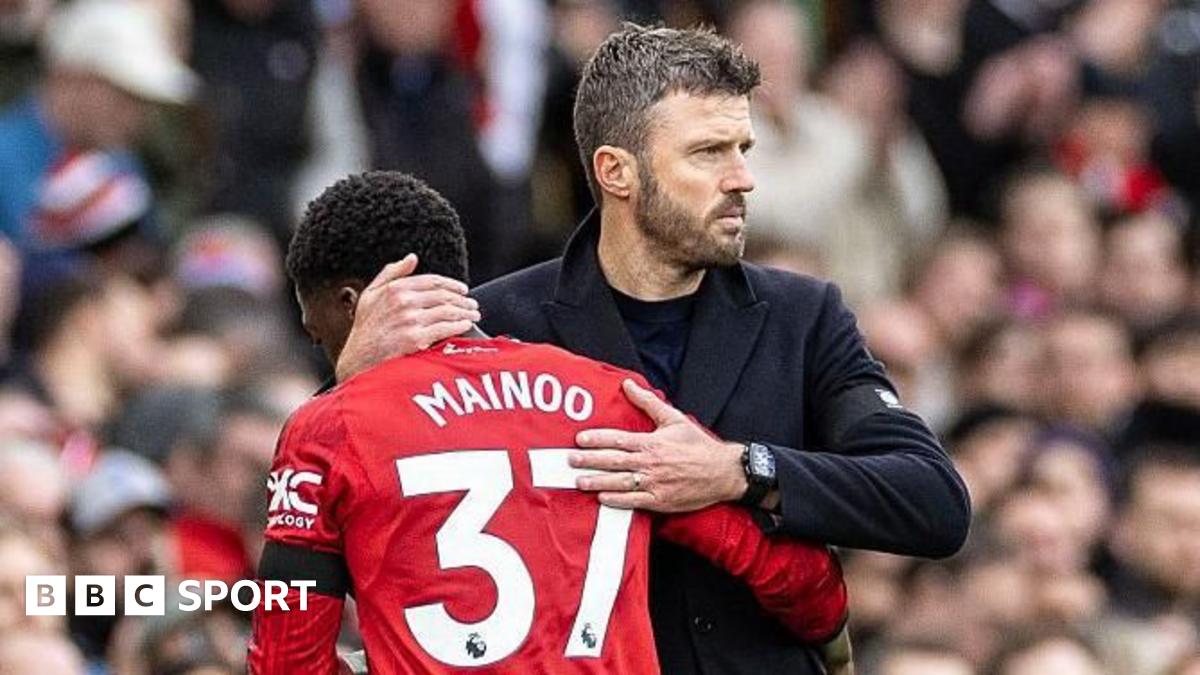
He said it would take “two or three” seasons to make United a force again, but that looks like an underestimation. United are in a good moment under Michael Carrick, but there is clearly more work to be done.
So, looking ahead to the next two years, what advice would Rumfitt offer Ratcliffe as he finally looks to deliver on that promise?
“In his very first meeting with fans, I was in a couple of them, he said we are going to be absolutely laser focused on results on the pitch, turning it round on the pitch and fixing everything else almost secondarily, because without the results on the pitch, almost nothing else matters at a football club,” he said.
“I think that’s right, and I think he needs to return to that mission. Leave the fans alone, but also put an end to the cost-cutting. It’s not that cost-cutting isn’t a legitimate thing to do in a business, but the money you’re saving is so trivial compared to the amount you’re wasting by making bad decisions with respect to on-pitch matters.
“Our focus would be to stick to that original thing you said, which is to focus on getting us winning on the pitch and loosen up a bit about fan issues.
“And one last thing: keep your views on politics to yourself, we don’t want to hear them.”