


Connect with us

Business

Samsung Galaxy S25 Price Drops Over Rs 6,000 In India Ahead of Galaxy S26 Launch

Published

on

Samsung Galaxy Z Fold 7

Samsung’s Galaxy S25, the compact flagship launched just last year, has seen a notable price reduction in India ahead of the highly anticipated Galaxy S26 series unveiling. With the Galaxy Unpacked event scheduled for February 25, 2026, retailers like Flipkart and Amazon are offering attractive discounts, bank offers and exchange bonuses to clear inventory and entice buyers.

Samsung Galaxy S25
Samsung Galaxy S25

The standard Galaxy S25 (12GB RAM + 256GB storage variant) originally launched at Rs 80,999 in India. Recent listings show it now priced at Rs 74,999 on major platforms—a direct drop of Rs 6,000. Additional incentives push the effective price even lower.

On Flipkart, the device is listed at Rs 74,999. Customers using select bank cards, such as Flipkart Axis or SBI cards, can claim an instant discount of up to Rs 3,750, bringing the effective cost to around Rs 71,249. No-cost EMI options start as low as Rs 3,624 per month over 24 months, making the premium smartphone more accessible. Exchange offers provide up to Rs 51,100 off depending on the old device’s brand, model and condition.

Amazon India shows similar promotions, with the 12GB + 256GB model available around Rs 74,999 in some color variants, though select listings reflect deeper cuts to Rs 67,900 after initial discounts of Rs 12,100 or more from launch pricing. Bank offers on certain cards add another Rs 1,500 off, potentially dropping the effective price to Rs 66,500 or lower. Exchange bonuses reach up to Rs 35,950, further enhancing savings for upgraders.

These reductions align with Samsung’s typical strategy before new flagship launches. The Galaxy S26 series, including the S26, S26+ and S26 Ultra, is set for global announcement on February 25, with India availability expected shortly after. Rumors suggest the S26 will feature refinements like enhanced Galaxy AI tools, improved on-device processing via Edge Fusion tech, better low-light photography and privacy-focused displays.

Advertisement

The current Galaxy S25 remains a strong contender with its Qualcomm Snapdragon 8 Elite processor, 50MP triple rear camera system with ProVisual Engine, 4000mAh battery and advanced Galaxy AI features for content creation and editing. It offers a 6.3-inch Dynamic AMOLED 2X display with 120Hz refresh rate, seven years of OS updates and robust build quality.

Analysts note that pre-launch discounts on previous models help Samsung maintain momentum and reduce stockpiles. For buyers not waiting for the S26’s potential upgrades—such as a rumored Snapdragon 8 Elite Gen 5 chipset or expanded AI capabilities—the S25 now represents excellent value in the premium segment.

Other variants see movement too. The Galaxy S25+ (12GB + 256GB) appears around Rs 74,999 to Rs 69,302 on select platforms after coupons and offers, down from its Rs 99,999 launch price. The Galaxy S25 Ultra has seen steeper cuts, with some models dipping below Rs 1,10,000 after discounts and bank offers.

Shoppers should compare platforms for the best combo of base price, bank discounts, EMI and exchange value. Prices fluctuate based on color, storage and ongoing promotions, so checking live listings is recommended. Pre-order perks for the S26 may include double storage upgrades or accessory credits, but current S25 deals provide immediate savings without waiting.

Advertisement

As the February 25 Unpacked event approaches, excitement builds for the S26’s teased content-creation tools and privacy enhancements. For now, the Galaxy S25’s price drop offers a timely opportunity for those seeking flagship performance at a reduced cost.

Continue Reading
Click to comment

Leave a Reply

Your email address will not be published. Required fields are marked *

Business

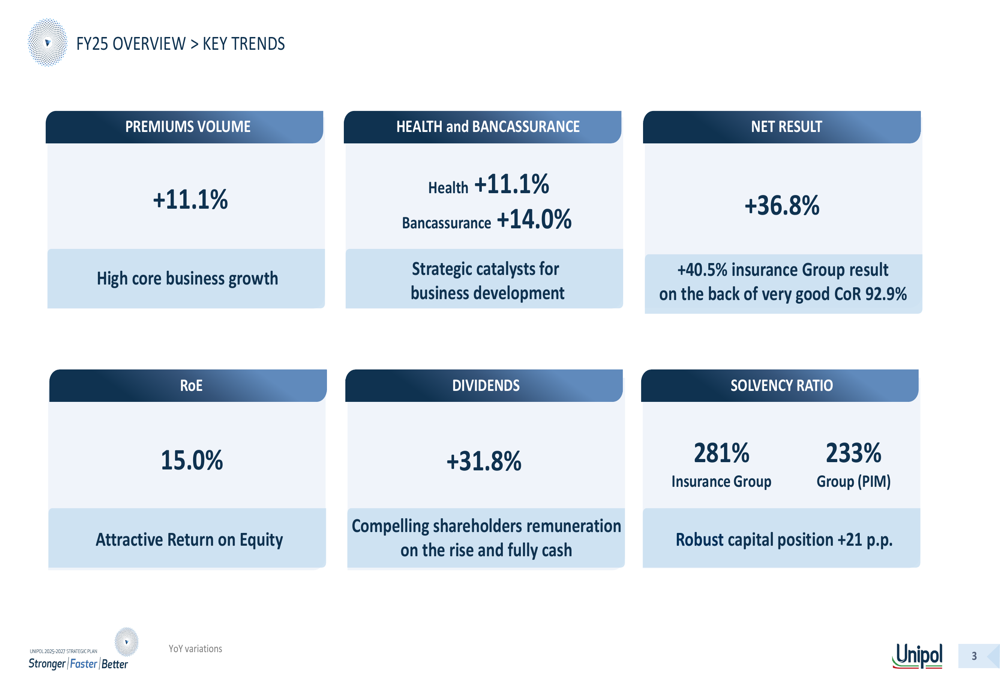
Unipol FY25 slides show 37% profit jump, dividend up 32%

Published

on

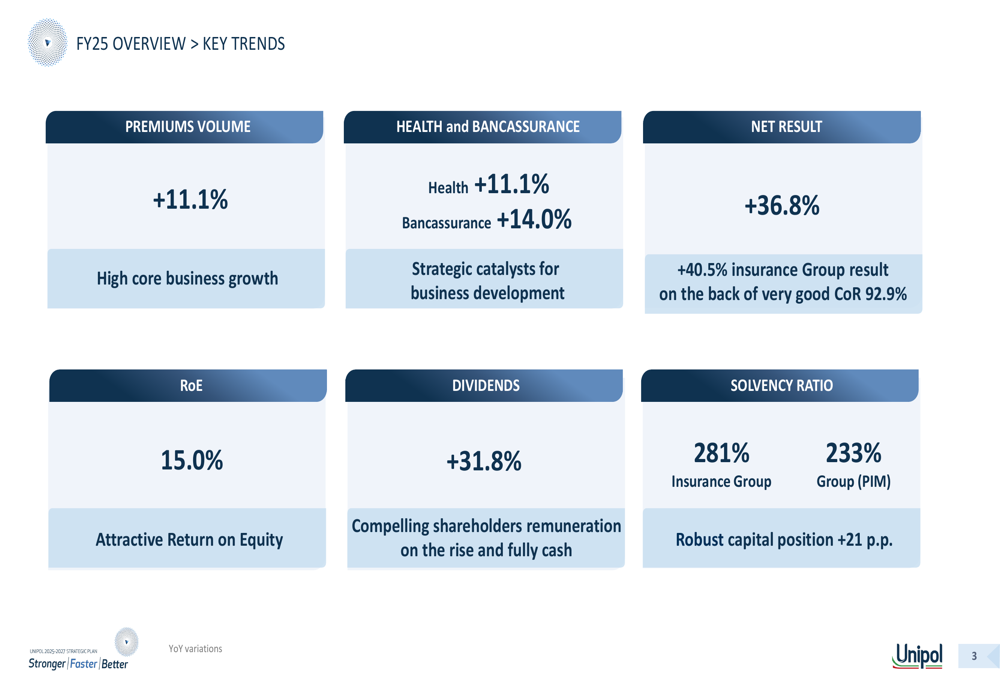
Unipol FY25 slides show 37% profit jump, dividend up 32%


Unipol FY25 slides show 37% profit jump, dividend up 32%

Continue Reading

Business

Lamar earnings missed by $0.07, revenue topped estimates

Published

on


Lamar earnings missed by $0.07, revenue topped estimates

Continue Reading

Business

Form 8K Blackstone Private Credit Fund For: 20 February

Published

on


Form 8K Blackstone Private Credit Fund For: 20 February

Continue Reading

Business

Asos co-founder Quentin Griffiths dies after fall in Thailand

Published

on

Asos co-founder Quentin Griffiths dies after fall in Thailand

Quentin Griffiths, the British co-founder of online fashion retailer Asos, has died after falling from a high-rise apartment building in Pattaya, according to local reports.

Griffiths, 58, is reported to have fallen from the 17th floor of his condominium. Emergency services attended the scene and confirmed his death.

Thai police said there were no immediate signs of disturbance inside the apartment but added that investigations are ongoing and foul play has not been ruled out pending further forensic analysis. Authorities said a full post-mortem examination would be required to establish the exact cause of death.

The circumstances surrounding the fall remain unclear. A source close to the family told The Sun that the situation was being described as “suspicious”, though no official determination has been made.

Griffiths had reportedly been involved in a legal dispute with his former Thai spouse over business assets. Last year, he was questioned by police following allegations that he had forged documents to sell land and shares in a jointly operated company. He denied the allegations and was released after questioning. Reports indicate the investigation was continuing at the time of his death.

Advertisement

Born in London, Griffiths co-founded Asos in 2000 alongside Nick Robertson and Andrew Regan. The company grew into a global online fashion retailer valued at around £3bn at its peak, with high-profile figures including the Princess of Wales and Michelle Obama among those to have worn its own-label designs.

Griffiths stepped down from Asos in 2005 after serving as marketing director. He later realised significant gains from share sales, reportedly making around £15m in 2010 and receiving further windfalls in subsequent years.

In later years, he pursued legal action against accountancy firm BDO, alleging incorrect tax advice had resulted in a multi-million-pound liability linked to share disposals in Asos and Achica, another online retail venture he co-founded.

Griffiths had lived in Thailand for more than a decade. He is understood to have been the father of three children.

Advertisement

Business Matters has contacted the Foreign, Commonwealth & Development Office for comment.

Investigations by Thai authorities are continuing.


Paul Jones

Harvard alumni and former New York Times journalist. Editor of Business Matters for over 15 years, the UKs largest business magazine. I am also head of Capital Business Media’s automotive division working for clients such as Red Bull Racing, Honda, Aston Martin and Infiniti.

Advertisement

Continue Reading

Business

Welsh tourism is a huge industry but can be even bigger

Published

on

Business Live

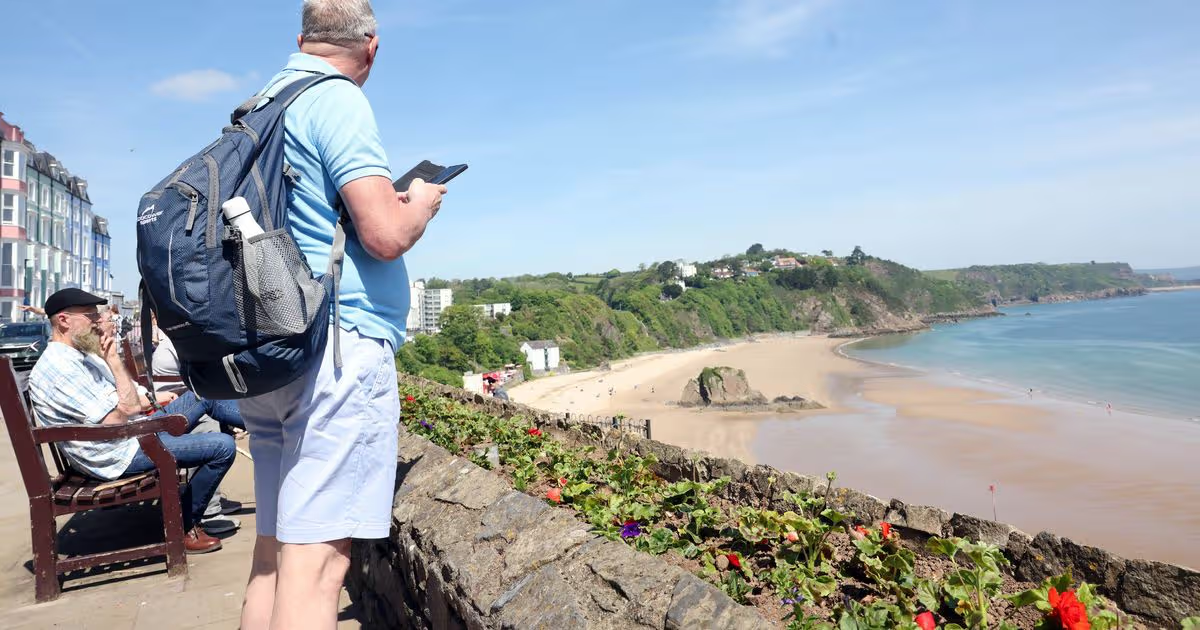
A tourist in Tenby.(Image: WalesOnline/Rob Browne)

Tourism is still too often treated by politicians in Wales as a “nice-to-have” – seasonal, useful for jobs, good for communities but not with the seriousness we reserve for manufacturing, fintech or life sciences in any debate on the Welsh economy.

This is despite clear evidence from a recent VisitBritain report which shows tourism is one of Wales’s most economically important sectors but that we are running it like a domestic leisure industry rather than a critical export sector.

In 2024, Wales recorded total tourism spend of £5.3bn, a total tourism GDP contribution of £5.9bn, and 100,871 tourism jobs. This means it accounts for 6.4% of Welsh economic output and 7.1% of Welsh jobs, making tourism a core industry in Wales with the economy being more tourism-dependent than the UK average.

But here’s the first uncomfortable truth namely that Wales is dependent without being dominant and whilst the UK total tourism spend is £165.9bn, Wales’s share is only around 3% of the UK total. This is the paradox at the heart of the Welsh tourism economy namely we rely more heavily on a sector that we have not grown to anything like its potential.

Advertisement

READ MORE: WRU will not conclude takeover deal for Cardiff Rugby until after the Six NationsREAD MORE: New £50m defence growth deal for Wales designed to boost SME supply chain

That matters because bigger markets escape the trap of being busy in summer and fragile for the rest of the year whilst sustaining higher-end accommodation, better visitor experiences, stronger supply chains, year-round programming, skilled roles and profitable reinvestment. And the quickest way to see why Wales underperforms on value is to look at the segment that behaves most like an export industry namely inbound international tourism.

International visitors typically spend more per trip, demand higher quality, and crucially can help stretch the season beyond peak domestic school holidays. Yet in 2024, international spend in Wales was just £497m whereas Scotland recorded £3.8bn and London £20.4bn. Even English regions that are not global capitals outperform Wales with the South West recording £1.6bn, the East of England £1.9bn, and the North West £2.4bn.

So Wales is not “a bit behind” on international visitors but is operating in a completely different and lower league.

Advertisement

This is not just a tourism marketing issue because international demand pulls through a different kind of economy including higher-grade accommodation, stronger food and retail, more paid experiences, more consistent demand, more investment confidence.

When the level of international tourism coming into Wales is weak, you tend to get the opposite such as price sensitivity, short stays, heavy seasonality and businesses forced to make their money in a narrow window.

The Welsh spend mix is even more problematic and Wales’s domestic tourism spend is nine times higher than inbound spend and whilst visitors from the UK matter hugely, the domestic model can have limits such as shorter breaks, lower spend per head, and a seasonal pattern that strains infrastructure during peaks while leaving tourism businesses underutilised for long periods.

The jobs data reinforces the same story with tourism being a significant employer but without the scale and value mix you would want to see for an industry of that importance. Of course, tourism is labour-intensive everywhere but that is not the point and it is clear that Wales has not done enough to move the sector up the value chain.

Advertisement

If tourism is already one of our largest sectors in the foundation economy, the policy question is why are we still stuck in a model that generates jobs without generating sufficient value and resilience? Are we increasing spend per visitor, extending the season, improving margins and creating better-paid roles or are we accepting a cycle of summer busyness and winter fragility?

The comparisons underline the point and whilst Scotland has roughly double Wales’s tourism jobs, it has higher spend, higher contribution to its economy and eight times the income from inbound visitors.

Whatever Scotland is doing, it has built a proposition that converts brand into international demand and it is not just scenery, it is product, cities, culture, heritage and year-round visibility. And whilst it could be argued that whilst Wales has comparable assets, it has not packaged them with the same discipline or consistency.

So what should change? First, Wales has to stop treating inbound tourism as an afterthought and if we want higher value, attracting international tourists has to become a core objective not a peripheral campaign. That means route development, international distribution partnerships, targeted market strategy, and a year-round pipeline of reasons to visit not just a summer postcard.

Advertisement

Second, Wales needs to prioritise value, not volume and a strategy built only on “more visitors” risks worsening congestion, environmental pressure and local resistance without improving incomes. The goal should be higher spend per trip, longer stays, stronger conversion into local supply chains, and a sector that is investable beyond a short season.

hird, Wales needs to be honest about what the best-performing regions do differently such as building coherent national brands backed by sustained visibility and anchored by cities, culture, events, heritage and high-quality experiences not just landscape. We have the raw assets but what we lack is consistent execution.

Which brings us to a final, unfashionable question namely do we have the right national machinery to deliver this at all? Wales has strategies and campaigns but the outcomes, particularly on inbound international tourism, suggest fragmentation rather than focus.

And whilst we have political parties that are calling for the resurrection of the Welsh Development Agency, is it also time to revisit the case for a dedicated Wales Tourism Board with real authority – not a talking shop but a delivery body accountable for inbound growth, year-round product development, data-led investment priorities and international market performance?

Advertisement

Therefore, the VisitBritain data makes one thing clear namely that tourism is already a critical sector for the Welsh economy. The question now is whether we are prepared to run it like a serious growth industry or whether we will keep relying on it as a seasonal comfort blanket while other UK nations and regions take the high-value markets.
Continue Reading

Business

Mitsubishi Corporation takes stake in Woodsmith mine project

Published

on

Business Live

Progress on the scheme has slowed since a decision by owner Anglo American to cut investment in 2024

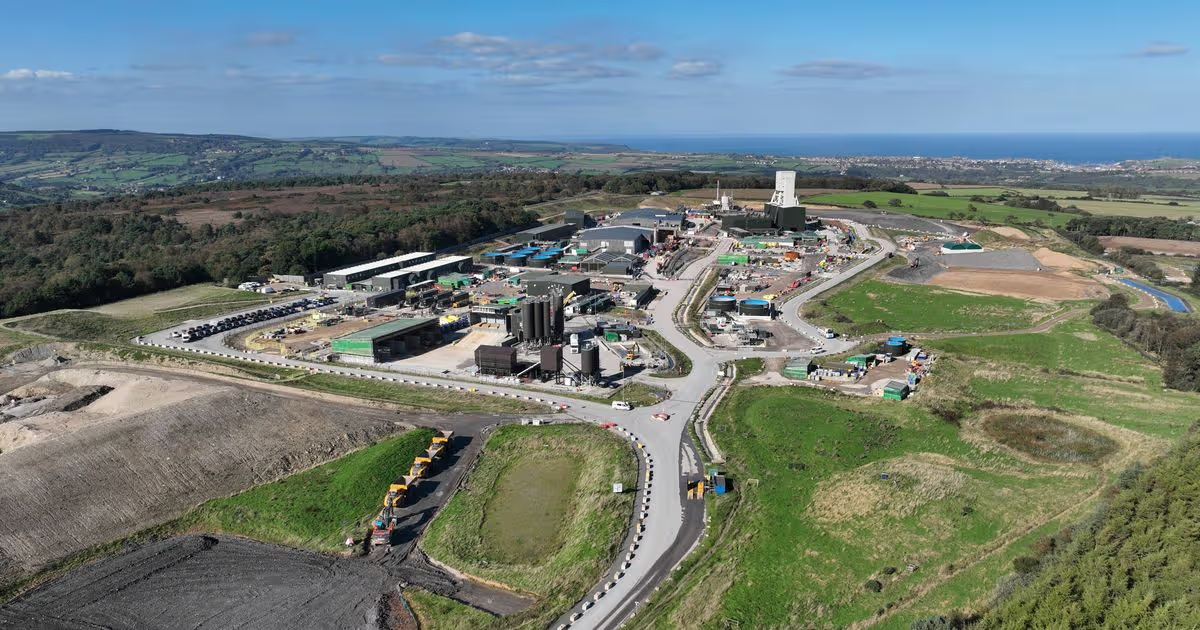
An aerial view of  Woodsmith Mine

An aerial view of Woodsmith Mine(Image: Anglo American)

Hopes have been raised that a mining project that could bring hundreds of jobs to North Yorkshire and Teesside could be resumed after one of the world’s largest companies invested in the scheme.

Development work at the Woodsmith Mine near Whitby has been slowed since a decision by mining giant Anglo American in 2024 to significantly cut investment. That led to hundreds of job losses at the project, which includes a 37km tunnel that will eventually connect the mine site with a processing and export facility at Redcar, on Teesside.

But now it has been announced that the Mitsubishi corporation has made an investment that could see it take a 25% stake in the project. The size of the investment has not been disclosed but the involvement of the multinational firm will raise hopes that the project can be resumed in full.

A feasibility study is being carried out on the project, which aims to mine polyhalite, a high-performing natural fertiliser. It is expected that a final decision on whether or not to fully complete the project will be made in 2028.

Advertisement

A statement to the Stock Exchange from Anglo American this morning said: “In support of the first two of these conditions, Anglo American has entered into an investment agreement and related shareholders’ agreement with Mitsubishi Corporation (Mitsubishi) to support continued development of Woodsmith, including working together on market development and financing opportunities designed to further enhance the existing market development programme.

“Together, Anglo American and Mitsubishi will explore opportunities to build out demand for POLY4, including providing financial and commercial resources to accelerate pilot sales and leveraging Mitsubishi’s extensive networks across food and agriculture sectors to broaden market development across key markets and related business development and strategic partner engagement, which will contribute to optimising the project in the feasibility study phase, prior to submission to the Board for approval.

“The agreements include an initial equity investment by Mitsubishi in Woodsmith. Through its investment and involvement in the ongoing development of Woodsmith at this stage, Mitsubishi also intends to evaluate its participation in a future financing plan at the time of the Anglo American board’s final investment decision, currently anticipated from 2028 subject to meeting the above conditions, with potential for Mitsubishi to acquire an equity interest of 25% or other such amount subject to negotiations at that time.

“The agreements extend the longstanding successful partnership between Anglo American and Mitsubishi Corporation, while allowing for additional investment and the involvement of other partners, and represents a pathway for Anglo American to syndicate a significant minority share of its interest in Woodsmith.”

Advertisement

Anglo American added that board approval for the full project is still needed and is subject to the feasibility study being completed. It said was continuing work on the project, including continued sinking of the mine’s service shaft.

A statement from Mitsubishi said: “Mitsubishi Corporation (MC) will use its experience and resources to contribute to the feasibility study and will jointly conduct pilot sales to validate the marketability of the product and explore opportunities to build out demand for the product. This will support MC assessing whether to participate in and increase its equity exposure at the final investment decision by Anglo American (AA), currently anticipated from 2028.

“The feasibility study will assess development and operational plans, economic viability, and social and environmental impacts of the Project. In addition to contributing funds for the study, MC will leverage its extensive networks across the food and agriculture sectors, including providing opportunities for agronomic trials through its group companies.

“Demand for fertiliser minerals is expected to grow steadily over the medium to long term, supported by megatrends of population growth, evolving dietary preferences, and the rising importance of food security amid heightened geopolitical uncertainty. In particular, demand for sustainable fertiliser products is poised to increase as agriculture faces rising expectations to reduce environmental impact and adopt responsible farming practices.

Advertisement

“Leveraging the expertise it has built in mine development and operations through its Mineral Resources Group, MC will bring together its integrated strengths across business segments-including the food and agriculture related businesses-to generate new value through the project.”

Continue Reading

Business

Top Lawyers’ Fees Have Skyrocketed. Be Prepared to Pay $3,400 an Hour.

Published

on

Top Lawyers’ Fees Have Skyrocketed. Be Prepared to Pay $3,400 an Hour.

Top Lawyers’ Fees Have Skyrocketed. Be Prepared to Pay $3,400 an Hour.

Continue Reading

Business

Global equity funds attract biggest inflow in five weeks as concerns around AI ease

Published

on

Global equity funds attract biggest inflow in five weeks as concerns around AI ease


Global equity funds attract biggest inflow in five weeks as concerns around AI ease

Continue Reading

Business

DoorDash Expects Ramped Up Spending to Dent First Quarter

Published

on

DoorDash Expects Ramped Up Spending to Dent First Quarter

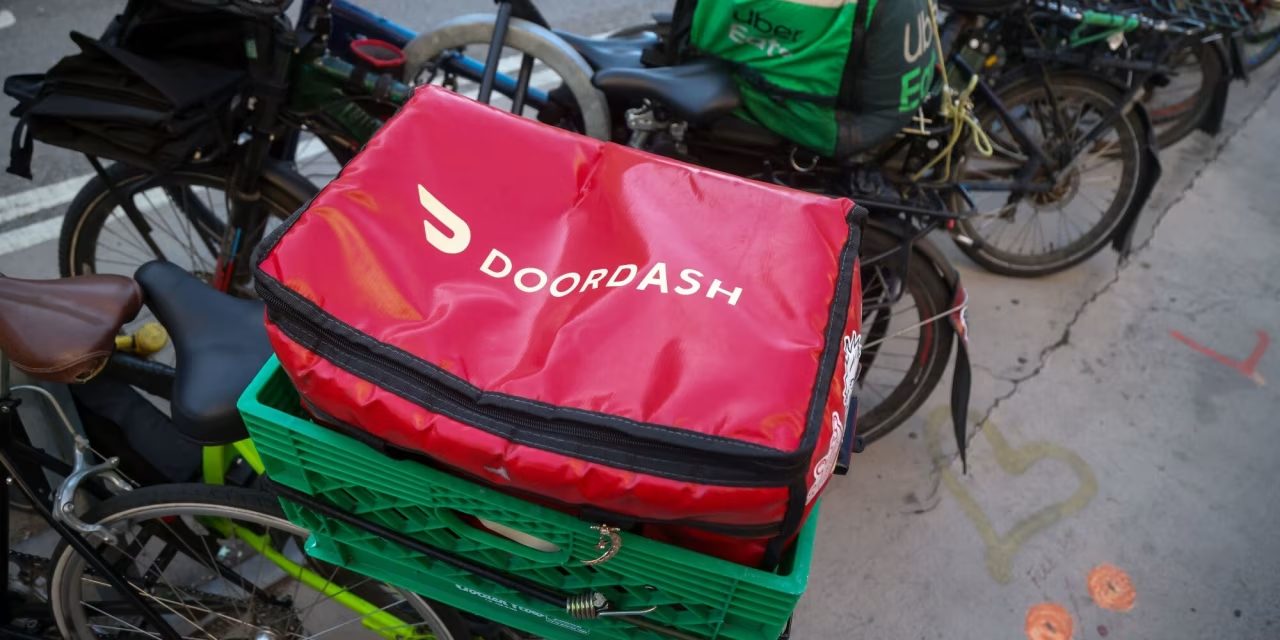
DoorDash DASH 1.62%increase; green up pointing triangle reported higher fourth-quarter revenue as orders climbed.

The delivery giant also forecast higher-than-expected orders for the current quarter, but said the results could be dented by further investments.

Copyright ©2026 Dow Jones & Company, Inc. All Rights Reserved. 87990cbe856818d5eddac44c7b1cdeb8

Continue Reading

Business

New Year's sport supplement buying drives January retail sales surge

Published

on

New Year's sport supplement buying drives January retail sales surge

Continuing strong sales from online jewellers after a recent spike in gold prices also helped drive the increase.

Continue Reading

Trending

Copyright © 2025