Related: Jennifer Lawrence’s Comfy Micro Boots Put a Cool Mom Spin on the Classic
Advertisement




Happy New Music Friday! The weekend is here, which means more streaming, new playlists and the best that music has to offer — and ET has you covered for everything in between.
Hilary Duff has released her highly anticipated sixth studio album, luck…or something. Last weekend, she celebrated her release with sold out, limited engagement performances at the Voltaire at The Venetian Resort Las Vegas. During her February 13 show, Hilary invited two fans onstage to perform the “With Love” dance who then surprised the crowd with a romantic onstage proposal. Hilary will also start the lucky me tour on June 22 and added second shows in four cities due to incredible fan demand.
Jennifer Lopez and David Guetta announced their new single “Save Me Tonight” will be out March 6. This is the first time they have worked in the studio together. Jennifer will also return to Vegas on March 6 for her residency, Jennifer Lopez: Up All Night Live in Las Vegas, at The Colosseum at Caesars Palace.
Backstreet Boys have announced six new summer dates for their Into the Millennium residency at Sphere in Las Vegas. Produced by Live Nation, the newly added shows will take place July 16-25. Since launching the residency last July as the first pop act to headline Sphere, the group has performed to over 575,000 fans across 35 sold out dates.
Marc Anthony launched his debut at Fontainebleau Las Vegas last weekend for his VEGAS… MY WAY residency inside the BleauLive Theater. Marc and his 14-piece band performed a mix of his English and Spanish language hits such as “Valió la Pena” and “I Need To Know,” and closed the show with a first-ever performance of “My Way” in both Spanish and English, ending the night with the celebratory anthem “Vivir Mi Vida.” Marc will continue his show this week and will be back for more shows in July.
Last week, Cardi B kicked off her Little Miss Drama Tour, her first tour in six years. She celebrated her tour with the Official Little Miss Drama After Party at Hakkasan Nightclub in Las Vegas on February 13. Cardi arrived after her concert and made her way to the DJ booth, saying hello to fans and dancing along the way. She jumped on stage to surprise the crowd by singing a few of her hits and ended with “Bodak Yellow” before announcing to the crowd that she was done performing for the night and was ready to party.
Plus, new music from U2, Lana Del Rey, Ty Dolla $ign, Leon Thomas, Luke Bryan, Megan Moroney, WILLOW and more.
Days Of Ash – U2
Stream it now: Apple / Spotify
luck… or something – Hilary Duff
Stream it now: Apple / Spotify
“White Feather Hawk Tail Deer Hunter” – Lana Del Rey
Stream it now: Apple / Spotify
“Your Favorite Toy” – Foo Fighters
Stream it now: Apple / Spotify
“miss u 2” – Ty Dolla $ign with Leon Thomas
Stream it now: Apple / Spotify
“Word On The Street” – Luke Bryan
Stream it now: Apple / Spotify
Cloud 9 – Megan Moroney
Stream it now: Apple / Spotify
petal rock black – WILLOW
Stream it now: Apple / Spotify
“Drag Path” – Twenty One Pilots
Stream it now: Apple / Spotify
Ca$ino – Baby Keem
Stream it now: Apple / Spotify
Listen Up! – New Found Glory
Stream it now: Apple / Spotify
“Save My Love” – Kygo, GRYFFIN, Khalid
Stream it now: Apple / Spotify
“Tea Time” – Yung Miami
Stream it now: Apple / Spotify
“Science” – deadmau5 feat Stevie Appleton
Stream it now: Apple / Spotify
“ROSITA” – Tainy, Rauw Alejandro & Jhayco
Stream it now: Apple / Spotify
“Superarte” – Justin Quiles & Lenny Tavárez
Stream it now: Apple / Spotify
SPEED KILLS – Ally Evenson
Stream it now: Apple / Spotify
“hopeless romantic” – kwn
Stream it now: Apple / Spotify
“Broken Record” – Alemeda
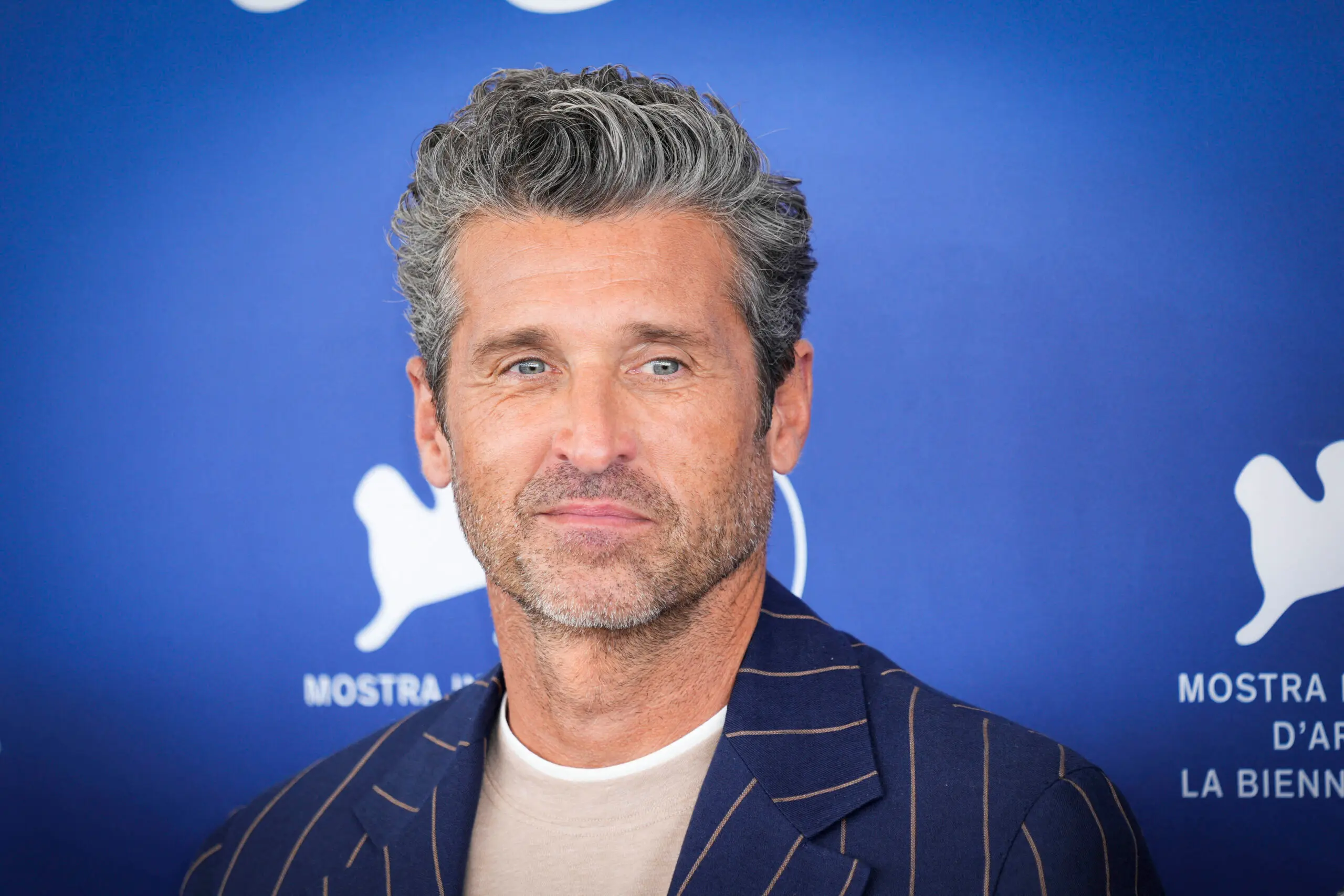
Patrick Dempsey is opening up about his late friend and “Grey’s Anatomy” co-star Eric Dane, who passed away from ALS at 53 years old. Dempsey shares a memorable moment from working with the late actor, offering a heartfelt tribute to his beloved friend.
Article continues below advertisement
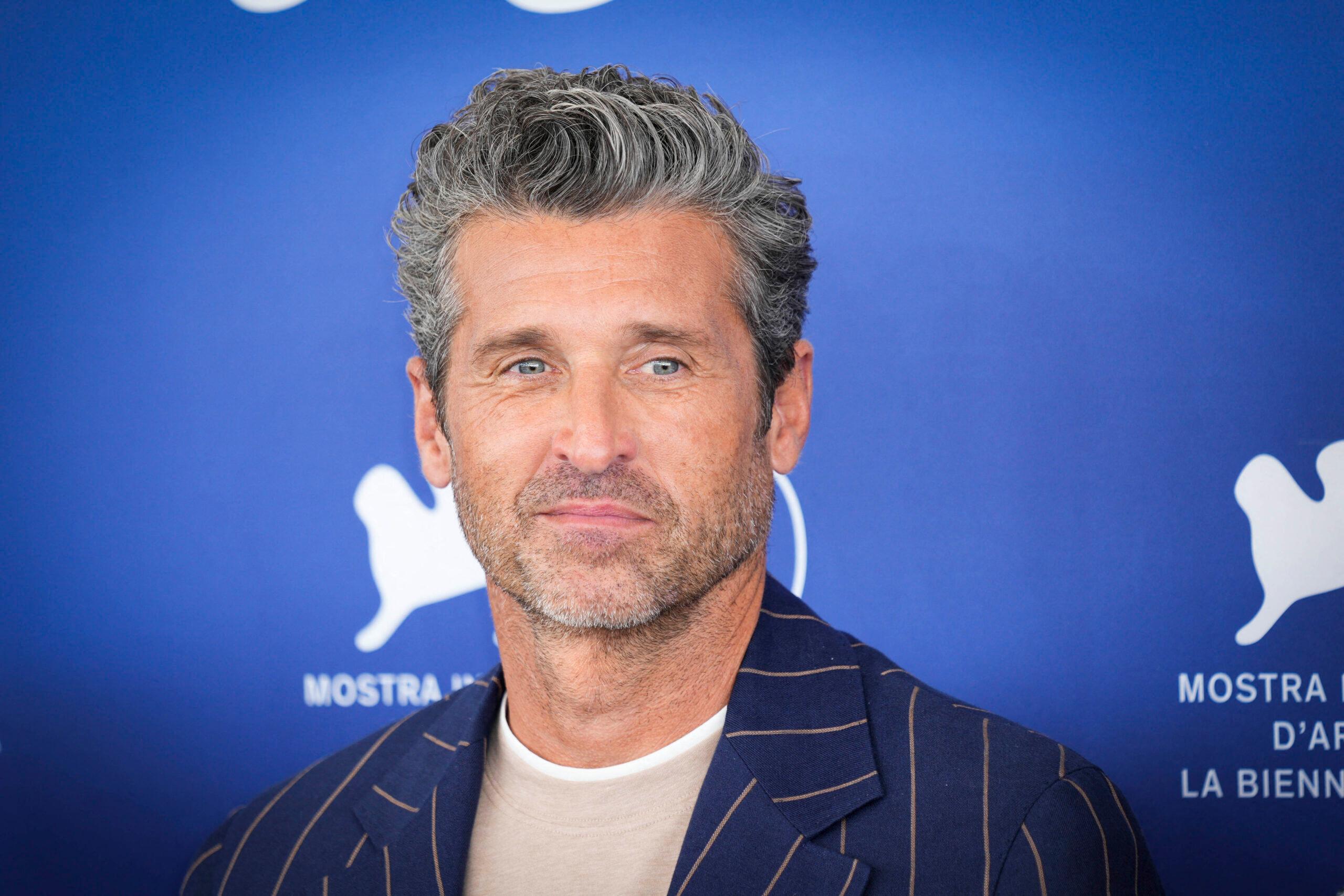
On February 20, Dempsey had a guest appearance on “The Chris Evans Breakfast Show,” just a day after Dane died. Dempsey said he woke up that morning to the news of his friend’s passing, telling the host it was difficult to put into words what he was feeling.
According to Dempsey, he had been texting with Dane just a week prior, and some of their friends had visited the actor. At that time, Dane had already started having difficulty speaking, according to Dempsey.
“He was bedridden and it was very hard for him to swallow, so the quality of his life was deteriorating so rapidly,” Dempsey shared.
In April 2025, Dane shared that he had been diagnosed with ALS, and he passed away on February 19, surrounded by his family.
Article continues below advertisement
Dempsey describes Dane as a funny man, saying that he was “such a joy to work with.” The actor said he brought so much joy to the set of “Grey’s Anatomy,” where they worked together for several years.
Dempsey recalled one of Dane’s scenes in the medical drama, where the latter shows up in only a towel, showing off his toned body. “First scene was him in all of his glory coming out of the bathroom with a towel on, looking amazing, making me feel completely out of shape and insignificant,” Dempsey recalled, laughing.
Article continues below advertisement
According to the “Memory of a Killer” actor, he and Dane immediately hit it off, extending their friendship outside of work. “There was this wonderful mutual respect. He’s wickedly intelligent, and I’m always going to remember those moments of fun that we had together and celebrate the joy that he did bring to people’s lives,” he said.
Article continues below advertisement
Dempsey and Dane played Derek “McDreamy” Shepherd and Mark “McSteamy” Sloan on “Grey’s Anatomy,” childhood friends and surgeons who had a complicated relationship.
Dane’s character first appeared in season 2, who was introduced as Shepherd’s former best friend who had an affair with Shepherd’s wife. The two eventually reconciled and developed an even closer friendship throughout the seasons.
Dane left “Grey’s Anatomy” in season 8 after his character was killed off. Dempsey’s character, meanwhile, died from a brain injury sustained in a car accident in season 11.
Despite no longer seeing each other regularly, Dempsey and Dane maintained their close friendship after “Grey’s Anatomy.”
Article continues below advertisement
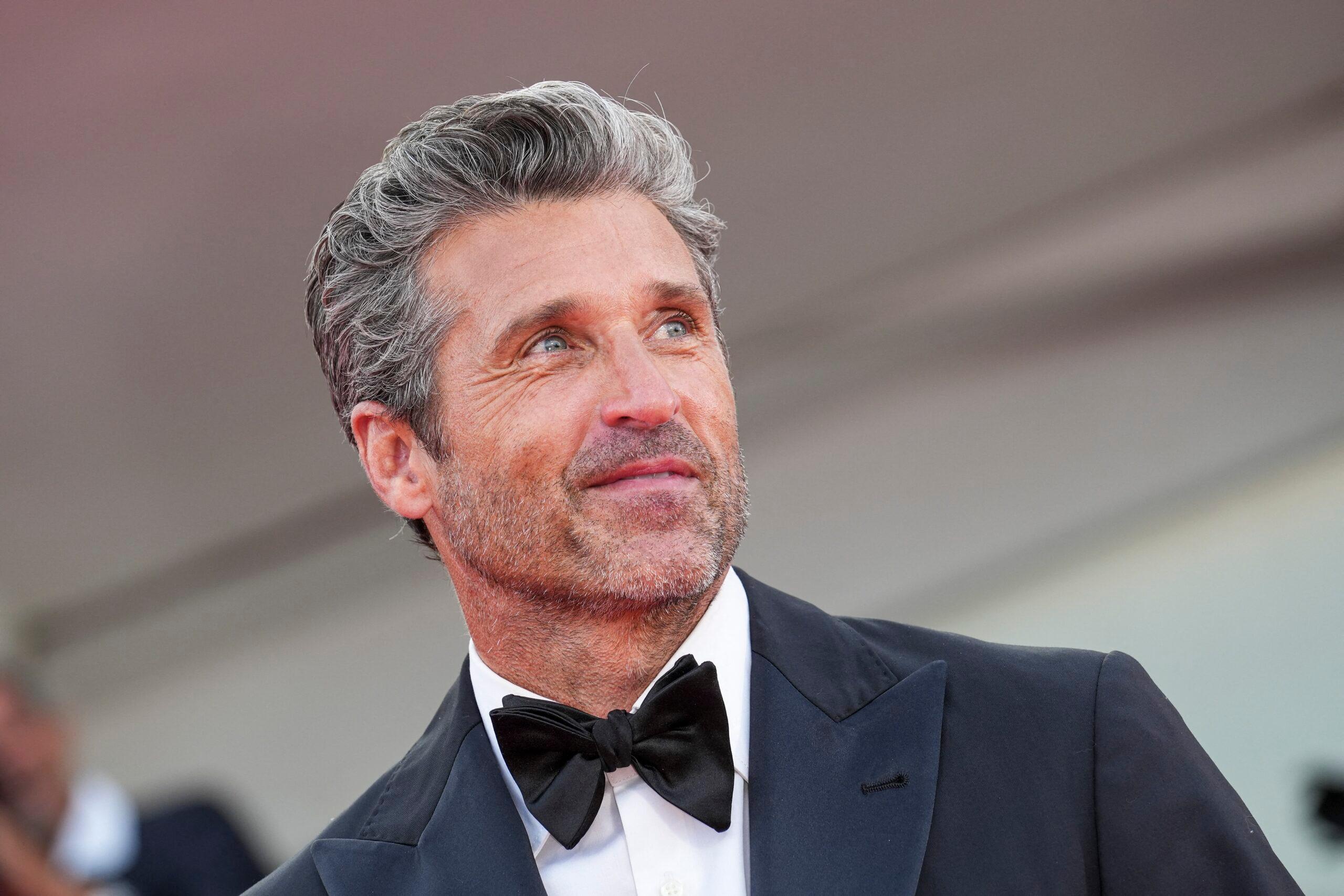
Apart from “Grey’s Anatomy,” Dempsey and Dane also appeared in the 2010 movie “Valentine’s Day,” though they didn’t appear in any scenes together.
As The Blast previously reported, Dempsey wanted another chance to work with Dane on a series.
When Dane revealed his ALS diagnosis, he said that he wanted to continue acting as long as he is able. Just a week after his announcement, he returned to work shooting for the third season of “Euphoria,” which is scheduled to premiere in April.
Dempsey’s crime thriller show on Fox, “Memory of a Killer,” debuted on January 25. He revealed that he wanted to get Dane as a guest star, but unfortunately, the progression of the actor’s ALS prevented it from happening.
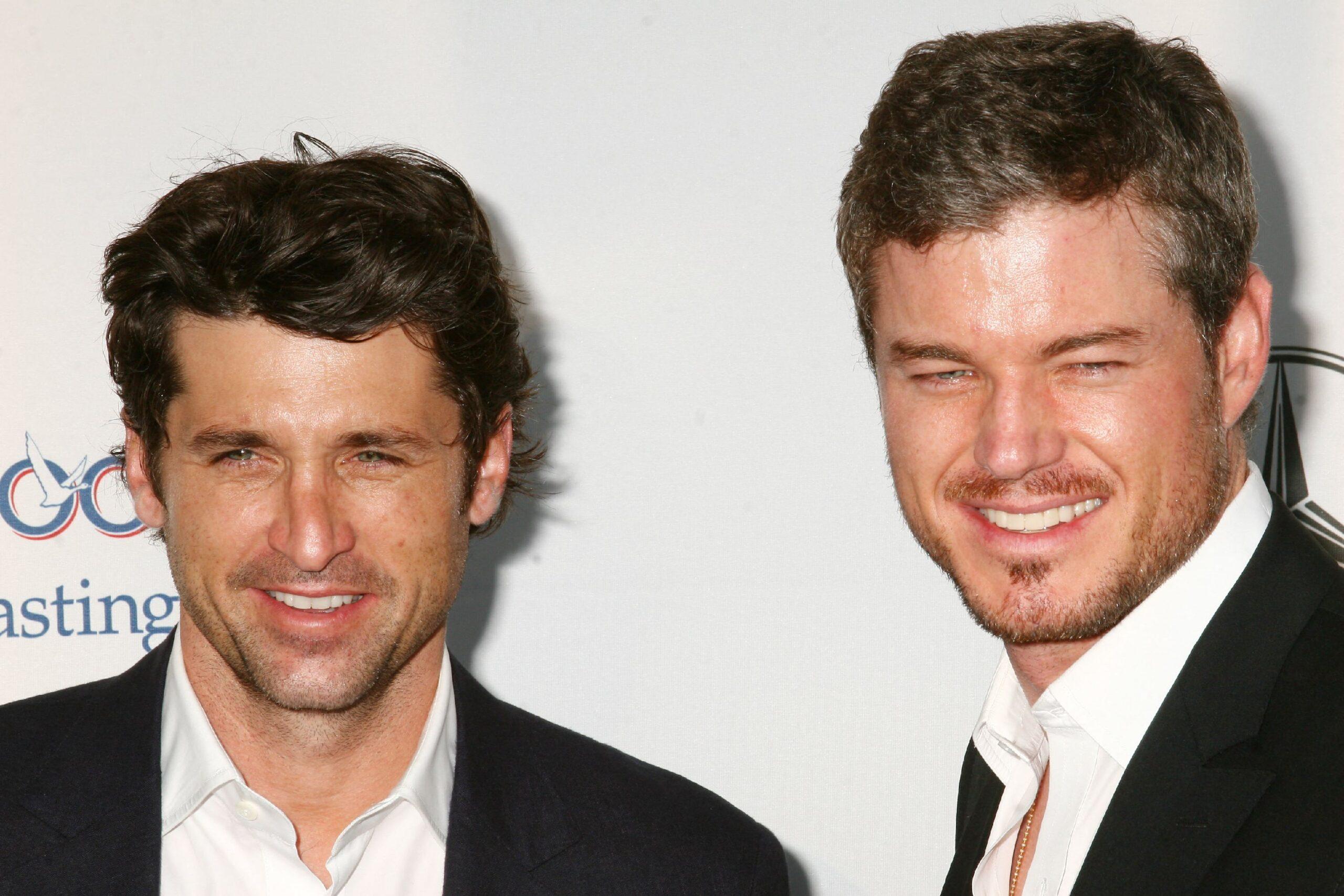
Apart from reminiscing about their time together, Dempsey also praised Dane for bringing awareness to ALS while also battling the disease, adding that it’s a reminder to “celebrate every day like it’s our last day.”
“In a world where there is just so much crisis, and there is so much tragedy that we really need to be grateful for every moment that we have… spend time with our families, do things that are better, that benefit of other people to be of service to be kind, to be loving…” he shared.
In September 2025, the ALS Network honored Dane with the Advocate of the Year Award for his work in raising awareness for ALS.
Us Weekly has affiliate partnerships. We receive compensation when you click on a link and make a purchase. Learn more!
Hilary Duff is a comfort queen. The fashion icon has perfected rich mom style and recently wore a classic pair of UGG boots that made for an effortlessly cozy look.
Duff was spotted making her way through the Toronto Pearson International Airport last month in an oversized shearling blanket coat and the Classic Ultra mini Boot from UGG. Lucky for Us, the exact pair is available on Amazon, making this a budget-friendly find you can add to your wardrobe without splurging on designer footwear. It’s a reminder that great style doesn’t have to come with a sky-high price tag — sometimes, it starts from the ground up.
Get the UGG Classic Ultra Mini Boot for $160 at Amazon! Please note, prices are accurate as of the publishing date but are subject to change.
A signature staple of the 90s, UGG footwear is beloved for its soft suede exterior and fuzzy, ultra-warm shearling lining. Perfect for winter’s frigid days, it makes total sense that the singer-actress would choose to wear them while braving Toronto’s icy weather.

If anyone has perfected the art of cool-mom dressing, it’s Jennifer Lawrence. Her off-duty style always feels relaxed but intentional, striking that rare balance between comfort and polish. This winter, she’s leaning into cozy footwear that still feels undeniably cool. The actress was photographed in New York City on January 5 wearing the Ugg Women’s […]
Duff opted for Ugg’s mini style, which hits right above the ankles, leaving feet and socks covered and protected without veering into full boot territory. You can purchase them in the same chestnut color as the “Mature” singer, or choose from over a dozen other colors ranging from similar rich mom-inspired neutrals to bold pops of color.
A fan favorite for decades, this Ugg boot has racked up well over 1,200 five-star ratings from Amazon shoppers who praise its soft comfort and long-lasting durability.
“These Uggs are simply the best! They’re cute, cozy and are super easy to come on and off without a hassle,” wrote one shopper. “The way they were designed to be sort of minimalist looking but also still have a very distinct, warm look definitely was the part that hooked me.”
Others raved they’re so comfortable, they double as slippers. “The softness is amazing! It always keeps my feet warm, and sometimes I just wear them around the house, they’re so comfy!”
If you need a chic travel outfit, follow Duff’s lead with these mini UGG boots that will elevate any look while providing cozy warmth and iconic style.
Get the UGG Classic Ultra Mini Boot for $160 at Amazon! Please note, prices are accurate as of the publishing date but are subject to change.
Looking for something else? Explore more UGG boots here and don’t forget to check out all of Amazon’s Daily Deals for more great finds!

Kate Middleton has a talent for turning even her coziest winter outfits into something effortlessly chic. Anytime she steps out in a practical piece, it tends to vanish from shelves in minutes. So spotting her exact ultra-comfy boots sitting pretty on Amazon felt like a rare fashion win. The style in question? Ugg’s Classic Tall […]
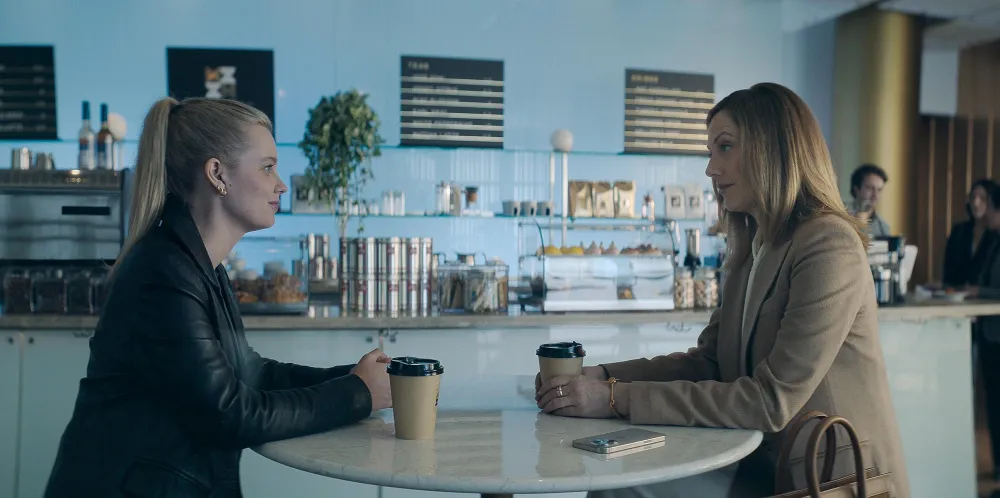
While the season 1 plot of The Last Thing He Told Me largely mirrored Laura Dave’s novel of the same name, season 2 will deviate slightly from the sequel.
“It’s so interesting because we were filming the show at the same time that the book was being written. So we only just read the book as it came out,” Angourie Rice exclusively told Us Weekly during a joint interview with Judy Greer earlier this month, who noted, “Yeah, I read it last weekend.”
“So it’s such a different way to make a show based on a book,” Rice, 25, continued. “They were in conversation with each other while we were making it.”
From Greer’s perspective, there wasn’t as much of a conversation as she envisioned.
“I remember [asking showrunner Josh Singer], ‘What happens now?’ And he’d be like, ‘I don’t know, she hasn’t told me,’ or like, ‘We’re doing it this way, and she’s doing another [way].’ It was so funny to me that we were kind of on two little islands,” Greer, 50, explained with a laugh, adding that “loads of surprises” are in store for book lovers.
For Rice, the book and show “complement each other so well.” Rice explained that the two mediums “bring out certain different notes and elements.”

“That’s what is so kind of interesting and unique about this situation is that I think if you’ve seen one or read one, it’s not like, ‘Oh, I’ve got the whole story.’ Or like, ‘I don’t need to see the other or read the other,’” she said, while Greer added, “Yeah, they’re different enough … Some characters are more prominent, some characters are less prominent.”
Rice replied, “Yeah, but the core is the same.”

Little Fires Everywhere, Big Little Lies and You are among the best-selling books that made their way to the small screen in the form of TV adaptations. Reese Witherspoon is at the center of many of the most successful TV shows based on books, thanks to her passion for bringing fresh stories to a new […]
Dave’s sequel, The First Time I Saw Him, was published in January. The highly-anticipated second book begins with a time-jump five years later, with Hannah (Jennifer Garner) crossing paths with Owen (Nikolaj Coster-Waldau) after he goes on the run. For season 2 of the mystery-thriller, Hannah and stepdaughter Bailey (Rice) have to navigate the fallout from Owen’s reemergence as faces from the past — like Quinn (Greer) — return.

While recalling the process to Us in January, Dave explained that she had “written a draft of the book” which was what gave the season 2 showrunners a plan of where to go with the show.
“I walked them through the book. They had the world and the themes and everything, but I only had 100 pages I was willing to share at that point,” Dave shared. “While I was doing some of that editing, they were off creating the second world for the show. I think they speak to each other really beautifully.”
Through it all, Dave noted that Garner, 53, is the “heart and soul” of her adaptation.
“Everyone says to me, ‘What’s it like having your book adapted?’” Dave gushed. “I say, ‘If you’re lucky enough to have Jennifer Garner play your protagonist, you just say, thank goodness in the end.’”
The Last Thing He Told Me season 2 airs Fridays on Apple TV.

By Jennifer Asencio
| Published

You’d be forgiven if you didn’t know there’s a new version of Dracula in theaters. The movie was released on February 6, 2026, to almost no fanfare or media buzz. Critics have given it mixed reviews, earning it a 52% on Rotten Tomatoes.
Directed by French creative Luc Besson, who brought us The Fifth Element and Valerian and the City of 1,000 Planets, the movie was first released in France in July 2025, despite having an American cast that includes Caleb Landry Jones of X-Men: First Class, Christoph Waltz from Inglorious Basterds, and newcomer Zoe Bleu, the latest generation of the famous Arquette family. The six-month window between releases may have hurt the movie, as critics move at the speed of the Internet, not theater chains.

However, another mark against the film is right there in its original subtitle, on the posters: A Love Tale. Following in the footsteps of the 1992 Francis Ford Coppola version and 2014’s Dracula Untold, the movie sets up a past-life romance between the titular vampire and Mina Harker, the wife of his British legal representative.
For some reason, the temptation to add this romantic garnish to Bram Stoker’s novel is irresistible to modern Hollywood. It gives the monster a sympathetic motivation and a tragic backstory. Dracula is a scary monster, based on a historic dictator known for his brutality. He is not someone to be pitied, and Bram Stoker did not have this element in his book. But producers seem to think that inserting this absurd origin story will sell tickets.

Trailers for the movie also look derivative of prior versions, most specifically the 1992 version. Count Dracula, in his youthful disguise, looks almost exactly the same as Gary Oldman’s rendition, right down to the top hat. Elder Count Dracula is possibly wearing the very same wig from over three decades ago. So much emphasis is placed in the trailer on Dracula’s time as the war leader we know as Vlad the Impaler, and an apparent disagreement with a Catholic cardinal dominates the presentation.

Christoph Waltz, who is billed on Google as Van Helsing, is listed as playing “priest” on IMDB, suggesting liberties were taken with his character. Further liberties were definitely taken with the story, with the insertion of a character named Maria that seems to replace the infamous bug-eating Renfield. Rather than having a magnetic allure generated by the power of his evil, Dracula’s appeal is in a perfume he and his minions produce. The trailer claims it “reimagines” Stoker’s novel, but it seems to just borrow a few character names to lend it legitimacy.

As of this writing, Luc Besson’s Dracula has taken in $39 million at the box office against a budget of $52 million. I suppose they saved a lot on advertising, which should help cushion the blow of not recouping their investment.
Despite hints of its financial failure, it remains one of the highest-grossing French films of recent years. Audiences who see it are enjoying it (it has an 81% audience approval score on Rotten Tomatoes), but apparently, it’s not inspiring moviegoers to flock to the theaters.

So yeah, there’s a new version of Dracula out, but its reception is so muted that more people know about that Daily Wire King Arthur show critics are desperately trying to ignore. If you want to see Dracula on the big screen, don’t blink, because you might miss it entirely.
By Chris Snellgrove
| Published
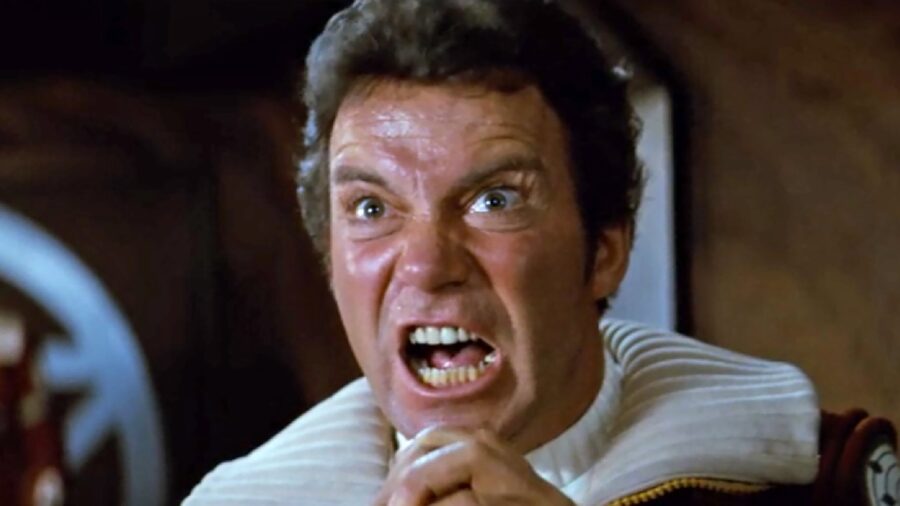
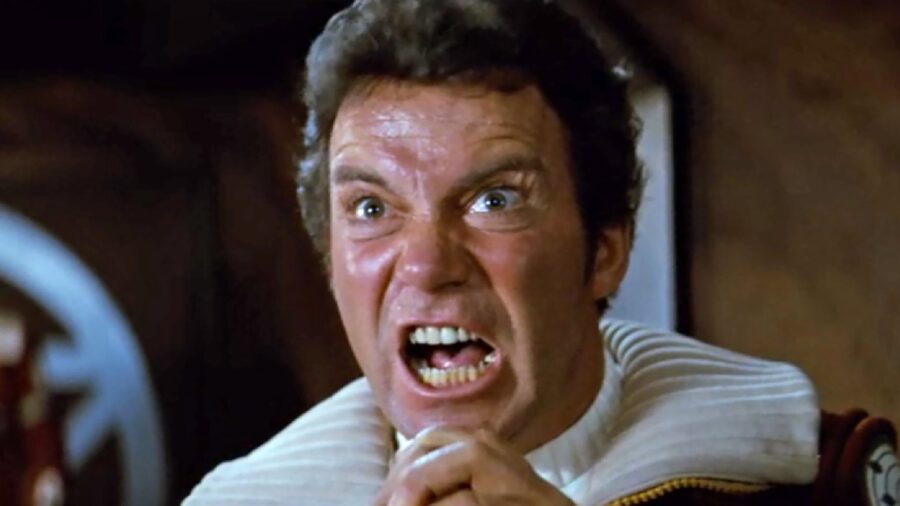
In recent weeks, the impossible has happened: Starfleet Academy, a show that had a very controversial start, has managed to deliver consistently interesting episodes. There are many reasons the show has improved, including the fact that it is finally ditching the forced humor that made earlier episodes so cringeworthy. But the series’s real secret weapon is that it isn’t afraid to shamelessly draw from the best that Star Trek has to offer.
The first example of this was “Series Acclimation Mil,” an episode in which the titular cadet does her best to discover the fate of Benjamin Sisko. That adventure channeled Deep Space Nine, serving as a love letter to the best show in the franchise. Now, the Starfleet Academy episode “Ko’Zeine” used one of its worst characters to illustrate a concept that Spock first brought up in Star Trek II: The Wrath of Khan: that for some people, Starfleet represents nothing less than their first, best destiny.
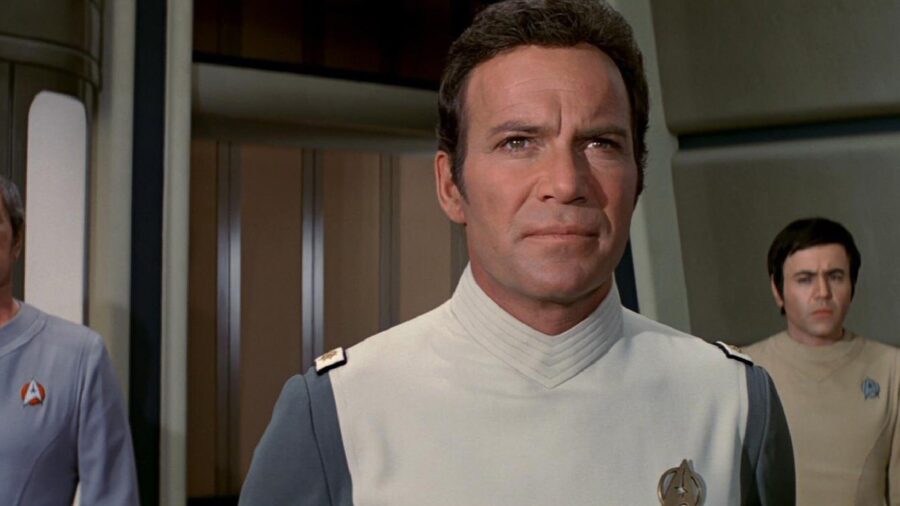
Back in Star Trek: The Motion Picture, we discover that Kirk has been rewarded for his successful five-year mission with a promotion to admiral. But he gets sick of riding a desk, and when a mysterious threat approaches the Earth, he abuses his connections to take command of the Enterprise for one last mission. By The Wrath of Khan, though, Kirk is back to desk duty, and the Enterprise is only being used for training exercises.

In that seminal sequel, Spock doesn’t mince words, telling Kirk that it was a mistake to accept that promotion to admiral. He bluntly tells Kirk that “Commanding a starship is your first, best destiny; anything else is a waste of material. Weirdly enough, the most recent episode of Starfleet Academy emphasized this theme, all while drawing on the kinds of logic that would have made Spock proud.

In the episode “Ko’zeine,” we discover that Darem, a cadet who has mostly been presented as a cocky bully, is Khionian royalty. He is betrothed to a young woman with whom he would eventually rule over his entire society, but they were originally planning to wed only after he graduated from Starfleet Academy. When she (thanks to parental pressure) calls her marker in early, Darem willingly abandons his academy life, marrying his childhood sweetheart and getting ready to be the kind of leader his planet needs him to be.
During the ceremony, Jay-Den (who followed Darem through a portal, fearing he was being kidnapped) gives a best man speech in which he hypes up Darem’s accomplishments, including walking on a hull to save the day. Later, his new wife encourages him to nullify the marriage, and she cites Jay-Den’s speech as the reason why.

More specifically, she tells her husband that “the man [Jay-Den] described is someone I’ve never met,” noting that she never saw Darem quite so happy as he was the day he applied to Starfleet Academy. She then speculates as to why this small act pleased her betrothed so much. “Maybe it’s because you finally had a chance to be yourself in a way you never could here.”
Now, what do Darem’s newlywed woes have to do with Star Trek II: The Wrath of Khan? In that fan-favorite film, Spock opined that destiny was real and that Kirk made a mistake accepting a promotion to admiral and subsequently riding a desk. Sure, Kirk might have been able to do great things as an administrator, but as far as his best friend was concerned, he could do much more as the captain of a Starfleet vessel.

Darem is someone with a pretty special destiny of his own: he is supposed to rule Khionia, giving billions of people the guidance that will change their lives forever. However, his new bride clocks that this destiny effectively changed Darem, turning him into a self-sacrificing people pleaser who will always put his needs aside to help others. Only in Starfleet was Darem able to become the cocky, self-assured young warrior that he was always destined to be.
For Darem, service in Starfleet is his first, best destiny, and he would be just as unhappy running a planet as Kirk would be riding a desk. In choosing to go back to the academy, he channels the wisdom of Spock. As if to drive that point home even harder, Jay-Den asks Darem a very straightforward question: would he be a better man if he ruled Khionia, or would he be a better man if he spent life “in service to many” as a Starfleet officer?

Here, the Klingon Jay-Den seems to be ironically channeling the guiding ethos of the Vulcan people: “the needs of the many outweigh the needs of the few, or the one.” Sure, Darem could do good for a whole planet by staying behind to rule it. But he could do good for an entire galaxy by remaining a Starfleet officer, and he decides to stay behind and complete his training as a cadet.
Star Trek fans aren’t likely to call this the “Spock episode” the same way they call “Series Acclimation Mil” the “Sisko episode.” Nonetheless, the famous Vulcan’s wisdom echoes throughout this story, both in Darem’s decision to remain in Starfleet and his motivation for ultimately leaving a life of royalty. In this way, this Starfleet Academy episode celebrates the 60th anniversary of Star Trek with the sagacious Vulcan wisdom that helped make Star Trek II: The Wrath of Khan the best film in the franchise.
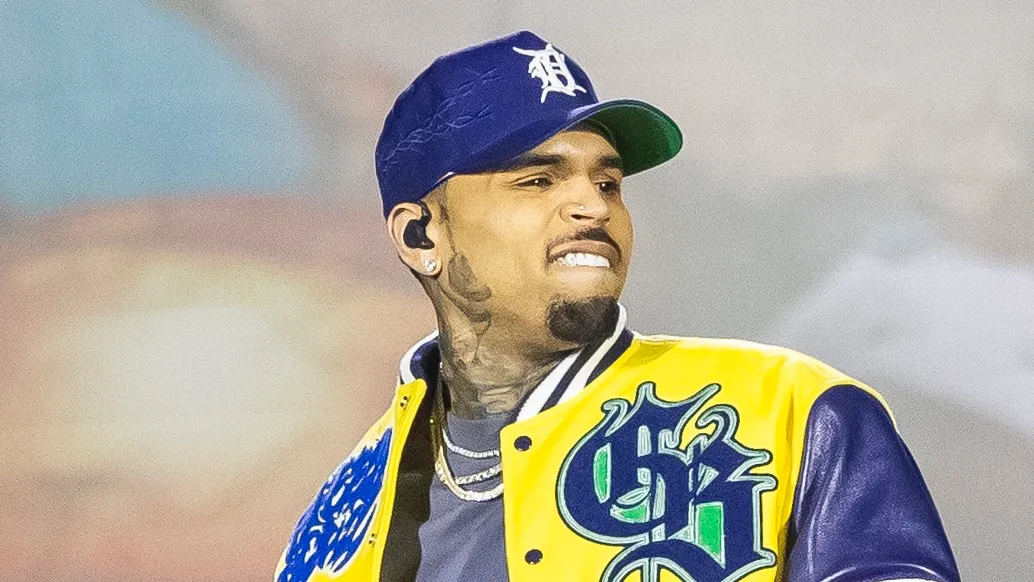
Chris Brown has shared a message for his fans following the viral blow-up between Diamond Brown and Jada Wallace.
During the early hours of Friday, February 20, Chris Brown took to Instagram to share an apparent clip from his music video feature on Zoe Dollaz’ ‘Post & Delete’ track. In the clip, Chris let his fans know that he’s “stepping on s**t all summer.”
“Stepping on S**T ALL SUMMER. Be patient with me,” Breezy wrote. “BROWN ALBUM COMING SOON, and make sure Yall save ya money. Summer time is next level. I’m dropping videos and songs. #R&BSUMMERSURPRISE”
Peep the post he shared, along with his message, below.
Social media users reacted to Chris Brown’s message in TSR’s comment section.
Instagram user @shantoria__ wrote, “He rap better then some of y’all favorite rappers. He is so talented🔥”
While Instagram user @jasyfancy added, “Imma forgive you the same amount of times I forgave my baby daddy !”
Instagram user @therealamandabrinkley wrote, “Omggggg we going on tour again !!!!! ‼️‼️‼️”
While Instagram user @its.justtrayy added, “i just hope diamond knew we was still gon stick beside him 🫣”
Instagram user @cheze_pleaze wrote, “Imma always have Chris Brown money😂 Drop the dates!”
While Instagram user @chinawhite.nyc1227 added, “😂😂😂 diamond boo we gone stick beside him”
Instagram user @shelightskin wrote, “Putting that anger into your music make yo s**t go upppp👏”
While Instagram user @beresowavey added, “Meanwhile we here tryna be the 5th BMs lol”
Instagram user @chi_chichime wrote, “That ‘growth’ act went out the window. Diamond got Chris working overtime on this album … 😂 Diamond put Chris in a manic state .. you know she’s that girl when he’s acting crazy.”
While Instagram user @snerryveryberry added, “What about the twins fighting over you sir 😂😂😂😂”
As The Shade Room previously reported, earlier this week, Diamond Brown shocked the internet when she shared a message telling Chris to leave her alone while alleging he has a “new baby on the way.”
Afterward, Diamond even shared why she was heated at Brown. She alleged he has been attempting to run off her new relationships.
Ultimately, Jada Wallace, Chris’s rumored girlfriend, stepped in and accused Diamond of dating Chris’s friends to get him mad. Additionally, she accused Diamond of keeping their daughter, Lovely, from Chris.
Diamond clapped back, denying Wallace’s claims. She alleged that she hasn’t been dating Chris’s friends and even stated that she would “whoop” Wallace once her baby dropped.
Ultimately, neither Chris nor Jada confirmed nor denied the baby allegations.
But Diamond also appeared to reveal that Chris is expecting a “baby boy.” Furthermore, social media users even caught Chris appearing to agree with a TikToker who shared a strong message for Diamond airing out his business.
What Do You Think Roomies?
Published
Miami County Communication Center
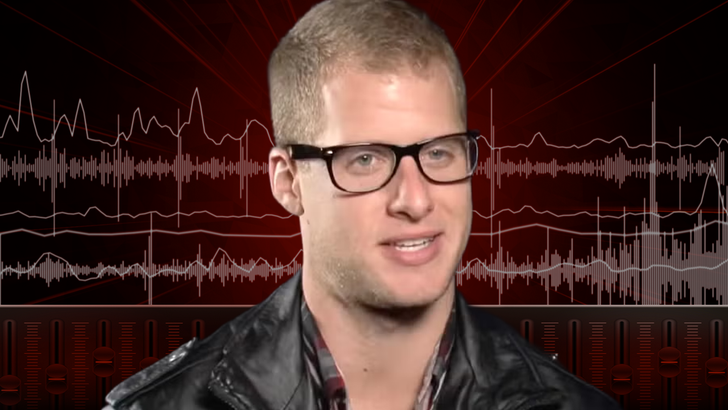
“American Idol” alum Caleb Flynn is under arrest for allegedly murdering his wife … but it looks like he’s the one who called 911 and claimed someone broke into their Ohio home and shot his wife, Ashley.
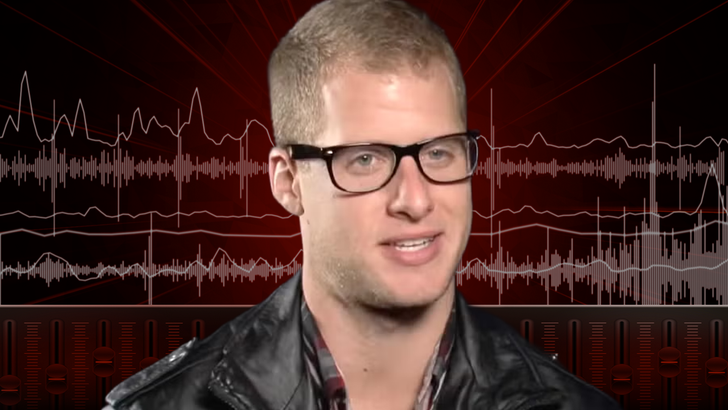
Listen to Flynn’s 911 call, obtained by TMZ … he’s emotional and borderline hysterical as he tells the dispatcher there’s blood everywhere and gunshots to his wife’s head.
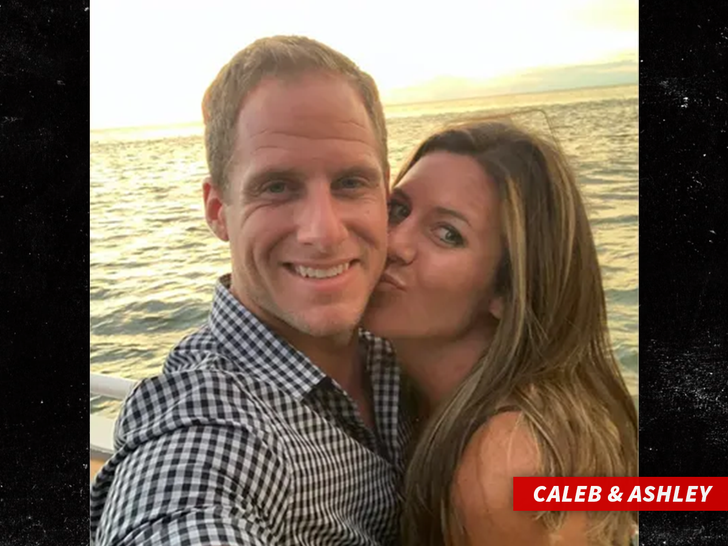
Flynn says the door to the garage is wide open and their kids are in the house asleep. He tells the dispatcher his wife’s face is “white as a ghost.”
He’s still on the call when cops arrive … and you hear him talking to officers.
As we reported … Flynn was arrested Thursday by the Tipp City PD and booked into the county jail for murder, felonious assault, and tampering with evidence, according to official records. He posed for a mug shot with no expression on his face.
TMZ also obtained dispatch audio from the incident, and at one point you hear a dispatch officer report there’s a woman who was shot in the head and is not responding.
Broadcastify.com

Law enforcement says Flynn shot 37-year-old Ashley using a 9mm semiautomatic handgun and then staged the crime scene.
Flynn auditioned for “American Idol” season 12 back in 2013 … he didn’t make the cut, but he gave an interview as part of his trial, gushing about his love for music and his wife.
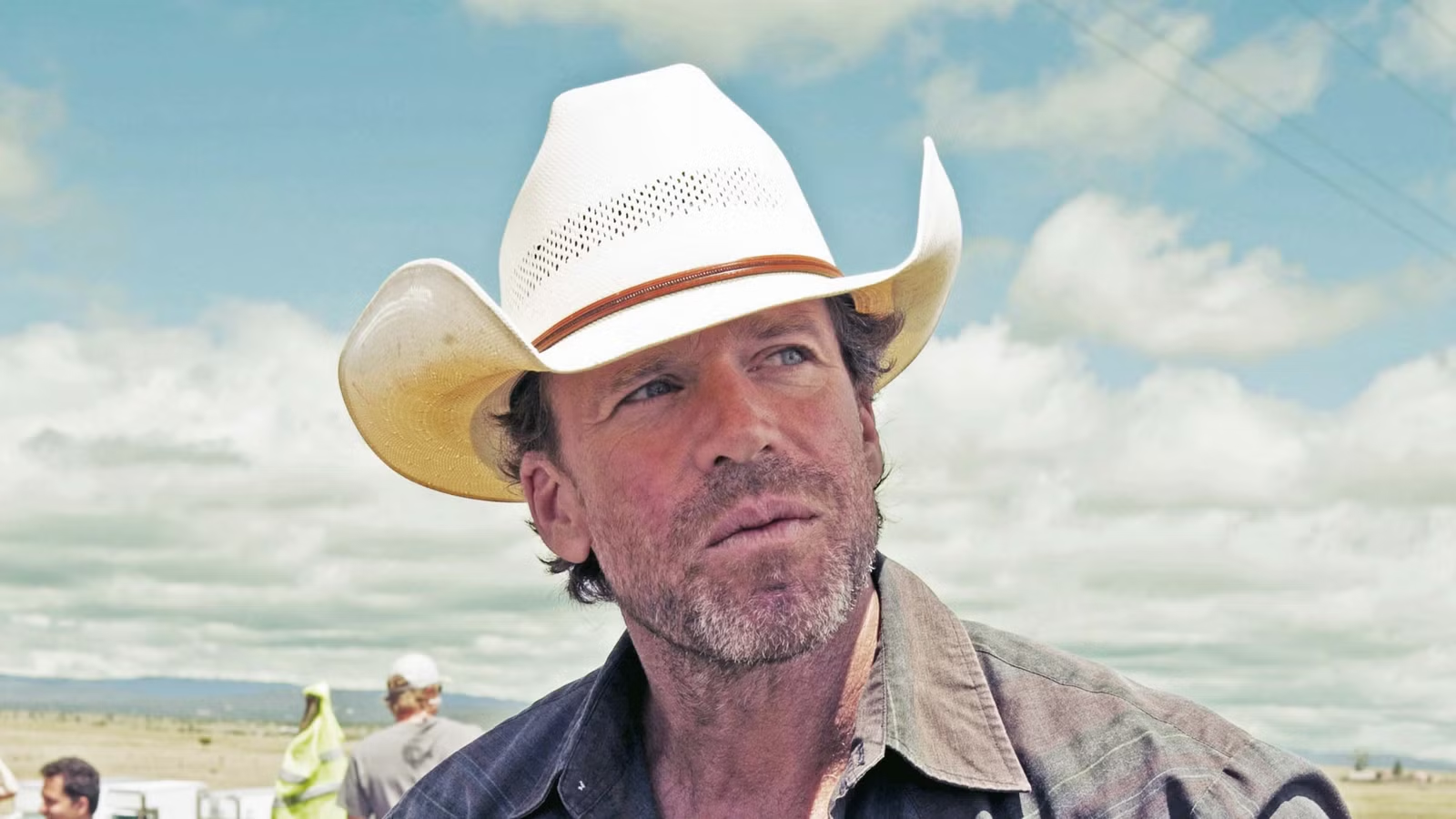

Taylor Sheridan is an acclaimed scribe who has mastered the art of the neo-Western. He made his feature writing debut in 2015 on Sicario, a film that would be the peak of many writers’ filmography. While some of his other projects, like the 2018 sequel to Sicario, didn’t quite live up to Sheridan’s high standards, they still found an audience in theaters and continue to do so on streaming. Sheridan entered the TY portal in 2018 with the release of the first season of Yellowstone, the hit contemporary Western show starring Kevin Costner. It ran for five successful seasons and has aired two spin-offs with more on the way. Two years before the first season of Yellowstone, though, Sheridan wrote another neo-Western that may just be his magnum opus.
In 2016, Sheridan recruited Chris Pine and Jeff Bridges to star in Hell or High Water, the contemporary Western/police procedural following a divorced father who is trying to make a better life for himself. When his ex-con brother comes back into his life, and they plan a series of heists together, they find themselves on the radar of a local lawman who becomes obsessed with taking them down. The film earned scores of 97% from critics and 89% from audiences on the aggregate site Rotten Tomatoes, and it grossed $37 million at the box office against a modest $12 million budget. In America, Hell or High Water is streaming exclusively on Netflix, but globally, the film has become one of the most popular purchases on Apple TV in several countries. Sheridan wrote the script for the film, but David Mackenzie stepped behind the camera to direct.
Taylor Sheridan has been working with Paramount for years now, and the only one of his shows that’s not streaming on Paramount is Yellowstone. This is due to a deal struck between the two conglomerates a few years back that allowed all episodes of Yellowstone to move to a new streaming home. Late last year, news broke that Sheridan is officially leaving Paramount for NBCUniversal, so by the time it’s all said and done, fans can expect more of his shows on Peacock. This deal won’t go into effect until the end of 2028, though, so there’s still plenty of time to enjoy his content on Paramount+.
Be sure to watch Hell or High Water on Netflix before it’s removed from the platform and stay tuned to Collider for more streaming updates.

August 11, 2016
102 minutes
David Mackenzie
Carla Hacken, Julie Yorn, Peter Berg, Sidney Kimmel
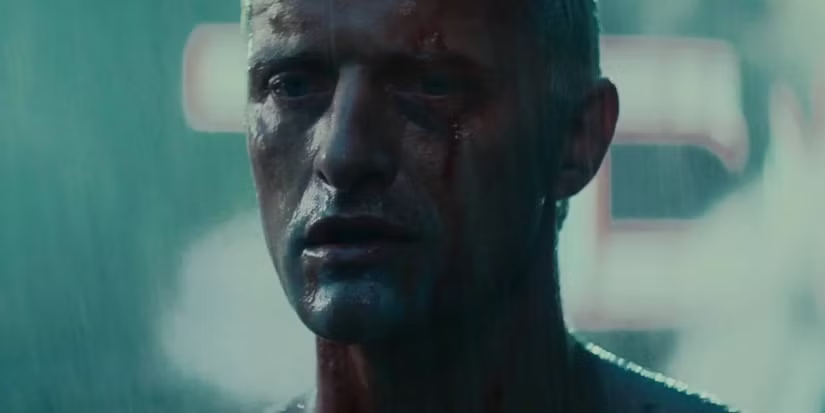
With human experiences being so subjective, it’s easy to overhype a movie. Whatever things happened to you in the lead-up to seeing that movie could influence how you feel about it, and if someone tells you that something is the best thing ever, it could set your expectations too high and leave you disappointed. That being said, I still think Rutger Hauer’s climactic speech in Ridley Scott’s Blade Runner is one of the best things ever depicted in a movie.
Blade Runner is generally regarded as a sci-fi masterpiece, even separated from Hauer’s speech, and it has an 89 percent rating on Rotten Tomatoes (which is too low). It also says a lot that Harrison Ford’s starring role as futuristic cop Rick Deckard is just one step or so below Han Solo and Indiana Jones in terms of iconic movie characters. In addition to him and Hauer, the movie stars Sean Young, Edward James Olmos, and Daryl Hannah.

The plot of Blade Runner concerns Rick Deckard’s mission to “retire” (meaning kill) a group of rogue replicants — essentially advanced robots that are practically indistinguishable from humans but often have superior strength and intelligence. Replicants have predetermined lifespans, and the rogue ones in the movie are mostly just trying to find a way to prolong their brief lives. Eventually, Deckard tracks them all down and kills them except for one, Hauer’s Roy Batty, who was designed for military combat.
Batty and Deckard fight, with Batty easily winning just as his lifespan is about to end. Given a chance to let Deckard die, Batty saves his life instead and laments the fact that his own life is over:
I’ve seen things you people wouldn’t believe. Attack ships on fire off the shoulder of Orion. I watched C-beams glitter in the dark near the Tannhäuser Gate. All those moments will be lost in time, like tears in rain. Time to die.
And then he dies, releasing a dove that he had grabbed and letting it fly up into the sky.

There are a lot of reasons why this is so good: First, Hauer’s delivery is both chilling and heartbreaking, and every word seems carefully considered — the way he says “people,” as if he’s spitting out venom, is particularly brilliant. There’s also the fact, which may not be clear to people who aren’t big Blade Runner fans, that he’s not referring to things that are ever acknowledged in the movie. We don’t know what it means for C-beams to glitter near the Tannhäuser Gate, because we don’t know what any of those things are. It underlines the fact that Batty has had life experiences beyond what anyone else can comprehend, and, when he dies, they’ll just be gone.
Even better: Hauer largely came up with the speech himself, with the “tears in rain” bit being his own improvisation. Different versions of the speech had been written in the script, but Hauer thought they were all a little much and cut out most of it without telling anyone because he wanted to preserve what he thought Batty’s thought process would be at the moment of his death. Ridley Scott evidently approved, because it’s in the movie, and it has helped make Blade Runner an unforgettable sci-fi classic.

June 25, 1982
118 minutes
David Webb Peoples, Hampton Fancher, Philip K. Dick
Michael Deeley, Run Run Shaw

Roomies, NBA YoungBoy shared a message amid Yaya Mayweather and Mellow Rackz‘ back-and-forth. However, it appears he was unbothered.
On Thursday, February 19, while Yaya Mayweather and Mellow Rackz were lighting the internet up with their heated exchange, NBA YoungBoy took to X, formerly known as Twitter. This, to share a brief statement, seemingly signaling that he was unaware of their back-and-forth, or perhaps unbothered.
“Capitalize, f**k all that waiting,” he tweeted.
Reactions then poured in via the comment section of NBA YoungBoy’s tweet.
X user @myneiidadonn_ wrote, “Hey, get them b*****s in check.”
While X user @sexyni101 added, “and yo messy ass probably sitting back reading the tweets laughing smh”
X user @@mariahcarr42311 wrote, “BRUH GET YAYA N MELLOW”
While X user @@ybgoonette added, “tell them h**s stfu we tired of em”
X user @@kentrelllovesme wrote, “slap yaya , mellow & star”
While X user @@IDKADH_ added, “Mane get mellow and yaya 5ive”
X user @@kindywindyy wrote, “go give yaya her lil weekend, she a lil grumpy rn”
While X user @@xcourianx added, “younnn see allis s**t happening bc of a fcking ring????”
X user @@bookieboot wrote, “Your h**s are cutting up!!… They been pressed since Jaz ring made it to the internet!!”
While X user @@NasiaDaP27 added, “U see the drama ?
X user @@davsdgaf wrote, “I’m ngl get your lap dogs”
While X user @@kenotonin added, “F**k that, get yaya ass to stfu”
As The Shade Room previously reported, earlier this week, a new blog was shared on Jazlyn Mychelle’s YouTube channel, and a clip showed her giving a pregnancy update. However, fans couldn’t help but notice a huge rock on Mychelle’s finger. Subsequently, Pristin Jewelers confirmed that NBA YoungBoy upgraded her ring.
Subsequently, Yaya Mayweather shared footage of her dream engagement ring. This, while seemingly throwing shade at Mychelle’s new rock, calling it a lab diamond.
Subsequently, Mellow shaded Mayweather, saying the ring was certified and she should “cry about it.” In turn, Mayweather accused Mellow of being friendly to someone with whom she’s sleeping with their husband. From there, their beef was ignited, and they went back and forth about luxury items, alleged Ls.
At some point, a separate woman called out Mellow for flossing pictures from an apparent photoshoot in her closet. Mayweather jumped in there, too.
Ultimately, things between Mellow and Mayweather subsided, with Mayweather returning to X to share that she’s thinking about streaming.
What Do You Think Roomies?




Bitcoin: We’re Entering The Most Dangerous Phase


Luxman Enters Its Second Century with the D-100 SACD Player and L-100 Integrated Amplifier


Can XRP Price Successfully Register a 33% Breakout Past $2?


GB's semi-final hopes hang by thread after loss to Switzerland


XRP News: XRP Just Entered a New Phase (Almost Nobody Noticed)

The Music Industry Enters Its Less-Is-More Era


Infosys Limited (INFY) Discusses Tech Transitions and the Unique Aspects of the AI Era Transcript


Kunal Nayyar’s Secret Acts Of Kindness Sparks Online Discussion


Financial Statement Analysis | Complete Chapter Revision in 10 Minutes | Class 12 Board exam 2026


Retro Rover: LT6502 Laptop Packs 8-Bit Power On The Go


Bhutan’s Bitcoin sales enter third straight week with $6.7M BTC offload

Clearing the boundary, crossing into history: J&K end 67-year wait, enter maiden Ranji Trophy final | Cricket News


Dolores Catania Blasts Rob Rausch For Turning On ‘Housewives’ On ‘Traitors’


Tesla avoids California suspension after ending ‘autopilot’ marketing

The strange Cambridgeshire cemetery that forbade church rectors from entering


WLFI Crypto Surges Toward $0.12 as Whale Buys $2.75M Before Trump-Linked Forum

Man dies after entering floodwater during police pursuit


83% of Altcoins Enter Bear Trend as Liquidity Crunch Tightens Grip on Crypto Market


UK construction company enters administration, records show

Eurovision Announces UK Act For 2026 Song Contest