

Business
From Iconic Bondi to Pristine Whitehaven


Australia’s coastline, stretching more than 25,000 kilometers, boasts some of the world’s most stunning and visited beaches. In 2026, with summer in full swing across the Southern Hemisphere and eco-tourism booming post-pandemic recovery, beaches continue to draw millions of domestic and international visitors. Popularity metrics blend visitor numbers, Tripadvisor reviews, global rankings like the 2026 Travelers’ Choice Awards, and media buzz from outlets including Time Out, Tourism Australia and Nomadasaurus.
Sydney’s urban icons lead in sheer crowds, while remote paradises top beauty lists. Here’s a look at the 10 most popular beaches in Australia this year:

- Bondi Beach, Sydney, New South Wales The undisputed king of Australian beaches, Bondi remains the most visited urban stretch. Iconic for its golden sand, surf culture and the coastal walk to Bronte, it draws crowds year-round. In 2026, Bondi ranks high on global lists and sees heavy foot traffic from tourists snapping photos at the pavilion or enjoying the Icebergs pool. Its accessibility via public transport and vibrant cafe scene keep it perpetually packed.
- Manly Beach, Sydney, New South Wales Often outranking Bondi in recent awards, Manly topped Australia’s entries in the 2026 Tripadvisor Travelers’ Choice (placing ninth worldwide). The ferry ride from Circular Quay adds charm, while the beach offers excellent surfing, family-friendly vibes and a lively Corso promenade with shops and eateries. Its consistent high ratings reflect strong visitor satisfaction.
- Whitehaven Beach, Whitsunday Islands, Queensland Frequently called the world’s best beach, Whitehaven’s 98% pure silica sand and swirling turquoise waters secure its spot as a must-see. Accessible by boat or seaplane from Airlie Beach or Hamilton Island, it tops many 2026 beauty rankings. Hill Inlet lookout provides postcard views, drawing eco-tourists and cruise passengers.
- Cable Beach, Broome, Western Australia Famous for camel rides at sunset, this 22-kilometer red-dirt-meets-white-sand stretch remains a Kimberley highlight. Its remoteness limits crowds, but popularity surges with adventure seekers. In 2026, it’s praised for clear waters and four-wheel-drive access.
- Hyams Beach, Jervis Bay, New South Wales Boasting some of the world’s whitest sand (verified by Guinness), Hyams draws visitors for its crystal waters and dolphin sightings. Part of Booderee National Park, it offers calm swimming and snorkeling, with growing eco-tourism in 2026.
- Wineglass Bay, Freycinet National Park, Tasmania The curved bay framed by pink granite peaks ranks among Australia’s most photographed. A short hike to the lookout rewards with stunning views. In 2026, it’s a top draw for nature lovers seeking seclusion.
- Bells Beach, Torquay, Victoria Surfing mecca and Rip Curl Pro host, Bells attracts wave riders and spectators. Its dramatic cliffs and consistent swells make it legendary, with strong visitor numbers in summer.
- Lucky Bay, Cape Le Grand National Park, Western Australia Turquoise waters, white sand and kangaroos on the shore make Lucky Bay unforgettable. Esperance-area popularity rises with road-trippers seeking Instagram-worthy moments.
- Surfers Paradise Beach, Gold Coast, Queensland The heart of the Gold Coast, this high-rise-lined beach buzzes with tourists, surfers and nightlife. Its accessibility and facilities keep it among the most visited.
- Palm Cove Beach, Cairns, Queensland A relaxed northern gem with calm waters, palm-fringed shores and Great Barrier Reef proximity. It appeals to families and couples, with strong reviews for tranquility.
These beaches reflect Australia’s diversity — urban energy in Sydney, tropical paradise in Queensland, rugged beauty in the west and south. Visitor numbers spike in summer, with eco-concerns prompting sustainable practices like reef-safe sunscreen and park fees.
Whether chasing waves, solitude or sunsets, these shores capture why Australia’s beaches remain a global draw in 2026.


FEPI: Buying On Declines Can Lead To Success


Israeli strikes in Lebanon kill at least 10, including senior Hezbollah official

Aggregate washing plays a key role in producing clean, saleable materials for construction, concrete, and asphalt. Whether you are working in quarrying, mining, or recycling, the right washing setup can make a real difference to output and product quality.
One of the biggest decisions operators face is whether to buy new equipment, invest in used plant, hire machinery, or contract the work out altogether. Each option has its place. The right choice depends on your workload, budget, and long-term plans.
Understanding Your Project Demands
Before making any decision, it helps to look closely at your workload. Is the washing requirement part of a long-term operation, or is it tied to a short-term contract?
If you are running a fixed quarry with steady production targets, owning your own washing plant may make sense. You have full control over throughput, maintenance schedules, and product specifications.
On the other hand, if you have won a contract for a limited period, hiring equipment or contracting the washing work can reduce financial risk. There is no large capital outlay, and you are not left with equipment that may sit idle once the job is complete.
Seasonal demand also plays a part. In some sectors, work can fluctuate. Hiring or contracting allows you to scale up or down without long-term commitment.
The Case for Buying New Equipment
Buying new aggregate washing equipment gives you access to the latest design improvements and efficiency gains. Modern washing plants are built with better water management systems, improved wear protection, and easier access for maintenance.
For businesses with a consistent pipeline of work, new plant can be a sound long-term investment. You know the full service history from day one, and warranties provide added peace of mind.
However, buying new requires significant upfront capital. For smaller operators or companies testing a new market, that cost can be hard to justify. There is also the question of lead times. Manufacturing and delivery can take months, which may not suit urgent projects.
The Role of Used Plant in Today’s Market
Used aggregate washing equipment remains popular, particularly for operators looking to control spending. A well-maintained second-hand plant can offer strong performance at a lower price.
The key is knowing what you are buying. Inspection, service records, and support from a reputable supplier matter. Without them, hidden wear or outdated components can lead to downtime.
Used plant works well for businesses expanding capacity without stretching budgets too far. It can also be a practical choice for satellite sites or smaller operations where top-end output is not required.
That said, used equipment may not offer the same efficiency or water-saving features as newer models. Over time, operating costs can rise if maintenance demands increase.
Why More Businesses Are Choosing to Hire
Hiring aggregate screening and washing equipment has become more common across the minerals and construction sectors. The main reason is flexibility.
When you hire, you gain access to modern machinery without tying up capital. This allows you to respond quickly to new contracts or changes in workload. If a project grows, additional equipment can often be added. If work slows, machines can be returned.
Hiring can also reduce maintenance concerns. Many hire agreements include servicing support, which keeps the plant running while allowing your team to focus on production.
For companies entering a new area of work, hiring provides a way to test demand before committing to purchase. It lowers the financial risk while still delivering the capability required on site.
The Rise of Contract Washing Services
An increasing number of operators are choosing to contract out their washing requirements altogether. Instead of buying or hiring equipment, they bring in a specialist team to supply, operate, and maintain the washing plant.
This approach shifts responsibility away from the quarry or site owner. The contractor manages setup, compliance, maintenance, and output targets. For many businesses, this frees up internal resources and simplifies project management.
Contract washing can be particularly attractive for short to medium-term projects, high-clay sites that require tailored solutions, or locations where in-house expertise is limited.
It also offers predictable costs. Rather than dealing with unexpected repair bills or downtime, you work to agreed terms that reflect production volumes or project duration.
Weighing Up Cost Against Control
At the heart of the decision is a balance between cost and control. Buying equipment, whether new or used, gives you full ownership and long-term availability. It suits established operations with steady demand.
Hiring provides flexibility and lower upfront cost, making it ideal for variable workloads or growing businesses. Contract washing goes one step further, removing much of the operational responsibility from your team.
There is no single answer that fits every quarry, mine, or construction project. The best choice depends on how often the plant will run, how confident you are in future workloads, and how much responsibility you want to carry in-house.
By reviewing your production plans and speaking with experienced equipment suppliers, you can find a solution that supports both your immediate needs and your long-term goals.


Ukrainians, scattered across Europe, trapped in limbo by war

As search evolves with AI overviews, generative results and zero-click SERPs dominating 2026, marketers and agencies continue debating between Semrush and Moz Pro — two veteran platforms that remain staples for SEO professionals. Semrush, the all-in-one digital marketing suite, edges ahead in breadth, data volume and AI visibility tracking, while Moz Pro holds ground with simplicity, lower entry pricing and strong domain authority metrics.
Both tools updated interfaces and added AI enhancements in late 2025 and early 2026, reflecting industry shifts toward prompt tracking, LLM visibility and generative engine optimization (GEO). Recent head-to-head reviews from DemandSage (February 2026), Style Factory (January 2026) and Seologist (February 2026) highlight Semrush as the overall leader for professional teams, agencies and growth-focused users, while Moz appeals to beginners, small businesses and those prioritizing crawl limits and affordability.
Keyword Research and Database Size
Semrush maintains the world’s largest keyword database at over 27.9 billion keywords, dwarfing Moz’s 1.25 billion. This gap translates to deeper suggestion volume, more accurate difficulty scores and better long-tail discovery. Semrush’s Keyword Magic Tool delivers millions of ideas per seed term, with advanced filters for intent, questions and AI Overviews visibility. Moz’s Keyword Explorer offers solid fundamentals — search volume, difficulty and priority scores — but caps suggestions (often around 1,000 per query on lower plans) and lacks Semrush’s real-time trend depth.
In 2026 testing, Semrush shows 89% correlation to actual ranking difficulty, outperforming Moz in predictive accuracy for competitive niches. Both track rankings, but Semrush supports more keywords per project (up to thousands on higher tiers) and integrates AI prompt visibility (ChatGPT, Perplexity, Google AI Overviews), a feature Moz offers only in basic keyword intent form.
Backlink Analysis and Authority Metrics
Moz edges Semrush slightly in backlink index size (45.8 trillion vs Semrush’s 43 trillion+), and its Domain Authority (DA) remains a trusted third-party metric despite criticism for volatility. Semrush counters with Authority Score (AS), which factors trust flow, citation flow and more, often producing different results from DA or Ahrefs’ DR. Reddit discussions in early 2026 highlight ongoing debates: same domain may show low AS but strong DA/DR, reflecting different weighting.
Semrush excels in link-building workflows — prospecting, outreach templates, toxic link detection and historical data — while Moz focuses on cleaner, easier-to-interpret link explorer views. For agencies managing outreach at scale, Semrush’s CRM-style tools and API access provide an advantage.
Site Audits, Technical SEO and Crawl Limits
Semrush crawls more pages per project on mid-tier plans and offers deeper technical audits, including Core Web Vitals integration, log file analysis and mobile performance checks. Moz provides generous crawl limits even on lower plans (e.g., 100,000 pages/week on Standard), making it less restrictive for large sites early on.
Both deliver actionable fix lists, but Semrush’s On-Page SEO Checker and Content Analyzer integrate AI suggestions more aggressively.
AI and Emerging Search Features
Semrush leads decisively in 2026 with dedicated AI Visibility tracking across ChatGPT, Perplexity, Google AI Overviews and traditional SERPs. Users monitor brand mentions in generative responses, prompt performance and LLM citations — critical as zero-click and AI-driven search grows. Moz offers limited keyword-based AI intent research but lacks comprehensive tracking.
Pricing Comparison (2026)
Moz remains more affordable at entry level:
- Starter: $49/month (new 2026 plan, ideal for one site)
- Standard: $99/month
- Medium: $179/month
- Large: $299/month
- Premium: $599/month
Semrush structures pricing around toolkits or the flagship Semrush One (combining SEO + AI Visibility):
- Pro: $139.95/month
- Guru: $249.95/month
- Business: $499.95/month
- Semrush One Starter: $199/month
- Pro+: $299/month
- Advanced: $549/month
Annual billing saves 15-20%. Moz wins for solo users or small budgets; Semrush justifies higher cost for agencies and multi-channel teams.
User Ratings and Verdict
Semrush averages 4.6/5 across 2,300+ reviews (Capterra, G2), praised for depth but critiqued for complexity. Moz scores 4.5/5 from 349 reviews, lauded for usability but seen as less comprehensive.
Verdict: Semrush wins for most professional use cases in 2026 — larger data, AI tools, PPC/social integration and scalability. Moz suits beginners, budget-conscious users or those needing simple, crawl-heavy workflows.
Both offer free trials: Semrush 7-14 days, Moz 30 days. Test both to match your workflow.

Singapore ranks among the most expensive cities on the planet, and unexpected bills don’t wait for payday. That reality pushes thousands of residents toward digital borrowing options every month.
But when you type “loan” into a search bar at midnight, how do you separate a trustworthy online money lender from a scam? The question matters — getting it wrong can mean harassment, spiraling debt, or stolen personal data. The answer comes down to regulation, due diligence, and knowing exactly what you’re signing.
This guide breaks down what Singapore borrowers actually need to check before accepting a single dollar from an online loan provider — starting with one non-negotiable: make sure you’re dealing with a licensed money lender registered under the Ministry of Law.
How Do Online Loans Work in Singapore?
The process is straightforward, which is part of the appeal.
A borrower visits an online money lender’s website or app, fills out a digital application form, and uploads the required documents — typically a NRIC, proof of income, and recent bank statements. The lender reviews the application (often within the same day), and if approved, presents a loan contract with the terms spelled out: principal, interest rate, repayment schedule, and fees.
Once both parties sign, the funds are disbursed directly to the borrower’s bank account. Most online loan applications in Singapore take between one and three business days from start to finish — significantly faster than a traditional bank personal loan, which can stretch to a week or more. For many borrowers, this speed is the primary reason they look beyond banks in the first place.
The speed and convenience come with a trade-off, though. Interest rates from licensed moneylenders are higher than bank rates, capped at 4% per month under Singapore law. That makes these loans better suited for short-term needs than long-term borrowing.
Are Online Loans Safe and Legal in Singapore?
Short answer: Yes — but only if the lender holds a valid licence from the Ministry of Law.
Singapore regulates moneylending through the Moneylenders Act (Cap. 188) and its subsidiary rules. Every legitimate online money lender must be listed on the Ministry of Law’s official Registry of Moneylenders. This registry is publicly accessible, and checking it takes under a minute.
What a licensed lender is required to do by law:
- Charge no more than 4% interest per month
- Cap late interest at 4% per month on overdue principal
- Limit total fees (including interest, late interest, and administrative charges) to the loan principal — meaning you can never owe more than double what you borrowed
- Provide the borrower with a signed copy of the loan contract
- Operate only from an approved business address
If an online loan provider cannot produce a licence number, doesn’t appear in the registry, or contacts you through SMS/WhatsApp spam — that’s an unlicensed lender, and engaging with them carries legal and financial risk for both parties.
What Are the Real Risks of Borrowing Cash Loans Online?
Even with proper licensing, borrowing carries risk. Here’s what Singapore borrowers should watch for.
Overborrowing and debt stacking. Because cash loans online are quick to access, some borrowers take multiple loans from different lenders simultaneously. Under Singapore’s borrower-based credit limit framework, individuals earning under $20,000 annually can borrow up to $3,000 across all licensed moneylenders. Those earning $20,000 or more can borrow up to six times their monthly income. Exceeding these limits shouldn’t be possible with licensed lenders — but borrowers who turn to unlicensed sources to fill the gap face serious consequences, including criminal liability under the Moneylenders Act.
Overlooking the total cost. A 4% monthly interest rate doesn’t sound alarming until you calculate it over six months or a year. A $5,000 loan at 4% monthly interest repaid over 12 months results in total interest of $2,400 — nearly half the original amount. Always calculate the effective annual rate before signing.
Unlicensed lender traps. The Moneylenders Registry exists for a reason. Unlicensed operators — often called loan sharks or “ah long” in Singapore — are not bound by legal fee caps and routinely use harassment and intimidation to collect. The Singapore Police Force actively investigates these operations, and borrowers are encouraged to report them.
How to Identify a Trustworthy Online Money Lender
Before submitting any personal information to an online money lender, run through these verification steps:
Registry check. Search the lender’s name on the Ministry of Law’s list of licensed moneylenders at mlaw.gov.sg. If they’re not listed, stop there.
Physical address. Licensed moneylenders must operate from a registered premises. A lender with no verifiable address — or one that conducts business exclusively through messaging apps — is a red flag.
Transparent contract terms. A trustworthy lender will present all costs upfront: interest rate, administrative fees, late payment penalties, and the total repayable amount. No legitimate online loan contract should contain blank fields or vague language about charges.
No upfront deposits. Licensed moneylenders in Singapore are prohibited from collecting any fees before disbursing a loan. If someone asks for a “processing fee” or “deposit” before you’ve received funds, it’s a scam.
Reviews and track record. Check Google Reviews, Trustpilot, or local forums. While no review platform is perfect, a pattern of complaints about hidden charges or aggressive collection practices tells you what you need to know.
Who Should Consider Online Loans and Who Shouldn’t?
When borrowing cash loans online makes sense:
You’re facing a genuine short-term emergency — a medical bill, urgent car repair, or temporary income gap — and you have a clear repayment plan within one to three months. You’ve confirmed the lender is licensed, you understand the total cost including all fees, and you’re not already carrying debt from other moneylenders.
When it doesn’t:
You’re borrowing to cover regular monthly expenses with no plan to break the cycle. You’re already repaying one or more existing loans. You haven’t compared the cost against alternatives like a bank personal loan, credit line, or even a salary advance from your employer. In these situations, an online loan adds pressure rather than relieving it.
The distinction is simple: borrow because you have a plan, not because you have a panic.
Skip the Trust, Demand the Receipts
Trust is earned through documentation, not marketing copy. A legitimate online money lender in Singapore will always point you to their licence, their contract, and their registered address — and they’ll do it before asking for your NRIC. If a lender can’t produce those three things without hesitation, the answer to “can you trust them?” has already been given.


The gap is widening between rival toy makers Hasbro and Mattel — thanks in part to a 30-year-old trading card game.
The toy giants have flip-flopped dominance in the space for decades, jockeying for the most coveted master licenses to put new fan favorites — Disney princesses and “Star Wars” characters among them — on store shelves. But as the industry recovers from a period of declining sales, Hasbro is the one winning over Wall Street.
For the fiscal year 2025, Hasbro reported revenue gains of 14%, reaching $4.7 billion, while Mattel saw its net sales drop 1% to $5.3 billion.
Though Mattel’s revenue is larger than Hasbro’s, its growth has been stagnating, according to Eric Handler, managing director and senior research analyst at Roth Capital Partners.
“[Mattel’s] revenue has been in a very tight range for five years now, and 2026, on an organic basis, is the same,” he told CNBC.
Mattel shares are down more than 20% in the last 12 months, trading at around $17. Meanwhile, Hasbro’s stock is up roughly 46% over the same period, with shares trading at around $100.
Of course, Hasbro’s journey post-pandemic has not been without its own headwinds. The company’s revenue took a hit when it divested its film and TV business, eOne. Also, its entertainment segment, which includes film and TV licenses, was deeply impacted by Hollywood’s dual labor strikes in 2023.
“Despite market volatility and a shifting consumer environment, we returned this company to growth in a meaningful way,” Hasbro CEO Chris Cocks told investors during an earnings call earlier this month.
Throughout these changes, one key piece of Hasbro’s business has been steadily growing — Wizards of the Coast.
A dash of Magic
The Hasbro division includes Dungeons & Dragons, Magic: The Gathering and the company’s portfolio of digital and video games.
In 2025, Wizards’ revenue grew 45% to $2.1 billion, fueled by sales of sets tied to Magic’s Universe Beyond and smaller, limited-edition Secret Lair packs — some that sell for close to $200.
While the segment accounts for less than half of the company’s revenue, it represents 88% of its adjusted profits.
Magic: The Gathering playing cards form a light fixture at the Wizards of the Coast headquarters in Renton, Washington, Sept. 11, 2025. With traditional toy and game sales lagging, Hasbro has found a growth engine in role-playing games such as Dungeons and Dragons, trading card games like Magic: The Gathering and a growing portfolio of digital and video games.
Bloomberg | Bloomberg | Getty Images
The strategic trading card game Magic, which was created in 1993, typically features two players going head-to-head using custom decks of collectible cards to cast spells, unleash creatures or use artifacts to defeat their opponent.
In the last five years, Hasbro has expanded beyond the lore of the initial game to launch card sets based on intellectual property from third parties, including “Avatar: The Last Airbender,” Marvel’s “Spider-Man” and “Lord of the Rings.”
These sets are not only popular with long-standing Magic fans, but act as a gateway for consumers from other fanbases into the world of Magic. In mid-2025, Hasbro released a “Final Fantasy” set that became the fastest-selling expansion pack in Magic: The Gathering history, generating $200 million in sales in a single day.
“They have done a fantastic job of widening the funnel in the last couple years, and it’s become a multigenerational type of product,” Handler said. “The player base is growing. It’s a sticky player base that is showing eagerness with new products and new ways to play.”
Through the end of 2025, more than 1 million unique players participated in organized play — meaning sanctioned tournaments — according to Cocks. That’s a 22% year-over-year increase, he said.
Additionally, the number of game stores that host events, called the Wizards Play Network, has grown to more than 10,000, a 20% increase from 2024.
“Taken together, this reinforces our confidence in Magic’s long-term growth,” Cocks said on the company’s earnings call. “We are building a system of play with multiple entry points, product types, and engagement paths, and that system is positioned to continue driving growth into 2026 and beyond.”
In 2026, Hasbro plans to launch new Magic sets based on “The Hobbit,” “Teenage Mutant Ninja Turtles” and “Star Trek.”
The company has forecast mid-single-digit growth for its Wizards business in 2026, but Keegan Cox, associate vice president and research analyst at D.A. Davidson, in a research note published shortly after the company’s earnings, called that estimate “conservative.”
The digital frontier
Hasbro’s Wizards unit also includes the digital and licensed gaming space, which saw revenues jump 6% in 2025, fueled by the success of “Monopoly Go!”
Cocks has previously noted that modern consumers and modern play is increasingly moving into online forums, and the company has launched new games and an in-person video game studio in Montreal to boost play.
While Hasbro’s digital gaming division is growing, Mattel is just getting its own digital unit off the ground.
Earlier this month, Mattel announced it would buy out partner NetEase from its 50% stake in their Mattel163 joint venture, taking full ownership of the business. Mattel163 develops digital games based on the toy company’s brands and since 2018 has launched four digital games: Uno, Uno Wonder, Phase 10 and Skip-Bo.
“In our view, [Mattel] is in the early stages of an investment similar to Hasbro’s investment in gaming over 7 years ago,” D.A. Davidson’s Cox wrote. “While we do not think [Mattel] will be chasing to compete with Hasbro … we do believe [Mattel] can make successful mobile games tied to their IP and should add to profit margins over time.”
An industry in flux
Mattel’s push into digital comes as two of its flagship brands struggle to make sales.
“Barbie’s been on a meaningful decline, as has Fisher-Price,” Handler noted. “That’s sort of been negating a lot of the good news that’s been happening with Hot Wheels.”
The vehicles division saw gross billings jump 11% in 2025, while the dolls segment fell 7% and the infant, toddler and preschool space slipped 17%.
That segment for the youngest consumers has been in decline for over a decade, the result of shrinking population growth and the fact that children are being introduced to electronics earlier in their development. Shifting play habits have meant toy makers have to adapt, and fast.
But there’s hope for Mattel and the toy industry as a whole. In 2025, total annual dollar sales were up 6% in the U.S., according to data from Circana. And, perhaps more importantly, the number of units sold increased 3%, quelling fears that price-conscious consumers are pulling back on toy purchases.
“Unit sales being up, I think, is the most important metric we can look at,” said James Zahn, senior editor of The Toy Insider and The Toy Book. “If unit sales were down, that’s when you know people are really buying less, and that didn’t happen.”
Mattel and Hasbro, alongside other toy companies, are also expected to get a boost from a robust theatrical calendar this year.
Mattel has two of its own brands being represented at the box office with “Masters of the Universe” coming in June and “Matchbox” arriving in October. While Mattel won’t see a major bump from ticket sales, its toy sales could get a boost. After all, the 2023 release of “Barbie” helped fuel a 16% increase in gross billings of the doll in the quarter after it hit cinemas.
Mattel also holds the master toy licenses for “Toy Story” and Disney princesses, meaning it’ll handle the bulk of the product for “Toy Story 5” and the live-action “Moana.”
Hasbro will have toy lines for “The Mandalorian and Grogu,” “Spider-Man: Brand New Day” and “Avengers: Doomsday.”
Together, Mattel and Hasbro have also collaborated on the much anticipated product line for Netflix’s hit animated film “KPop Demon Hunters,” promising dolls, foam roleplay items, games and plush items.
“‘KPop Demon Hunters’ is gonna do big business for both Hasbro and Mattel,” Zahn said.


Bret Jensen has over 13 years as a market analyst, helping investors find big winners in the biotech sector. Bret specializes in high beta sectors with potentially large investor returns.Bret leads the investing group The Biotech Forum, in which he and his team offer a model portfolio with their favorite 12-20 high upside biotech stocks, live chat to discuss trade ideas, and weekly research and option trades. The group also provides market commentary and a portfolio update every weekend. Learn More.
Analyst’s Disclosure: I/we have a beneficial long position in the shares of AMZN either through stock ownership, options, or other derivatives. I wrote this article myself, and it expresses my own opinions. I am not receiving compensation for it (other than from Seeking Alpha). I have no business relationship with any company whose stock is mentioned in this article.
Seeking Alpha’s Disclosure: Past performance is no guarantee of future results. No recommendation or advice is being given as to whether any investment is suitable for a particular investor. Any views or opinions expressed above may not reflect those of Seeking Alpha as a whole. Seeking Alpha is not a licensed securities dealer, broker or US investment adviser or investment bank. Our analysts are third party authors that include both professional investors and individual investors who may not be licensed or certified by any institute or regulatory body.

Businesses often prepare for financial volatility, supply chain disruption, and competitive pressure, yet many overlook how quickly routine operations can be interrupted by incidents that occur inside or around the workplace.
These events are rarely part of long-term planning discussions, even though they can create immediate strain on staffing, scheduling, and leadership focus. When an incident involves harm to an individual, the consequences tend to extend far beyond the initial moment, pulling attention away from growth and into damage control.
For small and mid-sized businesses in particular, stability depends on predictability. Even a single unexpected event can ripple through daily operations, forcing managers to reassign responsibilities, review internal policies, and address concerns from employees or partners. These disruptions are not always catastrophic on their own, but they accumulate quickly when leadership is unprepared. Businesses that underestimate these risks often discover that the cost is measured not only in money, but also in lost momentum and strained trust.
When Injury Becomes a Business Liability
According to a top-ranked lawyer, personal injury enters the business equation when an individual is harmed in connection with workplace activity, whether as an employee, contractor, or third party. These situations introduce immediate legal exposure that businesses cannot ignore. Medical costs, lost wages, and formal claims often follow, requiring careful handling and timely response. At this stage, the issue is no longer limited to safety concerns. It becomes a matter of liability management, documentation, and professional accountability.
From a business perspective, personal injury claims demand structured decision-making. Owners must balance legal obligations with internal communication and external perception. Failure to respond appropriately can escalate a manageable situation into prolonged conflict. This is where legal professionals experienced in injury-related matters play a critical role. Their involvement helps ensure that responses align with legal requirements while protecting the organization from unnecessary risk. Treating these incidents casually or delaying action often leads to greater financial and operational consequences.
How Injury-Related Claims Affect Long-Term Operations
As mentioned by PCW Law, beyond the immediate response, personal injury situations can reshape how a business operates moving forward. Claims may extend over months or longer, requiring ongoing attention from leadership and administrative staff. Insurance reviews, policy adjustments, and internal audits frequently follow. These processes consume time and resources that would otherwise support revenue-generating activity. Even when claims are resolved, the internal disruption can linger.
Additionally, unresolved or poorly managed injury claims can influence workplace culture. Employees pay close attention to how leadership handles incidents involving harm. Transparency, fairness, and consistency matter. When workers perceive that issues are mishandled, morale and retention suffer. From an operational standpoint, this creates a secondary risk that is harder to quantify but equally damaging. Businesses that treat personal injury matters as isolated events often miss how deeply they can affect long-term stability.
Risk Awareness Beyond Compliance
Risk management is often discussed in terms of compliance, but true preparedness extends further. Businesses that remain resilient tend to assess risk from multiple angles, including how incidents are prevented, reported, and addressed. This approach requires leadership involvement and clear internal processes. Training, documentation, and communication protocols are essential tools that reduce uncertainty when something goes wrong.
Importantly, risk awareness is not about fear or overcorrection. It is about recognizing that certain events are inevitable in active business environments. Companies that proactively address potential exposure place themselves in a stronger position to respond calmly and decisively. This reduces panic-driven decisions and limits operational fallout. Over time, these habits contribute to smoother operations and stronger internal confidence.
A mature approach to risk awareness also improves decision-making across departments. When expectations are clear, employees are more likely to report issues early and follow established procedures. This consistency reduces confusion and helps leadership assess situations accurately rather than react emotionally. Businesses that embed this mindset into daily operations tend to face fewer surprises and recover more efficiently when disruptions occur.
Financial and Reputational Consequences
The financial implications of incident-related disruptions often extend beyond direct costs. Insurance premiums may rise, budgets may need adjustment, and growth plans can be delayed. These outcomes are especially challenging for smaller businesses operating with tighter margins. What begins as a single event can affect forecasts, investor confidence, and lender relationships.
Reputation also plays a critical role. Clients, partners, and employees form opinions based on how businesses respond under pressure. Silence, inconsistency, or visible confusion can damage credibility. Conversely, measured and professional handling reinforces trust. Businesses that understand this dynamic tend to invest more carefully in internal systems that support responsible responses, even when facing uncomfortable situations.
Long-term brand perception is shaped less by the incident itself and more by the response that follows. Businesses that communicate clearly, act responsibly, and demonstrate accountability often preserve confidence even in difficult circumstances. This becomes particularly relevant in industries where trust underpins ongoing relationships. A poorly managed situation can linger in public perception far longer than its operational effects, while a disciplined response can strengthen credibility and reinforce professionalism across the organization.
Protecting Continuity Through Prepared Leadership
Sustaining business continuity requires leadership that anticipates disruption rather than reacting to it. This includes acknowledging that not all risks are operational or financial in origin. Some arise from human factors that demand structured response and professional guidance. Leaders who accept this reality are better positioned to protect both their people and their organizations.
Prepared leadership does not rely on improvisation. It relies on clear policies, trusted advisors, and a willingness to address difficult issues directly when they arise. Businesses that operate with this mindset tend to recover faster and maintain stability even after unexpected incidents. Over time, this approach becomes a competitive advantage that supports long-term success.
Ultimately, continuity is preserved through consistency. Leaders who establish reliable procedures before issues arise reduce uncertainty when pressure appears. This steadiness reassures employees, partners, and stakeholders that the organization is capable of handling adversity without losing direction. Over time, this preparedness becomes embedded in company culture, strengthening resilience and supporting sustainable growth even in unpredictable environments.
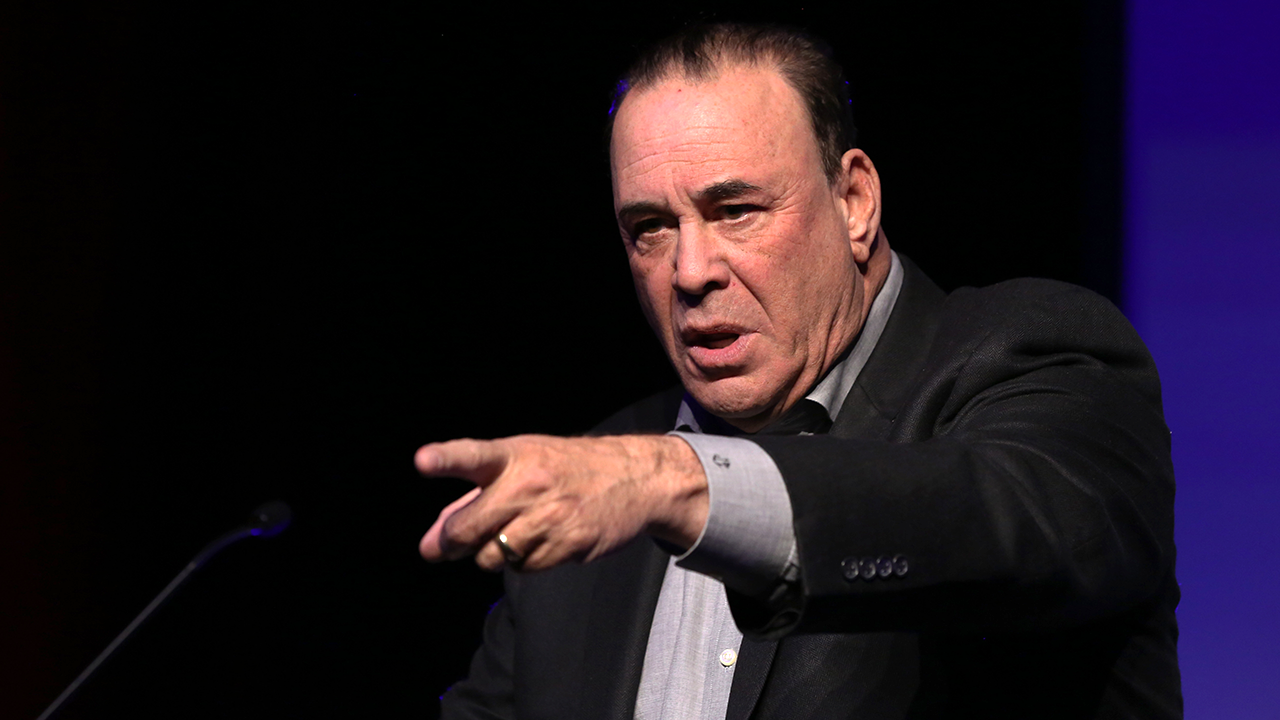
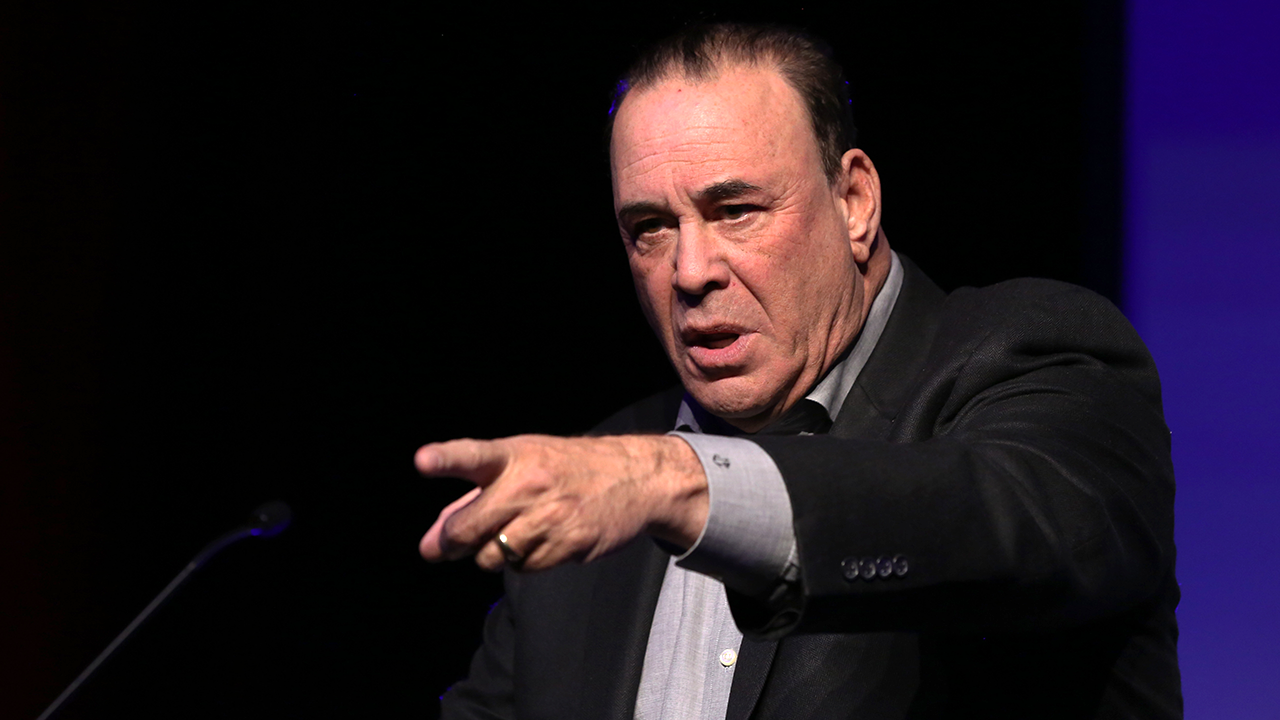
‘Bar Rescue’ host Jon Taffer joins ‘Varney & Co.’ to weigh in on restaurants embracing AI, tighter consumer budgets and how loyalty programs are helping businesses survive.
Artificial intelligence is quietly reshaping restaurant operations, but not necessarily in the way diners might expect.
As labor shortages persist and costs remain elevated, “Bar Rescue” host Jon Taffer joined FOX Business’ Stuart Varney on “Varney & Co.” to say that technology is becoming a critical back-of-house tool rather than a front-facing replacement for hospitality.
Constellation Research founder R ‘Ray’ Wang explains why the AI disruption is real and discusses the race between OpenAI and Anthropic to go public on ‘Varney & Co.’
Taffer explained that staffing challenges are pushing operators to look for new efficiencies.
“We’re struggling to find people. The male workforce is declining in America… So finding employees is difficult… AI is a great way to provide efficiency and streamline operations,” he said.
LAWMAKERS DEBATE AI’S IMPACT ON WHITE-COLLAR JOBS AS DISRUPTION FEARS GROW
Rather than placing machines between customers and staff, Taffer emphasized that human interaction remains central to the dining experience.
“I don’t put AI in the front of the house. I don’t want you interacting with the machine. I want you to be interacting with people. I think that connectivity is very important,” he said.
Korn Ferry Vice Chairman Alan Guarino joins ‘Mornings with Maria’ to break down January’s jobs report, explain the rise of a ‘K-shaped’ labor market and weigh in on how A.I. is reshaping entry-level white-collar careers.
Instead, AI is deployed behind the scenes, where it can directly impact margins.
“All of my AI is back of the house. We manage inventory. We manage order process. We track ticket times. We track all of these incentives. We can track labor costs down to the moment. But AI in the back of house is a powerful, powerful asset for us. It can save us considerable dollars,” Taffer said.
The financial case, he said, is straightforward.
“It doesn’t get sick.”
Boosted.ai CEO and co-founder Josh Pantony joins ‘Mornings with Maria’ to discuss fears of AI-driven market disruption, the impact on white-collar jobs and whether artificial intelligence can truly predict the stock market.
Taffer has decades of hands-on industry experience as a longtime, no-nonsense hospitality consultant. He has built a reputation on helping struggling restaurants while preserving the human connection that sits at the heart of the business.

Keeping the human touch in tech: what over-automation gets wrong

Winter Olympics 2026: Johannes Hoesflot Klaebo wins sixth medal of Games

FEPI: Buying On Declines Can Lead To Success


-

 Video5 days ago
Bitcoin: We’re Entering The Most Dangerous Phase
-

 Tech6 days ago
Luxman Enters Its Second Century with the D-100 SACD Player and L-100 Integrated Amplifier
-

 Crypto World4 days ago
Can XRP Price Successfully Register a 33% Breakout Past $2?
-

 Sports4 days ago
GB's semi-final hopes hang by thread after loss to Switzerland
-

 Fashion19 hours ago
Weekend Open Thread: Boden – Corporette.com
-

 Video1 day ago
XRP News: XRP Just Entered a New Phase (Almost Nobody Noticed)
-
 Tech4 days ago
The Music Industry Enters Its Less-Is-More Era
-

 Business4 days ago
Infosys Limited (INFY) Discusses Tech Transitions and the Unique Aspects of the AI Era Transcript
-

 Entertainment3 days ago
Kunal Nayyar’s Secret Acts Of Kindness Sparks Online Discussion
-

 Video4 days ago
Financial Statement Analysis | Complete Chapter Revision in 10 Minutes | Class 12 Board exam 2026
-

 Tech3 days ago
Retro Rover: LT6502 Laptop Packs 8-Bit Power On The Go
-
 Sports2 days ago
Clearing the boundary, crossing into history: J&K end 67-year wait, enter maiden Ranji Trophy final | Cricket News
-

 Entertainment3 days ago
Dolores Catania Blasts Rob Rausch For Turning On ‘Housewives’ On ‘Traitors’
-

 Business3 days ago
Tesla avoids California suspension after ending ‘autopilot’ marketing
-
 NewsBeat6 days ago
The strange Cambridgeshire cemetery that forbade church rectors from entering
-

 Politics4 days ago
Eurovision Announces UK Act For 2026 Song Contest
-

 Crypto World3 days ago
WLFI Crypto Surges Toward $0.12 as Whale Buys $2.75M Before Trump-Linked Forum
-
 NewsBeat6 days ago
Man dies after entering floodwater during police pursuit
-

 Crypto World2 days ago
83% of Altcoins Enter Bear Trend as Liquidity Crunch Tightens Grip on Crypto Market
-

 NewsBeat7 days ago
UK construction company enters administration, records show