

Business
(VIDEO) Blizzard Warning Issued for Three New Jersey Counties Ahead of Heavy Snow Sunday Through Monday

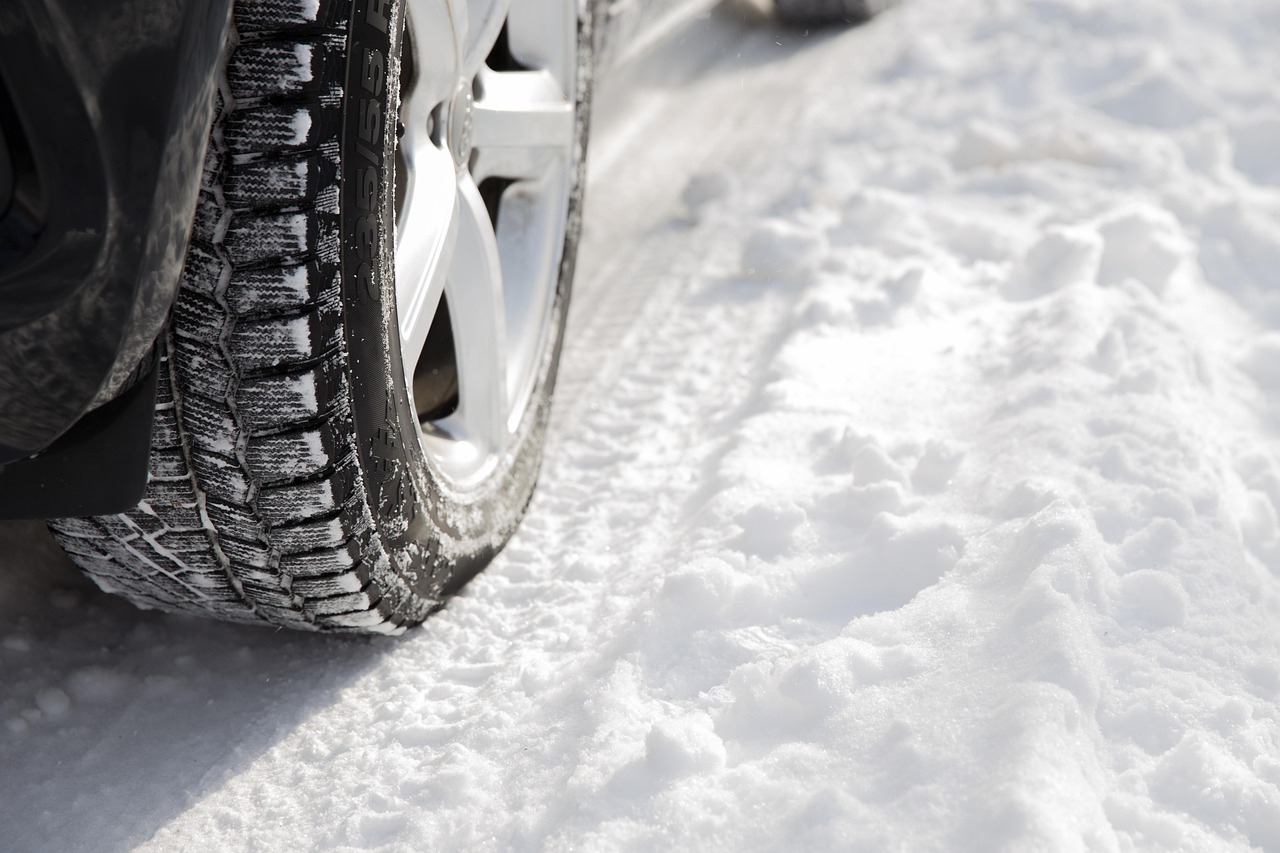
A blizzard warning is in effect for Monmouth, Ocean and Burlington counties in New Jersey from 10 a.m. Sunday to 6 p.m. Monday as a powerful nor’easter threatens heavy snowfall, strong winds and dangerous travel conditions across parts of the state and the broader Northeast.

The National Weather Service office in Mount Holly issued the warning early Saturday morning, Feb. 21, 2026, after upgrading earlier alerts. Forecasters expect blizzard conditions with total snow accumulations of 12 to 20 inches in the warned areas. Winds will gust as high as 55 mph, reducing visibility to near zero at times and creating whiteout conditions.
“Blizzard conditions expected,” the NWS stated. “Snowfall rates could exceed 2 inches per hour at times. Blowing and drifting of snow, and whiteout conditions possible. Travel could be very difficult to impossible.”
The storm system, a classic coastal nor’easter, is forecast to intensify offshore Sunday afternoon into Monday. Heaviest precipitation is expected Sunday night through early Monday, with snowfall rates potentially reaching 2-3 inches per hour in bands. Thundersnow is possible in southeastern New Jersey due to strong atmospheric lift.
Impacts extend beyond the blizzard warning zone. Winter storm watches cover much of the state, including all 21 counties earlier in the weekend, with snowfall totals varying by location. Southern and central New Jersey, particularly along the Jersey Shore, face the highest accumulations, with some models projecting 10-20 inches or more in spots. Northern areas may see 6-12 inches, while inland regions could receive lighter amounts.
Wind gusts of 35-45 mph are expected farther inland, with coastal areas seeing the strongest winds. Gale warnings are in place along the Jersey Shore, raising risks of coastal flooding and beach erosion.
The National Weather Service highlighted hazards including:
- Travel dangers — Blowing snow and reduced visibility could make roads impassable, especially during the Monday morning and evening commutes.
- Power outages — Gusty winds may down tree branches and power lines.
- Whiteout conditions — Rapidly falling and drifting snow will severely limit visibility.
Residents in the warned counties are urged to prepare for prolonged hazardous weather. Officials recommend stocking food, water, medications and emergency supplies, charging devices and avoiding unnecessary travel. If driving is essential, carry blankets, food, water, a flashlight and a phone charger.
State and local agencies are activating emergency plans. The New Jersey Department of Transportation will deploy plows and salt trucks, with priority on major highways. Schools and businesses may close or delay openings Monday, and residents should monitor local announcements.
This storm follows a pattern of active winter weather in early 2026. Forecasters note the system’s track off the coast will determine exact snowfall distribution — a slight shift could push heavier bands farther north or south. Models show variability, with some projecting over 20 inches in isolated areas of South Jersey and the Shore.
Broader Northeast impacts include similar warnings for parts of New York, Long Island, Connecticut, Rhode Island and Massachusetts, with 12-24 inches possible in some regions. The Philadelphia area, including southeastern Pennsylvania and Delaware, faces heavy snow and wind threats.
The NWS advises checking updates frequently, as conditions can change rapidly. Real-time information is available through weather.gov, state emergency management sites and local broadcasters.
As the storm approaches, New Jersey braces for what could be one of the season’s most significant events, with potential for widespread disruptions into Monday.



DHS agent killed US citizen in March 2025, records show


Merz rules out loosening Germany’s debt limits again in current term
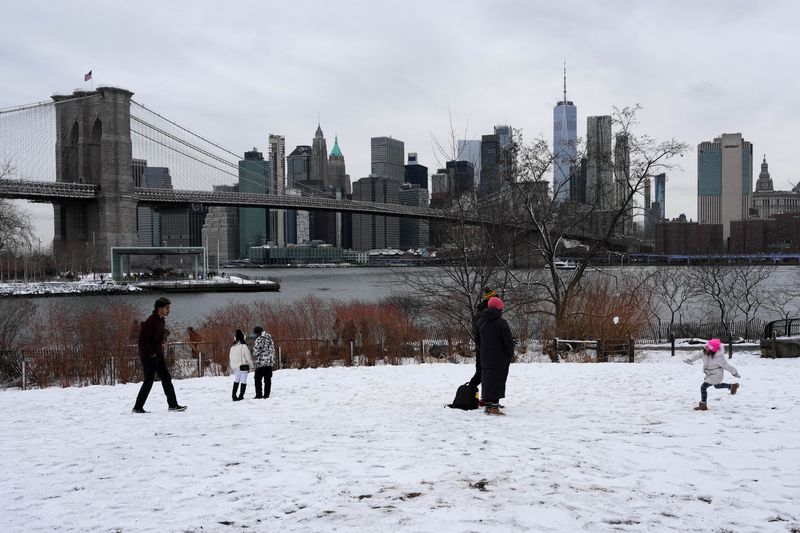

Blizzard warnings issued for New York area as storm heads to East Coast


Germany’s ruling party backs social media curbs for children


Germany’s Merz expects lower tariff burden after US court verdict on Trump tariffs

Ukraine strikes ballistic missile producer deep inside Russia, Kyiv says


Trump says he will raise global tariff rate from 10% to 15%
Business
NASA may take moon mission Artemis II rocket back to assembly site, affecting March launch window


NASA may take moon mission Artemis II rocket back to assembly site, affecting March launch window
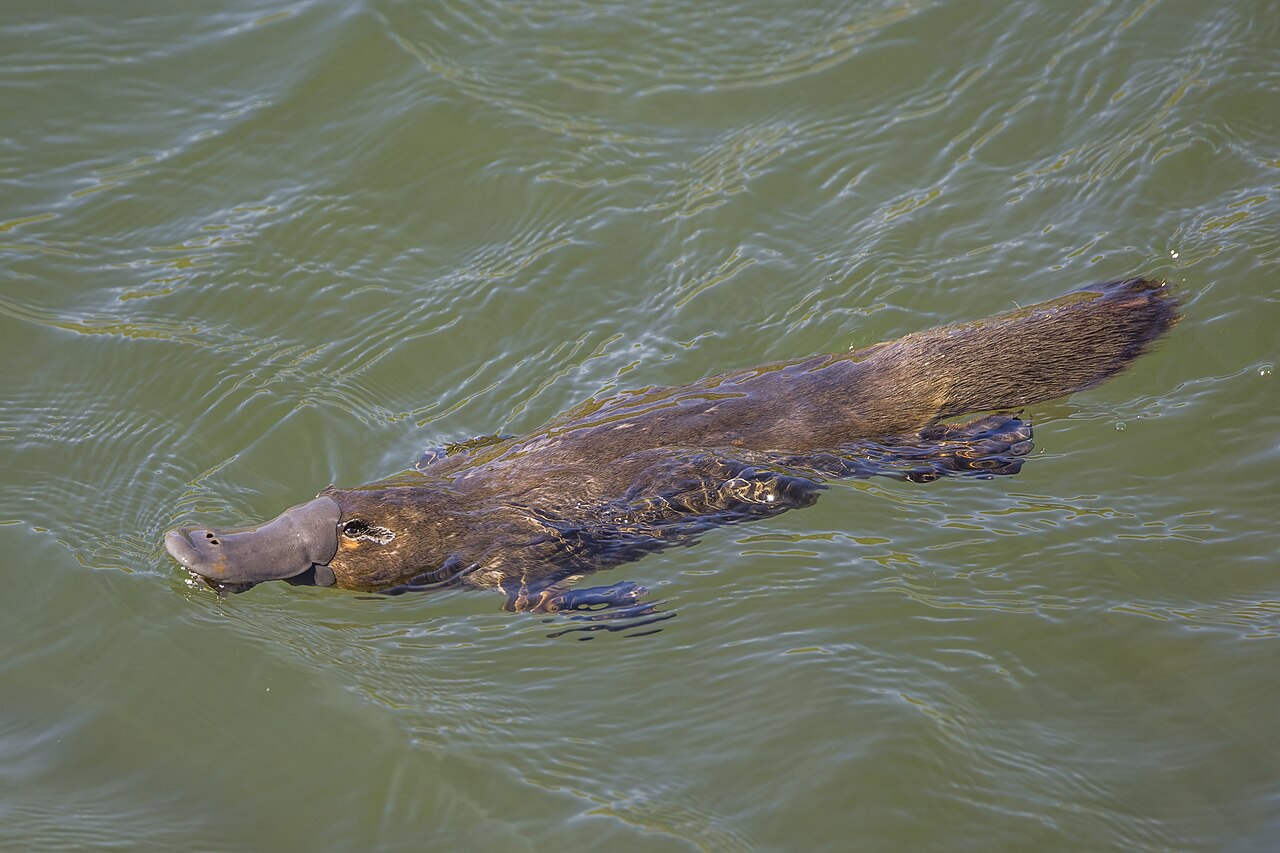
Australia’s extraordinary isolation over millions of years has produced one of the planet’s most distinctive wildlife collections, with more than 80% of its mammals, reptiles and frogs endemic — meaning they exist nowhere else naturally. In 2026, amid ongoing conservation efforts and renewed interest in eco-tourism following recent wildlife documentaries and park reopenings, these unique creatures continue to captivate visitors and researchers alike.
From cuddly marsupials to bizarre monotremes, here are 10 standout animals that are truly Australian exclusives, highlighting the continent’s biological marvels:
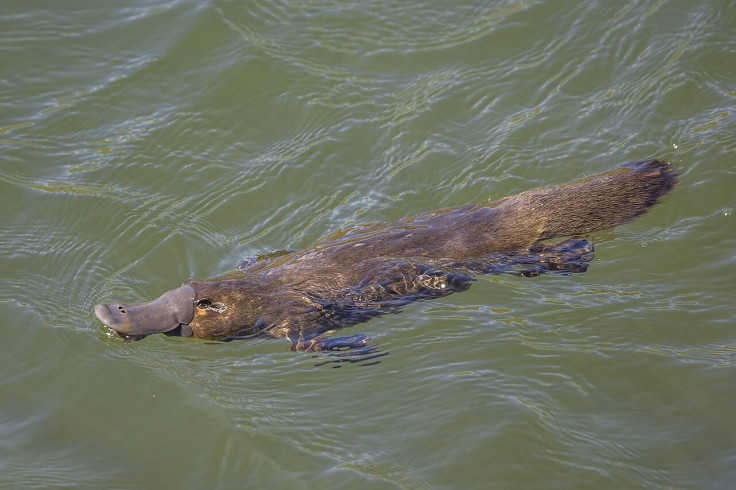
- Platypus The platypus (Ornithorhynchus anatinus) remains one of nature’s strangest creations: a semi-aquatic, egg-laying mammal with a duck-like bill, beaver tail, otter-like body and venomous spurs on males’ hind legs. Found in eastern Australia’s freshwater rivers and streams, it hunts using electroreception to detect prey in murky water. Conservation status is near threatened due to habitat loss and climate impacts, but sightings remain possible in places like the Atherton Tablelands and Tasmania.
- Koala The koala (Phascolarctos cinereus), often mistakenly called a bear, is an arboreal marsupial specialized for eucalyptus forests in eastern and southeastern Australia. These leaf-eaters sleep up to 20 hours daily to conserve energy from their low-nutrient diet. Vulnerable to habitat fragmentation, bushfires and disease, koalas symbolize Australian wildlife, with populations monitored closely in 2026 recovery programs.
- Kangaroo (Red and Eastern Grey species) Several kangaroo species, including the red kangaroo (Osphranter rufus) — the world’s largest marsupial — and eastern grey kangaroo (Macropus giganteus), are found only in Australia. Reds roam arid interiors while greys inhabit eastern woodlands. Their powerful hind legs enable bounds up to 8 meters and speeds of 56 km/h. As national emblems, they thrive in open country but face threats from drought and vehicle strikes.
- Quokka Often called the “world’s happiest animal” for its perpetual smile-like expression, the quokka (Setonix brachyurus) is a small wallaby restricted to Rottnest Island near Perth and limited mainland pockets in Western Australia. Herbivorous and curious, they approach visitors fearlessly on Rottnest, boosting tourism. Vulnerable due to habitat loss and predators, their population remains stable on the island.
- Wombat Three wombat species — common, northern hairy-nosed and southern hairy-nosed — are exclusive to Australia. These burrowing marsupials feature backward-facing pouches to prevent dirt entry while digging. Common wombats (Vombatus ursinus) inhabit forests and grasslands across the southeast, while hairy-nosed varieties live in drier regions. Known for cube-shaped scat and resilience, they dig extensive warrens.
- Tasmanian Devil The Tasmanian devil (Sarcophilus harrisii), now confined to Tasmania after mainland extinction around 3,000 years ago, is the world’s largest surviving carnivorous marsupial. Famous for powerful jaws and ferocious feeding, devils play a key ecological role controlling pests. Threatened by devil facial tumor disease, conservation breeding programs in 2026 continue to bolster wild populations.
- Short-beaked Echidna One of only five living monotreme species, the short-beaked echidna (Tachyglossus aculeatus) is widespread across Australia, including Tasmania. This spiny, ant-eating mammal lays eggs and nurses young with milk secreted through skin pores. Least concern status reflects its adaptability, though roadkill and habitat changes pose risks.
- Southern Cassowary The southern cassowary (Casuarius casuarius), a large flightless bird with a helmet-like casque and powerful legs, inhabits tropical rainforests in northern Queensland. As seed dispersers, they are vital to rainforest regeneration. Vulnerable due to habitat loss and vehicle collisions, sightings in Daintree and Cape Tribulation remain highlights for eco-tourists.
- Numbat The numbat (Myrmecobius fasciatus), a small, striped marsupial anteater, survives in fragmented southwestern woodlands after near-extinction from introduced predators. Diurnal and termite-dependent, it lacks a pouch, carrying young on its belly. Endangered but supported by reintroduction efforts, numbats represent successful conservation stories.
- Thorny Devil The thorny devil (Moloch horridus), a spiky lizard adapted to arid deserts, drinks through capillary action in its skin grooves. Found only in Australia’s dry interior, it feeds exclusively on ants and blends into sandy environments. Least concern, its bizarre appearance makes it a favorite for wildlife photographers.
These species underscore Australia’s megadiverse status and the importance of protecting unique ecosystems. Conservation challenges persist — feral predators, climate change, habitat loss and disease — but initiatives like fenced reserves, breeding programs and community monitoring offer hope. In 2026, eco-tourism and citizen science continue to raise awareness, ensuring these one-of-a-kind animals endure.
Visitors can ethically observe many in national parks, wildlife sanctuaries or guided tours, contributing to their protection while experiencing Australia’s unparalleled biodiversity firsthand.

The president will increase import taxes to 15% on most products coming into the US from Tuesday.

We tested Amazon’s speedy delivery live on the podcast: Here’s what it says about the future of retail

How to Earn money with Pinterest in Mobile | Pinterest Se Paise Kaise Kamaye | Pinterest Affiliate

England’s Six Nations in tatters after humiliation by Ireland at Twickenham


-

 Video5 days ago
Bitcoin: We’re Entering The Most Dangerous Phase
-

 Tech7 days ago
Luxman Enters Its Second Century with the D-100 SACD Player and L-100 Integrated Amplifier
-

 Crypto World4 days ago
Can XRP Price Successfully Register a 33% Breakout Past $2?
-

 Sports5 days ago
GB's semi-final hopes hang by thread after loss to Switzerland
-

 Fashion24 hours ago
Weekend Open Thread: Boden – Corporette.com
-

 Video2 days ago
XRP News: XRP Just Entered a New Phase (Almost Nobody Noticed)
-
 Tech5 days ago
The Music Industry Enters Its Less-Is-More Era
-

 Business4 days ago
Infosys Limited (INFY) Discusses Tech Transitions and the Unique Aspects of the AI Era Transcript
-

 Entertainment3 days ago
Kunal Nayyar’s Secret Acts Of Kindness Sparks Online Discussion
-

 Video4 days ago
Financial Statement Analysis | Complete Chapter Revision in 10 Minutes | Class 12 Board exam 2026
-

 Tech3 days ago
Retro Rover: LT6502 Laptop Packs 8-Bit Power On The Go
-
 Sports3 days ago
Clearing the boundary, crossing into history: J&K end 67-year wait, enter maiden Ranji Trophy final | Cricket News
-

 Entertainment3 days ago
Dolores Catania Blasts Rob Rausch For Turning On ‘Housewives’ On ‘Traitors’
-

 Business3 days ago
Tesla avoids California suspension after ending ‘autopilot’ marketing
-
 NewsBeat6 days ago
The strange Cambridgeshire cemetery that forbade church rectors from entering
-

 Politics4 days ago
Eurovision Announces UK Act For 2026 Song Contest
-

 Crypto World3 days ago
WLFI Crypto Surges Toward $0.12 as Whale Buys $2.75M Before Trump-Linked Forum
-
 NewsBeat6 days ago
Man dies after entering floodwater during police pursuit
-

 Crypto World2 days ago
83% of Altcoins Enter Bear Trend as Liquidity Crunch Tightens Grip on Crypto Market
-
 NewsBeat1 day ago
Andrew Mountbatten-Windsor latest: Police search of Royal Lodge enters second day after Andrew released from custody