Ireland scored 22 points inside the first 30 minutes – the fourth-most first-half points conceded by England at home.
That followed England going 17-0 down in 15 minutes against Scotland at Murrayfield.
“Fast starts are not about being physical and smashing them, that is a given, you are running out for your country,” former England scrum-half Matt Dawson told BBC Rugby Union Weekly.
“It’s the tactics. It’s about how you are going to play, where you will play and how they will play.
Advertisement
“It’s individual preparation and the understanding of how to play professional sport, not just rugby. Have you got that mentality to adapt from minute one?
“England, when it goes badly in the first 10 minutes, they are yet to find a methodology or a way out of it.”
Former England fly-half Paul Grayson added: “From nowhere England pulled out a performance that lacked accuracy, energy and emotion.
“The Twickenham crowd were making a heck of a racket at the start but 30 minutes in there were ironic cheers for making touch with a kick.”
Advertisement
Borthwick has been here before as England boss. In 2023 his side shipped 53 points at home to France but later that year they were minutes away from making a World Cup final.
“England had a chance against Ireland to show the Murrayfield nightmare was just a blip, but instead things were even worse, with the defence porous, accuracy non-existent, and the gameplan exposed,” said BBC rugby correspondent Chris Jones.
“All the momentum and confidence generated from that 12-month winning run has evaporated in the space of 160 minutes of rugby.
“England’s tactics have been picked apart by Scotland and Ireland, and Borthwick will need to react and adapt if they are to salvage their campaign in Rome and Paris.”
Scotland exhibited so much in their revival and, as well as Russell and Turner, prevailed thanks to tries from wings Kyle Steyn and Graham. “We dug deep and did what we needed to do to win,” said Scotland captain Sione Tuipulotu. “Full credit to Wales. They came out with fight and we had to find a way to win ugly.
“I said to the boys at half-time we would need to find a little bit in ourselves to come away with the victory. Several of the boys really held their hands up. It was not as sharp a performance as last week [against England], but that was down to Wales’s performance.”
This was an enthralling game from which both teams would have taken huge positives. For Scotland, their second-half fightback means that they are within one Six Nations match of winning their first Triple Crown in more than three decades.
Advertisement
And for Wales, despite the agony of not being able to hang on to a commanding 15-point lead with 30 minutes to go, this was the resurrection of competitive spirit.
So much for Townsend’s men traditionally being flakes after beating England. Inspired by their fly-half maestro, Russell, they produced a revival that was characterised by guts and adventure.
Wales had the Scots on the ropes and were ahead with just seven minutes to go and looking for their first victory in the Six Nations since 2023. But replacement hooker Turner crashed over and for just the second time in 24 years, the Tartan Army left the Principality Stadium savouring a Cardiff victory.
Presuming that Wales do not win in Dublin in two weeks’ time then the last day promises a delicious shootout with Ireland for Triple Crown honours. In contrast, Wales will feel that a third wooden spoon in succession may not be so inevitable.
Advertisement
“I think the Welsh deserve so much credit,” Tuipulotu said. “I don’t want to discredit their performance or how passionate they were. I thought Steve would get them up for this. But I did think they might die off a lot sooner than they did. I felt the Principality was bouncing today. Credit to them for putting in a performance that they needed.”
Britain’s Got Talent returned with a bang on Saturday night, but fans were left divided by one act
Abbie Bray Deputy Editor for Screen Time
21:21, 21 Feb 2026
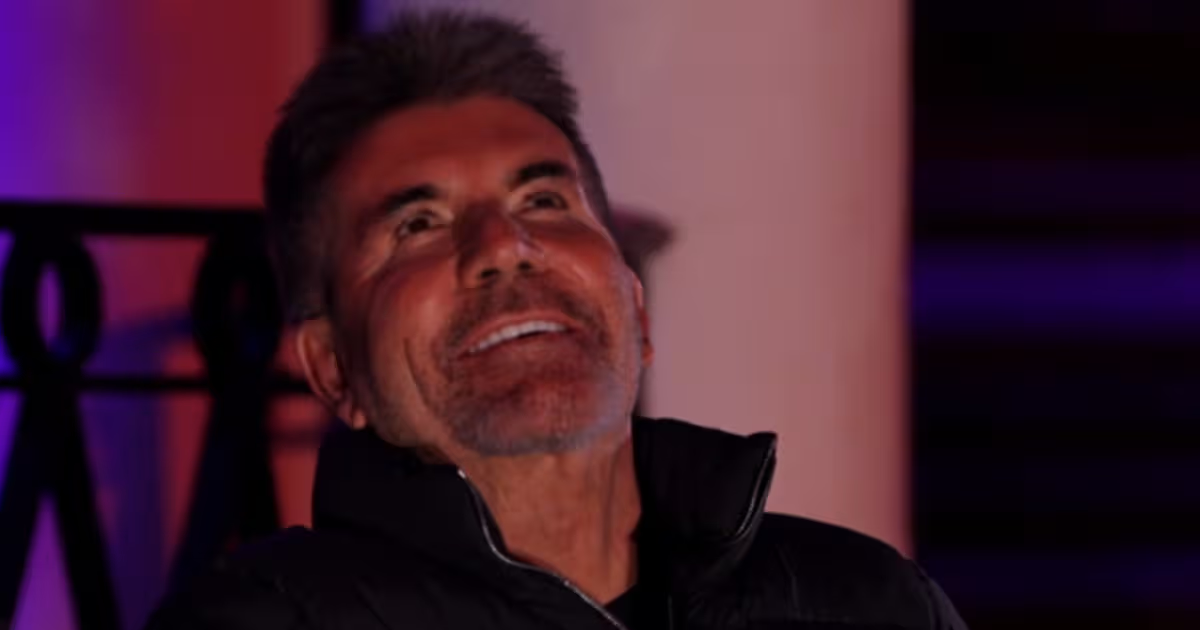
Britain’s Got Talent viewers were left divided by one act that closed the first episode of the ITV series.
This year, hundreds of hopefuls will be welcomed by award-winning hosts Ant and Dec before showing their talents to judges Simon Cowell, Amanda Holden, Alesha Dixon, and the new addition, KSI.
Advertisement
Performers from every corner of the UK and all around the world will be taking to the stage in the hope of not just impressing the judges, but also the voting public in a bid to win the life-changing cash prize of £250,000 and a sought-after slot at the world-famous Royal Variety Performance.
However, fans were quick to share their thoughts after the Somerset act Celestial closed the show with a mega-drone display. As the judges and audience made their way outside, Celestrial put on an impressive display using drones and lights.
Towards the end of the performance, King Charles’ voice was heard in an emotional tribute, and some viewers felt it “couldn’t have come at a worse time”.
The voice said, “Wherever you may live in the United Kingdom, I shall endeavour to serve you with loyalty, respect and love.
“Our nation and the wider family of realms, of whose talents, traditions and achievements, I am so inexpressibly proud. Have prospered and flourished, which makes us great as a nation.”
Amanda Holden went on to say, “I am going to start crying.”
Advertisement
Reacting to the performance, one viewer said, “An act with the King’s voiceover could not have come at a worse time!”
“This is kinda sick #BGT,” another commented while a third added, “Not good timing but wow this is cool.”
Someone else pointed out, “Celestial- very cool very different I love it but I can’t see the King going outside to watch it that’s the only thing #BGT.”
Advertisement
Another agreed, “How is a drone act going to work on the stage at The Royal Variety Show?”
Praising the emotional performance, one fan said, “Celestial, best act of the Night #BGT.”
“Well, wasn’t that brilliant? Brought a wee tear to my eye #BGT,” another shared.
Advertisement
In the first episode, the fans met Liwei Yang, who left everyone in awe as she juggled a burning table with just her feet.
Another act that impressed the judges was Paul Nurrari, who made Australia’s Got Talent final and received the first Golden Buzzer of the series.
For the latest showbiz, TV, movie and streaming news, go to the new **Everything Gossip** website.
Advertisement
When speaking about what fans can expect from the new series, Ant said, “Like we always say, expect the unexpected!
“We never know who’s going to walk around that corner when we’re on the side of the stage, and the viewers never know who’s going to walk on stage when you’re watching on telly.”
Dec added, ” There’s more madness and more fantastic talent from here and around the world.”
Britain’s Got Talent is available to watch on ITVX.
Advertisement
Ensure our latest headlines always appear at the top of your Google Search by making us a Preferred Source.** Click here to activate**** or add us as your Preferred Source in your Google search settings.**
“I was actually told many times to not make this show about Belfast with international producers saying people won’t get it, and the comedy will be lost”
An “outrageous” musical comedy set in Belfast is returning to the city after two decades.
Advertisement
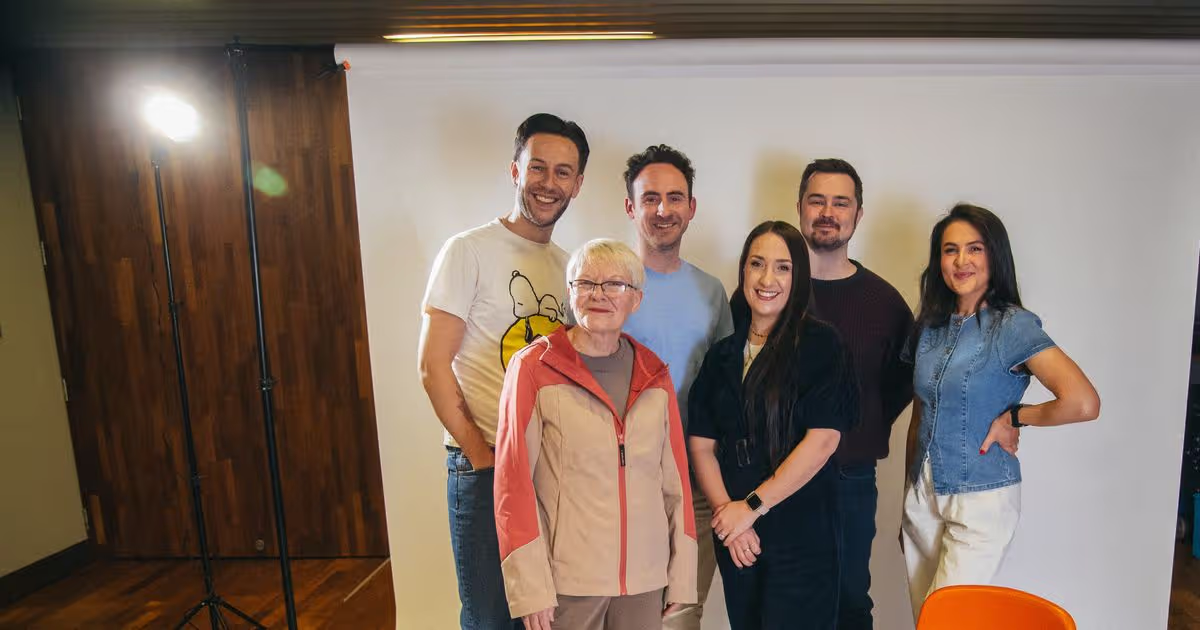
The award-winning Belfast Ensemble is gearing up to perform GROUP! at the Lyric Theatre from 24 March to 4 April, returning to the theatre for the first time since 2002 as part of the theatre’s 75th anniversary celebrations.
Created by Conor Mitchell and Matthew Hurt, GROUP! delighted audiences in New York, Philadelphia, Australia and London two-act musical comedy is a rapturous audience experience likened to The Book of Mormon and Avenue Q.
A description reads: “GROUP! is set in a typical Belfast community centre. Despite the relatively uninspiring backdrop, the plot follows eccentric individuals attending a weekly therapy session with each confessing their funniest, scariest, darkest and most embarrassing moments. It delves into familiar yet uncomfortable themes in a way that only Belfast humour can.
Advertisement
“Jean is a volatile, untrusting woman attending on the advice of her GP after a violent public outburst, whilst Frank, a taxi driver, tries to deal with his divorce and PTSD through unconventional tactics.
“Chris, an unemployed incel with obsessive tendencies is planning a grand public gesture because he is suffering from the unrequited love of a certain local celebrity.
“The group dynamics are disrupted by the introduction of a new member, Amy, the friend and IVF nurse of Jackie – a heavily pregnant, outspoken professional unhappy in her marriage.
“Emmet, the incompetent group counsellor struggles to keep things on track, while Babs, the unfiltered oldest member of the group throws curveballs with inappropriate jokes destined to keep audiences on their toes.”
Advertisement
Originally written and performed in 2002, with such a small budget that seven chairs had to be borrowed from a local Belfast bar, GROUP! has stood the test of time and evolved into a “unique production that Belfast, and Northern Ireland, can be proud of”.
Co-writer and director Conor said: “I remember taking the production to the Edinburgh Fringe Festival in 2011 – we were walking around the city promoting the show and carrying our seven chairs.
“This commitment to the production has sustained over two decades – in fact, despite how much Belfast has transformed in that time, only minor changes have been made to the original script to ensure it still hits as hard in 2026 – a testament to its quality.
Advertisement
“I was actually told many times to not make this show about Belfast with international producers saying people won’t get it, and the comedy will be lost. I have always disagreed – in fact, the Belfast-isms are what is special about this production.
“We are now bringing GROUP! home to where it belongs, bigger and better than ever, and what I am most proud of this time around is the indigenous talent we have on board across the cast and crew.
2Belfast Ensemble’s core purpose is to nurture talent and create ambitious works that support artistic growth, ensuring that Belfast’s creative community reap the benefits of collaboration and continuity.”
Belfast Ensemble is a pioneering force in cross-disciplinary theatre, seamlessly uniting music, theatre, and visual storytelling for audiences in Northern Ireland.
Advertisement
Its production of GROUP! will run from 24 March to 4 April at the Lyric Theatre and is recommended for audiences aged 15 and above.
Want to see more of the stories you love from Belfast Live?Making us your preferred source on Googlemeans you’ll get more of our exclusives, top stories and must-read content straight away. To add Belfast Live as a preferred source, simplyclick here
Thousands woke to a terrifying sound and rushed from their homes in their nightclothes – later the full realisation of what had happened emerged and scientists flocked to Wales to investigate
On a brilliant, sunny summer’s morning, a deafening rumble that intensified with each passing moment woke thousands of residents in part of Wales. People rushed into the streets, some still wearing their nightwear, fearing one of the local nuclear power stations had exploded
Advertisement
It was shortly before 8am on July 19, 1984, when the realisation dawned that Wales was neither under attack nor facing nuclear catastrophe, but rather at the heart of a massive earthquake, at least by northern European standards.
Registering 5.4 on the Richter scale, it persisted for 12 seconds and the British Geological Survey (BGS) subsequently confirmed it as the largest onshore earthquake in the UK during the 20th century. Always keep on top of the latest Welsh news with our newsletter
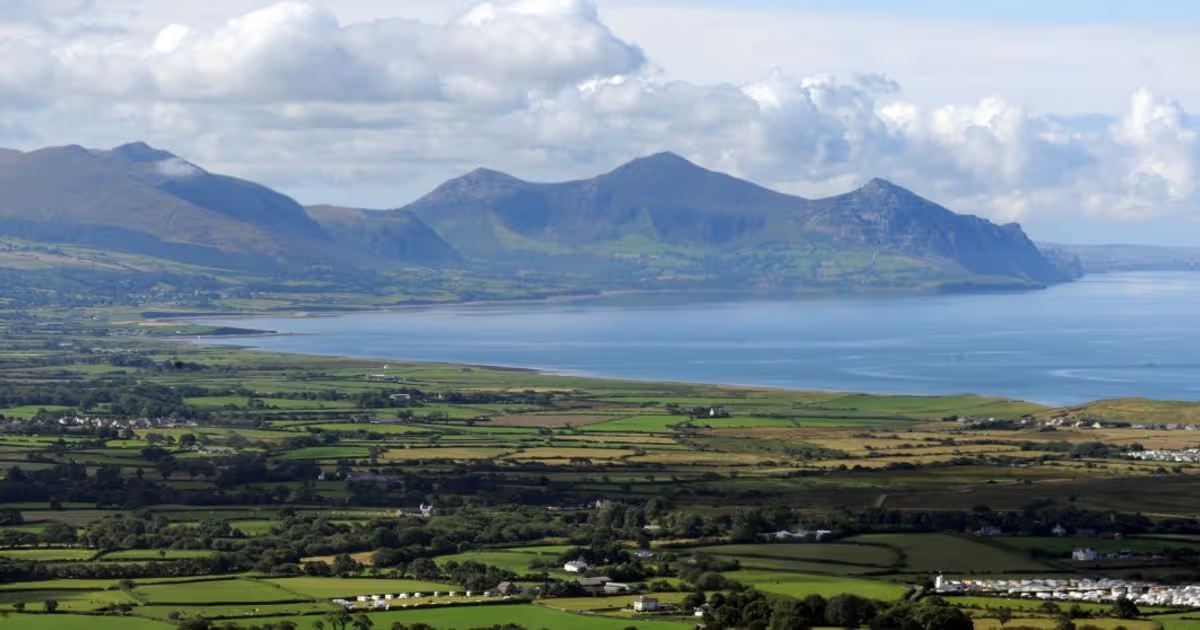
Centred on Llithfaen, on the Llyn peninsula, it was experienced across an area of approximately 250,000 square kilometres, reports North Wales Live.
A BGS spokesman remarked at the time: “Most of the UK would have felt it to a degree, right up to Edinburgh. They happen very rarely.”
Advertisement
Following the tremors, electricity supplies were severed across substantial portions of Gwynedd. Meanwhile, livestock bolted in panic and dry stone walls crumbled. Ensure our latest news and sport headlines always appear at the top of your Google Search by making us a Preferred Source. Click here to activate or add us as Preferred Source in your Google search settings
The gable end of a property near Aberdaron gave way and the exterior walls of another in the vicinity began bulging outwards. A fissure emerged in the spire of a chapel in Pwllheli and chimney stacks tumbled across a widespread area.
Data collected from 7,000 BGS questionnaires distributed in the Gwynedd region revealed that many individuals had clung to furniture for stability, pictures and mirrors were jostled against walls, hefty furniture shifted and water sloshed from fish tanks.
Advertisement
One father mistook the tremors for his 15-month-old son, asleep in his room, rattling his cot against the wall. He reprimanded him to cease, only realising the true nature of the situation later on.
Seismologists hurried to Gwynedd to witness the anticipated aftershocks which persisted for several months. The experts debated amongst themselves whether these tremors were aftershocks or distinct earthquakes.
One registered 4.3 on the Richter scale.
Conceived by American geologist Charles Francis Richter, the scale quantifies the magnitude of earthquakes on a logarithmic scale, meaning a quake of magnitude 5 is ten times more potent than one of magnitude 4.
Advertisement
North west Wales is a hub of seismological activity, a phenomenon that has long baffled experts given the area’s location away from major tectonic plate junctions.
Amateur geologist Donald Pritchard, former headmaster at Ysgol Penysarn near Amlwch, proposed his own theory regarding the cause of this tremor, as well as previous ones.
“I believe that it was caused by a geological fault known as the Berw Fault, which runs almost parallel with the Menai Strait, from Pentraeth through Pentre Berw and Llangaffo to the coast.
Advertisement
“It’s a geological feature that has been known about for a long time, although perhaps it’s not as famous as the San Andreas Fault! But Greenly described it at length in his book, Geology of Anglesey, published early this century.
“It’s where two different rock strata meet, 17.3km beneath the surface, and is responsible for the rocky outcrops which can be seen on the surface all along its line,” he said.
Only one earthquake more powerful than the Llithfaen one has ever been scientifically recorded in the UK, one of magnitude 6.1 that struck off the east coast of Essex in 1931.
Earthquakes usually cause little damage in northern Europe, but ones of similar magnitude have been known to wreak havoc in other parts of the world.
Advertisement
According to the United Nations there were 1,564 earthquakes of magnitude 5 or higher across the globe last year.
The most potent tremor was an earthquake measured at 8.2 on the Richter scale that hit parts of western Mexico last September, causing widespread damage and 98 fatalities. A second earthquake, at 7.1, struck the country’s capital city two weeks later, resulting in 370 deaths.
However, the deadliest was one at 7.3 which struck the Iran/Iraq border region on November 12, claiming 630 lives.
Met Office names Glenshiel Forest the UK’s wettest place below 200m with 3,778mm of rain a year – but the Scottish beauty spot offers red deer, historic battlefields and breathtaking mountain views
This article contains affiliate links, we will receive a commission on any sales we generate from it. Learn more
Advertisement
Britain’s wettest location also happens to be one of its most stunning destinations.
It has been a truly miserable winter. Cornwall and County Down recorded their wettest January on record, while Northern Ireland saw its wettest January is 149 years. Across the UK, 26 stations set new monthly records for highest January rainfall. Daily records also fell. Plymouth recorded its wettest January day in 104 years. And February has been no better so far. As of February 9, southern England had seen 72% of its monthly average.
In the midst of such sogginess, the prospect of venturing towards a region notorious for precipitation might not sound particularly appealing. However, in my view, the nation’s rainfall champion deserves a visit regardless of the season.
My initial trip to Glenshiel Forest in Ross and Cromarty, Scotland, occurred when I was four years old, during a family getaway to the neighbouring village of Glenelg. Those familiar with Scotland’s western coastline throughout the year will recognise how weather systems shift with astonishing speed compared to elsewhere in Britain.
Advertisement
Sunshine and azure skies can transform into torrential downpours within moments, sending everyone scrambling for waterproofs.
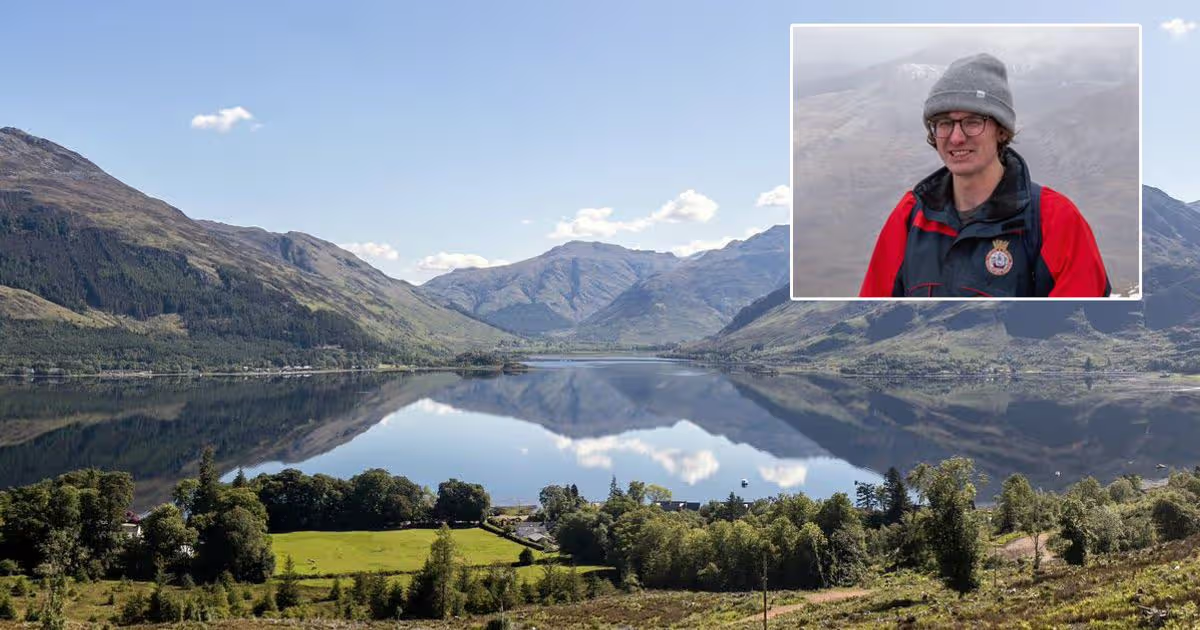
Glenshiel Forest takes this phenomenon to extraordinary heights. Rainfall batters the foliage and trees lining the nine-mile glen with remarkable intensity, only to abruptly cease as clouds disperse above the surrounding peaks, before resuming their assault once more.
Due to their intensity and frequency, the Met Office has designated Glenshiel Forest as Britain’s dampest location below 200m elevation, recording 3,778mm of precipitation annually. This dwarfs London’s approximately 500ml yearly average, making Glenshiel Forest roughly seven times wetter. It’s also roughly four times wetter than the UK as a whole.
Advertisement
But don’t let that deter you from pulling on your wellies, slipping into some galoshes and paying a visit to the Scottish forest. The area has been largely untouched by human activity, giving it a wonderfully remote and pristine feel. Red deer roam freely among native tree species such as common alder, downy birch, sessile oak and rowan.
History buffs will be captivated by the area’s rich past. “There’s a powerful sense of history in Glen Shiel, with steep mountains rushing upwards from an historic battlefield where British government forces and an alliance of Jacobite and Spanish troops fought in 1719,” notes the Woodland Trust.
“You can also access a mountain path to the Five Sisters of Kintail ‘ a classic ridgewalk with three Munros (mountains over 3000 feet / 914 metres).”
Advertisement
For 15 years, I spent my Easter holidays in the nearby village of Glenelg, which is most easily reached by traversing the stunning 339m tall Ratagan Pass – the only route into the sea-loch side settlement for several months of the year when the iconic Glenelg-Skye turntable ferry isn’t in operation.
The vista from the summit of the Ratagan, gazing down upon Glenshiel’s drenched woodlands in one direction and Glenelg in the other, is utterly unforgettable once witnessed. Few thrills can match cresting the hill after navigating the treacherously narrow, serpentine roads and beholding the village’s whitewashed cottages dotted along a loch’s shore, its waters remarkably azure, set against the backdrop of Skye’s mountains and the landscape beyond.
Perhaps the only thing that surpasses it – and another reason my family kept making pilgrimages to this remote corner of Britain year after year until the bungalow we considered our holiday retreat eventually crumbled into complete disrepair – is the panorama from the Glenelg Inn’s garden. Should you ever venture to the area, savour a pint from the local brewery whilst seated at the Inn’s picnic tables, taking in the spectacular scenery – at least until the heavens open.
Advertisement
For those who’d rather not brave the elements and venture into the sodden outdoors, Sykes Cottages has numerous properties available that are perfect for settling in and shutting out the dreary world beyond.
One particularly appealing option is Silver Birch Lodge, a six-person cottage that can be yours for less than £100 a night. Travel a little further north and you’ll get to the spacious Old Distillery Lodge, which sits in the stunning Caingorns National Park.
As rainy as parts of Scotland can be, they pale in comparison to the world’s soggiest area. Mawsynram is a town unlike any other. Nestled amidst the lush green forests of the Khasi Hills in the far east of India above Bangladesh, it is a beautiful area but an absolutely soaking one. Mawsynram receives about 11,873 mm of rainfall annually, which is close to 11 times more than the 1,109mm that falls on famously sodden Glasgow.
Jyotiprasad Oza is a lifelong resident of the town who makes a living leading groups of curious holidaymakers around with TourHQ. People come from far and wide to experience what life is like in the rainiest place on Earth, with visitors regularly making the trip from the US and UK.
“We get about 10,000 tourists a year. During rainy time people like to visit because it’s very heavy rainfall, especially June to September,” Jyotiprasad told the Mirror just as the rain clouds – somewhat predictably – began to open above him.
The rain in Mawsynram is not like the rain in most places. When it starts sometimes it doesn’t stop for days on end. Often residents will dash inside when the heavens open, only to find that there has been no let up for a week straight. And it isn’t just the duration that makes it stand apart.
In one single June day last decade 1,003mm of rain fell on the town – twice as much as London receives in a single year. The impacts on Mawsynram of such intense rainfall can be quite devastating.
Advertisement
“During the time of heavy rainfall, it is impossible to go outside. We can’t do our daily walk. We are not supposed to go outside during the rainy time. Sometimes children can’t go to school during the rain. It is quite dangerous,” Jyotiprasad explained.
An investigation to determine if backcountry guides were criminally negligent during a California ski trip that ended with eight people killed in an avalanche and another presumed dead has surprised legal experts, who said the probe has scant precedent.
Backcountry tour clients typically sign waivers of liability that shield guides and their companies from potential lawsuits. And skiing is recognized by courts in California as involving certain dangers, attorney Andrew McDevitt said.
That means recreational skiers assume certain risks, such as potential collisions with rocks or trees and changing snow conditions.
McDevitt and other attorneys in California, Colorado and Utah who handle civil cases resulting from skiing accidents said they had not previously heard of a fatal avalanche during a guided trip that sparked a criminal investigation.
Advertisement
But this week’s avalanche is drawing a closer look likely because of its scale and the decision to proceed despite forecasts indicating potential avalanches, McDevitt said. The slide was the deadliest in the U.S. since 1981, when 11 climbers were killed on Mount Rainier in Washington state.
Utah ski injury attorney Rob Miner points out that the waivers signed by backcountry tour clients don’t absolve the guide companies of responsibility if they don’t follow appropriate safety protocols or fail to fully inform their clients of the risks they face.
“They’re guides. It is presumed they will not guide you into an experience that may kill you, or that creates an unreasonable risk of death,” Miner said.
The large avalanche hit the group as they skied out of the remote Sierra Nevada wilderness on Tuesday. The victims included three of the four guides from Blackbird Mountain Guides leading the trip. Six people survived.
Advertisement
Pivotal moments for investigators may include the guides’ choice to embark on the three-day backcountry trip with 11 clients at a time of heightened avalanche risk, followed by the decision to ski out Tuesday after avalanche conditions had worsened because of a severe storm.
The Nevada County Sheriff’s Office declined to share more information when it announced the investigation Friday. A state agency that regulates workplace safety also said it opened an investigation into the tragedy.
The guides’ decisions — and how they were communicated with their clients — also could shape the outcome of any lawsuits filed over the deaths, attorneys said. It’s not yet known what access the guides had to the latest weather reports when the group started to ski out.
“There’s a lot of speculation,” said attorney Ravn Whitington, who specializes in ski injury and wrongful death cases in Truckee, California, near where the avalanche happened. “What investigators know at Nevada County Search and Rescue, the Nevada County Sheriff’s Office and the Nevada County District Attorney’s Office are just not known to the public.”
Advertisement
Blackbird Mountain Guides said in a statement that the four guides were certified in backcountry skiing and were avalanche education instructors. The company said its guides stay in touch with senior employees at Blackbird’s base during trips to go over conditions and potential routes.
“There is still a lot that we’re learning about what happened. It’s too soon to draw conclusions, but investigations are underway,” the company said.
The 15 skiers began their trip Sunday, just as warnings about the storm were intensifying. By early Tuesday, officials cautioned that avalanches were expected. Safety experts say it is not uncommon for backcountry skiers to go out when there is an avalanche watch or even a more serious avalanche warning.
The families of the six Blackbird clients who were killed said that the trip was well organized in advance and the victims were equipped with avalanche safety equipment. “They were trained and prepared for backcountry travel and trusted their professional guides on this trip,” the families said in a Thursday statement.
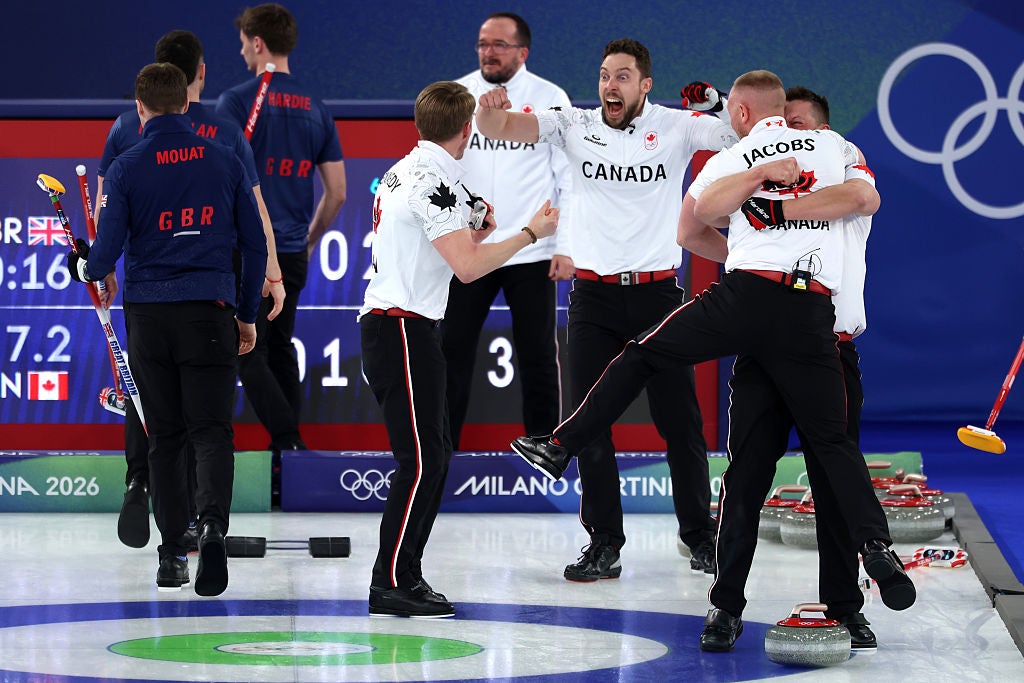
Twelve years on from masterminding Canada’s last Olympic curling gold, captain Brad Jacobs broke British hearts once again, defeating Bruce Mouat’s rink 9-6 in an edgy final to condemn Great Britain to being bridesmaids once again.
Twenty-four years to the day since Rhona Howie’s infamous “Stone of Destiny”, Mouat could not replicate that great escape. It was silver again for the Beijing runners-up, who despite being comfortably the best team of the last two years could not make that advantage count on Saturday night.
For Jacobs’s team of veterans – Marc Kennedy and Ben Hebert were both champions on home turf in Vancouver 16 years ago – it was sweet revenge after defeat to Team Mouat in the 2023 world championships.
And it was redemption too for the much-maligned Kennedy, who has twice been accused of cheating by different opponents in the round robin, in a fiasco which threatened to overshadow the entire tournament. Kennedy was on his best behaviour under the lights on Saturday, delivering (within the rules) when it mattered, with the drama over illegal double-touching having quietened somewhat after a fractious group stage.
Advertisement
This was a very different game to the two sides’ round-robin meeting, when GB lost 9-5 on the same sheet after a slew of uncharacteristic mistakes. They were second-best for much of the round robin, scraping into the knockouts after other results went their way, but were back to near their electric best with a semi-final win over unbeaten Switzerland, and the fans crowded into Cortina’s Curling Olympic Stadium were hoping for more of the same.
An edgy, attritional affair swung the way of Mouat’s defending world champions at the start, but Canada’s experienced crew came back in the final three ends, scoring three in the ninth to leave GB needing to score at least two – something which had been difficult to achieve in a low-scoring final thus far.
And it proved an insurmountable deficit, leaving GB on the verge of tears – and with another four years to wait before another chance at redemption.
An emotional Mouat said: “I am just a bit in shock. We felt like we were probably the better team there.”
Advertisement
Later he added: “I think we put ourselves in a really good position to win the game. It just came down to a few shots in the ninth and tenth – all of us missed one. We’re disappointed – very disappointed – but we battled so hard all week just to get here.
“I’m trying to remind myself how much of a fight it was even to win a medal. I’m incredibly proud to be able to say I’m a two-time Olympic medallist.
“When I was five, six, seven years old and dreaming of being an Olympian, I’d have been unbelievably proud of this. That’s what I’ll try to hold on to.”
Grant Hardie, the vice-skip and third, said: “We wanted to win it for each other. The pain from four years ago was that much, we thought let’s go and give it another go. We gave ourselves the chance. So much good work to try and redeem ourselves but unfortunately we’ve not got there again.”
Advertisement
It began to fall apart for GB in the ninth end (Getty Images)
Since heartbreak in Beijing four years ago Mouat’s team have won two world titles, another two European crowns, and amassed eight of their record 12 Grand Slam titles. They have been dominant but the one thing they lacked was being on the winning side of an Olympic final, with the memories of 2022 no doubt burned into their brains.
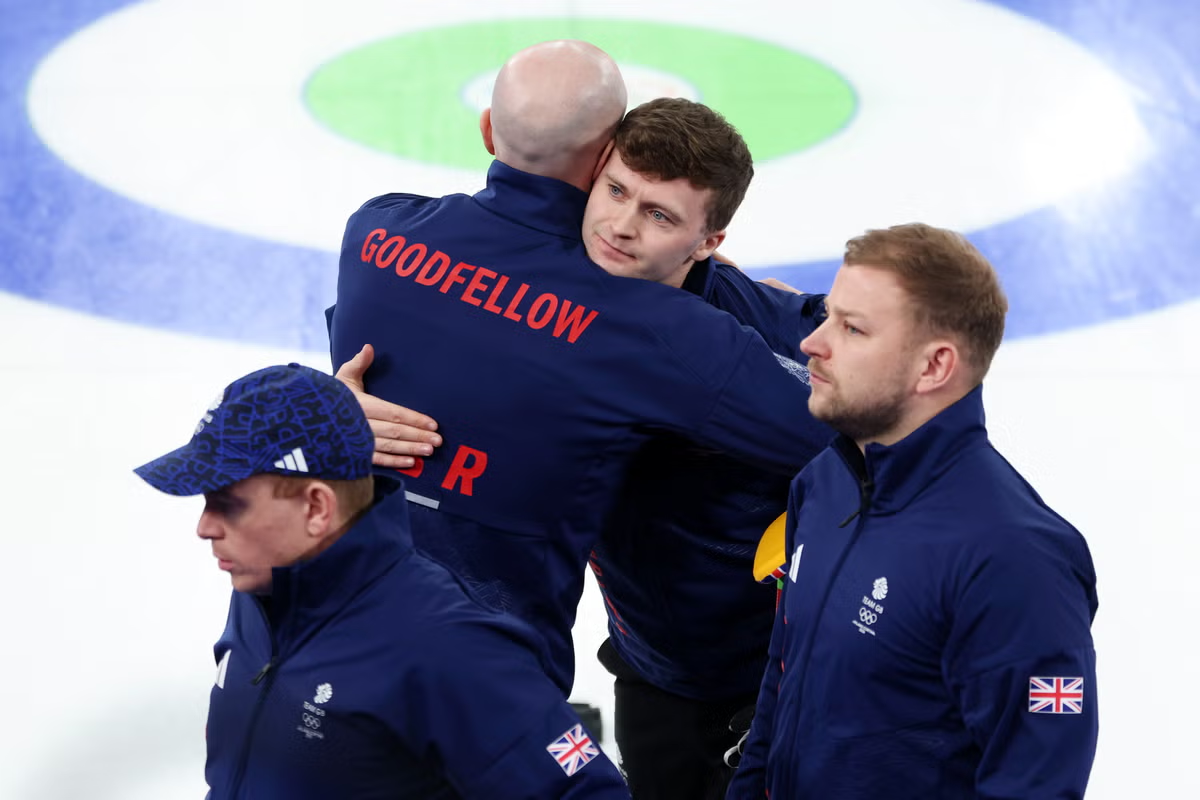
Canada skip Jacobs meanwhile presided over their 2014 Olympic gold, with current GB coaches Michael Goodfellow and Greg Drummond on the losing side that day in Sochi. (So was skip David Murdoch, who has since jumped ship to become Canada’s high-performance director.)
So this was a contest between proven winners at Olympic level and the best team of the last two years: the final both sides, and many neutrals, had dreamed of.
Advertisement
And as many had expected, it was a tight, cagey affair, with the sense that this most momentous of finals would be decided by the slightest of mistakes here or there.
As millions sat fixated on their TV screens, Mouat’s rink, the bridesmaids of Beijing, edged in front.
GB restricted the Canadians, who had the hammer, to just one in the first end after a mistake by Jacobs. Mouat appeared so unbothered by what was going on that he nipped to the loo while Jacobs took his final shot of the end.
Jacobs failed to displace two reds in the second end and Mouat continued a confident start with a relatively simple shot for two, before clearing a house of three Canada stones to stay level in the fourth.
Advertisement
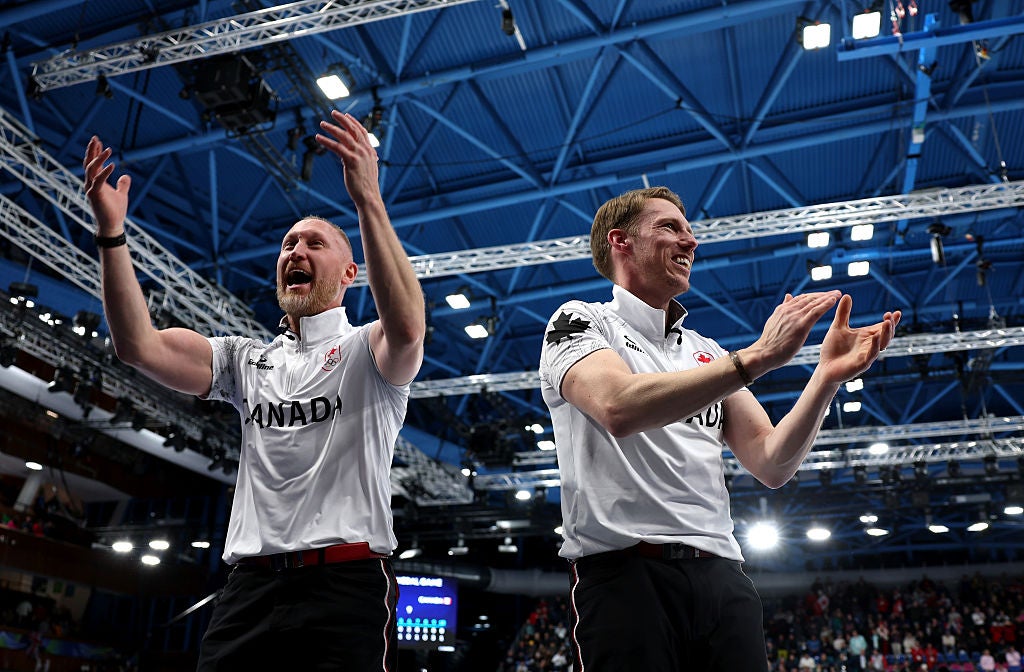
Canadian veterans Jacobs and Kennedy celebrate (Getty)
Canada led 4-3 at the break after the fifth end, but failed to blank the end and retain the hammer after a slightly underbaked shot by Jacobs, with GB taking a slim advantage into the sixth.
Mouat is renowned for his brilliant tactical brain and some superb shotmaking has got his team out of trouble this week. A run back triple takeout against Switzerland in the semi-final turned the game on its head, and GB carried that momentum all the way to victory.
And in the sixth end that brilliance was apparent: even the usually impassive Scot allowed himself a quiet fist bump after a superb double takeout with a tricky final shot, scoring two to lead 5-4.
Advertisement
But as the ends ticked by and scoring remained hard to come by, it came down to who blinked first. The analytical, clear-headed Hardie has been excellent all week but his face indicated he wasn’t happy with how a key shot fell in an edgy eighth end, and a few scrappy mistakes by GB meant they had to settle for one with the hammer.
Canada were second-best early on but their experience began to count as they pulled ahead in the ninth end. Mouat tried a thin double but could only take out one stone, and the 2014 champions took three to lead 8-6 into the final end.
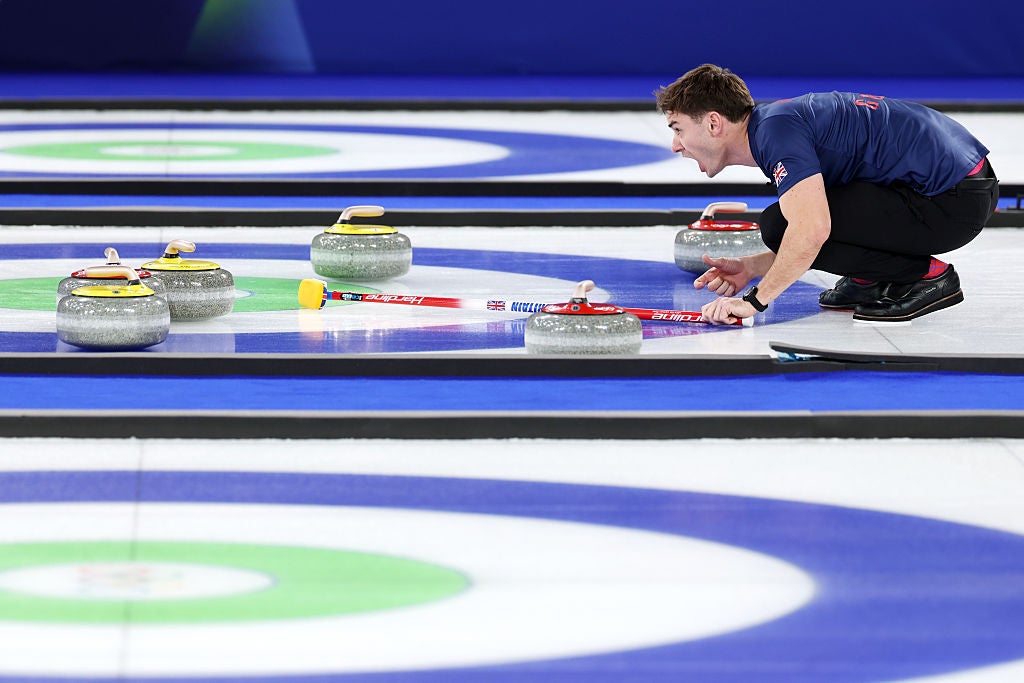
Jacobs’s final stone drifted out to ensure the deficit wasn’t as bad, with Canada aiming for four, but the grimaces on cousins McMillan and Hardie’s faces said it all. Lammie slapped his brush head onto the next rink. From a position of strength, Britain were fading badly.
The pattern of play at least meant Britain had the hammer in the 10th. A lone bagpipe player – having smuggled the instrument past security – tried a jaunty tune to perk them up, but the largely GB-supporting crowd – who had been so raucous at the start – were beginning to deflate.
Advertisement
It was a third gold for Canada in five Olympics (Getty Images)
The house was rapidly crammed with stones, and a fine shot by Kennedy left Canada lying two up with one stone remaining.
A perfectly angled shot by Hardie cleared both the yellows but Jacobs responded in kind, leaving GB on the brink of defeat.
And with the house cleared Mouat’s final stone wasn’t enough. A broad smile broke out on Kennedy’s face as the teams shook hands. Canada leapt into each other’s arms while Mouat waved, a sad smile on his face, to the Tartan Army up in the stands.
Advertisement
The flag-waving faithful cheered them off regardless, but it was heartbreak again for Team Mouat, who remain without the one trophy they crave the most. The best team in the world, bar once every four years.
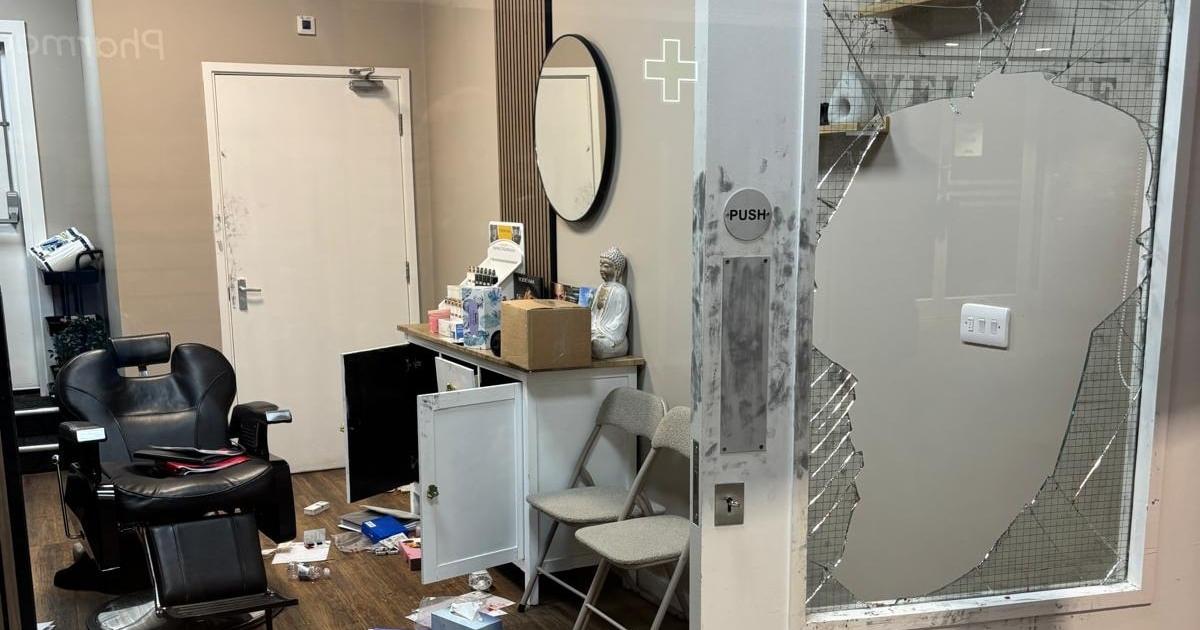
Angel Brow and Beauty, on Front Street in St Cuthbert’s Walk shopping centre, was broken into on Thursday (February 19) around 5.35pm.
Owner Pam Caur, 45, from Gateshead, opened the salon nearly eight years ago in July 2018, and the business specialises in brow threading, lashes, waxing and other beauty treatments.
The thieves stole £600 worth of stock as well as causing what could be thousands in damage (Image: ANGEL BROW & BEAUTY)
On Thursday, Pam had closed the shop at 4.30pm to pick her daughter up from school when she received a call around 5.30pm telling her she needed to return because the salon had been broken into.
The sky was still light, and people were nearby when the break-in happened, and the police arrived shortly afterwards.
Advertisement
According to Pam, the thieves smashed the door window to gain entry, stole around £600 worth of perfume and caused further damage inside the shop, something the business owner estimates could cost thousands of pounds.
They also left blood at the scene, believed to have come from a cut sustained during the break-in, and the CCTV footage has been handed to police.
Police came to the scene and took CCTV footage as well as forensics (Image: ANGEL BROW & BEAUTY)
Pam said: “It is a shock because it was in broad daylight with people around you, just never expect it. You just think… why?
“We don’t leave any money on sight because we do card, but it is the stock about £600 worth of perfume and the cost of replacing the door and glass, which is going to cost us. They also made a right mess and damaged some other things inside too.
Advertisement
“We are a small independent business and could really do without it.
“Thursday night, when we were let back in at 11pm after police did their thing, my husband and I stayed all night to clear it all up, and I just cried all night. I was so upset and devastated.
“On Friday morning, I then got up and decided I would go in because if I didn’t go, then I don’t think I would have gone back because it is really scary knowing people did that to your business.
“People have offered to send money, but I don’t want that. I just need their support, love and kindness to help get us through.
Advertisement
Angel Brow and Beauty was broken into this week in Chester-le-Street (Image: ANGEL BROW & BEAUTY)
Angel Brow and Beauty was broken into this week in Chester-le-Street (Image: ANGEL BROW & BEAUTY)
“We have been here nearly eight years now, and customers are like my family, and all the messages of support and love have really helped because it has been really tough and just really, really hard.”
Pam said the cost of replacing the smashed door and glass will add to the financial blow for the small independent business in what is a hard time for businesses anyway.
The Northern Echo has contacted Durham Constabulary for a statement on the incident.
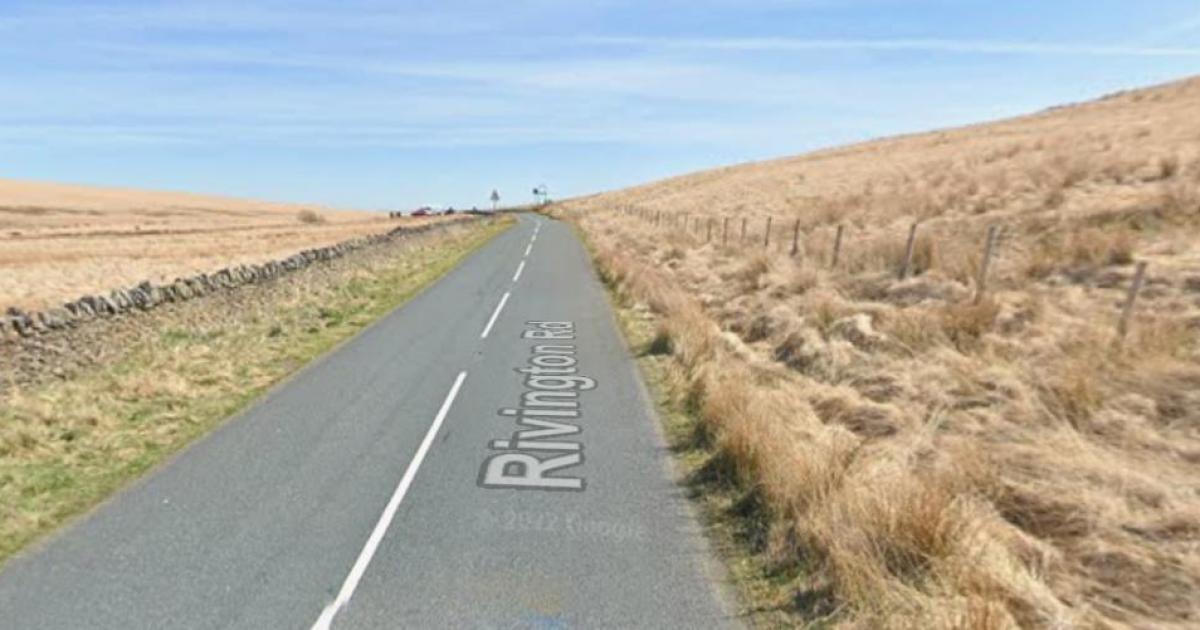
Rivington Road in Belmont was shut on Saturday, February 14, due to icy conditions and is still considered unsafe for drivers.
The road reopened on Friday, February 20, at around 8am.
Blackburn with Darwen Roads said it will remain closed “until further notice” due to “water running onto the road from the moors and freezing regularly”. It was deemed “unsafe for drivers”.
Advertisement
A spokesperson for Blackburn with Darwen Roads said: “Earlier this week, we told you Rivington Road in Belmont was closed due to ice.
“From Friday, February 20, at 8am, the road will reopen.
“Please share with those who use the route. Thank you for your patience.”
So Trump and tariffs – what’s going on? Let’s start with the latest development and work backwards.
The president has announced a tariff of 15% globally.
Now you might be thinking “didn’t he set it at 10% on Friday?” Yes he did. But now he’s raised it to 15%.
The latest pronouncement came – on Truth Social, of course – just before lunchtime on Saturday.
Advertisement
Here’s the full post and we’ve highlighted the key bits:
What does all this mean? It’s a good question and one which governments globally are asking themselves, not for the first time.
The president is using a new statute – a new avenue effectively – to levy duties on foreign goods temporarily, because the old statute, which he’d been using since Liberation Day last April, was deemed illegal.
That happened on Friday when the Supreme Court (the highest court in the land) ruled by a majority of six to three that the president’s methods to impose tariffs were unconstitutional.
Advertisement
Six of the justices ruled the tariffs exceed the powers given tothe presidentby Congress under a 1977 law providing him the authority to regulate commerce during national emergencies created by foreign threats.
Image: The Supreme Court ruled the president’s methods to impose tariffs were unconstitutional. Pic: AP
So the president and his team are looking for new ways – new statutes – to recoup some of his losses (should he have to repay the tariffs – the Supreme Court, unhelpfully, did not pass judgment on this) and to replace his tariff system.
Remember this vital point: so much of Trump’s policies, his power, his ability to call the world to heel has been based on his ability to strike any country he wants with crippling tariffs.
So, his immediate response to the Supreme Court decision was to use a different mechanism – Section 122 of the Trade Act of 1974 to be precise – to impose 10% global tariffs.
He had the option to impose 15%, not 10%, and on Saturday, just a day after setting it at 10, he raised it to 15.
That can only last 150 days. That’s why he says in his social media post that he will look for new ways of levying duties.
As ever with all this, nothing is clear-cut. There are exemptions, including on agricultural products, steel and cars, but there is confusion over this as governments seek clarity.
Advertisement
It’s a whole world of mess and uncertainty, again, for the whole world.