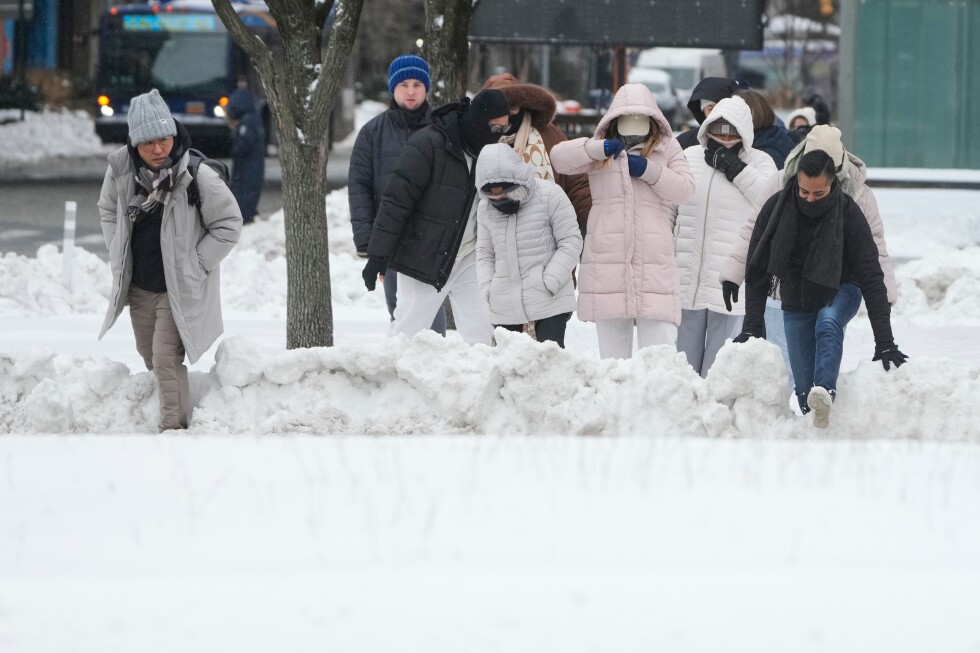




People have been encouraged to stay active even while it’s chilly
With the chilly conditions set to last a while longer, households may be looking to find ways to stay warm while indoors. Home specialists have offered suggestions on how to keep comfortable throughout the rest of the winter.
Eric Bramlett, broker and owner of estate agency Bramlett Partners, recommended considering “smart home efficiency” to maintain comfort. He explained: “At home, sealing small drafts around windows and doors can make a noticeable difference in comfort and heating costs. Using thermal curtains, area rugs, and proper insulation helps retain heat.
“When out and about, layering breathable fabrics and protecting extremities like hands, ears, and feet is key to maintaining body warmth.” He said the extended daylight hours also present a chance to preserve warmth.
Mr Bramlett said: “As daylight hours increase, taking advantage of natural sunlight can help regulate your internal clock and support overall well-being. Opening blinds during peak sunlight hours naturally warms indoor spaces, reducing reliance on heating systems.
“Even short walks during midday allow you to absorb sunlight, stay active, and avoid the sluggishness that can linger during winter.” The periods when sunshine is most intense at this time of year are generally from noon through to mid-afternoon, until around 3pm.
Simon Browne, a product specialist at window coverings firm Luxaflex, has encouraged homeowners to consider their property’s energy efficiency. He explained: “At this time of year, people often underestimate how much of their home’s heat is lost through the windows – 20 percent.
“Even with good central heating, cold glass can pull warmth out of a room very quickly. That’s where choosing the right window coverings makes a huge difference.”
Mr Browne also recommended making the most of natural daylight, saying: “If you use it well, opening blinds fully during bright hours, then closing them again at dusk, you can capture warmth naturally and lock it in. That combination of natural heat gain and proper insulation reduces draughts, improves comfort and helps create a much more stable indoor temperature.”
For those feeling the effects of the cold weather, some gentle preparation before venturing outdoors might be a good idea. Mr Browne said: “When you’re stepping outside, the cold can create tension in your body because your muscles instinctively contract to protect you.
“So easing that tension with gentle warm-up movements indoors before heading out can help. But at home, managing the warmth through smart insulation, including energy-efficient blinds, prevents that deep chill that makes your body tighten in the first place.”
Ensure our latest headlines always appear at the top of your Google Search by making us a Preferred Source. Click here to activate or add us as your Preferred Source in your Google search settings.