

Business
Blizzard warning: natural gas prices brace for volatile Sunday open




Trump says Indo-Pacific energy meeting to be held in Tokyo in March
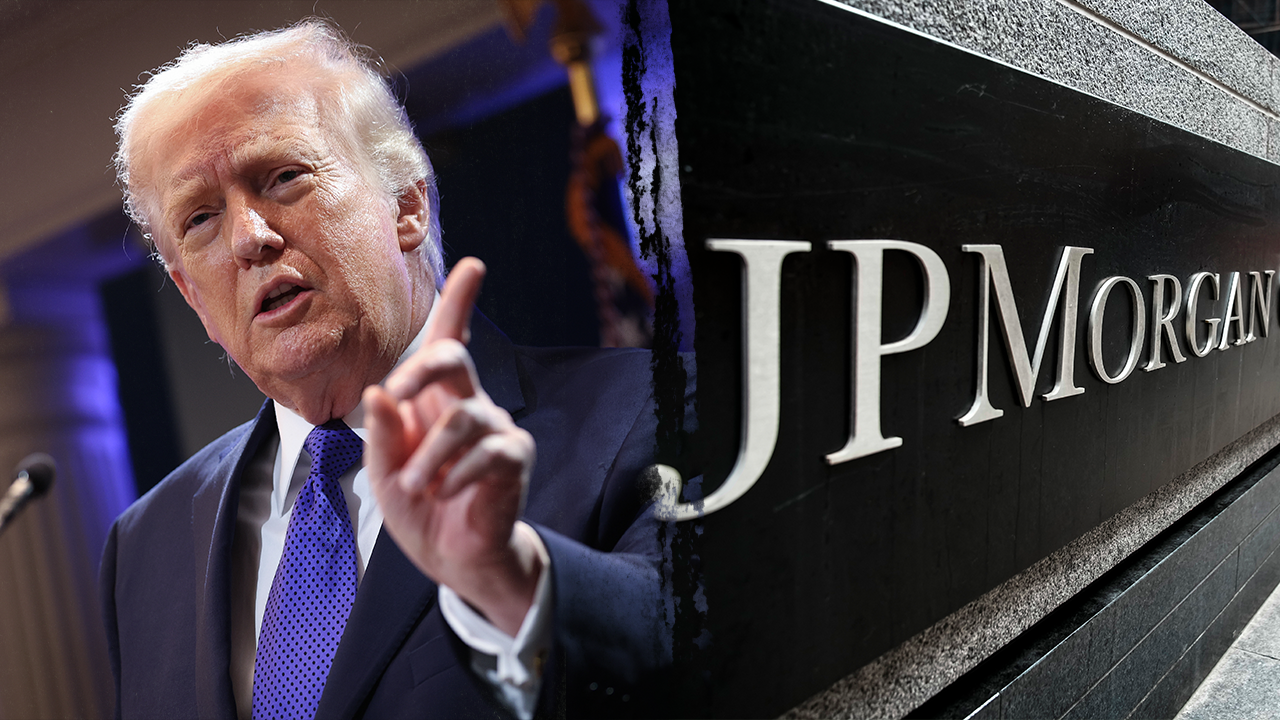
‘The Big Money Show’ discusses the potential fallout from President Donald Trump’s proposed credit card interest rate cap.
JPMorgan Chase Bank recently admitted it closed President Donald Trump‘s bank accounts following the Jan. 6, 2021, breach of the U.S. Capitol, a confession spurred by a $5 billion legal challenge from the president last month.
The suit, brought against the bank and its CEO, Jamie Dimon, in Miami state court, accused the financial institution of debanking Trump for political reasons.
In a new court filing, Dan Wilkening, chief administrative officer for global banking at JPMorgan, confirmed that in February 2021, the bank informed Trump and several of his hospitality companies that certain accounts would be closed.
Copies of formal letters sent by JPMorgan are dated Feb. 19, 2021.
TRUMP SUES JPMORGAN CHASE AND CEO JAMIE DIMON FOR $5B OVER ALLEGED ‘POLITICAL’ DEBANKING
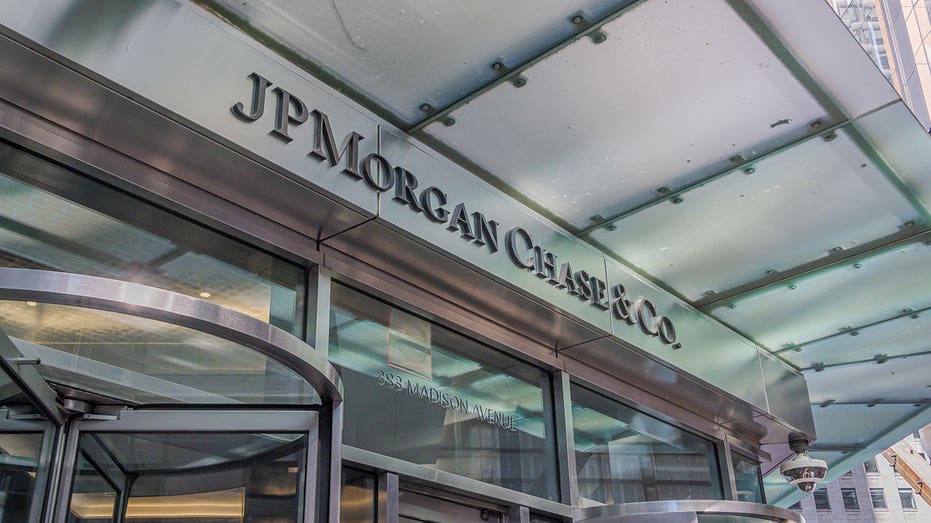
Marquee at the main entrance to the JPMorgan Chase Headquarters Building in Manhattan. (Erik McGregor/LightRocket via Getty Images / Getty Images)
One letter addressed to Jeffrey McConney, of The Trump Corporation, explicitly states, “JPMorgan Chase Bank, N.A. (‘we’) has decided to close its banking relationship with The Trump Corporation and its affiliated entities.”
Another letter addressed directly to Trump states, “We may determine that a client’s interests are no longer served by maintaining a relationship. … With that in mind, this letter is to respectfully inform you that we will need to end our current relationship.”
Wilkening claimed the bank handled the remaining balances in the accounts by working with Trump and his companies to move their funds to other institutions, in accordance with the bank’s standard account agreements.
Trump and his companies were given until April 19, 2021, to transfer hundreds of millions of dollars before the accounts were officially closed.
| Ticker | Security | Last | Change | Change % |
|---|---|---|---|---|
| JPM | JPMORGAN CHASE & CO. | 310.79 | +2.74 | +0.89% |
TRUMP SAYS HE WILL SUE JPMORGAN CHASE OVER ‘INCORRECT’ POST-JAN 6 DEBANKING
His attorneys alleged that Bank of America later refused to accept large deposits when he attempted to bank elsewhere.
While the bank’s letters do not provide a specific reason for the closures, Trump attorneys are alleging the accounts were “unlawfully closed due to political discrimination” and that they were placed on a “blacklist.”
In an earlier filing, Trump’s attorneys noted he was a JPMorgan customer for decades, and he and his affiliated entities transacted “hundreds of millions of dollars” through the bank.
Based on account agreements JPMorgan shared with the court, the institution can justify closing certain accounts, with or without cause, and generally permit either party to terminate accounts with at least 30 days written notice.
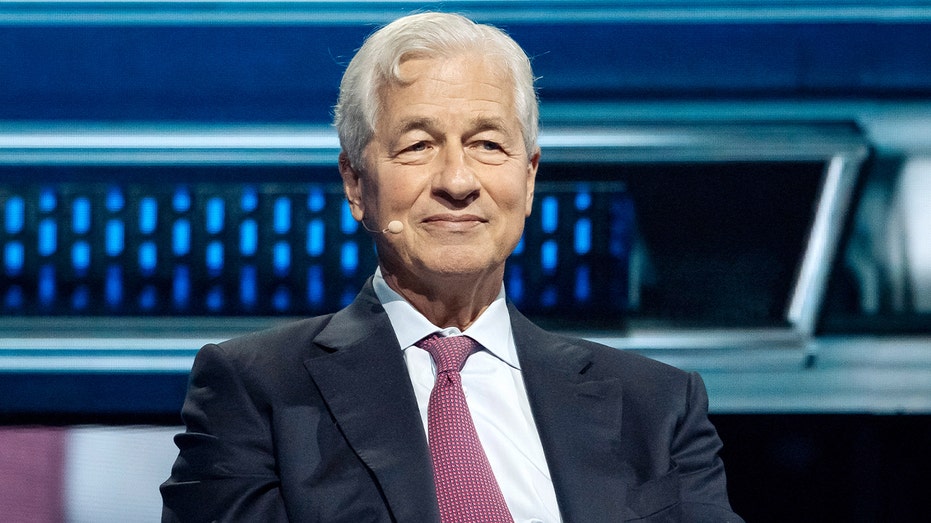
Jamie Dimon, chief executive officer of JPMorgan Chase & Co., speaks during the America Business Forum in Miami, Nov. 6, 2025. (Eva Marie Uzcategui/Bloomberg via Getty Images / Getty Images)
The agreements also authorize closure upon written notice of specific reasons, including breach of contract, financial impairment or insolvency, legal or regulatory requirements, or activities the bank in “good faith” believes violate its policies.
JPMorgan’s policies are primarily structured around regulatory compliance and risk management, specifically anti-money laundering and anti-terrorism, government sanctions, unlawful transactions, and adherence to general legal and banking standards.
The agreements note customers must comply with all notified bank policies, and the bank reserves the right to refuse transactions, freeze funds or close accounts without further notice if it determines an activity conflicts with its policies.
Trump’s attorneys are accusing JPMorgan Chase and its CEO of trade libel, violating Florida’s unfair and deceptive trade practices act, declaratory relief and breach of implied covenant of good faith and fair dealing — demanding a jury trial.
Lawyers said they are “confident that JPMC’s unilateral decision came about as a result of political and social motivations, and JPMC’s unsubstantiated, ‘woke’ beliefs that it needed to distance itself from President Trump and his conservative political views.”
“In addition to the considerable financial and reputational harm that Plaintiffs and their affiliated entities suffered, JPMC’s reckless decision is leading a growing trend by financial institutions in the United States of America to cut off a consumer’s access to banking services if their political views contradict with those of the financial institution,” Trump’s attorneys wrote in the initial complaint.
Dimon in 2025 denied that his institution debanks customers based on political views.
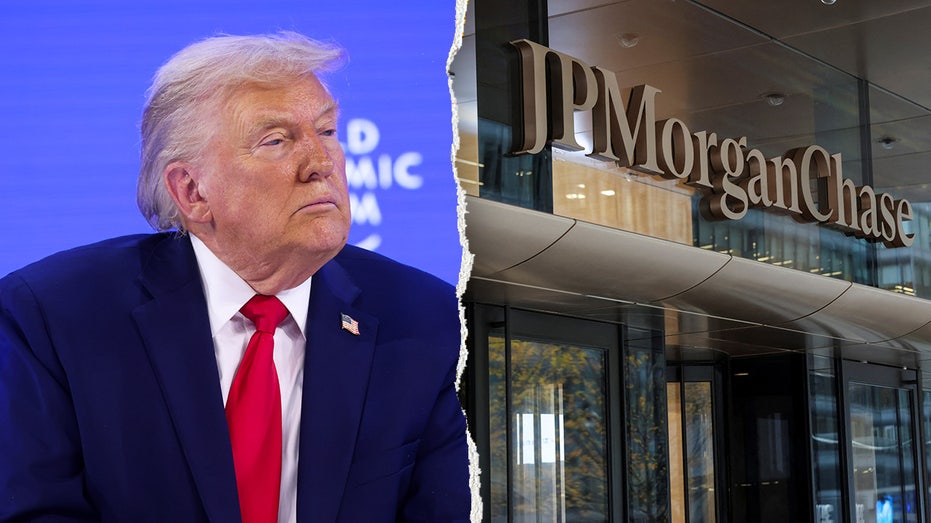
President Donald Trump had been a customer of JPMorgan for decades, according to the lawsuit. (Krisztian Bocsi/Bloomberg via Getty Images; ANGELA WEISS/AFP via Getty Images / Getty Images)
“We don’t debank people because of political or religious affiliations,” Dimon said on Capitol Hill Feb. 13, 2025. “But there are a lot of things that can be fixed. We should fix them. The rules and requirements are so onerous, and it does cause people to be debanked in my opinion, should not be debated.”
The Trump Organization also sued Capital One in 2025, claiming the bank in 2021 “unjustifiably” terminated more than 300 of its bank accounts, and accounts belonging to Trump family members.
At the time, a Capital One spokesperson told Fox News Digital, “Capital One has not and does not close customer accounts for political reasons.”
CLICK HERE TO DOWNLOAD THE FOX NEWS APP
JPMorgan Chase did not immediately respond to FOX Business’ request for comment.
FOX Business’ Brooke Singman contributed to this report.
GE Just Hit Another Record. No One Noticed.

For 28 years, I was a professional trader, analyst & portfolio manager. I ran the equity trading desk at Northern Trust Co. in Chicago. Now I am a private investor, the founder of a nonprofit investor advocacy firm, and a private investing coach. My average annual return is 17.2%. The time period is from January 2009, when I first began publishing my stock picks, to the end of 2024. I publish my picks in newsletter format and send them directly to subscribers on a weekly basis. For my complete market outlook and model portfolio updates, visit zeninvestor.org.
Analyst’s Disclosure: I/we have a beneficial long position in the shares of NVDA, AVGO, GOOGL either through stock ownership, options, or other derivatives. I wrote this article myself, and it expresses my own opinions. I am not receiving compensation for it (other than from Seeking Alpha). I have no business relationship with any company whose stock is mentioned in this article.
Seeking Alpha’s Disclosure: Past performance is no guarantee of future results. No recommendation or advice is being given as to whether any investment is suitable for a particular investor. Any views or opinions expressed above may not reflect those of Seeking Alpha as a whole. Seeking Alpha is not a licensed securities dealer, broker or US investment adviser or investment bank. Our analysts are third party authors that include both professional investors and individual investors who may not be licensed or certified by any institute or regulatory body.

A trade group representing Detroit’s Big Three automakers expressed concern in a letter Friday to President Trump’s top trade officials about the potential of new tariffs being imposed, according to a person familiar with the matter.
The American Automotive Policy Council, which represents General Motors, Ford Motor and Jeep-maker Stellantis, asked the White House to exclude from any new levies that might be imposed those vehicles and parts covered by tariffs that remain after the High Court’s tariff decision on Friday.
The letter was sent shortly after the Court’s ruling was handed down, the person said.
China’s AI rally ignites as investors shrug off global disruption fears

This is the forum for daily political discussion on Seeking Alpha. A new version is published every market day.
Please don’t leave political comments on other articles or posts on the site.
The comments below are not regulated with the same rigor as the rest of the site, and this is an ‘enter at your own risk’ area as discussion can get very heated. If you can’t stand the heat… you know what they say…
More on Today’s Markets:
Moderation Guidelines:
We remove comments under the following categories:
- Personal attacks on another user account
- Anti-Vaxxer or covid related misinformation
- Stereotyping, prejudiced or racist language about individuals or the topic under discussion.
- Inciting violence messages, encouraging hate groups and political violence.
Regardless of which side of the political divide you find yourself, please be courteous and don’t direct abuse at other users.
For any issue with regards to comments please email us at : moderation@seekingalpha.com.
Seeking Alpha’s Disclosure: Past performance is no guarantee of future results. No recommendation or advice is being given as to whether any investment is suitable for a particular investor. Any views or opinions expressed above may not reflect those of Seeking Alpha as a whole. Seeking Alpha is not a licensed securities dealer, broker or US investment adviser or investment bank. Our analysts are third party authors that include both professional investors and individual investors who may not be licensed or certified by any institute or regulatory body.
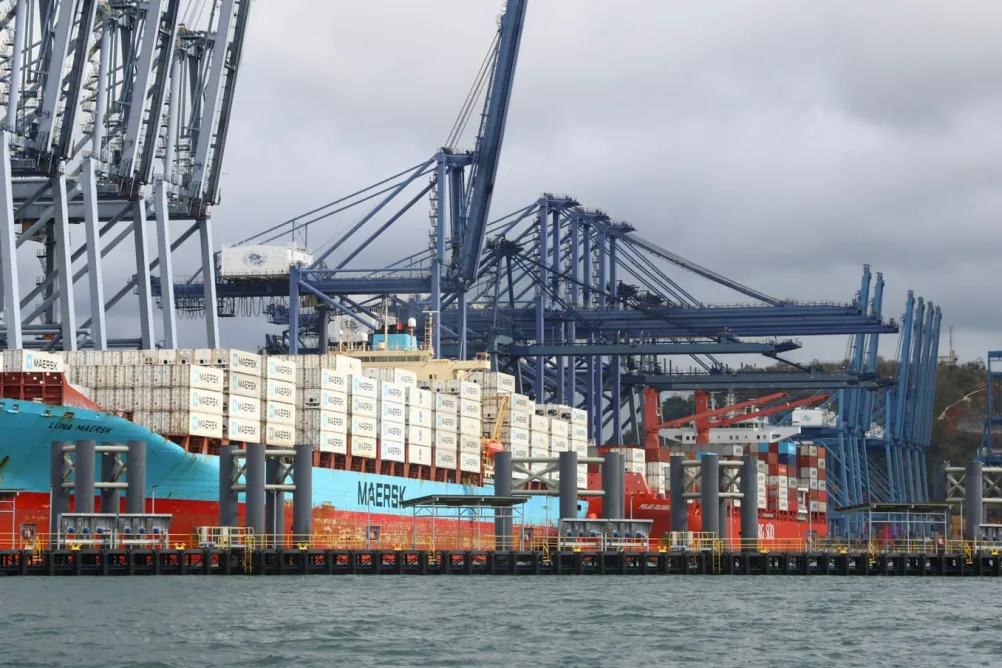
Although a recent US Supreme Court ruling declared President Donald Trump’s use of emergency powers to impose certain tariffs unconstitutional, Thai exporters are expected to see only a temporary reprieve from trade pressures.
In a landmark ruling on February 20, 2026, the U.S. Supreme Court struck a major blow to the executive branch’s trade powers, a decision with immediate and significant consequences for Thai exporters.
The court’s decision invalidated levies under the International Emergency Economic Powers Act (IEEPA), yet the US administration has swiftly countered with a new 10% global tariff under the Trade Act of 1974. Consequently, Thai industry leaders and government officials warn that trade policy remains highly volatile, urging businesses to diversify their export markets to mitigate the impact of “tariff stacking” and persistent American protectionism.
Key Points
- Supreme Court Ruling : In a 6–3 decision, the US Supreme Court ruled that the executive branch overstepped its authority by using the IEEPA to levy tariffs, a power constitutionally reserved for Congress.
- Limited Impact : The ruling only applies to tariffs imposed under the IEEPA, which represent approximately half of the tariff revenue collected since last year; other duties under Sections 301 and 232 remain in place.
- Immediate Countermeasures : Following the ruling, the White House announced a new 10% global tariff on all imported goods for a 150-day period, utilizing Section 122 of the Trade Act of 1974.
The implications of the US Supreme Court ruling for Thai exporters are significant and multifaceted
| Tariff Type | Legal Status | Impact on Thai Exporters |
| Reciprocal (IEEPA) | Struck Down | Immediate removal of the 19%–36% extra duties. |
| Section 122 | New/Active | New 10% baseline tariff likely to apply for 150 days. |
| Section 232 | Remains | Steel and aluminum exports remain subject to existing duties. |
| AD/CVD | Remains | Anti-dumping and countervailing duties are unaffected. |
1. Short-term Relief from IEEPA Tariffs
- The ruling declared that former President Trump’s use of the International Emergency Economic Powers Act (IEEPA) to impose tariffs was unconstitutional. This provides some immediate relief from tariffs that were imposed under this law, which accounted for a substantial portion of tariff revenue.
2. Legal Clarity and Reduced Uncertainty
- The decision enhances legal clarity regarding the authority to impose tariffs, which may reduce uncertainty for Thai exporters. This could lead to a more stable trading environment in the short term, making it easier for businesses to plan and operate.
3. Continued Trade Barriers
- Despite the ruling, the Trump administration has announced a new 10% global tariff on imports. This means that while some tariffs may be lifted, others could be introduced or maintained, continuing the pressure on Thai exporters.
4. Impact on Negotiations
- The ruling may influence ongoing negotiations between Thailand and the US regarding tariff reductions. Thailand is actively seeking to negotiate lower tariffs in exchange for purchasing US goods, which could be more favorable in light of the legal ruling.
While the Supreme Court ruling offers some relief and clarity for Thai exporters, the landscape remains complex and uncertain. Businesses must navigate ongoing trade barriers and adapt their strategies to mitigate risks associated with fluctuating US trade policies.
Potential for Tariff Refunds
One of the most complex implications for Thai businesses and their U.S. partners is the issue of restitution.
- Revenue at Stake: The U.S. government collected an estimated $264 billion in total tariff revenue in 2025.
- The Process: Because the Court ruled these tariffs were illegal from the start, Thai exporters (or the U.S. importers of record) may be entitled to refunds for duties already paid. However, the Court did not provide a specific mechanism for these payouts, and the U.S. administration has signaled that the refund process could take years.
The Pivot to “Section 122” and New Risks
While the IEEPA-based tariffs were struck down, the trade war has not ended; it has simply shifted legal grounds.
- New 10% Global Tariff: In response to the ruling, the administration immediately invoked Section 122 of the Trade Act of 1974. This allows for a 10% global tariff for a limited period (150 days) to address balance-of-payment deficits.
- National Security Tariffs: The ruling does not affect tariffs imposed under Section 232 (National Security), such as those on steel and aluminum. Thai exporters in these specific sectors will see no change in their current tariff rates.
The Supreme Court ruling provides some relief and clarity for Thai exporters, yet the landscape remains intricate and uncertain. Businesses must still tackle persistent trade barriers and adjust their strategies to manage risks tied to unpredictable US trade policies.
Other People are Reading
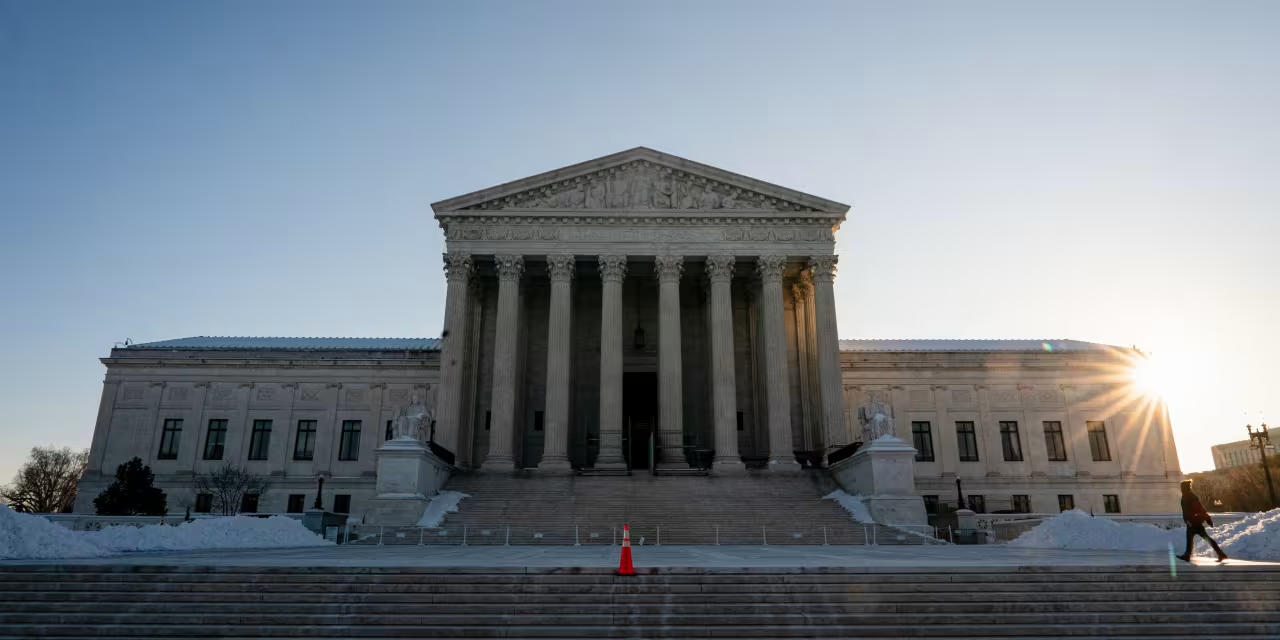
Wall Street doesn’t believe the impact of the Supreme Court’s IEEPA tariff decision will be all that significant.
Tariffs have increased costs and eaten into profits at companies ranging from Caterpillar to General Motors. Still, most manufacturing stocks have been strong over the past year, with management teams working to offset the impact of new levies on imports.
William Blair industrial analyst Ryan Merkel wrote Friday that the impact of the decision was likely “small and may be offset by new tariffs,” adding that tariffs have been responsible for about one-third of recent price hikes by industrial distributors. The prices of one such distributor, Fastenal, rose about 3 percent in the fourth quarter of 2025–while pricing was flat in the fourth quarter of 2024.

Chemours Stock Tumbles After Earnings. Data-Center Cooling Couldn’t Save the Quarter.

Major Bitcoin Move IMMINENT! (Top Altcoins To Watch Closely)

Man United latest: Star nears comeback as Marcus Rashford to Barcelona move ‘under threat’

Trump says Indo-Pacific energy meeting to be held in Tokyo in March


-

 Video6 days ago
Bitcoin: We’re Entering The Most Dangerous Phase
-

 Crypto World5 days ago
Can XRP Price Successfully Register a 33% Breakout Past $2?
-

 Fashion1 day ago
Weekend Open Thread: Boden – Corporette.com
-

 Sports5 days ago
GB's semi-final hopes hang by thread after loss to Switzerland
-

 Video2 days ago
XRP News: XRP Just Entered a New Phase (Almost Nobody Noticed)
-
 Tech5 days ago
The Music Industry Enters Its Less-Is-More Era
-

 Business4 days ago
Infosys Limited (INFY) Discusses Tech Transitions and the Unique Aspects of the AI Era Transcript
-

 Entertainment4 days ago
Kunal Nayyar’s Secret Acts Of Kindness Sparks Online Discussion
-

 Video5 days ago
Financial Statement Analysis | Complete Chapter Revision in 10 Minutes | Class 12 Board exam 2026
-

 Tech4 days ago
Retro Rover: LT6502 Laptop Packs 8-Bit Power On The Go
-
 Sports3 days ago
Clearing the boundary, crossing into history: J&K end 67-year wait, enter maiden Ranji Trophy final | Cricket News
-

 Entertainment3 days ago
Dolores Catania Blasts Rob Rausch For Turning On ‘Housewives’ On ‘Traitors’
-

 Business4 days ago
Tesla avoids California suspension after ending ‘autopilot’ marketing
-
 NewsBeat7 days ago
The strange Cambridgeshire cemetery that forbade church rectors from entering
-

 Politics5 days ago
Eurovision Announces UK Act For 2026 Song Contest
-

 Crypto World3 days ago
WLFI Crypto Surges Toward $0.12 as Whale Buys $2.75M Before Trump-Linked Forum
-
 NewsBeat7 days ago
Man dies after entering floodwater during police pursuit
-

 Crypto World2 days ago
83% of Altcoins Enter Bear Trend as Liquidity Crunch Tightens Grip on Crypto Market
-
 NewsBeat2 days ago
Andrew Mountbatten-Windsor latest: Police search of Royal Lodge enters second day after Andrew released from custody
-

 Business4 days ago
School's 'cost of living cupboard' helps families