

Business
US DHS to pause TSA PreCheck and Global Entry as shutdown continues, Washington Post reports





I’m a full-time investor with a strong focus on the tech sector. I graduated with a Bachelor of Commerce Degree with Distinction, major in Finance. I’m also a proud lifetime member of the Beta Gamma Sigma International Business Honor Society. My core values are: Excellence, Integrity, Transparency, & Respect. I always, to the best of my ability, hold true to these values which I believe are key for long-term success. I would like to invite all of my readers to leave their constructive criticism and feedback in the comments section so that I can further enhance the quality of my work moving forward. Thank you and God Bless America!
Analyst’s Disclosure: I/we have no stock, option or similar derivative position in any of the companies mentioned, and no plans to initiate any such positions within the next 72 hours. I wrote this article myself, and it expresses my own opinions. I am not receiving compensation for it (other than from Seeking Alpha). I have no business relationship with any company whose stock is mentioned in this article.
Seeking Alpha’s Disclosure: Past performance is no guarantee of future results. No recommendation or advice is being given as to whether any investment is suitable for a particular investor. Any views or opinions expressed above may not reflect those of Seeking Alpha as a whole. Seeking Alpha is not a licensed securities dealer, broker or US investment adviser or investment bank. Our analysts are third party authors that include both professional investors and individual investors who may not be licensed or certified by any institute or regulatory body.


Russia hits Ukraine energy infrastructure with major missile, drone strikes, Kyiv says
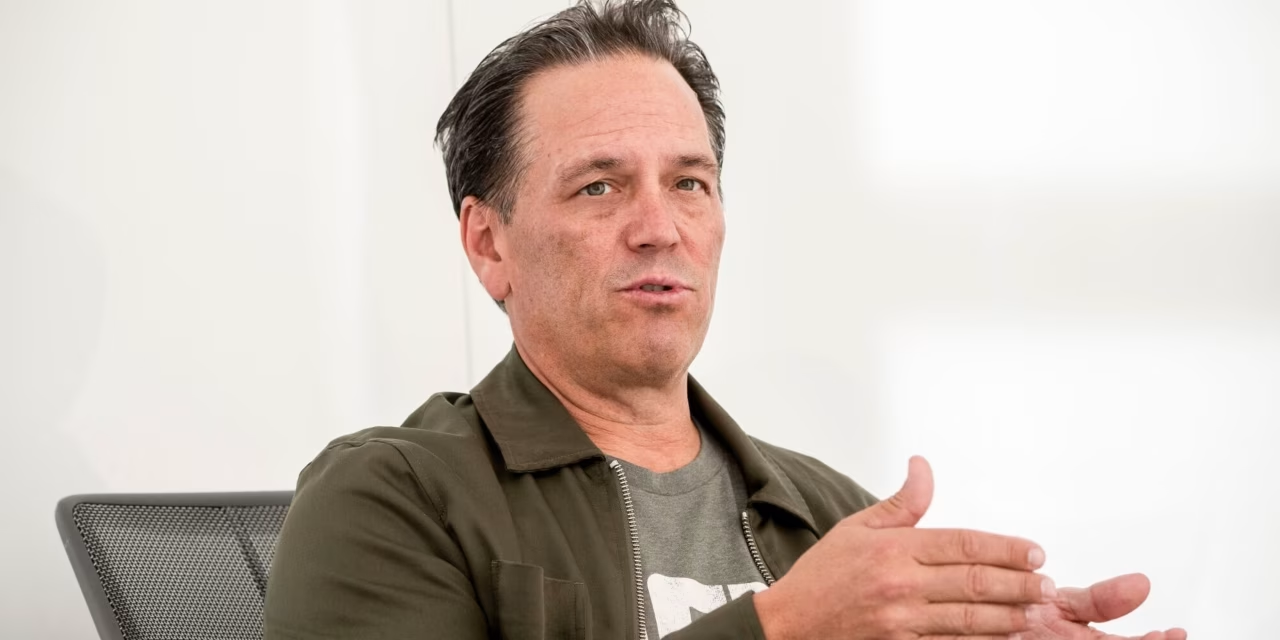
Phil Spencer, Microsoft’s MSFT -0.31%decrease; red down pointing triangle executive vice president and chief executive of gaming, is set to retire from the company after 38 years, a run during which he built the company up as a videogames powerhouse only to see it lose ground in recent years.
Microsoft has promoted Asha Sharma, president of its CoreAI Product unit, to succeed Spencer as head of Microsoft Gaming, effective immediately, according to the company.
Copyright ©2026 Dow Jones & Company, Inc. All Rights Reserved. 87990cbe856818d5eddac44c7b1cdeb8
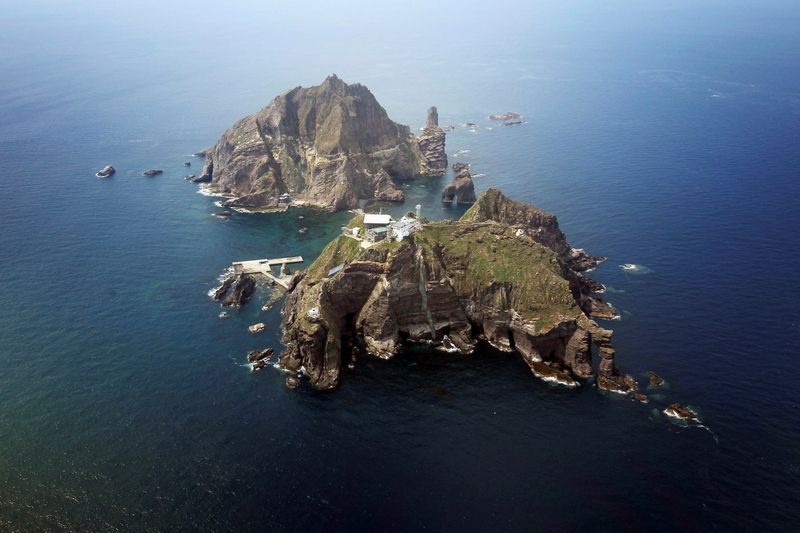

South Korea protests Japanese event over disputed islands

Australia threatens countermeasures as Trump’s global tariffs hit 15%
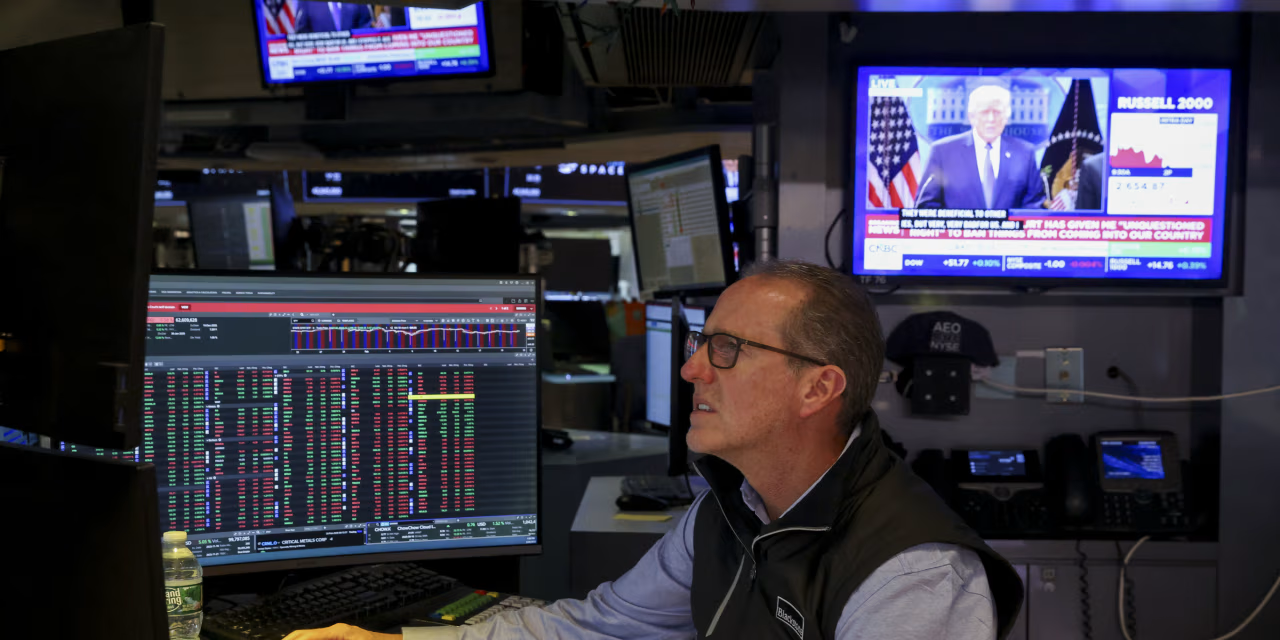
U.S. stocks ended the week on a high note after the Supreme Court threw out President Trump’s sweeping tariffs, with all three major indexes logging weekly gains.
The gains held on even after Trump threatened a 10% global tariff to replace those thrown out by America’s highest court. The S&P 500 advanced 1.1% for the week, and the Dow Jones Industrial Average added 0.3%. The Nasdaq composite rose 1.5%, snapping its longest streak of consecutive weekly declines since 2022, according to Dow Jones Market Data.
Copyright ©2026 Dow Jones & Company, Inc. All Rights Reserved. 87990cbe856818d5eddac44c7b1cdeb8


Asian economies weigh impact of fresh Trump tariff moves, confusion


Trump says Indo-Pacific energy meeting to be held in Tokyo in March
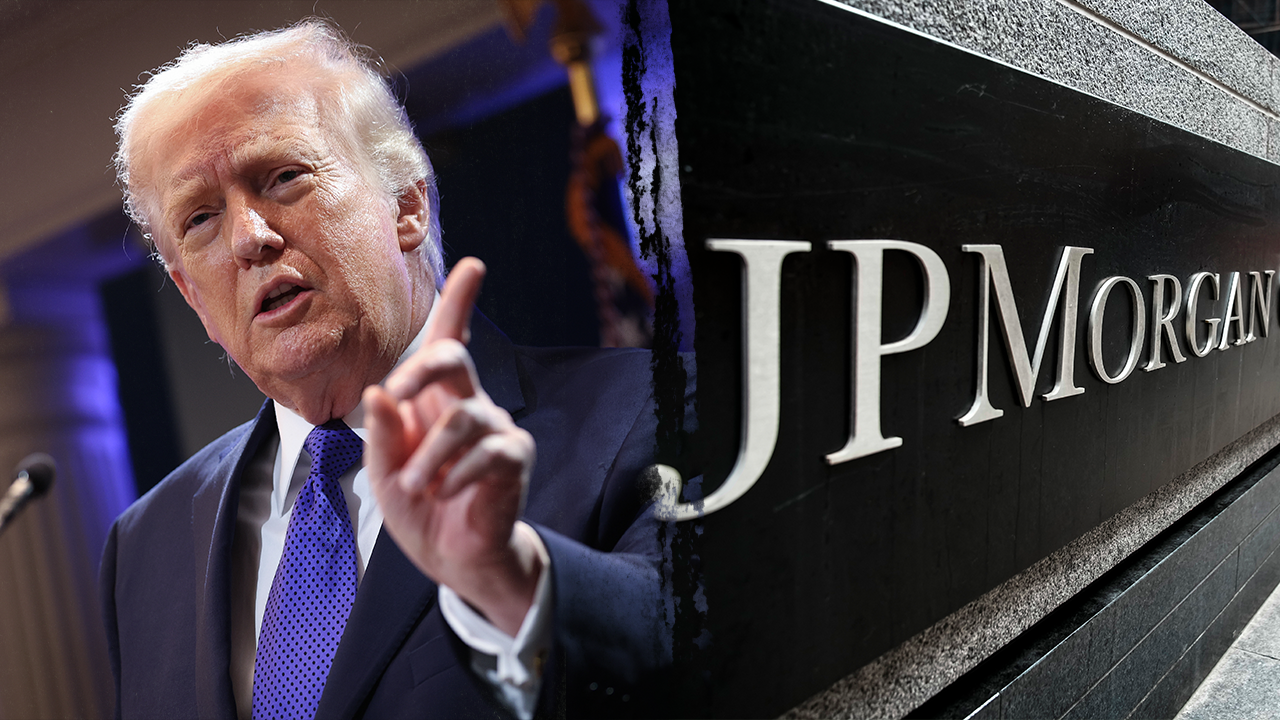
‘The Big Money Show’ discusses the potential fallout from President Donald Trump’s proposed credit card interest rate cap.
JPMorgan Chase Bank recently admitted it closed President Donald Trump‘s bank accounts following the Jan. 6, 2021, breach of the U.S. Capitol, a confession spurred by a $5 billion legal challenge from the president last month.
The suit, brought against the bank and its CEO, Jamie Dimon, in Miami state court, accused the financial institution of debanking Trump for political reasons.
In a new court filing, Dan Wilkening, chief administrative officer for global banking at JPMorgan, confirmed that in February 2021, the bank informed Trump and several of his hospitality companies that certain accounts would be closed.
Copies of formal letters sent by JPMorgan are dated Feb. 19, 2021.
TRUMP SUES JPMORGAN CHASE AND CEO JAMIE DIMON FOR $5B OVER ALLEGED ‘POLITICAL’ DEBANKING
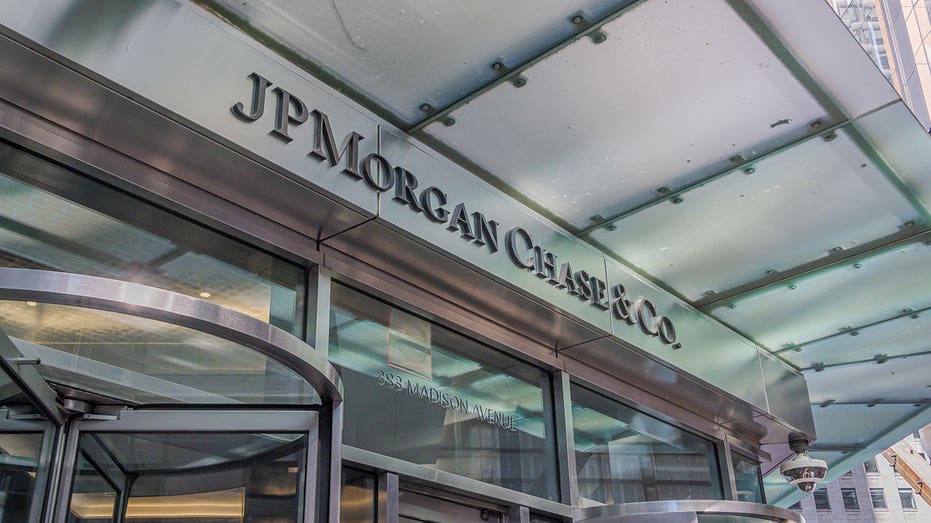
Marquee at the main entrance to the JPMorgan Chase Headquarters Building in Manhattan. (Erik McGregor/LightRocket via Getty Images / Getty Images)
One letter addressed to Jeffrey McConney, of The Trump Corporation, explicitly states, “JPMorgan Chase Bank, N.A. (‘we’) has decided to close its banking relationship with The Trump Corporation and its affiliated entities.”
Another letter addressed directly to Trump states, “We may determine that a client’s interests are no longer served by maintaining a relationship. … With that in mind, this letter is to respectfully inform you that we will need to end our current relationship.”
Wilkening claimed the bank handled the remaining balances in the accounts by working with Trump and his companies to move their funds to other institutions, in accordance with the bank’s standard account agreements.
Trump and his companies were given until April 19, 2021, to transfer hundreds of millions of dollars before the accounts were officially closed.
| Ticker | Security | Last | Change | Change % |
|---|---|---|---|---|
| JPM | JPMORGAN CHASE & CO. | 310.79 | +2.74 | +0.89% |
TRUMP SAYS HE WILL SUE JPMORGAN CHASE OVER ‘INCORRECT’ POST-JAN 6 DEBANKING
His attorneys alleged that Bank of America later refused to accept large deposits when he attempted to bank elsewhere.
While the bank’s letters do not provide a specific reason for the closures, Trump attorneys are alleging the accounts were “unlawfully closed due to political discrimination” and that they were placed on a “blacklist.”
In an earlier filing, Trump’s attorneys noted he was a JPMorgan customer for decades, and he and his affiliated entities transacted “hundreds of millions of dollars” through the bank.
Based on account agreements JPMorgan shared with the court, the institution can justify closing certain accounts, with or without cause, and generally permit either party to terminate accounts with at least 30 days written notice.
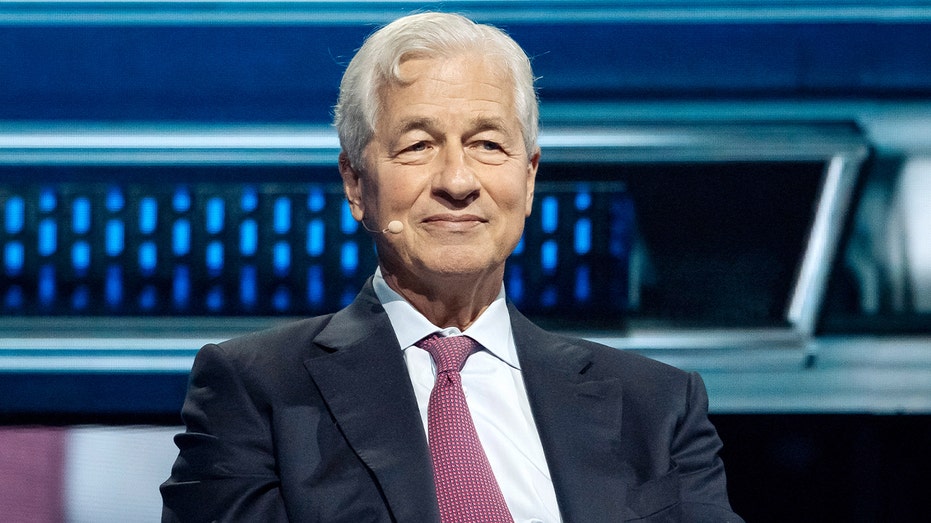
Jamie Dimon, chief executive officer of JPMorgan Chase & Co., speaks during the America Business Forum in Miami, Nov. 6, 2025. (Eva Marie Uzcategui/Bloomberg via Getty Images / Getty Images)
The agreements also authorize closure upon written notice of specific reasons, including breach of contract, financial impairment or insolvency, legal or regulatory requirements, or activities the bank in “good faith” believes violate its policies.
JPMorgan’s policies are primarily structured around regulatory compliance and risk management, specifically anti-money laundering and anti-terrorism, government sanctions, unlawful transactions, and adherence to general legal and banking standards.
The agreements note customers must comply with all notified bank policies, and the bank reserves the right to refuse transactions, freeze funds or close accounts without further notice if it determines an activity conflicts with its policies.
Trump’s attorneys are accusing JPMorgan Chase and its CEO of trade libel, violating Florida’s unfair and deceptive trade practices act, declaratory relief and breach of implied covenant of good faith and fair dealing — demanding a jury trial.
Lawyers said they are “confident that JPMC’s unilateral decision came about as a result of political and social motivations, and JPMC’s unsubstantiated, ‘woke’ beliefs that it needed to distance itself from President Trump and his conservative political views.”
“In addition to the considerable financial and reputational harm that Plaintiffs and their affiliated entities suffered, JPMC’s reckless decision is leading a growing trend by financial institutions in the United States of America to cut off a consumer’s access to banking services if their political views contradict with those of the financial institution,” Trump’s attorneys wrote in the initial complaint.
Dimon in 2025 denied that his institution debanks customers based on political views.
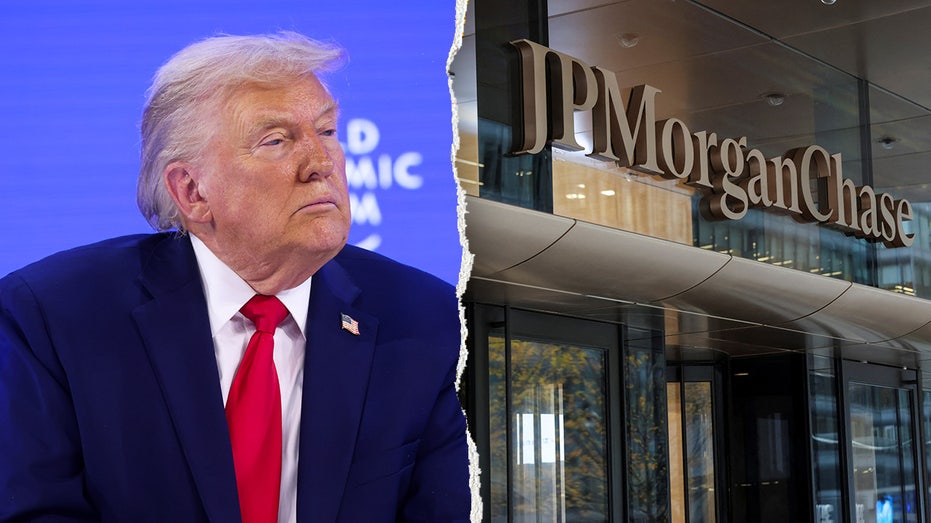
President Donald Trump had been a customer of JPMorgan for decades, according to the lawsuit. (Krisztian Bocsi/Bloomberg via Getty Images; ANGELA WEISS/AFP via Getty Images / Getty Images)
“We don’t debank people because of political or religious affiliations,” Dimon said on Capitol Hill Feb. 13, 2025. “But there are a lot of things that can be fixed. We should fix them. The rules and requirements are so onerous, and it does cause people to be debanked in my opinion, should not be debated.”
The Trump Organization also sued Capital One in 2025, claiming the bank in 2021 “unjustifiably” terminated more than 300 of its bank accounts, and accounts belonging to Trump family members.
At the time, a Capital One spokesperson told Fox News Digital, “Capital One has not and does not close customer accounts for political reasons.”
CLICK HERE TO DOWNLOAD THE FOX NEWS APP
JPMorgan Chase did not immediately respond to FOX Business’ request for comment.
FOX Business’ Brooke Singman contributed to this report.
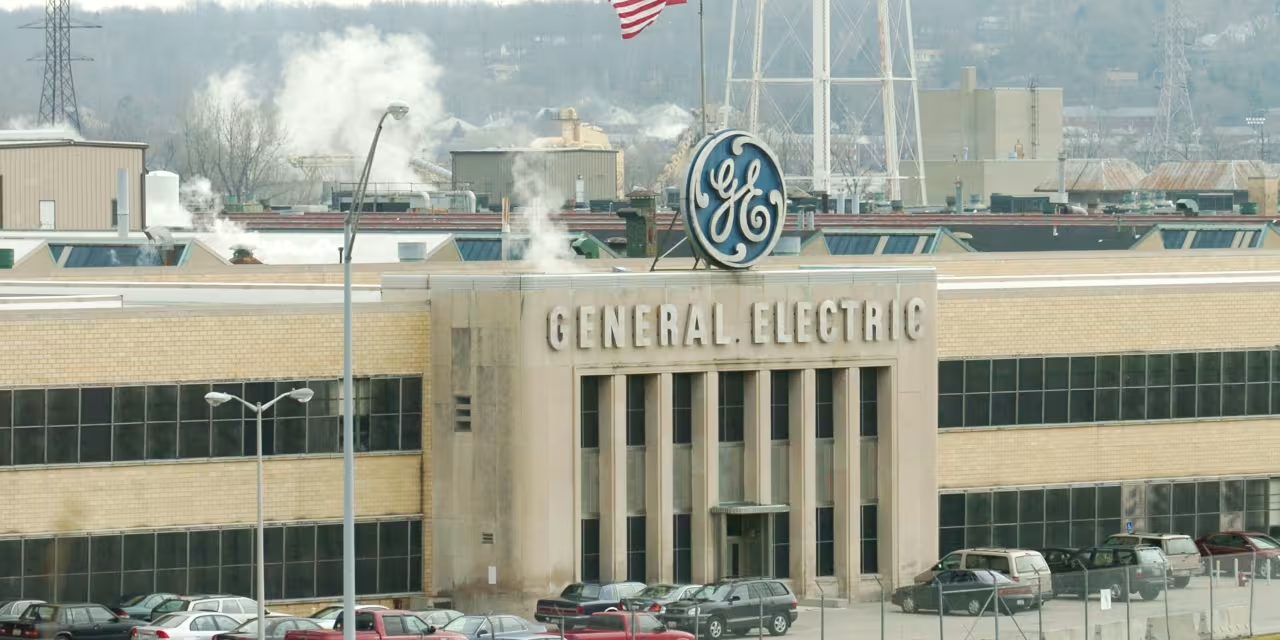
GE Just Hit Another Record. No One Noticed.

Tesco, Lidl, Farmfoods & more UK supermarkets issue recalls

Lam Research: Don’t Chase The Stock (NASDAQ:LRCX)

10 Most Ambitious Sci-Fi Shows, Ranked


-

 Video6 days ago
Bitcoin: We’re Entering The Most Dangerous Phase
-

 Crypto World5 days ago
Can XRP Price Successfully Register a 33% Breakout Past $2?
-

 Fashion1 day ago
Weekend Open Thread: Boden – Corporette.com
-

 Sports5 days ago
GB's semi-final hopes hang by thread after loss to Switzerland
-

 Video2 days ago
XRP News: XRP Just Entered a New Phase (Almost Nobody Noticed)
-
 Tech5 days ago
The Music Industry Enters Its Less-Is-More Era
-

 Business4 days ago
Infosys Limited (INFY) Discusses Tech Transitions and the Unique Aspects of the AI Era Transcript
-

 Entertainment4 days ago
Kunal Nayyar’s Secret Acts Of Kindness Sparks Online Discussion
-

 Video5 days ago
Financial Statement Analysis | Complete Chapter Revision in 10 Minutes | Class 12 Board exam 2026
-

 Tech4 days ago
Retro Rover: LT6502 Laptop Packs 8-Bit Power On The Go
-
 Sports3 days ago
Clearing the boundary, crossing into history: J&K end 67-year wait, enter maiden Ranji Trophy final | Cricket News
-

 Entertainment3 days ago
Dolores Catania Blasts Rob Rausch For Turning On ‘Housewives’ On ‘Traitors’
-

 Business4 days ago
Tesla avoids California suspension after ending ‘autopilot’ marketing
-
 NewsBeat7 days ago
The strange Cambridgeshire cemetery that forbade church rectors from entering
-

 Politics5 days ago
Eurovision Announces UK Act For 2026 Song Contest
-

 Crypto World3 days ago
WLFI Crypto Surges Toward $0.12 as Whale Buys $2.75M Before Trump-Linked Forum
-
 NewsBeat7 days ago
Man dies after entering floodwater during police pursuit
-

 Crypto World2 days ago
83% of Altcoins Enter Bear Trend as Liquidity Crunch Tightens Grip on Crypto Market
-
 NewsBeat2 days ago
Andrew Mountbatten-Windsor latest: Police search of Royal Lodge enters second day after Andrew released from custody
-

 Business4 days ago
School's 'cost of living cupboard' helps families