

Politics
I Kissed My 2-Year-Old Goodbye Before His Sitter Drove Away. It Was The Last Time I Saw Him


That July afternoon didn’t feel remarkable in any way. I was a 22‑year‑old single mother working two jobs, doing what young mothers do – surviving, pushing, loving my boys with whatever energy I had left.
Life was busy, loud and messy. I didn’t know I was taking it for granted. You never do until the world just stops.
My two‑year‑old son was going “just up the road” to a friend’s grandparents’ house for dinner – with a sitter I trusted, someone who had watched him countless times. It was supposed to be a simple evening. I kissed him goodbye without thinking that it might be the last time.
I was heading to work in the car with a friend and coworker when her phone rang. Our route took us down a road less than a mile from the multigenerational family home where I was living at the time. Her niece was calling to tell us the road ahead was blocked off, that something was on fire.
“I think it’s a car.”
I don’t know how to explain what happened next, except to say that a mother’s intuition is real. I knew, I felt it in my body. Before I saw the car, before I saw the tree, before I saw the smoke curling into the sky – I knew. Time stopped, and I started screaming, “It’s my son. He’s in that car.”
When we reached the blocked road, I didn’t wait for instructions. I jumped out of the car, threw my purse onto the pavement, and ran. I could barely see through the tears, but I could see enough: the organised chaos of fire trucks and state troopers. In that moment, it felt like the world was collapsing in on itself.
Two troopers stopped me before I could reach the burning car. I begged them to tell me which ambulance my son was in. They didn’t answer me. One finally asked me: if my son had been in the car, where would he have been sitting?
“Back seat, passenger side, in his car seat,” I quickly answered. The way they looked at each other told me everything before their words did.
My legs gave out. I hit the ground and screamed until my throat burned. I’ll never forget the gravel under my hands, the heat from the fire, the sound of radios crackling. I remember thinking, over and over, “This can’t be real.” But it was. And in that moment, the Before part of my life ended.

Photo Courtesy Of Toni Fortino
I called my mother, but I couldn’t get the words out. I just cried in agony. When she finally arrived, I collapsed into her arms. I stayed at the edge of the caution tape for hours – long after the sun went down, long after the crowd thinned. I refused to leave. I didn’t want my son to be alone. I didn’t know if his soul was still there or already gone, but I needed to stay with him until they took his body away.
Before he died, my son was pure light. He laughed at everything – the kind of laugh that made strangers turn their heads and smile. He loved the rain, and every time it started, he would sing “Rain, rain, go away,” in that tiny toddler voice that made the whole world feel softer. He called fruit snacks “nacks” and would yell for them with a confidence that made me laugh even on the hardest days. To know him was to love him, and everyone did.
He had bright blue eyes and dimples that showed up before his smile did. He loved being outside, riding around on his little John Deere tractor like he owned the whole yard. And every night, without fail, he had to sleep with me. He’d curl his finger around the hair at the back of my neck to fall asleep – a habit he started as a baby and never grew out of. It was his way of anchoring himself to me, and me to him.
Being his mother was the best thing I have ever been and ever done. Even after everything that came after, that part hasn’t changed.
In the days that followed, time stopped behaving normally. I barely slept. I didn’t eat. I woke up each morning hoping it had been a nightmare, only to feel the truth hit me again like a physical blow. My house filled with people – family, friends, neighbours, even strangers who had seen the story on the news or heard it on the radio – but I felt completely alone inside my body.
I sat on the porch swing, the same one where I used to rock him to sleep, feeling like the world was moving around me while I stayed frozen. Everything became a task I wasn’t ready for: calling the funeral home, choosing photos for the slideshow, hearing the coroner explain what had happened. I was 22 years old, planning a funeral for my two‑year‑old son. There is no version of that sentence that makes sense.

Photo Courtesy Of Toni Fortino
People kept telling me I was strong, but I didn’t feel strong. I felt hollow. I felt like I had left my body at the crash site and was walking around in whatever was left. I didn’t know how to be a mother to my surviving son when every time I looked at him, I saw the brother he had lost. I didn’t know how to be a daughter, a friend or even a person. Grief didn’t just break me – it unmade me.
Before my son died, I was a different version of myself – someone I barely recognise now. I was happy in a way that felt effortless. I was loving, energetic, enthusiastic about life, the kind of mother who danced in the kitchen and laughed easily. I didn’t know how fragile that version of me was. I didn’t know she could disappear in a single moment.
After the accident, everything changed. I became anxious, sleepless, constantly on edge. Grief didn’t just break my heart – it rewired my entire nervous system. I moved through the world like someone waiting for the next blow. Once the worst thing had already happened, I knew something like it could happen again at any moment.
That fear and emptiness made me vulnerable in ways I didn’t understand at the time. I fell into a relationship that grew out of trauma, not love – a bond built on pain, control and the belief that I didn’t deserve anything better. When that ended, I met someone who felt like a soulmate, someone who showed me gentleness after years of chaos. Losing him, too, carved another fault line through my life.
The Before me was carefree. The After me is someone who has survived more than she ever should have had to. But she’s still here. And that counts for something.
Losing my son forced me to rebuild myself from pieces I never expected to hold. I didn’t come out of grief wiser or stronger. I came out raw, unsteady and changed in ways I didn’t have a language for. But over time, I learned that survival isn’t a single moment. It’s a thousand small choices to keep going, even when you don’t recognise the person you’ve become.
Grief doesn’t end, but it does evolve. It becomes something you learn to carry. It becomes part of the way you move through the world. My son’s life was short, but it changed me in ways that still matter.
I am not the woman I was before July of 2013. I never will be. But I am still here. And every day that I choose to keep going is a day that honours him.
Do you have a compelling personal story you’d like to see published on HuffPost? Find out what we’re looking for here and send us a pitch at pitch@huffpost.com.

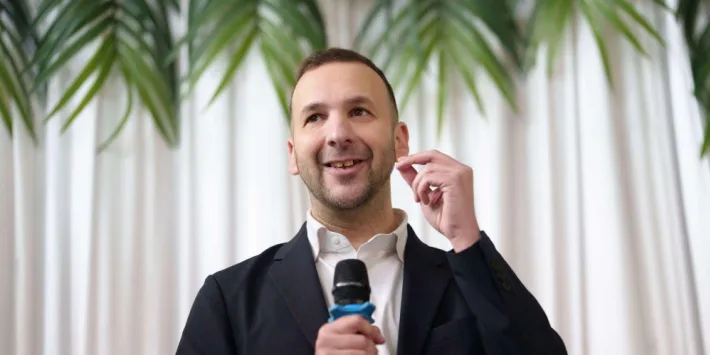
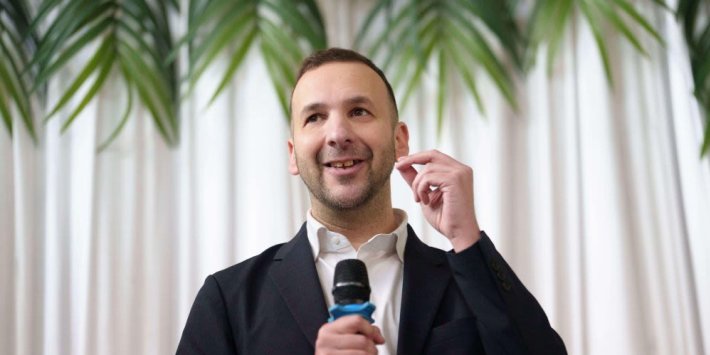
Zack Polanski (Alamy)

5 min read
Zack Polanski’s leadership of the Greens has generated significant interest in the party. Nearly half of UK adults are considering supporting them at the next general election, according to new polling shared exclusively with PoliticsHome. But the research also suggests the Greens face a challenge in turning momentum into hard votes.
The rise of the Greens has been one of the biggest stories in British politics since the 2024 general election. The party has surged in the opinion polls since London Assembly Member Zack Polanski became party leader in September, with his “eco-populism” posing a major threat to the Labour Party’s left flank.
Next week, when voters in Gorton and Denton go to the polls for a highly-anticipated by-election, the Greens are hopeful of unseating Labour in a constituency that the governing party has controlled for over 100 years. Victory in Greater Manchester for Green candidate Hannah Spencer would represent a seismic moment.
New Thinks Insight & Strategy research sheds more light on the party’s recent rise – as well as the hurdles they face in their bid to be the foremost force on the British left.
An online poll of 2,114 adults in the UK, carried out between February 13 and 15, found that nearly half of those surveyed (48 per cent) were considering voting for the Greens at the next general election.
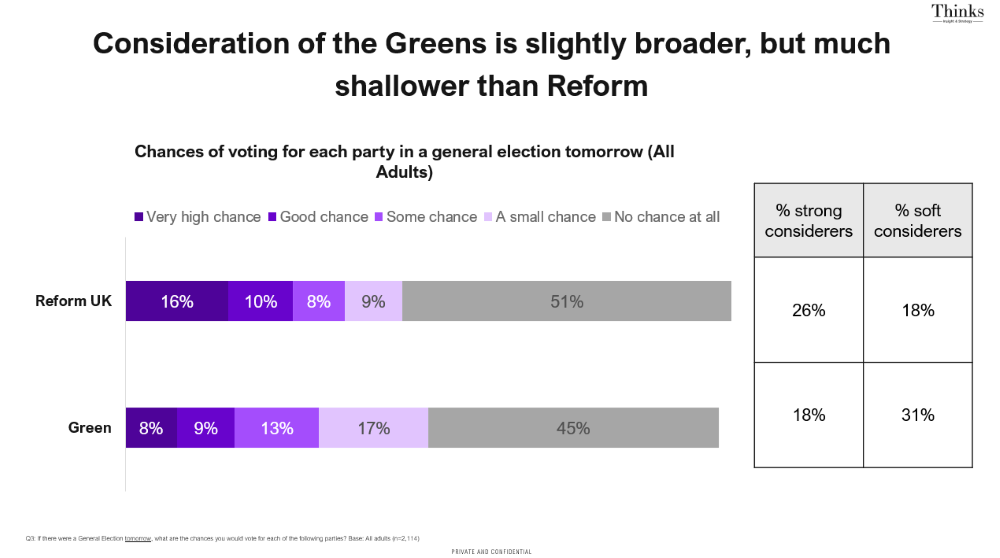
Of those, 18 per cent were strong considerers, meaning there is a ‘very high’ or ‘good’ chance of them doing so, while 31 per cent were soft, meaning there is ‘some’ or ‘a small’ chance.
Asked what is attractive about the Greens, respondents described what they saw as Polanski’s positive attributes.
Nearly two-thirds of the party’s strong considerers (63 per cent) and exactly a quarter of soft considerers said the party leader being “a breath of fresh air” made them more likely to vote for the Greens at the next general election.
In two focus groups carried out by Thinks Insight & Strategy, in East London and Sheffield, people considering voting for the Greens described Polanski as charismatic, articulate and someone who is clear about what he thinks.
On what the party stands for, over three-quarters of strong Green considerers (76 per cent) and 42 per cent of soft considerers said they were more likely to vote for them because they want to help ordinary people, not billionaires. Similarly, 72 per cent of strong considerers and 36 per cent of soft considerers said they were more likely to support the party because they are focused on social and economic justice.
“It’s clear that the Green Party are picking up momentum, and our findings show they should be taken seriously. Almost half of UK adults are considering voting for them, including two-thirds of those who voted Labour at the last election,” Allie Jennings, director at Thinks Insight & Strategy, told PoliticsHome.
Speaking on this week’s episode of PoliticsHome podcast The Rundown, Green Party MP Ellie Chowns said she had met “huge numbers of people on the doorstep” in Gorton and Denton who are “really disillusioned with Labour”.
However, the research shared with PoliticsHome also detected potential challenges for Polanski and co when it comes to turning mid-term popularity into support at the next general election.
The first is the relative shallowness of their current support.
For example, the number of people strongly considering voting Green at the next general election is smaller than the number who say the same about Nigel Farage’s Reform UK. Thinks Insight & Strategy research for PoliticsHome late last year found that 16 per cent of people said there was a ‘very high’ chance of them voting for Reform at the next general election, compared to eight per cent who said the same about the Greens this month.
At the same time, most Green considerers are looking at three or more parties in total, while 73 per cent of strong considerers and 51 per cent of soft considerers told the survey they would vote for whoever was best-placed to defeat the Reform candidate in their area.
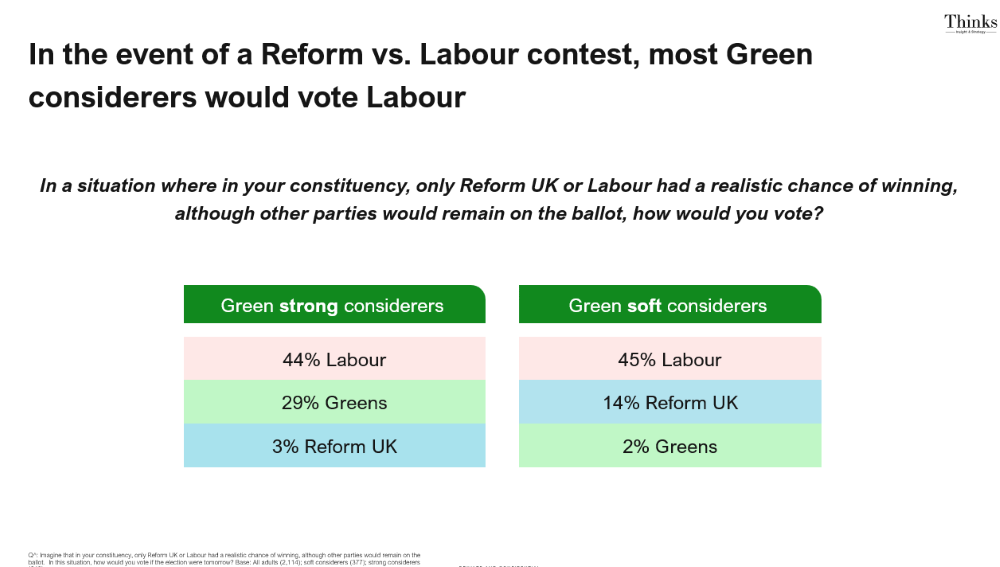
When prompted with a further squeeze question, 44 per cent of strong Green considerers said they would vote Labour to stop Reform, and 29 per cent would vote Green. Meanwhile, 45 per cent of soft Green considerers would back Labour to stop Reform, while just two per cent would vote Green in this scenario. Of the latter cohort, 14 per cent would vote for Farage’s party.
The findings suggest that current interest in the Greens is driven more by disappointment with the status quo than a strong ideological connection to the party.
Jennings added: “What united both the soft considerers and those considering the Greens more deeply was concern about a Reform UK victory. In the event of a credible threat from Reform, those considering Greens were prepared to vote tactically for whoever had the best chance of winning.
“This stands in contrast to consideration of Reform, which is much stronger and stickier. We saw last year that those considering Reform tended to dismiss any concerns about the party as untrue or unimportant. There was also a much stronger belief that they could win both locally and nationally.”
When the survey asked respondents what concerns they have about the Greens, the most prominent was a feeling that the party is too idealistic, with 28 per cent of soft considerers saying this made them less likely to vote for the party.
This played out in two broad policy areas: 21 per cent of soft considerers said they were less likely to vote for the Greens because they are “weak on national security”, while a similar proportion (19 per cent) said the same because the party would “sacrifice economic growth and jobs for environmental concerns”.
In the two focus groups, people looking at the Greens as an option at the next election expressed a belief that the party could not win power, as they are not realistic enough.
“In focus groups, the Greens’ ideas were often dismissed as wishful thinking or fanciful,” said Jennings.
If you want to glimpse Britain’s potential dark future, look west to Canada.
In 2016, Canada legalised Medical Assistance in Dying (MAID) for the terminally ill. MAID was sold as a state-controlled solution to suffering, and came with all the usual reassurances that it was intended only for the dying, the desperate, and those with few other alternatives. Ten years on, it’s a machine for death.
Now, people with chronic illness, disability or even depression can be legally euthanised via MAID. Soon, those with any mental illness will qualify. Minors could be next. If any ‘safeguards’ existed, they have long since dissolved.
If Keir Starmer’s government gets its way, Britain could be in line for its own ill-defined, industrial-scale assisted-suicide policy. After all, Canada’s campaigners started from a suspiciously similar place to their UK counterparts, who insist that assisted suicide is about empathy and agency. Look where things ended up.
In 2022, 13,241 Canadians died through MAID. That’s 4.1 per cent of all annual deaths. The UK equivalent would be around 30,000 deaths a year. A third of Canadians who sought MAID cited ‘being a burden’ among their reasons for wanting to die. If we follow Canada’s lead, there is a danger that vulnerable and elderly people, as well as those with disabilities, will feel obliged to consider assisted suicide so as to relieve pressure on their loved ones. This is not so much a clear-headed ‘choice’ as an escape hatch from shame.
One recent case says it all. Kiano Vafaeian, a 26-year-old blind man, sought euthanasia while suffering from what his family described as ‘seasonal depression’. After being rejected by several doctors, Vafaeian turned to Dr Ellen Wiebe, a notoriously prolific practitioner of MAID who claims to have helped over 500 patients die. Wiebe allegedly ‘coached’ him on how to qualify as a ‘Track Two’ patient – that is, the programme for patients whose natural death isn’t deemed ‘reasonably imminent’. News of Vafaeian’s death only reached his parents days later. Apparently, the system couldn’t give him the support he needed to get through his depression, but it could give him a lethal injection. A policy sold as ‘compassionate’ resulted in a young man ending his life at 26, with the help of the state.
Canada is still sliding down the slippery slope. In 2021, the requirement that death be ‘reasonably foreseeable’ for candidates to qualify for MAID was quietly dropped. From March next year, those suffering solely from mental-health problems will be eligible. The government is already consulting on whether it should include ‘mature minors’ and babies as possible candidates for euthanasia.
Tellingly, a 2017 study in Canada’s leading medical journal proudly highlighted that premature deaths from MAID could save as much as $138.8million annually in healthcare spending alone. It is difficult to imagine a more dystopian venture than calculating the cost efficiency of euthanising citizens.
Even more concerning is the turnaround in public attitudes to MAID. A 2023 poll found that 27 per cent of Canadians support assisted dying for people in poverty, and 28 per cent for those who are homeless.
Britain is by no means immune to this. The Dignity in Dying campaign – alongside MP Kim Leadbeater and Labour peer Charlie Falconer, who are sponsoring the Terminally Ill Adults (End of Life) Bill – is pushing for assisted suicide to be forced through parliament, without the usual scrutiny. Falconer is even willing to resort to the Parliament Acts to ensure the bill bypasses the House of Lords – a mechanism that has never before been used for a Private Member’s Bill. Centuries of legal protections could soon be wiped away.
For now, the British public is not sold. Polling shows that support for assisted dying plummets when people learn how far the policy would really go. Initially, many assume it’s about easing the final hours of pain. It’s not. It’s about giving the state power to facilitate death long before it would have naturally occurred.
Canada is currently living through that reality. A Veterans Affairs Canada caseworker was found to have offered MAID to veterans seeking help for PTSD, instead of the therapy they need. The veterans department even advised Christine Gauthier, retired corporal and former Paralympian, to consider ending her life when she requested a wheelchair ramp for her home. Clearly, MAID does not offer ‘autonomy’ in the way our well-off, comfortable and able-bodied politicians would have us believe.
Already in Britain, it has become acceptable to suggest that some lives aren’t worth living. In 2024, columnist Matthew Parris predicted that ‘“Your time is up”… may one day be the kind of unspoken hint that everybody understands. And that’s a good thing.’ Hinting that people would be better off dead than living with a disability, being old, or simply being costly – that’s the endpoint of legalising euthanasia and pretending it’s about choice. Really, it’s about making the choice to stay alive that little bit more difficult.
For some, supporting assisted suicide really does come from a place of compassion. But as far as the state is concerned, it’s about control. In Canada, it’s about tidying away the inconvenient, the lonely, the dependent, the no-longer-productive. Assisted suicide gives this a legal, antiseptic gloss. It swaps social solidarity for the syringe.
It could happen in Britain. It takes just one slick campaign, one emotional appeal, or a government bent on forcing a moral revolution through parliament by deceit. But once we cross that line, it will be near impossible to backtrack.
If Keir Starmer really wants to ‘modernise’ Britain’s laws on assisted suicide, perhaps he should start by learning from other nations’ mistakes. If we start ‘assisting’ people to die, it won’t be long before we forget how to help them live.
Fleur Elizabeth Meston is a writer and activist based in London.

If you’re struggling with back pain, there are plenty of factors that could be causing it: from bad posture and pulled muscles to slipped discs, sciatica and, in rare cases, cancer or a broken bone.
But it also turns out that how you sleep might be wreaking havoc on your lower back.
As Fatema Contractor, consultant osteopath and director at The Health Suite in Leicester, told HuffPost UK: “Sleep takes up a third of our lives and how you sleep can make or break your spinal health.
“Sleep is the most powerful recovery tool that we have, so it’s really important we’re sleeping in a way that promotes good quality rest.”
The best sleep positions for your back
Snoozing on your back or your side is generally considered to be the best position for your back, but there are still a few modifications that can be made if you find yourself suffering with aches and pains.
“If you’re a back sleeper and find you have any pain, place a small pillow under your knees,” said the osteopath.
“This will allow the strain to come off your lower back and for it to remain in a neutral position.”
Side sleepers, meanwhile, are advised to place a pillow in between their knees while they are slightly bent, to keep the hips and spine in a neutral position.
The worst sleep position for your back
Unfortunately there’s one sleep position in particular that Contractor recommends avoiding at all costs – and that’s snoozing on your stomach.
“If you’re a tummy sleeper, try to wean yourself off,” she warned. “This is because sleeping in this way forces your neck into rotation and stresses your lower back.
“During the day this can mean you find yourself with a tight neck and shoulders and discomfort towards the bottom of your spine.”
If you can’t seem to give up stomach sleeping, Dr Robert Griffin, a spine specialist at Hospital for Special Surgery (HSS), suggests adding a small, flat pillow under your lower belly or hips.
“When you’re sleeping on your stomach, your spine may sag from its neutral position,” he told HSS. “Just a small amount of support in the midsection can help prevent that.”
Coping with back pain
Contractor concluded that anyone struggling with lower back pain should pay attention to the position they’re sleeping in, but if you’re in any way concerned then seek attention from a medical professional.
“I always remind my patients that recovery isn’t just what happens while they are in the clinic. It’s the 23 other hours in the day that matter, too,” she said.
“This means finding ways to sleep that promote proper alignment from your hips to your head.”
For most people with lower back pain, staying active is key to good recovery, the NHS said. Stretches, core exercises and low-impact aerobic activity may all help.
The osteopath added that anyone with severe or persistent pain, or back pain that’s accompanied by any other symptoms which cause concern, should speak to a doctor.
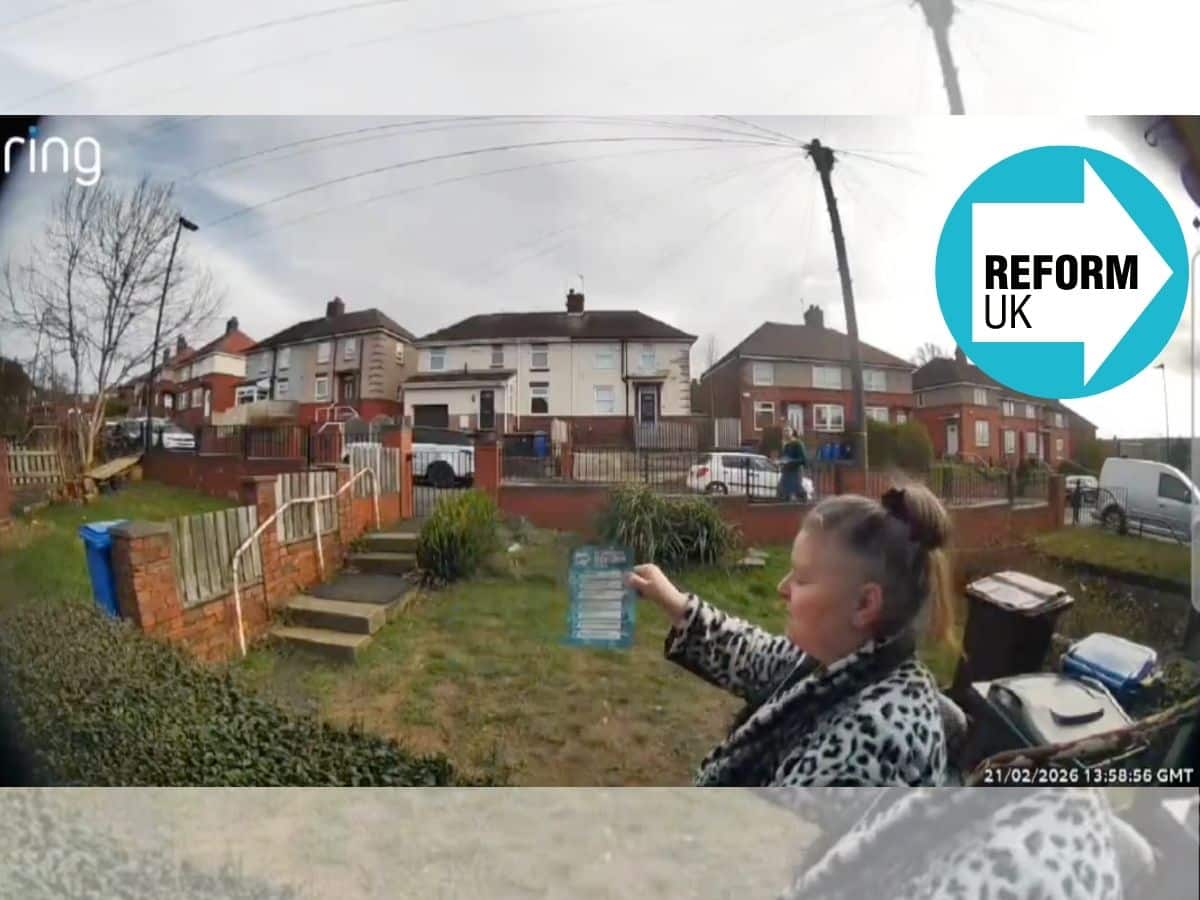
With the local elections on the horizon, political parties are canvassing across the UK. As Labour and the Tories have fallen from grace, that’s opened up opportunities for smaller parties like Reform. At the same time, not everyone is open to the divisive politics of Nigel Farage, as is evident in the following video:
Reform canvassing massively backfires.
“Take this back. Look at this fucking shit. We don’t want you racist pricks… Fuck off, of the front of my house and don’t trespass again.. you’re not even from round here, are ya? You little prick.” pic.twitter.com/rwyaRFRiwS
— Mukhtar (@I_amMukhtar) February 21, 2026
‘Look at this fucking shit’
In the video above, the resident appears in front of her door cam holding a Reform leaflet. She proceeds to say:
Take this back. Look at this fucking shit. We don’t want you racist pricks.
It’s unclear what she says as she hands the door knocker the leaflet, but next she tells him:
No problem, you’re on camera; don’t worry, I’ll make sure everyone knows who you are.
Getting lively, she proceeds to shout:
F*ck off!
Off the front of my house, and don’t trespass again.
The lad attempts to get the last word in as she tells him to “go”. She also says:
Note the lack of a Sheffield accent. You’re not even fucking from round here, are you, you little prick?
In response, he says:
Have a lovely day.
While it’s obviously preferable he was polite, let’s not forget he was there pushing divisive, dogshit politics that exists solely to secure the continued privilege of billionaire scum, so fuck him.
Reform spotted
There is obviously an argument for not broadcasting the embarrassing encounters that door knockers have. At the same time, this guy is literally broadcasting himself, so that argument doesn’t apply here:
Have just finished a great day of leafletting here in Sheffield, the response has been incredible!
Labour’s time is up…in what used to be one of their biggest strongholds! 🥀
It’s time for change. Britain needs Reform! 🩵🇬🇧@reformparty_uk @ReformDaily_ #BritainNeedsReform… pic.twitter.com/1bcuy88rKg
— Matt Smith – Reform UK Sheffield West 🇬🇧🩵 (@MattJSmith) February 21, 2026
We don’t disagree with him that time is up for the government; we just don’t see Reform offering anything other than a continuation of the politics of decline that Labour and the Tories have pushed for decades.
For more on how Reform aren’t what the claim to be, check out the following:
Featured image via X
Andrew may have used RAF jets to meet Epstein, Brown tells police
“Gordon Brown has demanded a police investigation into whether Andrew Mountbatten-Windsor used taxpayer-funded jets and RAF bases to meet the paedophile Jeffrey Epstein. The Telegraph can reveal that the former prime minister wrote letters to six police forces suggesting that civil servants be questioned about Mr Mountbatten-Windsor’s time as a trade envoy. The royal was an envoy from 2001 to 2011, including almost three years when Mr Brown was in No 10. He has also demanded a full investigation into the trade envoy role, its cost to taxpayers and any evidence that links Mr Mountbatten-Windsor’s government work to Epstein. His five-page letters were sent individually to police in London, Surrey, Sussex, Thames Valley, Norfolk and Bedfordshire this week, but their contents were not publicly disclosed.” – Sunday Telegraph
- Andrew’s former private secretary faces police questioning – Sunday Telegraph
- Former Prince’s Met protection told to guard Epstein dinner in New York – Sunday Times
- Andrew & Mandelson should be investigated for treason, senior Tory MP demands – Sun on Sunday
Trump hits Britain with higher tariffs
“Britain will be hit with higher tariffs after Donald Trump unveiled sweeping new levies on the US’s global trading partners. The president announced on Saturday tariffs would rise to 15pc from 10pc – meaning British exports will now cost significantly more for US consumers. Britain’s baseline tariff was already at 10pc but now exporters face a significant jump in taxes they will have to pay, or add to their prices, to send goods to the US. Experts said the move would “dismay” UK companies, saying the president’s announcement was “something of an eef you” to Britain.” – Sunday Telegraph
- Trump raises tariffs to 15% on imports from all countries – Observer
Comment
Tories pledge to cut ‘unfair’ interest on student loans
“The Conservatives have pledged to abolish the ‘unfair’ additional interest on student loans. Kemi Badenoch has announced she would scrap supplementary interest on Plan 2 student loans, which students who attended university between 2012 and 2023 took out, saying they “increasingly feel like a scam”. The loans have been criticised for the interest rate of up to 3 per cent that is imposed in addition to inflation, and has been blamed for leaving two-thirds of graduates unable to pay off their balance. Although the loans are written off after 30 years, their structure means that graduates must earn at least £66,000 just to keep up with interest payments and often pay back far more than they borrowed over the course of their career. The Conservatives have pledged to abolish real interest on Plan 2 loans and cap the interest rate at the RPI rate of inflation, which is currently 3.2 per cent.” – Sunday Telegraph
- Badenoch vows to cut student loan interest and boost apprenticeships – Sunday Times
- Starmer accused of class warfare over plan to overhaul funding for disadvantaged schools – Sun on Sunday
- English taxpayers bankrolling ‘out of control’ Scottish benefits – Sunday Telegraph
Comment
Farage: My Chagos aid mission has been blocked
“Nigel Farage has accused the British Government of trying to thwart a mission to send aid to Chagos islanders. The leader of Reform UK flew to the Maldives last week with equipment to assist four Chagossians who are attempting to establish a permanent base on a deserted island in the archipelago, and establish a colony in their former homeland. A boat with Mr Farage on board, and carrying food and medicines, was due to make the 24-hour journey to the island, Île du Coin, about 300 miles south of the Maldives. But The Telegraph understands the plans have been thwarted by threats, mechanical problems and an insistence by UK authorities that only trained crew should be on board.” – Sunday Telegraph
- We’ll punish Pakistan and others over illegal migrants, says Reform – Sunday Times
- Reform wants to put public unions ‘under review’ – FT
- ‘I had a swastika put on my door for having Right-wing views’ – Sunday Telegraph
- Goodwin is running: the search for Reform’s elusive byelection candidate – Observer
Comment
Sack minister who asked law firm to smear journalists, Starmer told
“Sir Keir Starmer is under pressure to sack a Cabinet minister over his alleged role in a smear campaign targeting journalists. A coalition of senior politicians from across the political spectrum have called on the Prime Minister to fire Josh Simons, the former Labour Together director. They say Mr Simons is “up to his neck” in questionable practices and warn that his position is “untenable” after it emerged he asked spy chiefs to investigate journalists at The Sunday Times. Mr Simons is accused of paying PR firm Apco Worldwide £36,000 to investigate the personal, religious and political backgrounds of journalists reporting on Labour Together’s undeclared funding.” – Sunday Telegraph
- Lobbyist who examined Sunday Times journalist targeted another – Sunday Times
- Starmer ‘drawing up plans to sack rival Streeting for plotting to take his job’ – Mail on Sunday
- PM could have prevented ban on Israeli football fans – Sunday Telegraph
Labour battles disaffection in crucial three-way by-election battle
“Manchester has always been Labour,” was Angeliki Stogia’s response to suggestions the party was now only a “distant third” in the Gorton and Denton by-election race. “We are constantly on the doorstep and acting on what people tell us,” the party’s candidate said in an Instagram video where she rebutted critical social media comments. Yet while the area has indeed reliably voted Labour for most of the last century, the party knows that may not be the case in Thursday’s vote. Some Labour activists fear that Sir Keir Starmer’s party could come third to the leftwing Greens and rightwing Reform, which have both run energetic, populist campaigns against the party struggling in No 10.” – FT
Comment
Other political news and comment
News in Brief

Anyone that’s been through heartbreak will tell you that it feels all-encompassing. It’s sometimes a real shock to the system – and even when a separation was a long time coming, adjusting to your ‘new normal’ takes a huge toll.
However, while we’re singing along to our favourite heartache anthems, re-installing dating apps and leaning on our friends for emotional support, our bodies are also experiencing the more physical effects of heartbreak, too.
Mike Kocsis, hormone health expert at Balance My Hormones, told HuffPost UK: “A broken heart isn’t just an emotional experience, it’s a real physiological and psychological phenomenon.”
Why a broken heart can feel physically real
The stress-heart connection
“When you experience intense emotional distress, like heartbreak, your body releases stress hormones such as adrenaline and cortisol. These trigger the ‘fight-or-flight’ response, increasing heart rate, blood pressure, and muscle tension,” Kocsis said.
“In extreme cases, this can lead to a condition called Takotsubo cardiomyopathy, also known as ‘broken heart syndrome’.”
Symptoms of this can include chest pain and shortness of breath, similar to a heart attack.
The brain-heart connection
Heartbreak also activates the same brain regions that process physical pain, said the hormone health expert.
“Research shows emotional pain lights up areas like the anterior cingulate cortex and the insula, which is why heartbreak can feel like an actual ache in your chest,” he said.
Hormonal imbalance
Love floods the brain with dopamine, oxytocin, and serotonin – chemicals responsible for happiness and attachment, the expert noted.
But after a breakup, dopamine drops, leading to sadness and withdrawal; cortisol spikes, increasing stress and anxiety; and oxytocin levels plummet, intensifying feelings of loneliness.
Emotional stress can also overstimulate the vagus nerve, running from your brain to your heart and gut, the expert explained, which can cause chest tightness, nausea, and sometimes dizziness or fainting.
Physical signs of heartbreak
Chest pain or tightness: A sharp, crushing sensation, often described as a heavy weight pressing down.
Shortness of breath: Struggling to breathe deeply, even without physical exertion.
The NHS warns that the main symptoms of Takotsubo cardiomyopathy are chest pain and breathlessness, which are very similar to signs of a heart attack. If you experience these, you should always call 999.
Stomach pain or nausea: A sinking feeling, cramps, or loss of appetite.
Fatigue or weakness: Exhaustion that makes even simple tasks feel overwhelming.
Heart palpitations: A racing, pounding, or irregular heartbeat, making you acutely aware of your heart’s rhythm.
How to manage the stress of heartbreak and protect your health
Heartbreak is hard-going and can impact people in different ways. The good news is there are things you can do to help manage the stress of it.
Here’s what Kocsis recommends:
Prioritise self-care
“Engage in activities that reduce stress and promote relaxation – like yoga, meditation, deep breathing, and spending time in nature – that can lower cortisol levels, and improve sleep quality, which is important for hormone balance,” he said.
Make sure you’re getting enough sleep
“Sleep deprivation can exacerbate stress and disrupt hormone levels further, so aim for 7-9 hours of good sleep each night.”
Limit alcohol
“While it might be tempting to reach for a bottle of wine, it probably isn’t going to help – and it could make you feel worse. Alcohol can stimulate the release of cortisol, making you feel more anxious and depressed, and although it can increase dopamine levels, making you feel more relaxed, this effect is only temporary. Prolonged alcohol abuse can deplete dopamine levels and even decrease your ability to experience pleasure.”
Do some gentle exercise
“You might not fancy a gym session with a broken heart, but engaging in some gentle exercise is a powerful tool for managing your hormones and improving your overall wellbeing. As well as being a distraction from negative thoughts, exercise can regulate cortisol levels, and stimulate the release of endorphins, which are neurotransmitters that reduce feelings of depression, anxiety, and stress.”
Seek support
“Talk to your friends and family about what you are going through; social connections can help reduce stress levels and feelings of isolation, positively affecting your hormonal health. Consider speaking to a therapist, who can provide the tools to cope with the emotional stress you’re going through and improve your overall wellbeing.”
Help and support:
- Mind, open Monday to Friday, 9am-6pm on 0300 123 3393.
- Samaritans offers a listening service which is open 24 hours a day, on 116 123 (UK and ROI – this number is FREE to call and will not appear on your phone bill).
- CALM (the Campaign Against Living Miserably) offer a helpline open 5pm-midnight, 365 days a year, on 0800 58 58 58, and a webchat service.
- The Mix is a free support service for people under 25. Call 0808 808 4994 or email help@themix.org.uk
- Rethink Mental Illness offers practical help through its advice line which can be reached on 0808 801 0525 (Monday to Friday 10am-4pm). More info can be found on rethink.org.
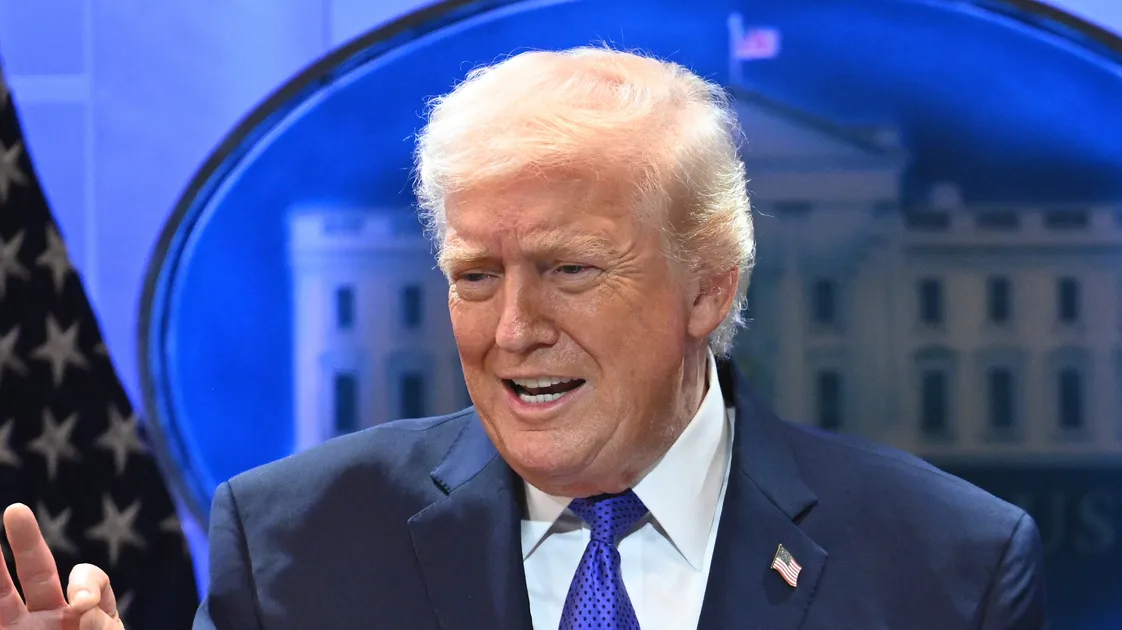
The Wall Street Journal’s editorial board denounced US President Donald Trump’s reaction to the Supreme Court restricting his ability to impose tariffs on Friday night, stating that the president “owes” an apology “to the individual Justices he smeared on Friday and the institution itself.”
“Mr. Trump doubtless won’t offer one, but his rant in response to his tariff defeat at the Court was arguably the worst moment of his Presidency,” the board wrote in an editorial headlined “Trump Demeans Himself as He Attacks the Supreme Court”.
In a 6-3 ruling, the Supreme Court struck down most of the “emergency” tariffs Trump tried to implement, finding that the International Emergency Economic Powers Act did not authorise the president to impose them. Conservative Justices Samuel Alito, Clarence Thomas and Brett Kavanaugh dissented.
Following the court’s decision, Trump raged against the justices who ruled against him, calling them a “disgrace” and calling their decision an “embarrassment to their families.”
“Others think they’re being politically correct, which has happened before far too often with certain members of this court,” Trump said at a press conference Friday. “And it’s happened so often with this court, what a shame. And having to do with voting in particular, when in fact they’re just being fools and lapdogs for the RINOS and the radical left Democrats.”
The Rupert Murdoch-owned paper said the president’s meltdown was “ugly even by Mr. Trump’s standards.”
“He’s accusing them of betraying the US at the behest of nefarious interests he didn’t identify, no doubt because they don’t exist,” the editorial board wrote.
The editorial warned that the president’s rhetoric “could cause some deranged Trump acolyte to turn to violence against a Justice,” and added that the board hoped ”that all Justices will appear next week to the State of the Union address as a show of “self-protective solidarity.”
“Mr. Trump shouldn’t have been surprised by the Court,” the op-ed read. “We warned from the start that this would be the result of his unlawful resort to IEEPA. The fault doesn’t lie with the Justices but with his own tariff obsessions.”
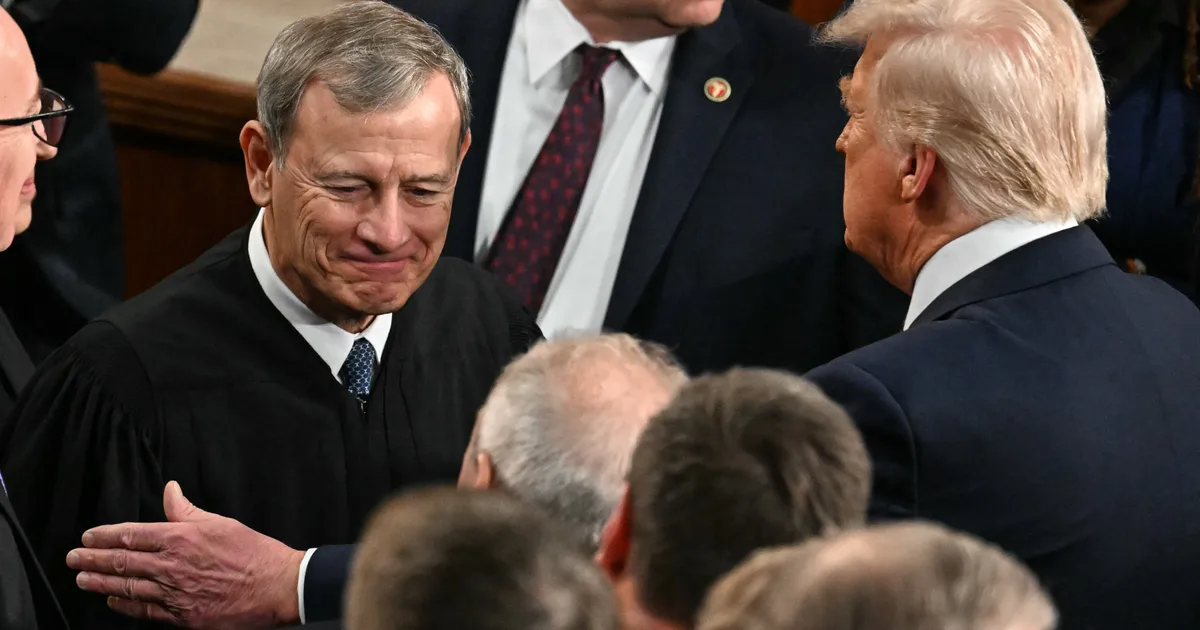
WASHINGTON – Does the Supreme Court’s rejection of President Donald Trump’s claim that no one can challenge tariffs he imposed under an “emergency” mean that those same justices who placed the presidency above the law two years ago are now prepared to block his other, even more autocratic impulses?
Critics of Trump’s efforts to expand his powers are cautiously optimistic following Friday’s 6-3 decision in which Chief Justice John Roberts and Trump appointees Neil Gorsuch and Amy Coney Barrett joined with the court’s three justices appointed by Democratic presidents to rule against Trump, noting it shows a willingness to limit Trump’s claims of “emergency” authorities.
“The Supreme Court’s decision provides a roadmap for how the new left-right court majority intends to check Trump’s unlawful abuses of power,” said Norm Eisen, a lawyer in Barack Obama’s White House. “The opinion resoundingly rejects Trump’s contention that courts cannot review a president’s declaration of an emergency.”
Robert Kagan, a neoconservative scholar who served in Ronald Reagan’s State Department and stands among the most strident voices warning of a Trump dictatorship, was less sanguine.
“The fact that they were willing to do this is better than if they had gone the other way. Does it mean they are ready to step in on something like an election dispute?” he wondered. “If the administration claims foreign involvement and national security? If there are disputes about ballots? I can still see them delaying or punting on those questions.”
From the day he took office, Trump set off on a spree of declaring “emergencies” that he claimed allowed him to set aside laws or rules to push policies he wanted. An “energy” emergency, for instance, enabled him to open Alaska for fossil fuel drilling notwithstanding environmental laws and regulations. A “border” emergency has been the pretext for curtailing the refugee program, among many other actions.
Friday’s ruling was the first Supreme Court decision to block actions Trump has taken citing his “emergencies,” in this case tariffs he imposed because of fentanyl trafficking and a trade imbalance with the rest of the world.
“There is no exception to the major questions doctrine for emergency statutes,” the summary of the opinion states, citing a framework the court has in recent years used to invalidate programs it believed went too far beyond what laws had authorised. “Nor does the fact that tariffs implicate foreign affairs render the doctrine inapplicable.”
While a defiant Trump announced in a news conference three hours after the court’s decision that he would simply replace the struck-down tariffs with different ones, the probability of that happening and import taxes continuing was never really a primary concern for those worried about the future of the republic.
A tariff regime set by one president can be modified or eliminated by another president. The biggest worry of Kagan and others remains whether there will even be another president.
A worst-case scenario, some Trump critics posit, is that during the run-up to a national election, Trump issues an executive order declaring that the nation’s voting systems have been corrupted by malign foreign actors and that he is declaring a state of emergency, postponing elections until he determines the threat has ended and deploying troops to enforce his order.
Indeed, Trump has already hinted at such circumstances. He constantly lies that elections have been stolen from him through illegal voting, and he has multiple times spoken of taking over elections in states he dislikes.
Under the traditional legal framework, presidential findings in the areas of foreign affairs or national security are not subject to review by the courts, which have worked from the principle that they lack access to the intelligence agencies that presidents have and therefore cannot second-guess their decisions.
Friday’s ruling offered the first hint that a majority of justices are willing to challenge Trump if they believe he is overreaching.
“This was a clear-cut case, but it does establish a helpful baseline,” said Amanda Carpenter, a former aide to Texas GOP Sen. Ted Cruz and now a researcher with the nonprofit Protect Democracy.
Gorsuch, in a concurring opinion, wrote that all presidents seek to maximize their power, which is why the framers of the Constitution specifically gave so much of it to Congress.
“Our founders understood that men are not angels, and we disregard that insight at our peril when we allow the few (or the one) to aggrandize their power based on loose or uncertain authority,” he wrote.
Roberts went perhaps even further by making a factual, common-sense assertion ― without bothering to cite evidence gathered from lower courts, as is usually the case ― to contradict Trump’s claim of an emergency: “The United States, after all, is not at war with every nation in the world.”
Roberts criticized Trump’s ability to impose, reduce, increase and eliminate tariffs on a whim under that claimed authority.
“All it takes to unlock that extraordinary power is a presidential declaration of emergency, which the government asserts is unreviewable,” he wrote, quoting later from a 1952 decision: “And as the framers understood, emergencies can ‘afford a ready pretext for usurpation’ of congressional power.”
Democracy advocates have been leery of the current Supreme Court since its 2024 decision giving broad immunity from prosecution for presidents’ “official” acts taken in office. The ruling delayed movement in the criminal prosecution of Trump based on his Jan. 6, 2021, coup attempt. Trump won his office back in the November 2024 election, and the case was dismissed under standing Department of Justice policy to not prosecute a sitting president.
Ty Cobb, a former prosecutor who served in Trump’s first-term White House Counsel’s Office, said he was glad Roberts could manage to build a six-vote bloc in the tariffs case.
“The Kavanaugh dissent is very discouraging, however,” he said of Justice Brett Kavanaugh’s 61-page opinion that found novel ways of siding with the president who pushed through his controversial nomination. “Roberts and Barrett, though, and Gorsuch to a lesser extent, seem to understand the stakes now, which is a good thing. The chief justice was direct and forceful on this.”
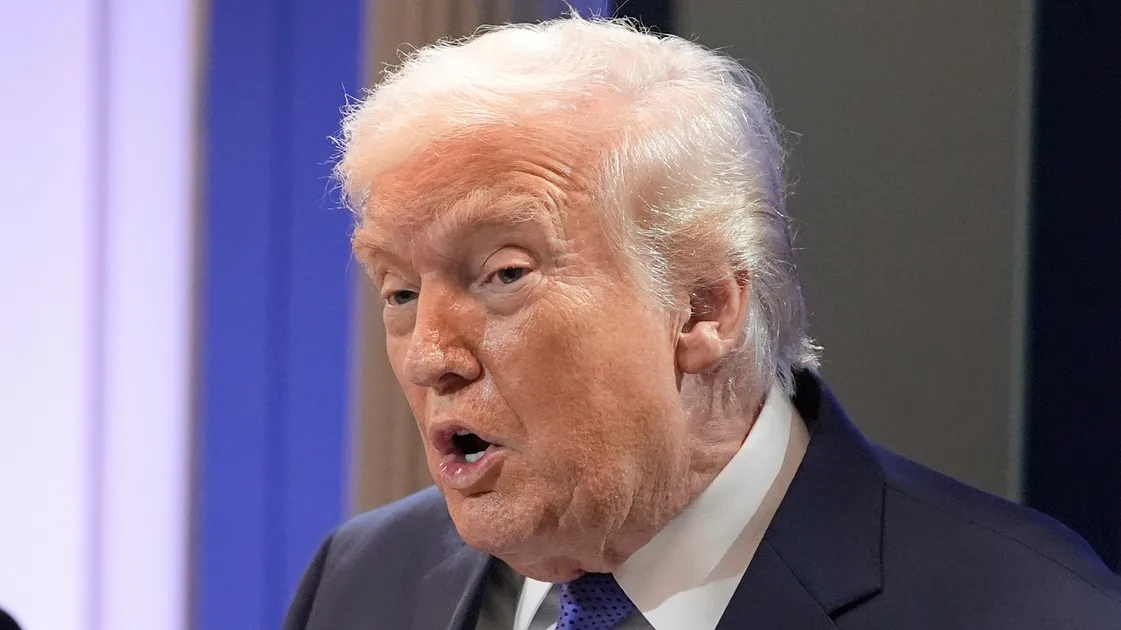
President Donald Trump started the weekend on a more upbeat note following his Friday vitriol against the Supreme Court justices who constrained his ability to impose global tariffs in a 6-3 decision.
He criticised Barrett and Gorsuch again, along with Chief Justice John Roberts, in a Truth Social post later that night. “At least I didn’t appoint Roberts,” he noted.
His cheerier Saturday morning message, on the other hand, was reserved for the justices who voted in favor of Trump’s “emergency” tariffs on the rest of the world.
“My new hero is United States Supreme Court Justice Brett Kavanaugh and of course, Justices Clarence Thomas and Samuel Alito,” he wrote. There is no doubt in anyone’s mind that they want to, MAKE AMERICA GREAT AGAIN!”
The president’s positivity didn’t last long, though. About an hour and a half later, Trump declared he would actually be raising global tariffs to 15%, rather than the 10% he had previously announced, and he used the announcement as an opportunity to take another swipe at the Supreme Court, saying he made the decision after “a thorough, detailed, and complete review of the ridiculous, poorly written, and extraordinarily anti-American decision on Tariffs issued yesterday.”
Awards season is slowly reaching its pinnacle for 2026, with less than a month to go until the Oscars.
Before that, though, the best and brightest in the movie industry have all touched down in London ahead of this year’s Bafta Awards, recognising achievement in cinema over the last 12 months with a particular emphasis in British filmmaking.
While the Baftas does have something of a reputation for being a little less on the eventful side compared to its awards show counterparts, millions will still be following the action on Sunday night – and we’re happy to report that this year’s ceremony looks to be an especially star-studded one.
Here’s a quick guide to what you should expect from this year’s Baftas ceremony…
What time are the 2026 Baftas on?
The Baftas broadcast will air on BBC One on Sunday 22 February from 7pm until 9pm.
It’s worth pointing out, though, that the ceremony isn’t actually shown live, and not every award presentation will make it into the live broadcast, so we’d advise keeping an eye on social media from an hour or so beforehand if you want the whole story from inside the event.
Who is hosting the 2026 Baftas?
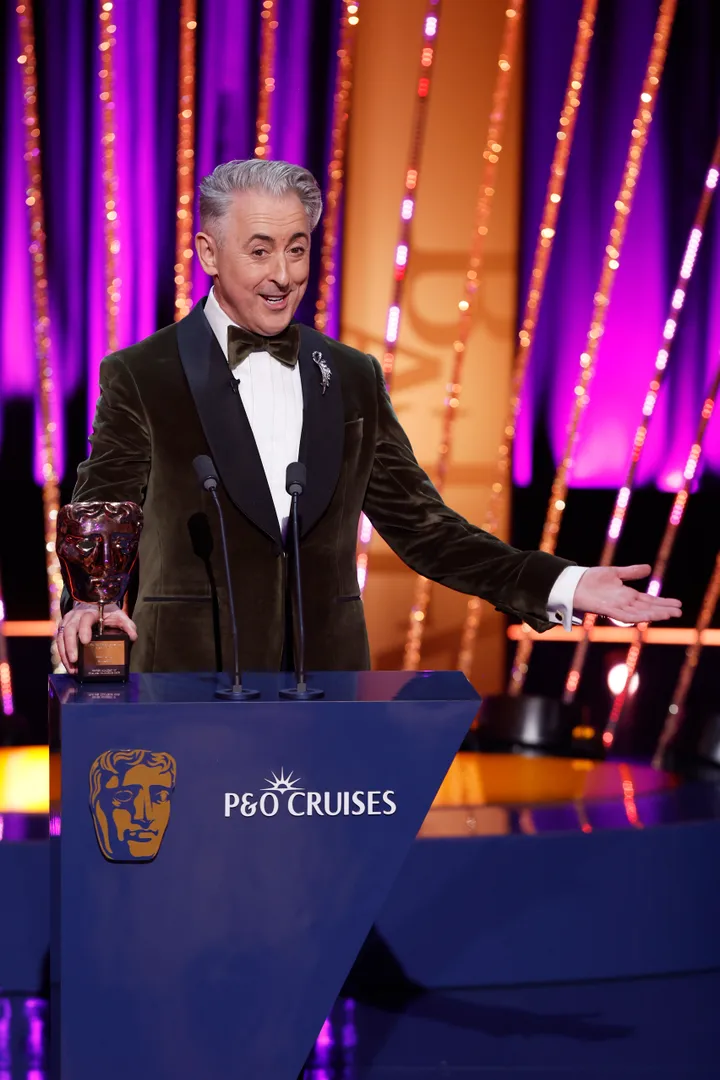
Following his stint hosting last year’s TV Baftas, Alan Cumming is the new host of the organisation’s film awards show for 2026, taking over the role from David Tennant, who fronted the ceremony in 2024 and 2025.

John Phillips via Getty Images for BAFTA
Who are the presenters at the 2026 Baftas?
The initial list of presenters is as follows:
- Aaron Pierre
- Aimee Lou Wood
- Alicia Vikander
- Alia Bhatt
- Bryan Cranston
- Cillian Murphy
- David Jonsson
- Delroy Lindo
- Emily Watson
- Erin Doherty
- Ethan Hawke
- Gillian Anderson
- Glenn Close
- Hannah Waddingham
- Karen Gillan
- Kate Hudson
- Kathryn Hahn
- Kerry Washington
- Little Simz
- Maggie Gyllenhaal
- Mia McKenna-Bruce
- Michael B. Jordan
- Miles Caton
- Milly Alcock
- Minnie Driver
- Monica Bellucci
- Noah Jupe
- Olivia Cooke
- Patrick Dempsey
- Regé-Jean Page
- Riz Ahmed
- Sadie Sink
- Stellan Skarsgård
- Stormzy
- Warwick Davis
Meanwhile, it’s also been revealed that none other than Paddington Bear will be taking a break from his West End commitments to announce the recipients of one of the night’s top prizes.
Who are the performers at the 2026 Baftas?

This year’s Baftas ceremony will feature two major performances.
Following the success of KPop Demon Hunters in 2025, Ejae, Audrey Nuna and Rei Ami – who provide the singing voices of the central girl group Huntr/x in the film – will be performing their chart-topping hit Golden.
Later in the ceremony, singer-songwriter Jessie Ware will also cover a Barbra Streisand classic during the “in memoriam” section, paying tribute to those from the film industry who have died over the last year.

Who are the actors and what are the films nominated for awards at the 2026 Baftas?
Alright, let’s get into the nominations, then.
Sinners is leading the way with a record number of nods at the Oscars, but it’s One Battle After Another that has scored the most nominations at the Baftas, with 14 in comparison to Sinners’ 13 and Hamnet and Marty Supreme’s 11.
Because the event is also about shining a light on UK-based movies, it’s worth mentioning that several British movies have been shown a lot more love by Bafta than they have elsewhere this awards season, most notably I Swear and Pillion.
The British performers up for the night’s top acting awards are Robert Aramayo (Best Actor, I Swear), Wunmi Mosaku (Best Supporting Actress, Sinners), Emily Watson (Best Supporting Actress, Hamnet), Carey Mulligan (Best Supporting Actress, The Ballad Of Wallis Island) and Peter Mullan (Best Supporting Actor, I Swear).
Meanwhile, most of the usual suspects from this year’s awards season have also been recognised, including Jessie Buckley (Best Actress, Hamnet), Rose Byrne (Best Actress, If I Had Legs I’d Kick You), Timothée Chalamet (Best Actor, Marty Supreme), Leonardo DiCaprio (Best Actor, One Battle After Another), Michael B Jordan (Best Actor, Sinners), Teyana Taylor (Best Supporting Actress, One Battle After Another), Stellan Skarsgård (Best Supporting Actor, Sentimental Value), Jacob Elordi (Best Supporting Actor, Frankenstein), Sean Penn and Benicio Del Toro (Best Supporting Actor, One Battle After Another).
Yorgos Lanthimos, Chloe Zhao, Josh Safdie, Paul Thomas Anderson, Joachim Trier and Ryan Coogler are all battling it out for Best Director, while the coveted Rising Star nominees are Robert Aramayo, Miles Caton, Chase Infiniti, Archie Madekwe and Posy Sterling.

OpenAI will reportedly release an AI-powered smart speaker in 2027
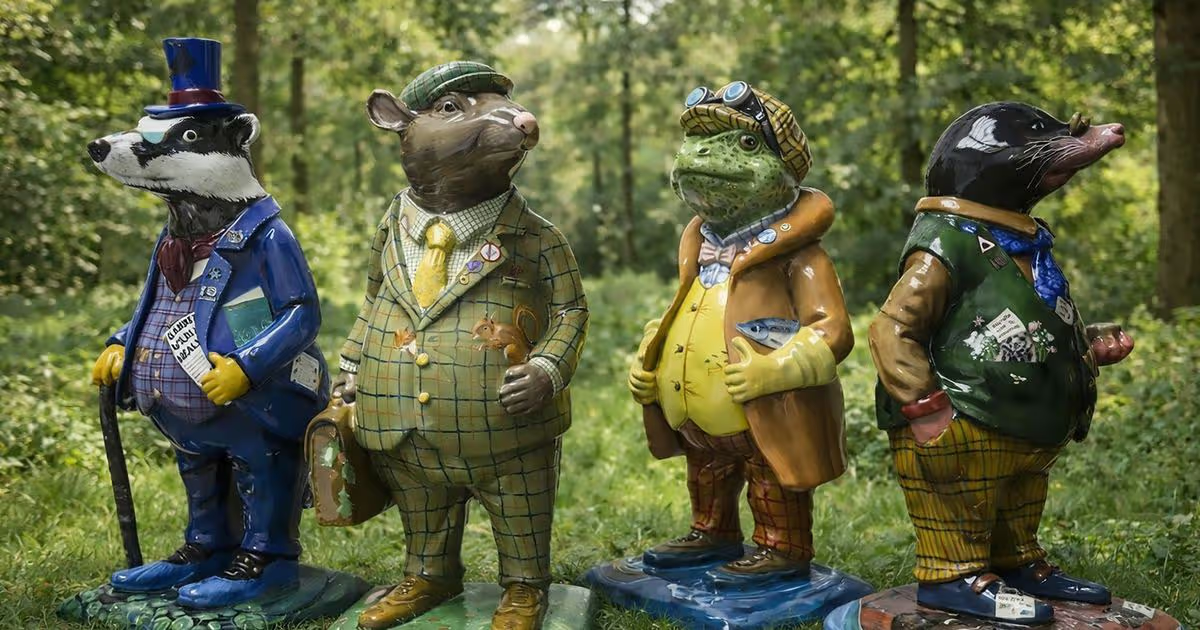
Classic children’s book to be brought to life at iconic National Trust property
The End of Tariffs? Not a Chance, These Economists Say


-

 Video6 days ago
Bitcoin: We’re Entering The Most Dangerous Phase
-

 Crypto World5 days ago
Can XRP Price Successfully Register a 33% Breakout Past $2?
-

 Fashion2 days ago
Weekend Open Thread: Boden – Corporette.com
-

 Video2 days ago
XRP News: XRP Just Entered a New Phase (Almost Nobody Noticed)
-

 Sports5 days ago
GB's semi-final hopes hang by thread after loss to Switzerland
-

 Politics2 hours ago
Baftas 2026: Awards Nominations, Presenters And Performers
-
 Tech5 days ago
The Music Industry Enters Its Less-Is-More Era
-

 Business4 days ago
Infosys Limited (INFY) Discusses Tech Transitions and the Unique Aspects of the AI Era Transcript
-

 Entertainment4 days ago
Kunal Nayyar’s Secret Acts Of Kindness Sparks Online Discussion
-

 Video5 days ago
Financial Statement Analysis | Complete Chapter Revision in 10 Minutes | Class 12 Board exam 2026
-

 Tech4 days ago
Retro Rover: LT6502 Laptop Packs 8-Bit Power On The Go
-
 Sports3 days ago
Clearing the boundary, crossing into history: J&K end 67-year wait, enter maiden Ranji Trophy final | Cricket News
-

 Entertainment3 days ago
Dolores Catania Blasts Rob Rausch For Turning On ‘Housewives’ On ‘Traitors’
-

 Business4 days ago
Tesla avoids California suspension after ending ‘autopilot’ marketing
-
 NewsBeat7 days ago
The strange Cambridgeshire cemetery that forbade church rectors from entering
-
 Politics5 days ago
Eurovision Announces UK Act For 2026 Song Contest
-

 Crypto World4 days ago
WLFI Crypto Surges Toward $0.12 as Whale Buys $2.75M Before Trump-Linked Forum
-
 NewsBeat7 days ago
Man dies after entering floodwater during police pursuit
-

 Crypto World2 days ago
83% of Altcoins Enter Bear Trend as Liquidity Crunch Tightens Grip on Crypto Market
-
 NewsBeat2 days ago
Andrew Mountbatten-Windsor latest: Police search of Royal Lodge enters second day after Andrew released from custody