It can be a significant commitment to watch a television show that is relentlessly bleak because of how demanding a binge experience may be. While watching a film about serious subject material can be draining, it only requires a viewer to commit to a single story that has a resolution. Committing to watching a dark or disturbing show every week, or consuming it all if it is released at once, means that the material has to be incredibly compelling to justify the emotional punishment.
Television has become a bolder medium within recent years, so it is not a surprise that some of the most distressing dramas were made more recently when shows were allowed to include more graphic content that wouldn’t have been allowed within a more restricted era. Here are the heaviest television dramas, ranked.
Advertisement
10
‘This Is Going to Hurt’ (2022)
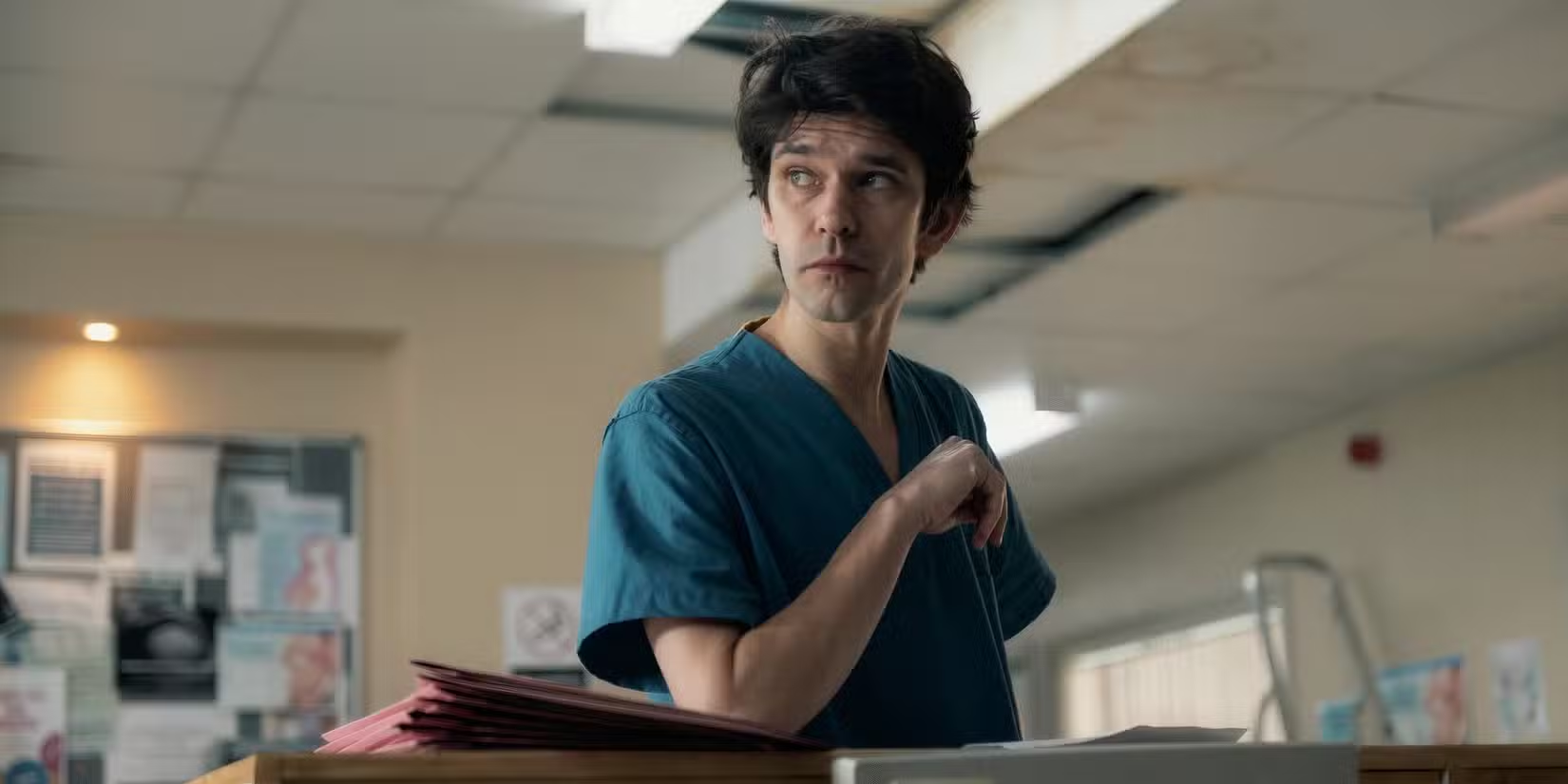
Ben Whishaw as Adam Kay in ‘This is Going to Hurt’Image via BBC
This Is Going to Hurt is one of the best medical dramas of all timebecause it does away with all the clichés that have become common within hospital shows. Rather than painting the healthcare industry in a positive light and overlooking the issues that doctors face, This Is Going to Hurt explored the life of an overworked, brilliant OBGYN worker (played by Ben Whishaw) who faces emotional turmoil while trying to assist his patients.
This Is Going to Hurt isn’t just a compelling exploration of the failings of the contemporary healthcare industry, but a surprisingly moving study on how bigotry and homophobia were sadly an issue in contemporary Britain. Those who love The Pittowe it to themselves to check out This Is Going to Hurt, even though it’s not an easy watch by any stretch of the imagination.
Advertisement
9
‘Andor’ (2022–2025)
Diego Luna as Cassian Andor as he walks in an episode of ‘Andor.’Image via Disney+
Andoris by far the darkest Star Warsstory ever told, and it’s hard to even believe that it takes place in the same connected universe as something more family-friendly like The Mandalorian. While anyone with a passing knowledge of the series knew that the show was going to end on a downbeat note because Cassian (Diego Luna) sacrifices himself at the end of Rogue One: A Star Wars Story, it was surprising the degree to which Andor paralleled and predicted real political events.
Andor masterfully examined how a fascist, military government like the Galactic Empire could commit a genocide and dissuade any resistance groups from doing anything about it by pitting them against one another. Even if it leads to a happy conclusion in the original Star Wars trilogy, Andor puts the dark subtext of what George Lucas created into reality.
Advertisement
8
‘Mr. Robot’ (2015–2019)
Elliot and a young boy sitting on the beach at coney island in Mr RobotImage via USA Network
Mr. Robotmay be a wildly entertaining series because of its frequent twists and turns, but the subject material is quite heavy. The character of Elliot Alderson (Rami Malek) is tormented by a traumatic past that includes abuse at the hands of his father (Christian Slater), and uses his pain to fuel a hacktivist society aimed at bringing powerful people to their knees.
Mr. Robot gets darker with each progressive season, as there are major characters that die, and other twists that may be shocking. The brilliance of what Sam Esmail achieved with the series was that he didn’t deny the corruption and unfairness of contemporary society, and explored (for better or worse) why people like Elliot were compelled to take a stand against the forces of capitalism and fascism that threatened to extinguish the rights of those who didn’t have any means to protect themselves.
Advertisement
7
‘The Knick’ (2014–2015)
Clive Owen as Dr. John Thackery consults with Siamese twins as he explains their connection points on an X-ray in the series The KnickImage via Cinemax
The Knickis a very realistic medical drama from Steven Soderbergh, a filmmaker who is no stranger to making dark films. The series explores the origins of contemporary medical science during the beginning of the 20th century, and shows how hospitals were completely ill-equipped to deal with the spread of infectious diseases.
The Knick was aware of the social and political issues that were dealt with in hospitals at the time, acknowledging how racism and classism made it hard for doctors to do their work. It’s also one of the most visceral examinations of addiction ever seen on television, as Clive Owen gave an awards-worthy performance as a brilliant physician who was unable to suppress his urges. As with many Soderbergh projects, the commitment to realism is what made The Knick truly unforgettable, especially when compared to other medical dramas.
Advertisement
6
‘Ozark’ (2017–2022)
Jason Bateman looking to the side, about to get into a car in Ozark.Image via Netflix
Ozark is the rare drama show that has a very twisted sense of humor, yet still has dramatic twists that are quite serious. What’s most remarkable about the series is that it showed no concern about the character being likable; Marty Byrde (Jason Bateman) is a bad guy who is involved with even shadier members of the Mexican drug cartel, and his wife Wendy (Laura Linney) proves to be even more sinister when she becomes the “Lady Macbeth” of the series.
Ozark was frequently willing to get quite controversial by including graphic murder, torture, emotional abuse, and assault, as there seemed to be nothing off-limits. In fact, Ozark may have become so popular because it was willing to go to dark places that most dramas wouldn’t even think about going to, even during the boom of aspirational content within the streaming wars.
Advertisement
5
‘The Leftovers’ (2014–2017)
CHief of police Kevin Garvey (Justin Theroux) stands outside in his police uniform, eyes down at a red book he is clasping in ‘The Leftovers’ Season 3, Episode 1 “The Book of Kevin”.Image via HBO
The Leftoversis about as upsetting as one might imagine based on its premise; the series explores the aftermath of an inexplicable global event in which a small fraction of the population disappeared without a trace. Although The Leftovers is a mystery that follows how the survivors attempt to seek answers when science and faith both come up short, it’s also a devastating portrayal of how hard it can be to piece back together a shattered life.
The Leftovers is immensely affecting because of how strong the performances are, as none of the science fiction components make the characters any less dramatically authentic. While some of the show’s fans interpreted its final episode, “The Book of Nora,” to be slightly optimistic, there are so many distressing and disturbing moments sprinkled throughout the entirety of The Leftovers that it is certainly not for the faint of heart.
Advertisement
4
‘Six Feet Under’ (2001–2005)
Frances Conroy and Michael C. Hall look at something off camera in Six Feet UnderImage via HBO
Six Feet Underset a precedent for HBO’s ability to tell compelling drama shows that weren’t tinged with a crime element. While it could have felt like a more traditional family melodrama, Six Feet Under presented a grim (albeit occasionally funny in a dark way) examination of the lives of a family that owns a funeral home.
There’s a major death in every episode of Six Feet Under, and the range of reactions that they inspire leads to some of the show’s most interesting insights about the facets of human nature. Nonetheless, even the most life-affirming moments in Six Feet Under wrestle with the inevitability of death, with the show’s finale “Everybody’s Waiting” being a standout because of a perfect montage that shows the fates of all of its characters in the weeks, months, years, and decades afterward.
Advertisement
3
‘The Wire’ (2002–2008)
The cast of The Wire sits around a computer in the officeImage via HBO
The Wire has been praised by real journalists, politicians, and law enforcement officials because of how realistically it portrayed the realities of the drug trade. Creator David Simon was a former reporter for the crime beat in Baltimore for well over a decade, and used his experience to inspire a powerful, searing look at the ways in which drug-related crime impacted local communities, trade, politics, education, and reporting. The Wire was relevant when it first started airing, and it feels even more important today.
The Wire dealt with harrowing issues such as the neglect of children, drug addiction, violence against unhoused people, and abusive tactics utilized by cops. While viewing all five seasons in their entirety is a rewarding experience because of the many great characters, The Wire is nothing but an authentic depiction of the world as it is, and not what one may want it to be.
Advertisement
2
‘Top of the Lake’ (2013–2017)
Julia (Nicole Kidman) and Mary (Alice Englert) in ‘Top of the Lake: China Girl’Image via Sundance Channel
Top of the Lakeis an unusual drama series that had an unexpected continuation when creator Jane Campion decided to develop a second season many years after the first installment had been thought to be a miniseries. What was most surprising about the renewal of Top of the Lake was that it was hard to imagine how the series could be sustainable with such a dark premise; the series frankly deals with a murder investigation involving a young woman, and does not shy away from issues of sexism, abuse, and trauma.
Top of the Lake has a realistic approach to storytelling that may be familiar to those who have seen Jane Campion’s films. While the first season of the show at least has some catharsis in its ending, the second (which was subtitled Top of the Lake: China Girl) is almost unwatchably bleak.
Advertisement
1
‘The Shield’ (2002–2008)
Michael Chiklis as Vic wearing sunglasses and holding a gun beside a dusty vehicle on The Shield.Image via FX
The Shieldwas groundbreaking television because it served as an alternative to the ways that law enforcement had been depicted in the media up until that point in time. While cops had traditionally been presented as sympathetic and honorable, The Shield presented the ultimate anti-hero in Vic Mackey (Michael Chiklis), a corrupt member of the Los Angeles Police Department who uses his position as the leader of Strike Force to wield dangerous authority without ever being subjected to serious repercussions by his superiors.
The Shield presented complex and thoughtful ethical debates because there were instances in which Mackey’s extreme tactics were necessary to take down even more loathsome villains. However, the arc of the show ultimately leaned in a tragic direction, resulting in one of the bleakest, most unsparing finales in television history, with the haunting finale episode “Family Meeting.”
Guy Ferland, Scott Brazil, Clark Johnson, Dean White, Stephen Kay, Gwyneth Horder-Payton, D. J. Caruso, Nick Gomez, Paris Barclay, Peter Horton, Félix Enríquez Alcalá, Philip G. Atwell, Terrence O’Hara, Billy Gierhart, Brad Anderson, Craig Brewer, David Mamet, Davis Guggenheim, Frank Darabont, Gary Fleder, John Badham, Leslie Libman, Michael Fields, Scott Winant
Writers
Advertisement
Shawn Ryan, Glen Mazzara, Charles H. Eglee, Kim Clements, Kevin Arkadie, Gary Lennon, John Hlavin, Lisa Randolph, Reed Steiner, Angela Russo-Otstot, Diego Gutierrez, Ted Griffin, Elizabeth Craft, Emily Lewis, Jameal Turner, Renee Palyo
The Irwin family is keeping the Crocodile Hunter’s spirit alive.
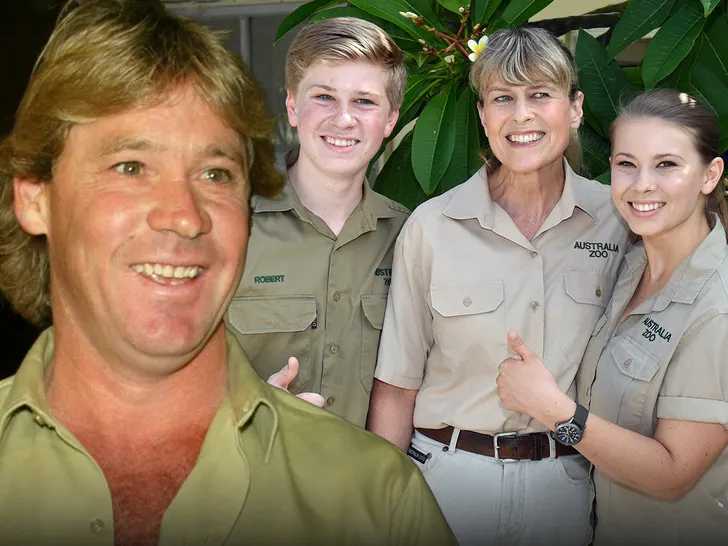
Sunday marked what would have been Steve Irwin‘s 64th birthday, and his family made sure the day didn’t pass without heartfelt tributes honoring the late wildlife icon.
Advertisement
Waiting for your permission to load the Instagram Media.
Bindi Irwinshared touching throwback photos of her dad and her brother, Robert Irwin, during their childhood days at the Australia Zoo. In her message, Bindi reflected how much she misses her dad and revealed her 4-year-old daughter, Grace, sweetly calls Steve her “guardian angel” … a nod to the way his legacy continues through the next generation.
Advertisement
Waiting for your permission to load the Instagram Media.
Robert also posted a nostalgic snapshot from when he was a young boy sitting with his dad, writing Steve remains a guiding light and daily inspiration in his life. It’s no secret Robert has followed closely in his dad’s conservation footsteps … and moments like this show just how personal that mission still is.
Advertisement
Waiting for your permission to load the Instagram Media.
Terri Irwin joined in on the celebration as well, sharing her own loving words about her late husband and encouraging fans to continue supporting wildlife conservation in his honor.
Advertisement
Steve tragically died in 2006 at age 44 after a stingray struck him while filming in Australia.
The first time you see Friday the 13th in a TV listing in the late 1980s, your brain does what horror-conditioned brains do: It conjures a dock, a machete, and a hockey mask catching moonlight in a woodsy setting. Then Friday the 13th: The Series premieres on October 3, 1987, and takes a route that no one expected.
There, you won’t find Jason Voorhees, Camp Crystal Lake, or any attempt to recreate the films scene-for-scene. Instead, there’s an antiques shop called Curious Goods and a collection of everyday objects that behave like they’ve signed paperwork in blood. From 1996 to 1999, Poltergeist: The Legacyborrowed its name from the Poltergeist film franchise. However, that show dealt with a secret organization battling supernatural forces. In both cases, the title opens the door. What’s inside is something else entirely.
Advertisement
‘Friday the 13th: The Series’ Tricked Its Audience
On syndicated television, attention is currency.A title like Friday the 13th does half the marketing for you. The show was originally going to be called The 13th Hour, but the final name carried instant recognition. That awareness got viewers to sample the premiere, and what kept them engaged was the intriguing structure.
The premise is deceptively flexible: Lewis Vendredi makes a deal with the devil, the antiques in his shop become cursed, then he dies. His niece Micki (Louise Robey) and distant cousin Ryan (John D. LeMay) inherit the store, sell off the inventory, and only afterward learn what those items actually are. With the help of occult expert Jack Marshak (Chris Wiggins), they begin tracking the antiques down and locking them in the shop’s vault.
Each episode revolves around a different object. A glove that heals by transferring illness in “Faith Healer,” a locket that resurrects the wearer at a cost in “Mesmer’s Bauble,” or other things like a music box, a camera, and a doll. The show becomes a rotating study of desire and consequence. The antiques don’t chase victims, but rather, they wait for someone to want something badly enough, putting them on the main characters’ radar.
Curious Goods Turns Human Weakness Into the Story Engine
Louise Robey as Micki on Friday the 13th: The Series.Image via Paramount Domestic Television
Advertisement
What gives the series its staying power isn’t spectacle, but its repetition with variation. Every object offers a shortcut, the user takes it, and the metaphorical price escalates. Many times, the character possessing a cursed object must use it to kill people, often with Jack, Micki, and Ryan coming in to prevent further deaths, such as in “Crippled Inside,” or “Vanity’s Mirror.” Because the objects are ordinary, the horror slides into domestic spaces like kitchens, bedrooms, or even office desks. A cursed antique isn’t a masked killer lumbering through the woods.
Over 72 episodes across three seasons, the trio accumulates scars. Ryan changes the most, drifting from wide-eyed heir to someone who understands how heavy the work is. Micki sacrifices relationships to stay on the hunt. Jack carries a lifetime of occult knowledge like a man who knows every wrong door in town and keeps knocking anyway.
The format almost functions like an anthology, but the core cast anchors it. Their weariness builds as their vault to contain the cursed objects fills. The shop remains open, selling only non-cursed goods, like a storefront trying to look normal while containing something profoundly not.
Advertisement
There Is a Very Loose Connection to the Friday the 13th Franchise
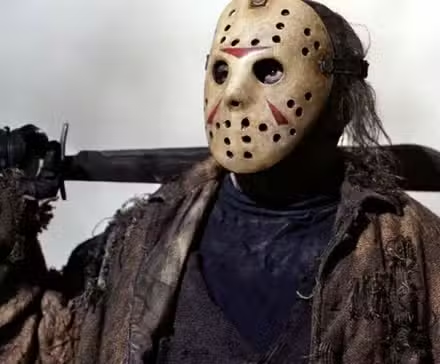
Jason Voorhees dons a hockey mask and stalks his victimImage via Paramount Pictures
Even though the show has no narrative ties to the films, the production lineage rings in the background. The series was created by Frank Mancuso Jr. and Larry B. Williams, and Mancuso had produced multiple Friday the 13th movies.
Then LeMay walked into Jason Goes to Hell: the Final Friday, and suddenly the separation felt thinner. Not because the stories connected, but because the same face carried history from one corner of horror into another. It played less like a crossover and more like an echo, proving that distant corners of horror culture can meet in subtle ways across time.
Behind the camera, other creative overlaps reinforced that sense of proximity. Writer/director Tom McLoughlinand music composer Fred Mollin worked on the films as well as the series. Even horror auteur David Cronenberg appeared in Jason X, and directed the episode, “Faith Healer.” Thus, the series carried the atmosphere of the film franchise, even while the stories walked a separate path.
Advertisement
‘Friday the 13th: The Series’ Is an Overlooked Horror Gem
The show ran from 1987 to 1990, producing 72 episodes. In the syndicated ecosystem of the late ’80s, that kind of episode count allowed a series to settle into living rooms and stay there. Viewers encountered it weekly — sometimes accidentally — and slowly recognized its rhythm.
As the seasons progressed, the storytelling deepened. Guest stars rotated in and out. Directors experimented with the formula. The cursed-object concept supported everything from body horror to psychological unraveling. Some episodes leaned pulpy while others lingered in moral dread, and that elasticity kept it from feeling stale. The series ended in 1990, and fans who hoped a final episode would bring Jason Vorhees and Camp Crystal Lake into the mix were sadly disappointed.
What remains is one of horror television’s strangest artifacts: a show that carried one of the most recognizable titles in slasher history and quietly built its own mythology instead. The real menace wasn’t a hulking figure in the woods, but the idea that evil could sit on a shelf, waiting for someone to believe they deserved more than fate had given them.
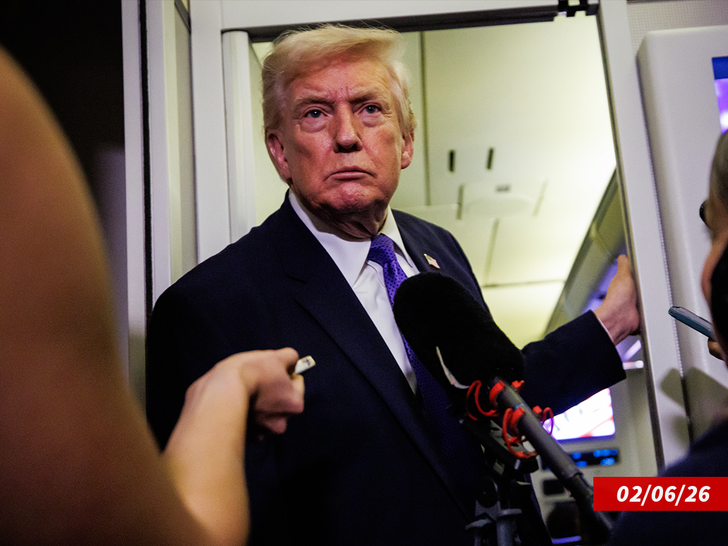
A man in his early 20s was shot and killed by U.S. Secret Service agents after breaching the secure perimeter at President Donald Trump‘s Mar-a-Lago property early Sunday morning.
The U.S. Secret Service says the incident unfolded around 1:30 AM near the north gate of the Palm Beach estate.
Advertisement
According to officials, the man was observed near the property carrying what appeared to be a shotgun and a fuel can. Secret Service agents, along with a deputy from the Palm Beach County Sheriff’s Office, confronted him and shots were fired during the encounter.
The President was not at Mar-a-Lago when the incident occurred. He’s currently in Washington, D.C.
Advertisement
The man was pronounced dead at the scene. His identity is being withheld pending notification of next of kin.
Authorities tell us no Secret Service personnel or Palm Beach County deputies were injured.
Advertisement
The shooting is now under investigation by the FBI, the U.S. Secret Service and the Palm Beach County Sheriff’s Office.
In accordance with agency policy, the Secret Service agents involved in the shooting have been placed on routine administrative leave pending the outcome of the investigation.
Hollywood continues to rally around Eric Dane‘s family in a major way following his death and Hailey Bieber just made one of the biggest moves.
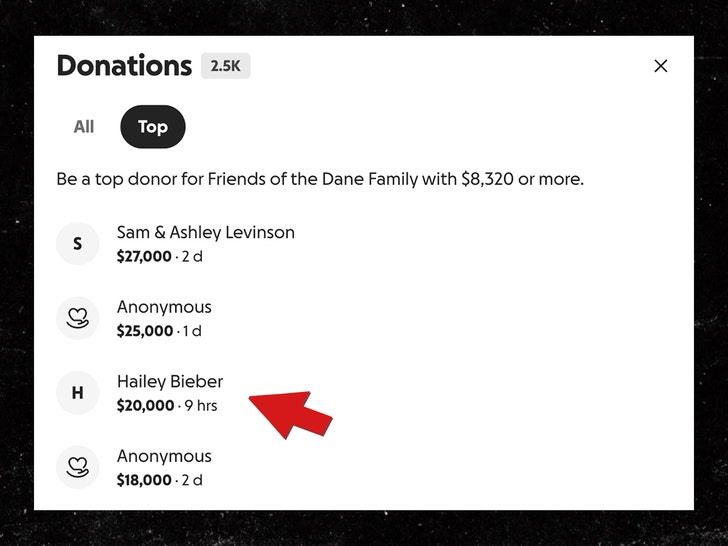
The model and beauty mogul quietly dropped $20K into a GoFundMe set up to support Dane’s loved ones following his death after a battle with ALS.
Advertisement
Hailey isn’t the only high-profile name stepping up financially. Gwyneth Paltrow‘s husband, Brad Falchuk, donated $10K. Madonna‘s longtime manager Guy Oseary contributed $5K, while Disney president Dana Walden also gave $5K. Producer Randall Emmett, known for his past relationship with Lala Kent, matched Falchuk with a $10K donation.
Dane died Thursday after fighting the progressive neurodegenerative disease. In a statement released by his family, they said he passed peacefully, surrounded by those closest to him, including his wife Rebecca Gayheart and two daughters, Billie and Georgia.
Advertisement
During his battle, Dane became vocal about ALS awareness and research, using his platform to shine a light on the disease and advocate for those facing similar diagnoses.
Advertisement
The wave of support underscores just how respected and connected Dane was in the industry. From A-list actors to top executives, friends and colleagues are putting real money behind their condolences — helping ensure his family feels the love in a tangible way.
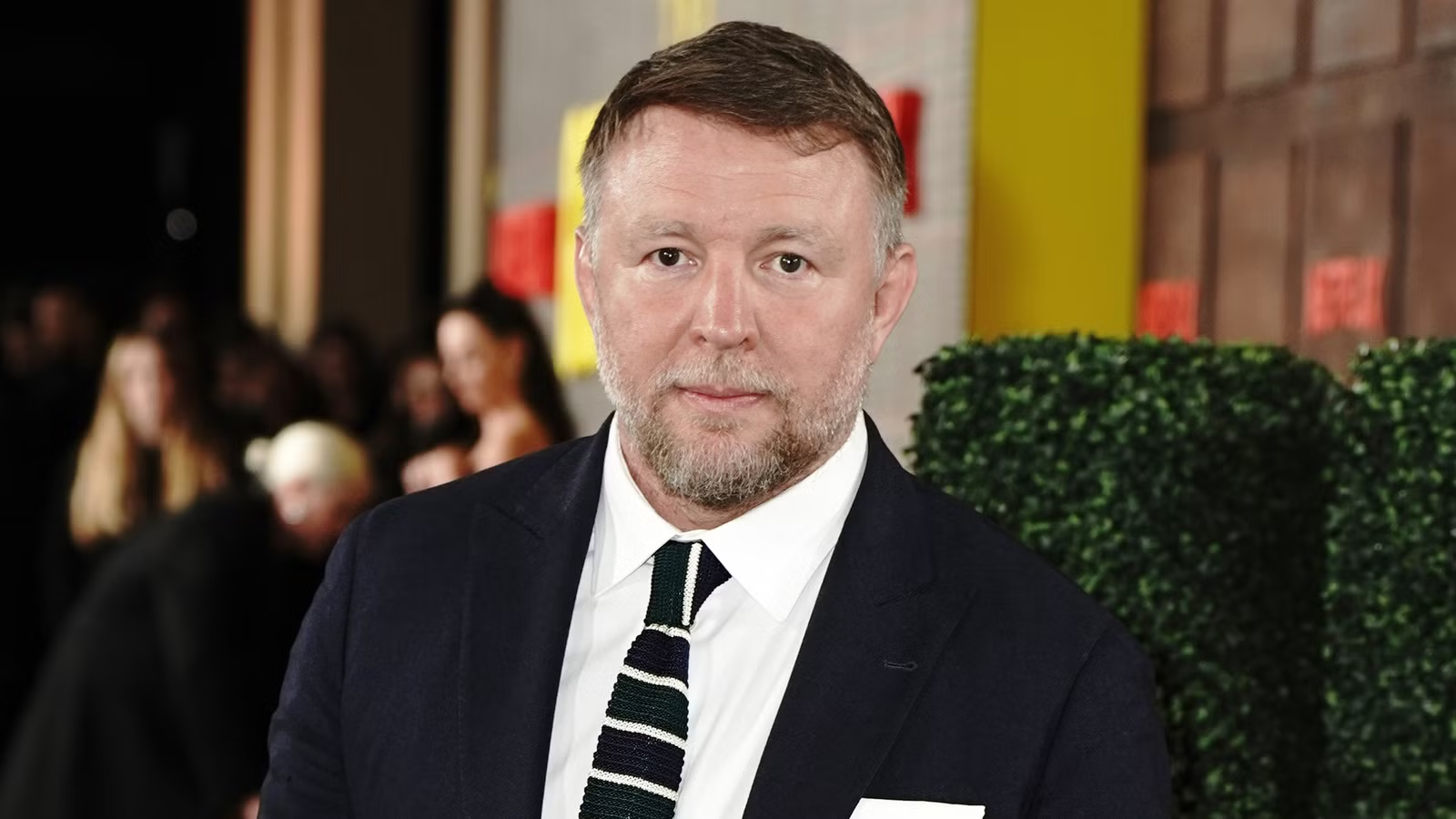
Guy Ritchie in a suit on the red carpetImage via PA Images/INSTARimages
Despite losing the domestic box office crown to the animated film GOAT, director Emerald Fennell‘s controversial Wuthering Heights continues to lead the race globally. Both movies opened on the same day last week, with Wuthering Heights emerging as the clear frontrunner over the weekend. However, GOAT appears to have stronger legs, which isn’t entirely unexpected considering its mass appeal. Meanwhile, Wuthering Heights‘ divisive reviews appear to have exhausted the initial surge of attention. Debate over the film’s interpretation of Emily Brontë‘s classic novel has propelled interest over the last few days, but there’s a flip-side to controversy: those who miss the moment likely won’t have any urgency to watch the movie any longer. That said, Wuthering Heights continues to be the number one English-language movie at the worldwide box office, which was dominated this weekend by a handful of Chinese New Year releases.
Produced on a reported budget of $80 million, Wuthering Heights stars Margot Robbie and Jacob Elordiin the lead roles, alongside Shazad Latif and Alison Oliver. Robbie, who also serves as one of the film’s producers, is coming off three box-office underperformers whose poor hauls were offset by the global success of Barbie. Wuthering Heights managed to overtake all three underperformers — Babylon, Amsterdam, and A Big Bold Beautiful Journey — in its opening weekend alone. The film’s producers were offered a reported $150 million by Netflix, but they chose to go with Warner Bros.’ lower bid because they were determined to give the movie a theatrical release. W.B. is said to have spent $100 million on marketing the film, which means that it would need to gross around $350 million worldwide just to break even.
Advertisement
Here’s the Subversive Spy Movie Overtaken by ‘Wuthering Heights’
With more than $150 million at the worldwide box office so far, Wuthering Heights is the year’s highest-grossing English-language film, even though purists have criticized Fennell for misrepresenting the main themes of the source novel. It has now overtaken another period movie that subverted its genre: director Guy Ritchie‘s spy thriller The Man from U.N.C.L.E. Released in 2015, the movie was designed as a franchise-starter, but its underwhelming box office performance and mixed reviews put an end to those plans. Starring Henry Cavill, Armie Hammer, Alicia Vikander, and Hugh Grant, the movie ended its global run with $110 million against a reported budget of $84 million. It holds a 68% score on Rotten Tomatoes, while Wuthering Heights has dropped to 59% after 10 days of release. You can watch Fennell’s film in theaters. Stay tuned to Collider for more updates.
Advertisement
Advertisement
Release Date
February 13, 2026
Runtime
136 Minutes
Advertisement
Director
Emerald Fennell
Advertisement
Writers
Emerald Fennell, Emily Brontë
Producers
Advertisement
Margot Robbie, Tom Ackerley, Emerald Fennell, Josey McNamara
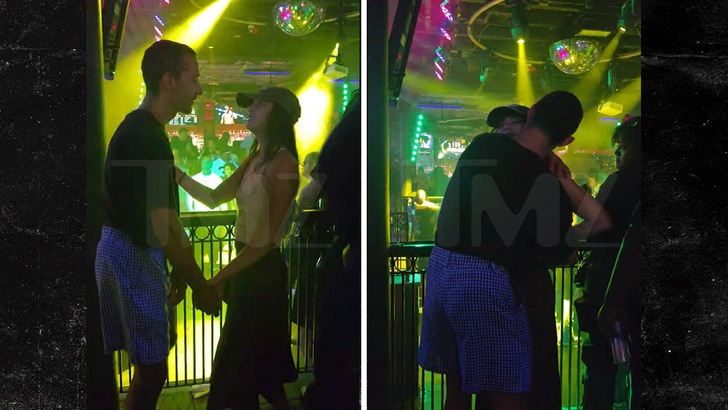
Shia LaBeouf I Got A New Boo!!! .. Packs on PDA at NOLA Bar
Published
TMZ.com
Advertisement
Shia LaBeouf is back in the dating game … and he’s playing it out in public nearly a year after his split from Mia Goth.
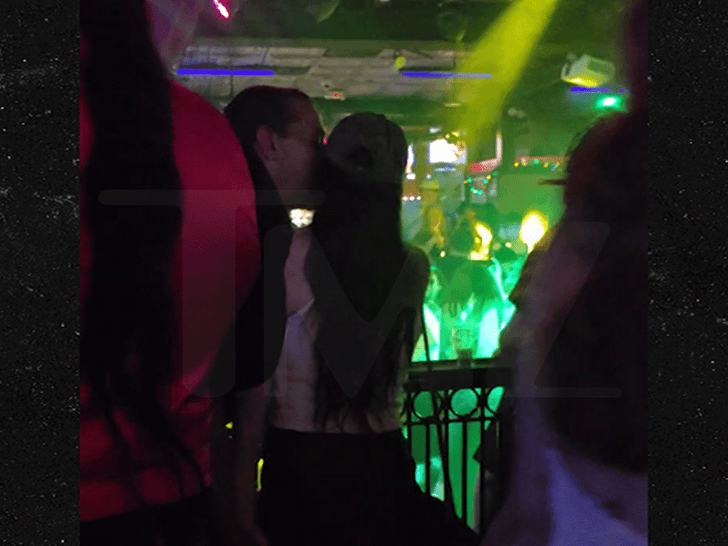
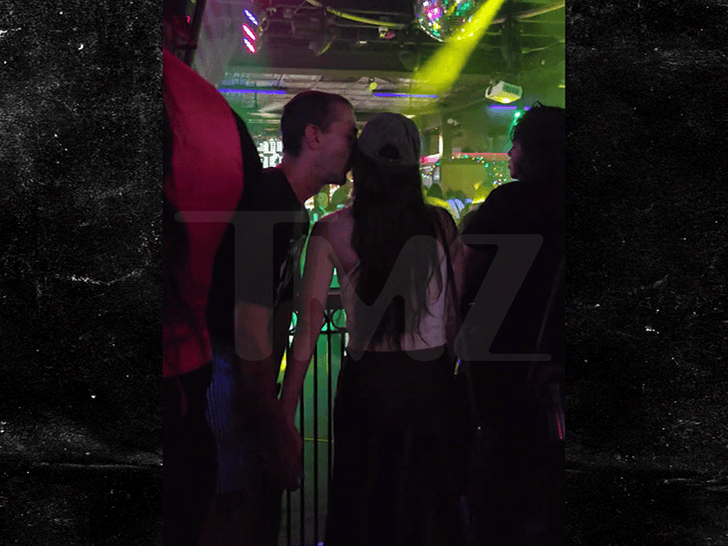
TMZ has obtained video and photos of the actor getting handsy with a mystery woman during a flirty Saturday night out in New Orleans just days after his recent arrest.
Advertisement
Shia was at a bar just off Bourbon Street, where he spent more than 45 minutes locked in with a brunette who clearly had his full attention. The two stood hand in hand under the club lights on an upstairs balcony overlooking the bar.
At one point, she rested her hand on his chest while smiling up at him and Shia leaned down to whisper in her ear before sealing it with a kiss.
Advertisement
The pair shared multiple kisses, held hands tightly and stayed glued to each other throughout the night. In the footage, Shia appears relaxed and affectionate, pulling her close, murmuring in her ear and going back in for more.
Witnesses tell us he was drinking and seemed a little tipsy, but in great spirits.
The PDA packed night comes on the heels of a rough stretch for the actor. As we reported … Mia, who split from Shia nearly a year ago, wants him to seek rehab and manage his drinking.
Advertisement
We also broke the story … LaBeouf was arrested in New Orleans last week and charged with two counts of simple battery following an altercation with a group of men.
But Saturday night? All signs pointed to fun … not fallout.
Although it’s one of the most celebrated subgenres of science fiction, cyberpunk is criminally underrepresented in live-action TV. Fans have a hard time finding any long-form content to watch that’s not animated, and are generally still waiting for a series that does it justice. The thing is, there is already one that most people forget about:Altered Carbon. Starring Joel Kinnaman and Anthony Mackie as the same character, this groundbreaking Netflix series left an indelible mark on streaming over its two seasons and is proof of the unexplored potential of the genre on TV. There may be more cyberpunk stories on the way for different streaming platforms now, but it all began with mercenary Takeshi Kovacs being re-sleeved.
‘Altered Carbon’ Has One of the Most Creative Worlds in Science Fiction
When thinking about cyberpunk, it’s usually the neon haze, fast-paced action, and interconnectedness between humans and technology that come to mind. All this is present in Altered Carbon, of course, but it also highlights other essential tropes of the genre, like the ever-expanding social gap between the rich and the poor, and how death isn’t the end in a world where the line between the human soul and raw data is blurred. In the series, this is mostly represented by the cortical stack, a disk-like device that stores one’s consciousness and may be inserted into different vacant bodies called sleeves.
Advertisement
That’s where protagonist Takeshi Kovacs comes in. Once part of a rebel group called the Envoys, he is re-sleeved and brought back to life after 250 years at the request of a man named Laurens Bancroft (James Purefoy). Part of the wealthy elite known as Meths (like Methuselah, not that other thing), Bancroft recruits Kovacs to investigate his own murder, which didn’t fully succeed thanks to his remote satellite backup (something only made available to absurdly rich individuals). If Kovacs succeeds, he gets to live again in his new sleeve, which is one hell of a prospect after centuries of pretty much not existing.
The series is based on the Richard K. Morgan novel of the same name, posing many of the same philosophical questions. While Meths live in impossibly tall buildings high above the clouds and may be perpetually re-sleeved inside clone bodies, people like Kovacs deal with different sleeves (that is, if they even get new ones) and live precariously in the darkness of the surface. Because of all that, notions like identity and morality become fluid, since death isn’t necessarily final, and your current body may very well not be the only one you’ll ever have.
‘Altered Carbon’ Broke New Ground in Live-action Cyberpunk on Streaming
There’s a reason there aren’t many live-action cyberpunk series around: the genre usually thrives in animation, which favors the surreal aesthetic and fast-paced narratives. Replicating it in live-action is a huge financial risk, since production costs are often higher than the average series’ budget, thanks to setting and CGI, for example. As Joel Kinnaman revealed at the time, Altered Carbon itself had “a bigger budget than the first three seasons ofGame of Thrones.” That’s a risk not many are willing to take, of course, an investment that’s usually reserved for feature films with blockbuster potential.
Advertisement
So, when Netflix released Altered Carbon in 2018, it felt almost like a statement that not only could it compete with premium cable in both scale and tone, but also give audiences something they wouldn’t find on TV. It was the first proper live-action cyberpunk series in decades, effectively opening the doors to the genre for fans and newcomers alike. The series checks nearly all of cyberpunk boxes, including the pulpy noir feel of Takeshi Kovacs’ story, the existential sublayer that is intrinsic to it, and an R-rating mostly due to its gritty action sequences and adult themes.
Thanks to all that, Altered Carbon shaped what cyberpunk could be in a series. Its first season was acclaimed by audiences and critics thanks to its impressive visuals and futuristic pulpy detective story. Only in cyberpunk would you find the story of a man in a body that isn’t his, using an abandoned hotel managed by an Edgar Allan Poe AI (Chris Conner), for example. All that happening in live-action with live actors sets the series apart from other works of the genre in visual media. Season 2 then doubled down on what made the series special, but, unfortunately, it didn’t work out as well as Season 1 did.
Despite Being Short-Lived, ‘Altered Carbon’ Has Become a Cult Favorite for Fans of Cyberpunk
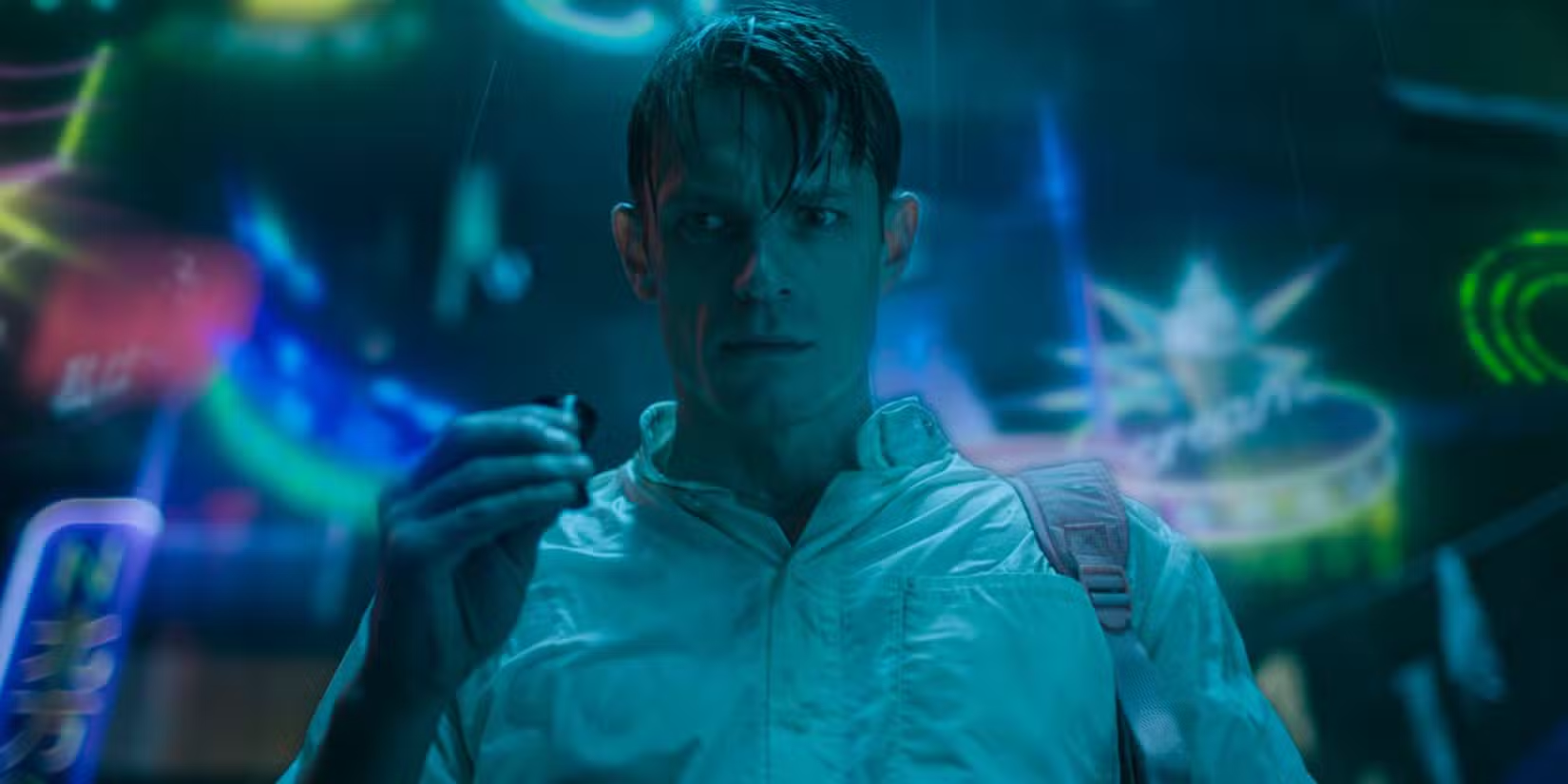
Joel Kinnaman in Altered Carbon behind glowing lights, looking worried.Image via Netflix
Advertisement
Altered Carbon‘s sleeves are a unique narrative device, and having different actors playing the same character over the seasons seemed like a great way of keeping things fresh and adding star power to the series. Two years after Season 1, Kinnaman was replaced by Anthony Mackie as Takeshi Kovacs, and, while that would seem like a great idea at first, it didn’t translate on screen. Mackie’s version of Kovacs is more charming than Kinnaman’s brooding take, and many behind-the-scenes changes also affected how Season 2 felt to the audience, leaving behind the neon-drenched setting and pulpy noir atmosphere.
Altered Carbon is still regarded by fans as one of the best cyberpunk stories on streaming, despite its flaws, and rightly so. Perhaps if Season 2 had been given the same conditions as Season 1 to tell its story, the series could have gone on longer and become a classic. In the end, instead of the bold statement it was supposed to be about streaming’s potential, it became almost like a cautionary tale about how unstable the whole system may be. Regardless, Altered Carbon is still very much worth the watch, and is still the standard for what live-action cyberpunk can achieve.
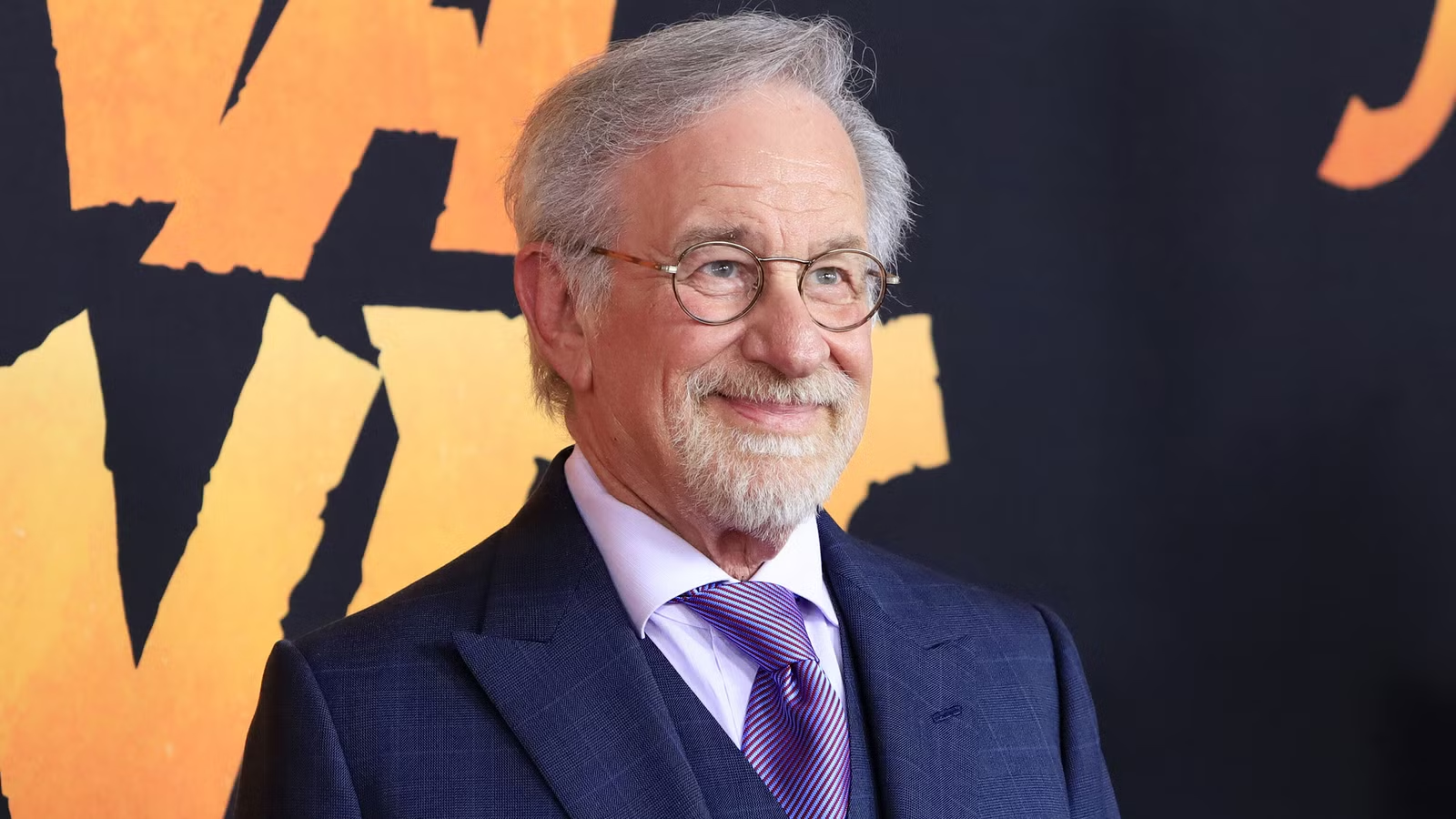
Steven Spielberg on the red carpetImage via DDP/INSTARimages
The 1990s were a major decade for Steven Spielberg, who not only delivered the record-breaking blockbuster Jurassic Park, but also cemented himself as a “serious filmmaker” with movies such as Schindler’s List and Saving Private Ryan. Known to juggle multiple projects at the same time — he worked on Schindler’s List and Jurassic Park concurrently — Spielberg also put his stamp on a project few would remember he was involved with. The project in question is an animated series, which, like scores of other Cartoon Network gems from that era, is heading to a free streaming service this March. Several hits, such as Dexter’s Laboratory, The Powerpuff Girls, and Ben 10 are returning to streaming after being removed by HBO Max over the last few months.
Among them is the show on which Spielberg served as an executive producer: Pinky and the Brain. Created by Tom Ruegger, the show aired 65 episodes across four seasons, from 1995 to 1998. Such was Spielberg’s popularity at the time that the show was marketed as “Steven Spielberg Presents: Pinky and the Brain.” The cartoon followed the adventures of two mice who were first introduced as supporting characters on Animaniacs, another show that’ll return to streaming in March. One of the mice, Pinky, serves as a simple-minded sidekick to his megalomaniac companion, The Brain, who has only one goal in life: to take over the world. The Brain’s personality was modeled on the larger-than-life Orson Welles, while Pinky was given a Cockney accent.
Advertisement
When and Where To Watch ‘Pinky and the Brain’
Episodes generally revolved around The Brain coming up with a harebrained scheme to take over the world and invariably failing because of his own hubris or Pinky’s ineptitude. The characters later appeared in the single-season show Pinky, Elmyra & the Brain, which aired from 1998 to 1999, and in the Animaniacs revival that aired from 2020 to 2023. Pinky and the Brain will debut on the free Tubi streaming service on March 1, along with scores of other Cartoon Network titles, including fellow cult classics such as Courage the Cowardly Dogand Ed, Edd n Eddy. Stay tuned to Collider for more updates.
Advertisement
Advertisement
Release Date
1995 – 1998-00-00
Network
Advertisement
The WB
Directors
Kirk Tingblad, Charles Visser, Russell Calabrese, Al Zegler, Mike Milo, Audu Paden, Michael Gerard, Alfred Gimeno
Advertisement
Writers
Tom Sheppard, Wendell Morris, Gordon Bressack, Earl Kress, Jed Spingarn, Brett Baer, John P. McCann, Dave Finkel, David Finkel, John Ludin, Tom Minton, Rich Fogel, Bill Canterbury, Bill Matheny, Reid Harrison, Patric M. Verrone, John Loy, Gene Laufenberg, Bill Braunstein, Paul Rugg, Norm McCabe, Wayne Kaatz, Elin Hampton, David Fury



















:max_bytes(150000):strip_icc():format(jpeg)/amazon-originals-best-movies-021226-1-b864076f0eb34c6f9c59189bb6d71203.jpg)
:max_bytes(150000):strip_icc():format(jpeg)/rizo-velovic-savannah-louie-survivor-50-021826-2ce439459b4e488899eb6d0d0f4d333e.jpg)