

Business
US unveils AI strategy at India summit with $250 billion in deals

America First Policy Institute’s Erika Donalds reveals how AI is being used to help students learn in-depth about topics from VR headsets on ‘Making Money.’
NEW DELHI – The massive AI summit in India this week looked, on the surface, like a familiar spectacle: world leaders and technology executives converging in New Delhi, headline-grabbing investment numbers, and carefully worded joint statements. It was the largest global AI summit to date, and the first hosted in the Global South.
I was on the ground through the summit’s closed-door sessions, bilateral events, and formal signings. While most coverage focused on press releases and piecemeal deal announcements, something far more strategic was unfolding.
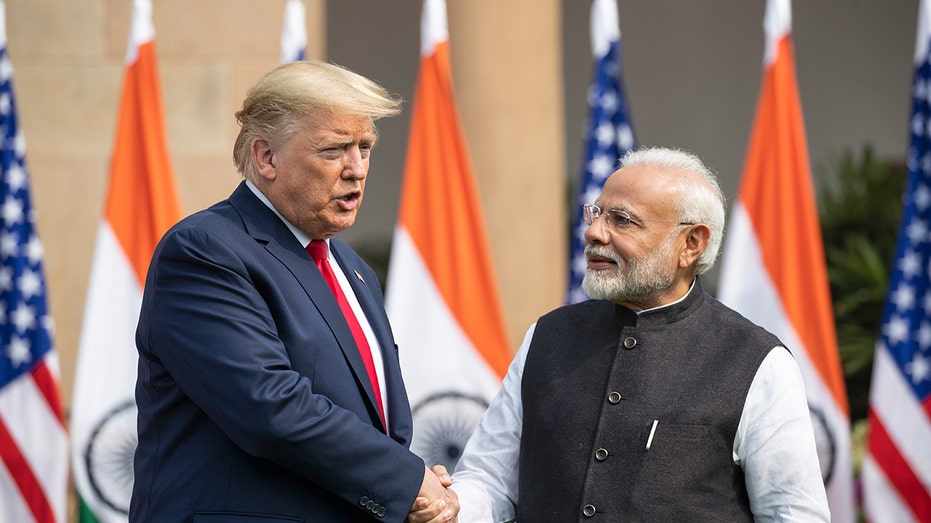
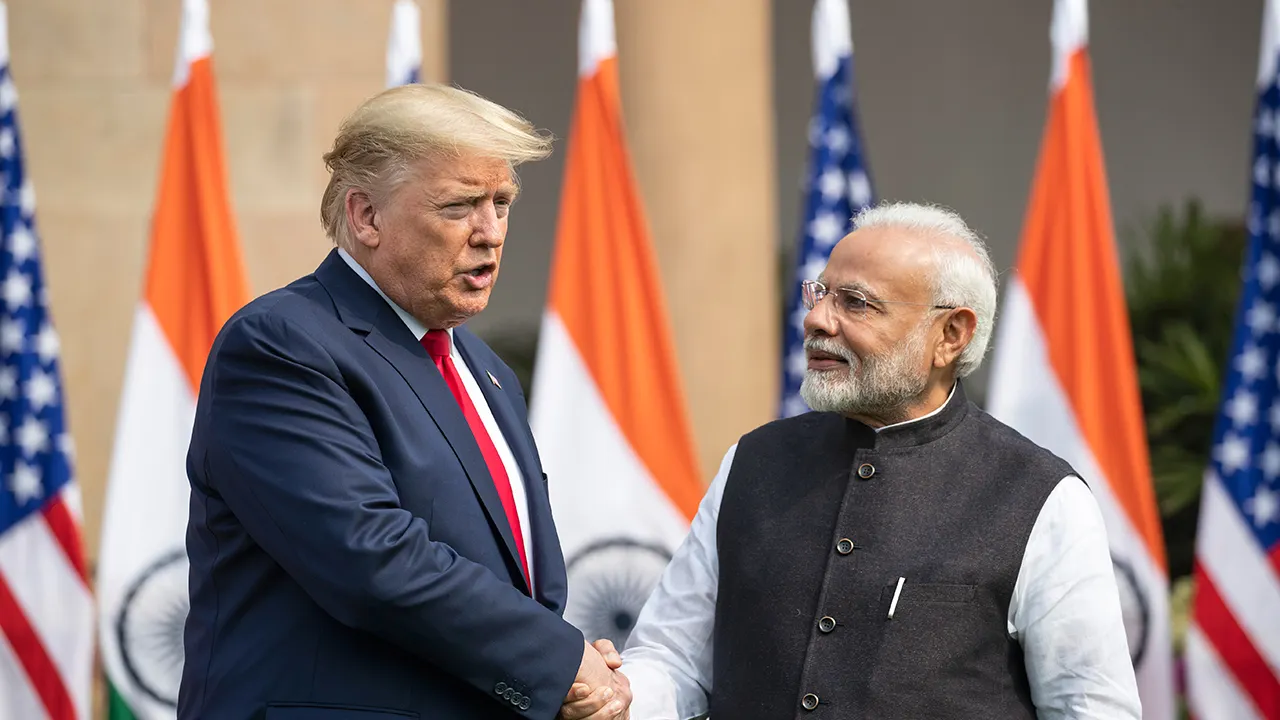
FILE-U.S. President Donald Trump and Indian Prime Minister Narendra Modi shake hands before their meeting at Hyderabad House, Feb. 25, 2020, in New Delhi, India. (AP Photo/Alex Brandon, file) (AP Photo/Alex Brandon, file / AP Newsroom)
In the span of a few days, the United States quietly assembled a full playbook for the Global South—how emerging economies adopt artificial intelligence, how that adoption is financed, how it is secured. The United States paired AI diffusion with supply-chain security and anchored both in India, signaling a shift in how it intends to project technological leadership at a moment when domestic politics are pulling inward. This system has two parts.
The first is the supply chain and critical resources side with Pax Silica. U.S. Under Secretary of State for Economic Affairs Jacob Helberg, U.S. Ambassador to India Sergio Gor, and White House Office of Science and Technology Policy Director Michael Kratsios all showed up in New Delhi to sign an agreement welcoming India into the Pax Silica. The declaration formalizes cooperation across critical minerals, semiconductor manufacturing, energy, and data-center infrastructure, explicitly tying economic resilience to national security.
AI RAISES THE STAKES FOR NATIONAL SECURITY. HERE’S HOW TO GET IT RIGHT
Helberg framed the effort as a response to what he called “weaponized dependency,” arguing on stage that “economic security is national security” and that sovereignty in the modern era comes from the ability to build—”from minerals deep in the earth to silicon wafers to the intelligence that powers AI systems.” Ambassador Gor followed by stating plainly that India’s participation was “not symbolic” but “strategic and essential,” linking the initiative directly to broader U.S.–India trade, technology, and defense coordination. The language was unusually direct.
The second arm came moments later, in a press conference that received comparatively little attention. Director Kratsios outlined a new AI exports stack, what amounts to a new phase of U.S. AI policy: a coordinated effort to export the American AI ecosystem at scale, supported by financing, standards-setting, and deployment assistance. “We want to share the great American technology stack with the world,” he said, emphasizing that leadership in AI will be determined not only by who invents, but by whose systems are adopted widely enough to become defaults.
FOX Business correspondent Madison Alworth joins ‘Varney & Co.’ to break down White House A.I. czar David Sacks’ warning that overregulation could cause the U.S. to lose the global artificial intelligence race.
That framing helps explain why this was launched in New Delhi and not Washington. India designed the summit around adoption rather than abstraction, with leaders from the Global South, frontier AI firms, and multilateral lenders present by design. Indian officials emphasized execution constraints and sovereignty rather than values alignment. IT Minister Ashwini Vaishnaw focused on semiconductor talent shortages, noting that the global industry will require “roughly one million additional skilled professionals” and that India is addressing this through nationwide programs spanning hundreds of universities, alongside free access to advanced chip-design tools from firms such as Synopsys, Cadence, and Siemens.
AMERICA HAS TO RESPOND WITH A UNITED FRONT TO CHINA’S MASSIVE ECONOMIC WARFARE
All U.S. officials present highlighted India’s role as critical. Most emerging economies plug into a single link of the technology value chain: minerals, low-cost assembly, or consumption. India operates across the stack. U.S. officials repeatedly emphasized that India brings scale in engineering talent, active participation in advanced chip design, a growing domestic AI product ecosystem, population-level deployment potential and the capacity to absorb large-scale infrastructure investment in data centers and energy. That makes India not just a market, but a stabilizing node—both for AI diffusion and for diversifying supply chains that have become increasingly concentrated.
The summit underscored a problem in the Global South that Washington has often avoided stating directly. Artificial intelligence is no longer a standalone sector. It is an infrastructure layer of the future economy. Infrastructure requires secure inputs, energy, standards, skilled labor, and sustained capital. Countries that cannot deploy AI at scale will have little influence over how it is governed. They will inherit systems designed elsewhere. Regulation without participation offers neither sovereignty nor stability.
CLICK HERE FOR MORE FOX NEWS OPINION
The U.S. response outlined in New Delhi reflects a recognition of that reality. The American AI ecosystem is being positioned as a foundation others can build on, rather than a closed platform they must rent. Financing tools across multiple agencies—including the U.S. Development Finance Corporation and Export-Import Bank—are being aligned to lower adoption barriers. Partner-country firms are being integrated and cross-sold in the system rather than excluded from it. Standards, particularly for next-generation AI agents, are being shaped early, with Kratsios noting that interoperability will determine whether AI scales smoothly or fragments.
Pax Silica and the AI export program – these two tracks are meant to move together, forming a loop between capability and resilience.
CLICK HERE TO DOWNLOAD THE FOX NEWS APP
It was clear from over $250 billion in AI deals announced in New Delhi that markets appear to recognize the direction of travel. Microsoft has committed to invest approximately $50 billion in AI infrastructure across the Global South by the end of the decade. OpenAI and AMD announced partnerships with India’s Tata Group tied to AI infrastructure and deployment. Blackstone participated in a $600 million raise for Indian AI infrastructure firm Neysa, while Nvidia expanded its venture partnerships across India. Indian conglomerates Reliance and Adani separately outlined large-scale data-center investments measured in multiple gigawatts of capacity.
As domestic politics in the United States become more consuming ahead of the midterms, the White House is clearly moving to lock in a parallel agenda abroad—one that does not depend on legislative cycles or headline battles at home. The Global South, where AI adoption will determine growth trajectories and political alignment for decades, is now central to that effort. The United States is no longer relying on innovation alone to sustain technological leadership. It is constructing an adoption architecture, securing its physical foundations, and extending both outward at a moment when the US moves to an inward focus.

Business
(VIDEO) Mexico’s Most-Wanted Cartel Boss ‘El Mencho’ Killed by Security Forces in Jalisco Operation
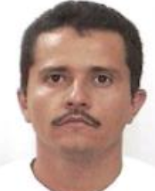
MEXICO CITY — Mexican security forces killed Nemesio Oseguera Cervantes, the elusive leader of the Jalisco New Generation Cartel (CJNG) known as “El Mencho,” during a military operation in the western state of Jalisco on Sunday, February 21, 2026, according to multiple government sources and Mexican media reports.

The 59-year-old Oseguera, one of the world’s most wanted drug lords, was gunned down in a targeted raid in the mountainous region near Tapalpa, a small town in Jalisco where the CJNG was founded and remains deeply entrenched. A federal official, speaking on condition of anonymity due to the sensitivity of the operation, confirmed the death to several outlets including Reuters, CNN and El País. The Mexican Defense Ministry and Attorney General’s office have not yet issued an official statement, but local newspapers and government insiders cited by EL PAÍS and The Guardian reported the killing occurred during a clash with troops.
Oseguera had evaded capture for more than a decade, operating from hidden mountain strongholds while directing the CJNG’s expansion into fentanyl trafficking, methamphetamine production and extortion across Mexico and into the United States. The cartel, formed in 2010 from a splinter of the Sinaloa Cartel, grew into Mexico’s most powerful and violent criminal group, surpassing rivals through aggressive tactics, corruption of officials and control of key ports like Manzanillo.
The U.S. State Department had offered a $15 million reward for information leading to his arrest, one of the highest bounties ever placed on a drug trafficker. Mexico’s government offered 300 million pesos (about $15 million). Oseguera was indicted in the U.S. on charges including drug trafficking, money laundering and murder, with federal prosecutors in Chicago and Washington labeling him a top priority.
His death comes amid heightened U.S.-Mexico tensions over fentanyl flows and cartel violence. President Trump has repeatedly threatened military strikes inside Mexico and designated several cartels as foreign terrorist organizations, increasing pressure on the Mexican government to act decisively. The operation may ease some bilateral friction, though experts warn it could spark violent succession battles within the CJNG, potentially escalating turf wars in Jalisco, Michoacán and Guanajuato.
Oseguera, born July 17, 1966, in Aguililla, Michoacán, began his criminal career in the 1990s as a police officer before joining the Milenio Cartel. He rose through the ranks after the group fragmented, founding the CJNG with his brother-in-law and cousins. Known for his low profile — rarely photographed and avoiding public appearances — he was dubbed “El Señor” or “El Mencho” (a nickname derived from “menchito,” meaning little mango). He was protected by layers of sicarios, encrypted communications and corrupt officials.
The CJNG under his command was responsible for thousands of homicides, mass graves and attacks on security forces. The cartel pioneered extreme violence, including public executions and attacks on military convoys, while dominating fentanyl precursor chemical imports from China.
If confirmed, Oseguera’s killing represents a major victory for President Claudia Sheinbaum’s administration, which has emphasized intelligence-led operations over direct confrontation. However, experts caution that decapitation strategies rarely dismantle cartels long-term, often leading to fragmentation and increased violence as factions vie for control.
The operation unfolded in Tapalpa, a rural area in southern Jalisco, where Oseguera reportedly maintained safe houses. Governor Pablo Lemus Navarro posted on social media urging residents to stay indoors during the action, signaling a significant military deployment. Details on casualties or whether other cartel members were killed remain limited, with authorities withholding full information pending forensic confirmation.
Reactions poured in quickly. U.S. officials expressed cautious optimism, with one source telling Reuters the death could disrupt CJNG supply chains. Mexican security analysts noted the timing aligns with intensified pressure from Washington and domestic demands to curb cartel influence.
Oseguera’s demise leaves a power vacuum in one of Mexico’s most dangerous criminal organizations. Potential successors include family members or top lieutenants, but internal rivalries could trigger bloodshed similar to past leadership transitions.
As investigations continue and the government prepares an official announcement, the killing of “El Mencho” marks a pivotal moment in Mexico’s long war against drug cartels — one that may shift dynamics but is unlikely to end the violence.

DAE Capital nears deal to buy aircraft leasing firm Macquarie Airfinance, sources say


Rolls-Royce to return as much as $2 billion to shareholders in buyback, Sky News reports
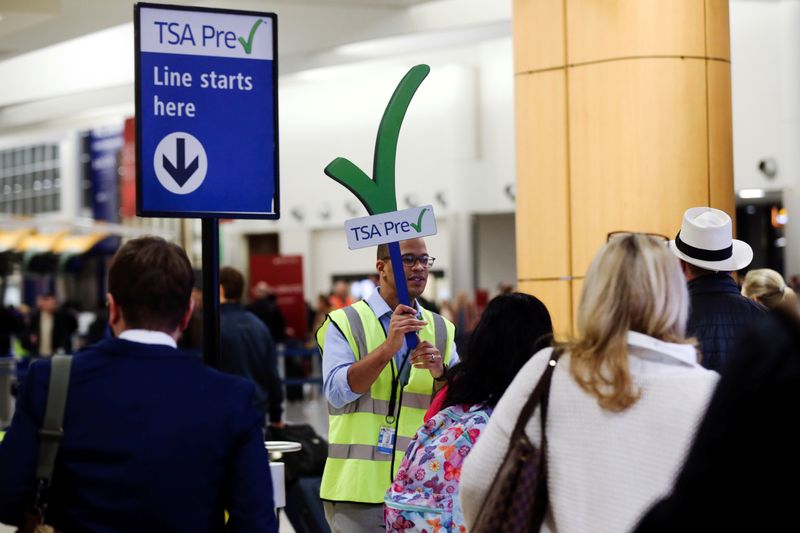

Reversing course, US will keep TSA PreCheck program operational
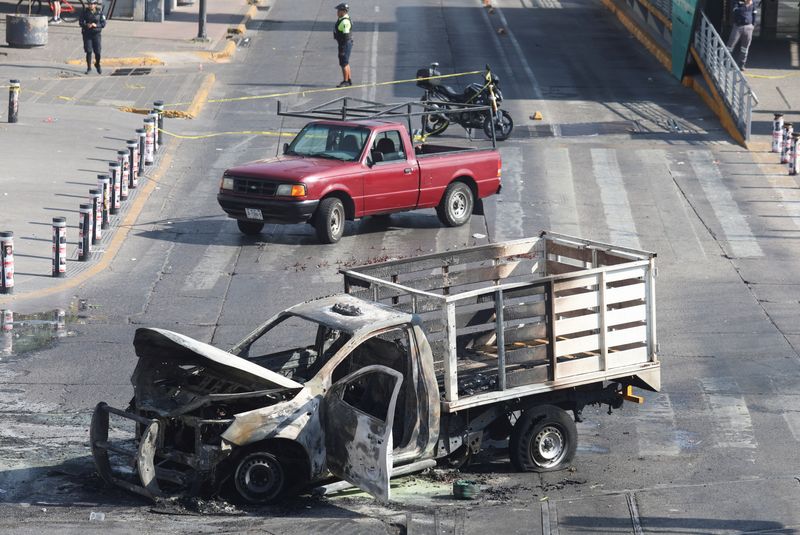

Mexican drug lord "El Mencho" killed in military operation-government source
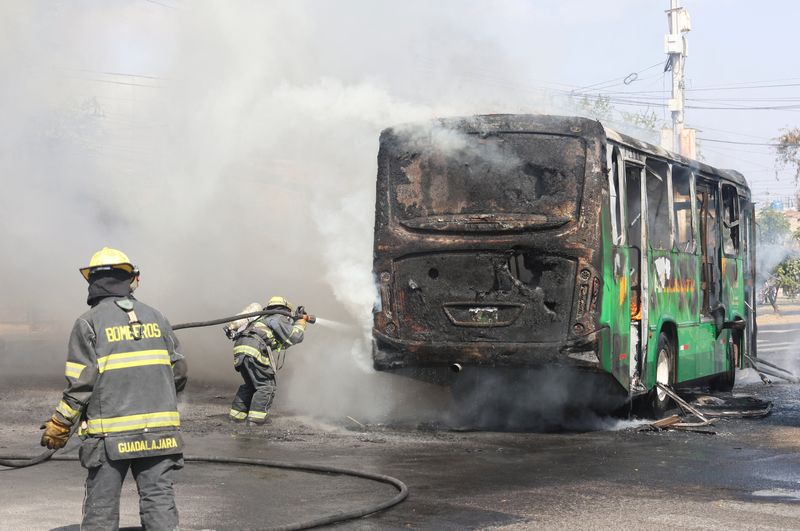

Mexican drug lord "El Mencho" killed in military operation, says government source
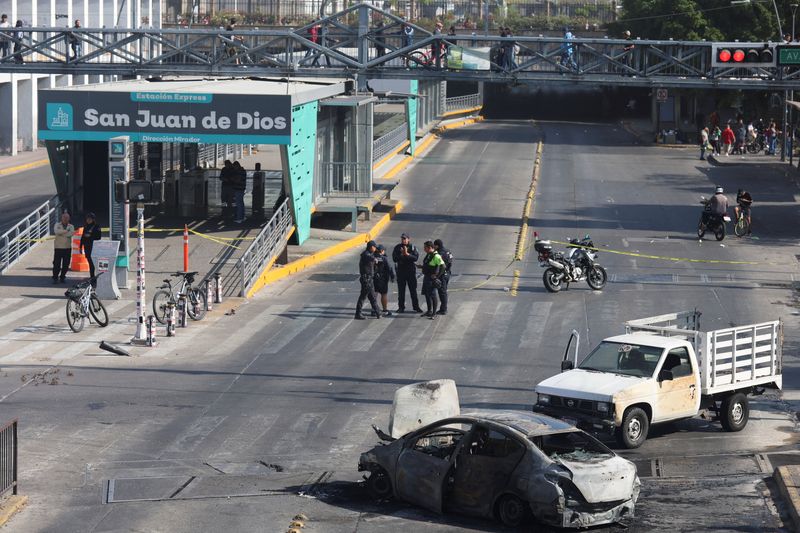

Mexican drug lord "El Mencho" targeted in military operation, local news outlets report
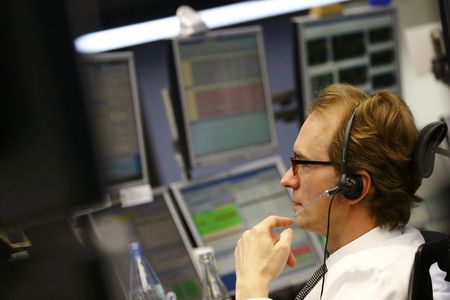
Iran agreed secret shoulder-fired missile deal with Russia, FT reports
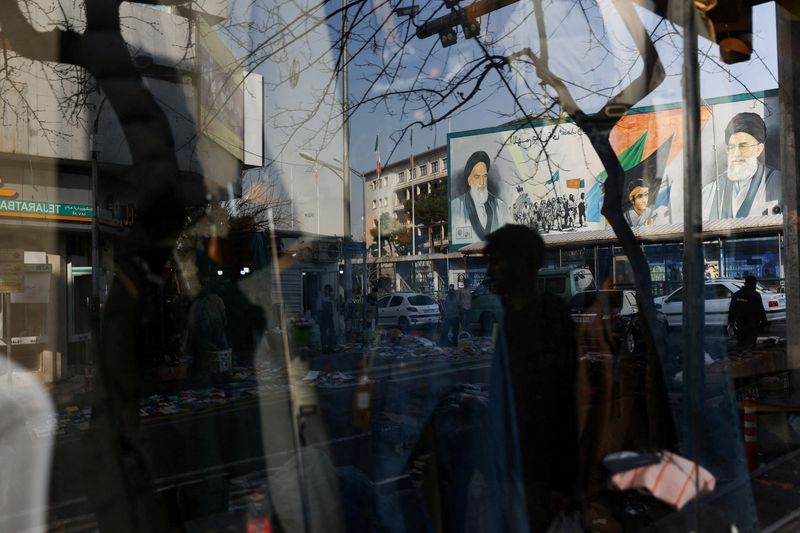

Iranian students protest for second day at some universities
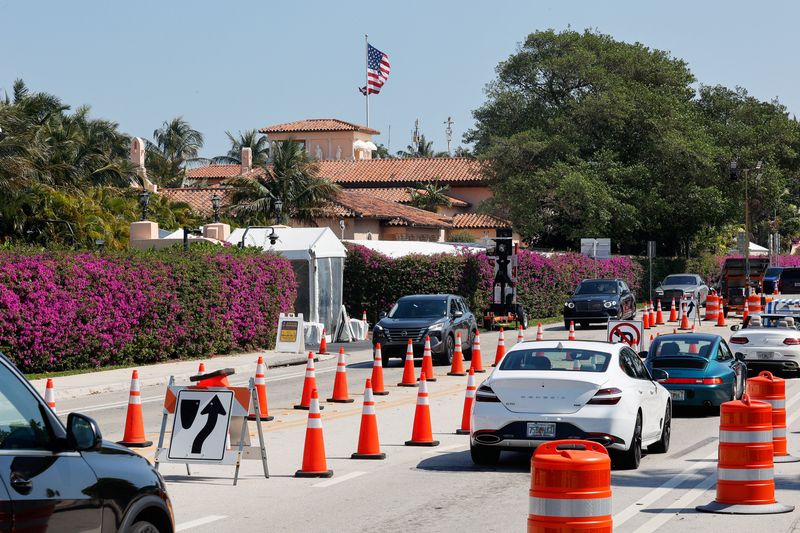

Law enforcement kills armed man seeking to enter Trump’s Mar-a-Lago resort, officials say

Armed man killed after entering secure perimeter of Mar-a-Lago, Secret Service says

(VIDEO) Mexico’s Most-Wanted Cartel Boss ‘El Mencho’ Killed by Security Forces in Jalisco Operation

How to Earn SOL When the Market Corrects


-

 Video6 days ago
Bitcoin: We’re Entering The Most Dangerous Phase
-

 Crypto World5 days ago
Can XRP Price Successfully Register a 33% Breakout Past $2?
-

 Video3 days ago
XRP News: XRP Just Entered a New Phase (Almost Nobody Noticed)
-

 Fashion2 days ago
Weekend Open Thread: Boden – Corporette.com
-

 Sports6 days ago
GB's semi-final hopes hang by thread after loss to Switzerland
-

 Politics12 hours ago
Baftas 2026: Awards Nominations, Presenters And Performers
-
 Tech6 days ago
The Music Industry Enters Its Less-Is-More Era
-

 Business5 days ago
Infosys Limited (INFY) Discusses Tech Transitions and the Unique Aspects of the AI Era Transcript
-

 Entertainment4 days ago
Kunal Nayyar’s Secret Acts Of Kindness Sparks Online Discussion
-

 Video5 days ago
Financial Statement Analysis | Complete Chapter Revision in 10 Minutes | Class 12 Board exam 2026
-

 Tech4 days ago
Retro Rover: LT6502 Laptop Packs 8-Bit Power On The Go
-
 Sports4 days ago
Clearing the boundary, crossing into history: J&K end 67-year wait, enter maiden Ranji Trophy final | Cricket News
-

 Business6 hours ago
Mattel’s American Girl brand turns 40, dolls enter a new era
-

 Entertainment4 days ago
Dolores Catania Blasts Rob Rausch For Turning On ‘Housewives’ On ‘Traitors’
-

 Business2 hours ago
Law enforcement kills armed man seeking to enter Trump’s Mar-a-Lago resort, officials say
-

 Business4 days ago
Tesla avoids California suspension after ending ‘autopilot’ marketing
-

 Politics5 days ago
Eurovision Announces UK Act For 2026 Song Contest
-

 Tech1 hour ago
Anthropic-Backed Group Enters NY-12 AI PAC Fight
-

 Crypto World4 days ago
WLFI Crypto Surges Toward $0.12 as Whale Buys $2.75M Before Trump-Linked Forum
-

 Politics4 hours ago
Maine has a long track record of electing moderates. Enter Graham Platner.