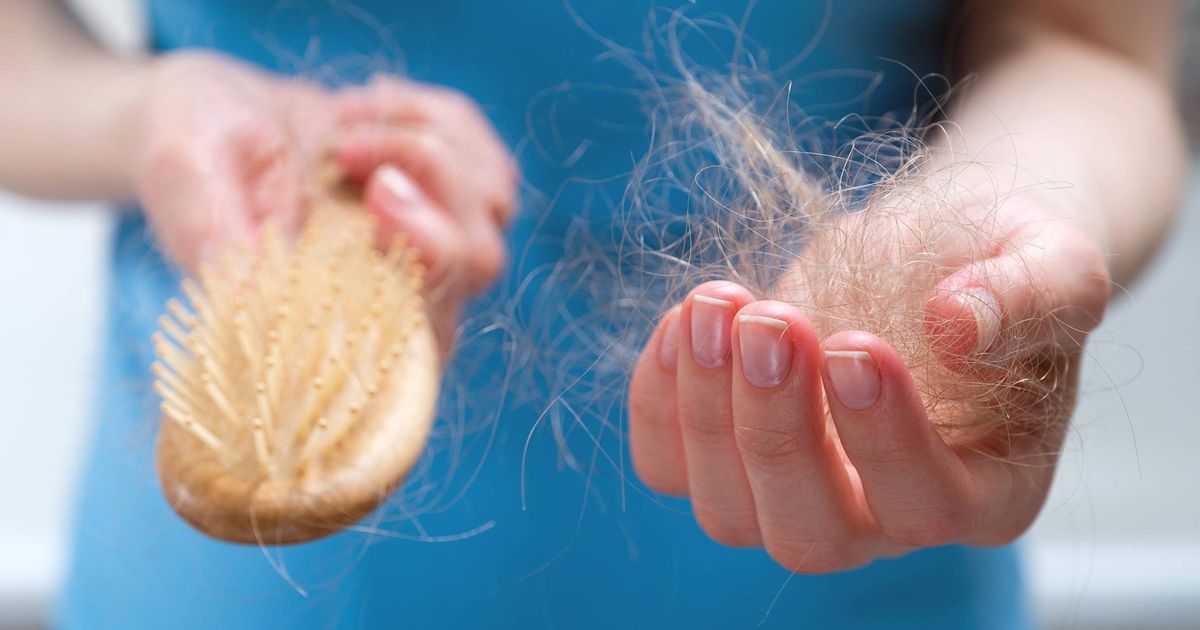
It can be alarming to suddenly notice hair loss, but it’s something many people are experiencing right now – and the reasons may be more complex than you think
Suddenly, it seems like many of us are shedding hair at a worrying pace – and it appears that everyone you chat with is grappling with the same problem. But what’s causing this sudden hair loss epidemic?
It can be quite distressing to find clumps of hair in the shower drain or to see strands falling out when you run your fingers through your hair. Typically, when we think of hair loss, images of balding men and receding hairlines spring to mind, not women.
However, there’s been a noticeable uptick in women candidly discussing their thinning hair. According to Cosmetic Design Europe, searches for hair growth supplements have seen a 100% increase year on year.
In response to this trend, Superdrug has launched the UK’s first high street hair health blood test to help identify potential causes of hair loss.
Hair loss can be attributed to various factors, including hormonal changes, stress, and anxiety. Given that most of us have experienced burnout at some point, are feeling the pinch due to the cost-of-living crisis, and are often sleep-deprived and overstimulated, it’s hardly surprising that our hair is bearing the brunt of it all, reports the Mirror.
While it’s easy to blame ourselves, perhaps regretting dyeing our hair during our teenage years or neglecting to use heat protection spray when styling, experts suggest that the root cause might be more profound.
Trichologist Samantha Steward from Richard Ward explained to Stylist: “Chronic stress can disrupt the hair growth cycle by diverting essential nutrients away from the hair follicle, triggering a reactive type of hair shedding known as telogen effluvium,” a condition where multiple hairs enter the shedding phase too early.
Stress also affects sleep quality, dietary habits and nutrition, along with hormonal balance – all significant contributors to hair loss that create an ongoing vicious cycle of risk factors.
Hairdresser Rachel Valentine, who shares content as @rachelvalentinehair on TikTok, has been offering valuable hair care advice, revealing how seemingly minor daily habits could be silently contributing to hair loss.
Rachel emphasises how small everyday actions can significantly affect hair health, with these routine habits appearing harmless but causing breakage, thinning, and tender hairlines when repeated daily.
She particularly warns that a messy bun is “so damaging”, specifically targeting the tight, high messy bun that many people create “every single day.”
Whilst acknowledging it’s “the quickest thing to do to get your hair out your face” she explained why this approach is counterproductive: “Firstly it is super tight, so the tension is gonna be on these areas here… so if you get traction… this is a no go.”
She also warned about the damage to hair ends, stating: “Especially if your hair is bleached… they’re all caught up… they’re all intertwined when you take it out… it’s probably gonna be super knotty.”
She further cautioned against tying up wet hair, which she described as “which is even worse,” because “our hair is so fragile when it’s wet… it’s gonna cause so much damage.”
Next, she advised against tying up hair when it’s wet. “When our hair is wet, it actually acts like an elastic band, so it stretches and returns… but sometimes… it breaks,” she explained.
Dry hair doesn’t have the same elasticity, so tying it up when wet increases the risk of breakage. She added: “You’re more likely to get breakage tying your hair up wet because it’s more vulnerable… it’s gonna stretch and it sometimes will break.”
For more stories like this subscribe to our weekly newsletter, The Weekly Gulp, for a curated roundup of trending stories, poignant interviews, and viral lifestyle picks from The Mirror’s Audience U35 team delivered straight to your inbox.
Another habit that could be causing hair breakage is wearing a shoulder bag or backpack. Rachel noted: “A really common one that I say is so underestimated is wearing a backpack or shoulder bag on the same shoulder.
“If you’re noticing your hair is different lengths or one side is broken, that could be the reason why.”
She continued, explaining that “if your hair is particularly fragile or you sleep on the same side, I do sometimes see breakage from that as well,” which can result in hair appearing “uneven in length.”
Dr Ali, a hair specialist at UK Hair Transplants, has also put together a catalogue of natural remedies to revitalise weary and fragile locks.
The first recommendation involves a heated coconut oil pre-cleanse treatment.
Heat one or two teaspoons of oil between your palms and work into the scalp for three to five minutes, then smooth a pea-sized portion through the tips.
Allow it to sit for up to an hour before shampooing and conditioning as usual.
According to the specialist, “Coconut oil’s fatty acids penetrate the hair shaft and reduce protein loss, helping mend rough, snapped cuticles from the inside out,” and suggests doing this once or twice weekly.
“Think of warm oiling as a nourishing primer – it plugs protein leaks and instantly makes hair feel stronger and silkier.”
Another homemade treatment involves creating an aloe, honey and yoghurt mask.
Simply blend two tablespoons of plain yoghurt, one tablespoon of aloe gel and one teaspoon of honey, then apply from mid-lengths to ends (avoiding roots if hair becomes easily weighed down) and leave for 15–20 mins. Simply rinse and then condition hair lightly.
“Gentle natural proteins (yoghurt) reinforce weak spots; aloe soothes and hydrates; honey draws in moisture, and together they re-bond and smooth damaged cuticles.”
The expert recommends doing this once weekly and “this trio gives you protein and moisture in one -exactly what stressed hair needs to bounce back.”