
Crypto World
Tyler Winklevoss Upbeat Despite Brutal Gemini Sentiment Deepening


Despite a dreary backdrop for crypto markets, Gemini co‑founder Tyler Winklevoss remains stubbornly optimistic about the industry. Publicly bullish, he has watched his company’s fortunes wobble as on‑chain data reveal a steady retreat from riskier bets by Winklevoss Capital. An on-chain tracker shows the family office’s Bitcoin exposure shrinking from roughly 23,000 BTC in February 2025 to under 11,000 BTC in February 2026, underscoring a cautious stance amid a broader downturn. Meanwhile, Gemini disclosed a more favorable revenue trajectory for 2025 in an SEC filing, pointing to resilience in user activity even as the firm reorients its business model toward regulated products and custody services. The duality—founder confidence versus a tightening operating environment—frames a pivotal moment for the exchange and its broader ecosystem.
Key takeaways
- Gemini’s leadership reshuffle is underway, with the company confirming a major executive transition and Cameron Winklevoss absorbing several duties previously handled by the COO, as an 8‑K filing indicates.
- Winklevoss Capital’s BTC balance has fallen sharply, from about 23,000 BTC in February 2025 to under 11,000 BTC in February 2026, according to on-chain trackers.
- Gemini’s SEC disclosure projects 2025 net revenue between $165 million and $175 million, up from $141 million in 2024, with roughly 600,000 monthly transacting users—an indicator of user activity despite headwinds.
- The firm is cutting up to 25% of its staff and narrowing its geographic focus to the US and Singapore, exiting the UK, EU, and Australia to streamline operations.
- Bloomberg’s report highlights Gemini’s shrinking market share in January 2026 and signals a pivot toward a CFTC‑regulated prediction markets platform, custody services, and other regulated offerings.
- Market sentiment in the crypto space remains subdued, with miners selling BTC reserves, spot ETFs under pressure, and fear metrics at elevated levels, underscoring a difficult macro backdrop.
Tickers mentioned: $BTC
Sentiment: Bearish
Market context: The sector is contending with a harsh price environment and liquidity constraints. Miners such as Bitdeer have liquidated BTC treasuries, US spot Bitcoin ETFs have bled in recent weeks, and sentiment gauges have sunk to extreme fear, underscoring a challenging macro and liquidity backdrop for crypto businesses.
Why it matters
The sequence of events at Gemini—costs rising sharply, leadership changes, and a strategic pivot toward regulated products—offers a window into how crypto platforms are recalibrating in a strained market. The company’s 8‑K filing confirms a substantial leadership shakeup, with Cameron Winklevoss stepping into expanded operational responsibilities as interim executives assume key financial and legal roles. This shift occurs as the firm emphasizes a pivot toward a CFTC‑regulated prediction markets framework, in addition to custody and credit services. The move reflects a broader industry trend: firms seeking to anchor themselves in regulated domains to navigate an environment of heightened scrutiny and thinning liquidity.
On the capital side, Winklevoss Capital’s on‑chain activity provides a contrasting counterpoint to the public optimism voiced by Tyler Winklevoss. The Bitcoin (CRYPTO: BTC) balance reduction signals a recalibration of risk and a possible shift away from treasury allocations that could constrain future fundraising or growth initiatives. The decline from roughly 23,000 BTC to under 11,000 BTC suggests a deliberate stance on reserve management during a protracted downturn, aligning with a broader pattern of institutions reassessing crypto exposure in a market characterized by volatility and slower transactional growth.
Gemini’s SEC filing paints a more constructive picture of fundamentals. Projected 2025 net revenue of $165–$175 million, up from $141 million in 2024, paired with about 600,000 monthly transacting users, indicates sustained consumer activity and a revenue base that may enable profitable scaling via regulated products. Yet the accompanying rise in operating expenses—anticipated at $520–$530 million versus $308 million a year earlier—highlights the heavy investment needed to retool the business for a compliant, diversified product suite. This cost trajectory underscores the complexity of balancing growth with compliance costs in a highly regulated space.
The market backdrop helps explain why the firm’s pivot has gained attention. Bloomberg’s reporting that Gemini’s spot market share contracted to around 0.1% in January, down from roughly 0.6% in June 2025, underscores the competitive pressures facing mid‑sized exchanges trying to maintain relevance when price action remains volatile and liquidity scarce. The narrative around pivoting away from pure exchange activity toward regulated futures, custody, and other services adds a layer of strategic nuance to a company still seeking scale post‑IPO volatility and in the face of tighter capital markets.
From a sentiment standpoint, the crypto ecosystem has drifted toward risk aversion. While some high‑conviction Bitcoin holders continue to accumulate, the chorus of caution—driven by macro headwinds, regulatory skepticism, and a string of high‑profile corporate restructurings—creates a portrait of a market that values durability and compliance over rapid expansion. The divergence between Winklevosses’ public optimism and the industry’s cautious mood captures a central tension that may define Gemini’s trajectory in the near term: endurance and recalibration over expansion at any cost.
Beyond Gemini, investors and builders are watching whether the CFTC‑regulated prediction markets platform gains traction, whether custody and card offerings scale as intended, and how the firm balances staff costs with growth ambitions. The interplay between front‑line product delivery and back‑end risk controls will be a critical determinant of whether Gemini can reestablish momentum in a market where even the most established players face meaningful headwinds.
What to watch next
- Watch for updates to Gemini’s 8‑K and other regulatory filings that detail the extent of leadership realignment and the status of the COO/CFO/CLO transitions.
- Monitor progress on the planned CFTC‑regulated prediction markets platform, as well as the custody and card services roadmap, to assess how the pivot translates into revenue diversification.
- Track any additional changes to BTC exposure via Winklevoss Capital or related entities, and assess how these moves interact with Gemini’s product strategy and capital needs.
- Note further staff adjustments and regional regrouping announcements, particularly any new US or Singapore initiatives that replace previous international expansions.
- Keep an eye on macro market signals—including ETF flows, miner behavior, and sentiment indices—that could influence the pacing of Gemini’s turnaround efforts.
Sources & verification
- Gemini’s 8‑K filing with the U.S. Securities and Exchange Commission (gemi-20260217.htm).
- Arkham on-chain tracker for Winklevoss Capital’s BTC balance and the decline from ~23,000 BTC to under 11,000 BTC (Arkham explorer: https://intel.arkm.com/explorer/entity/winklevoss-capital).
- Bloomberg report detailing Gemini’s shrinking market share and pivot toward regulated offerings (article linked in the original reporting).
- Cointelegraph reporting on Gemini’s staff reductions and regional focus shift (Feb 5, 2026), and leadership moves (Cameron Winklevoss absorbing COO duties).
- Spot market and investor sentiment references, including mentions of Bitdeer and Fear & Greed Index dynamics covered in the linked articles.
Gemini pivots amid market downturn
Despite a brutal sell‑off in risk assets, Gemini’s leadership remains focused on repositioning the platform for a more regulated, durable business model. The firm’s 8‑K filing confirms a sweeping leadership change, with Cameron Winklevoss assuming a broader operational remit as the company also navigates the departure of its chief operating officer, chief financial officer, and chief legal officer. The immediate implication is a management team recalibrating priorities toward regulated products, custody, and other services designed to build resilience in a market defined by caution and capital tightening. The company’s public messaging has stressed continuity, even as it restructures around a more compliance‑driven product strategy, and in parallel, on‑chain data shows the family office adjusting its Bitcoin holdings in response to changing risk appetites (CRYPTO: BTC).
Gemini’s revenue outlook, reflected in the SEC filing, suggests a company with growing user engagement. The prospect of 600,000 monthly transacting users and a net revenue range of $165–$175 million for 2025 indicates that a significant portion of its business remains anchored in consumer activity, even as costs rise. The pronounced increase in operating expenses signals front‑end investments in compliance, risk management, and product development—areas likely essential to delivering regulated solutions that could attract institutional and retail participants seeking safer exposure.
On the external side, the market’s mood has been persistently bearish, with miners and token holders exhibiting a cautious stance. The Arkham data point on Winklevoss Capital’s BTC balance and the Bloomberg note on Gemini’s shrinking spot market share reflect a sector grappling with liquidity and competition in a landscape where new regulatory frameworks could redefine how exchanges compete. In this context, Gemini’s pivot toward regulated services may be as much a defensive maneuver as it is a strategic reorientation—an effort to align with stricter oversight while leveraging a profitable, compliant product slate that could weather cyclical downturns more effectively than a pure‑play exchange model.
The path forward will hinge on execution: can Gemini scale its custody and regulated product offerings, integrate the predicted markets platform with robust risk controls, and sustain user growth amid ongoing cost discipline? The answers will influence whether Winklevoss’s optimism translates into a durable edge in an era where investors demand transparency, regulatory alignment, and tangible, near‑term value creation from crypto platforms.

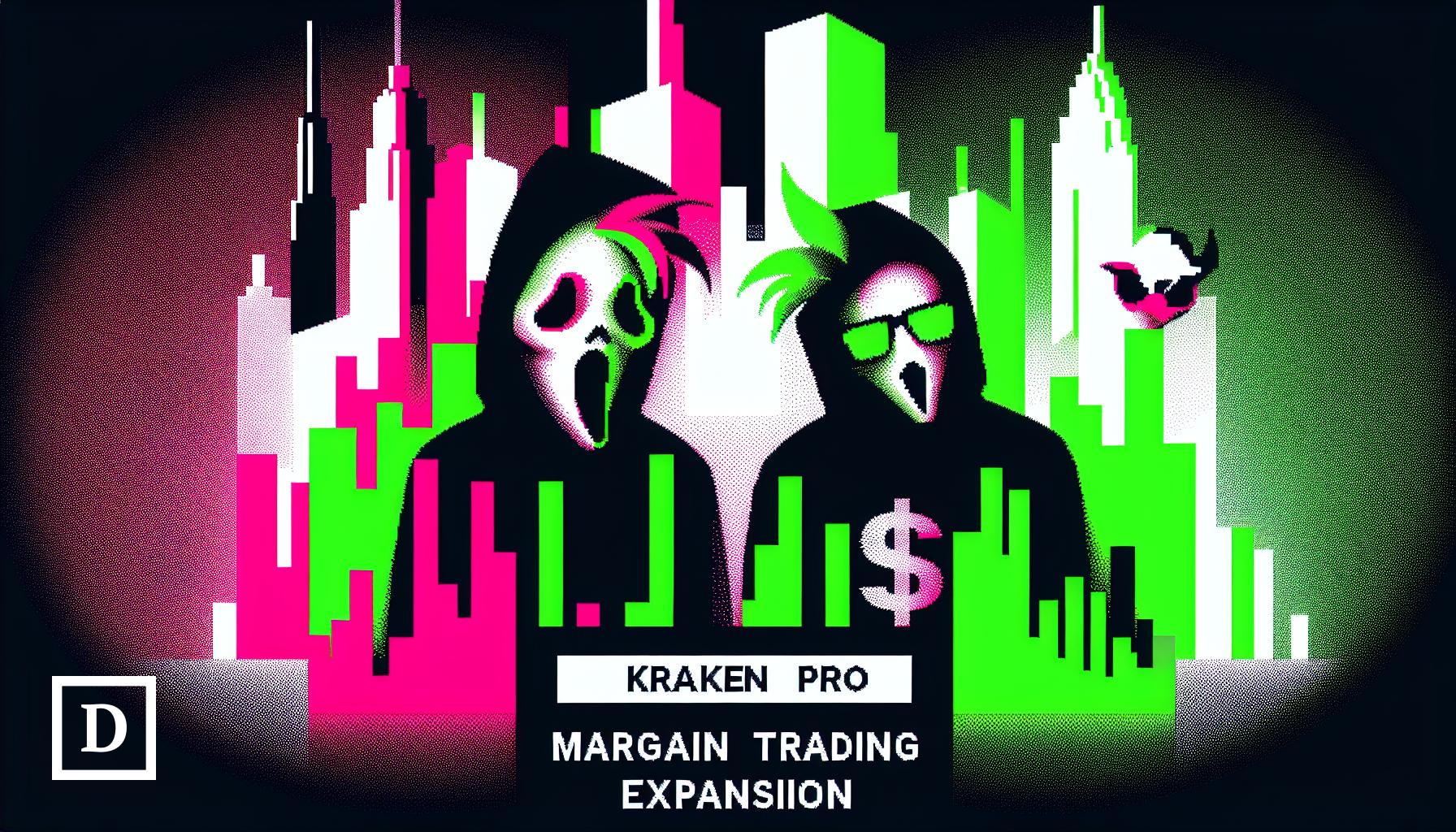
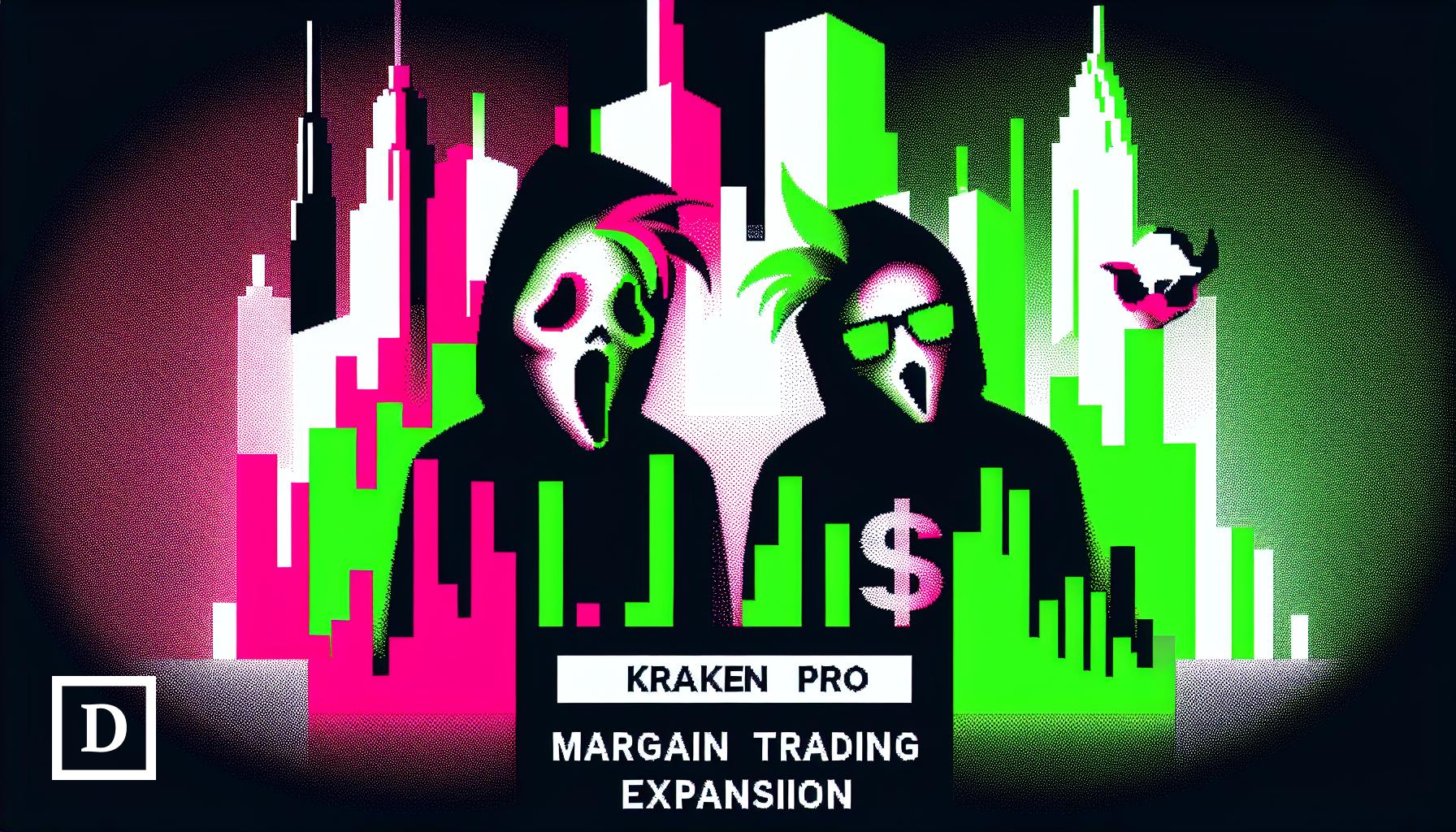
Kraken Pro has rolled out its largest single margin leverage expansion, adding support across 44 trading pairs including stablecoins, gold tokens, BTC and ETH regional pairs, mid-cap assets, and DeFi blue-chips.
Kraken Pro has expanded margin leverage across 44 trading pairs, marking the exchange’s largest single leverage expansion to date. The expansion spans four distinct asset categories: stablecoins, gold tokens, BTC and ETH regional pairs, mid-cap assets, and DeFi blue-chips. The rollout is designed to allow traders to size positions that better reflect their conviction without hitting leverage limits.
The expansion builds on Kraken’s recent push to grow its margin trading offerings. The exchange previously increased collateral currency options and added new margin pairs including MON and NIGHT, bringing the total number of available margin markets to over 240. The latest expansion reinforces Kraken Pro’s positioning as a platform for advanced traders seeking deeper leverage access across multiple asset classes.
Sources: Kraken Blog | Kraken Pro
This article was generated automatically by The Defiant’s AI news system from publicly available sources.
Crypto World
BNB Chain Launches BNBAgent SDK, the First Live Implementation of ERC-8183 for Trustless Onchain AI Agents
[PRESS RELEASE – Dubai, UAE, March 18th, 2026]
BNB Chain today announced the launch of BNBAgent SDK, the first live implementation of ERC-8183 and a complete developer framework enabling trustless onchain AI workflows. The release represents a major step forward in building the infrastructure needed for autonomous agents to operate at scale, with verifiable workflows, trustless settlement, and decentralized dispute resolution built in.
As AI agents move beyond experimentation into workflows where tangible value is involved, capability alone is insufficient. A key consideration is trust—specifically, the ability to verify results, resolve disputes, and settle payments in a reliable manner without dependence on centralized platforms.
The SDK provides:
- Onchain identity and reputation, built on ERC-8004 Every agent registered through the SDK gets a persistent onchain identity tied to ERC-8004, with a verifiable record of activity and outcomes that builds over time. Rather than being deployed in isolation, agents become discoverable participants that applications and users can evaluate and trust based on their actual track record.
- A standardized job lifecycle, no custom escrow required ERC-8183 establishes a shared protocol covering task creation, funding, execution, and settlement. The SDK puts that protocol directly in developers’ hands, so teams can integrate agent workflows without rebuilding contract logic for every new use case.
- Dispute resolution via UMA’s Optimistic Oracle When agent outputs go unchallenged, jobs settle quickly. When they are disputed, the SDK routes resolution through UMA’s Data Verification Mechanism, where token holders weigh in on the outcome. The process is transparent, decentralized, and doesn’t require either party to trust a third-party intermediary.
- A Python toolkit built for real workflows The SDK packages all of this into a Python developer toolkit with encrypted keystore support included by default. Developers interact with ERC-8183 using familiar patterns rather than writing low-level contract logic, and the architecture is designed to stay flexible as wallet systems and verification models continue to develop.
The code will be released publicly in the coming week, with mainnet to follow. For more information, users can visit the blog HERE.
About BNB Chain
BNB Chain is one of the largest and most active blockchain ecosystems in the world, supported by a global community of developers and users. With high throughput, low transaction costs, and full EVM compatibility, BNB Chain powers scalable applications across finance, gaming, and the broader Web3 economy. For more information, users can visit www.bnbchain.org.
Binance Free $600 (CryptoPotato Exclusive): Use this link to register a new account and receive $600 exclusive welcome offer on Binance (full details).
LIMITED OFFER for CryptoPotato readers at Bybit: Use this link to register and open a $500 FREE position on any coin!
Crypto World
Ethereum’s Fast Confirmation Rule targets 13-second bridge times with 98% reduction: Ethereum Foundation


Ethereum’s proposed Fast Confirmation Rule aims to slash L1-to-L2 bridge and exchange deposit times from minutes to just 13 seconds without requiring a hard fork.
Ethereum is moving forward with a Fast Confirmation Rule (FCR) designed to dramatically accelerate bridge times between Layer 1 and Layer 2 solutions, as well as exchange deposits. The mechanism targets completion times of approximately 13 seconds—a reduction of 80–98% compared to current timelines—and achieves this without requiring a hard fork to the network.
The FCR leverages attestations rather than blocks to verify transactions, representing a shift in how Ethereum handles cross-layer confirmation speed. This proposal aligns with broader Ethereum roadmap efforts to reduce finality times and slot durations, part of a longer-term vision to make the network faster and more efficient for users and institutions.
Sources: Julian (@_julianma) on X | Binance Square
This article was generated automatically by The Defiant’s AI news system from publicly available sources.
Trump continues to urge Powell to cut the rates, but it’s highly unlikely.
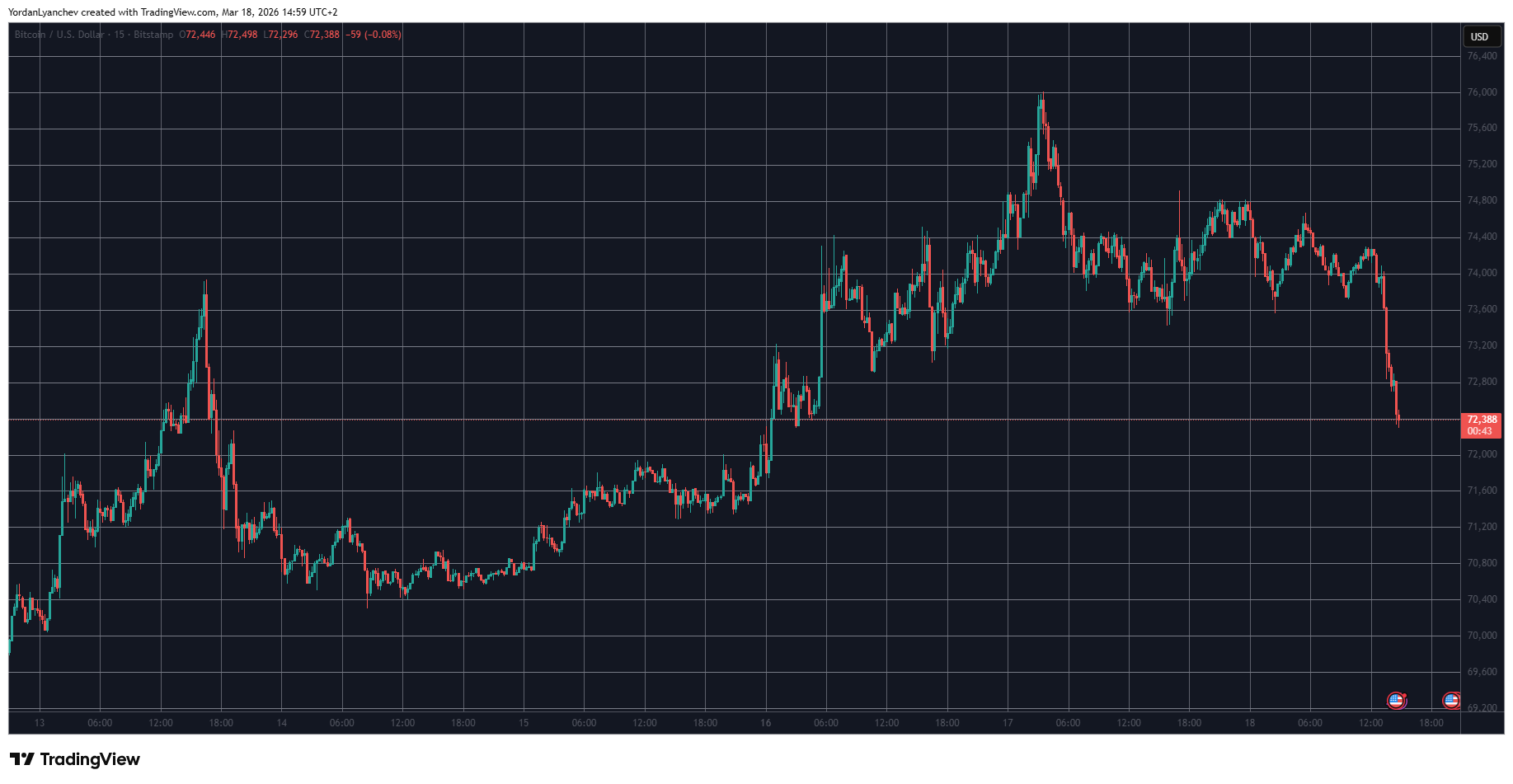
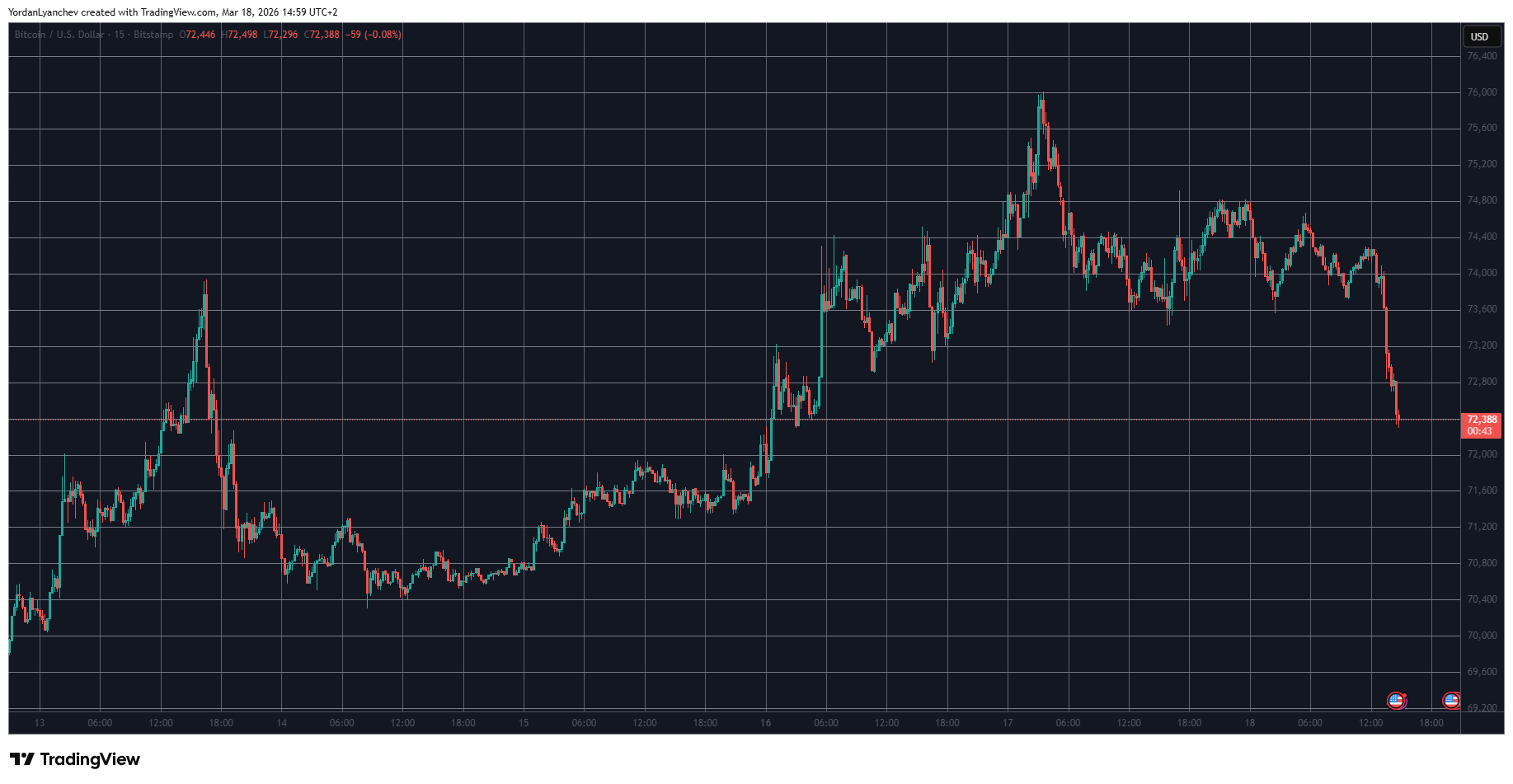
With just hours left until the US Federal Reserve publishes its decision whether it will change in any way the key interest rates, BTC’s price has dived by roughly two grand in minutes, dropping to a multi-day low of under $72,500.
This would be the second-to-last FOMC meeting before the Fed’s chair, Jerome Powell, leaves office as his four-year term expires on May 15.
FOMC Today: What to Expect
The general consensus among experts and prediction platforms is that there will be no changes to the interest rates today. According to most reports, Powell will likely keep them the same, as the war in the Middle East has only increased uncertainty, with gas prices jumping worldwide.
“Heading into the March [Federal Open Market Committee] meeting, the key question for the Fed is how to handle oil price shocks,” wrote Morgan Stanley economists in a recent note as cited by NBC News.
At the same time, economists at UBS reaffirmed the narrative that the Fed will not pivot on its most recent monetary policy. BeiChen Lin, a senior investment strategist at Russell Investments, also believes there won’t be any changes today, but noted that “any hints Chair Powell might drop about the path of future interest rates will be key.”
US President Trump continues to request that Powell cut the rates, which has brought him little to no success over the past several months. It appears he would have to wait for his nominee, Kevin Warsh, to replace Powell in mid-May.
As reported yesterday, the central banks for the UK and the European Union will also have such meetings in the near future, but the landscape in those jurisdictions is rather identical, as the market does not expect any changes.
Bitcoin Slips
Bitcoin became one of the top-performing assets since the war started on February 28, and jumped from a then-low of $63,000 to $76,000 marked yesterday morning. Although it was stopped there, it managed to hold above $74,000 until a few hours ago.
You may also like:
That’s when it started to lose value rapidly, dropping by around two grand in 90-120 minutes. The asset has a long history of reacting with intense volatility to Powell’s speeches, and more fluctuations are expected today, even if the Fed indeed leaves the rates as they are.
Binance Free $600 (CryptoPotato Exclusive): Use this link to register a new account and receive $600 exclusive welcome offer on Binance (full details).
LIMITED OFFER for CryptoPotato readers at Bybit: Use this link to register and open a $500 FREE position on any coin!

The SEC just gave crypto its biggest regulatory green light in years.
Chair Paul Atkins floated a safe harbor exemption on March 18 that lets crypto projects operate without immediate securities registration. It is a direct reversal of the regulation by enforcement era that suffocated US-based development for years.
Token projects now have a compliant runway to decentralize without the threat of an SEC lawsuit hanging over them. For altcoin valuations, that changes the math entirely.x
- Atkins identified four asset categories—digital commodities, collectibles, tools, and payment stablecoins—that are not subject to securities laws.
- The safe harbor proposal offers a specific grace period for projects to reach decentralization without facing enforcement actions.
- Formal rulemaking is expected within weeks to replace temporary staff guidance and solidify these protections.
The Safe Harbor Framework Explained
Atkins is cutting through a decade of deliberate ambiguity.
Speaking at a Digital Chamber event, he laid out a framework that separates capital raising from the underlying asset. Four categories are now explicitly excluded from securities jurisdiction. Digital commodities, digital collectibles, digital tools, and payment stablecoins.
— BSCN (@BSCNews) March 18, 2026
 UPDATE: SEC CHAIR PROPOSES CRYPTO SAFE HARBOR FRAMEWORK
USE SEC Chair, Paul Atkins, has proposed a new regulatory safe harbor for crypto firms in the US.
The framework aims to ease pressure on early-stage projects. It would allow firms to raise capital with fewer… pic.twitter.com/NRTHMyAv0J
For everything that does not fit cleanly into those boxes yet, the safe harbor buys time. Instead of Wells Notices for technically failing the Howey Test during development, projects face purpose-fit disclosures and a transparent path toward decentralization. Build first. Comply as you go.
Custody rules are also getting overhauled. Broker-dealers will be able to hold both crypto assets and traditional securities simultaneously. The special purpose broker-dealer model that no compliant firm could actually use is effectively dead.
Atkins is trying to bring crypto trading back to national securities exchanges and stabilize a market that has been hammered by legal uncertainty for years. Assets like XRP have historically exploded the moment regulatory clouds clear.
Those clouds are clearing fast.
Market Implications for Issuers and Exchanges
The immediate winners are US-based token issuers and exchanges.
Coinbase has operated for years under the threat that any listing could trigger a lawsuit. A formal safe harbor removes that existential risk entirely. That clarity is the missing piece institutional product approvals have been waiting for.
The ETF race is the most direct beneficiary. Solana’s push for a spot ETF has faced headwinds specifically because the SEC previously labeled SOL a security. If SOL lands in the digital commodity or digital tool bucket under Atkins’ new classification, the path to approval gets significantly shorter overnight.
The broader impact is a sector-wide repricing. Token prices have been trading at a discount for years to account for enforcement risk. Remove that discount and valuations adjust upward across the board.
The cost of capital just dropped for the entire industry.
Discover: The best new crypto in the world
The post SEC Chair Paul Atkins Floats ‘Safe Harbor’ Exemptions for Crypto appeared first on Cryptonews.


Opinion by: Vikram Arun, co-founder and CEO of Superform
Crypto cards aren’t the future of payments. They’re a temporary interface for a world that hasn’t fully accepted cryptocurrencies.
They rely on banks as issuers, Visa or Mastercard as gatekeepers, and compliance rules that look exactly like TradFi.
In most cases, crypto is sold into idle USD, the assets stop earning and every swipe creates a taxable event.
That’s not innovation. That’s a debit card with extra steps.
As digital banks built with blockchain rails scale, crypto cards that behave like debit cards will become obsolete, replaced by systems that treat cards as a thin interface on top of robust onchain credit.
The problem with current crypto cards
To understand why this shift is necessary, consider what happens with current crypto cards. When systems force users to liquidate holdings to spend, they reinforce the paradigm crypto was meant to escape: the false choice between liquidity and ownership.
Debit-style crypto cards recreate this same trade-off because they require assets to become spendable balances, which halts yield and makes the system structurally negative-sum without subsidies.
The IRS treats converting cryptocurrency to fiat currency as a taxable disposal, meaning each coffee purchase triggers capital gains reporting and permanently removes assets from productive use. Card issuers typically earn 1% to 3%, plus a flat fee per transaction, from interchange fees. The infrastructure looks decentralized on the surface, but the dependencies run deep.
Onchain credit fixes these issues
Instead of selling assets to spend, onchain credit enables people to deposit yield-bearing assets, open a credit line and spend against it. When people swipe the card, their debt increases, but their assets keep earning. Nothing is sold unless the person fails to repay. If the position falls below governance-defined parameters, liquidation is deterministic and transparent. This shift toward wallet-native credit shows onchain credit moving from concept to practice.
In this model, spending doesn’t reduce ownership; it increases debt. Collateral continues to compound until the credit line is repaid or liquidated. There are no forced conversions and no idle balances. Yield-bearing stablecoins currently offer about 5% yield, and DeFi protocols range from 5% to 12%, depending on demand and token incentives.
Users holding these assets in credit accounts keep earning while maintaining spending power.
Any earning asset can be collateral
This shift from debit to credit fundamentally changes what’s possible. Once credit becomes the primary primitive, the question stops being “what can I spend?” and becomes “what can safely secure my credit?” Eligibility is no longer about whether an asset can be instantly liquidated into cash. It’s about whether it can be priced continuously, risk bounded and unwound deterministically.
This allows productive assets to compete for inclusion. Vault shares, yield-bearing dollars, US Treasury-backed assets and strategy positions are first-class collateral that don’t need to be converted into idle balances. These assets remain productive until liquidation becomes required. When assets keep earning, users don’t have to choose between liquidity and yield, credit lines become cheaper to maintain and protocols earn from management and performance, not interest spreads.
The card is just an interface
The card is not the product. A card is simply a consumer-facing compatibility layer, a thin authorization surface, and not the source of truth. What actually matters is the credit line itself: the ability to price a user’s onchain balance sheet and decide, in real time, whether a spend should be allowed.
Related: Visa crypto card spending soars 525 percent in 2025
Cards serve merchants and consumers. Once credit is the primitive, however, interfaces become interchangeable. Software and autonomous agents can already request payment programmatically. Whether through cards or APIs, the underlying question is the same: Is this spend authorized against the user’s credit?
If credit logic lives within the card, people remain locked into interchange fee structures, closed payment rails and rigid KYC requirements. If credit lives onchain, cards become optional. Collateral stays in user-controlled accounts, spending is authorized in real time and liquidation is deterministic.
Managing risk through transparency
Of course, this system raises questions about safety. The most immediate objection is volatility. If collateral can fluctuate in value, what protects people from being liquidated while they are buying groceries?
Governance sets conservative loan-to-value ratios in advance, ensuring users can only borrow against a fraction of their collateral. As collateral earns yield, this buffer grows automatically. Pricing happens continuously, not at arbitrary intervals, and liquidation triggers are transparent from the beginning.
Traditional credit obscures risk through adjustable interest rates, surprise fees and terms buried in legal documents. Onchain credit makes risk explicit. Governance-set parameters mean the community decides what’s acceptable, not a bank’s risk committee behind closed doors.
The path forward
The answer to managing this risk lies in how the system is governed. Governance controls which assets can be used as collateral, how they’re priced, acceptable risk levels and when liquidations occur. People opt in by depositing collateral, and from that point on, the protocol enforces the rules without blanket access to funds or quietly changed parameters.
Crypto cards will not disappear because they failed. They will disappear because they succeeded by bridging crypto into a world that still runs on legacy rails. As wallets improve and crypto-native payments become standard, spending won’t require banks, issuers or card networks at all. Interfaces will change. Payment rails will evolve. But onchain credit will remain: the ability to spend without selling, to keep assets productive and to enforce risk transparently.
Cards are an interface. Credit is the system.
Opinion by: Vikram Arun, co-founder and CEO of Superform.
This opinion article presents the author’s expert view, and it may not reflect the views of Cointelegraph.com. This content has undergone editorial review to ensure clarity and relevance. Cointelegraph remains committed to transparent reporting and upholding the highest standards of journalism. Readers are encouraged to conduct their own research before taking any actions related to the company.
Crypto World
Executive turnover clouds crypto payments firm RedotPay’s $4 billion U.S. IPO ambitions


RedotPay, a Hong Kong-based stablecoin payments startup, is facing internal strain and executive turnover as it seeks up to $150 million in fresh funding and works toward a U.S. IPO that could value the company at more than $4 billion.
Those ambitions are being clouded by executive turnover. At least five senior hires left within 12 months, and the company is pursuing its listing plans without a chief financial officer. Staff, according to a Bloomberg report, have often been asked to work late for extended periods.
The fundraising talks come only months after RedotPay raised more than $150 million across two rounds in September and December. It remains open to strategic investors, but does not face pressure to raise funds because of strong cash flow, Bloomberg said.
The company has grown fast. Investor materials show annualized payment volume passed $10 billion in December, while revenue doubled to $158 million. RedotPay says it now serves more than 6 million users in over 100 countries.
Its main product is a stablecoin payments app linked to a Visa card. Users can store stablecoins in the app and spend them at merchants or online, while the platform also offers remittance services and yield on some holdings.
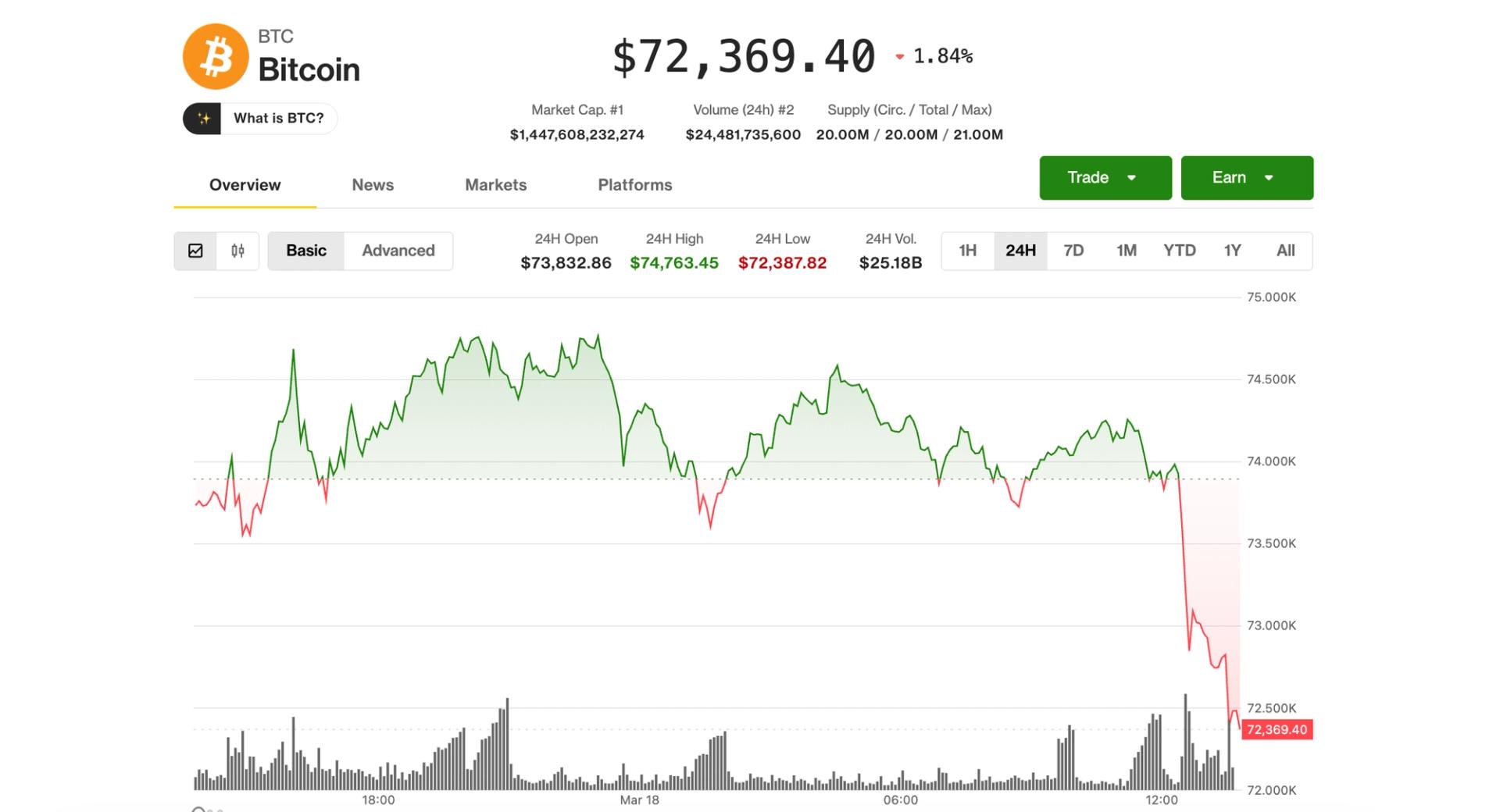
Quiet bitcoin price action in the $74,000 area was shattered Wednesday morning on reports of military escalation in Iran and then February inflation data that came in far stronger than expected.
The declines started as U.S. President Donald Trump struck a more aggressive tone on Iran, suggesting further escalation in a series of Truth Social posts and calling the country the “NUMBER ONE STATE SPONSOR OF TERROR.”
Alongside, Iran’s state TV reported that part of that country’s South Pars gas field was attacked.
This followed reports that Israel killed Iran’s Intelligence Minister Esmail Khatib, while the U.S. deployed 5,000-pound bunker-buster bombs targeting missile sites near the Strait of Hormuz, a key route for global oil flows.
That news combined to send the price of WTI crude oil from as low as $92 per barrel overnight to nearly $96.
Minutes later, the U.S. Producer Price Index for February rose 0.7% versus just 0.3% expected and up from January’s 0.5%. The core PPI rose 0.5% versus 0.3% expected, though down from January’s 0.8%. Importantly, the disturbing inflation data is from prior to the attacks against Iran and the subsequent sharp rise in the price of oil.
The data complicates the outlook for rate cuts, especially with oil prices still elevated, and is weighing on risk assets ahead of the U.S. stock market open.
Bitcoin has now fallen to $72,300, down 2% over the past 24 hours. Declines for ether (ETH), solana (SOL) and XRP (XRP) are closer to 3%. U.S. stock index futures have swung from solid gains to declines of about 0.4% across the board.
Fed comes later
Later in the day, the U.S. Federal Reserve is widely expected to hold rates steady, shifting the focus to Chair Jerome Powell’s messaging and how policymakers interpret the recent mix of growth risks and inflation pressures. Trump once again renewed calls for rate cuts in a Wednesday post, adding a political dimension to the meeting.
The effort involves eight cryptocurrencies and will take place at the start of April.
Binance revealed it will terminate all trading services for certain cryptocurrencies.
Somewhat expected, the tokens included in the effort nosedived by double digits immediately after the disclosure.
The Latest Announcement
Even though Binance supports a wide range of cryptocurrencies, their presence on the platform isn’t guaranteed forever and depends on factors such as trading volume, liquidity, network security, public communication, team commitment, and more.
Following its most recent review, the exchange decided to delist the altcoins Arena-Z (A2Z), Ampleforth Governance Token (FORTH), Hooked Protocol (HOOK), Loopring (LRC), IDEX (IDEX), Neutron (NTRN), Solar (SXP), and Radiant Capital (RDNT). The effort will take place on April 1 and will lead to the removal of spot trading pairs involving the aforementioned tokens. Meanwhile, Binance Spot Copy Trading will delist those assets on March 25.
“After this time, any outstanding assets will be force-sold at market price or moved to the Spot Account if the amount is unsellable. Users are strongly advised to update or cancel their Spot Copy Trading portfolios prior to Binance Spot Copy Trading delisting time to avoid potential losses,” the company warned.
Deposits of these tokens will not be credited to users’ accounts after April 2, while withdrawals won’t be supported after June 1. Delisted cryptocurrencies may be converted into stablecoins on behalf of customers after June 2, Binance clarified.
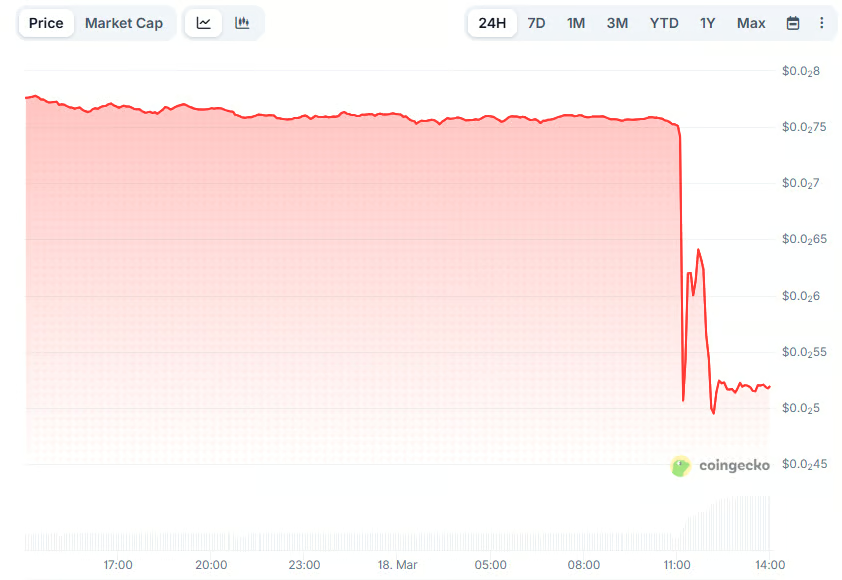
Such announcements usually trigger negative price reactions for the affected assets. After all, losing Binance support damages a coin’s reputation, reduces its liquidity, and limits its accessibility. Such was the case here as all of the involved altcoins headed south by double digits. IDEX was the biggest loser, with its valuation collapsing by 33% on a daily scale.
- IDEX Price, Source: CoinGecko
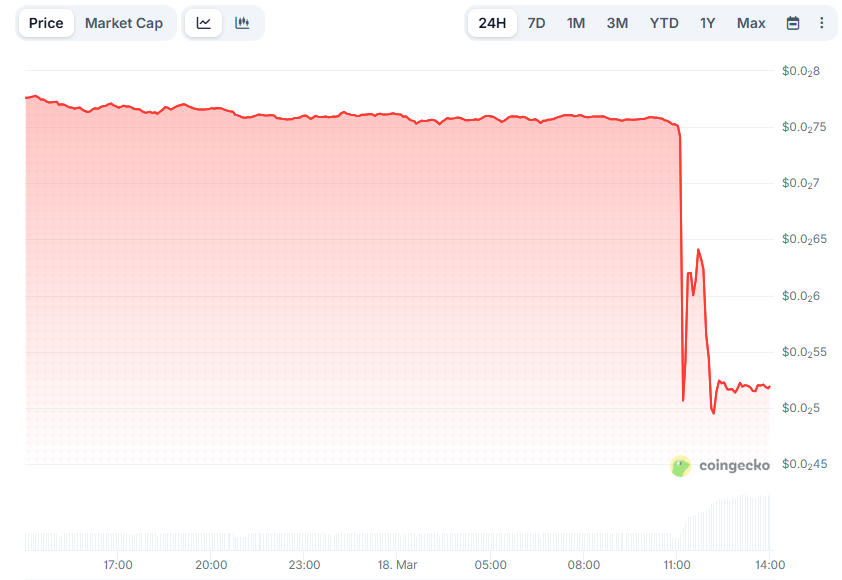
A similar thing was observed last week when Binance removed 21 cryptocurrencies, including WorldShards (SHARD), Alliance Games (COA), BNB Card (BNB Card), MilkyWay (MILK), Hyperbot (BOT), and others. Some of the assets saw their prices crash by an astonishing 70-80% shortly after the news broke.
You may also like:
The Opposite Effect
On the contrary, backing from Binance typically has quite a positive price effect on the involved cryptocurrencies. Earlier this week, the exchange introduced the trading pairs CFG/USDT, CFG/USDC, and CFG/TRY, causing CFG’s valuation to surge 60% within minutes.
At the start of 2026, the lesser-known digital assets Moonbirbs (BIRB) and ETHGas (GWEI) also posted substantial gains after Binance launched the BIRB/USDT and GWEI/USDT perpetual contracts with up to 50x leverage.
Binance Free $600 (CryptoPotato Exclusive): Use this link to register a new account and receive $600 exclusive welcome offer on Binance (full details).
LIMITED OFFER for CryptoPotato readers at Bybit: Use this link to register and open a $500 FREE position on any coin!


Australians are increasingly using cryptocurrency for day-to-day payments, even as banking restrictions continue to hamper access to the ecosystem.
Summary
- Crypto payments in Australia doubled to 12% in 2026 as more users turn to digital assets for everyday spending, led by online shopping and service payments.
- Nearly 30% of investors reported bank delays or blocks when transferring funds to crypto exchanges, up from 19.3% in 2025.
A recent survey by crypto exchange Independent Reserve, which polled 2,000 “everyday Australians” between Jan. 12 and Jan. 30, found that the share of users paying with crypto has doubled from 6% to 12% compared to the previous year.
According to the report, one in three Australians now own cryptocurrencies in 2026 and are viewing digital assets as more than just a speculative investment, with growing interest in real-world utility.
Nearly 21% of respondents reported using crypto for online shopping, making it the leading use case. It was followed by other applications such as freelancing payments and video game purchases, which accounted for 16%.
However, even as demand continues to build, banking-related issues remain a persistent challenge for users trying to access crypto services.
Among the respondents, nearly 30% said their bank had blocked or delayed a payment to a crypto exchange at least once. That figure marks a notable increase from 19.3% reported in 2025.
Such delays stem from tighter banking controls introduced in recent years, when several major institutions such as Commonwealth Bank and National Australia Bank rolled out measures including payment delays, transfer caps, and additional identity checks for crypto-related transactions.
“For many Australians, the lack of regulation hits home when a payment to a crypto exchange is delayed or blocked, an issue that has continued to rise for another year,” the report said, adding that “clear licensing and regulation can help fix this.”
Australian regulators are still undecided
Australia is still lagging behind other major economies in establishing formal legislation to effectively regulate the crypto sector.
So far, the federal government has primarily focused on a token mapping exercise and public consultations, while the Treasury continues to refine its proposed framework for digital asset service providers.
Earlier this week, Australia’s Senate Economics Legislation Committee said it was considering a new bill that would require crypto exchanges and tokenization platforms to operate under the country’s existing financial services framework.

Why You Shouldn’t Cut Hedges From March-September In The UK

Kraken Pro expands margin trading to 44 pairs in largest leverage expansion: Kraken

Paula White-Cain is awful and deranged


-
 Crypto World4 days ago
HYPE Token Enters Net Deflation as HyperCore Buybacks Outpace Staking Rewards
-

 Fashion5 days ago
Weekend Open Thread: Addict Lip Glow
-

 Tech3 days ago
Your Legally Registered ‘Motorcycle’ Might Not Count Under Proposed US Law
-
Sports4 days ago
Why Duke and Michigan Are Dead Even Entering Selection Sunday
-

 Sports7 days ago
PWHL, Senators discussing plan to keep Charge in Ottawa
-

 NewsBeat7 days ago
Residents reaction as Shildon murder probe enters second day
-

 Business3 days ago
Search for Savannah Guthrie’s Mother Enters Seventh Week with No Arrests
-

 Business4 days ago
US Airports Launch Donation Drives for Unpaid TSA Workers as Partial Government Shutdown Enters Fifth Week
-
 Tech20 hours ago
Are Split Spacebars the Next Big Gaming Keyboard Trend?
-
Crypto World4 days ago
Coinbase and Bybit in Investment Talks: Could Bybit Finally Enter the US Crypto Market?
-

 NewsBeat7 days ago
I Entered The Manosphere. Nothing Could Prepare Me For What I Found.
-

 Business4 days ago
Country star Brantley Gilbert enters growing non-alcoholic beer market
-

 Business2 days ago
Australian shares drop as Iran war enters third week
-

 Crypto World2 days ago
Crypto Lender BlockFills Enters Chapter 11 with Up to $500M in Liabilities
-

 Sports5 days ago
College Basketball Best Bets: Conference Tournament Semifinal Picks
-

 Politics4 hours ago
The House | The new register to protect children from their abusers shows Parliament at its best
-
 Crypto World6 days ago
Three Binance Charts May Be Hinting at Bitcoin’s Next Move
-
 Business6 days ago
Trump demands Powell cut rates as Iran conflict raises energy prices
-

 Crypto World6 days ago
Senate Votes to Include CBDC Ban in Bipartisan Housing Bill
-

 Fashion2 days ago
25 Celebrities with Curly Hair That Are Naturally Beautiful


You must be logged in to post a comment Login