
Entertainment
Beyond the Gates Weekly Spoilers Feb 23-27: Kat Loses All Control & June Reveals Explosive Secret

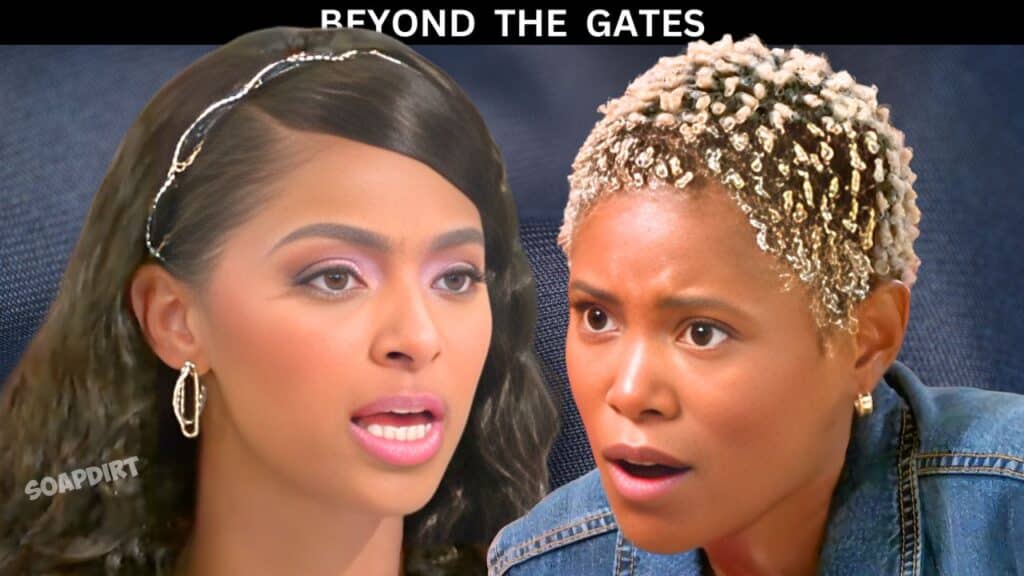
Beyond the Gates spoilers for Feb 23-27, 2026are seeing Katherine “Kat” Richardson (Colby Muhammad) reaching an absolute breaking point—honestly, she’s looking a bit unhinged—and June (Jasmine Burke) is about to spill some major tea that could bring down a whole house of cards. Plus, Anita Dupree (Tamara Tunie) takes her health crisis to the national stage.
Beyond the Gates Spoilers: Katherine “Kat” Richardson Reaches Her Breaking Point and Snaps Over Clinic Drama
First off, let’s talk about Kat. Kat has been under so much pressure lately, and this week, it looks like she finally snaps. Spoilers for Wednesday and Thursday show her locking horns with Dana “Leslie” Thomas (Trisha Mann-Grant) and Eva Thomas (Ambyr Michelle) over the clinic.
Kat is trying to protect her legacy, but Leslie is just relentless. By Thursday, things take a darker turn when Kat gets some news about Laura Peterson’s (Destiny Love) unsolved accident from a year ago.
This news sends her into a tailspin, and she is absolutely set off. We’re hearing that her confrontation with Leslie and Eva is going to escalate on Friday to a point of no return. Kat is usually the composed one, but she is officially unhinged this week.
BTG Spoilers: June Spills the Tea: The Truth About Hayley Lawson’s Ring Exposed
Now, over at Orphey Genes June is playing a very integral role. We know June sees and hears everything as a server, and this time, her observation skills are going to be a total game-changer.
She noticed Lynette Wise (Domini Madison) flashing that ring around—the one that actually belongs to Hayley Lawson (Marquita Goings). On Monday, June gives Joey Armstrong (Jon Lindstrom) a valuable tip about that ring. This is the big spill everyone has been waiting for.
With Joey getting this intel, the net is finally tightening around Hayley’s mugger, and it looks like Lynette, Hayley, and Randy Parker’s (Maurice P. Kerry) little scheme is starting to crumble.
Beyond the Gates Spoilers: Anita Dupree Goes Public with Cancer Diagnosis on the Gayle King Show
Speaking of big moves, Anita makes a massive decision this week. On Monday, she decides to go public with her cancer diagnosis, and she’s doing it in a big way—appearing on the Gayle King Show.
Yes, we’ve got Gayle King guest starring as herself! By Thursday, Anita’s televised interview turns into a citywide call to action. It’s a huge moment for the Dupree matriarch, but you have to wonder how the rest of the family—and her enemies—are going to react to her being so vulnerable in the spotlight.
BTG Spoilers: Samantha Richardson Faces a Difficult Choice Between the Clinic and High Society
Elsewhere in Fairmont Crest, Samantha Richardson (Najah Jackson) is struggling. She’s trying to balance school, the debutante ball, and her work at the clinic. It’s a lot for anyone, and she’s reaching her limit.
Luckily, June is there for her too, offering some sage wisdom to help her figure out where her heart truly lies. It’s looking more and more like the clinic is going to be her main focus, despite Leslie’s efforts to push her out.
Joey’s Shocking Escape and More Beyond the Gates Spoilers for the Week
We’ve also got Joey orchestrating a shocking escape on Tuesday, while Bill Hamilton (Timon Kyle Durrett) gets some intel that leaves him absolutely enraged. And keep an eye out for Jacob Hawthorne (Jibre Hordges), who runs into a familiar face while working undercover on Wednesday.
It is going to be a wild week on Beyond the Gates. Who do you think Izaiah Hawthorne (David Lami Friebe) is meeting with on Friday? And is Kat finally going to take Leslie down, or is she just going to destroy herself in the process?

Continue Reading

General Hospital puts Jordan Ashford (Tanisha Harper) fighting for her life after her horrific car crash. And we still don’t know exactly who caused the wreck. And there’s just details that are lacking. There are several people who were on the road and may have played a role in causing this accident.
We’re going to talk about who may be at fault for sending Curtis Ashford (Donnell Turner) and Jordan off the road and into that guard rail. Alright, let’s dive into who is at fault for this terrible wreck.
Jordan and Curtis’ Horrific Crash on General Hospital
All right. So, this week we saw Jordan and Curtis Ashford headed out for a romantic evening when things took a scary turn and they wound up in the same lane as an oncoming car and Jordan yanked the wheel and then they ran into the guardrail and sparks were flying and it was catastrophic. Airbags, all that stuff. Along with Jordan and Curtis, there were three other cars on the road that night that we know of and possibly more than that. And any of them could have played a role in this crash.
So, if you’re keeping track, Brook Lynn Quartermaine (Amanda Setton) was on the road heading to Charlie’s to see Gio. Isaiah Gannon (Sawandi Wilson) was on the way to Lulu Spencer‘s (Alexa Havins) house to see Rocco Falconeri and loved up cousins Charlotte Cassadine (Bluesy Burke) and Danny Morgan (Asher Antonyzyn) were out for a teen joy ride.
So far, it’s unclear who was the other car that was involved in Jordan and Curtis’s crash, and there might have been more than two cars at play. The worst part is, no matter who is at fault, no other cars stopped and checked to see if Jordan and Curtis were all right. They just kept driving for whatever reason until, of course, Valentin Cassadine (James Patrick Stuart) and Carly Spencer (Laura Wright) rolled up on the wreck.
Was Brook Lynn Involved on GH?
And right now, Brook Lynn and Isaiah are both looking a little sketchy. But one person in particular who stands out to many fans is Brook Lynn. Before she drove, she and Lucy Coe (Lynn Herring) were having a glass of wine at the Quartermaine Mansion. They were catching up on Sidwell (Carlo Rota) chatter. And then Dante Falconeri (Dominic Zamprogna) called to tell Brook Lynn that their son Gio was playing guitar at the Charlie’s reopening. And Dante said Brook Lynn should hurry and get down there to see Gio. So Brook Lynn put down her wine glass and rushed out.
Now, when Tracy Quartermaine (Jane Elliot) was looking at the bottle later, there was about half of it left. So, she and Lucy each had about a glass of wine each. That’s not a terrible amount of alcohol, but it is enough to impair judgment and slow reaction time while you’re driving, but that’s not what really stands out about Brook Lynn to fans. It was her behavior at Charlie’s after that that had people wondering because Brook Lynn seemed off. Dante noticed it and certainly viewers noticed it.
BLQ Looks Guilty on General Hospital
Brook Lynn was giving off what many are calling guilty vibes. And of course, she’s a good person, and you’d think that she would stop if she had caused Jordan’s car accident, but maybe Brook Lynn panicked. Plus, she was in a rush, and she desperately wanted to see Gio and maybe didn’t realize how bad the accident was.
But regardless, if Brook Lynn caused the wreck or she witnessed it, obviously, she should have stopped. And we know now that Jordan is certainly not okay. She is in really rough shape. She has one kidney anyway, which isn’t, you know, as many as you need.
And that one is bleeding. And she is now in emergency surgery. Things look dire. So, it is possible that BLQ could be the other driver involved and is responsible, at least in part, for this terrible thing that has happened to Jordan.
Could Isaiah Be At Fault on GH?
But there are other possible culprits to talk about. Next, let’s talk about Isaiah. So, he was on his way over to Lulu’s to check on Rocco Falconeri’s infected hand that was bad. It was a staph infection. You know, it looked bad and he had a fever.
And of course, Lulu didn’t want to take Rocco to GH because Lulu doesn’t want anybody to see the wound or they may realize it is from a gun. So, Isaiah was rushing to get to Rocco and Lulu so he could hurry back to pregnant Portia Robinson (Brook Kerr) who was waiting at the cabin.
And when Isaiah did get back to Portia at the cabin, she asked where he was because she called GH and he wasn’t there and he said it was a private client and still it seemed like he was gone maybe a little longer than he should have been. And then Trina Robinson (Tabyana Ali) called Portia to tell her about the accident.
And she told Isaiah that things don’t look good for Jordan. And Portia mentioned that car accidents can be unpredictable. So, it could easily have been him. He was right there along that same stretch of road. And Isaiah kind of had this reaction. He was staring off into space. And honestly, he seemed a little rattled.

Isaiah Seems Shook on General Hospital
So, we had Brook Lynn looking dodgy on one episode and then we had Isaiah seeming a little rattled on another. So, it’s possible he was the other car involved with Jordan’s. Now, Isaiah is a doctor. He is also a good person and of course wouldn’t leave the scene of an accident knowingly, but maybe he was distracted because he was in a rush and he didn’t realize the other car ran into the guardrail and it was so serious.
Now, I don’t think Isaiah would have driven by if he realized there was a car crash, whether he was involved with Jordan’s wreck or not. And of course, things turn near fatal with the gas leak and Curtis struggling to get her door pried open. So, we have to say Isaiah is a possible other culprit.
Charlotte and Danny Suspicious
Next, of course, we got Charlotte and Danny. Those two seem suspicious from the start because they lied when they called Carly and said they had car trouble. I mean, I guess smashing your car is a form of trouble. That is definitely suspicious. And Danny said he was driving, but maybe that was to protect Charlotte on General Hospital.
If you remember, she told Alexis Davis (Nancy Lee Grahn) the other day that she’s a really safe driver. But if Charlotte and Danny were playing loud music or they were flirting, they might have been distracted. And Carly flat out asked if they caused the accident Jordan was in, but really didn’t get an answer to that.
Did Sidwell Order The Hit on GH?
So, if it was BLQ or Isaiah or Danny and Charlotte, the crash obviously wasn’t intentional. But there’s a couple of other things to consider. One is that Jenz Sidwell (Carlo Rota) might have sent somebody out to run Jordan off the road. If he found out she was planning to use his grief over Marco Rios‘s (Adrian Anchondo) death as an opportunity to take him down, Sidwell might have had her run off the road.
Plus, he threatened Jordan the other day about Marco’s investigation, and he might have had her followed, and then somebody overheard her talking and Sidwell may have realized that she’s been disloyal this whole time. That would definitely get her marked for death.
Jordan Shares Some Blame Too
And one last thing to consider is this. Jordan herself was clearly a contributor to this car crash. She was not driving carefully. She and Curtis were flirting, gazing at each other, and smooching. That is not good driving. Your eyes belong on the road.
Yet, Jordan kept glancing over at Curtis and he was being very distracting. So, he’s got some culpability, too. He was playing with her thigh and then both thought it was a good idea to kiss while she’s driving down this windy road. So, I do think Jordan and Curtis share some blame out of sheer carelessness.
Things do not look good for Jordan. So, we’ll see if she survives this ordeal. We may not find out until next week if Curtis’ lovely lady lives or dies. And I’m guessing the identity of the other driver stays hidden until later this month, closer to May sweeps, but we’ll see.
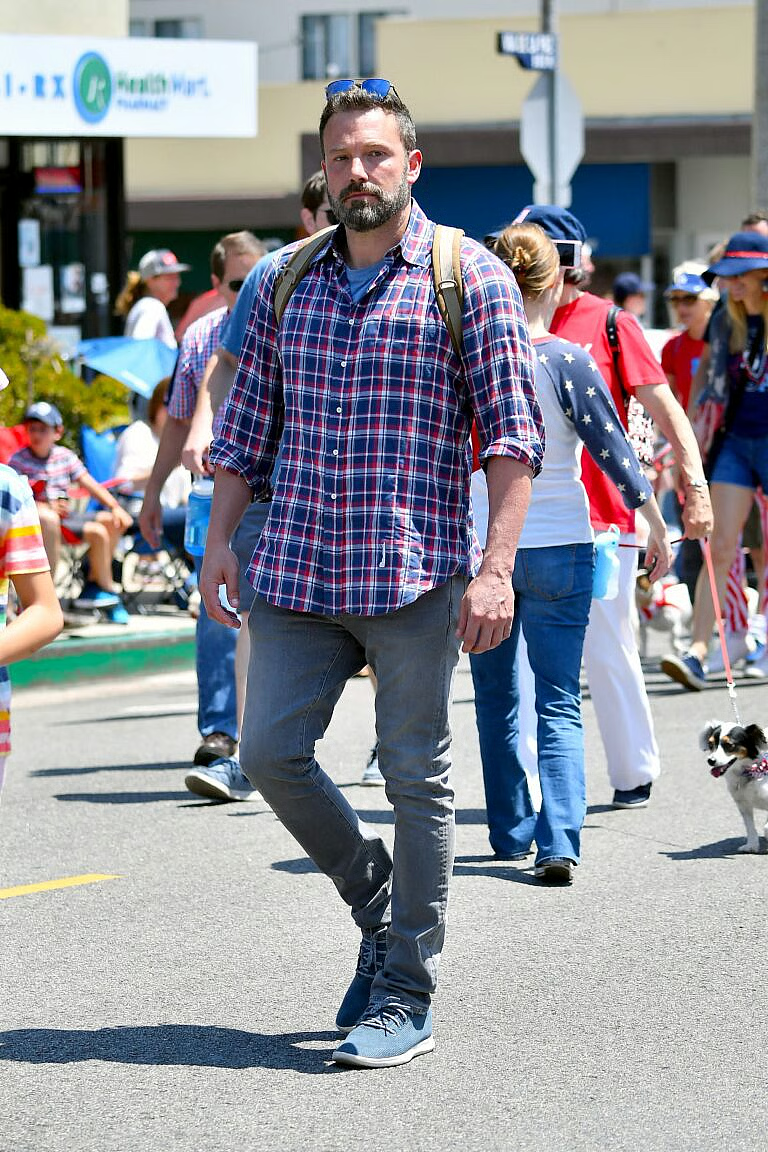
In a twist straight out of a Hollywood script, Ben Affleck has reportedly walked away from tens of millions of dollars, a move that will surely stun many fans.
What started as a luxury love nest has now become the centerpiece of one of the most surprising post-divorce developments, raising eyebrows across the entertainment world and sparking speculation about his motives.
Ben Affleck’s Jaw-Dropping Mansion Decision

The story sounds almost unbelievable at first glance.
According to TMZ, Ben Affleck “handed over his entire interest in the $60 million mansion he bought with then-wife Jennifer Lopez.”
This means the actor freely let go of tens of millions of dollars.
The revelation quickly sent shockwaves through celebrity circles, with many questioning why the Oscar-winning actor would willingly part with such a massive financial stake.
The property, once a symbol of their rekindled romance, has now become a headline-making asset in their split.
Legal Documents Reveal Ben Affleck’s Full Transfer

Court filings appear to confirm the surprising move. Documents obtained by TMZ show that the former couple amended their settlement agreement, referencing a “transfer of property among spouses.”
However, what truly stunned insiders was the reported detail behind the paperwork.
Sources cited by the outlet claim, “Ben GAVE Jen his entire stake in the property — FOR FREE!!!”
While the legal language may seem routine, the implications are anything but.
Giving up ownership of a multimillion-dollar estate without compensation is far from typical, especially in high-profile celebrity divorces where every asset is usually fiercely negotiated.
A Mansion That Refused To Sell

The lavish estate itself has had a rocky journey. When the couple purchased the property in May 2023, they paid a staggering $60,850,000 in cash and reportedly invested millions more into upgrades.
Despite its opulence, the mansion has struggled to find a buyer. It was first listed publicly in July 2024, just weeks before their split became official, but has lingered on the market ever since.
The initial asking price of $68 million was later slashed to $52 million, yet interest has remained surprisingly low.
For now, the sprawling property remains in Jennifer Lopez’s hands, as she continues renovations on another home she recently acquired.
Many observers believe Ben Affleck’s financial position may help explain his unexpected generosity.
The actor reportedly struck gold with the sale of his artificial intelligence venture, InterPositive, to Netflix for a reported $600 million.
With that kind of windfall, walking away from a portion of real estate, even one worth tens of millions, may not carry the same weight.
Still, the move has left fans divided.
Fans React To Ben Affleck’s Free Gift To Jennifer Lopez

Several fans have taken to Reddit to share their thoughts on Affleck’s reported move.
Reacting to the TMZ report, one fan shared that Affleck’s move might have been his way of letting go of the property after several failed attempts to sell it.
They wrote, “Article mentions they’ve been trying to sell the house publicly since July 2024, a month before they filed. He probably just wants to get rid of it at this point.”
Another person noted that Affleck was trying to “clean up his image” with the move. They wrote, “He’s trying to clean up his image. Needs to cut ties with his toxic pattern of women. It’s also why he ignored Blake Lively’s emails for help taking over a movie. He’s trying to move on.”
The Redditor added, “Dude has gone out of his way to make his life hard. When you struggle with addiction and questionable morals, it’s hard to not let that ruin your life completely. Ben needs to clean up his image and change his patterns or he will keep digging his hole. His kids will thank him for it.”
Meanwhile, a third person urged another actor involved in a bitter divorce to take notes from Affleck. They wrote, “Could Brad Pitt take notes? Because while Ben may not know how to stay married, he is sooo fucking good at getting divorced.”
Jennifer Lopez’s Reaction To A Fan Named Ben

While the financial headlines dominate, Lopez’s personal journey since the split has also captured attention.
As The Blast reported, the singer and actress recently made waves during a Las Vegas performance when she had a playful moment with a fan named Ben.
As the crowd cheered, Lopez joked, “Can we bring him up here? Yes, you.”
Moments later, she added, “Oh yes, look at this guy, we’re gonna take him for everything that he’s got,” before asking his name.
When the fan replied “Ben,” her reaction was immediate and telling, an audible, “ugh,” followed by laughter that quickly went viral online.
:max_bytes(150000):strip_icc():format(jpeg)/Ferris-Buellers-Day-Off-Matthew-Broderick-2-033126-b0b29b885bbe4da9b4e905278207a813.jpg)
Author Jason Klamm tackles a key question about the beloved 1986 John Hughes film.
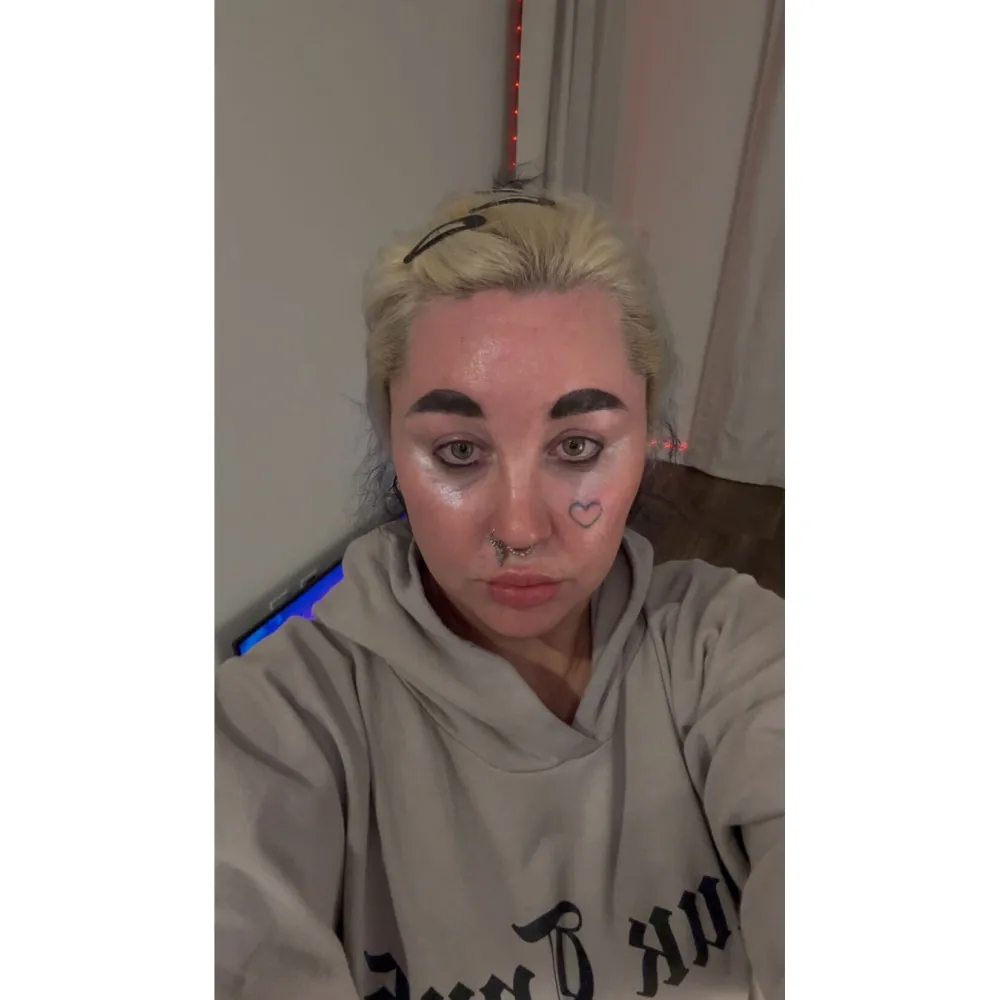
Amanda Bynes has flipped the script on her career, trading in potential movie roles for melodies.
The former actress, 40, dropped a new single called “Girlfriend” on Friday, April 10, a track that “blends melodic rap with EDM-inspired production, creating a catchy, high-replay record with a smooth West Coast bounce,” her label, Create Music Group, told Us Weekly.
“Built around a strong hook and confident, flirt-heavy energy, [the song is] designed for repeat listens and wide playlist appeal,” her label shared in a statement to Us. “Featuring [hip-hop artist] Fenix Flexin, it taps into a familiar L.A. sound while staying fresh and accessible.”
Bynes, whose label has worked with various chart-topping performers including Jason Derulo, Keri Hilson and Deadmau5, also told Us, “My inspo was a lot of EDM [electronic dance music] as well as rap.”

Amanda Bynes. Courtesy of Amanda Bynes
In February, Bynes teased her collaboration with Flexin, 30, hinting the song would be “straight fire” while showing off the sparkling bling on his wrist in a clip captured in a music studio.
The child star, who notably rose to fame on Nickelodeon’s All That before starring on The Amanda Show, previously released a song called “Diamonds” alongside her now-ex fiancé Paul Michael back in 2021.
“Diamonds, diamonds, diamonds on my neck, on my wrist,” she rapped in one verse.

Amanda Bynes has changed a lot since she first rose to fame as a cast member on Nickelodeon’s All That. In honor of her 28th birthday, look back at her evolution from child actress to troubled starlet to fashion school student
Bynes also released “Fairfax” with her former flame in 2022, prior to the couple’s split that year after an on-and-off relationship.
Before venturing into the music world, Bynes spoke about leaving behind her acting career in November 2018, revealing watching her role in Easy A was the catalyst.
“I literally couldn’t stand my appearance in that movie and I didn’t like my performance,” she told Paper Magazine. “I was absolutely convinced I needed to stop acting after seeing it. I was high on marijuana when I saw that but for some reason it really started to affect me.”
She added, “I have no fear of the future. I’ve been through the worst and came out the other end and survived it so I just feel like it’s only up from here.”


The following year, Bynes graduated from Los Angeles’ Fashion Institute of Design and Merchandising.

From the Repair Man (man man man) to Lester Oakes Construction Worker and everyone in between, the characters of All That are etched into the minds of ’90s kids everywhere. Nickelodeon’s half-hour sketch comedy show originally ran from 1994 to 2000, spawning spinoffs like Kenan & Kel and The Amanda Show and becoming the signature […]
She pursued her next venture with the launch of “Amanda Bynes & Paul Sieminski: The Podcast” in 2023, which she paused soon after its debut. Bynes also featured multiple pieces of her original artwork during a pop-up event in December 2024 before joining OnlyFans in April 2025.
“I’m on onlyfans now!” Bynes wrote via Instagram Stories at the time, setting her subscription fee to $50 a month. “Disclaimer: I’m doing onlyfans to chat with my fans through dm’s. I won’t be posting any sleazy content. Excited to join.”

“Summer House” star Amanda Batula is finally breaking her silence after confirming her romantic involvement with West Wilson, who had previously been involved with their friend and co-star, Ciara Miller. This comes after many in the Bravo universe have weighed in, including Andy Cohen and “Real Housewives of Beverly Hills” alum Garcelle Beauvais.
Amanda Batula Opens Up

Batula took to her Instagram Stories on April 10 to break her silence amid the scandal involving her relationship with Wilson. The 34-year-old did so by posting a picture of a sleeping puppy with a lengthy text overlay.

She began, “Hi guys, I’ll keep this short and sweet. I’ve obviously been MIA, but I wanted to come back on and say that I’m truly sorry to everyone I’ve disappointed and hurt.”
The “Summer House” star continued, “Especially those I know personally who I’ve reached out to individually.”
Amanda Also Mentioned Her Mental Health

Batula went on to discuss her life moving forward as well as her mental health. She said in the post, “For the sake of my mental health, I’m going to try to start living life with some sense of normalcy. If you see me out or posting online, please know that this still weighs very heavily on me.”
She continued, seemingly trying to take some accountability, “I’m not ignoring what’s happened or what’s unfolded.” After that, Batula confirmed that she will be at the “Summer House” season 10 reunion. According to her, “[I] will be addressing any and all questions honestly and directly there.”
Fans Aren’t Buying What Amanda Batula Said

Following Batula’s social media post, many fans have shared their reactions. Overall, many found her statement to be vague, and some called her out for not taking accountability for the harm that Miller has faced due to the affair with Wilson.
One person wrote, “She should mention Ciara and stop being vague.” Another “Summer House” fan said, “Translation: I did a sh-tty thing because I wanted to. Don’t at me because my mental health is fragile and I shouldn’t be held accountable for how my actions hurt others.”
Another person said, “Bad people will always use the dog to shoulder part of the burden of responsibility they don’t want to hold.”
There Have Been Many Reactions To Amanda & West

Batula and Wilson released a joint statement on Instagram on March 31, saying they had been romantically involved after several weeks of speculation. Following that, there have been many reactions, especially given the fact that Batula is friends with Miller.
Per Bravo, Cohen reacted on “Radio Andy.” He said, “I will say that I saw a lot of conspiracy theories online yesterday that I somehow knew about this. I did not. I have so many questions, and the reunion is coming up. And, boy, do I have a lot of questions.”
He added, “I do think it’s worth reminding everybody, all the passionate fans of the show, that these are real people involved. Just know these are real people who are dealing with a lot.”
Additionally, Beauvais recently spoke to E! News and gave her reaction. She stated that while she doesn’t watch “Summer House,” she was aware of the scandal.
Regarding her take, Beauvais said, “Girl code, girl code, girl code. Period.” She also said she’s on Miller’s side, stating, “I don’t know her…but just being a girl, and having girl code, yeah. And [Ciara’s] beautiful, she’s going to be just fine. I just want her to get the treatment as you know who.”
Beauvais seemed to be referring to Ariana Madix, who two Bravo co-stars also wronged. She went on to host “Love Island USA” and to star on Broadway in “Chicago.”
Ciara Miller Reportedly Learned About The Relationship Earlier

According to TMZ, Miller gained knowledge of the affair between Wilson and Batula after obtaining a video showing them being intimate in his apartment. According to the report, neither of the two was aware they were being filmed.
An insider also told the outlet that Batula sent Miller a text at some point in March, claiming that she never intended to cause harm with the affair. Additionally, she told her friend that she wanted to sort things out with Wilson before discussing their romance.
It’s unclear who sent Miller the alleged video footage of Batula and Wilson, or whether she informed anyone else about it. The “Summer House” season 10 reunion will be filmed in April 2026.
:max_bytes(150000):strip_icc():format(jpeg)/Lily-Collins-3-081925-b26144bc390044099c17593348833073.jpg)
Grab your passport and pack your bags! The Netflix series has already been to Paris, Rome, and San Tropez.
:max_bytes(150000):strip_icc():format(jpeg)/Christopher-Abbott-and-Aubrey-Plaza-041026-2-f19300d6998d4f7ea25814cea60aa825.jpg)
The duo recently revealed their relationship and that they’re expecting a child together.
By Jonathan Klotz
| Published

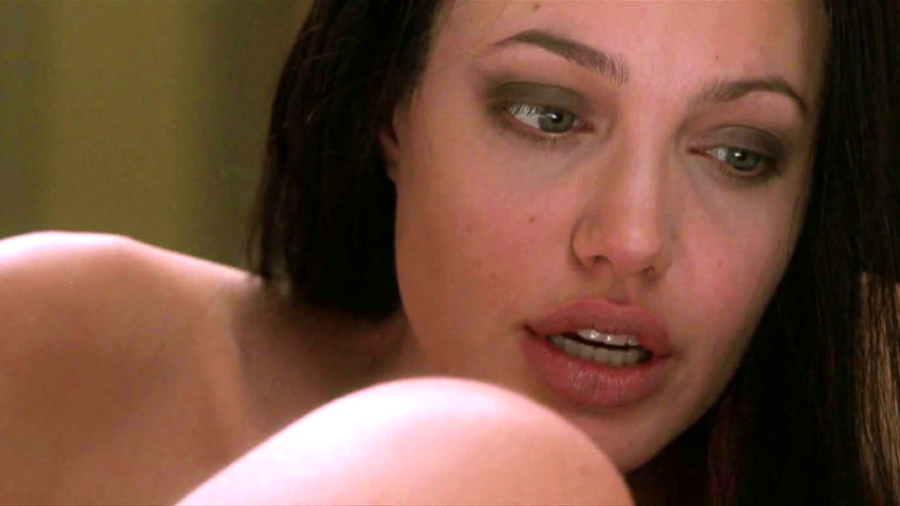
What do you get when you pair Angelina Jolie with one of the sexiest leading men in Hollywood? Mr. and Mrs. Smith with Brad Pitt, but that’s not her sexiest movie. Gone in 60 Seconds with Nicolas Cage is another good guess. The answer is 2001’s Original Sin with Antonio Banderas. A historical romance that would fit right in with today’s new wave of bodice rippers, this 19th-century bodice-ripper is currently streaming for free on Tubi.
Original Sin Is A Romance Novel Come To Life

Set in Cuba, Original Sin starts off as most historical romances do: Luis (Banderas), a rich landowner, wants a wife, and no one in Cuba will do. He’s been writing letters to Julia (Jolie), a young woman living in Delaware, who’s on her way to Cuba for their first face-to-face meeting. Julia looks nothing like the photos she sent, and Luis has also been lying about being a poor clerk. From the get-go, the two are madly in love with each other, even as they agree neither one is to be trusted. Luis thinks it’s a bit of a jest, not knowing that “Julia” is an imposter.
They get married that day, consummate the marriage that night, and the next morning. “Julia” soon gets access to all of Luis wealth as a sign of his trust as her plan comes to fruition. Until Detective Downs (Thomas Jane) arrives on the island, and now the early scene of “Julia” narrating the story to a priest from inside a prison cell starts to make sense. Thankfully, that’s only the start of Original Sin’s twisted love story.
The Best Historical Romance Of The 2000’s

There’s a reason romance is the most popular genre in every bookstore. Original Sin is 25 years old but the story it tells is timeless. Attractive people doing bad things to each other is the bedrock of Hollywood. Erotic thrillers, historical romance, those films have mainly migrated to streamers with most of the sex scenes stripped out. Original Sin is from long before that trend started, and yet, both Banderas and Jolie look stunning in their period garb both in and out of the bedroom. Unlike other thrillers, this book adaptation, based on the 1947 Cornell Woolrich novel, Waltz into Darkness, remembered to make the story and characters as appealing as the stars themselves.
The problem with Original Sin is that everyone is playing their roles with all the subtly of a soap opera, which led critics and viewers at the time to rip it apart with negative reviews. Critics went after the dialogue and the plot for being unbelievable, likely because they hadn’t opened up a romance novel in decades. A bodice ripper, an erotic thriller, a historical romance, Original Sin is all three of them, and fans of all of those want the type of wild fantasy romance that lets them get swept up and carried away.

Original Sin isn’t the best movie for either Antonio Banderas or Angelina Jolie. Those are Mask of Zorro and Mr. and Mrs. Smith, respectively, but among their thrillers, it’s untouched. Every single campy trope you’d want is found in its under two-hour runtime. There’s nothing wrong with turning off your brain and enjoying gorgeous stars acting out a telenovela against the beautiful backdrop of 19th-century Cuba, and thanks to Tubi, it’s a free experience.
By Jennifer Asencio
| Published

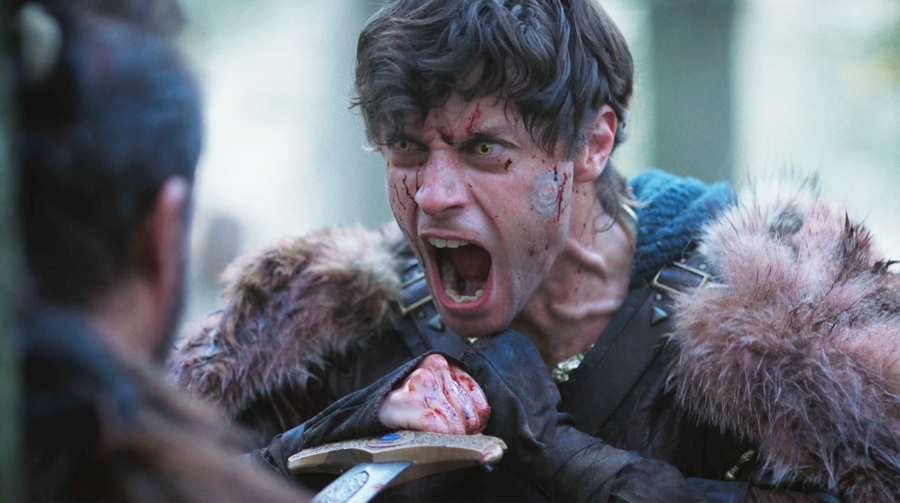
It should go without saying that a show called The Pendragon Cycle: Rise of the Merlin might just be about the famous wizard, but the show is not about the wizened old man we all know from King Arthur stories. Rise of the Merlin tells a different origin story: the story of the young man who will someday become Camelot’s advisor. Featuring all the drama, romance, and action of Arthurian legend, the show centers around Merlin’s efforts to help the Pendragon brothers, Aurellius and Uther, gather the forces of Britain against invasion by the Saxons in the 6th century.
Newcomer Tom Sharp plays the title role, and I got to ask this incredible actor some questions about the show for GIANT FREAKIN ROBOT. I’ve previously reviewed and commented about the show and its themes, and have interviewed other actors from the show.
Tom Sharp’s Early Career
The first thing I wanted to know about was Tom’s experience leading up to his casting as Merlin. What got him into acting? Like most actors, he admits, “I grew up obsessively watching films. As a boy, I’d happily burn through a load of VHS tapes on repeat, and a trip to the cinema was special.” But it was more than just watching movies for the Merlin lead. “My family introduced me to a wide variety of genres & classics at a young age, which sparked my imagination… I consider it my ‘unofficial training.’”

Hope and determination were important elements in Tom’s career, too. “Acting was considered a pipe dream where I grew up,” he explained, “and with no industry connections, it wasn’t until my 20’s that I considered taking the leap. Independently, I began leading short films and on stage in small indie theatre, whilst trying to get my foot in the door for years… a lot of ‘trial & error,’ taking risks and relying on my instincts.”
Becoming Merlin
For Tom, the role of Merlin was a big leap, since he was a relative unknown. “I applied independently to the series without an agent via a self-tape,” he told me.
And the suspense went on. “After a few weeks of sending off endless Merlin tapes, production flew me to Budapest last-minute for a final audition in person. I had a pleasant dinner afterwards with the producers and directors, but they didn’t give me any answer when I was there, so I assumed the worst, expecting a NO after I flew back. However, when I returned home, I received a call from producer Dallas Sonnier (Bone Tomahawk and Dragged Across Concrete) telling me I got the job and am needed back in Budapest ASAP for what he described will be my ‘Most challenging five months EVER!’… and he wasn’t wrong.”

Naturally, the actor was thrilled to land not just his first lead role, but the lead on an ambitious, well-produced project. “Landing a production of this size for the first time, let alone the lead, was wild,” he told me. “When I applied online to the opening casting call, I didn’t know the scale of it and the script was kept under wraps, obviously. Once I knew it was Merlin, and it dawned on me what this was, I dove in. An opportunity of this size for a lot of actors I know is RARE, and my mantra has always been when something like this finally comes along, that I’d go all out and not leave saying ‘if only.’”
Since movies were such a family affair, there was plenty of joy to go around for the budding actor. “My parents’ reaction to when I landed the role was the best and meant the world. I gave a thumbs up to my Mum & Dad, who both broke down with joy – my favorite memory!”
Tom Sharp’s Approach To Playing Merlin
Once he got on set, he had to get to know the character. What did he think of the venerable magician in his younger years? “I really like how young Merlin grows from a naive, rebellious, and curious lad to a more wild and deeply rooted figure after living with the hill folk,” he said of Merlin’s history. “They taught him to ‘see and heal,’ appreciate the world around him, and [that] ‘the rhythm of life flows through him.’”
He continued, “Merlin’s a deeply flawed character, but has so many admirable qualities. For instance, he could easily rule as High King himself unopposed in a tyrannical position with his power and immortality, yet he doesn’t want it and fears losing control and hurting the ones he cares for. Constantly doubting his destiny, he humbly says ‘perhaps they saw through me to another,’ obviously foreshadowing Arthurian Legend. I really admire him.”

The young Merlin wasn’t all wisdom and counsel. He had a lot of extremes, from stoic to furious to deeply in love to deeply grieving. What was it like for Tom to be playing all of those emotions? “Episode 6, ‘Gaineda’ was my most important episode and has a special place in my heart,” he said of the emotional story of Merlin’s romance with his bride.
“It’s the full hero’s journey, Merlin’s core story, as he goes through every event and emotion. It’s beautifully tragic. When reading the script, I knew this was the ‘tent pole’ of the series, it was vital I land this episode else the character and show would fall apart. Playing opposite Brett Cooper (Gaineda), Steve Varnom (Custennin), and Lynn Hunter (Gern-Y-Fhain) was an absolute joy, which made the job a lot easier. I kept an eye peeled in the film schedule every time a scene from 6 would pop up. It was very challenging, very rewarding, and I was very relieved how it all turned out.”
The Mystery Of Merlin’s Yellow Eyes
I often wondered about Merlin’s distinctive yellow eyes. In some scenes, they were very prominent, and in others, they were very natural. I asked Tom about the use of colored contact lenses, and found out there were none.

“I didn’t wear contact lenses,” he revealed. “They changed the color of my eyes to gold digitally, which I’m very thankful for. You connect to actors on screen through their eyes. The problem with colored contact lenses is the pupil is fixed and won’t dilate when emotional or in different lighting, which is very disconnecting to the audience. We tested it before filming and it looked very wrong. Digitally changing the eye color only was the best decision the producers made, allowing my eyes to dilate naturally and connect with the audience.”
Conveying The Burden Of Immortality
Every good actor puts something of themselves into their part, and Tom Sharp is no exception. I asked him about his own contribution to the character, and he told me, “I’d constantly look for clues in the script and ask questions. For example, in Episode 3, ‘A Fatherless Child,’ Merlin narrates, ‘They say Merlin is Mad’ and ‘the future and past are known to him.’ I didn’t want to simply play him crazy, I wanted to know ‘how mad?’ After all the events and tragedies he has lived through – being abducted as a child, the murder of his loved ones, killing 500 men, his constant visions and how he stares into the fire zoned out like a soldier returning from war… to me his ‘madness’ is PTSD. That was the biggest puzzle piece and gave me a foundation to build upon and make this mysterious figure relatable to the audience.”

Tom explains, “Plus, he’s burdened with immortality, an incredible loneliness as he will outlive everyone, including loved ones, so he keeps everyone at a safe distance. I let the filmmakers deal with the magical elements whilst I focused purely on his humanity. He’s not ‘happy go lucky,’ he’s stoic, but when you threaten the ones he cares for, he snaps, and when he’s around loved ones, he softens. Again, for his voice, his immortality and power come into play, he has all the time in the world so his voice glides, he doesn’t need to bark.”
Living Out Every Boy’s Sword And Sorcery Dream
Some of acting is hard work, and some of it is really fun. With all the conditions the actors had to endure, contrasted with getting to do cool stuff like sword fighting and simulate medieval battles, I asked about what he enjoyed and what was hard to do.
“I grew up watching epics like Braveheart, Gladiator, Last of the Mohicans, Lord of the Rings, and to get to play this genre is every boy’s dream,” he explains. “Charging into battle or running with a wolf or giving a speech to an army with exploding sets and practical effects, whilst on location was a blast.”

Not everything was paradise, he admitted. “Filming was either brutally hot or bitterly cold, yet it was all worth it.” Fans of Rise of the Merlin appreciate both his endurance for these conditions and the powerful optimism that drove him through.
With this in mind, I asked him what scenes he enjoyed from the show, both on set and off. “There were many scenes I loved, especially the second half of Episode 6; however, the very final scene of Episode 7, ‘The Last True Bard,’ is easily my favorite. Without spoiling anyone who hasn’t watched it yet, it was a very surreal out-of-body moment for me because it’s so iconic. We shot that in the middle of the night in freezing, snowy conditions, but I was so euphoric afterward. When it happened, all I could think of was my journey here and my family, which was very rewarding watching it back with them. I’ll never forget it. Whatever the future may hold, I can look back and say, ‘I did that!’”

As the main character of the show, Merlin got to be in every setting the series offered, from the otherworldly Ynis Avallach to the mysterious hills of the Fain Hawk, the spectacular Goddeu set, and the epic final battle. I wondered where he liked filming best. “Budapest is gorgeous and I encourage everyone to visit,” he suggested. “But I have to say the many locations in Italy were breathtaking. One of my favorite shots is riding through Gran Sasso, Italy with Alex Laurence Philips, where Pelleas looks back and sees Merlin riding alone talking to himself just as the sunlight rolls in. That, paired with Kyle McCuiston’s stunning soundtrack, is beautiful.”
The looming mountain vista and lonely green plains provided an ethereal setting for Merlin to be talking to a ghost that Pelleas couldn’t see.
The Brotherhood Of Merlin
Cast and crew who post on social media have spoken proudly of the camaraderie on set and even after production was over. I asked Tom about the “Brotherhood of Merlin” and if he made any new bonds on the set.

“Absolutely,” he confirmed, adding, “We pretty much all stay in contact on a daily basis. It was an incredibly challenging shoot, and we were all in the thick of it together. The cast had a rigorous boot camp before filming, involving horse riding and fight training in the intense Hungarian sun. It was tough, but we all bonded and supported each other from Day One.”
Tom Sharp’s Bright And Shining Future
Now that filming is over, I asked Tom what was next. “It’s very early days, but I’m open to anything,” he told me. But he’s in it for love of the game: “Whether it be Merlin again or something completely fresh, whether it’s another big production or an indie arthouse production, I’m good.”

While I was getting this interview together, I decided to finally replace my lost copies of the Stephen Lawhead novels The Pendragon Cycle: Rise of the Merlin. The second novel is called Merlin, and familiar golden eyes gazed back at me from its cover. I asked Tom how it felt to be the new face of the book as well as the show, and this was big news.
“I didn’t know about the books; they were purely a surprise,” he confessed. “Having my face on a book cover was never on my bucket list, but it is certainly welcome and an honor. It’s a great addition on the family shelf.”

Malcolm in the Middle fans have watched the beloved cast change on and off screen for years ahead of the show’s revival
The sitcom, which ran from 2000 to 2006, followed a dysfunctional working-class family. It starred Frankie Muniz in the lead role as child prodigy Malcolm. In addition to Muniz, Bryan Cranston, Jane Kaczmarek, Christopher Masterson and Justin Berfield will Malcolm in the Middle usweekly. In addition to the main cast, Kiana Madeira, Anthony Timpano, Vaughan Murrae and Keeley Karsten have been cast in key roles as well.
“25 years since we premiered Malcolm in the Middle. I’m so excited… that I may have peed just a little bit,” Cranston and Kaczmarek said in a December 2024 announcement post. “What a delight that I get to yell at that kid again! We’re very, very excited about coming back together and seeing what this family has been up to.”
The revival was written by Linwood Boomer, who created the original series. It will chronicle Malcolm (Muniz) and his daughter as they are “drawn into the family’s chaos when Hal (Cranston) and Lois (Kaczmarek) demand his presence for their 40th wedding anniversary party,” according to a press release.
Before the series premiere in April 2026, Muniz recalled past efforts to bring the show back.
“I think I had put a tweet out in 2015, [saying], ‘It would be so cool to see where Malcolm and his family are.’ I couldn’t believe the response and how [many people] went crazy for that,” Muniz exclusively told Us Weekly in September 2025. “I called Linwood Boomer, and he was like, ‘No, I like how it ended.’ Bryan and I talked about it, and he took the lead in making it happen. It took 10 years.”
Muniz had no hesitation about signing onto the project.
“People go, ‘You don’t want to get pigeonholed [as] one character.’ But I’m like, ‘Wherever I go in the world, people know Malcolm, and they love the show and that family,’” he added. “I was in Mexico two months ago, and literally, people were crying to me [over] how it changed their family dynamic. The timing wasn’t perfect because I’m now a full-time NASCAR driver, but I wasn’t going to say no because of that.”
Muniz continued: “Having stepped away from Hollywood a bit to focus on other things and get the opportunity to jump back into it in a big way was awesome. At times, you take things for granted … now I try to put more effort into everything.”
Keep scrolling to see the show’s cast then and now:

Entertainment9 seconds ago
General Hospital: Jordan’s Tragic Car Crash – Who’s REALLY Guilty Behind the Wheel?
NewsBeat3 minutes ago
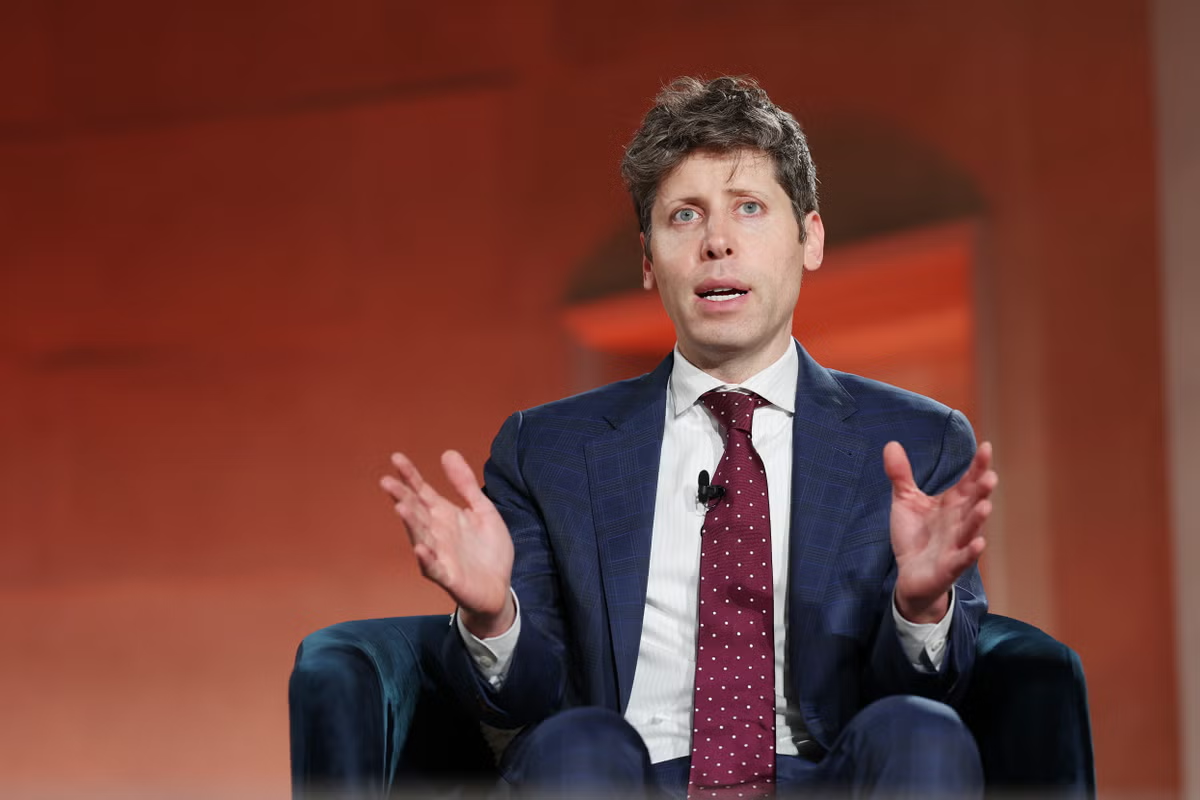
Sam Altman’s San Francisco home targeted in Molotov cocktail attack

Business4 minutes ago
Under The Influence Leads Timeless Hits in 2026 Streaming Era


-

 Business5 days ago
Three Gulf funds agree to back Paramount’s $81 billion takeover of Warner, WSJ reports
-

 Sports6 days ago
India men’s 4x400m and mixed 4x100m relay teams register big progress | Other Sports News
-

 Business6 days ago
Expert Picks for Every Need
-

 Tech3 days ago
How Long Can You Drive With Expired Registration? What Florida Law Says
-

 Business5 days ago
No Jackpot Winner, Prize to Climb to $231 Million
-

 Fashion4 days ago
Massimo Dutti Offers Inspiration for Your Summer Mood Board
-
 Sports1 hour ago
Man United discover Nico Schlotterbeck transfer fee as defender reaches Dortmund agreement
-

 Fashion3 days ago
Let’s Discuss: DEI in 2026
-

 Crypto World2 days ago
Bitcoin recovers as US and Iran Agree a Ceasefire Deal
-

 Business6 days ago
Akebia Therapeutics, Inc. (AKBA) Discusses Pipeline Progress and Strategic Focus on Kidney Disease Treatments at R&D Day – Slideshow
-

 Crypto World1 day ago
Canary Capital Files SEC Registration for PEPE ETF
-

 Politics7 days ago
The UK should not pay a penny in slavery reparations
-

 NewsBeat7 days ago
Kemi Badenoch talks ‘spring cleaning’ Reform defections
-

 Tech4 days ago
Samsung just gave up on its own Messages app
-

 Tech4 days ago
Haier is betting big that your next TV purchase will be one of these
-

 Business7 hours ago
OpenAI Halts Stargate UK Data Centre Project Over Energy Costs and Copyright Row
-
Sports7 days ago
A Kevin O’Connell Theory Can Now Be Retired
-

 Tech4 days ago
The Xiaomi 17 Ultra has some impressive add-ons that make snapping photos really fun
-

 Tech4 days ago
Gamer Restores the Original PlayStation Portal From Two Decades Ago
-

 Tech4 days ago
Italian court says Netflix must refund customers up to $576 over price hikes
You must be logged in to post a comment Login