Connect with us

NewsBeat

All you need to know about the assisted dying as Welsh politicians debate law

Published

on

Wales Online

The vote could have huge ramifications to a law which has hugely passionate supporters and objectors

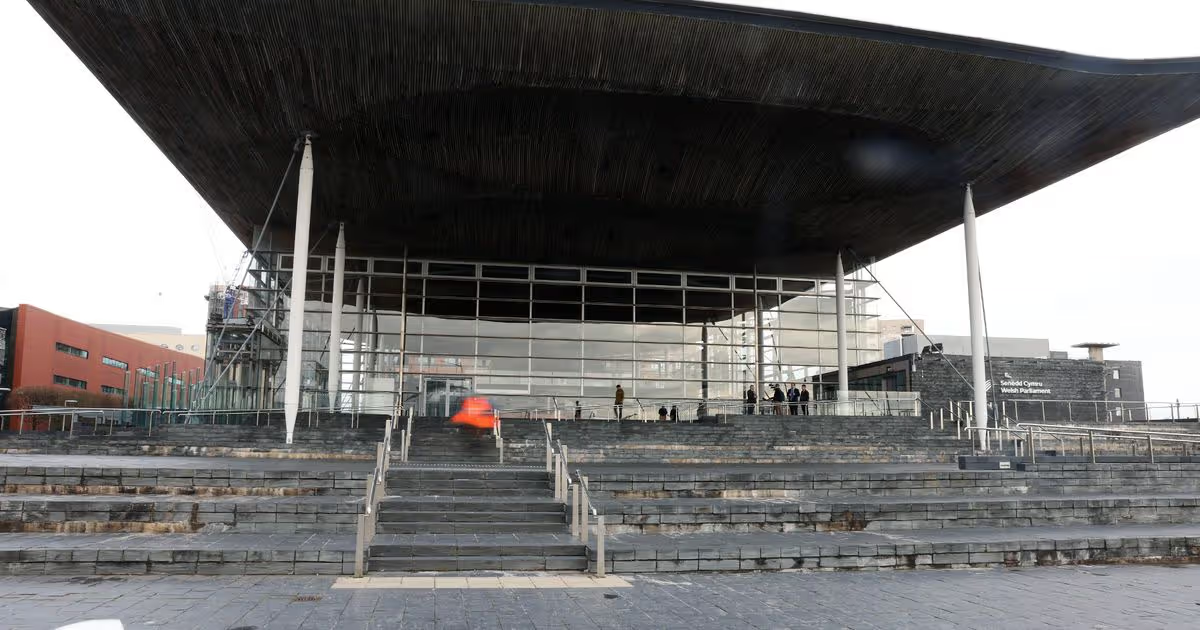
Today (February 24) Senedd members in the Welsh Parliament will debate the assisted dying law. The law would allow adults who are terminally ill, subject to safeguards and protections, to request and be provided with assistance to end their own life.

Advertisement

It is a UK law which has to be passed by Westminster, and not directly a matter devolved to Wales but it does have an impact on areas of politics which are devolved to Wales so a vote has to take place here too.

There are often occasions where this happens, and the Senedd vote is a formality, but this one is expected to be different. Not just because of the magnitude of the law, if it passes, but also what it will mean if it doesn’t pass. For the biggest stories in Wales first sign up to our daily newsletter here

The vote on Tuesday will be seen as important and historic, but it’s important to remember – as we explain below – this isn’t a vote on Senedd members personally backing or opposing the introduction of assisted dying, it is a vote on the legal rules around how the devolved and Westminster administrations could enact it.

What would this change?

Currently it is a criminal offence, because of section 2 of the Suicide Act 1961, to intentionally assist or encourage the suicide or attempted suicide of another person. This law would mean that it would not be an offence if someone assists a terminally ill adult to end their life in accordance with procedures set out in the law.

Advertisement

It would mean neither the registered medical practitioner, nor any other person who supports the terminally ill person to seek assistance under the Act, faces criminal liability for doing so.

It would amend the Suicide Act 1961 and regulate the assistance given to someone.

What is happening with the law?

The law, formally known as the Terminally Ill Adults (End of Life) Bill, would allow adults who are terminally ill, subject to safeguards and protections, to request and be provided with assistance to end their own life.

The bill has made it through all the stages of the House of Commons, passing the final reading by 314 votes to 291 in June 2025.

Advertisement

It is now being debated by the House of Lords and that process is not yet completed. More than 1,100 amendments have been tabled- a record number for this stage – and that process is ongoing.

What is happening in Wales?

The Senedd does not have the powers over to legalise assisted dying itself as the law is part of the Suicide Act 1961. Although suicide itself is no longer a criminal act, it remains a criminal offence for a third party to assist or encourage another to commit suicide.

But because this this is a law which has an impact on areas devolved to Wales – like health – there will be a vote in the Senedd on what’s called a Legislative Consent Motion (LCM).

A LCM is a formal vote used by the Senedd when Westminster legislates on devolved matters, it is politicians here in Wales giving their consent for a piece of legislation to also apply in Wales.

Advertisement

Although not legally binding, there is a convention which is that the UK Parliament will “not normally” legislate on devolved matters without consent from the Senedd. If, for example, the Senedd didn’t give its backing it would be quite a big deal if Westminster then overruled the will of devolved politicians.

What would the law mean in Wales?

Welsh health minister Jeremy Miles has said the law will mean Welsh Ministers will need to make regulations to make provision about voluntary assisted dying services in Wales, and that they will need to ensure that anyone involved in assisted dying can do so via the Welsh language.

The Welsh Government would only be able to implement assisted dying through the NHS if the Senedd agrees. When Mr Miles was asked to clarify what role the Senedd and Welsh Government have, he was asked by Senedd health committee chair Peter Fox whether NHS Wales can offer assisted dying, fall within devolved health powers: “If they are not made by the Welsh Government and consequently approved by this Senedd, the NHS in Wales will not be able to provide assisted dying services – is that the case?”

“That is correct,” Mr Miles replied, also saying that without NHS provision, assisted dying could become available in Wales through the private sector.

Advertisement

The Senedd’s health committee had looked into the law, saying it had taken a neutral position but it thought there would need to be a “wide-ranging public consultation” with people about the law, and for all Senedd committees to be given time to look at the regulations. For our free daily briefing on the biggest issues facing the nation, sign up to the Wales Matters newsletter here

They also expressed concern about long-term impact on palliative and end-of-life care in Wales if the law came into force.

The LCM includes things specific to Wales, including that people can give information, have assessments, and get reports in Welsh; that Welsh ministers will be able to give guidance specific to Wales, allowing the Welsh healthcare system (including the NHS) to provide assisted deaths.

If it does not pass, then it would not block the law, alter eligibility, nor delay implementation but it could mean those Welsh-specific elements are withdraw, and there will not be a Wales-specific service.

Advertisement

Instead, it could mean only private firms deliver assisted dying services in Wales for a fee; Welsh residents could have to travel to England for both assessment and if they continue to an assisted death and there will be no specific Welsh clinical guidance or tailored oversight reflecting Welsh communities and health needs.

Why does the LCM matter?

Supporters of the law say that if the LCM does not pass it will result in a difference in the way this could be offered between England and Wales. For example, the Humanists say: “For over 50 years, abortion was legal in England, Scotland, and Wales, but not in Ireland or Northern Ireland, leading to a quarter of a million women travelling, often alone, to access it.

“This type of injustice risks being repeated between England and Wales if Welsh politicians vote down assisted dying proposals – as then, people will need to travel to England to have the procedure on the NHS. Humanists UK and My Death, My Decision are urging politicians to give terminally ill Welsh people the same options and choices that hundreds of thousands of dying people have around the world.”

They say the abortion ban disproportionately impacted people on low incomes, those living in remote areas, or socially vulnerable people and if assisted dying becomes available only through private providers or by travelling to England, people on lower incomes will face the greatest barriers.

Advertisement

Graham Winyard, director of campaign group “My Death, My Decision”, agreed: “It would be deeply unjust for people in Wales to be denied access to assisted dying through the NHS while people in England are supported to die on their own terms. Without NHS provision, those who cannot afford private services ,or who are too unwell to travel, may be left without any meaningful choice at the end of life.”

Ensure our latest news and sport headlines always appear at the top of your Google Search by making us a Preferred Source. Click here to activate or add us as Preferred Source in your Google search settings

What do opponents say?

Those who oppose the law say there has been “inadequate” oversight of the bill and that it “undermines devolved independence in healthcare and poses unacceptable risks to patient safety and equity”. They say the law is “deeply flawed” – they are all quotes from a letter signed by 250 healthcare professionals sent to Senedd members ahead of the key vote.

It says: “We have worked across the nation with vulnerable patients, and in under-resourced health and social care services. Those who are distressed as they face a terminal illness deserve better. unachieved. We know that care provision currently fails too many, but this Bill is not the answer.”

Advertisement

The medics argue that the Bill “fails to recognise the risks from mistaken diagnosis or misinformation. Accurate prognostication is impossible…. Patients will be eligible to access lethal drugs if they feel a burden or because of a lack of services. Coercion is often covert and difficult to detect, particularly when undue influence comes from family or from a person with authority.”

You can read their comments in full here.

How many people would it impact?

An assessment by the UK Government was based on people being able to access it from October 2029, and working on financial years would mean between 17 and 80 people in Wales would likely apply in that year. By its tenth year, between 106 and 462 people would apply.

In terms of those having assisted deaths, in the first year, it would be between 10 and 48, by 2039, that would be 63 to 277.

Advertisement

What would it cost?

The impact assessment says that very roughly it would cost between £26,000 and £123,000 in the first six months, and between £163,000 and £716,000 by the tenth year (2039).

What do the governments say?

Both the UK and Welsh governments have adopted a “neutral” position.

How will Senedd members vote?

We don’t yet know how anyone will vote on January 20, but we’d expect the parties to give their members a “free vote” meaning they do not have to follow a party position. In October 2024, Senedd members did take part in a vote but it was symbolic and not legally binding.

However, that vote, which 19 members backed, 27 opposed and nine abstained on, was not quite the same as the law making its way through the Commons and it was about the whole concept of legal dying, not the legislative rules around it, as this is.

Advertisement

In that most recent vote, First Minister Eluned Morgan and Wales’ health minister Jeremy Miles both voted against.

Source link

Continue Reading
Click to comment

Leave a Reply

Your email address will not be published. Required fields are marked *

NewsBeat

France tells US ambassador he must answer summons and explain US remarks

Published

on

France tells US ambassador he must answer summons and explain US remarks

PARIS (AP) — France’s spat with the U.S. ambassador to Paris took another turn Tuesday with the French foreign minister saying the top U.S. diplomat in France must respond to a summons and won’t have access to French government officials until he complies.

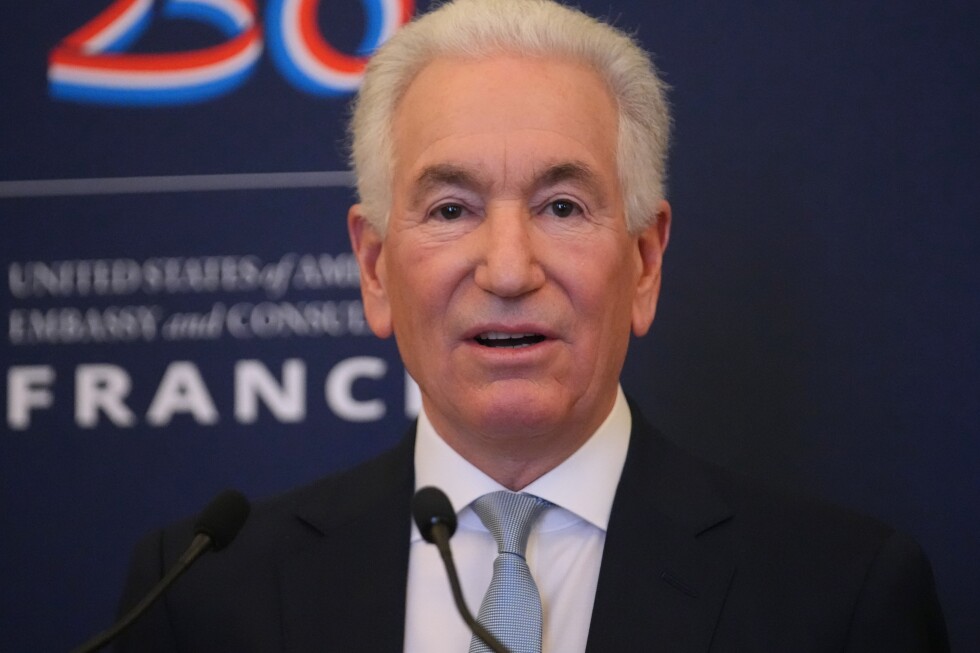
French authorities had summoned Ambassador Charles Kushner — the father of U.S. President Donald Trump’s son-in-law and adviser Jared Kushner — for a meeting on Monday evening over comments from the Trump administration that France objected to. French diplomats said Kushner did not show up.

Speaking Tuesday, French Foreign Minister Jean-Noël Barrot described the failure to attend the meeting as “a surprise” that flew in the face of diplomatic protocol and will dent Charles Kushner’s ability to serve as an ambassador.

“It will, naturally, affect his capacity to exercise his mission in our country,” Barrot said, speaking to public broadcaster France Info.

Advertisement

He said that Kushner “is bringing difficulties on himself. Because for an ambassador to be able to do his job he needs access to members of the government. That’s the basics.”

“When these explanations have taken place, then the U.S. ambassador in France will, naturally, regain access to members of the French government,” the minister said.

The U.S. Embassy did not respond to an Associated Press request for comment on Monday and a follow-up request on Tuesday morning also got no immediate reply.

France’s foreign ministry had summoned Kushner over Trump administration tweets relating to the beating death in France of a far-right activist, Quentin Deranque. The 23-year-old student, described as a fervent nationalist, was beaten by a group of people earlier this month in the city of Lyon, in fighting that erupted between far-left and far-right activists. He later died of brain injuries.

Advertisement

In a post last week on X, the State Department’s Counterterrorism Bureau said “violent radical leftism is on the rise and its role in Quentin Deranque’s death demonstrates the threat it poses to public safety.”

The U.S. Embassy in Paris posted the same statement, in French.

Barrot said France needs to discuss the comments with Kushner.

“We must have an explanation with him,” Barrot said. “We don’t accept that foreign countries can come and interfere, invite themselves, into the national political debate.”

Advertisement

Source link

Advertisement
Continue Reading

NewsBeat

Aston Martin: Why they are in trouble before 2026 season starts

Published

on

Fernando Alonso driving the 2026 Aston Martin during testing in Bahrain

A new car and engine partnership with Honda that struggles for reliability and performance and has Alonso as one of the drivers. If that sounds familiar, it’s because it is.

In 2015, Alonso joined McLaren from Ferrari wooed by the promise of Honda’s potential. That potential was eventually realised – but not until 2020-21, by which time Honda and McLaren had long since split and Honda had joined forces with Red Bull.

Alonso’s career, meanwhile, became a kind of living purgatory. One of the greatest drivers the sport has ever known reduced to fighting for scraps, making up his own targets for motivation, rather than what he should have been gunning for – wins and titles in F1.

He last won a race in May 2013, and he is now 44. But his performances have continued on a high level, and the respect he has from his peers on the grid is higher than ever. For his talent, and his ability to keep up his motivation in the face of everything.

Advertisement

The Newey-Honda-Aston Martin combination on paper promised Alonso something positive, a last hope of a return to success with which to bring his storied career to a close. Either this year, when his current contract runs out, or perhaps after one more, if glory seemed tangible.

Instead, he has found himself transported back in time 10 years.

Alonso has waited an entire career to work with Newey, the excellence of whose cars – and some terrible luck – have denied the Spaniard at least two further world titles that he should have won.

Alonso won’t doubt Newey can sort this out. Who would? But after his experiences with Honda last time, can he really convince himself it can turn this around in the limited time he surely still has available?

Advertisement

In public, Alonso is staying hopeful, just as he did with McLaren and Honda, bar one or two public slips when it all got too much.

“Everything can be fixed, for sure,” he says. “Short and medium term. I don’t think there is anything that is impossible to fix.

“We will try to fix everything we can before Australia and after that we try to fix as many things as possible in the first couple of races. Because [otherwise] it’s too late in the championship. But no, I’m optimistic. I think there is a solution in place.”

Alonso’s partner Melissa Jimenez is expecting their first child in late March.

Advertisement

The emergence of the unfolding catastrophe that is Aston Martin-Honda is so recent he has not yet been asked about his thoughts on his future. But he will already be considering what to do.

Does he roll the dice one last time, try to summon the energy and commitment to go again after what will doubtless be a very trying year? Or call it quits?

Source link

Advertisement
Continue Reading

NewsBeat

Russell Brand pleads not guilty to two further sexual offences

Published

on

Manchester Evening News

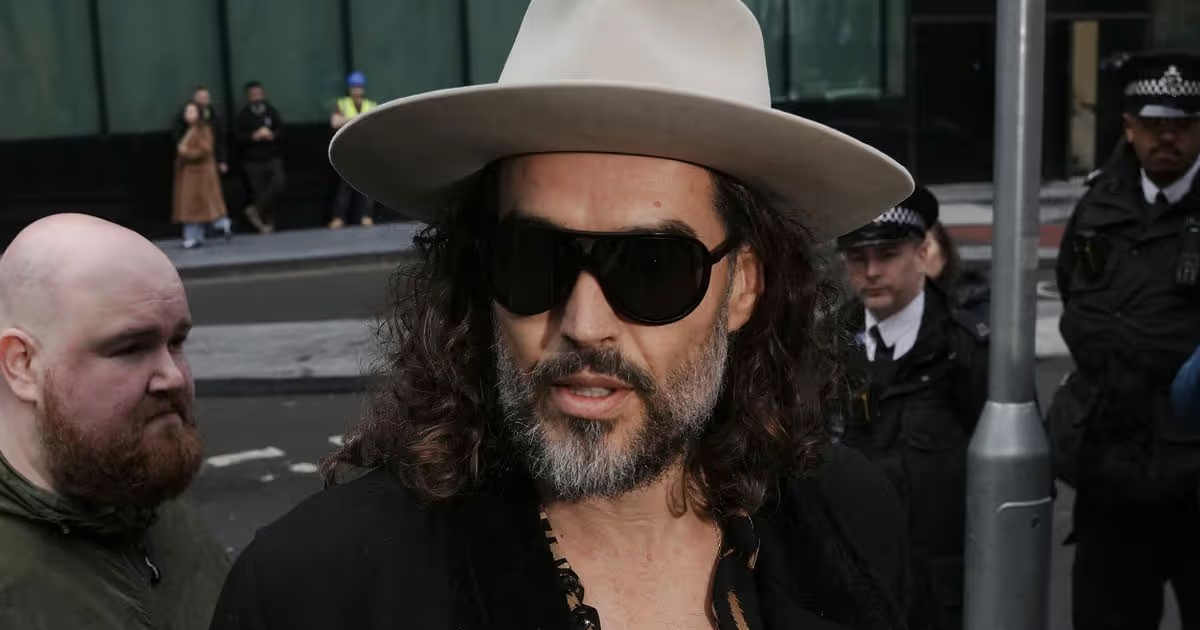
The comedian and actor appeared at Southwark Crown Court on Tuesday morning

Russell Brand appeared at court on Tuesday morning, where he pleaded not guilty to two further sexual offences.

Advertisement

The 50-year-old comedian and actor denied one count of rape and one count of sexual assault during an appearance at Southwark Crown Court today, February 24. Both offences were alleged to have taken place in 2009 in London.

Brand, of Oxfordshire, previously denied two counts of rape, one count of indecent assault and two counts of sexual assault in relation to alleged offences between 1999 and 2005, involving four women.

Click here to prioritise Manchester news in Google from the MEN

Wearing a leopard print shirt with a number of buttons undone, and holding a white hat, Brand spoke to confirm his name and his not guilty pleas from the dock.

Advertisement

A trial is scheduled to begin at Southwark Crown Court later this year in relation to the five original charges.

Source link

Continue Reading

NewsBeat

Russian soldiers tell BBC they saw commanders order fellow troops’ killing

Published

on

Russian soldiers tell BBC they saw commanders order fellow troops' killing

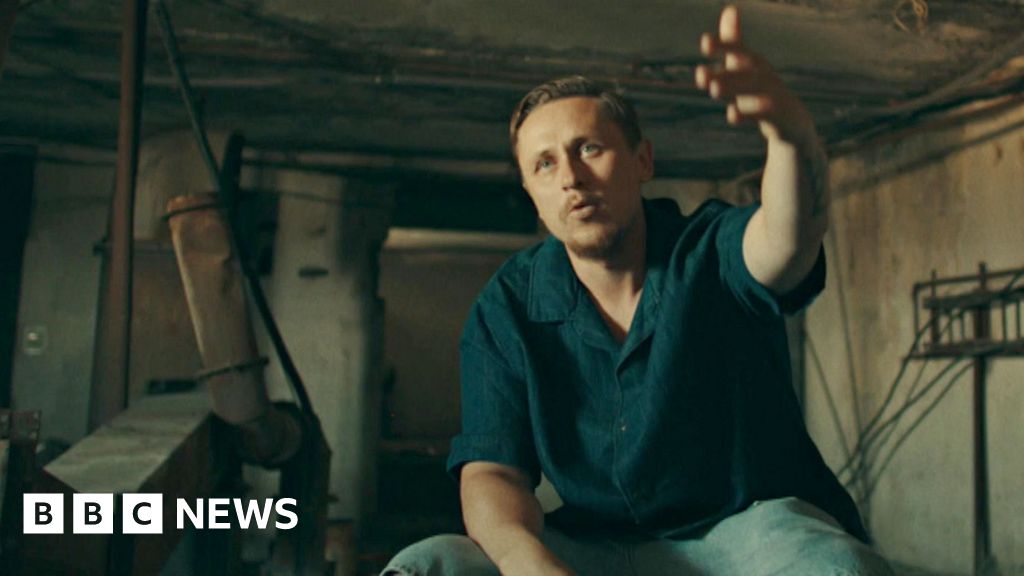
Russian soldiers have exposed the brutality of conditions on the Russian side of the front lines in Ukraine, with two men telling the BBC they saw soldiers being executed on the spot for refusing orders.

The men, who are on the run, spoke about the horror they witnessed from an undisclosed location outside Russia in the documentary, “The Zero Line: Inside Russia’s War”.

Ilya, 35, taught children with special needs before he was drafted into the army for the war. He says he saw four people being shot at point-blank range by a commander – an act known as Zeroing in Russian military slang – because they had fled the front line and refused to return.

Zeroing is usually carried out as punishment for refusing orders, and acts as a means of intimidation for others who may be thinking of doing the same, the men told us.

Advertisement

Another man, Dima, who also witnessed the executions, said commanders killing their own men was “a normal thing”.

“I see it – just two metres, three metres. Just murders, just click, clack, bang. It’s not a drama, it’s not a movie, it’s a real life,” he says.

The Russian government says its armed forces “operate with utmost restraint, as far as possible under the conditions of a high-intensity conflict, treating their personnel with maximum care”. “Information regarding alleged violations and crimes is duly investigated,” it added.“We are unable to independently verify the accuracy or authenticity of the information you have provided,” it said.

Read more about this story here.

Advertisement

Source link

Continue Reading

NewsBeat

Daughter breaks silence as mum who vanished 20 years ago found living secret double life

Published

on

Daily Mirror

Amanda Smith spent 24 years in limbo, after her mother seemingly vanished into thin air back in 2001 – but now it’s been revealed that Michele Hundley Smith is, in fact, alive and well

When Amanda Smith and her siblings said goodbye to their mum who was popping out to do some Christmas shopping in 2001, they had no idea that they would never see her again.

Advertisement

For 24 agonising years, Amanda campaigned relentlessly to find Michele Hundley Smith, but all this time, her mother had been living a double life. She has now been left reeling after finding out her mother is “alive and well” but just did not want to be found.

Michele, now 62, has told authorities she does not want her family to be given her location – or for her whereabout to be released, and Amanda released a heartbreaking statement on the Facebook page she has run dedicated to finding her missing mum. She said that since finding out her mother was alive, but did not want to see her family, she has been going through a “whirlwind of emotions”.

She admitted that she was both “ecstatic” to find out her mother is well, but also furious at what she and her siblings, who were seven, 14 and 19 at the time Michele walked out of the door and never came home, have been put through in the years since – constantly questioning what might have happened to their mum.

READ MORE: American ex-soldier rearrested over ‘murder’ of farmer found dismemberedREAD MORE: Coventry ‘murder’ victim named after teenager stabbed to death outside library

Advertisement

Ensure our latest headlines always appear at the top of your Google Search by making us a Preferred Source. Click here to activate or add us as your Preferred Source in your Google search settings.

Michele’s disappearance was thoroughly investigated by both the police and the FBI at the time she vanished from her home in North Carolina, but her family still have few answers about why she left, and why she has only just revealed she is all right.

In her candid statement, Amanda admitted that her family will likely all have different responses to this update, and that they are all individuals who are entitled to their feelings after being kept in the dark for so long. However, her pain at the conflict she feels herself was palpable. “I am heartbroken, I am all over the map,” she wrote. “Will I have a relationship once more with my mom? Honestly I can’t answer that because I don’t even know…

Advertisement

“My initial reaction would be yes absolutely but then I think of all the hurt.” However, Amanda writes with great empathy, “My mom is only human just as we all are.”

She adds that she can “absolutely understand taking off and leaving” but that doesn’t mean, in her view, Michele “gets off scot free without accountability or responsibility”. Amanda also pointed out that she shares some coping mechanisms with her mum. “I am a runner as well and while this isn’t something to be proud of at all, it’s a part of being human. Each one of us humans have our faults, we each have a shadow part and we each deserve the chance to better ourselves and to heal from our past.”

Amanda also fiercely defended her father in her statement, hitting back at speculation that had been levied at him that he might have been the reason that Michele chose to make herself disappear.

Advertisement

The Facebook page where Amanda posted the statement had provided details of the disappearance, including that she had been driving a forest-green 1995 Pontiac Trans Sport van, which was never found. It also showed how desperately some of the family believed that Michele had not gone of her own volition: Michele would have “never left her children by choice”.

However, in 2020, Amanda told Dateline that her father had a far more sinister theory. “He believes she just took off and left him, and us, that night,” she told the programme – now it seems he was correct in his prediciton.

Amanda admitted back in that interview that it was “possible” her mum had left of her own free will, and that it was “hard to rule out that she just left all of us and started a new life”. However, she said that “there’s also something that nags at me that something happened to her on her way back home”.

The Rockingham County Sheriff’s Office said in a statement that they had discovered Michele is “alive and well” but that she does not want her location to be shared with anyone.

Advertisement

Her cousin, Barbara Byrd told local news station WFMYNews2 that this had not been totally easy to hear. “I kind of want to go outside and scream ‘she’s alive, she’s alive’. For years, we didn’t know if we were grieving or waiting… My biggest question is to her ‘What happened all those years ago in December? What made you leave? What happened?”

She continued: “I understand and respect that she doesn’t want any of us to contact her. I’m not angry. The biggest answer I had today was she was alive. Nothing else matters right at this moment.”

Source link

Advertisement
Continue Reading

NewsBeat

Reporter shares youth homelessness story ahead of sleepout

Published

on

Reporter shares youth homelessness story ahead of sleepout

For me, it was relying on the goodwill of friends’ parents, sleeping in cars and wandering around town centres until the early hours in a bid to stay awake.

Not long after my sixteenth birthday, I left home involuntarily after my family relationship broke down.

For the first few months, I crashed on friends’ bedroom floors and on a camp bed in my boyfriend’s conservatory after his mum reluctantly agreed to help.

Advertisement

The nights when I had nowhere to go would be spent walking around town centres and jumping on and off the Metrolink, hoping that the ticket inspectors weren’t on shift.

I secured a dubious ‘commission only’ sales job and found a room in a house share.

This didn’t last long due to the sporadic low payments, and I found myself once again facing homelessness.

I went back to ‘sofa surfing’ and slept in friends’ cars (I wasn’t even old enough to drive myself) before presenting to the council, who found me accommodation.

Advertisement

The Greater Manchester council estate I’d grown up on was notoriously ‘rough’, but I made plenty of friends there – until my parents separated when I was around 11 and years of instability followed.  

We bounced from one private rented house to another, even ending up in a domestic abuse refuge for a while.

This meant sharing a bedroom with my parent and two siblings, and a living room, bathroom and kitchen with complete strangers.

In the background, I struggled my way through high school, leaving with three GCSEs and no career path ahead of me.

Advertisement

Instead, I worked night shifts in a care home and various retail jobs to make ends meet.

By the time I was in my mid-20s, I found myself back in the same situation when my own marriage ended, and I had nowhere to go, once again relying on the kindness of others to try and find my feet with nothing but a cheap used car and a few bags of personal possessions to my name.

Even now, more than two decades later, the insecurity and fear of not having a place to call home all those years ago have stayed with me.

It’s almost impossible to think about the future, about building a career and ‘improving’ your situation while living in survival mode and fighting daily to retain any shred of dignity.  

Advertisement

Those who don’t know my past are often surprised to learn of it, given that I’m now a middle-aged homeowner with a full-time job and secure family life.

But that’s the point – it really can happen to anyone.

Newsquest Media Group, which owns titles across the UK, including this one, has chosen Centrepoint as its charity of the year.

Centrepoint is the UK’s leading youth homelessness charity, supporting more than 16,000 people aged 16 to 25 into housing and employment each year.

Advertisement

My own experience took place in a time prior to mobile phones or accessible internet.

I only wish I had known about fantastic support services like this that are making a real difference to the lives of young people. 

Richard Duggan, Regional Editor North West, will join our colleagues across the region in supporting Centrepoint’s campaign to end youth homelessness by 2037.

Richard, who oversees titles including The Bolton News, Lancashire Telegraph, The Oldham Times, Bury Times and The Messenger, will swap his warm bed for a night outdoors at the end of February.

Advertisement

You can donate to the fundraising link here.

While the event does not aim to replicate homelessness, it does help to raise awareness and vital funds for those without a safe place to sleep.

Stories like mine are sadly not uncommon, and there must be support in place for those who need it.

Find out how you can help on the Centrepoint website and social media channels.

Advertisement

Source link

Continue Reading

NewsBeat

Man raped people with dementia at care home and had indecent images of children

Published

on

Cambridgeshire Live

The man was sentenced to over 20 years in prison

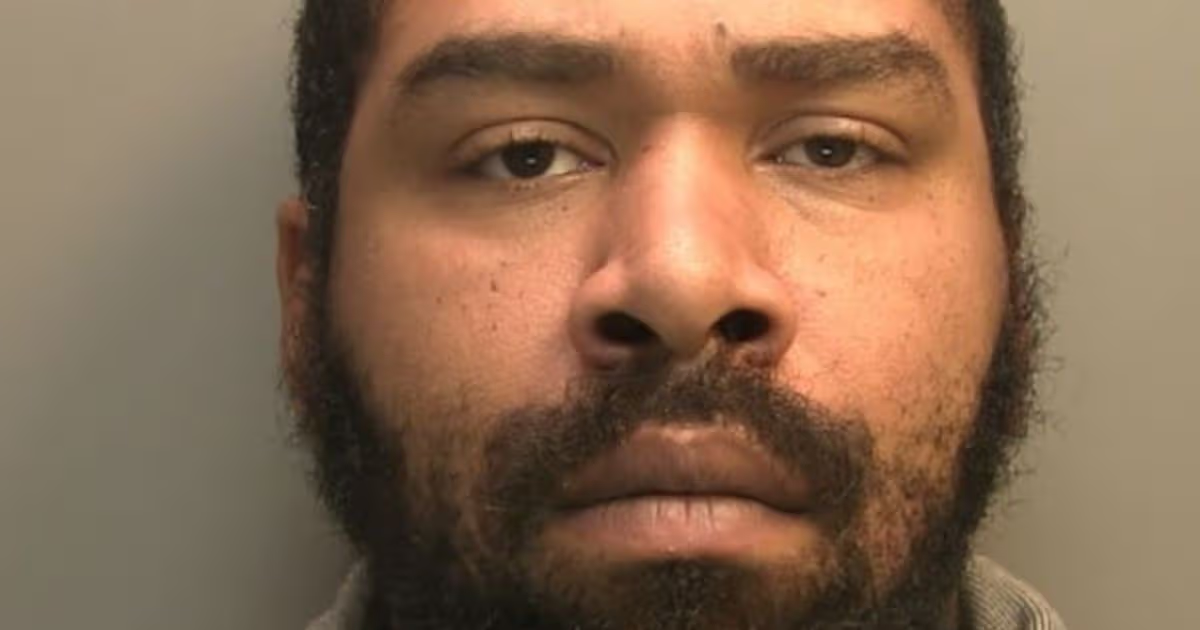
A man who carried out “horrific” sexual crimes against vulnerable people with dementia has been jailed for over 20 years. Joshua Springer was handed a 21-year sentence after appearing at Lincoln Crown Court on Friday (February 20).

The 36-year-old was also given a sexual harm prevention order for the rest of his life. Springer, formerly of Cornstall Buildings in Stamford near the Cambridgeshire border, previously pleaded guilty to nine charges of rape at the same court on December 2, 2025.

His offences were against three victims suffering from dementia at a residential care home for elderly people in the Stamford area. A fourth victim was in the North Yorkshire area. Of Springer’s nine charges, six were evenly split between three women at the Stamford care home, while the remaining three charges were connected to a fourth woman in North Yorkshire.

Advertisement

The care home and area in Yorkshire are not being named to protect the anonymity of the victims. Springer was also sentenced for making indecent images of children, to which he also pleaded guilty.

Detective chief inspector Jennifer Lovatt, of the East Midlands Special Operations Unit, said: “While Springer has been sentenced for his horrific crimes, that does not mean that our investigations have stopped. [The] result shows that offenders will be brought to justice, so if you think you have been affected, please get in touch.”

DCI Lovatt is appealing for anyone else that may have been a victim of Springer, who is also known as Joshua Kearney and Joshua Kearney Springer, to contact police. The DCI added: “Our team has worked tirelessly for some time in bringing Springer to justice, and there may be other potential victims who perhaps have not yet come forward.

“I’d encourage them to contact us – you can call 101 (ask for Lincolnshire Police) and quote Incident 272 of November 28. If you want to remain anonymous, then you can call Crimestoppers on 0800 555 111.”

Advertisement

Do you want more of the latest Cambridgeshire news as it comes in from across the county? Sign up to our dedicated newsletter to make sure you never miss a big story from Cambridge or anywhere else in the county. You can also sign up to our dedicated Peterborough, Traffic and Crime newsletters for the latest updates on the topics you are most interested in .

Source link

Continue Reading

NewsBeat

European officials visit Ukraine to show support as country marks 4 years of war

Published

on

European officials visit Ukraine to show support as country marks 4 years of war

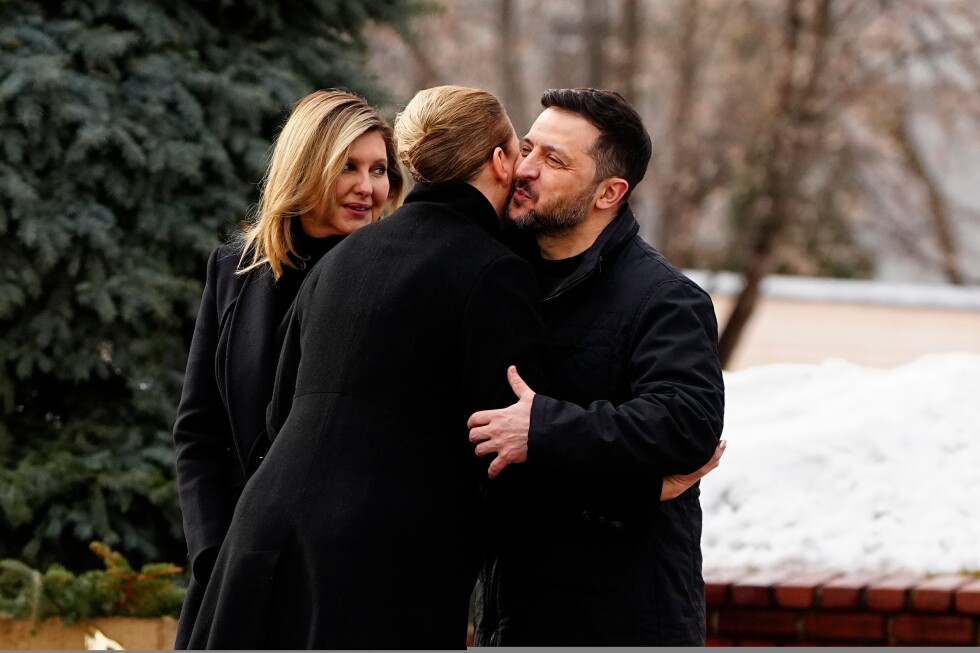
KYIV, Ukraine (AP) — More than a dozen senior European officials arrived in the Ukrainian capital on Tuesday in a show of support on the fourth anniversary of Russia’s all-out invasion of Ukraine — a grim anniversary in a war that has killed tens of thousands of people and put European leaders on edge about the scale of Moscow’s ambitions on the continent.

Ukrainian President Volodymyr Zelenskyy said his country has withstood the onslaught by Russia’s bigger and better equipped army, which over the past year of fighting captured just 0.79% of Ukraine’s territory, according to the Institute for the Study of War, a Washington-based think tank.

“Looking back at the beginning of the invasion and reflecting on today, we have every right to say: we have defended our independence, we have not lost our statehood,” Zelenskyy said on social media, adding that Russian President Vladimir Putin has “not achieved his goals.”

“He has not broken Ukrainians; he has not won this war,” Zelenskyy also said.

Advertisement

However, as the corrosive war of attrition enters its fifth year, a U.S.-led diplomatic push to end Europe’s biggest armed conflict since World War II appears no closer to finding compromises that might make a peace deal possible.

Negotiations are stuck on what happens to the Donbas, eastern Ukraine’s industrial heartland which Russian forces mostly occupy but have failed to seize completely, and the terms of a postwar security arrangement that Kyiv is demanding to deter any future Russian invasion.

The number of soldiers killed, injured or missing on both sides could reach 2 million by spring, with Russia sustaining the largest number of troop deaths for any major power in any conflict since World War II, a report last month from the Center for Strategic and International Studies estimated.

European leaders see their countries’ own security at stake in Ukraine amid concerns about Putin’s wider goals and has demanded its leaders be consulted in the ongoing U.S.-brokered talks.

Advertisement

German Chancellor Friedrich Merz wrote on X that “for four years, every day and every night has been a nightmare for the Ukrainians — and not just for them, but for us all. Because war is back in Europe.”

“We will only end it by being strong together, because the fate of Ukraine is our fate,” he added.

The war has drawn in countries far beyond Ukraine, giving the conflict a global dimension, and threatened to worsen shortages, hunger and political instability in developing countries.

While NATO countries have come to Ukraine’s aid, Russia has been helped by North Korea, which has sent troops and artillery shells; Iran, which has provided drone technology; and China, which the United States and analysts say has provided machine tools and chips.

Advertisement

Among the European officials visiting Kyiv on Tuesday were the President of the European Council, Antonio Costa, the President of the European Commission Ursula von der Leyen and Finnish President Alexander Stubb, as well as seven prime ministers and three foreign ministers.

With Ukraine unable to sustain its fight against Russia without foreign help, NATO countries are now providing military help, purchasing American weapons after the Trump administration broke with earlier Washington policy and stopped giving arms to Kyiv.

The European Union has also sent financial aid, but has sometimes met with reluctance from members Hungary and Slovakia.

British Armed Forces Minister Al Carns said Russia’s war on Ukraine was “the most defining conflict” in decades.

Advertisement

“I don’t think anyone of us would be able to guess (when the war started) the scale and size of what has taken place,” he said.

The cost of rebuilding war-battered Ukraine would amount to almost $588 billion over the next decade, according to World Bank, the European Commission, the United Nations and the Ukrainian government.

That is nearly three times the estimated nominal GDP of Ukraine for last year, they said in a report Monday.

___

Advertisement

Follow AP’s coverage of the war in Ukraine at https://apnews.com/hub/russia-ukraine

Source link

Advertisement
Continue Reading

NewsBeat

Ask An Expert: Does AI Have A Place In Funerals?

Published

on

Ask An Expert: Does AI Have A Place In Funerals?

Last year, NBA stars Russell Westbrook and Kemba Walker launched a startup, Eazewell, which aims to make funeral planning simpler and more streamlined, thanks in part to artificial intelligence (AI).

“We’re trying to take the weight off people’s shoulders as much as we can, and make this process so much easier for people,” Walker shared with CNBC.

And it seems the trend is growing.

The Washington Post reported on the “rise” of AI obituary writing tools, stating that funeral directors “are increasingly asking the relatives of the deceased whether they would prefer for AI to write the obituary”.

Advertisement

Here, funeral director Andrew Purves from William Purves Funeral Directors shared his thoughts on the shift.

AI funerals are “uncomfortable [and] potentially dangerous”

According to Purves, “A funeral director’s job requires a blend of administrative and interpersonal skills and, above all, a desire to support people facing loss.

“Funeral directors deliver a unique service: guiding, supporting and actioning a family’s wishes, while also project managing and communicating with third parties such as churches, florists or celebrants.”

Advertisement

And given that people using their service may be in varying states of emotional distress, Purve added, the “intuition and empathy of a funeral director is
what makes – or breaks – the quality of service”.

In that light, he said, “Replacing this care with AI-powered services seems not only uncomfortable but also potentially dangerous. When dealing with people at their most vulnerable, entrusting their emotional wellbeing with artificial intelligence seems profoundly misplaced”.

Some experts have cautioned against AI therapy chatbots, which Stanford researchers argue carry “risks” like bias and harmful responses to emotionally-charged prompts.

AI has been spotted giving users questionable consumer advice, too. It’s hard not to wonder whether this has the potential to add to ballooning UK funeral costs.

Advertisement

Beyond the emotional cost, the potential proliferation of AI-driven funeral
services also risk lowering professional standards,” Purves continued.

“If funeral homes feel pressured to compete with their low-cost, AI-counterparts, they may be compelled to cut corners: fewer staff, less time with families or reduced aftercare.

Grieving families could find themselves dealing with impersonal ‘click-and-plan’ interfaces instead of skilled professionals who understand cultural and religious nuances, and can anticipate emotional needs before they’re expressed.”

AI may have some place in funeral care, though

Advertisement

According to Purves, this doesn’t mean AI has no place in funeral care.

“The rise in livestreaming funeral services, for example, has been overwhelmingly positive for the industry, as loved ones overseas can pay their respects without having to travel,” he stated.

“Equally, funeral directors often use advanced systems to plan and manage their operations, allowing firms to effectively coordinate arrangements and ensuring clients receive the support they need.”

The funeral director added that admin and paperwork capabilities could be useful, too, “provided it is used to enhance, not replace, the human service”.

Advertisement

This could leave funeral directors with more time to care for the bereaved in person.

But, Purves ended, “The future of funeral care shouldn’t be about replacing compassion with convenience. It should be about protecting what makes us human in the first place.

Because no matter how advanced technology becomes, there will always be one thing it can’t do: care.”

Advertisement

Source link

Continue Reading

NewsBeat

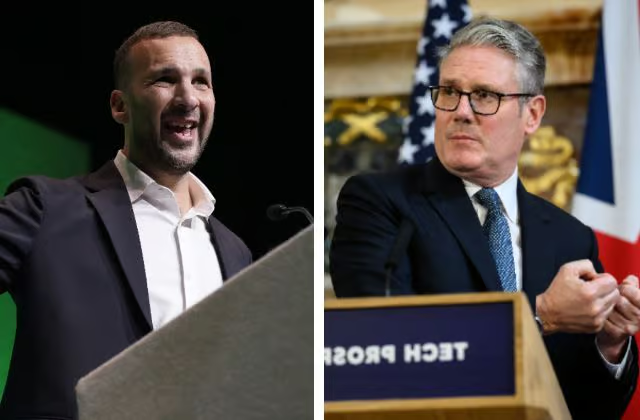
‘Going to the wire’ in Gorton by-election as Starmer and Polanski clash over who can defeat Farage’s Reform UK

Published

on

Another senior London Labour councillor joins Greens as wave of defections from Keir Starmer's party continues

Luke Tryl, UK director of More in Common, stressed it was a “high stakes”, possibly “seismic” by-election as it would show whether Reform, with around 30 per cent of the vote, could win lots of seats as it seeks a Commons majority, if the Green surge is “real” or whether Labour’s woes may ease.

Source link

Continue Reading

Trending

Copyright © 2025