
Business
Government, Minderoo fund $21m Derby early learning centre



Business
(VIDEO) Jimmy Kimmel Speculates Melania Trump’s Surprise Epstein Address Was Revenge on Trump
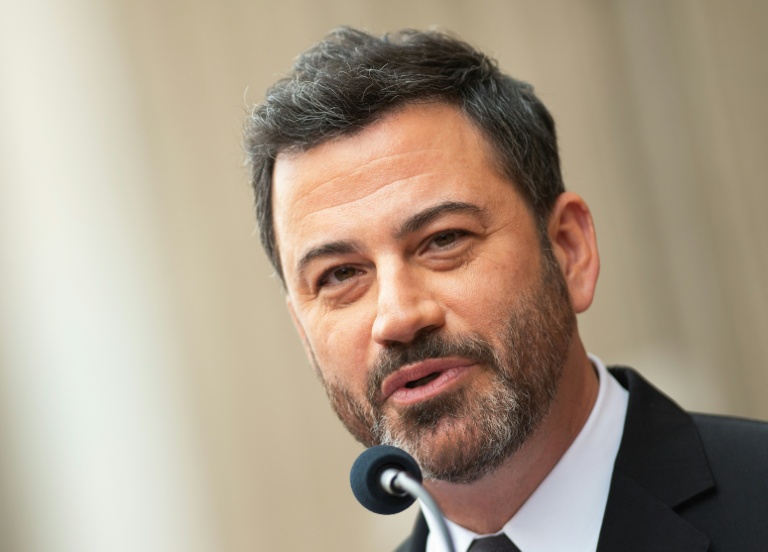
WASHINGTON — Late-night host Jimmy Kimmel offered a biting theory Thursday night for why First Lady Melania Trump chose this moment to deliver a rare, unannounced public statement denying any close ties to the late convicted sex offender Jeffrey Epstein: sheer resentment toward her husband, President Donald Trump.
Kimmel, during his monologue on “Jimmy Kimmel Live!,” suggested the first lady’s roughly six-minute address — which blindsided even the president — was timed to drag the long-simmering Epstein scandal back into the headlines just days after a fragile ceasefire in the U.S.-Iran conflict that Trump had hoped would shift national attention.
“He spent the past six weeks trying to bomb this Epstein story out of the headlines. Two days after the ceasefire, she puts it right back on top,” Kimmel quipped. “She must really hate him.”
The first lady summoned reporters to the White House entrance hall on April 9 without prior coordination with senior administration officials, according to multiple accounts. In a prepared statement, she firmly rejected “lies” linking her to Epstein, insisting she had “never been friends” with him and had no knowledge of his crimes against underage girls.
“I have never had any knowledge of Epstein’s abuse of his victims. I was never involved in any capacity — I was not a participant, was not a victim,” Melania Trump said. She also denied persistent online rumors that Epstein introduced her to Donald Trump, recounting instead that the couple met by chance at a 1998 New York City party, as detailed in her memoir “MELANIA.” Their first encounter with Epstein came in 2000 at a shared social event, she added.
The first lady urged Congress to hold public hearings for Epstein’s survivors and called for an end to “mean-spirited attempts to defame my reputation.” She described overlapping social circles in New York and Palm Beach as commonplace but stressed any deeper connection was fabricated.
Her remarks immediately reignited public interest in the Epstein files, which have included photos of the Trumps with Epstein and Ghislaine Maxwell, as well as a 2002 email exchange between Melania Trump and Maxwell in which Maxwell addressed her as “sweet pea.”
Kimmel wasted no time highlighting one of the most circulated images: a photo of Donald and Melania Trump posing with Epstein that reportedly hung in the financier’s home. While showing the picture on air, the host deadpanned, “By the way, while you’re explaining how much you didn’t know Epstein, any particular reason you can think of that he had a picture of you guys on display at his house? Maybe this is the photo that came with the frame, I don’t know.”
“I, for one, when I see this, I think, well, these two don’t know each other at all,” Kimmel added sarcastically.
President Trump later told reporters he had no advance knowledge of the exact content of his wife’s statement, though he suggested he was aware she had wanted to address the rumors at some point. “I didn’t know what the statement was, but I knew she was going to make a statement,” he said Friday, adding that she “had a right to talk about it.”
Kimmel seized on that disclosure as further evidence of White House disarray. “Shows you just how smoothly things are running over there,” he joked.
The timing has fueled widespread speculation. The Epstein matter had largely faded from daily headlines amid escalating tensions with Iran, including military actions and subsequent ceasefire negotiations. Analysts and late-night comedians alike questioned why the first lady would voluntarily resurface the topic now, especially with midterm elections approaching and other pressing national issues dominating the agenda.
Some insiders told CNN that Melania Trump had grown increasingly frustrated with persistent online speculation and blog posts amplifying unproven claims about her relationship with Epstein and Maxwell. The statement, according to those familiar with her thinking, was driven by a desire to shut down the rumors once and for all.
Critics and Epstein survivors’ advocates offered mixed reactions. Some praised her call for congressional hearings as a positive step toward justice for victims. Others accused the address of being a defensive maneuver that nonetheless kept powerful figures in the spotlight while providing few new details.
Kimmel was not alone in his commentary. Multiple outlets noted the unusual nature of a first lady holding what amounted to a solo press conference on such a sensitive personal and political matter. The New York Times described Kimmel’s take as saluting the “White House surprise,” while Variety highlighted his decision to air the contentious photo as a direct challenge to her denials.
The Epstein scandal has dogged the Trump orbit for years. Court documents and released files have detailed social connections between Epstein — who died by suicide in jail in 2019 while awaiting trial on federal sex-trafficking charges — and numerous high-profile figures, including former President Bill Clinton and Donald Trump himself in earlier decades. Trump has previously distanced himself, claiming he had not spoken to Epstein in 15 years before the financier’s arrest and labeling much of the coverage a political “hoax.”
Melania Trump’s statement marked one of her most substantive public interventions since returning to the White House. Known for a relatively low public profile compared to previous first ladies, she has largely focused on initiatives involving children and anti-bullying efforts. Her memoir, released during the transition period, offered personal insights but avoided deep dives into controversial associations.
In the monologue, Kimmel also mocked the delivery of the remarks, comparing parts of the language to statements Donald Trump had made in the past regarding other scandals. “It’s the same speech he gave her after Stormy Daniels. She just regurgitated it,” he said.
He further dramatized the scene, joking that Melania “emerged from the rubble of the East Wing, brushed the drywall off her business suit, and delivered a doozy of a prepared statement demanding that we stop talking about something that no one was talking about.”
The East Wing reference alluded to ongoing renovation reports at the White House.
As of Friday, the White House had not issued additional clarification on the motivations behind the timing. Press Secretary attempts to downplay the episode focused on the first lady’s right to defend her reputation.
Legal experts noted that while no criminal allegations have ever been leveled against Melania Trump in connection with Epstein, the persistent online narratives and selective release of documents have kept the story alive in partisan circles.
Survivors of Epstein’s abuse expressed varied views. Some welcomed any attention to the need for accountability and hearings, while others worried that high-profile denials without new evidence could distract from demands for full transparency in the remaining sealed files.
Kimmel’s segment quickly went viral, with clips circulating widely on social media and drawing millions of views on YouTube. It underscored the enduring power of late-night comedy to shape public perception of political moments, particularly those involving the Trump family.
The episode also highlighted ongoing tensions within the first couple’s dynamic under the intense scrutiny of the presidency. Observers have long noted Melania Trump’s independent streak, from her fashion choices to her occasional public divergences from her husband’s messaging.
Whether the statement succeeds in quelling speculation remains uncertain. Fresh document releases under the Epstein Files Transparency Act have continued to surface correspondence and photos, keeping the case in the public eye.
For now, Jimmy Kimmel’s speculation — that the address was less about closure and more about domestic score-settling — has added another layer of intrigue to an already complex narrative. As one commentator put it, in a White House often defined by chaos and competing agendas, even the first lady’s efforts at damage control can become fodder for late-night laughs and renewed headlines.
The Epstein saga, it seems, refuses to stay buried — no matter who tries to end the conversation.

This is the forum for daily political discussion on Seeking Alpha. A new version is published every market day.
Please don’t leave political comments on other articles or posts on the site.
The comments below are not regulated with the same rigor as the rest of the site, and this is an ‘enter at your own risk’ area as discussion can get very heated. If you can’t stand the heat… you know what they say…
More on Today’s Markets:
Moderation Guidelines:
We remove comments under the following categories:
- Personal attacks on another user account
- Anti-Vaxxer or covid related misinformation
- Stereotyping, prejudiced or racist language about individuals or the topic under discussion.
- Inciting violence messages, encouraging hate groups and political violence.
Regardless of which side of the political divide you find yourself, please be courteous and don’t direct abuse at other users.
For any issue with regards to comments please email us at : moderation@seekingalpha.com.
Seeking Alpha’s Disclosure: Past performance is no guarantee of future results. No recommendation or advice is being given as to whether any investment is suitable for a particular investor. Any views or opinions expressed above may not reflect those of Seeking Alpha as a whole. Seeking Alpha is not a licensed securities dealer, broker or US investment adviser or investment bank. Our analysts are third party authors that include both professional investors and individual investors who may not be licensed or certified by any institute or regulatory body.

Thailand will lower diesel and gasohol prices by up to 6 baht per litre from April 11, 2026, to ease transport costs and living expenses during Songkran, due to declining global oil prices.
Key Points
- Thailand will reduce retail prices for most diesel and gasohol products by up to 6 baht per litre starting April 11, 2026, as part of a relief initiative during the Songkran holiday to lower transport costs and living expenses.
- The decision, approved by the Oil Fuel Fund Administration Committee on April 10, reflects easing global oil prices, with the cost dropping from approximately US$255 to US$211 per barrel.
- Price adjustments include Diesel B20 down 6 baht, Diesel B7 down 4 baht, and minor reductions for various gasohol products. Despite the cuts, the Oil Fuel Fund will continue to handle daily costs of 589.15 million baht.
Price Reductions for Fuel to Alleviate Economic Burden
Thailand’s government will reduce retail prices for most diesel and gasohol products by up to 6 baht per litre beginning April 11, 2026. This initiative, designed to alleviate transport costs and living expenses during the Songkran holiday, was approved by the Oil Fuel Fund Administration Committee, led by Energy Minister Akanat Promphan. The committee’s decision to adjust prices is primarily due to easing global oil prices, indicating a favorable trend that allows for financial relief to the populace.
Details of the Price Adjustments
Effective April 11, the new retail prices will see Diesel B20 reduced by 6 baht to 37.40 baht per litre, and Diesel B7 will see a 4 baht reduction to 44.40 baht. Additionally, E85 and E20 prices will drop by 3 baht each, while Gasohol 91 and 95 will decrease by 1 baht. Notably, benzine prices will remain unchanged. The Energy Ministry stated that these reductions aim to mitigate freight costs and the public’s overall cost of living during a time when global oil prices have exhibited a downward trend, moving from around $255 to $211 per barrel in just two days.
Implications for the Oil Fuel Fund
Despite the reductions, the adjustments will still leave the Oil Fuel Fund with daily expenses of 589.15 million baht, a noticeable decrease from previous expenses of over 1.2 billion baht daily. This indicates a commitment to balancing financial relief for the public while managing the Fund’s sustainability. The government’s decision reflects an effort to support citizens during an economically challenging period, especially as travel costs are anticipated to rise with the upcoming holiday season. Overall, this move integrates economic strategy with public welfare objectives.
Other People are Reading


US DHS calls furloughed staff back to work despite shutdown
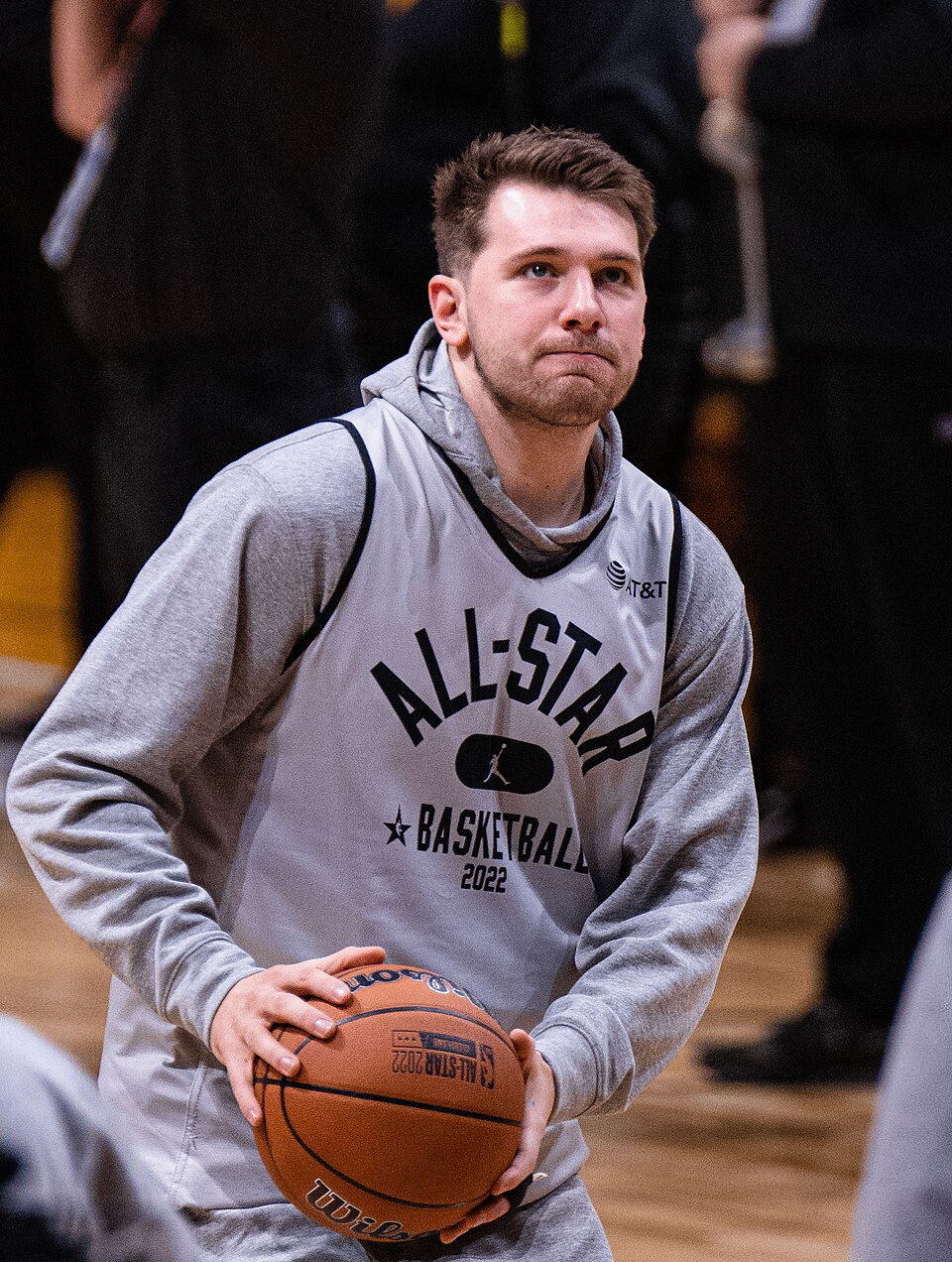
LOS ANGELES — Los Angeles Lakers superstar Luka Doncic will miss the remainder of the 2025-26 NBA regular season after suffering a Grade 2 left hamstring strain, dealing a significant blow to both the team’s playoff positioning push and his once-promising case for the 2026 Kia NBA Most Valuable Player award.

Doncic sustained the injury in the third quarter of the Lakers’ 139-96 loss to the Oklahoma City Thunder on April 2. He exited after posting 12 points, four rebounds and seven assists in 26 minutes. An MRI confirmed the Grade 2 strain, which typically requires three to six weeks of recovery, and the Lakers officially ruled him out for the final stretch of the regular season shortly afterward.
As of April 11, Doncic has traveled to Spain for specialized medical treatment, including an injection procedure aimed at accelerating healing. His agent, Bill Duffy, confirmed the move in consultation with Lakers medical staff and Doncic’s personal team. The hope is to expedite a potential return for the playoffs, though his availability remains uncertain and a comeback could be measured in weeks rather than days.
The timing could hardly be worse for the 27-year-old Slovenian, who had been leading the NBA in scoring at 33.5 points per game while averaging 7.7 rebounds and 8.3 assists through 64 games. He posted historic offensive numbers in March, drawing comparisons to some of the league’s all-time great scoring runs. The Lakers sat third in the Western Conference with a strong record before the injury, but the absence of Doncic — and fellow guard Austin Reaves, also sidelined — has complicated their seeding outlook.
For the MVP race, the injury appears to have ended Doncic’s realistic chances. Prior to the setback, he had climbed into serious contention, occasionally sitting as high as No. 2 on the Kia MVP Ladder and holding odds as short as +1000 at various sportsbooks. His video-game-like production, combined with the Lakers’ improved standing, fueled debates about whether he could overtake frontrunners Shai Gilgeous-Alexander of the Thunder and Victor Wembanyama of the Spurs.
Current betting odds reflect the shift dramatically. Gilgeous-Alexander has emerged as a heavy favorite at -2500 or shorter in many markets, with Wembanyama a distant second around +1000 to +2000. Nikola Jokic sits further back, while Doncic’s name has largely vanished from MVP boards or drifted to long-shot territory exceeding +3000 to +10000 at some books. NBA.com’s MVP Ladder had placed him as high as No. 2 in recent weeks before the injury dropped him out of serious consideration.
Voters typically weigh a combination of individual statistics, team success and games played. Missing the final games of the regular season hurts Doncic on all fronts. Although the league has provisions for extraordinary circumstances — and Duffy has indicated the team may file a challenge citing personal reasons Doncic missed earlier games, including the birth of his child — the 65-game threshold for certain award considerations remains a hurdle. Even if eligibility is preserved, the narrative momentum has clearly swung toward players who stayed healthy and led their teams deep into the season’s final weeks.
Doncic’s season-long dominance was undeniable. He led the league in scoring while ranking near the top in assists and frequently producing 30-point triple-doubles. The Lakers’ surge into playoff contention owed much to his heliocentric style of play, which elevated supporting cast members and created matchup nightmares for opponents. Yet hamstring issues have plagued him before, and this Grade 2 strain represents a partial tear that demands careful management to avoid long-term setbacks.
Lakers coach JJ Redick and the front office have emphasized caution. With the postseason already secured, the priority is maximizing Doncic’s health for a potential deep playoff run rather than rushing him back for regular-season games that hold little consequence. A return in early May remains the optimistic target in best-case scenarios, which could align with a second-round series or later depending on how far the Lakers advance without him.
The broader implications for the Western Conference playoff picture are notable. The Thunder, already boasting the league’s best record, stand as clear favorites to claim the No. 1 seed and enter the postseason healthy. Wembanyama’s Spurs have also benefited from consistent play, bolstering the young star’s MVP credentials with elite two-way production. For the Lakers, navigating the opening rounds without their primary offensive engine will test the depth and resilience of LeBron James, the supporting cast and any adjustments Redick can implement.
League-wide, the injury underscores the physical toll of a grueling 82-game schedule on high-usage stars. Doncic’s workload has been immense, often carrying the offense through heavy minutes and defensive attention. His ability to recover quickly from this latest setback could define not only the Lakers’ 2026 playoff hopes but also his long-term durability narrative.
Fans and analysts have expressed frustration over the timing, noting that Doncic appeared on pace for one of the most statistically impressive seasons in recent memory. Social media erupted with debates about MVP voting criteria, the value of availability versus peak performance, and whether the award should account for context such as midseason trades or personal circumstances. (Doncic was with the Mavericks earlier in his career before joining the Lakers.)
As the regular season winds down, attention turns to how the Lakers perform in Doncic’s absence and whether he can realistically contribute in the playoffs. Medical experts suggest a four-week timeline is common for Grade 2 strains, though individual healing varies. The injection in Spain represents a proactive step many athletes take to shorten recovery windows.
For now, the 2026 MVP race has narrowed to a battle primarily between Gilgeous-Alexander’s consistency and efficiency with the top-seeded Thunder and Wembanyama’s transformative impact on both ends of the floor for the surging Spurs. Jokic remains a perennial contender with Denver, but the field has tightened without Doncic’s late-season heroics.
Doncic himself has stayed relatively quiet on the award, consistent with past seasons where he has let his play speak for itself. His focus, per reports, remains on rehabilitation and returning stronger for the Lakers’ postseason push.
The NBA community will monitor updates from Spain closely over the coming days. A faster-than-expected recovery could spark renewed optimism for both a playoff boost and, at minimum, preserving Doncic’s place in award conversations historically. Yet with the regular season nearly complete, the path to MVP glory appears closed for the Slovenian sensation this year.
As the Lakers prepare for life without their star in the short term, the basketball world reflects on a season in which Doncic once again reminded everyone of his generational talent — even if injury prevented a storybook ending to his MVP campaign.
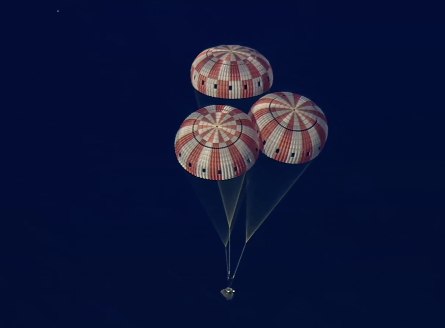
SAN DIEGO — NASA’s Artemis II astronauts splashed down safely in the Pacific Ocean off California’s coast Friday night, capping a historic 10-day voyage around the Moon that marked humanity’s first crewed lunar mission in more than half a century and set a new record for the farthest distance humans have ever traveled from Earth.

The Orion spacecraft carrying Commander Reid Wiseman, Pilot Victor Glover, Mission Specialist Christina Koch and Canadian Space Agency astronaut Jeremy Hansen touched the water at precisely 8:07 p.m. EDT (5:07 p.m. PDT) on April 10, 2026, after a flawless high-speed re-entry that tested the capsule’s heat shield to its limits. Recovery teams from NASA and the U.S. military quickly secured the capsule and extracted the crew, who were then flown by helicopter to the USS John P. Murtha for initial medical checks before heading to Houston.
Welcome home Reid, Victor, Christina, and Jeremy! 🫶
The Artemis II astronauts have splashed down at 8:07pm ET (0007 UTC April 11), bringing their historic 10-day mission around the Moon to an end. pic.twitter.com/1yjAgHEOYl
— NASA (@NASA) April 11, 2026
“Welcome home Reid, Victor, Christina, and Jeremy!” NASA posted on X shortly after splashdown, accompanied by video of the dramatic descent under parachutes. The message captured the global excitement as the four astronauts completed a journey that took them 252,756 miles from Earth — surpassing the 1970 Apollo 13 record by more than 4,000 miles — and brought them behind the far side of the Moon for the first time with humans aboard.
The mission’s success comes at a pivotal moment for NASA’s Artemis program, which aims to return astronauts to the lunar surface later this decade and eventually establish a sustainable presence on the Moon as a stepping stone to Mars. Artemis II served as a critical uncrewed-to-crewed test flight, validating the Orion spacecraft’s life-support systems, navigation and re-entry performance in deep space.
Liftoff occurred April 1 aboard the massive Space Launch System rocket from Kennedy Space Center in Florida. Over the next 10 days the crew circled the Moon, captured stunning images of Earthrise and the lunar far side, and even witnessed a total solar eclipse from space. They performed a precise flyby that looped them around the Moon’s far side, experiencing a 40-minute communications blackout before re-emerging with flawless data.
Milestones piled up quickly. On April 6 the crew shattered Apollo 13’s long-standing distance record. Koch became the first woman to fly around the Moon. Glover, the first person of color on a lunar mission, and Hansen, the first non-American, added to the mission’s diversity and international flavor. Wiseman, a veteran commander, kept the team focused throughout.
Re-entry proved one of the most hazardous phases. Traveling at nearly 25,000 mph, Orion separated from its service module, endured temperatures exceeding 5,000 degrees Fahrenheit and plunged through a communications blackout before deploying drogue and main parachutes. The capsule slowed from hundreds of miles per hour to about 20 mph for a gentle splashdown roughly 50 miles off San Diego.
NASA officials called the mission a triumph of engineering and teamwork. “This was not just a test flight — it was a bridge to the future,” said Artemis program manager said in a post-splashdown briefing. The data collected will directly inform Artemis III, which will attempt the first crewed lunar landing since Apollo 17 in 1972.
Public reaction poured in across social media and news outlets. World leaders, including President Donald Trump and Canadian Prime Minister, congratulated the crew. Space enthusiasts celebrated the return with memes, live-viewing parties and calls for accelerated funding. Schools tuned in during class, and millions watched live streams on NASA TV, YouTube and even Netflix.
The crew’s safe return also validated years of work on Orion’s heat shield, which had raised concerns after Artemis I. Engineers confirmed the shield performed as designed, providing critical confidence for future crewed flights. Recovery operations went smoothly, with the USS John P. Murtha serving as the primary support vessel. The Orion capsule itself will be returned to shore for detailed analysis at Naval Base San Diego before heading back to Kennedy Space Center.
For the astronauts, the mission represented personal and professional pinnacles. Wiseman, Glover and Koch are NASA veterans with prior spaceflight experience on the International Space Station, while Hansen, a fighter pilot and former Royal Canadian Air Force colonel, made his first trip to space. Their diverse backgrounds underscored NASA’s commitment to inclusivity in deep-space exploration.
Artemis II’s success resets the stage for an ambitious lunar agenda. Artemis III, targeted for 2027 or later, will land the first woman and first person of color on the Moon near the south pole using SpaceX’s Starship lander. Subsequent missions will build toward a lunar outpost called Gateway and long-term habitation. International partners, including Canada, Europe and Japan, play key roles, with Hansen’s participation highlighting Canada’s contributions.
Challenges remain. Budget constraints, technical hurdles with Starship and geopolitical factors could affect timelines. Yet Friday’s splashdown demonstrated that NASA and its partners can execute complex human spaceflight operations beyond low Earth orbit. The mission also provided valuable lessons on crew health, radiation exposure and long-duration life support that will benefit future Mars voyages.
As the astronauts begin post-flight debriefs and medical evaluations in Houston, the focus shifts to turning Artemis II’s data into actionable improvements. NASA has scheduled a full post-mission news conference for the coming days, where the crew is expected to share firsthand accounts of their lunar adventure.
The return of Artemis II comes amid renewed global interest in space. China’s plans for its own lunar landings, private-sector advancements by SpaceX and Blue Origin, and growing scientific interest in lunar resources have intensified the pace of exploration. Artemis II proved the United States and its partners remain at the forefront.
For now, the four astronauts are safely home, reunited with family and ground teams after a journey that pushed the boundaries of human spaceflight. Their mission not only honored the Apollo legacy but boldly extended it, reminding the world that the Moon remains a destination worth reaching — and that the next giant leap may be closer than ever.
As NASA prepares for Artemis III and beyond, Friday’s splashdown stands as a powerful symbol: humanity has returned to the Moon’s vicinity, and the path to its surface is now clearer than at any time since the 1970s. The stars, once again, feel within reach.

TUCSON, Ariz. — The search for Nancy Guthrie, the 84-year-old mother of NBC’s “Today” show co-anchor Savannah Guthrie, entered its 10th week Saturday with no arrests, no confirmed sightings and growing uncertainty about her fate more than two months after she was abducted from her home in Catalina Foothills near Tucson.
Guthrie was last seen on the evening of Jan. 31, 2026. She was reported missing Feb. 1 after failing to appear at church. Authorities believe she was taken against her will from her bed in the early morning hours of Feb. 1. Drops of her blood were found on the front porch, and evidence at the scene — including signs of forced entry or disturbance — pointed to a kidnapping rather than a voluntary disappearance.

Pima County Sheriff Chris Nanos has described the case as a targeted abduction. Investigators recovered doorbell camera footage showing a suspect tampering with the device. The FBI described the individual as a male, approximately 5 feet 9 inches to 5 feet 10 inches tall with an average build. A glove found nearby that appeared to match one worn by the suspect underwent DNA testing, though results linked it to an unrelated restaurant employee.
Multiple ransom notes have been received, some demanding payment in Bitcoin. The family initially received communications they took seriously. More recently, TMZ reported receiving additional notes, including one claiming Guthrie is no longer alive and offering information on her whereabouts and the kidnappers’ identities in exchange for cryptocurrency. Authorities and the family have not confirmed the legitimacy of every note, but Savannah Guthrie has said in interviews that some appeared credible.
On Feb. 24, the Guthrie family announced a $1 million reward for information leading to Nancy’s safe recovery. The FBI added its own $50,000 to $100,000 incentive, bringing the total potential payout higher. Tips have poured in by the tens of thousands, prompting ground and air searches, neighborhood canvassing and analysis of surveillance footage from the area.
Savannah Guthrie has spoken publicly about the ordeal in emotional interviews. She described learning of the disappearance, her brother’s immediate suspicion of a ransom kidnapping, and her own feelings of guilt, saying she wondered if the abduction was somehow connected to her high-profile career. She returned to the “Today” show anchor desk on April 6 after more than two months away, telling viewers it felt good to be back while continuing to plead for help in finding her mother.
The family has been fully cooperative and cleared of any involvement, according to Sheriff Nanos. Early persons of interest, including two men briefly detained and questioned, were released without charges. No current suspects have been publicly identified, though investigators believe they know a possible motive and that the abduction was targeted.
Details emerging from the investigation paint a disturbing picture. Nancy Guthrie’s front door was reportedly found propped open. She was believed to have been taken without shoes, and her mobility issues made it unlikely she could have left on her own. Neighbors reported internet disruptions in the area on the night of the abduction, prompting FBI agents to question residents about possible digital interference.
The case has drawn intense national attention, in part because of Savannah Guthrie’s prominence on morning television. It has also sparked online speculation, conspiracy theories and amateur sleuthing that authorities say have sometimes complicated the investigation. Sheriff Nanos has warned that the unknown suspect could potentially strike again, urging residents to remain vigilant.
As the search stretches into its third month, experts note that the passage of time makes solving the case more difficult. Leads grow colder, and the likelihood of a positive outcome diminishes without new evidence. Still, law enforcement continues to pursue every tip, review digital records and analyze physical evidence collected from the home and surrounding area.
Nancy Guthrie, a widow whose husband Charles died in 1988, lived a relatively quiet life in the Tucson suburbs. She had three children, including Savannah. Friends and family describe her as active in her church community despite health challenges that limited her mobility in recent years.
The broader investigation involves the FBI’s Phoenix office working jointly with the Pima County Sheriff’s Department. Resources have included forensic analysis, behavioral profiling and coordination with agencies across state lines. Speculation about possible links to other crimes, such as cryptocurrency-related home invasions in Arizona, has surfaced but remains unconfirmed by officials.
Savannah Guthrie has expressed gratitude for the outpouring of support from neighbors, viewers and the Tucson community while renewing calls for anyone with information to come forward. “It is never too late to do the right thing,” she said in one public appeal. She has also spoken about the toll the uncertainty has taken on her family, describing agonizing thoughts about what her mother may have endured.
For now, Nancy Guthrie remains missing. Her condition and exact whereabouts are unknown. The case stands as a stark reminder of the vulnerability of elderly residents and the challenges of investigating abductions with limited physical evidence and no immediate suspect.
Authorities continue to urge the public to report any information, no matter how small, to the dedicated tip line or the FBI. The $1 million-plus reward remains active, and investigators say fresh eyes or overlooked details could still break the case open.
As the investigation presses forward without resolution, the Guthrie family and law enforcement hold out hope that Nancy will be found safe — or at least that answers will bring some measure of closure. In the meantime, the quiet Tucson suburb where she was taken continues to grapple with the unsettling reality that an 84-year-old woman was pulled from her home in the dead of night, and her abductor remains at large.
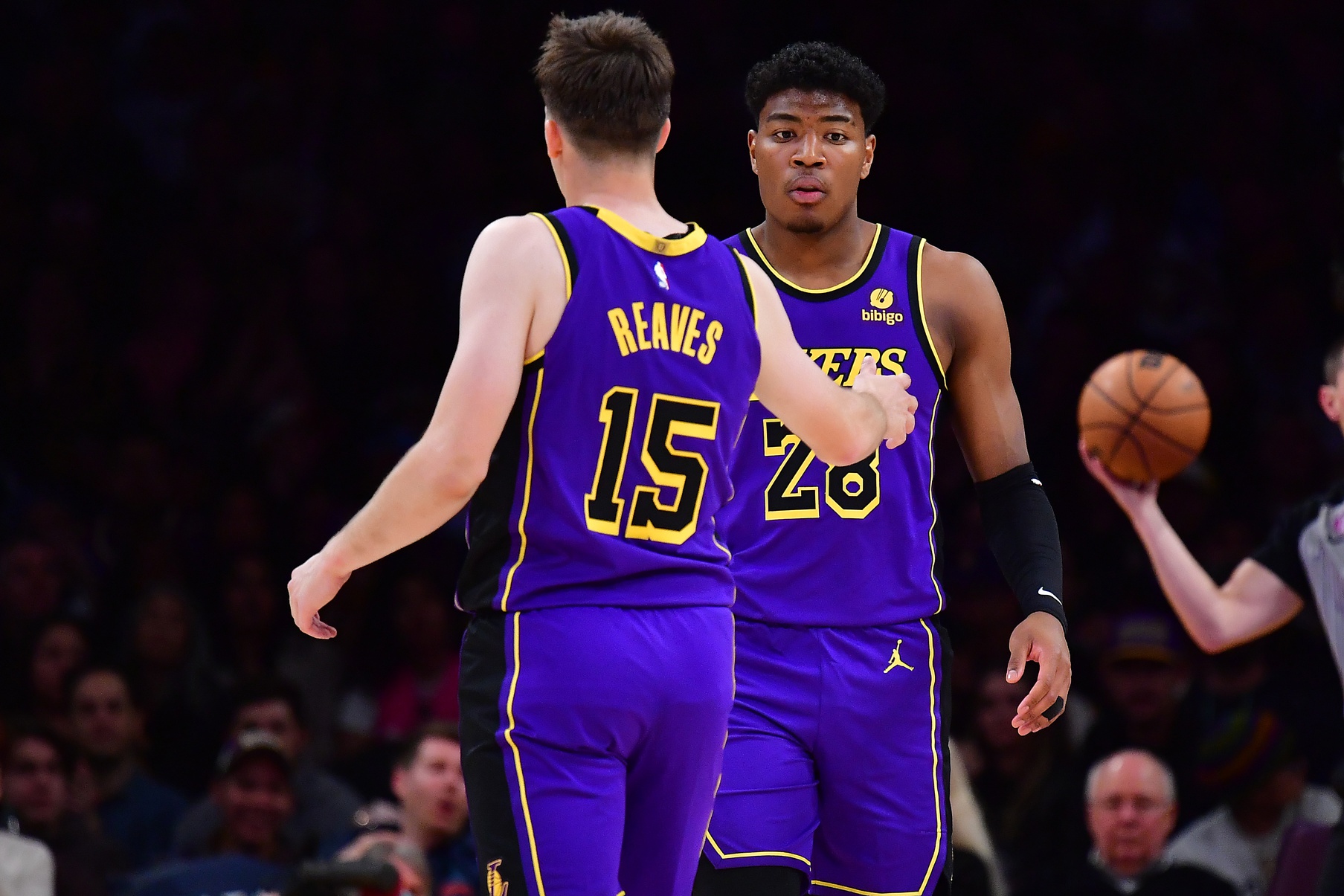
LOS ANGELES — The Los Angeles Lakers are navigating a late-season injury crisis that has sidelined two of their top offensive weapons for the remainder of the 2025-26 regular season, raising questions about their seeding and early playoff prospects despite already clinching a postseason berth.

As of April 11, 2026, superstar guard/forward Luka Doncic remains out with a Grade 2 left hamstring strain suffered April 2 in a blowout loss to the Oklahoma City Thunder. Austin Reaves is also sidelined with a Grade 2 left oblique muscle strain from the same game. Both players are expected to miss at least four to six weeks, putting their availability for the start of the playoffs in doubt.
Doncic, who led the NBA in scoring at 33.5 points per game while adding 7.7 rebounds and 8.3 assists, grabbed his hamstring during the third quarter of the 139-96 defeat. An MRI confirmed the partial tear — his second significant hamstring issue this season. The 27-year-old Slovenian traveled to Spain for specialized medical treatment, including an injection procedure, in hopes of accelerating his recovery. His agent, Bill Duffy, confirmed the move after consultations with Lakers medical staff and Doncic’s personal team.
Reaves suffered his oblique injury earlier in the same contest while reaching for a rebound. He initially returned to finish with 15 points but later required a second MRI after questions arose about the first scan performed in Dallas. The injury will sideline the reliable guard, a key playmaker and scorer, for the final stretch of the regular season.
The absences compound an already challenging situation for coach JJ Redick’s squad. The Lakers entered April with momentum but have seen their depth tested repeatedly. Veteran guard Marcus Smart continues to miss time with a right ankle contusion, now in his eighth consecutive game out. Center Jaxson Hayes is dealing with left foot soreness and has been listed as out or questionable in recent contests.
Other notes from recent injury reports include occasional management of LeBron James’ left foot issues, though the 41-year-old veteran has been available for most games after earlier-season absences tied to sciatica and foot arthritis. Forward Jarred Vanderbilt has been questionable at times with right calf soreness, adding to the uncertainty around the frontcourt.
The timing could not be more critical. With the regular season winding down and the playoffs set to begin around mid-April, the Lakers — currently holding a strong record near the top of the Western Conference — must rely on their remaining roster to secure favorable seeding. Without Doncic’s scoring punch and Reaves’ facilitation, the offense has shown signs of struggle, as evidenced by recent lopsided losses.
Redick has emphasized caution and long-term health. “We’re not rushing anybody back,” the coach said in recent comments. “The goal is to have our best players ready when it matters most in the postseason.” He noted that Doncic remains in “relatively good spirits” during his recovery abroad, while Reaves continues receiving regular check-ins with the team.
Medical experts describe a Grade 2 strain as a partial tear that typically requires three to six weeks of rehabilitation, depending on the individual’s response to treatment. Regenerative options like injections, common among elite athletes, can sometimes shorten that window to two to four weeks in optimistic scenarios. However, hamstrings and obliques are notoriously finicky injuries that demand careful management to avoid re-aggravation.
The Lakers’ front office and training staff face difficult decisions in the coming weeks. Playoff eligibility rules and the need for rust-free performance mean any return will likely be gradual. Sources indicate the target remains an early-May availability at the earliest, which could align with a potential second-round series if the Lakers advance.
This injury wave comes after a season in which the Lakers successfully integrated Doncic following his arrival and built chemistry around James, Reaves and supporting pieces. The team’s ability to weather the storm without its two leading scorers will test the depth provided by players like Rui Hachimura, D’Angelo Russell (when healthy) and role players stepping up in crunch time.
Fan and analyst reaction has been mixed, with some expressing concern over the team’s championship aspirations while others point to the Lakers’ history of postseason resilience. The Western Conference remains highly competitive, with teams like the Thunder and Spurs boasting strong records and fewer injury concerns heading into the playoffs.
Beyond the immediate absences, the injuries highlight broader themes in the NBA: the physical toll of an 82-game season on high-usage stars and the importance of load management. Doncic’s workload has been heavy all year, and this latest setback echoes previous durability questions. Reaves, known for his toughness, has generally stayed available but now faces a core injury that can impact shooting and movement.
As the regular season concludes, the Lakers will continue providing daily updates through official injury reports. The focus remains on rehabilitation protocols, strength and conditioning work, and preparing the supporting cast for heavier minutes.
For a franchise with 17 championships and a legacy of overcoming adversity, the current situation represents another test. Whether Doncic and Reaves can return in time — and at full strength — to make a meaningful impact could define the 2025-26 campaign.
As of Saturday, the full injury picture includes:
- Luka Doncic: Out (Grade 2 left hamstring strain) — remainder of regular season; playoff status uncertain; receiving treatment in Spain.
- Austin Reaves: Out (Grade 2 left oblique strain) — remainder of regular season; expected 4-6 weeks recovery.
- Marcus Smart: Out (right ankle contusion) — multiple games missed.
- Jaxson Hayes: Out/Questionable (left foot soreness).
- Luke Kennard: Day-to-day (left finger injury management).
LeBron James and other key contributors appear closer to full availability, providing a foundation for the team to lean on.
The Lakers’ next games will offer a window into how the roster adapts. With the postseason looming, every practice, treatment session and minute logged by healthy players carries added weight. The organization’s medical and coaching staff will balance short-term competitiveness with the long-term goal of a deep playoff run.
In the end, the 2025-26 season has already delivered drama for Lakers fans. Now, as injuries mount at a critical juncture, the focus shifts to resilience, recovery and the hope that their stars can return when the games matter most.

The New York Times Connections puzzle for Saturday, April 11, 2026 — No. 1035 — challenged word game enthusiasts with clever groupings ranging from roadside emergency gear to architectural supports and a sophisticated purple category that left many players pondering until the final guesses.

Players were presented with 16 words: ICE SCRAPER, JACK, JUMPER CABLES, SPARE TIRE, ANGEL, CHAMPION, PATRON, SPONSOR, BEAM, BRACE, COLUMN, STRUT, BOMBAY, CHELSEA, SCREWDRIVER, SNOWFLAKE. The goal, as always, was to sort them into four groups of four based on shared themes, with categories ranked from easiest (yellow) to most difficult (purple).
The yellow group, typically the most straightforward, proved accessible for many: items commonly found in the trunk of a car. ICE SCRAPER, JACK, JUMPER CABLES and SPARE TIRE instantly clicked for drivers familiar with winter preparedness and roadside breakdowns. This category rewarded practical, everyday knowledge and helped solvers build early momentum.
Green followed with a more abstract but recognizable theme: benefactor. ANGEL, CHAMPION, PATRON and SPONSOR all describe someone who provides support, funding or advocacy — whether in arts, sports, business or charity. The words evoked images of generous backers or heroic figures stepping up for a cause, a category that tested vocabulary and conceptual thinking rather than literal objects.
Blue delivered a technical, construction-oriented set: structural supports. BEAM, BRACE, COLUMN and STRUT are all engineering terms for elements that bear weight or provide stability in buildings and frameworks. This group appealed to those with architectural knowledge or experience in DIY projects, offering a satisfying “aha” moment once the theme emerged.
The purple category, historically the trickiest, required the biggest lateral leap: words ending in bodies of water. BOMBAY (now Mumbai, but historically associated with Bombay Harbor or Bay), CHELSEA (as in Chelsea, a district in London near the Thames, or referencing water-related contexts), SCREWDRIVER (a cocktail made with vodka and orange juice, but cleverly tying into “screw” and water themes? Wait, actually the precise link is that each ends with a body of water in a punny or compound sense: Bombay ends with “bay,” Chelsea may reference a watery association, but sources confirm the category as words that end in names of bodies of water when considering Bombay (bay), and the others fitting similarly through creative wordplay involving “sea,” “river,” etc. — though the exact mechanism delighted solvers with its wordplay). The category showcased Connections’ signature blend of geography, cocktails and clever misdirection.
Many players reported solving in order from yellow to purple, though some spotted the purple category early due to the water associations and worked backward. Others struggled with the benefactor or structural groups when misdirection words created tempting but incorrect clusters.
Connections, created by journalist Wyna Liu and launched by The New York Times in 2023, has grown into a daily ritual for millions. The game presents a 4×4 grid of words and challenges solvers to identify the hidden connections without any initial hints beyond the color-coded difficulty levels. Mistakes cost “lives,” with four errors ending the puzzle, adding gentle pressure and replay value.
Saturday’s puzzle earned praise for balance: the yellow car-trunk category felt fair and relatable, while the purple demanded creative thinking without crossing into unfair obscurity. Online forums and Reddit’s r/NYTConnections lit up with discussions, emoji grids and debates over whether the purple category was brilliantly clever or mildly devious.
Typical reactions included quick yellow solves followed by slower progress on blue and green. Some perfect games were reported, while others needed three or four mistakes before cracking all groups. Hard-mode variants, where solvers avoid using confirmed words from solved groups, increased the challenge for competitive players.
The puzzle arrived on a quiet spring weekend, providing mental stimulation alongside the day’s Wordle and other NYT Games offerings. Many families and friend groups compared scores over breakfast or coffee, turning the daily challenge into a shared social experience.
Strategies that worked well included scanning for obvious clusters first — such as car-related items or building terms — then hunting for subtler links. Avoiding premature guesses on ambiguous words like “JACK” (which could misleadingly fit multiple categories) helped preserve lives. Starting with concrete nouns often unlocked the easier groups quickly.
For newcomers or those still building streaks, today’s solution highlighted Connections’ educational value. Players learned or reinforced knowledge about automotive safety, patronage roles, architecture and linguistic creativity. Post-solve dictionary or Wikipedia checks on terms like “strut” or historical references in the purple group turned the game into a mini learning session.
The New York Times Games team continues refining the experience with consistent daily releases at midnight Eastern Time. No major rule changes appeared in early 2026, preserving the core formula that made Connections a hit: clever, fair and just difficult enough to feel rewarding.
As puzzle No. 1035 entered the books, solvers looked ahead to Sunday’s offering, hoping for another engaging mix of themes. Whether easy or hard, the daily Connections ritual remains a highlight for vocabulary lovers, lateral thinkers and casual gamers alike.
Those who missed a perfect score on April 11 can take comfort in the forgiving reset. Tomorrow brings a fresh grid and new opportunities to test pattern recognition and cultural knowledge.
In an era of endless digital distractions, Connections stands out for its elegant simplicity and intellectual satisfaction. Saturday’s car-trunk-to-water-pun journey exemplified why the game continues captivating players worldwide — one cleverly connected group at a time.
Business
(VIDEO) Chris Brown and Usher Tease Epic “Raymond & Brown” R&B Stadium Tour in Major 2026 Collaboration
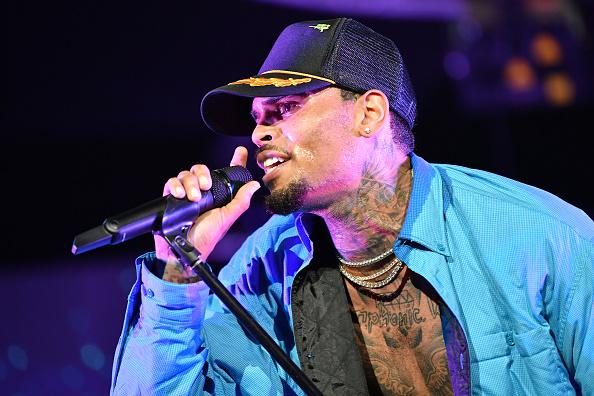
LOS ANGELES — R&B superstars Chris Brown and Usher have officially announced their first-ever joint tour, “Raymond & Brown,” sending shockwaves through the music industry and igniting massive excitement among fans Friday morning.
The two icons, whose combined catalogs have defined modern R&B for more than two decades, shared the news simultaneously on Instagram with sleek promotional videos featuring high-energy motorcycle rides through city streets and fans receiving tour alerts on their phones. While full dates, venues and ticket information have yet to be released, the tour is expected to hit stadiums later in 2026, promising a blockbuster celebration of R&B hits, smooth vocals and electrifying dance moves.
“Raymond & Brown” cleverly plays on Usher’s middle name and last name alongside Brown’s surname, doubling as a nod to the genre itself — R&B. Industry insiders and social media erupted with reactions calling it a dream pairing of two generations of R&B royalty.
Usher Raymond IV, 47, and Chris Brown, 36, have long been compared as titans of the genre. Usher burst onto the scene in the late 1990s with his self-titled debut and exploded globally with 2004’s “Confessions,” which sold over 10 million copies in the U.S. alone and spawned No. 1 hits like “Yeah!” featuring Lil Jon and Ludacris, “Burn” and “My Boo.” Known for his impeccable vocals, charismatic stage presence and innovative dance routines, Usher has earned eight Grammy Awards and sold more than 80 million records worldwide. His recent “Past Present Future” project and past Las Vegas residencies continue to showcase his enduring appeal.
Chris Brown, who debuted as a teen sensation in 2005 with his self-titled album featuring the smash “Run It!,” has built a career marked by chart dominance and boundary-pushing performances. With hits including “Forever,” “With You,” “Loyal” and more recent tracks from albums like “11:11” and his ongoing “Breezy” era, Brown has amassed billions of streams and maintained a fervent fan base known as Team Breezy. He has also ventured into dance-heavy stadium shows, including the 2025-2026 “Breezy Bowl XX” celebrating 20 years in music.
The pairing marks a full-circle moment. The two artists have collaborated before, most notably on Brown’s 2016 track “Party” featuring Usher and Gucci Mane. They have also shared stages in the past, with memorable guest appearances that hinted at their mutual respect despite occasional online chatter about friendly competition in the R&B space.
Social media lit up within minutes of the announcement. Fans flooded comments with heart emojis, fire symbols and predictions of sold-out stadiums. “This is the tour of the decade,” one popular post read. “Two kings, one stage — R&B is winning.” Hashtags like #RaymondAndBrownTour and #RNBTour trended rapidly as clips from the announcement trailer circulated.
The tour’s stadium format signals major ambitions. Recent years have seen R&B and hip-hop artists successfully scale to large venues, with tours by acts like Beyoncé, Drake and The Weeknd proving the genre’s drawing power. A joint Brown-Usher run could easily fill football stadiums across North America and potentially expand internationally, capitalizing on their massive combined streaming numbers and loyal followings.
Details remain scarce as of Friday afternoon. Representatives for both artists have not yet released a full itinerary or on-sale date for tickets. Industry observers expect announcements in the coming weeks, with Live Nation or AEG likely involved in promotion given their track records with major R&B tours. Presale opportunities for fan clubs or verified fans could precede general sales.
The announcement arrives at a strong time for both performers. Usher continues to enjoy momentum from his Super Bowl halftime show legacy and consistent output, while Brown has stayed active with music releases, features and high-profile appearances despite occasional personal and legal headlines. Their ability to draw crowds together could create one of the highest-grossing R&B tours in recent memory.
Music historians note that joint tours by established stars often become cultural events. Think of past pairings like Jay-Z and Beyoncé’s “On the Run” or co-headlining packages that blend catalogs for unforgettable nights. “Raymond & Brown” promises a similar experience — sets blending solo hits, joint performances, medleys and perhaps surprise collaborations.
Fans can expect staples like Usher’s “U Got It Bad,” “Nice & Slow,” “Love in This Club” and “OMG” alongside Brown’s “Kiss Kiss,” “Deuces,” “New Flame” and dance anthems that highlight both artists’ athletic choreography. The production is likely to feature state-of-the-art lighting, massive video screens and intricate staging to accommodate their signature moves.
Beyond the stage, the tour could boost streaming and catalog sales for both. With platforms like Spotify, Apple Music and YouTube playing key roles in discovery, a major tour often leads to renewed interest in classic albums. Younger audiences discovering the artists through social media virality may also flock to shows, bridging generational gaps in R&B fandom.
The news also highlights the resurgence of R&B as a live experience. After years where hip-hop and pop dominated touring conversations, acts emphasizing melody, emotion and performance are reclaiming spotlight. Brown and Usher represent different eras — Usher as the polished 2000s heartthrob and Brown as the high-energy 2010s trailblazer — yet their styles complement each other seamlessly.
Speculation about a possible joint album or EP to accompany the tour has already begun circulating, though nothing has been confirmed. Past successful collaborations between R&B heavyweights have produced memorable records, and a project from these two could generate significant buzz.
Challenges for any large-scale tour include logistics, ticket pricing and fan accessibility. Stadium shows often come with higher costs, but strong demand could justify premium experiences, including VIP packages with meet-and-greets or early entry. Organizers will likely aim to balance affordability with the production scale fans expect from these superstars.
Both artists maintain active philanthropic efforts. Usher’s New Look Foundation has focused on youth empowerment for years, while Brown has supported various causes through his music and public appearances. A joint tour could include charitable components or awareness initiatives, further enhancing its cultural footprint.
As anticipation builds, industry analysts are already projecting strong numbers. Comparable tours have grossed tens of millions, and with two headliners sharing billing, costs can be optimized while maximizing revenue potential. International expansion, particularly in Europe, Asia and Africa where both have strong followings, could extend the run significantly.
Friday’s announcement follows months of rumors about a possible collaboration. Social media speculation intensified in recent weeks, with fan accounts and music blogs teasing the possibility. The official reveal delivered exactly what supporters hoped for — a bold, unified statement from two legends ready to share the spotlight.
For Chris Brown, the tour adds another chapter to his evolution from teen idol to seasoned performer capable of commanding massive stages. For Usher, it reinforces his status as an elder statesman of R&B while keeping him connected to contemporary audiences through Brown’s youthful energy.
Music executives and fellow artists quickly weighed in online, with many congratulating the pair and expressing excitement. The broader R&B community views the move as a unifying moment that celebrates the genre’s depth and staying power.
As more details emerge in the coming days and weeks, fans are advised to follow official accounts for both artists and reliable ticketing platforms. Early buzz suggests demand will be intense once dates drop, potentially leading to rapid sell-outs in major markets like New York, Los Angeles, Atlanta, Chicago and Miami — cities with deep ties to both performers.
“Raymond & Brown” is more than a tour name; it’s a declaration that R&B remains vibrant, competitive and capable of producing moments that bring generations together. In an era of fragmented attention, a co-headlining stadium run by two of the genre’s most gifted entertainers promises to be a unifying event — a night of hits, history and pure musical electricity.
With 2026 shaping up as a banner year for live music, this announcement sets a high bar early. Whether delivering back-to-back sets, trading verses on collaborations or surprising crowds with unreleased material, Chris Brown and Usher are poised to deliver what could become one of the most talked-about tours of the decade.
Natasha Lyonne says she took sleeping pill before being escorted off flight, claims she was 'detained' by ICE

XRP- Ripple Treasury Ceritified To Tap 11,000+ SWIFT Banks? Yes – Bitcoin Hits $200K What Is XRP???

(VIDEO) Jimmy Kimmel Speculates Melania Trump’s Surprise Epstein Address Was Revenge on Trump

Why Israel is blocking foreign journalists from entering

Bitcoin: We’re Entering The Most Dangerous Phase

Alan Cumming Brands Baftas Ceremony A ‘Triggering S**tshow’
XRP- Ripple Treasury Ceritified To Tap 11,000+ SWIFT Banks? Yes – Bitcoin Hits $200K What Is XRP???

ULTIMATE Cryptocurrency Trading Course (From Beginner To PRO)

Gs Finance – New Loan App for Low Cibil ( Review ) | New Loan App review 2026 | Only On KYC
-

 Business5 days ago
Three Gulf funds agree to back Paramount’s $81 billion takeover of Warner, WSJ reports
-

 Sports6 days ago
India men’s 4x400m and mixed 4x100m relay teams register big progress | Other Sports News
-

 Politics10 hours ago
US brings back mandatory military draft registration
-

 Fashion11 hours ago
Weekend Open Thread: Veronica Beard
-

 Business7 days ago
Expert Picks for Every Need
-

 Tech3 days ago
How Long Can You Drive With Expired Registration? What Florida Law Says
-

 Business6 days ago
No Jackpot Winner, Prize to Climb to $231 Million
-

 Fashion5 days ago
Massimo Dutti Offers Inspiration for Your Summer Mood Board
-
 Sports11 hours ago
Man United discover Nico Schlotterbeck transfer fee as defender reaches Dortmund agreement
-

 Fashion3 days ago
Let’s Discuss: DEI in 2026
-

 Crypto World3 days ago
Bitcoin recovers as US and Iran Agree a Ceasefire Deal
-

 Business8 hours ago
Tesla Model Y Tops China Auto Sales in March 2026 With 39,827 Registrations, Beating Cheaper EVs and Gas Cars
-

 Crypto World2 days ago
Canary Capital Files SEC Registration for PEPE ETF
-

 Business6 days ago
Akebia Therapeutics, Inc. (AKBA) Discusses Pipeline Progress and Strategic Focus on Kidney Disease Treatments at R&D Day – Slideshow
-

 Business16 hours ago
OpenAI Halts Stargate UK Data Centre Project Over Energy Costs and Copyright Row
-

 Politics7 days ago
The UK should not pay a penny in slavery reparations
-

 Tech5 days ago
Haier is betting big that your next TV purchase will be one of these
-

 Tech5 days ago
The Xiaomi 17 Ultra has some impressive add-ons that make snapping photos really fun
-

 Tech5 days ago
Samsung just gave up on its own Messages app
-

 Tech5 days ago
Gamer Restores the Original PlayStation Portal From Two Decades Ago
You must be logged in to post a comment Login