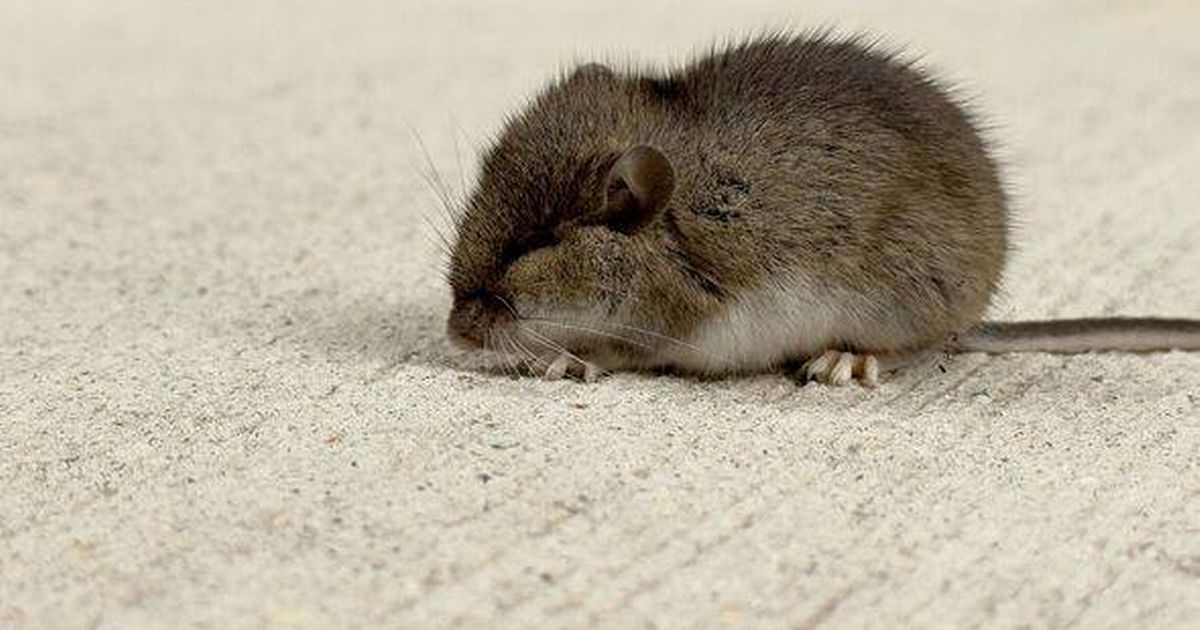
With temperatures continuing to plummet and food sources increasingly scarce, January can be a busy month for unwanted garden pests like mice
As temperatures plunge and food becomes harder to find, January sees a surge in garden pest activity. This is particularly troubling for those with a fear of rodents, as rats and mice become increasingly prevalent.
Specialists at Pests UK explain that rats are frequently attracted to warm compost heaps and sheltered spaces beneath porches where they can nest during January. A female typically produces around six litters annually, with each litter containing between six and 13 offspring.
Both species are also drawn to any leftover food around properties. During winter months, this often includes seeds, nuts and other protein-rich items that homeowners put out to support birds through the colder period. Pest UK notes: “January is typically a slow month for pest control.
“Insect problems are not as prevalent, except for bedbugs which are not a seasonal pest. The most common pests in January are rodents, such as rats, mice and also squirrels.”
Fantastic Pest Control highlights that mice pose a particular threat indoors as they gnaw through furniture, walls, cables and pipes. They can be deterred by blocking entry points and using traps and poison.
Nevertheless, there are three plants that can help keep mice away from your property. The creatures are known to dislike the scent of eucalyptus, lavender and mint.
Eucalyptus is considered the “safest” choice and has been proven to be an effective deterrent. Households can create their own eucalyptus oil spray by combining two teaspoons of eucalyptus oil with water and a couple of drops of detergent.
This solution can then be applied throughout the property, especially in areas with a “high chance” of mice entering, such as drains, wall cavities and skirting boards. Specialists recommend repeating this process weekly for optimal effectiveness.
Alternatively, incorporating lavender into your property not only minimises the likelihood of a mouse problem but is frequently used to alleviate stress and enhance sleep quality. Residents can apply lavender oil to cotton wool balls and position them in areas where mice are commonly found.
Fantastic Pest Control advises: “Carefully pour 8 to 10 drops of lavender oil on each cotton ball. Following that, place the cotton balls near possible entry points of mice. Leave them there until the scent is gone and repeat the process again if required.”
Mint, particularly spearmint (mentha spicata), can be positioned in small containers around the property. If you have outdoor space, you can cultivate your own mint plants to discourage the rodents.
Another natural deterrent for mice is garlic, though it is reported to be less effective in larger, open areas. It also requires regular replacement to preserve the odour that repels the pests.
Specialists suggest popping cloves at spots where the pesky critters might sneak into your home. Or you could blend garlic with water and give your house a good spritz.
But be warned, garlic is seriously harmful to our furry friends like cats and dogs.