Connect with us

NewsBeat

‘Emergency measures’ for A56 near Park Farm, Ramsbottom

Published

on

'Emergency measures' for A56 near Park Farm, Ramsbottom

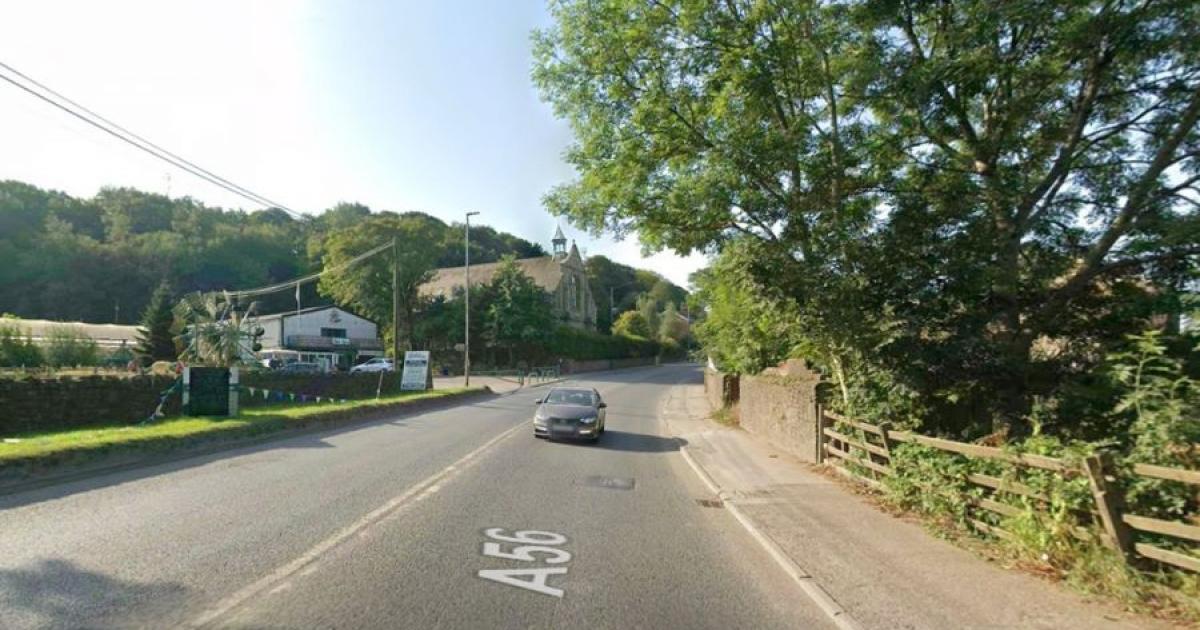
The traffic management measures have been introduced on the A56 Manchester Road in Ramsbottom near Park Farm to allow emergency works to be carried out.

Bury Council says this is in response to an ongoing landslip which has created a dangerous dip in the road surface.

Cllr Alan Quinn, Bury Council cabinet member for the environment and climate change, said: “These emergency measures are essential to ensure public safety while we address the impact of the landslip.

Advertisement

“We appreciate the patience and understanding of motorists and residents as we work to stabilise the area and keep the route open in the safest way possible.”

The authority says the landslip has prompted the installation of temporary traffic signals to protect road users while remedial works take place.

These signals will remain in place until minor surfacing and lining works can be completed.

Contractors have patched sections of the carriageway, and lining will be carried out to mark out the new lanes.

Advertisement

Once these works are complete, the road will return to two-way traffic within a narrowed carriageway layout designed to keep vehicles safely away from the affected area of the slip.

As well as immediate safety measures, the council’s traffic team is preparing a Traffic Regulation Order to reduce the speed limit from 40mph to 30mph along this stretch of the A56.

They say this temporary reduction is intended to improve safety for all road users while investigations continue, and long-term stabilisation solutions are developed.

The council says a long-term solution is likely to involve major engineering works to support the highway, the scale and scope of which will be determined by ongoing ground investigation.

Advertisement

Officials say lower speeds will help minimise risks and ensure that drivers can navigate the altered road layout safely.

Further questions and answers can be found online at Bury Council’s website.

Source link

Advertisement
Continue Reading
Click to comment

Leave a Reply

Your email address will not be published. Required fields are marked *

NewsBeat

Savannah Guthrie offers up to $1 million reward for return of her missing mother

Published

on

Savannah Guthrie offers up to $1 million reward for return of her missing mother

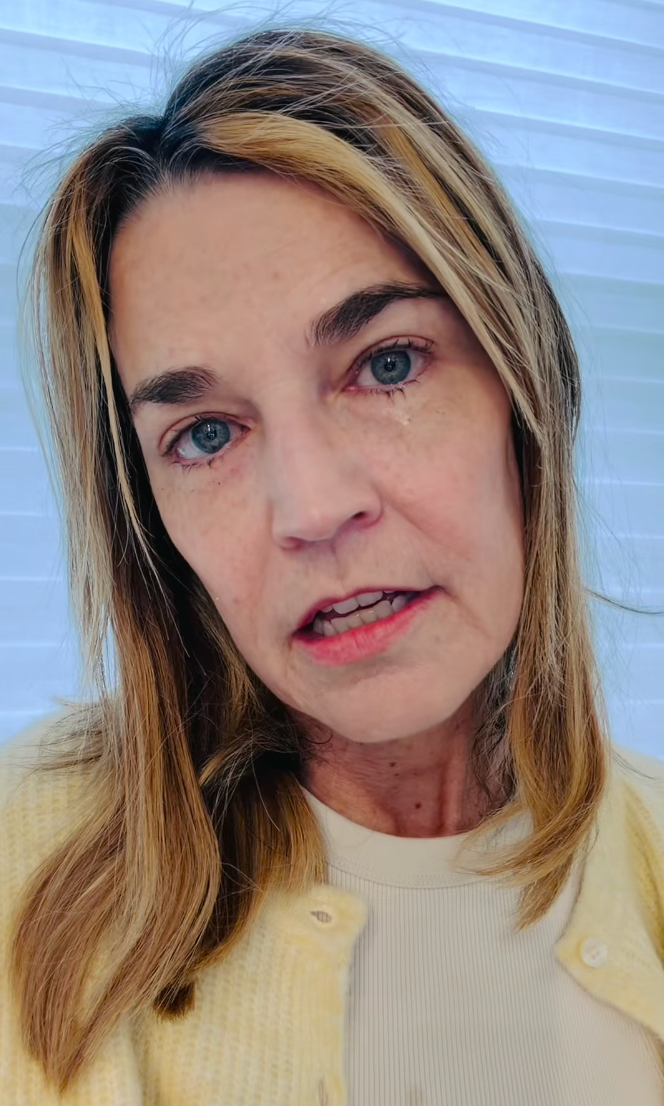
A tearful Savannah Guthrie offered up to $1 million for information leading to the recovery of her mother, Nancy Guthrie, who was abducted from her home three weeks ago.

“It is day 24 since our mom was taken in the dark of night from her bed, and every hour and minute and second, and every long night has been agony since then, of worrying about her and fearing about her, aching for her and most of all just missing her,” the Today show host said in a video shared Tuesday morning to her Instagram account.

“We know that millions of you have been praying — so many people — have been praying, of every faith and no faith at all. And we feel those prayers,” she said. “Please keep praying without ceasing.”

“We still believe in a miracle. We still believe she can come home,” she added.

Advertisement

Savannah, 54, acknowledged the possibility that her 84-year-old mom may no longer be alive.

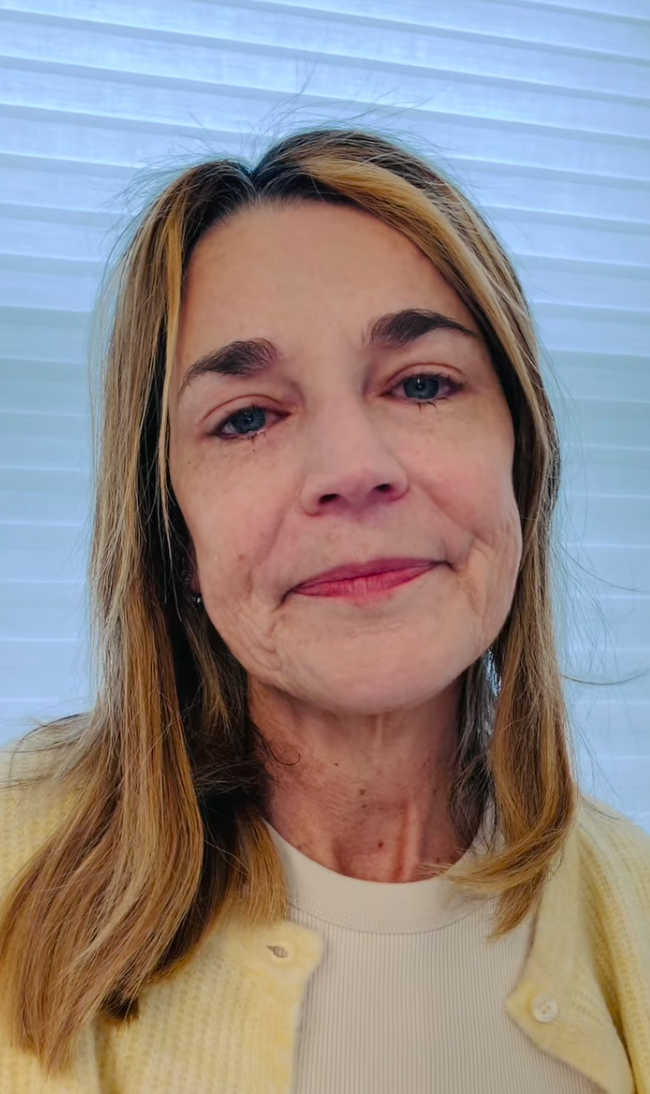
Savannah Guthrie announced the reward in an emotional Instagram video shared Tuesday morning, acknowledging the possibility that her mom may no longer be alive

Savannah Guthrie announced the reward in an emotional Instagram video shared Tuesday morning, acknowledging the possibility that her mom may no longer be alive (Instagram/@savannahguthrie)
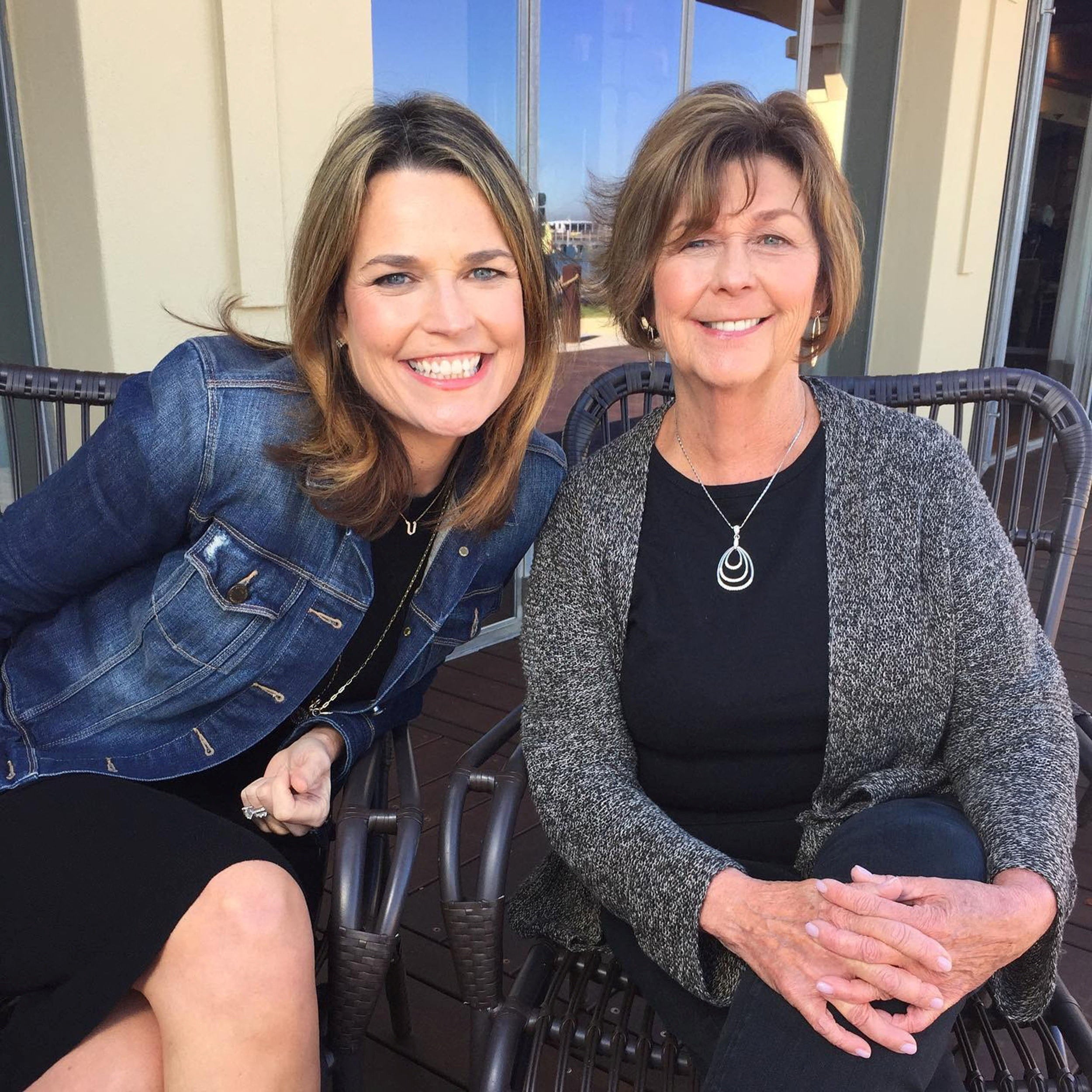
The Guthrie family is offering up to $1 million for information leading to the recovery of their mother, Nancy Guthrie, who has been missing for three weeks

The Guthrie family is offering up to $1 million for information leading to the recovery of their mother, Nancy Guthrie, who has been missing for three weeks (NBC/Today)

“But we need to know where she is. We need her to come home. For that reason, we are offering a family reward of up to $1 million for any information that leads us to her recovery,” she said.

Advertisement

“Someone out there knows something that can bring her home,” she added.

Nancy Guthrie disappeared from her home in the Catalina Foothills outside of Tucson, Arizona, in the early hours of February 1. Authorities believe she was taken against her will.

Her disappearance sparked a massive search involving state and federal law enforcement agencies. Authorities said Nancy Guthrie relies on daily medication, and there could be “fatal” consequences if she does not take it.

Police also flagged her health issues upon her disappearance, according to a 911 dispatch audio. “Nancy has high blood pressure, a pacemaker and cardiac issues,” the dispatcher said.

Advertisement

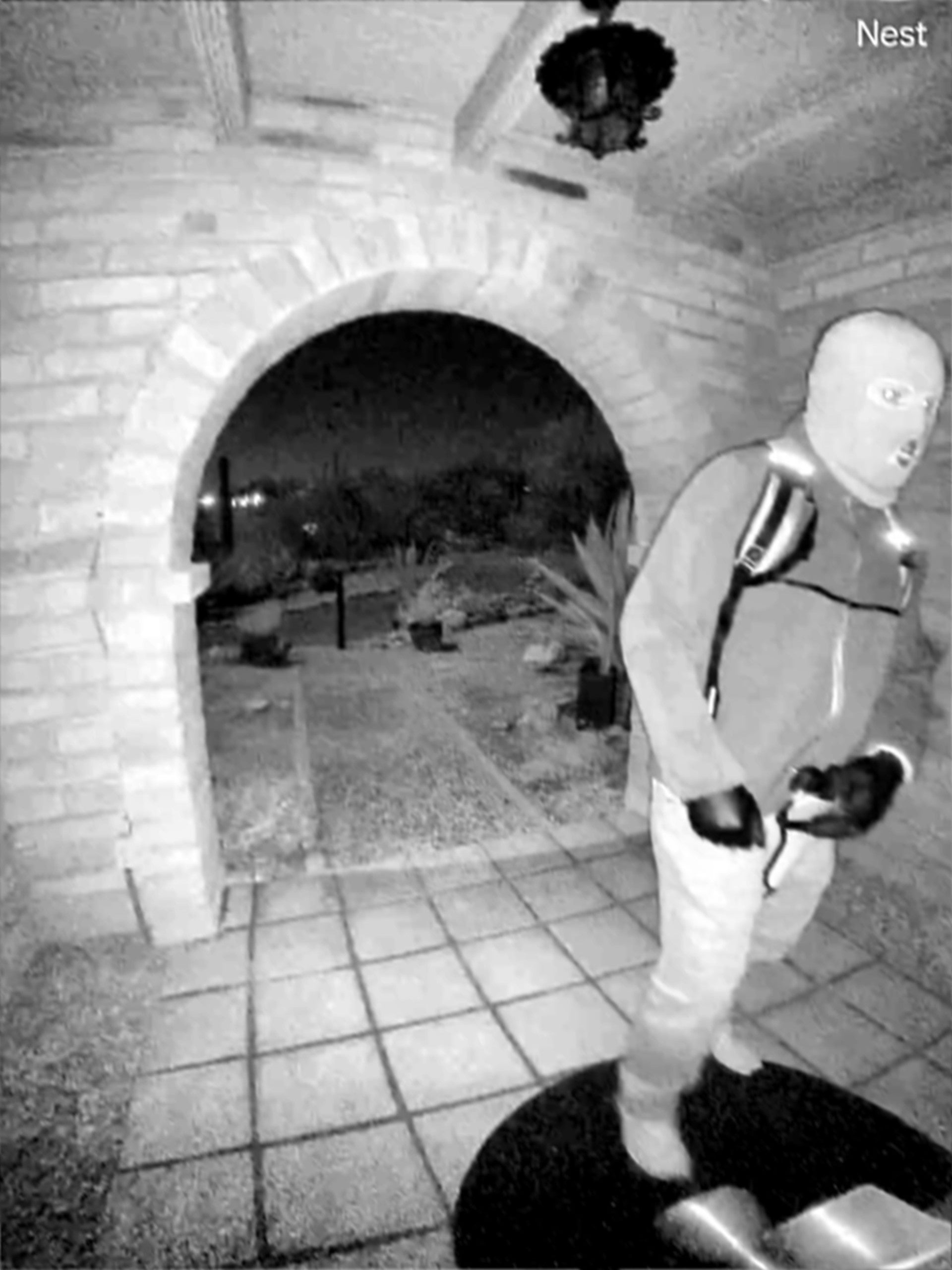
The FBI released doorbell camera images February 10 showing a suspect wearing a ski mask, gloves and backpack standing at Nancy Guthrie’s front door on the morning of her disappearance but no one has been arrested.

Reports this week, from ABC News and CNN, now suggest the suspected kidnapper may have been at her door on another day before the alleged abduction. It was unclear which day the suspect may have been at the home.

In a statement shared with The Independent Monday night, Pima County Sheriff’s Department said: “We are aware that doorbell images released earlier in the investigation depict a suspect in different stages of attire, including with and without a backpack.

Stills released by the FBI showed the suspect wearing a ski mask, gloves and a backpack outside of Nancy Guthrie’s home

Advertisement
Stills released by the FBI showed the suspect wearing a ski mask, gloves and a backpack outside of Nancy Guthrie’s home (Pima County Sheriff’s Department)
Today show host Savannah Guthrie acknowledged Tuesday the possibility that her mom may no longer be alive, but urged anyone with information to contact authorities

Today show host Savannah Guthrie acknowledged Tuesday the possibility that her mom may no longer be alive, but urged anyone with information to contact authorities (Instagram/@savannahguthrie)

“There is no date or time stamp associated with these images. Therefore, any suggestion that the photographs were taken on different days is purely speculative.”

Authorities are still working to analyze evidence from Nancy Guthrie’s home. The sheriff’s department said DNA from a pair of gloves found two miles from the home “did not trigger a match” in the FBI’s national database and “did not match DNA found at the property.”

The new video comes over a week after Savannah Guthrie’s last video begging for her mother’s kidnapper to bring her home. She and her family have also offered to pay for her mother’s safe return, following reports of ransom notes that are yet to be verified by police.

Advertisement

In the previous post, shared February 15, the TV anchor spoke directly to her mother’s suspected kidnapper: “I wanted to say to whoever has her, or knows where she is, that it’s never too late. It is never too late to do the right thing.”

Volunteers have been searching for Nancy Guthrie in the Arizona desert surrounding her home, despite authorities urging them to leave the work to the professionals.

“Per the Sheriff, they were asked to please give investigators the space they need to do their work,” the sheriff’s department said Saturday. “We appreciate their concern, and we all want to find Nancy, but this work is best left to professionals.”

Advertisement

Source link

Continue Reading

NewsBeat

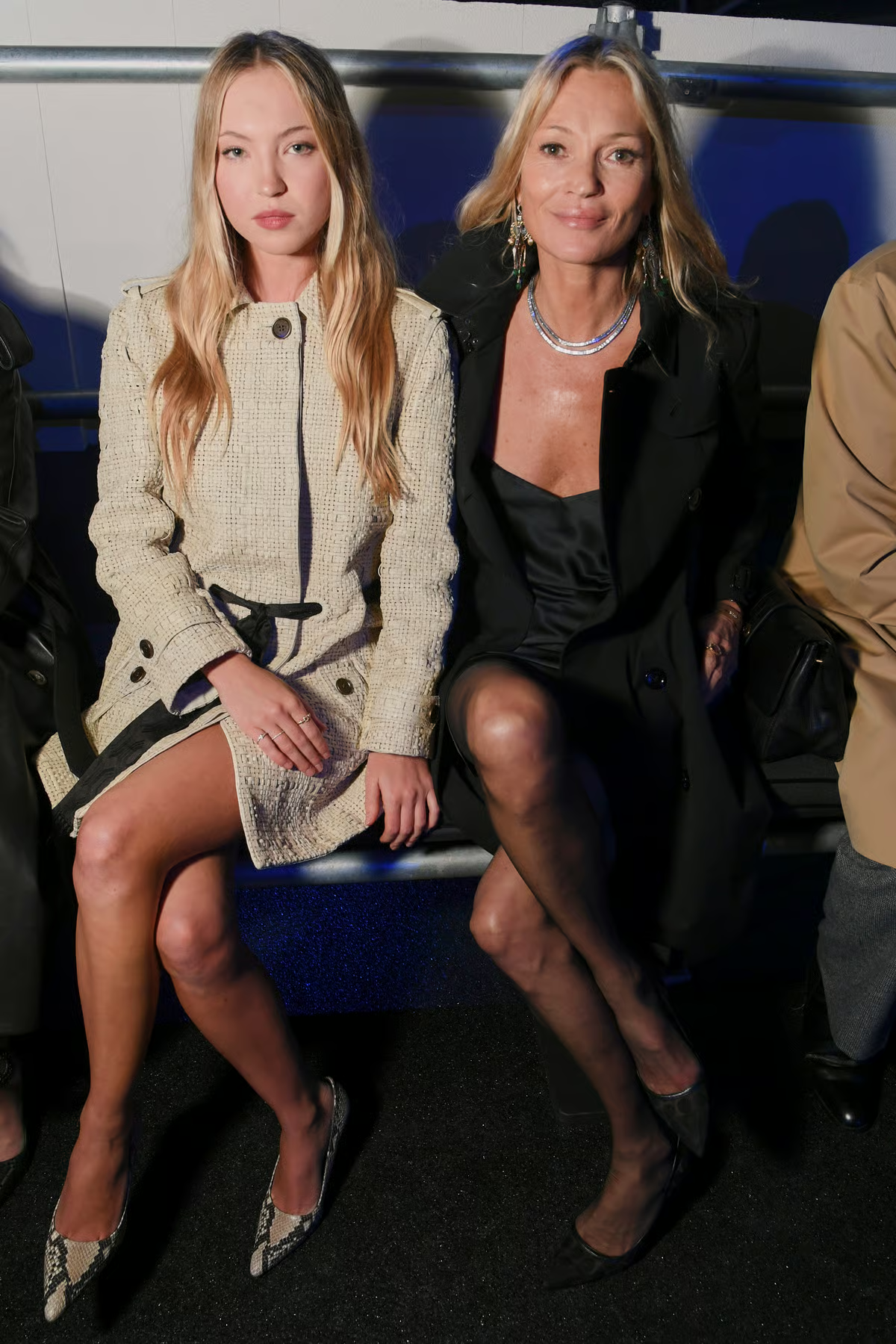
Kate Moss and lookalike daughter Lila Moss take front row at Burberry’s London Fashion Week show

Published

on

Kate Moss and lookalike daughter Lila Moss take front row at Burberry’s London Fashion Week show

Lila, born in 2002, grew up around fashion but has increasingly stepped into the spotlight on her own terms. In recent seasons she has fronted major campaigns and walked for some of the same luxury labels that once made her mother a household name, positioning herself as part of fashion’s next wave.

Source link

Continue Reading

NewsBeat

The best locations for stargazing across Yorkshire

Published

on

The best locations for stargazing across Yorkshire

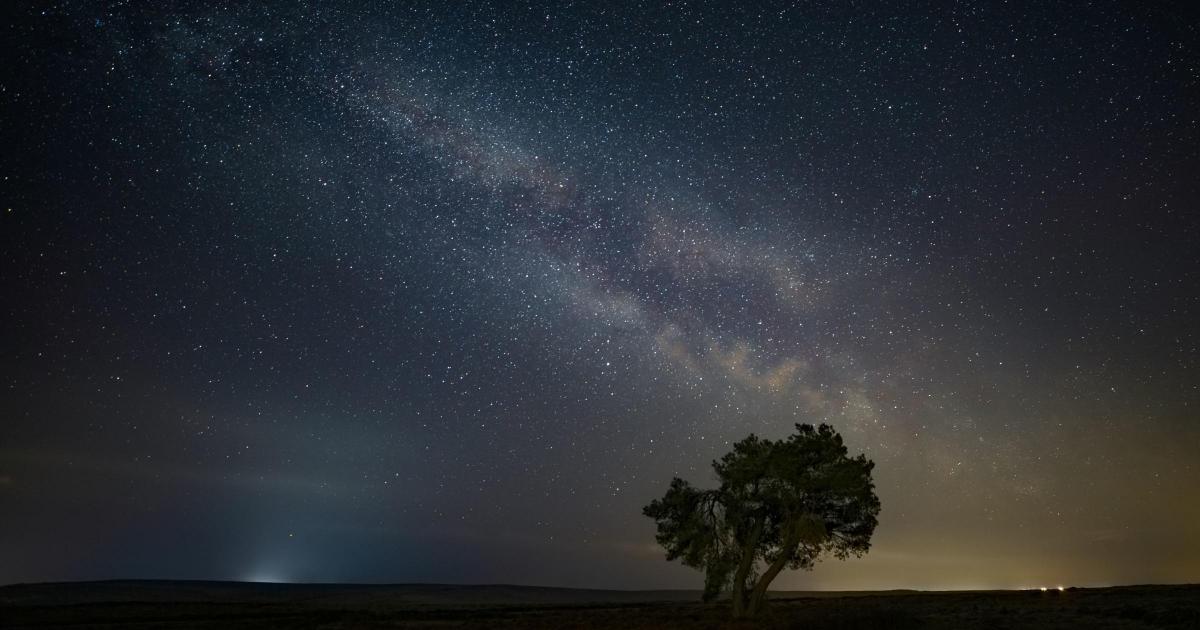
Nowadays, with the rise in popularity of outdoor night-time experiences, so-called noctourism, there could be just as much justification in directing them to ultra-dark, quiet countryside locations where the only light comes from the moon or the canopy of stars.

Whether it’s experiencing how every sense sharpens up more when walking in a natural landscape at night; the awe and intrigue that come with looking at a majestic star-filled sky; or simply enjoying sitting round a firepit with friends, there’s no doubting a new nightlife is emerging.

At the forefront of this are the North York Moors and Yorkshire Dales National Parks, both of which recently celebrated their fifth anniversary of becoming International Dark Sky Reserves, and the Howardian Hills and Nidderdale National Landscapes.

The ever-popular Dark Skies Festival which, this year, runs from February 13 to March 1, has often acted as a curtain-raiser, showcasing the hard work that goes into protecting and enhancing the night sky; and ways that people can embrace the dark.

Advertisement

This year is no exception as the North York Moors National Park will be unveiling its new observatory, the Dark Skies Station, at Danby Lodge National Park Centre.

How the new observatory at Danby Lodge National Park will look (Image: Supplied)

As well as housing a powerful telescope, the retractable-roofed station, which will be fully accessible and boasts solid sustainability credentials, will also house a ‘Discover the Universe’ mini exhibition. This will be multi-sensory, with audio visual elements and objects to touch, such as pieces of meteor rock. Other panels will describe why better artificial lighting is needed to protect wildlife and the night as a whole, not just the sky itself.

Outside, people will be able to wrap up warm and sit on one of the benches where, at the touch of a button, a sound post will explain what’s happening in the night sky, play a dark skies-themed poem, or relay historical or scientific facts about the night. A Star Wheel panel will also provide people with information on what they’re seeing as they look up at the skies above.

The new facility adds to the Nature & Star Hub at Sutton Bank, which opened a couple of years ago, and other existing observatories in Whitby and Dalby Forest, as well as the Lime Tree Observatory at Grewelthorpe in Nidderdale.

Advertisement

These facilities, together with a growing number of Dark Skies Friendly Communities and accommodation providers, plus groups organising night walks, offer more than just a chance to stargaze. They provide spaces where people can experience what’s special about the night for their own wellbeing.

With more studies showing how artificial light disrupts the natural rhythms of the human body, whether it’s interrupting sleep or impacting metabolic functions, there’s a growing recognition that exposure to darkness and experiencing the natural world’s transition from light to dark is good for us.

Darkness has to overcome its own image problem though, particularly the safety aspect that drives people indoors as soon as twilight falls. York St John University academics, Claire Hind and Jenny Hall, who are both holding events at the festival, are aiming to show how women can overcome the feeling of being excluded from walking at night because of safety fears.

They’re researching how venturing out after dark can actually be used as a creative, embodied practice and by producing new creative walking music, they’re hoping to open up new possibilities for women to walk together leisurely and freely in spaces such as National Parks.

Advertisement

Similarly, this year’s festival will also put a spotlight on the ancient art of Dusking, a mindfulness technique originating in the Netherlands, where families would gather and sit outside at twilight to do nothing except observe how daytime transitioned to night, as a way of slowing down after a busy day and reconnecting with the natural world.

As Vicky Burton, marketing officer for the North York Moors National Park, puts it: ‘The Dark Skies Festival embodies all aspects of our nightlife, from the beauty of the stars through to the wildlife that depends on darkness. It helps people get a new perspective on the landscape, even if they know the area well.

‘Importantly though, it is also about boosting people’s confidence in finding safe spaces where they can benefit from spending time outdoors after dark, whether it’s joining an organised event, walking in a Dark Skies Community, such as Ampleforth Abbey, or simply finding a perfect bench in the National Park for a twilight gathering.’


Highlights of the Dark Skies Festival programme

Sutton Bank – White Horse Dark Skies Circuit Walk.
Described by James Herriot as ‘the finest view in England’, this is the perfect place to begin your dark skies adventure. February 13, 4.30pm-6.30pm.

Whitby Night Photography Workshop
Join local landscape photographer Richard Burdon and learn how to shoot stunning images of the lights reflected in the calm waters of Whitby harbour. February 13 and 14, 7pm-10pm

Advertisement

Goathland – Night Walking in Heartbeat Country.
Experience starry skies and the sounds of nocturnal life after dark with an expert walk leader who will guide the way. February 21, 4.30pm-6.30pm

Cities Under Stars – Tackling Light Pollution
An evening of discussion, performance and reflection with leading international dark-sky experts, artists and academics, exploring how cities can become more dark-sky-friendly. February 25, 6.30pm until 8pm

Festival Stars at Sutton Bank
Held at The Hub at Sutton Bank National Park Centre, explore the universe under dark National Park skies. The moon will loom large overhead, casting a magical light over the winter landscape. There will be telescopes to spy craters, mountains and lava flows. Staged in collaboration with Go Stargazing! February 28, 7.30pm until 10pm

For more Dark Skies Festival programme details, including booking information, go to darkskiesnationalparks.org.uk

Advertisement

Dark Skies friendly accommodation

The Green at Lastingham (Image: Supplied)

The Green, Lastingham
Stay in one of the newest Dark Skies Communities by booking The Green, an 18th cottage in the heart of Lastingham, where you can sit in a deckchair armed with a telescope, blankets, red stargazing torch and a guide to the night sky. lastinghamgreen.co.uk

The Station Inn, Ribblehead
Next to the Ribblehead Viaduct, one of the most popular astro photography spots in the Yorkshire Dales, The Station Inn provides a welcoming base with comfortable rooms and a roaring fire in the bar. thestationinnribblehead.com

Cliff House Holiday Cottages, Ebberston
The clearing in the Wishing Well Wood at Cliff House Holiday Cottages is perfect for sitting around the firepit with the family for a twilight gathering, before retreating back indoors. cliffhouseholidaycottages.co.uk

Ashes Farm, Selside, near Settle
See the night sky above the Yorkshire Dales in all its glory while staying in one of the lodges or cottages at Ashes Farm. Either book one of the specific Dark Skies weekends or pre-order one of the farm’s stargazing hampers for a spot of DIY night gazing. ashesfarmholidayaccommodation.co.uk

Advertisement

Prospect House Farm, Suffield, near Scalby
Couples can stay in one of two luxury en-suite glamping cabins positioned on wooden platforms to the make the most of views across the rolling countryside. Each have a wraparound balcony and a hot tub. prospecthousefarm.co.uk

Source link

Advertisement
Continue Reading

NewsBeat

Overcoming history: how Putin’s war in Ukraine has forced Germany to shrug off its past | World News

Published

on

Overcoming history: how Putin's war in Ukraine has forced Germany to shrug off its past | World News

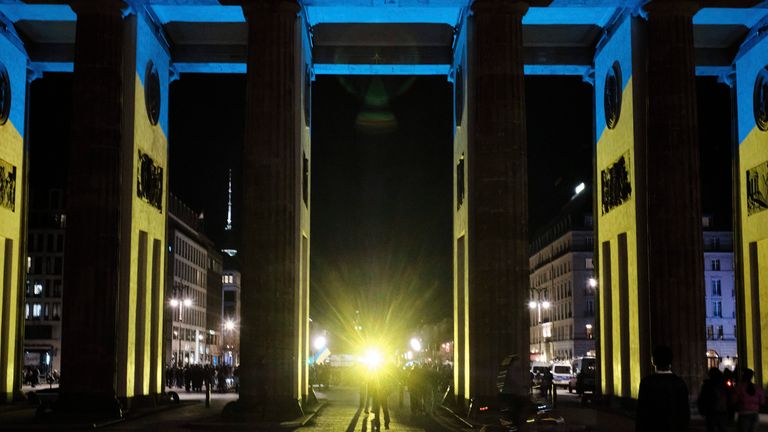
“The fate of Ukraine is our fate,” Germany’s chancellor declared on the fourth anniversary of the start of the war in Ukraine.

While some EU countries are still one step removed from the conflict raging in Europe, there’s no doubt Germany is committed.

File pics: AP
Image:
File pics: AP

Berlin is Ukraine’s biggest military supporter. Since the Russian invasion in 2022, it has provided Ukraine with 39 billion euros (£34bn) of civilian aid and 55 billion euros (£48bn) of military support.

According to a poll by INSA for Bild media, 52% of Germans support increasing aid for Ukraine.

While the war has fundamentally altered Ukrainians’ lives, it has also forced Germany to change.

Advertisement

Four years of war: Zelenskyy belittles Putin in message

The month before Putin’s tanks rolled in, the Germans announced they would supply just 5,000 helmets to Kyiv.

The offer was heavily criticised and mocked at a time when other allies were sending anti-tank weapons and ammunition.


From 2022: ‘German help is a joke’ – Kyiv mayor

Advertisement

Fast forward to the present day, and Berlin has not only supplied items including air defence artillery, combat vehicles, and arms, but it’s also trained more than 24,000 Ukrainian soldiers in Germany.

Make no mistake, this transition hasn’t been easy. Germans have had to stump up the cash and battle with their own consciences.

When the then-defence minister announced the helmet offer, she cited a long-standing policy of not supplying weapons to a conflict zone.

Many Germans agreed, fearing they would spark an escalation that would drag them into the fight.

Advertisement

“I think there is a real danger that everyone will be in a big war and maybe a third world war,” Katharina told me at a peace rally in Berlin a few years ago.

“It’s very dangerous, and we have to say no.”


From 2022: Germany to help arm Ukraine

A radical shift in policy

Advertisement

Until I lived here, I didn’t fully comprehend how heavily Germany’s history weighs on its present.

The horrors of the Second World War, the shame of atrocities committed by the Nazis, the division of Germany and its remilitarisation during the Cold War, have all left scars.

Many Germans are inherently anti-war, and for those living in the former Soviet east in particular, the idea of German weapons being used against Russians was deeply alarming.

But the war in Ukraine forced the government’s hand, and the reality that Russian troops were encircling Ukrainian cities meant they could no longer watch from the sidelines.

Advertisement

Soon after ‘helmet-gate’, then-chancellor Olaf Scholz announced a radical shift in policy, a so-called “historic turning point” in which the country would use a €100 billion special fund to significantly increase military spending, reversing Germany’s previously cautious defence policy.

Efforts began to boost the military, neglected for years and described as “ageing and shrinking”.

Simultaneously, a top-secret plan to ensure the country could protect itself in case attack was updated, while war games were held to test civilian and military responses.

Read more:
Sky correspondent’s car hit by ‘sleeper’ drone in Russia
The civilians who fought when Russians invaded Hero City

Advertisement

Change not simple, but Germany ploughing on

Change has continued under the current Chancellor, Friedrich Merz, who came to power condemning both Moscow and overreliance on the US, and has since pledged to create “the strongest conventional army in Europe”.

None of it is simple; while a survey in January by Leipzig University found the majority supported boosting the military and defence spending, few were willing to put their own lives on the line.

Only 16% of Germans said they would “definitely” take up arms to defend Germany, while 59% they would “probably not” or “definitely not” fight, according to a poll carried out last summer by the Forza institute.

Advertisement

Advertisement

From 2025: Are Gen Z willing to die for their country?

Meanwhile, the reintroduction of voluntary military service led to student protests by Gen Z, with one demonstrator, Levi, telling me “none of us want to die for a country that doesn’t really care about us.”

Advertisement

Regardless, Germany is ploughing on. The chancellor said today that “this war will only end when Putin realises he cannot win”.

Until then, he’s pledged to stay by Ukraine’s side.

Four years since Putin launched his attack, the world has changed, and Germany feels like a different place.

Advertisement

Source link

Continue Reading

NewsBeat

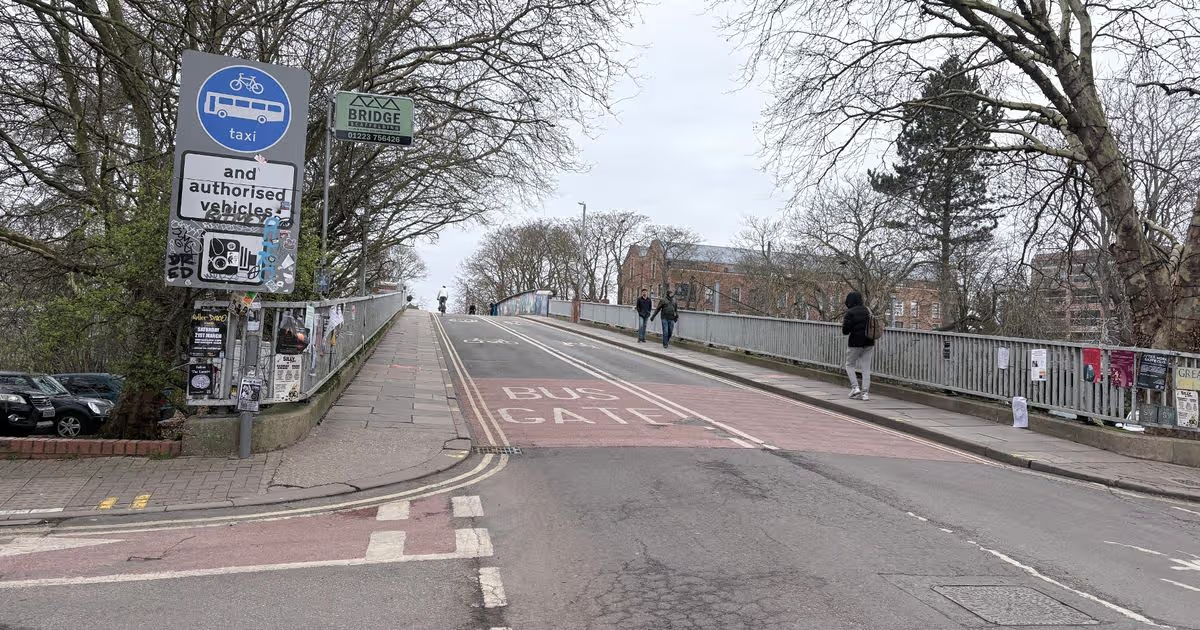
Mill Road bridge bus gate sees mixed opinions after nearly a year in operation

Published

on

Cambridgeshire Live

Readers remain divided over the controversial Cambridge bus gate nearly a year after fines began, with strong views on traffic, businesses, and air quality

Cambridgeshire Live readers remain divided over Mill Road’s bus gate, with passionate opinions about traffic, trade, and air quality. The bus gate continues to split opinion nearly 12 months after it became operational.

Cambridgeshire County Council implemented a permanent bus gate on Mill Road in 2025, with penalties initially handed out from March. The bus gate restricts all non-exempt vehicles from passing through, requiring them to take alternative routes.

Advertisement

Anyone who contravenes the bus gate receives a Penalty Charge Notice of £70, reduced to £35 if settled within 21 days. Exemptions allowing passage without incurring a fine include buses, taxis, cyclists, and emergency vehicles.

More than 4,600 penalties were issued during the first seven weeks after the bus gate’s activation, according to a Freedom of Information request submitted by the Local Democracy Service. Some residents argue that the restrictions have improved daily life.

One reader, Timbiscuit remarks: “‘Businesses’ [sic] will always want the bridge open due to the perceived more trade mindset. However, the shops are as busy as ever. I’ve lived on Mill Road for over twenty years. Traffic is less, air is cleaner, roads are safer, and more walking and cycling are taking place.”

Rhodabike adds: “‘The bus gate prevents all non-exempt vehicles passing through, meaning that they must use alternative routes.’ Exactly. Alternative routes are other neighbourhoods, which are now suffering increased congestion, thanks to the selfish demands of a vocal minority who can’t think beyond Mill Road.

Advertisement

“Visibly longer queues. And bus drivers are saying they’re struggling to run on time on other roads due to extra traffic. Plus, there’s the basic fact that cars, being physical objects, don’t disappear into thin air; every car no longer using Mill Road still exists somewhere else.”

Weneedqueenmeghan says: “The few businesses only want it open because it’s convenient for them to drive in and illegally dump their vehicles on the pavement. There are more people than ever shopping on Mill Road; it’s been proven over and over that pedestrianisation of areas increases footfall in shops.

“Remember, they tried to tell us traffic would go elsewhere, laugh! It hasn’t. They tried to tell us shops would lose business, it hasn’t! They tried to tell us drivers were stopping to shop, no, they weren’t, they were only using it as a rat run. Cyclists have been proven right once again.”

In contrast, Lilbec writes: “I don’t know anyone who actually agrees with closing the bridge. And bits [sic] clearly affecting businesses, whether you like it or not. If you don’t like living in an area with traffic, why did you choose to live there in the first place? If there is less traffic now, it’s only because people are abandoning Cambridge as a decent place to visit.”

Advertisement

Arborealfriend says: “I’ve lived off Mill Road for over a quarter century. The bridge restrictions are a huge improvement. I’ve spoken to traders who find the restriction inconvenient for a cash’n’carry run, whilst others – especially café/restaurant owners – appreciate the cleaner air and the way that there is now more passing trade. On foot. Stopping. Shopping. Eating. Drinking. Not driving past polluting. To check the FACTS about traffic, SmartCambridge (DotOrg) have sensors and full data available. No, there ain’t loadsa extra motor traffic on surrounding roads.”

Do you think the scheme is really making Mill Road safer, or is it just shifting the congestion elsewhere? Have your say in our comments section.

Source link

Advertisement
Continue Reading

NewsBeat

New dinosaur from 95,000,000 years ago may have been ‘first dragon’ | News Weird

Published

on

New dinosaur from 95,000,000 years ago may have been 'first dragon' | News Weird
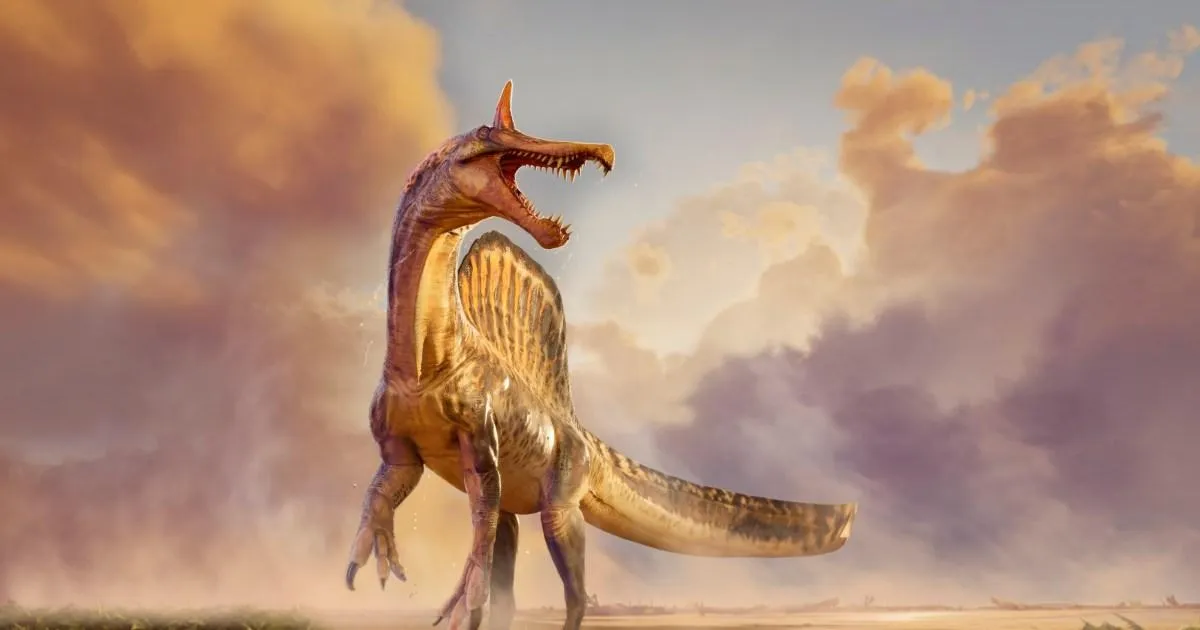
The bones of a Spinosaurus mirabilis have been discovered miles inland in the Sahara desert (Picture: Paul Sereno)

A new species of dinosaur known as the ‘hell-heron’ has some fantasy fans believing that Game of Thrones-style dragons could have once terrorised our planet.

A mysterious ‘dragon-like’ skull uncovered by scientists in the Sahara has people wondering if it was a fire-breathing beast or, thanks to its horn, some kind of Jurassic unicorn.

While ‘officially’ flying reptiles grabbing villagers and torching castles have never existed, it is thought that these legends evolved from people spotting large reptiles in the wild.

The bones were discovered by University of Chicago palaeontologist Paul Sereno and his team.

Advertisement

‘I definitely think the ancients encountered at least a couple of things like this because this is definitely a dragon,’ one person claimed on social media.

Emma D'Arcy as Rhaenyra Targaryen in House of the Dragon with dragons behind her
The success of House of the Dragon has fans desperate to know if the creatures ever existed (Picture: HBO)
Mysterious 'dragon' skull found in the Sahara Desert deemed new species
Two Spinosaurus mirabilis fight over a desperately unlucky fish in this reconstruction (Picture: Paul Sereno)

Landing in North Africa, Serano ended up meeting a local Tuareg man who led them on his motorbike deep into the centre of the Sahara, where he had seen huge fossil bones.

With night closing in and time running out before having to return, the team found a set of teeth and jaw bones from this new species of Spinosaurus.

Publishing their work in the journal Science, scientists estimated there were ten to 17 different species of this prehistoric predator.

The team say the finding of Spinosaurus mirabilis, is the first new spinosaurid species discovered in more than a century. 

Advertisement
Mysterious 'dragon' skull found in the Sahara Desert deemed new species
Mysterious ‘dragon’ skull found by Paul Sereno in the Sahara Desert is deemed a new species (Picture: Keith Ladzinski)

‘This find was so sudden and amazing, it was really emotional for our team,’ said Sereno in a statement.

Reconstructions of the skull have revealed more than a passing similarity with the mythical fire-breathing creatures.

Follow Metro on WhatsApp to be the first to get all the latest news

Apps With More Than One Million Users
Follow us to receive the latest news updates from Metro (Picture: Getty Images)

Metro’s on Whatsapp! Join our community for breaking news and juicy stories.

Advertisement

‘I’ll forever cherish the moment in camp when we crowded around a laptop to look at the new species for the first time’, he added.

Mysterious 'dragon' skull found in the Sahara Desert deemed new species
The team is noting down their discovery in the Sahara Desert (Picture: Nena Natalia Connelly-Smoleniec)

Spinosaurid teeth found not far from the shoreline had led some experts to hypothesise that these fish-eaters may have been fully aquatic, but the most recent discovery miles inland makes scientists believe it was more of a wader.

‘I envision this dinosaur as a kind of ‘hell heron’ that had no problem wading on its sturdy legs into two meters of water but probably spent most of its time stalking shallower traps for the many large fish of the day,’ Sereno said.

At the end of the Cenomanian period, about 95 million years ago, an abruptrise in sea level and climate change brought the spinosaurid era to an untimely end.

But despite its tragic demise, the replicas will join the Dinosaur Expedition exhibit at the Chicago Children’s Museum next month.

Advertisement

‘Letting kids feel the excitement of new discoveries—that’s key to ensuring the next generation of scientists who will discover many more things about our precious planet worth preserving,’ Sereno said.

Get in touch with our news team by emailing us at webnews@metro.co.uk.

For more stories like this, check our news page.

Advertisement

Source link

Advertisement
Continue Reading

NewsBeat

A look at Trump’s false and misleading claims ahead of the State of the Union

Published

on

Trump says tariffs led to economic growth. The facts tell another story

President Donald Trump will deliver the first State of the Union address of his second term on Tuesday. Priorities for the Republican’s administration have centered largely on the economy, immigration, crime, energy and national security.

Trump has spent the last year touting his accomplishments while mocking the record of his predecessor, former President Joe Biden. But much of this bluster is based on false and misleading claims — many of which are likely to be a part of the president’s address to the nation.


Advertisement

Watch live as President Donald Trump delivers his 2026 State of the Union address followed by Virginia Gov. Abigail Spanberger’s Democratic response.

Advertisement

Here’s a look at some of the false and misleading statements Trump has made at recent public appearances.

Economy

Trump often says the U.S. is now “the hottest country anywhere in the world” after years as a “dead country.” The U.S. economy was hardly “dead’’ when Trump returned to office last year. But in his second term, it’s generally performed strongly — after getting off to a bumpy start.

In 2024, the last year of Biden’s presidency, U.S. gross domestic product grew 2.8%, adjusted for inflation, faster than any wealthy country in the world except Spain. It also expanded at a healthy rate from 2021 through 2023.

GDP shrank for the first time in three years during the first quarter of 2025. Growth rebounded in the second half of the year, but slowed again in the fourth quarter. Annual GDP growth in 2025 was 2.2%.

Advertisement

A key measure of inflation fell to nearly a five-year low in January. However, according to the Federal Reserve’s preferred measure, it remains elevated as the cost of goods such as furniture, clothes and groceries increase.

Companies have also sharply reduced hiring. Employers added just 181,000 jobs in 2025, the fewest — outside a recession — since 2002. Economists blame a range of factors: Uncertainty created by tariffs and artificial intelligence likely caused many firms to hold back on adding workers. And many companies hired like gangbusters in the aftermath of the pandemic and have since decided to forgo creating any new positions.

The U.S. stock market did well last year and yet it underperformed many foreign stock markets. The benchmark S&P 500 index climbed 17% — a nice gain but short of a 71% surge in South Korea, 29% in Hong Kong, 26% in Japan, 22% in Germany and 21% in the United Kingdom.

Investments

Trump has repeatedly claimed that the U.S. has secured up to $18 trillion in investments, but has presented no evidence of such a high number. The figure appears to be exaggerated, highly speculative or both.

Advertisement

The White House website offers a far lower number, $9.6 trillion, and that figure appears to include some investment commitments made during the Biden administration.

A study published in January raised doubts about whether more than $5 trillion in investment commitments made last year by many of America’s biggest trading partners will actually materialize and questions how it would be spent if it did.

Immigration

A key aspect of the Trump administration’s agenda is curbing illegal immigration, though the president often uses falsehoods to support his arguments.

For example, Trump has repeatedly claimed that an influx of immigrants has led to a massive increase in crime. While FBI statistics do not separate out crimes by the immigration status of the assailant, there is no evidence of a spike in crime perpetrated by migrants, either along the U.S.-Mexico border or in cities seeing the greatest influx of migrants, like New York. Studies have found that people living in the U.S. illegally are less likely than native-born Americans to have been arrested for violent, drug and property crimes.

Advertisement

The president also frequently references upward of 300,000 migrant children who are allegedly missing. This misrepresents information in an August 2024 report published by the Department of Homeland Security’s Office of the Inspector General, which faulted Immigration and Customs Enforcement for failing to consistently “monitor the location and status of unaccompanied migrant children” once they are released from federal government custody.

Energy

Trump consistently lauds coal as the ideal energy source, calling it “beautiful, clean coal.” The production of coal is cleaner now than it has been historically, but that doesn’t mean it’s clean.

Planet-warming carbon dioxide emissions from the coal industry have decreased over the past 30 years, according to the U.S. Energy Information Administration. And yet United Nations-backed research has found that coal production worldwide still needs to be reduced sharply to address climate change.

Along with carbon dioxide, burning coal emits sulfur dioxide and nitrogen oxides that contribute to acid rain, smog and respiratory illnesses, according to the EIA.

Advertisement

The president also regularly denigrates wind power, claiming that it is expensive and that windmills kill birds.

Onshore wind is one of the cheapest sources of electricity generation, with new wind farms expected to produce energy costing around $30 per megawatt hour, according to July estimates from the Energy Information Administration.

Wind turbines, like all infrastructure, can pose a risk to birds. However, the National Audubon Society, which is dedicated to the conservation of birds, thinks developers can manage these risks and climate change is a greater threat.

Elections

In the lead-up to the 2026 midterms, Trump has taken to repeating the claim that he won the 2020 presidential election.

Advertisement

This is a blatant falsehood that has been disproven many times over — the 2020 election was not stolen.

Biden’s win has been affirmed through recounts, audits and reviews in the battleground states where Trump disputed his 2020 loss. He and his allies lost dozens of court challenges related to the election, and his own attorney general at the time said there was no widespread fraud that would have altered the results.

Biden earned 306 electoral votes to Trump’s 232. He also won over 7 million more popular votes than Trump.

Additionally, the president brags that his 2024 win was a “landslide.” But Trump’s margin of victory was not as large as he makes it seem.

Advertisement

He won the electoral vote 312 to 226, including all seven swing states, according to the Federal Election Commission. The popular vote, however, was far closer, with Trump receiving 49.8% of the vote with 77,302,580 votes cast to Democrat Kamala Harris’ 75,017,613 votes (48.32%).

Crime

Trump takes credit for a significant decrease in violent crime during 2025, claiming the murder rate in the U.S. dropped to its lowest in 125 years. But this is misleading. Crime had already been trending down in recent years.

A study released in January by the Independent Council on Criminal Justice, which collected data from 35 U.S. cities on homicides, showed a 21% decrease in the homicide rate from 2024 to 2025.

The report noted that when nationwide data for jurisdictions of all sizes is reported by the FBI later this year, there is a strong possibility that homicides in 2025 will drop to about 4.0 per 100,000 residents. That would be the lowest rate ever recorded in law enforcement or public health data going back to 1900.

Advertisement

FBI reports for 2023 and 2024 show significant reductions in violent crimes.

Crime surged during the coronavirus pandemic, with homicides increasing nearly 30% in 2020 over the previous year, the largest one-year jump since the FBI began keeping records. But violent crime dropped to near pre-pandemic levels around 2022 when Biden was president.

The increase in violent crime during the pandemic defied easy explanation, and experts similarly said the historic drop in violence last year defies easy explanation despite elected officials at all levels — both Democrats and Republicans — rushing to claim credit.

Foreign policy

One of Trump’s most frequent talking points is he has “solved” eight wars, a statistic that is highly exaggerated. Although he has helped mediate relations among many nations, his impact isn’t as clear-cut as he makes it seem.

Advertisement

The conflicts Trump counts among those that he has solved are between Israel and Hamas, Israel and Iran, Egypt and Ethiopia, India and Pakistan, Serbia and Kosovo, Rwanda and Congo, Armenia and Azerbaijan, and Cambodia and Thailand.

___

Associated Press writers Claudia Lauer in Philadelphia and Josh Boak and Christopher Rugaber in Washington contributed to this report.

___

Advertisement

Find AP Fact Checks here: https://apnews.com/APFactCheck.

Source link

Advertisement
Continue Reading

NewsBeat

Labour Minister Criticises Andrew Mountbatten Windsor

Published

on

Labour Minister Criticises Andrew Mountbatten Windsor

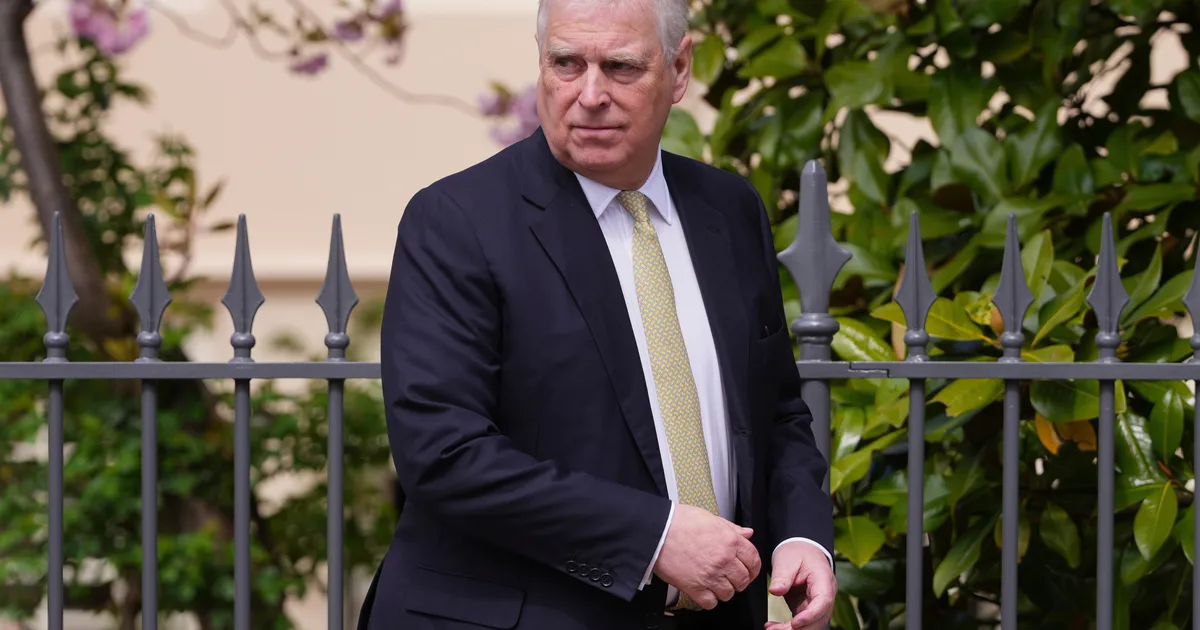
A Labour minister has savaged “rude, arrogant and entitled” Andrew Mountbatten-Windsor.

Chris Bryant launched his attack as the government backed calls for all documents relating to the former prince’s time as a UK trade envoy to be published.

The trade minister, who called for Mountbatten-Windsor to be sacked from his role in February, 2011, said that was “the least we owe the victims of the horrific abuse that was perpetrated by Jeffrey Epstein and others”.

“The abuse that was enabled, aided and abetted by a very extensive group of arrogant, entitled and often very wealthy individuals in this country and elsewhere,” he added.

Advertisement

Mountbatten-Windsor was arrested last week by detectives investigating allegations that he committed misconduct in public office during his 10 years as an envoy.

He was eventually removed from the role in 2011 amid revelations about his friendship with the convicted paedophile Epstein.

Speaking in the Commons, Bryant said: “Colleagues and many civil servants have told me their own stories of their own interactions with Mr Mountbatten-Windsor, and they all betray the same pattern: a man on a constant self-aggrandising and self-enriching hustle.

“A rude, arrogant and entitled man who could not distinguish between the public interest, which he said he served, and his own private interest.

Advertisement

“I remember him coming to visit the Sea Cadets in Tonypandy. They were absolutely delighted and excited to meet a member of the Royal Family, but he insisted on coming by helicopter, unlike his mother, who came twice to the Rhondda and always came by car.

“He left early and he showed next to no interest in the young people.”

The debate came less than 24 hours after Peter Mandelson, the UK’s former ambassador to Washington, was also arrested over claims he committed misconduct in public office while he was business secretary after the 2008 global financial crash.

Documents released by the US Department of Justice about Epstein appeared to show the former Labour peer sending him market sensitive information. Mandelson denies any wrongdoing.

Advertisement

Earlier in the debate, Lib Dem leader Ed Davey said: “Can there be many people more symbolic of the rot that eats away at the British establishment than the former duke of York and special trade envoy, and [Mandelson] the former business secretary, first secretary of state and ambassador to the United States.

“Their association with Epstein and their actions on his behalf, while trusted with the privilege of public office, are a stain on our country.

“We must begin to clean away that stain with the disinfectant of transparency.”

Advertisement

Source link

Continue Reading

NewsBeat

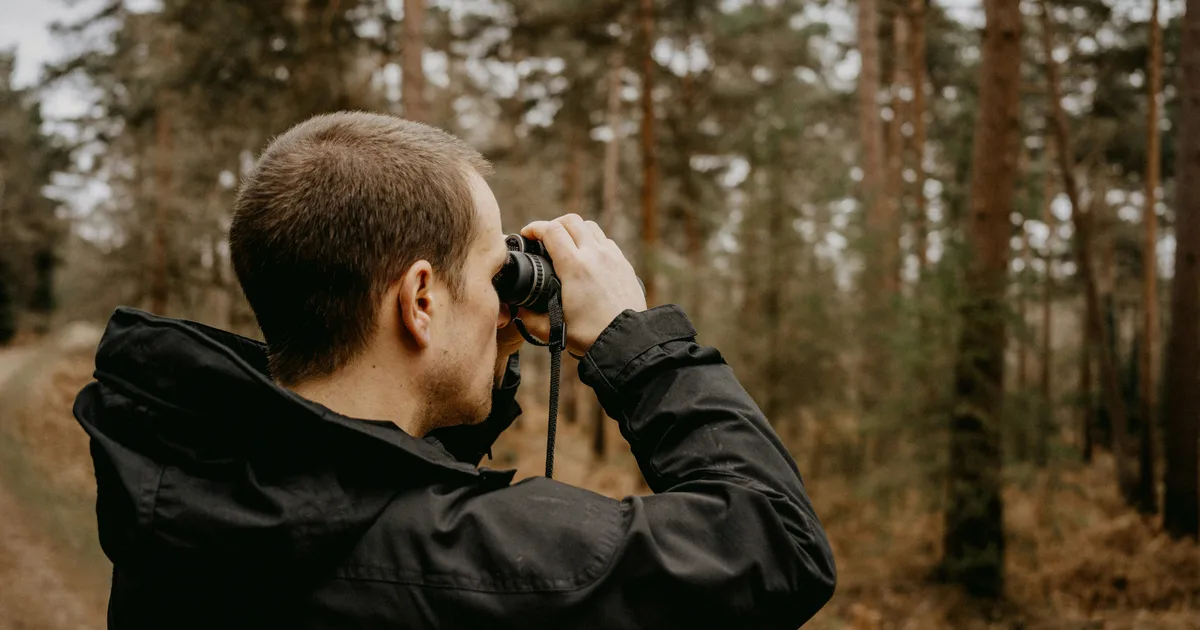
Birdwatching Could Help To Protect Your Brain From Ageing

Published

on

Birdwatching Could Help To Protect Your Brain From Ageing

First came the research that suggested listening to live birdsong on your walk could make the activity even better for you.

And now, new research published in the journal Neurology suggests that being an expert “birder”, or birdwatcher and identifier, could protect your brain from ageing.

The study, which looked at “neuroplasticity”, or the ability of our own habits and actions to reshape our brains, looked at the brain structures of expert birders and compared them to those with less experience in the hobby.

They found that the more “birders” knew about their interest, the more “dense and efficient” their brain tissue appeared. This stayed true as participants aged, with the research suggesting “high-level expertise in a complex hobby can provide a protective ‘cognitive reserve’ as we age”.

Advertisement

What is cognitive reserve?

In his book How To Prevent Dementia, neurologist Dr Richard Restak said an “obsessive” interest can help to build your cognitive reserve. He compared this reserve to a kind of wealth which gives your brain a greater buffer against unwanted changes.

“Cognitive reserve theory refers to the representation stored within the brain of the knowledge, experience, and life events that accumulate during the course of a person’s lifetime,” he wrote.

“A lifetime investment in building up cognitive reserve leads to healthy cognition and thinking later in life.”

Advertisement

Erik Wing, who was the lead author of this study, explained that expert birdwatching is a cognitively-active hobby which merges lots of kinds of attention.

″[It] combines fine-grain identification, visual search and attention to the immediate environment and sensitivity to motion, pattern detection, building these elaborate conceptual networks of different related species,” he shared.

“Our interests and experiences – especially the ones that we dedicate hours, hundreds of hours or decades to – leave an imprint on brain structure.”

Why might birdwatching help to protect our brains as we age?

Advertisement

This study looked at 29 more experienced people, aged between 24-75, from various ornithological groups, and 29 less avid birders (aged 22-79) from the same groups, as well as other outdoor organisations.

They screened for experience at the start of the study, then did two types of MRI scans (one to show the brain’s structure, another to show its activity) to see whether expertise correlated with brain differences.

They found that the more experienced a birder was, the denser the parts of the brain linked to working memory, spatial awareness and object recognition were, compared to novice participants.

And when they looked at images of birds during an MRI, those same, denser parts of the brain were activated, suggesting the structural changes were linked to their activity.

Advertisement

Those differences remained regardless of age.

This doesn’t prove birdwatching definitely prevents age-related brain changes; it’s an observational study, and couldn’t show for sure that one thing caused another.

But, cognitive neuroscientist Dr Robert Zatorre told New Scientist, “it suggests that maintaining brain activity with some specialised abilities is also linked to reduced effects of ageing”.

He added, “This paper adds another bit of evidence in favour of the concept”.

Advertisement

Source link

Continue Reading

NewsBeat

Police hunt two prisoners who have broken out of HMP Hollesley Bay | News UK

Published

on

Police hunt two prisoners who have broken out of HMP Hollesley Bay | News UK
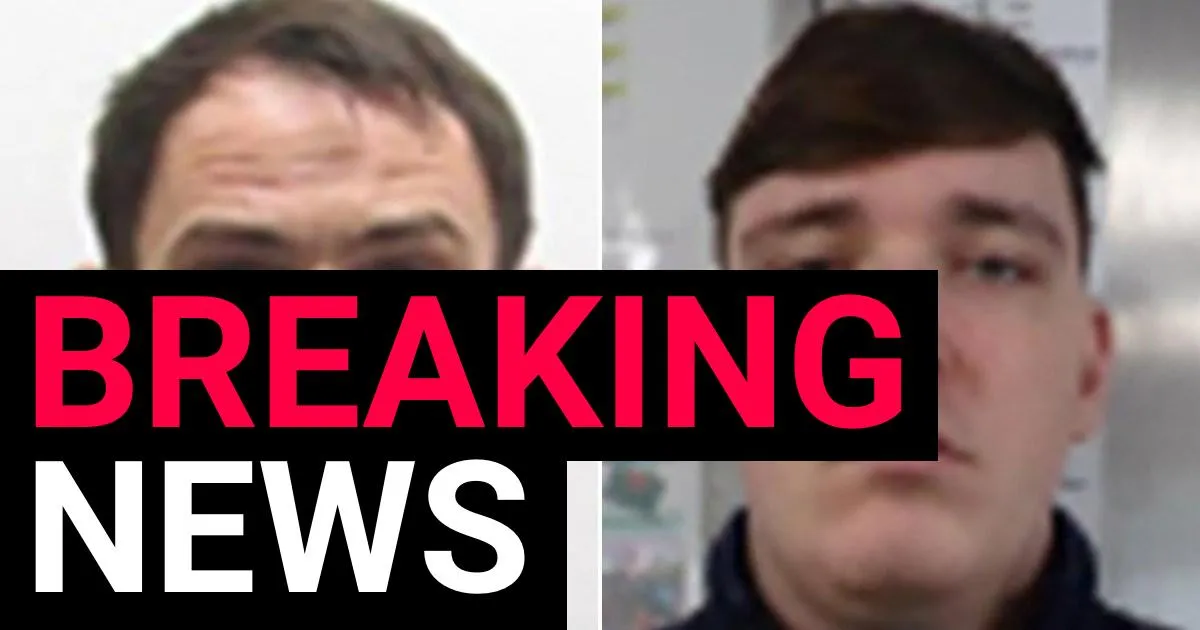
Andrew Cash, 32, (L) and James Dooley (R) are on the run

Police are searching for two burglars who have absconded from HMP Hollesley Bay in Suffolk.

James Dooley, aged 23, was reported missing to police in the early hours of this morning.

Dooley is serving a sentence of six years and three months for a number of burglary offences and intent to pervert the course of justice.

He is described as white, 6ft 1in tall and with brown hair.

Advertisement

He has links to the Wood Green area of north London, the Waltham Cross area of Hertfordshire and the Slough area of Berkshire.

Sign up for all of the latest stories

Start your day informed with Metro’s News Updates newsletter or get Breaking News alerts the moment it happens.

Advertisement

Andrew Cash, 32, was also reported missing to police.

Cash is serving a sentence of six-and-a-half years for burglary offences.

He is described as white, 6ft 1in tall, of medium build and with brown hair.

He has links to the areas of Newmarket and Bury St Edmunds and also Southampton.

Advertisement

This is a breaking news story… More to follow…

Advertisement
Advertisement

Source link

Continue Reading

Trending

Copyright © 2025