

Crypto World
Amazon (AMZN) Stock: $12 Billion Louisiana Data Center Plan Explained


TLDR
- Amazon is investing $12 billion in data centers across northwest Louisiana, in Caddo and Bossier Parishes
- The project will create 540 full-time jobs and is being developed with STACK Infrastructure
- Amazon will fund 100% of construction costs plus up to $400 million in local water infrastructure
- 2026 capital spending is forecast at $200 billion, up from $131 billion in 2025
- AMZN is down 11% year-to-date; Wall Street has a Strong Buy consensus with a $282.21 average price target
Amazon is spending $12 billion to build data centers in Louisiana, marking one of its largest single-state infrastructure commitments to date.
The facilities will be built across Caddo and Bossier Parishes in the northwest of the state, in partnership with STACK Infrastructure. Amazon says it will cover 100% of the construction costs and is working with local utility Southwestern Electric Power Company on power infrastructure needs.
The project is expected to create 540 full-time jobs, with additional roles needed for ongoing support — electricians, HVAC technicians and similar trades.
Addressing Local Concerns
Data center projects have faced resistance in some communities due to strain on power grids and high water usage. Amazon is moving to address both.
The company plans to invest up to $400 million in public water infrastructure near the sites and says water use will be limited to cooling and operational purposes. It has also pointed to prior solar investments in Louisiana that added up to 200 MW of carbon-free energy to the state’s grid.
Part of a Much Bigger Spending Plan
The Louisiana announcement fits into Amazon’s broader capital expenditure strategy. During Q4 earnings earlier this month, Amazon said it expects to spend $200 billion in 2026 — up sharply from $131 billion in 2025.
That number hit AMZN stock hard. The stock dropped after the earnings release and is now down about 11% year-to-date, closing Monday at $205.27 after a 2.3% single-day drop.
Asked whether the $12 billion Louisiana figure sits inside that $200 billion plan, Amazon gave a non-committal answer — saying it “regularly makes investment announcements at the federal, state, and local level” that “often occur over many years.”
Tech companies as a group have committed at least $630 billion in capital spending this year, driven by AI infrastructure demand. Louisiana is becoming a notable destination — Meta Platforms has also chosen the state for its Hyperion data center, part of a $27 billion joint venture with Blue Owl Capital.
What Wall Street Thinks
Despite the stock’s slide, analyst sentiment on AMZN remains firmly positive. Out of 43 analysts covering the stock, 40 rate it a Buy and three say Hold. The average price target is $282.21 — implying around 37.5% upside from current levels.
AMZN stock is down 11% year-to-date as of the latest close.

Key takeaways
-
Intercontinental Exchange (ICE)’s blockchain-based initiative is about upgrading market infrastructure, not adopting cryptocurrencies. It intends to use blockchain for improving settlement, reconciliation and collateral efficiency.
-
Onchain delivery-vs.-payment settlement could significantly reduce counterparty risk and free up capital tied up in margins. It also shifts risk toward real-time liquidity needs and continuous funding requirements.
-
While 24/7 trading may expand global access, it does not necessarily solve deeper market-structure issues. It could introduce liquidity fragmentation, wider spreads and noisier price discovery during low-volume periods.
-
Stablecoins in this model act as institutional settlement rails rather than speculative assets. Their use inside regulated markets will require bank-grade custody, liquidity and compliance safeguards.
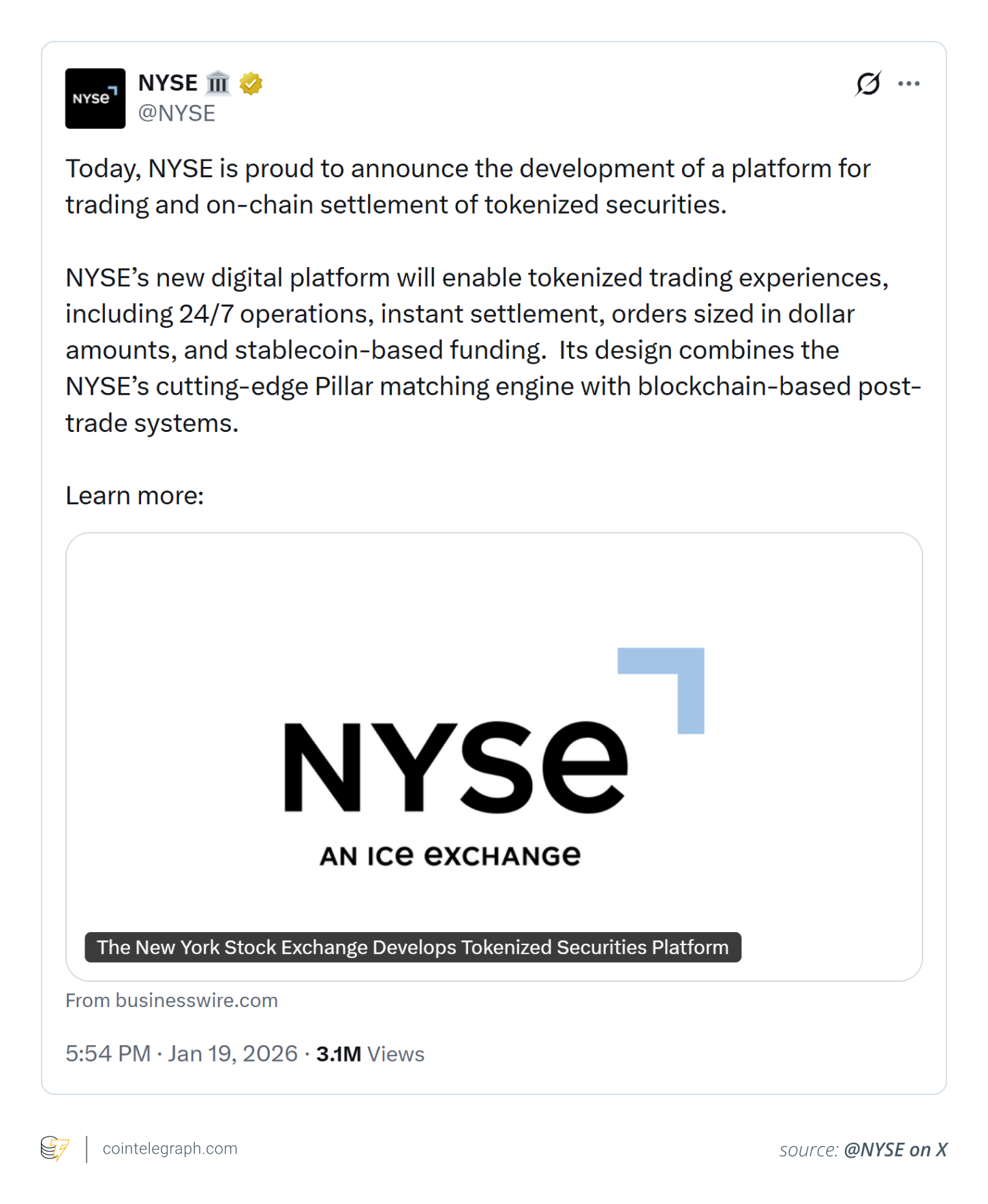
When Intercontinental Exchange (ICE), the parent company of the New York Stock Exchange (NYSE), announced it was developing a blockchain-based platform for tokenized securities, some observers interpreted it as traditional finance fully integrating crypto.
However, the initiative is just a strategic redesign of market infrastructure. The focus is on utilizing distributed ledgers to optimize collateral management and eliminate delays in legacy settlement systems.
ICE has indicated that the platform would enable 24/7 trading, incorporate onchain settlement elements, support stablecoin-based funding and feature tokenized versions of regulated securities, subject to regulatory approval. If rolled out at scale, this would represent one of the most significant efforts by a major exchange operator to weave blockchain technology into market operations.
This article explores how the NYSE is integrating blockchain to segregate execution from settlement, why onchain settlement becomes critical, the importance of 24/7 trading and stablecoins as institutional funding rails. It discusses how tokenization is becoming a part of mainstream finance, hurdles in the integration of blockchain technology with legacy systems and issues regarding adaptation.
How the NYSE is using blockchain technology to separate execution from settlement
The platform maintains a clear separation between trading and settlement. ICE plans to continue using the existing NYSE Pillar matching engine, which already manages high-volume equity trading, as the primary trading layer. Blockchain technology would primarily enhance post-trade processes, such as settlement, record-keeping and reconciliation.
This distinction is important, as inefficiencies in financial markets generally stem not from price discovery during trading but from delays and complexities in clearing, settlement, cross-party reconciliation and collateral handling.
Tokenized securities refer to regulated assets like stocks or exchange-traded funds (ETFs) whose ownership is recorded on a blockchain for greater efficiency. The underlying legal rights continue to be governed by existing securities laws and corporate regulations.

Why onchain settlement likely matters more than 24/7 trading
Even with faster settlement cycles in US equities, most trades still depend on multiple intermediaries, such as clearinghouses, custodians and agents, that reconcile records across parties. This creates layers of operational complexity and lingering counterparty risk during the settlement window.
Onchain settlement changes this fundamentally by enabling near-simultaneous transfer of ownership and payment on a shared, immutable ledger. This process, also called delivery-vs.-payment (DvP), sharply reduces counterparty exposure and minimizes reconciliation errors. DvP could free up capital tied up in margins or buffers for more productive uses. It tackles the core inefficiencies and risks in post-trade infrastructure.
Faster settlement, however, is not without trade-offs. It eliminates the time buffers that currently allow markets to resolve errors, unwind failed trades or handle liquidity squeezes. Risk simply shifts toward real-time liquidity demands, requiring participants to fund positions continuously rather than leaning on intraday credit. From a broader view, this redistributes rather than removes systemic risk.
What 24/7 trading may (and may not) achieve
Continuous trading appeals to global investors familiar with round-the-clock crypto or futures markets. For US equities, extended hours already exist, but they typically feature lower liquidity, wider spreads and higher volatility compared with core sessions.
Fully 24/7 markets could offer better access for international participants and potentially smoother reactions to off-hour news. Yet several concerns remain:
-
Liquidity could thin out during quieter periods, forcing market makers to widen quotes or increase trading costs.
-
Overnight or low-volume trading might amplify price swings, particularly around major global events.
-
Price discovery could stay concentrated in traditional hours, with off-hours reflecting noisier or less representative signals rather than true efficiency gains.
Whether continuous trading truly enhances market quality or just spreads activity more thinly across time zones is still an open question.
Onchain settlement addresses deeper structural frictions in how trades are finalized, reducing risk and unlocking efficiency, while 24/7 trading mainly extends availability without necessarily fixing those underlying issues.
Did you know? Some stock exchanges already use microsecond-level timestamp synchronization from atomic clocks to track trade sequences. This means blockchain systems must integrate with ultra-precise time standards to avoid disputes over transaction ordering.
Stablecoins as institutional funding rails, not speculative plays
A key element in ICE’s proposal is the use of stablecoins to handle the cash side of trades. This would let funds settle 24/7, aligning with any move toward continuous securities trading and bypassing traditional bank-hour limitations. The process results in quicker, lower-friction movement of cash across borders and between counterparties.
If stablecoins are embedded in regulated market infrastructure, they are certain to face stringent compliance requirements. These include real-time compliance monitoring, high-grade custody arrangements, robust liquidity buffers and other safeguards on par with traditional settlement banks.
Stablecoins function strictly as wholesale settlement tools for institutions, not as retail payment or speculative instruments.
Tokenization steadily moving into mainstream finance
The NYSE-related efforts are part of a broader trend. Major asset managers, banks and market infrastructure providers are actively piloting or seeking approval to tokenize conventional assets. These include US Treasury bills, money market fund shares, ETF units and similar instruments.
Regulatory filings demonstrate that tokenization is expanding into areas traditionally seen as conservative and infrastructure-heavy. The objective is operational efficiency rather than innovation for its own sake. Advantages include accelerated settlement, programmable conditions, reduced manual reconciliation and potentially wider participation.
If tokenized versions of multiple asset classes become commonplace, post-trade processes could converge toward shared, interoperable ledger architectures. This would reduce overlap and duplication across today’s fragmented ecosystem of clearinghouses, custodians, transfer agents and registrars. However, to facilitate such an outcome, institutions and regulators need to align on standards, interoperability and risk controls.
Did you know? In traditional markets, a single stock trade can trigger a string of back-office messages between brokers, custodians and clearing agents, which is a key reason financial firms spend billions annually on post-trade IT systems.
Custody, records and legal ownership still the hardest hurdles
The biggest barrier to tokenized markets isn’t the blockchain technology itself. There is legal ambiguity regarding ownership. Traditional finance relies on clear, well-established rules for beneficial ownership, shareholder rights, voting, dividends and who maintains the definitive record.
In a tokenized world, regulators will need to decide what counts as the authoritative source of truth, whether it is the onchain ledger, the transfer agent’s registry, the broker-dealer’s books or some hybrid. Each choice affects investor protections, how corporate actions are handled, how disputes are resolved and who bears liability.
Custody adds another layer of difficulty. Even in permissioned, institutional-grade blockchains, managing private keys or equivalent controls requires robust answers on asset segregation, key recovery in case of loss, bankruptcy remoteness and operational continuity. These issues demand new frameworks that match or exceed existing standards.
These legal and operational questions are likely to slow adoption more than any technical limitations.
Clearinghouses and the shift to real-time risk management
ICE has also indicated interest in bringing tokenized deposits or similar mechanisms into clearinghouse operations. It has suggested integrating blockchain-based settlement tools with clearing infrastructure.
Clearinghouses have a role to play in neutralizing counterparty risk. Shorter or near-instant settlement windows can shrink exposure periods and lower overall risk. However, they also result in less time to detect and respond to defaults, collateral deficiencies or sudden liquidity stress.
This pushes clearing participants and operators toward continuous position monitoring, automated intraday margin calls, dynamic collateral valuation and well-tested playbooks for outages, cyber events or technology failures.
From a regulatory perspective, resilience in always-on, 24/7 environments becomes critical. Traditional markets have scheduled downtime. Continuous systems cannot afford unplanned interruptions without risking cascading outages.
Did you know? The NYSE once shortened its trading day during World War I and even shut down completely for four months in 1914. This shows that market “hours” have always evolved with technology, geopolitics and infrastructure limits.
Who stands to gain and who might need to adapt
If onchain market infrastructure demonstrates reliability and receives regulatory approval, several participants could see meaningful advantages:
-
Global investors who want uninterrupted access to trading and settlement
-
Institutions that could unlock more efficient use of collateral and reduce trapped capital
-
Issuers interested in streamlined distribution channels and potentially broader reach.
On the flip side, intermediaries whose revenues rely heavily on today’s multi-step settlement workflows may face strong pressure to evolve or risk losing relevance. These include clearing agents, custodians and certain reconciliation services. Compliance teams would also shift from periodic, market-hours reporting to continuous oversight, adding complexity in the short term.
Whether these operational savings translate into lower costs for retail and institutional end investors depends on the level of efficiency passed through by exchanges, clearinghouses and other infrastructure providers.
A modernization effort, not a leap into crypto
The NYSE’s work on blockchain-based systems is an attempt to upgrade core financial infrastructure, including faster settlement, better collateral mobility and improved market access. In this case, blockchain serves as a technology layer for post-trade operations, not as an asset class. Success hinges on meeting the stringent requirements of regulated markets, including proven scalability, high operational resilience, full compliance alignment and broad institutional buy-in.
The success of this endeavor by the NYSE depends on several parameters, such as regulatory approvals, operational reliability and institutional willingness to migrate. The initiative signals that traditional exchanges are no longer treating tokenization as an experimental side project. Instead, they are evaluating whether blockchain-based systems can support the scale, stability and compliance demands of mainstream financial markets. This is a much higher bar than most crypto-native platforms have faced.
Cointelegraph maintains full editorial independence. The selection, commissioning and publication of Features and Magazine content are not influenced by advertisers, partners or commercial relationships.


It may be “crypto winter,” but it’s a “stablecoin summer” as digital dollar adoption booms, payments giant Stripe said Tuesday in its annual letter.
Bridge, the stablecoin orchestration platform Stripe acquired in 2024, saw transaction volume more than quadruple last year, according to the letter.
The firm also said it will “soon” launch the mainnet of Tempo, the payments-focused blockchain it is developing with crypto firm Paradigm and started testing in December.
Stripe has increasingly focused on bringing crypto technology to its payment network, seeing stablecoins as an alternative for cross-border transfers and programmable payments. Stablecoins are a $300 billion class of cryptocurrencies tied to fiat money like the U.S. dollar that use blockchains for faster, cheaper settlement.
Their utility has led to stablecoins decoupling from crypto market cycles, the payment firm wrote. While bitcoin fell 50% from its October peak, and lost 6% over 2025, stablecoin payment volume doubled to about $400 billion, with around 60% resulting from business-to-business transactions, it said, citing a recent report by McKinsey and Artemis.
“Stablecoin payments are advancing quietly and inexorably as real-world uptake continues apace,” the firm wrote in the letter.
Highlighting the rising stablecoin demand, Meta (META), the parent company of Facebook, Instagram and Whatsapp plans to launch its own stablecoin later this year with an outside partner, CoinDesk reported on Tuesday.
Stripe said businesses processed $1.9 trillion on its platform last year, up 34% from 2024. The company also announced a tender offer valuing it at $159 billion.
Read more: Stripe’s stablecoin firm Bridge wins initial approval of national bank trust charter
Hut 8 stock price has risen for three consecutive months and is nearing its highest level this year as the company prepares to publish its financial results.
Summary
- Hut 8 share price has jumped for three consecutive months.
- The company has formed a cup-and-handle pattern.
- It will publish the financial results later on Tuesday.
Hut 8, a top company in the Bitcoin (BTC) mining and an upcoming artificial intelligence data center industry, rose to $57, up by over 1,285% from its lowest level in 2023. This surge has brought its market capitalization to over $6.2 billion.
Hut 8 has done well despite the ongoing Bitcoin price crash because of its pivot to the data center industry. It recently entered a major deal with Anthropic, the creator of Claude.
This deal will see it build the River Bend campus, which will have a capacity of 2,295 megawatts of infrastructure in three tranches. The deal will be worth billions of dollars in the next few years.
The next key catalyst for the Hut 8 stock price will be the upcoming earnings, which will come out on Tuesday.
Data compiled by Yahoo Finance shows that the revenue will be $95 million, up by 200% from the same period in 2024. Its annual revenue will be over $241 million, up by 48% on an annual basis.
Its deal with Anthropic and Google will help it grow its revenue this year to over $425 million, up by 76% on an annual basis. Analysts also expect the earnings-per-share will be a loss of 15 cents from a profit of 1.55 in the same period in 2024.
Wall Street analysts are largely bullish on the company. Some of the mosy bullish ones are HC Wainwright, Roth Mkm, and KBW, which have placed a target of $80, $80, and $75m respectively. The average target among analysts is $64, up by 12% from the current level.
Hut 8 stock technical analysis
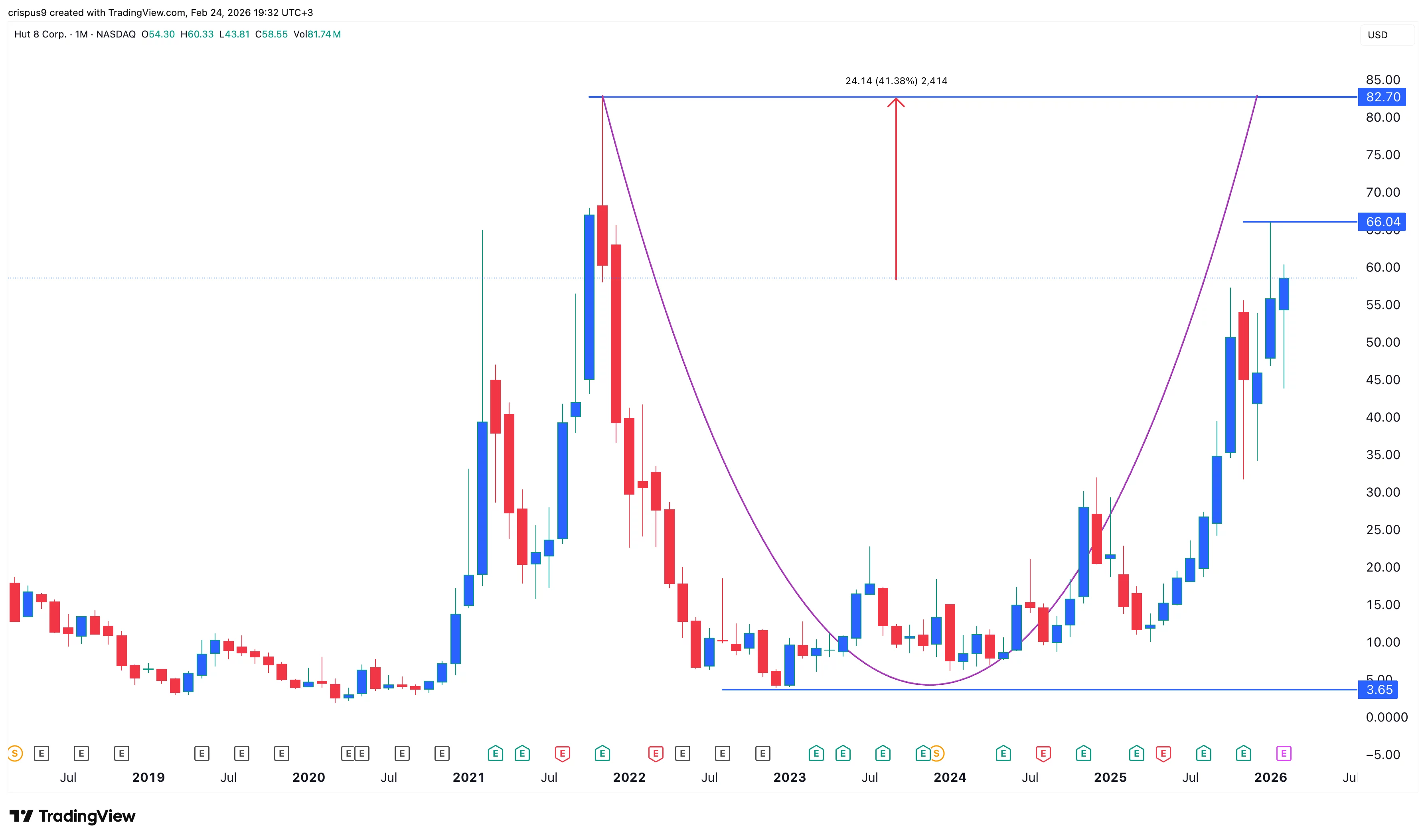
The monthly timeframe chart shows that Hut 8 share price has staged a strong comeback in the past few years. It has jumped from a low of $3.65 in 2023 to the current level.
The stock has jumped in the last three consecutive months and is nearing its highest level this year at $66. It has also moved above the 50-month moving average.
A closer look shows that it has formed a cup-and-handle pattern whose upper side is at $82.70, its highest level on record. Such a move will mark a 40% increase from the current level.
The caveat, however, is that this pattern has formed on the monthly chart, meaning that its outcome may take months or years to complete.
TLDR
- Kraken introduced regulated perpetual futures that track tokenized versions of major U.S. stocks and indices.
- The exchange made these products available to eligible users in more than 110 countries.
- The initial listings include tokenized versions of the S&P 500, the Nasdaq 100, Apple, Nvidia, Tesla, and the GLD gold ETF.
- The new perpetuals offer 24/7 trading and allow leverage of up to 20x for global users.
- Kraken stated that xStocks tokens remain fully backed 1:1 by the underlying assets.
Kraken introduced regulated perpetual contracts for tokenized equities and expanded access to 24/7 trading, and the launch broadens digital market offerings and follows its acquisition of xStocks in December. The move arrives as perpetual activity grows across global crypto markets.
Kraken expands perpetuals tied to tokenized U.S. stocks
Kraken released regulated perpetuals that track tokenized versions of major U.S. stocks, indices, and a gold ETF. The exchange made the products available to eligible users in more than 110 countries.
The initial lineup includes digital representations of the S&P 500, the Nasdaq 100, and stocks such as Apple and Nvidia. It also lists Tesla and the gold ETF SPDR Gold Shares (GLD) as tokenized assets.
The firm said the contracts take cues from crypto perpetuals, which run without expiry and operate continuously. It added that the structure enables long and short positioning with high leverage.
The company described the products as fully collateralized through xStocks’ framework. It noted that tokens remain backed 1:1 by the referenced assets.
Tokenized U.S. stocks and round-the-clock futures access
Kraken stated that the supported assets trade 24/7 and offer leverage up to 20x. It said this model provides continuous pricing even when U.S. exchanges close.
The exchange explained that tokenization anchors prices to underlying assets held in custody. It added that this backing helps maintain market alignment during global sessions.
Kraken highlighted its intent to rebuild equities trading for crypto-native environments. “This is what it looks like when traditional markets are rebuilt for a crypto-native, always-on world,” said Mark Greenberg.
The firm positioned the launch as part of a broader plan to expand its equities catalog. It confirmed that more stocks and ETFs will enter the platform in the coming months.
Growing competition in tokenized equities
Data from The Block showed over $600 billion in decentralized perpetual volume during January. It reported that Hyperliquid reached nearly $200 billion in monthly activity.
Perpetuals have grown as traders seek constant access and flexible capital use. The model continues to attract platforms developing new markets.
Ondo Finance recently announced plans to release perpetuals tied to its tokenized stocks. The firm signaled rising interest in expanding choices across tokenized assets.
The U.S. Securities and Exchange Commission (SEC) has approved a special request from asset manager WisdomTree allowing shares of its Treasury Money Market Digital Fund to trade at $1 with a dealer on an intraday basis, regardless of the fund’s end-of-day net asset value.
Until now, investors in the fund, which trades under the ticker WTGXX, had to transact at the end of the day at the fund’s NAV, as is standard for traditional mutual funds. The new structure allows trades to occur around the clock through a broker-dealer acting as principal, with instant settlement on blockchain rails.
WisdomTree said the approval required exemptive relief from the SEC and regulatory clearance from FINRA to expand the activities of its broker-dealer subsidiary. Under the new model, trades occur against the dealer’s inventory rather than directly with the fund, enabling 24/7 liquidity while keeping the fund’s primary structure intact.
“This is a true innovation and improvement in the investor experience, and it demonstrates how blockchain can serve as a new set of rails for capital markets,” Will Peck, WisdomTree’s head of digital assets, said in a statement on Tuesday.
WisdomTree also introduced continuous dividend accrual for the fund, allocating interest based on how long each wallet held shares throughout the day. The feature tracks wallet activity onchain, ensuring that even mid-day transfers don’t miss a share of the yield.
The firm plans on making the functionality available to institutions first via its Connect platform, with potential retail access later through its Prime app.
The change marks a step in the broader push to tokenize parts of capital markets. Several large banks and asset managers have piloted blockchain-based systems to issue and settle traditional assets, aiming to cut settlement times and reduce operational friction. Tokenization refers to representing financial instruments as digital tokens on a blockchain, allowing ownership to move in near real time.
Money market funds backed by U.S. Treasuries have become a key test case. More than $10 billion worth of tokenized U.S. Treasuries are now in circulation, according to data provider rwa.xyz.
At the forefront is BlackRock and Securitize’s BUIDL fund, which holds over $2 billion in total value locked, a metric that reflects the dollar value of assets committed to the product onchain. Other offerings include products from stablecoin issuer Circle (CRCL) and Ondo Finance.
With the SEC’s approval, WisdomTree joins a growing group of firms seeking to bring traditional cash management tools onto blockchain infrastructure while staying within the existing regulatory framework.
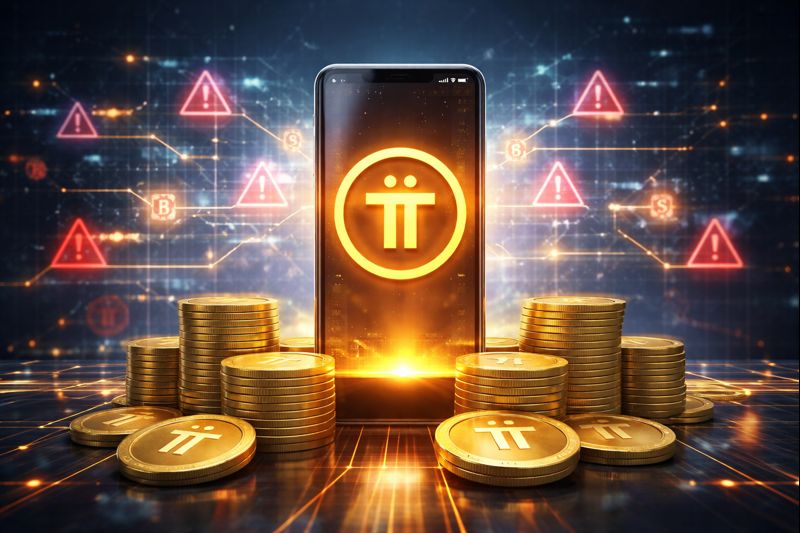

- PI price rose slightly on Tuesday, with buyers testing resistance above $0.16.
- Holder balances on centralized exchanges have reduced by over 700,000 PI tokens over the last 24 hours.
- The technical outlook for PI is mixed amid overall bearish sentiment.
Pi Network’s token is showing some resilience amid broader crypto market weakness, with price retesting resistance above $0.16 despite key losses for Bitcoin and major altcoins.
The PI token traded to its intraday highs on a slight uptick in daily volume as on-chain data reveals a sharp decrease in token balances on centralized exchanges (CEXs).
While the upward move from lows of $0.13 on February 11 suggests bullish resilience, PI must extend gains above the latest barrier level to give buyers an upper hand.
Testing the key level amid broader crypto sentiment means a potential downward flip could follow if profit-taking deals mount.
Pi Network sees over 700,000 PI exit exchanges
PiScan data reveals CEX balances have shrunk sharply in the past 24 hours, with more than 778,434 PI tokens leaving CEXs such as OKX, Bitget, and MEXC.
The outflows suggest strong holder conviction, and are key to the reduced selling pressure currently helping bulls hold the advantage.
Net outflows indicate accumulation rather than distribution.
Buyers could capitalize on this outlook to drive prices higher, more likely if the broader market sentiment improves.
Despite CEX outflows, the PI price is signalling upside potential amid Pi Network’s Open Network expansion.
The project has accelerated its KYC verifications and mainnet migrations.
Meanwhile, the Pi Core Team sees milestones such as the release of details on the Ecosystem Token Design as crucial steps.
The Pi Request for Comment (PRC) for community input is among ecosystem developments that are adding to investor confidence.
Pi Network technical outlook
Despite the intraday gains, Pi Network’s price remains 9% down this past week.
The token is also in the red over the past month and year-to-date time frames, about 11% and 20%, respectively.
PI’s technical picture shows sentiment is largely bearish, with oscillators neutral. However, moving averages are leaning “strong sell”.

Bulls could muster upward momentum if prices stabilize above the $0.15. Support here and increased volume could allow PI to target $0.18 and then $0.27.
However, bears may yet dominate if bulls fail to hold above a downtrend line going back to the October 10, 2025, crash.
Should short-term losses accelerate below $0.15, major support lies around $0.13, an area that marked PI’s all-time low on Feb 11.
Indicators like MACD and RSI on the daily chart are offering a mixed outlook.
The MACD suggests a bearish crossover, while the RSI sits at 46 and outlines a possible leg up.
PI price, like most cryptocurrencies, will likely track risk asset sentiment and performance in the short term. Macroeconomic and geopolitical factors will be key catalysts.


- Crypto.com gains credibility after conditional approval from the OCC.
- Cronos (CRO) remains far below its peak, but fundamentals are stabilising.
- The regulatory approval strengthens Cronos’ long-term investment case.
Cronos (CRO) is once again in focus as regulatory progress at Crypto.com reshapes the long-term narrative around the ecosystem.
The token has spent much of the past year trading under pressure, mirroring broader market uncertainty and fading risk appetite.
Recent developments in the United States, however, have injected a new layer of strategic significance into CRO’s outlook.
Crypto.com has secured conditional approval from the Office of the Comptroller of the Currency (OCC) to establish a nationally regulated trust bank.
This approval does not mean full operational status yet. It does, however, signal regulatory acceptance at the highest federal level.
That signal alone carries weight in a market where regulatory clarity often defines winners and losers.
Crypto.com’s regulatory progress in the US
The planned Crypto.com national trust bank will not operate like a traditional retail bank.
It will, for instance, not accept deposits or issue loans.
Its role is focused on digital asset custody, settlement, and staking services under federal oversight.
This positioning places Crypto.com closer to the infrastructure layer of institutional finance rather than consumer banking.
For the broader crypto market, the conditional approval suggests Crypto.com is on track to become a federally regulated custodian before committing serious capital.
It also reduces reliance on fragmented state-by-state licensing. From a credibility standpoint, this is a meaningful step forward.
For Cronos, the implications are indirect but important.
Cronos exists as part of the Crypto.com ecosystem. Any expansion in regulated services strengthens the ecosystem’s long-term utility.
That utility underpins demand, even if price reactions are not immediate.
CRO price analysis
Cronos (CRO) is currently trading far below its all-time high.
The token peaked near $0.97 during the 2021 bull market, but today it trades closer to the $0.07 range. That decline reflects both market cycles and shifting sentiment around exchange tokens.
Despite the drawdown, however, Cronos maintains a multi-billion-dollar market capitalisation.
Liquidity remains steady, though daily trading volumes are modest compared to previous cycles. While short-term momentum remains weak, long-term positioning is beginning to look more nuanced.
How the OCC approval feeds into Cronos’ price outlook
The conditional OCC approval does not directly change CRO’s tokenomics, nor does it alter supply or introduce immediate new use cases.
What it does is reinforce the ecosystem’s regulatory durability, which matters as capital becomes more selective.
Following the approval, institutional staking, custody, and settlement services could eventually intersect with Cronos-based activity.
Even if adoption grows slowly, the direction is clear.
For long-term holders, the narrative around Cronos is shifting from speculative growth to regulated infrastructure alignment.
As Crypto.com moves closer to full approval, attention on Cronos is likely to increase.
The price recovery will, however, still depend on broader market cycles, although the path forward now looks more credible than it did a year ago.
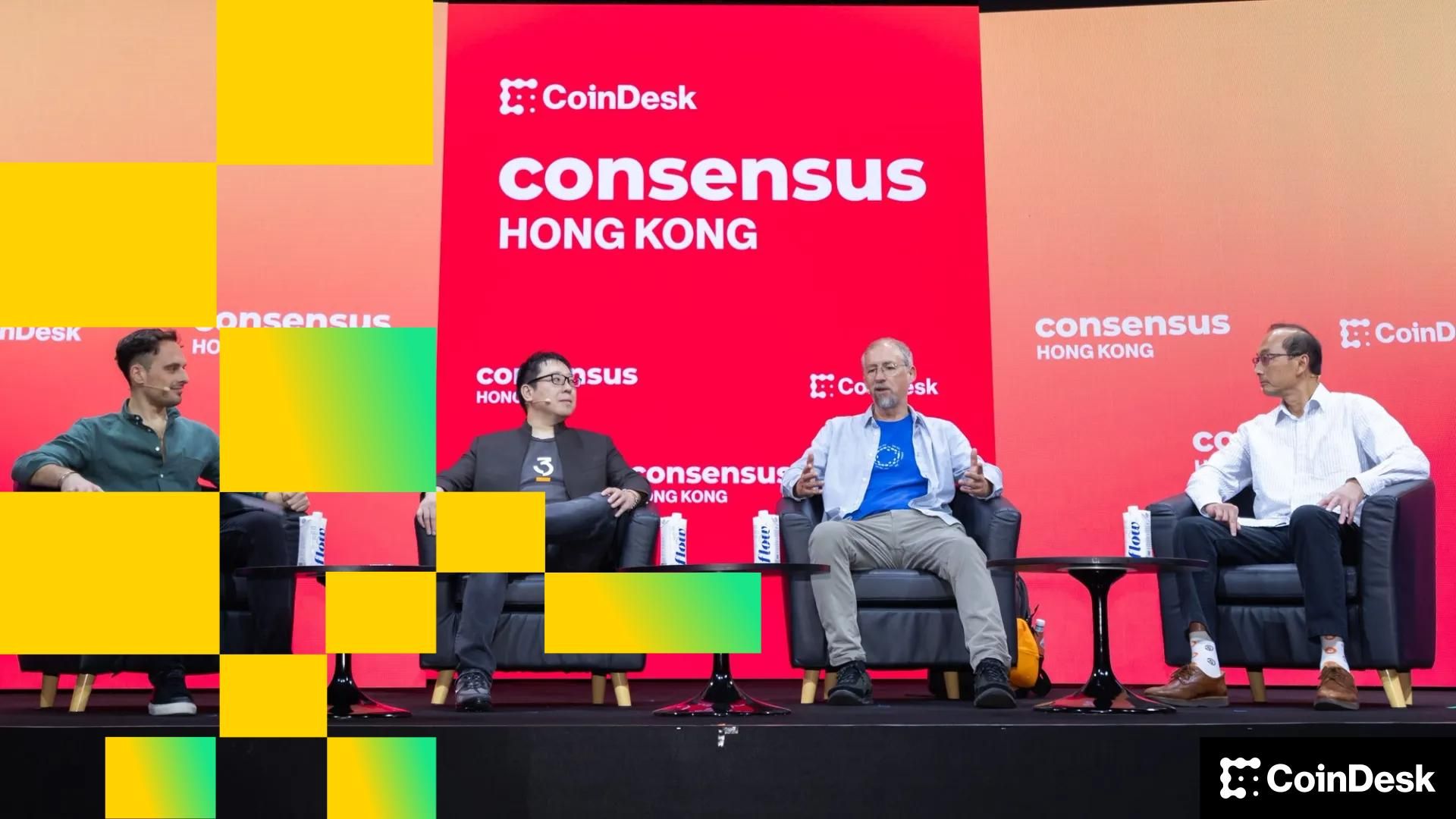
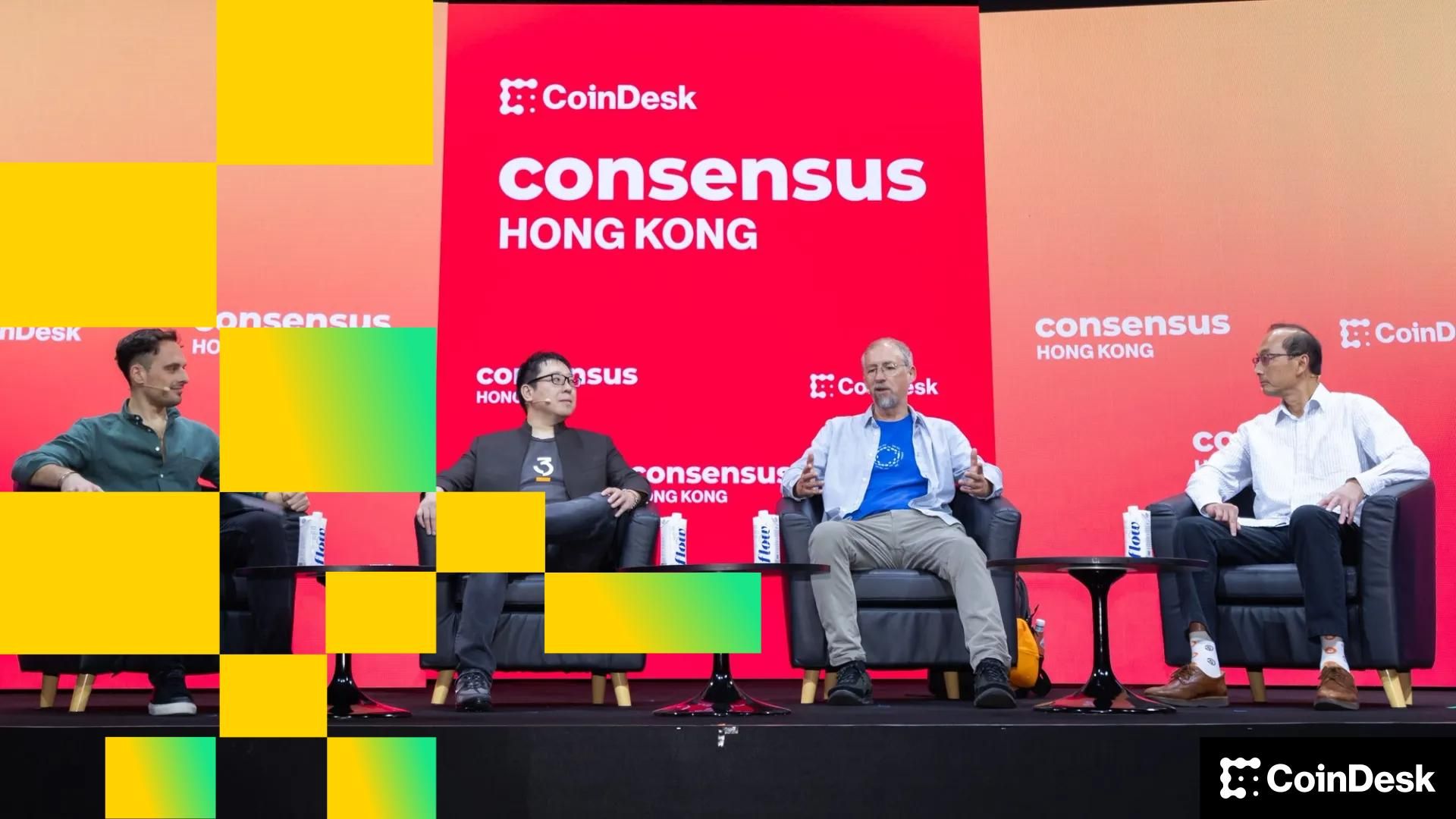
Undaunted by the plunge in bitcoin and the even worse price action for bitcoin treasury companies, Adam Back, the CEO of Bitcoin Standard Treasury Company (BSTR), says shareholder approval for a public listing could come as soon as April.
The public listing would come via a SPAC merger with Brandon Lutnick’s Cantor Equity Partners I (CEPO).
BSTR intends to debut with 30,000 bitcoin on its balance sheet. Of that total, 25,000 coins will be contributed by Back and other founding shareholders. A further 5,000 BTC will be contributed in-kind by early investors.
The merger plans were announced in the summer of 2025 amid a frenzy of hastily formed crypto treasury companies that hoped to mimic the success of Michael Saylor’s Strategy.
Since, though, the price of bitcoin has crashed to $63,000, and the performance of crypto treasury companies has been far worse, with many prominent ones vaporizing 90% or more of investor capital.
Speaking with CNBC on Monday, Back said a weaker bitcoin price could benefit BSTR ahead of its listing. Launching at a lower reference price would enable the company to accumulate more bitcoin at discounted levels, potentially strengthening its balance sheet and increasing long-term upside if market conditions improve.
Addressing bitcoin’s recent decline, Back noted that it occurred despite what he characterized as a favorable regulatory backdrop in the United States. He attributed the pullback to broader macroeconomic factors, including geopolitical tensions and tariff-related uncertainty, which have weighed on risk assets more broadly.
Back added that bitcoin treasury companies play a supportive role in the market. Their core strategy centers on acquiring and holding bitcoin, though he acknowledged that the pace of accumulation typically slows during bear markets. Ultimately, he said, bitcoin treasury companies are taking bitcoin off the market, which is a long-term bullish catalyst.
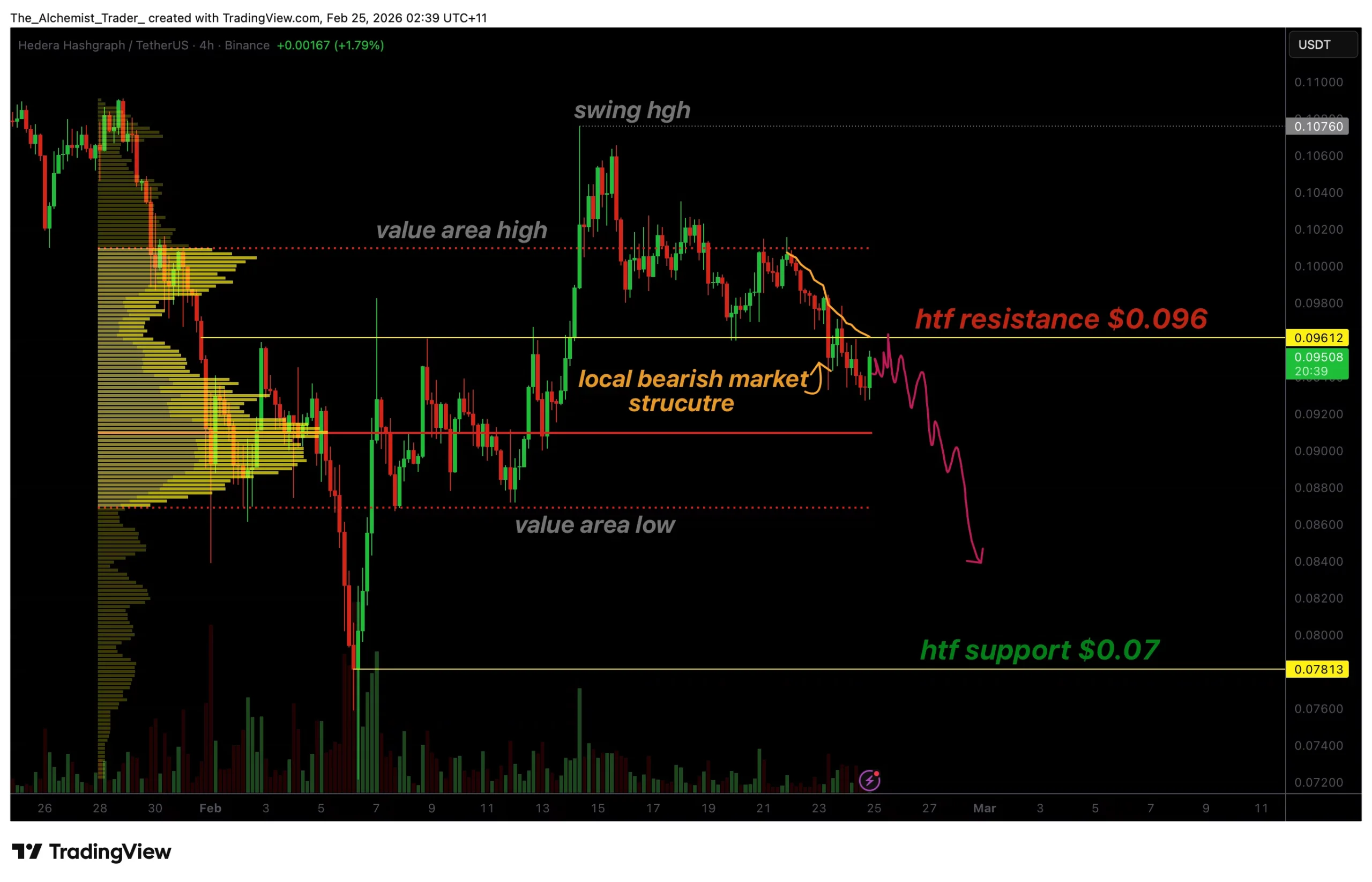
HBAR price faces downside risk after losing key support at $0.09, with bearish intraday structure increasing the probability of a corrective move toward $0.07.
Summary
- $0.09 support flipped into resistance confirms bearish structure
- Loss of point of control could accelerate downside momentum
- $0.07 high-timeframe support becomes next downside target
Hedera (HBAR) price action is showing early signs of structural weakness following a decisive loss of high-timeframe support near the $0.09 level. What previously acted as a strong demand zone has now transitioned into resistance, marking an important shift in market structure.
This transition is technically significant. When former support flips into resistance, it often signals a change in market control from buyers to sellers. Recent price movements suggest that HBAR is now undergoing a bearish retest of this level, a common market behavior that frequently precedes continuation to the downside.
As long as HBAR trades below $0.09, the broader technical outlook favors further corrective movement, with the next major support region located near $0.07 coming into focus.
HBAR price key technical points
- $0.09 support flipped into resistance: Structural breakdown confirms bearish shift
- Point of control under threat: Loss of key volume support could accelerate downside momentum
- $0.07 high-timeframe support targeted: Next major demand zone within current range
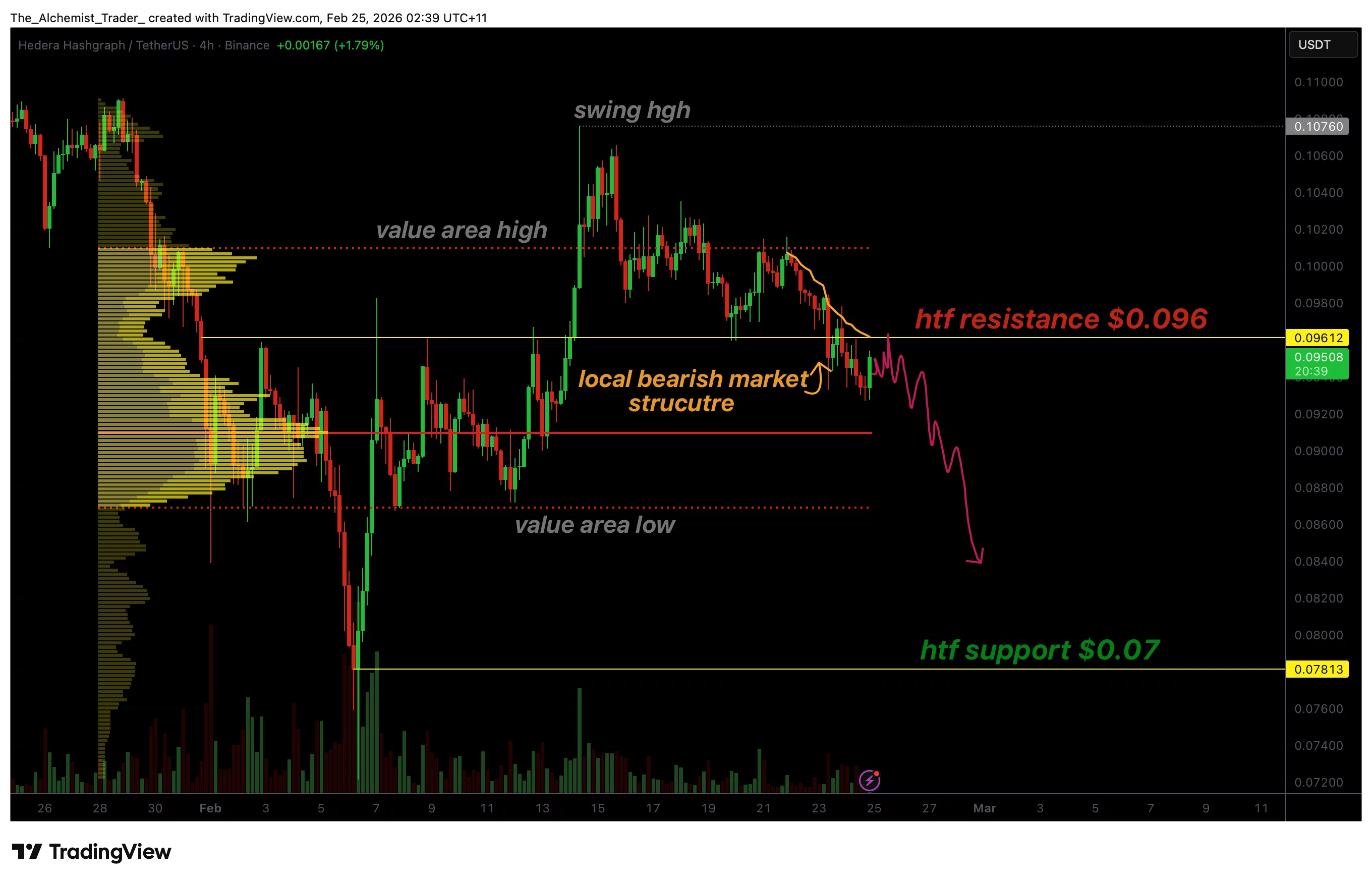
HBAR’s recent price action has been technically constructive in defining market direction. The confirmed loss of the $0.09 level represents a major structural development. Markets often respect these transitions strongly, as participants who previously bought at support may begin selling when price retests the level from below.
The current bounce toward resistance appears corrective rather than impulsive. Instead of establishing higher highs, price is forming a potential lower high within the intraday structure. This behavior aligns with a bearish retest scenario, where temporary upward movement allows sellers to re-enter positions before continuation lower.
From a market structure perspective, maintaining acceptance below $0.09 keeps sellers firmly in control. Until this level is reclaimed, bullish continuation remains unlikely in the short term.
Point of control becomes critical volume support
Another important level to monitor is the point of control (POC), which represents the area of highest traded volume within the broader range. The POC often acts as a final area of equilibrium before price transitions into expansion.
If HBAR loses acceptance around this level, it would signal that the market has abandoned its last major volume-based support. This development could significantly increase downside momentum.Below the POC lies a region of relatively thin volume, meaning fewer historical transactions exist to slow price movement. When markets enter low-volume zones, price tends to move quickly as liquidity gaps allow accelerated rotations toward lower value areas.
This technical dynamic strengthens the probability of a move toward the value area low and ultimately the $0.07 high-timeframe support.
Bearish retest suggests lower high formation
From a price action standpoint, the current local bounce appears to be a bearish retest rather than a trend reversal. Intraday structure continues to favor lower highs and weakening momentum, suggesting that the market is preparing for another rotational move downward.
Bearish retests typically occur after structural breakdowns, allowing price to revisit former support levels before sellers resume control. HBAR’s inability to reclaim resistance supports this interpretation.
If price forms a confirmed lower high beneath $0.09, it would further validate the bearish continuation thesis. This setup increases the likelihood that HBAR rotates toward deeper support levels as part of a broader corrective phase.
What to expect in the coming price action
From a technical, price action, and market structure perspective, HBAR remains vulnerable while trading below the $0.09 resistance. The current rebound appears corrective within a bearish intraday trend. A loss of the point of control could trigger accelerated downside movement toward the $0.07 high-timeframe support.
Unless buyers reclaim higher value and invalidate the lower-high structure, the probability favors continued downside rotation in the near term.
XRP Ledger recorded multiple breakthrough metrics in February. These figures reflect Ripple’s effectiveness in attracting attention and accelerating adoption on its underlying blockchain.
However, XRP’s price remained stuck below $1.4 during the final week of February, despite several positive signals that predicted an upcoming recovery.
Activity on XRP Ledger Increased in February After Upgrades
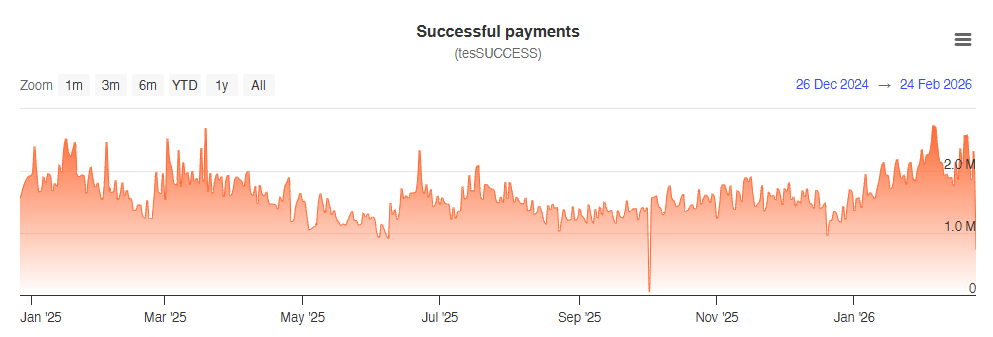
Data from XRPscan shows that the number of successful payments on the XRP Ledger has continuously increased over the past month. The figure rose from a low of 1 million payments at the end of December last year to more than 2.7 million in February. This marks the highest level in 12 months.
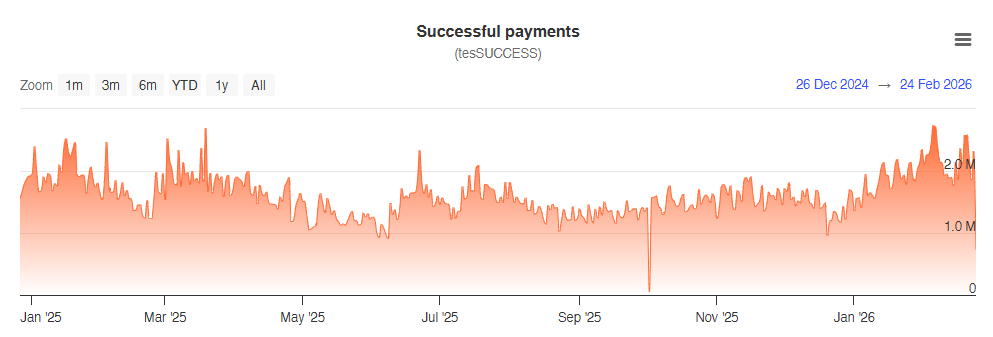
On the XRP Ledger, a successful payment is a transaction that validators have confirmed and recorded on the distributed ledger.
Therefore, this increase reflects the growing vibrancy of the XRP Ledger. A higher number of successful transactions proves that users genuinely use the network for payments, transfers, DeFi, or other applications.
“XRP network activity stays strong. Around 2M transactions per day and roughly 40K active addresses. That is real usage. While most chains chase narratives, XRPL keeps moving value. Payments. Settlements. This kind of consistency is what institutions look for,” crypto investor CryptoSensei said.
In addition, the Automated Market Maker (AMM) on the XRPL DEX showed signs of a breakout, with more than 14,000 deposits. This development provides XRPL with additional decentralized liquidity and reduces trading slippage.
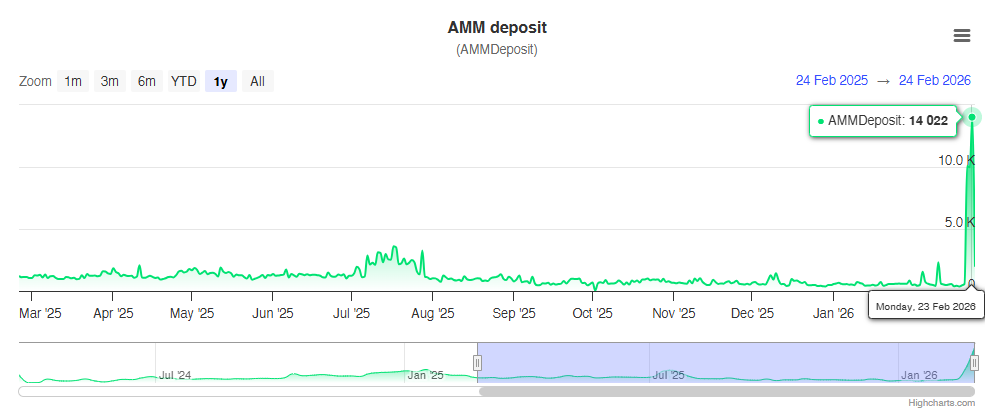
Notably, AMM activity has never been this before. This breakout occurred after the Permissioned Domains upgrade was activated in early February. The network enabled the Permissioned DEX two weeks later.
Investors expect the Permissioned DEX to pave the way for banks, payment providers, and financial institutions to trade within a controlled liquidity environment on XRP Ledger.
Despite these positive signs, XRP’s price continued into its fifth consecutive month of decline, and the final week of February closed in the red. At the time of writing, XRP is trading at $1.33, down 45% from its early-year high.
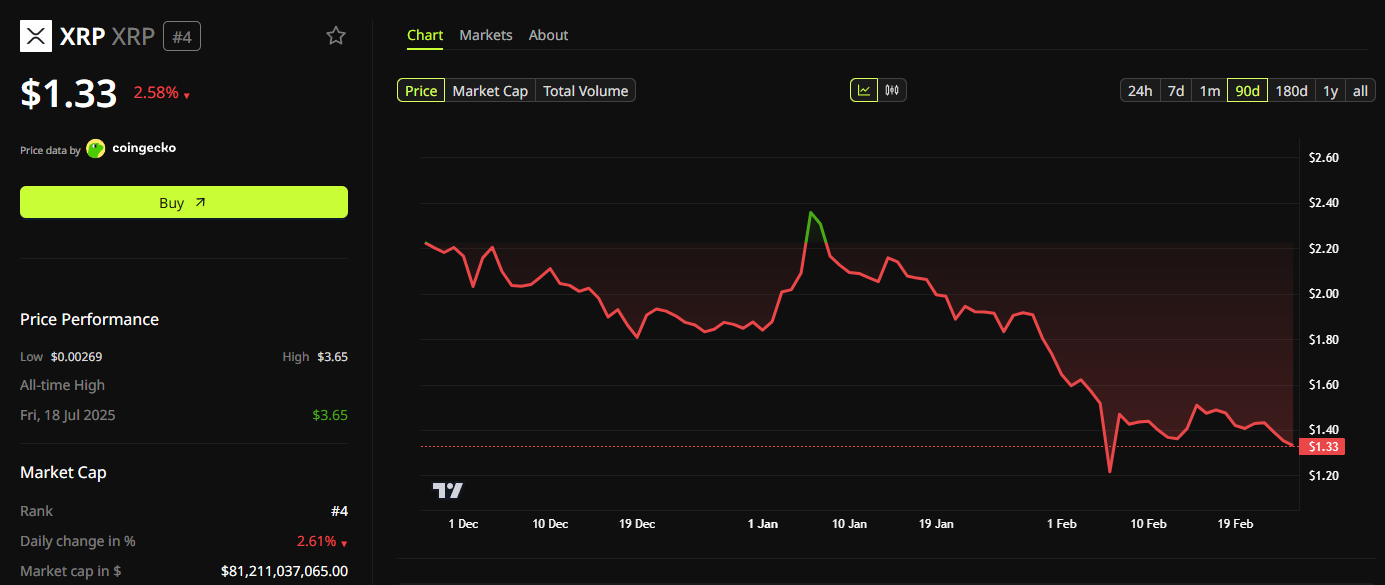
A recent report from BeInCrypto shows that rising whale inflows to exchanges continue to create selling pressure. Realized losses have reached their highest level since 2022.
However, historical signals also suggest that such extreme negativity often precedes a price bottom and a strong recovery. The latest analysis from BeInCrypto clarifies that XRP now needs confirmation through a breakout above the $1.47 resistance level.

BREAKING: Oba Femi vs. Brock Lesnar

The Last Mystery of Antarctica’s ‘Blood Falls’ Has Finally Been Solved
Is it the best games console you can buy in 2026


-

 Video5 days ago
XRP News: XRP Just Entered a New Phase (Almost Nobody Noticed)
-

 Fashion4 days ago
Weekend Open Thread: Boden – Corporette.com
-

 Politics2 days ago
Baftas 2026: Awards Nominations, Presenters And Performers
-

 Sports22 hours ago
Women’s college basketball rankings: Iowa reenters top 10, Auriemma makes history
-

 Business7 days ago
Infosys Limited (INFY) Discusses Tech Transitions and the Unique Aspects of the AI Era Transcript
-

 Entertainment6 days ago
Kunal Nayyar’s Secret Acts Of Kindness Sparks Online Discussion
-

 Politics23 hours ago
Nick Reiner Enters Plea In Deaths Of Parents Rob And Michele
-

 Tech6 days ago
Retro Rover: LT6502 Laptop Packs 8-Bit Power On The Go
-
 Sports6 days ago
Clearing the boundary, crossing into history: J&K end 67-year wait, enter maiden Ranji Trophy final | Cricket News
-

 Business2 days ago
Mattel’s American Girl brand turns 40, dolls enter a new era
-

 Crypto World9 hours ago
XRP price enters “dead zone” as Binance leverage hits lows
-

 Business2 days ago
Law enforcement kills armed man seeking to enter Trump’s Mar-a-Lago resort, officials say
-

 Entertainment6 days ago
Dolores Catania Blasts Rob Rausch For Turning On ‘Housewives’ On ‘Traitors’
-

 Business6 days ago
Tesla avoids California suspension after ending ‘autopilot’ marketing
-
 NewsBeat1 day ago
‘Hourly’ method from gastroenterologist ‘helps reduce air travel bloating’
-

 Tech2 days ago
Anthropic-Backed Group Enters NY-12 AI PAC Fight
-

 NewsBeat2 days ago
Armed man killed after entering secure perimeter of Mar-a-Lago, Secret Service says
-

 Politics2 days ago
Maine has a long track record of electing moderates. Enter Graham Platner.
-

 Crypto World6 days ago
WLFI Crypto Surges Toward $0.12 as Whale Buys $2.75M Before Trump-Linked Forum
-

 Crypto World5 days ago
83% of Altcoins Enter Bear Trend as Liquidity Crunch Tightens Grip on Crypto Market