




Connect with us

Business

Western Digital (WDC) Shares Rise 1.8% as NAND Demand Rebounds

Published

on

SanDisk

Shares of Western Digital Corp. (NASDAQ: WDC), the parent company that owns the SanDisk brand, closed at $68.42 on Monday, February 23, 2026, up 1.8% from the previous session’s $67.21 finish. The gain reflected renewed investor optimism about the NAND flash memory market’s recovery and Western Digital’s positioning to benefit from surging demand for high-capacity storage in AI data centers, enterprise servers, and consumer devices.

SanDisk
SanDisk

Western Digital’s market capitalization stood at approximately $23.8 billion at Monday’s close. The stock has climbed more than 65% over the past 12 months and is up roughly 22% year-to-date in 2026, recovering strongly from lows near $35 in mid-2025. Trading volume reached about 4.8 million shares, near average for the name.

The rally has been driven by a combination of improving NAND pricing, signs of inventory normalization across the supply chain, and growing recognition of Western Digital’s role in the AI infrastructure buildout. After a prolonged downturn in 2023-2024 marked by oversupply and price collapses, NAND flash spot prices have risen steadily since mid-2025, with 128Gb TLC NAND up more than 40% year-over-year according to TrendForce and other industry trackers.

Western Digital’s most recent earnings, reported January 30, 2026, for its fiscal second quarter (ended December 27, 2025), showed revenue of $4.3 billion (up 28% year-over-year) and non-GAAP EPS of $0.42 (beating consensus of $0.31). Flash revenue grew 39% sequentially and 45% year-over-year, fueled by higher average selling prices and strong demand for enterprise SSDs and client SSDs. HDD revenue rose modestly, supported by nearline drives used in cloud and AI storage.

CEO David Goeckeler highlighted the company’s “strong execution” in diversifying its portfolio and capitalizing on AI-driven storage needs. Western Digital has ramped production of high-capacity BiCS8 3D NAND (218-layer and beyond) and advanced QLC technologies, positioning it to meet demand for cost-effective, high-density storage in hyperscale data centers. The company also emphasized progress on its separation of flash and HDD businesses, with the flash unit (SanDisk-branded products) expected to operate as a standalone entity by late 2026 or early 2027, potentially unlocking value for shareholders.

Advertisement

Analysts have grown increasingly bullish. Consensus rating is Moderate Buy, with an average 12-month price target around $78-$82 (implying 14-20% upside from current levels). Recent updates include Morgan Stanley raising its target to $90 from $80 (Overweight), citing NAND price momentum and Western Digital’s strong position in enterprise and client SSDs. Deutsche Bank maintained Buy at $85, while a few firms hold Hold ratings with targets near $70, expressing caution over cyclical risks and competition from Samsung, SK hynix, Micron, and Kioxia.

The AI boom has become a key tailwind. Hyperscalers and cloud providers are deploying massive GPU clusters that require enormous amounts of high-performance, high-capacity storage for training datasets, inference caches, and checkpointing. Western Digital’s Ultrastar DC SN655 and SN850 enterprise SSDs, along with its high-density QLC drives, are gaining traction in these workloads. Analysts estimate that AI-related storage demand could drive NAND bit growth of 25-30% annually through 2028.

Challenges remain. The NAND market remains cyclical, and any slowdown in AI capex or renewed oversupply could pressure prices. Western Digital’s gross margins (around 32-34% non-GAAP in recent quarters) are improving but still lag peers due to higher manufacturing costs and ongoing foundry investments. The planned flash-HDD separation carries execution risk and potential short-term costs.

The company maintains a solid balance sheet with more than $2.5 billion in cash and manageable debt. Free cash flow turned positive in fiscal 2025, and management targets sustained positive FCF generation in 2026.

Advertisement

Looking ahead, Western Digital’s next earnings report is expected in late April or early May 2026 for the fiscal third quarter. Investors will watch for updates on NAND pricing trends, enterprise SSD demand, progress on the business separation, and any new AI-focused product announcements.

SanDisk-branded products — including portable SSDs, microSD cards, USB drives, and consumer storage solutions — continue to hold strong brand recognition and market share in retail channels. The brand benefits from Western Digital’s scale and technology leadership in flash memory.

As AI infrastructure spending accelerates and NAND supply-demand dynamics improve, Western Digital (and by extension SanDisk) appears well-positioned for further recovery. The stock’s recent strength reflects growing confidence in the company’s ability to capitalize on secular storage demand, though cyclical risks and execution hurdles remain.

Advertisement
Continue Reading
Click to comment

Leave a Reply

Your email address will not be published. Required fields are marked *

Business

Ford Motor Company (F) Stock Holds Steady Near $14 Amid EV Pivot, Strong 2026 Guidance Offsets Q4 Miss

Published

on

Stock Market

Ford Motor Co.’s stock has traded in a narrow range around $13.60 to $14.00 in late February 2026, reflecting investor focus on the automaker’s improved profitability outlook for the year despite a disappointing fourth-quarter earnings miss and ongoing challenges in its electric vehicle segment.

A logo of Ford is pictured on a car at the 86th International Motor Show in Geneva, Switzerland, March 1, 2016.
A logo of Ford

As of February 23, 2026, Ford (NYSE: F) closed at $13.64, down 2.64% on the day amid broader market pressures, with shares hovering near the upper end of its recent trading band. The stock has shown resilience year-to-date, climbing modestly from late-2025 levels, supported by a 49% gain over the prior 12 months driven by the company’s strategic shift toward hybrids and away from aggressive EV expansion. The 52-week high stands at $14.50, while the low is around $8.44.

The recent dip followed a February 10 earnings report where Ford posted mixed results for Q4 and full-year 2025. The company reported adjusted earnings per share of $0.13 for the quarter, beating some low expectations but missing consensus forecasts of around $0.19. Revenue came in at approximately $45.89 billion for Q4, above estimates, though full-year adjusted EBIT landed at $6.8 billion—near the company’s guided range but below some analyst projections.

Special items weighed heavily, including a massive $19.5 billion writedown tied to restructuring its Model e EV unit, supplier disruptions from a Novelis plant fire impacting aluminum supply for F-Series trucks, and tariff-related costs. These factors contributed to a reported net loss for the quarter and year. Ford Model e posted a $4.8 billion operating loss in 2025, an improvement from prior years but still significant. EV sales declined 14% annually and plunged 52% in Q4 following the loss of federal tax credits.

Investors, however, latched onto Ford’s forward-looking guidance, which painted a brighter picture for 2026. The company projected adjusted EBIT of $8 billion to $10 billion—up from $6.8 billion in 2025—with adjusted free cash flow expected at $5 billion to $6 billion. Capital expenditures are forecasted at $9.5 billion to $10.5 billion, including investments in a new Ford Energy business for battery storage systems. Ford Pro, the commercial vehicles segment, is targeted for $6.5 billion to $7.5 billion in EBIT, while Model e anticipates another $4 billion to $4.5 billion loss but with improvements in Gen 1 products.

Advertisement

Management highlighted a “hybrid-first” strategy to align with customer demand. Hybrids set records in 2025, with U.S. sales exceeding 228,000 units—a 22% increase—and models like the F-150 hybrid maintaining dominance as America’s top-selling full-size hybrid pickup. Ford expects hybrids to play a central role in reaching approximately 50% of global volume from hybrids, extended-range EVs, and full EVs by 2030, up from 17% in 2025. The company plans to offer hybrid options across its North American lineup and introduce affordable EVs on a new Universal EV Platform, with a midsize electric pickup targeted for 2027.

Ford Blue, encompassing ICE and hybrid vehicles, generated $3 billion in operating profit in 2025 despite margin compression. Executives emphasized prioritizing high-demand, profitable products like Maverick hybrids and premium F-150 trims, including V-8, Lariat, and Raptor variants.

Broader initiatives include affordability measures such as entry-level trims for Explorer and Bronco, extended financing, and targeted incentives for former Escape owners following the model’s discontinuation. Ford also plans five new vehicles under $40,000 by decade’s end to address market challenges.

Analysts remain cautiously optimistic, with a consensus “Hold” rating from 15-17 firms. Average 12-month price targets range from $13.02 to $13.09, implying modest downside or flat performance from current levels, though some targets reach $16.00. Bullish views cite hybrid momentum, cost discipline, and potential margin expansion toward an 8% adjusted EBIT target by 2029. Critics point to execution risks in EV restructuring, potential sales softness from limited 2026 launches, and industry headwinds like affordability pressures and flat U.S. volumes.

Advertisement

Recent developments include a dividend declaration of 15 cents per share for Q1 2026, payable March 2 to shareholders of record February 13. Insider activity featured gifts of Class B shares from a voting trust, while the company showcased its UEV platform for efficiency in electric commercial vehicles.

Ford’s trajectory reflects a pragmatic reset in a transitional auto market. With hybrids driving near-term profits and EVs repositioned for longer-term viability, the Dearborn-based automaker aims to balance innovation with financial discipline. Investors will watch Q1 results in late April for updates on hybrid ramp-up, EV cost reductions, and any guidance tweaks amid evolving trade policies and consumer trends.

As legacy automakers navigate electrification, Ford’s hybrid emphasis and profitability focus position it to weather near-term volatility while building toward sustained gains.

Advertisement
Continue Reading

Business

Novo Nordisk cuts Ozempic, Wegovy prices up to 50% starting in 2027

Published

on

Novo Nordisk cuts Ozempic, Wegovy prices up to 50% starting in 2027

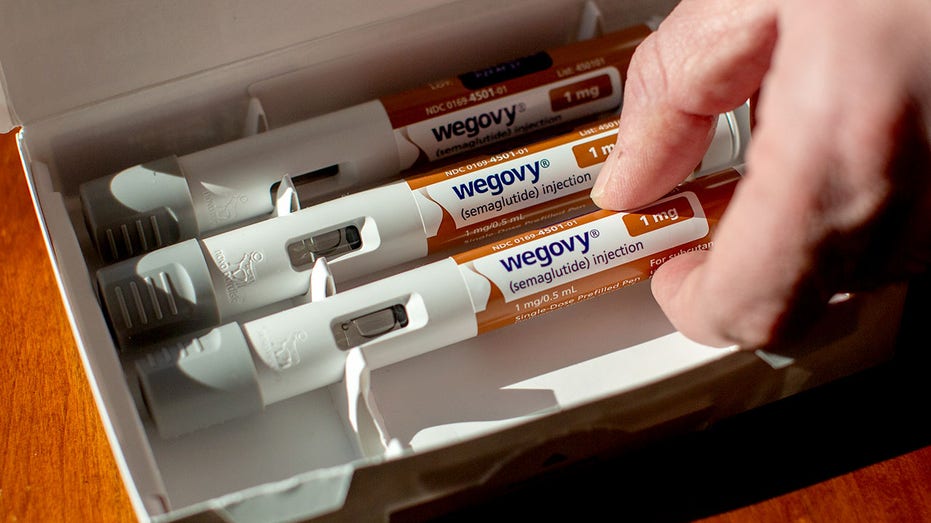
Novo Nordisk on Tuesday announced plans to cut the list price of its popular diabetes and weight-loss drugs Ozempic and Wegovy by as much as 50% in the U.S. next year.

The Danish drugmaker indicated the price cuts will be effective on Jan. 1, 2027, and the timing will coincide with new, lower prices for Ozempic and Wegovy under Medicare plans for older Americans.

Advertisement

The company’s announcement indicated the list price for various doses of its Ozempic and Wegovy medicines will be lowered to $675, which represents a 50% price cut for Wegovy and 35% for Ozempic from the current level. The price cuts also apply to Wegovy and Rybelsus pills.

“Lowering the list price of Wegovy and Ozempic is the best approach to address the unprecedented opportunity to help more than 100 million people living with obesity and over 35 million people with type 2 diabetes in the United States,” said Jamey Millar, executive VP of U.S. operations for Novo Nordisk.

NOVO NORDISK EXECUTIVE REPORTS HIGH INTEREST FOR ONCE-DAILY, ORAL WEIGHT-LOSS PILL

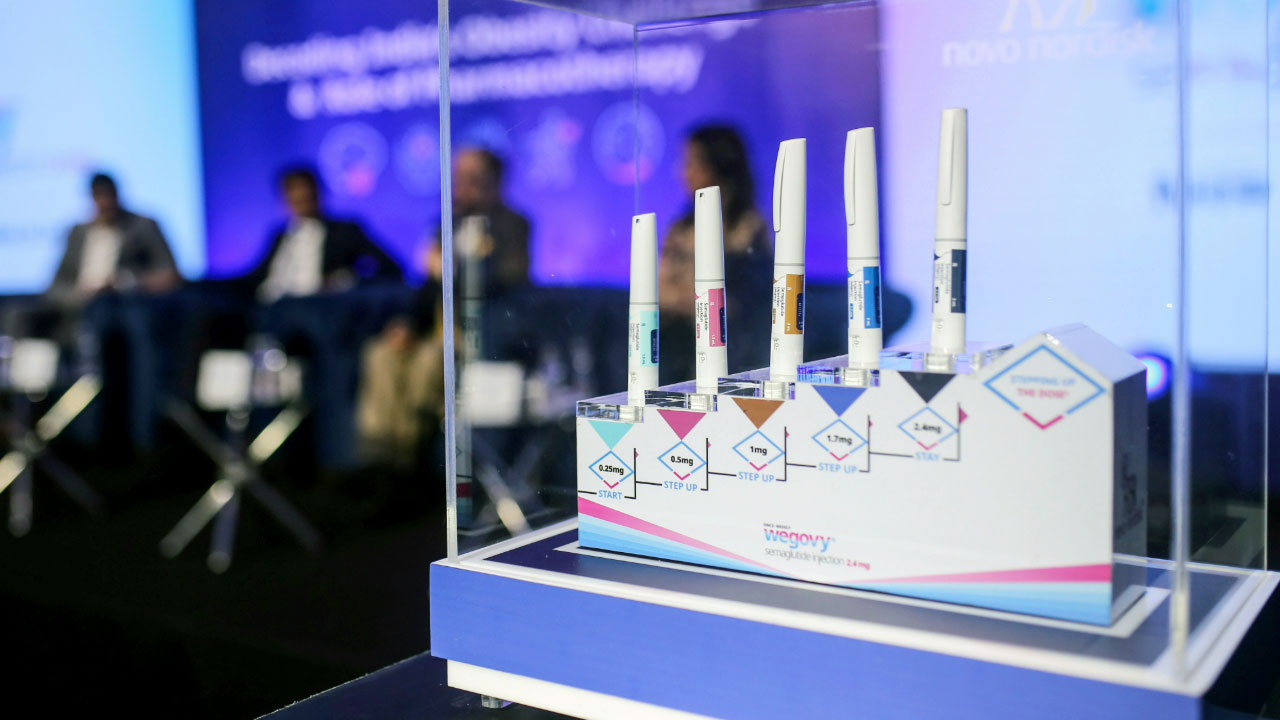
Injection pens for the weight-loss treatment Wegovy.

Novo Nordisk announced it will cut Wegovy and Ozempic list prices by up to 50% starting next year. (Dhiraj Singh/Bloomberg via Getty Images)

“Our actions today answer that call and remove cost barriers so the value of Wegovy and Ozempic can be realized by more patients,” he explained. 

Advertisement

“The lower list price is intended to connect more people with our innovative medicines, specifically those whose out-of-pocket costs are linked to list price, such as individuals with high-deductible health plans or co-insurance benefit designs,” Millar added.

AIRLINES HAVE 580 MILLION REASONS TO LIKE GLP-1 WEIGHT-LOSS DRUGS, ANALYSIS FINDS

Ticker Security Last Change Change %
NVO NOVO NORDISK A/S 39.63 -7.79 -16.43%

Novo Nordisk’s GLP-1 drugs have semaglutide as the active ingredient, which has received FDA approval as a medicine for adults with obesity in the case of Wegovy, while Ozempic is approved for type 2 diabetes. 

Additionally, Ozempic injections are FDA-approved for type 2 diabetes and chronic kidney disease, while both Wegovy and Ozempic are approved for comorbid cardiovascular disease.

Advertisement

The pricing changes don’t impact direct-to-patient or self-pay prices for consumers.

COSTCO MEMBERS WILL SOON HAVE ACCESS TO WEIGHT-LOSS SHOTS AT A MAJOR DISCOUNT

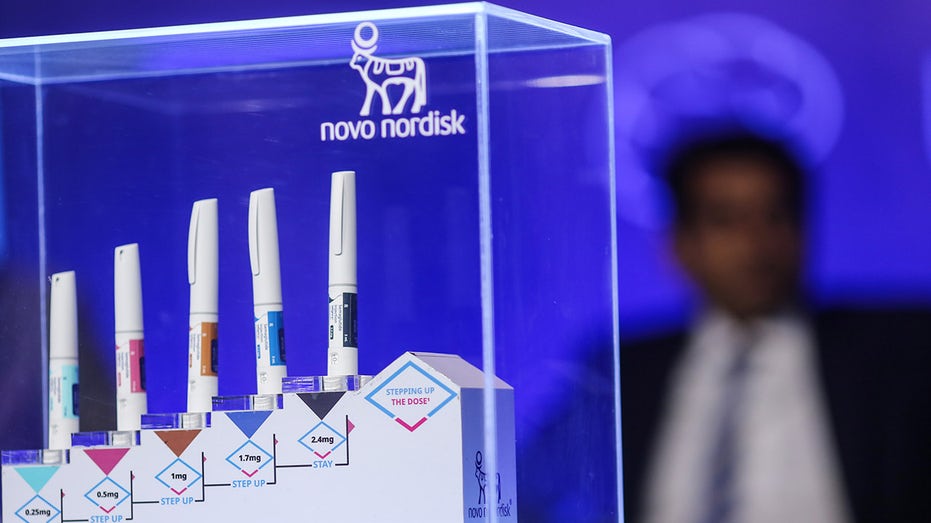
Wegovy injection pens arranged in Waterbury, Vermont.

Wegovy and other GLP-1 drugs are being used for weight-loss as well as treating diabetes. (Shelby Knowles/Bloomberg via Getty Images)

The market for so-called GLP-1 drugs has become increasingly competitive and a shift to consumer-driven, cash-pay channels is making price points more sensitive. Novo Nordisk is selling Wegovy on its direct-to-consumer website for $349, which is about one-third of its official list price.

Both Novo Nordisk and a leading rival, Eli Lilly, signed deals with the U.S. government to cut prices this year and sell products through TrumpRx.gov – a website that directs consumers to the companies’ direct-to-consumer websites.

Advertisement

GET FOX BUSINESS ON THE GO BY CLICKING HERE

The two companies are facing competition from cheaper compounded versions of the drugs offered by telehealth platforms like Hims & Hers, which are permitted to make and sell the drugs in personalized doses or composition.

Reuters contributed to this report.

Advertisement
Continue Reading

Business

Tennant Company 2025 Q4 – Results – Earnings Call Presentation (NYSE:TNC) 2026-02-24

Published

on

OneWater Marine Inc. (ONEW) Q1 2026 Earnings Call Transcript

Q4: 2026-02-24 Earnings Summary

EPS of $0.48 misses by $1.22

 | Revenue of $291.60M (-11.34% Y/Y) misses by $28.85M

This article was written by

Seeking Alpha’s transcripts team is responsible for the development of all of our transcript-related projects. We currently publish thousands of quarterly earnings calls per quarter on our site and are continuing to grow and expand our coverage. The purpose of this profile is to allow us to share with our readers new transcript-related developments. Thanks, SA Transcripts Team

Advertisement
Continue Reading

Business

ImmunityBio (IBRX) Stock Explodes 500%+ in 2026 on ANKTIVA’s 700% Revenue Surge

Published

on

ImmunityBio

ImmunityBio Inc.’s stock has skyrocketed in early 2026, surging more than 500% year-to-date and hitting new 52-week highs above $11 as explosive sales growth for its flagship immunotherapy ANKTIVA, coupled with rapid international regulatory approvals and partnerships, fuels investor enthusiasm for the cancer-focused biotech.

ImmunityBio
ImmunityBio

As of February 24, 2026, ImmunityBio (NASDAQ: IBRX) shares traded around $11.00 to $11.38 in heavy volume, up sharply from levels near $2 earlier in the year. The rally accelerated dramatically following the company’s February 23 release of full-year 2025 financial results, which highlighted ANKTIVA net product revenue of approximately $113 million—a staggering 700% increase from 2024. Fourth-quarter revenue reached about $38.3 million, up 20% sequentially and reflecting a 431% year-over-year jump in product sales. The company reported a narrowed quarterly net loss of around $62 million, with per-share losses improving to $0.06 from prior periods.

Trading volume spiked to over 85 million shares on February 23—more than double the three-month average—amid the post-earnings momentum. Shares touched a new 52-week high of $11.00 intraday on February 24, with the market capitalization approaching $10 billion to $11 billion, a dramatic valuation expansion for the once-struggling developer of NK cell-activating therapies.

The primary catalyst remains ANKTIVA (nogapendekin alfa inbakicept), an IL-15 superagonist approved by the FDA in April 2024 for BCG-unresponsive non-muscle invasive bladder cancer (NMIBC) with carcinoma in situ (CIS), with or without papillary tumors. The drug’s mechanism—activating natural killer cells, T cells, and memory T cells—has driven strong uptake, with unit sales volume soaring 750% in 2025.

Global expansion has supercharged the narrative. In January 2026, Saudi Arabia’s SFDA granted accelerated approval for ANKTIVA in BCG-unresponsive NMIBC CIS and, crucially, conditional approval in combination with checkpoint inhibitors for metastatic non-small cell lung cancer (NSCLC)—the first regulatory nod for ANKTIVA beyond bladder cancer anywhere in the world. Commercial launch in Saudi Arabia is targeted within 60 days, supported by partnerships with Biopharma and Cigalah Healthcare for distribution across the Middle East and North Africa (MENA) region.

Advertisement

The European milestone arrived in February 2026 when the European Commission issued conditional marketing authorization for ANKTIVA plus BCG in BCG-unresponsive NMIBC CIS across 27 EU member states plus Iceland, Norway, and Liechtenstein—covering 30 countries total. This follows the UK MHRA’s July 2025 authorization and makes ANKTIVA the first immunotherapy option in Europe for this high-risk patient population, where alternatives often include radical cystectomy. ImmunityBio highlighted a 71% complete response rate and median duration of 26.6 months from supporting trials, with some responses ongoing beyond 54 months.

These developments have expanded ANKTIVA’s regulatory footprint to 33 countries across four jurisdictions in under two years since initial FDA approval. Management outlined plans for further submissions in 2026, including accelerated pathways ex-U.S. and discussions with the FDA for lung cancer indications. Additional label expansions target multiple tumor types and chemotherapy-induced lymphopenia, backed by ongoing trials like QUILT-3.055 for second-line-plus NSCLC.

In bladder cancer, ImmunityBio advanced discussions with the FDA on resubmitting a supplemental BLA for BCG-unresponsive papillary NMIBC. After a 2025 refuse-to-file letter, the agency requested additional information—no new trials required—which the company submitted within 30 days in January 2026. Enrollment in a BCG-naïve randomized trial exceeds 85% and targets a BLA filing by Q4 2026.

Despite the revenue momentum, challenges persist. Full-year 2025 net losses totaled around $351 million, driven by R&D investments of roughly $64 million in Q4 alone. The company continues to burn cash while scaling commercialization, though improving profitability trends—three consecutive quarters of loss reduction—offer encouragement.

Advertisement

Analysts have grown more bullish amid the catalysts. Some firms highlight the stock’s rapid ascent as reflective of ANKTIVA’s potential to become a cornerstone immunotherapy, with partnerships accelerating international rollout. Consensus leans toward Buy ratings, though volatility remains high given the biotech’s history and execution risks in new markets.

The next major updates include progress on lung cancer submissions, Saudi launch details, and any FDA feedback on papillary bladder cancer resubmission. Positive execution could sustain the rally; delays or financing needs might introduce pullbacks.

ImmunityBio, led by Chairman Patrick Soon-Shiong, has transformed from a development-stage entity into a commercial player with a broadening global presence. ANKTIVA’s rapid revenue ramp and first-in-class approvals position it to address unmet needs in bladder and lung cancers, where durable responses could reshape treatment paradigms. Investors betting on continued momentum see the current valuation as justified by the growth trajectory, even as the company navigates profitability and expansion hurdles in 2026.

Advertisement
Continue Reading

Business

Asian Stocks Shrug Off Tariff Jitters

Published

on

Alphabet Is Selling 100-Year Debt as Part of a Big Bond Sale

Hong Kong’s Hang Seng Index rose 2.5%.

South Korea’s Kospi composite closed at a record high, as did its biggest component, Samsung Electronics.

Taiwan’s Taiex topped 34000 for the first time in intraday trading. It closed at an all-time high after paring some gains.

Singapore’s FTSE Straits Times Index also hit a record high.

Advertisement

Mainland Chinese and Japanese stock markets were shut for holidays.

Continue Reading

Business

Law firm Olliers Solicitors hails record month and plans expansion

Published

on

Business Live

Criminal defence firm moved to new Manchester HQ a year ago

The leadership team at Manchester-headquartered Olliers Solicitors, from left: managing director Matthew Claughton, business development director Ruth Peters, and commercial director Stacey Mabrouk

The leadership team at Olliers Solicitors, from left: managing director Matthew Claughton, business development director Ruth Peters, and commercial director Stacey Mabrouk(Image: Olliers Solicitors)

The managing director at firm Olliers Solicitors says the law firm has seen its biggest fee month on record and is on track for record growth. Olliers is now looking to expand its team as it marks the first anniversary of its move to 44 Peter Street in Manchester.

Olliers’ MD Matthew Claughton says fee income from the last six months suggests the firm is on track to generate £6.38m in fee income in this financial year, up from £4.92m. The group is now planning to grow its team and has already made five appointments, with Austin Anderson-Brettell and Catherine Baird joining as associate solicitors, Sophie Young and Rachael Latto joining as support team members, and Charlotte Shovlar joining as legal cashier.

Mr Claughton said: “This exceptional growth is testament to the unmatched brilliance of our team, who have carved out a reputation for exceptional client care and legal expertise.

“We have seen a significant increase in private work and pre-charge representation from August 2025 onwards and each month since then has been stronger than the last.

Advertisement

“This January was our biggest month ever thanks in part to private work but also significant legal aid cases, proving that our strategy to maintain both types of instruction is proving to be successful.

“The first 12 months here at 44 Peter Street have also seen us celebrated as Manchester Law Society’s Crime Team of the Year – an accolade of which we are immensely proud.

“The move to a new office signalled a major step-change for us as a firm and a commitment to future growth. It is great to see that investment and the excellent work of the Olliers’ team paying off.”

Ruth Peters, Olliers’ business development director, who is part of the senior management team with Mr Claughton and commercial director Stacey Mabrouk, added: “Our record-breaking performance is the direct result of a proactive, long-term strategy to redefine how a criminal defence firm connects with its clients.

Advertisement

“Our commitment to marketing and high-value website content has driven a significant surge in direct enquiries from individuals seeking specialist criminal defence representation.”

Ms Peters said the firm was also investing in technology and skills, including in the development of an AI accreditation, And she added: “This growth allows us to reinvest in the very best talent, ensuring that we remain the first choice for those facing the most challenging legal situations.”


Continue Reading

Business

House of Champions to open in Jersey as new hub for founders and freelancers

Published

on

House of Champions to open in Jersey as new hub for founders and freelancers

A new purpose-built workspace aimed at supporting Jersey’s growing community of founders and independent professionals will open its doors in Charing Cross this spring.

House of Champions, located in a private courtyard in the centre of St Helier, has been designed as a flexible entrepreneurial hub with capacity for 40 members. The three-storey space blends traditional Jersey architecture with contemporary interiors, featuring exposed wooden beams, floor-to-ceiling windows and curated artwork intended to create a calm yet collaborative environment.

The facility will offer hot desks, dedicated desks, bookable meeting rooms and a fully equipped podcast studio, alongside flexible membership packages tailored to freelancers, startups and small teams.

The project is led by Fiona Wylie, chief executive of Jersey-based marketing agency Brand Champions. Wylie said the decision to invest in a permanent workspace reflected both confidence in the island’s entrepreneurial ecosystem and her own experience building a business while balancing family life after relocating to Jersey.

“House of Champions is community-driven and flexible by design,” she said. “Real ambition doesn’t thrive in isolation. It thrives when people feel supported, inspired and genuinely connected.”

Advertisement

The launch comes amid continued growth in self-employment and freelance work. According to IPSE, the number of highly skilled female freelancers in the UK has risen by 69 per cent since 2008, highlighting demand for professional spaces that support flexible careers.

Wylie said the hub aims to serve that expanding demographic, particularly professionals seeking autonomy without sacrificing collaboration. “This is a place to build businesses, yes, but also confidence, momentum and possibility,” she said.

House of Champions will officially open with a programme of workshops, networking events and community initiatives designed to encourage collaboration and wellbeing alongside commercial growth.

For Jersey’s startup and freelance community, the opening signals a further step in positioning the island as a base not only for finance but for a broader generation of creative and entrepreneurial talent.

Advertisement

Jamie Young

Jamie Young

Jamie is Senior Reporter at Business Matters, bringing over a decade of experience in UK SME business reporting.
Jamie holds a degree in Business Administration and regularly participates in industry conferences and workshops.

When not reporting on the latest business developments, Jamie is passionate about mentoring up-and-coming journalists and entrepreneurs to inspire the next generation of business leaders.

Advertisement
Continue Reading

Business

Public Storage relocates headquarters to Texas amid CEO transition, growth push

Published

on

Public Storage relocates headquarters to Texas amid CEO transition, growth push

Public Storage is relocating its headquarters from California to Texas, becoming the latest major corporation to shift its official base to the Lone Star State as it rolls out a leadership transition and long-term growth strategy.

The S&P 500 self-storage real estate investment trust said its headquarters will move to the Dallas-Fort Worth metro area, while maintaining a long-term presence in Glendale, California. The announcement comes alongside a CEO transition and a broader strategic overhaul branded “PS4.0.”

Advertisement

Founded in California in 1972, Public Storage has grown into the world’s largest owner of self-storage facilities, operating more than 3,500 properties across 40 states and holding a sizable stake in a European storage operator. The relocation marks a significant shift for a company long associated with California’s business community.

Tom Boyle will take over as CEO on April 1, succeeding Joe Russell, who is retiring after a decade in the role. At the same time, the board will install Shankh Mitra, CEO of Welltower, as non-executive chairman.

O’LEARY BLASTS CALIFORNIA WEALTH TAX AS ‘BAD MANAGEMENT,’ CALLS ON RESIDENTS TO ‘HIRE’ NEW LEADERS

Public Storage Makes $11 Billion Bid for Rival Life Storage

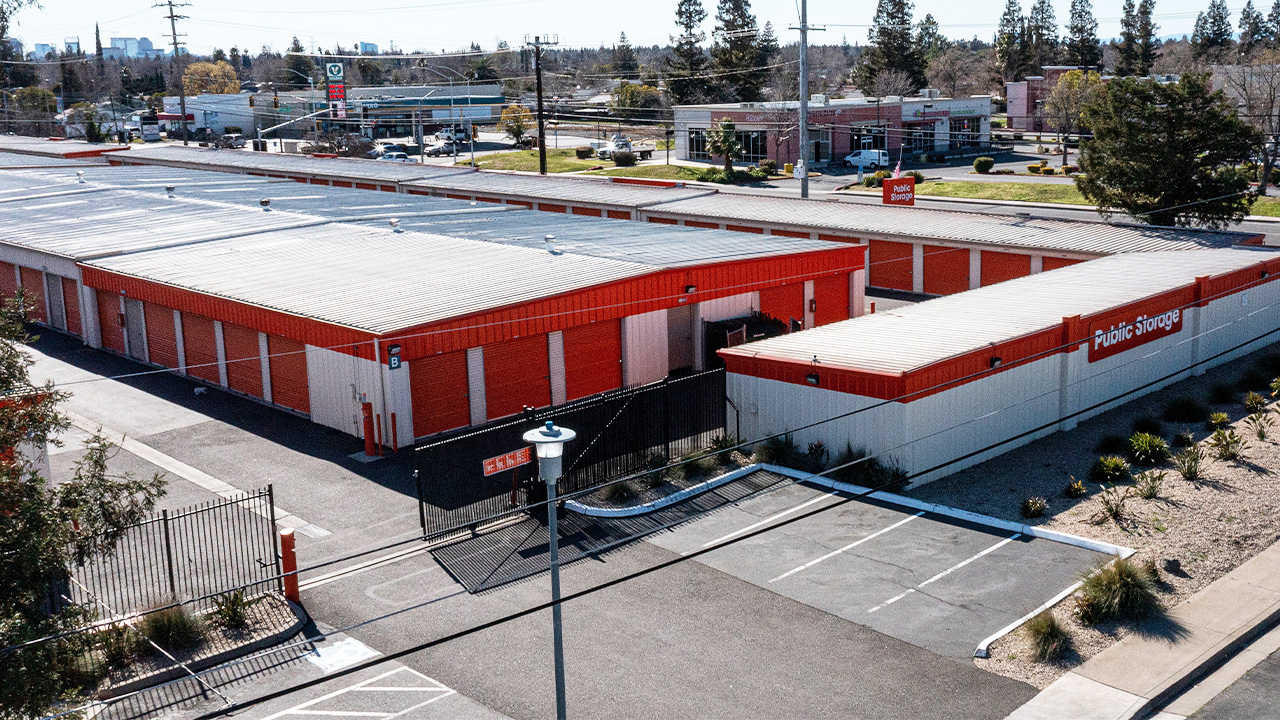
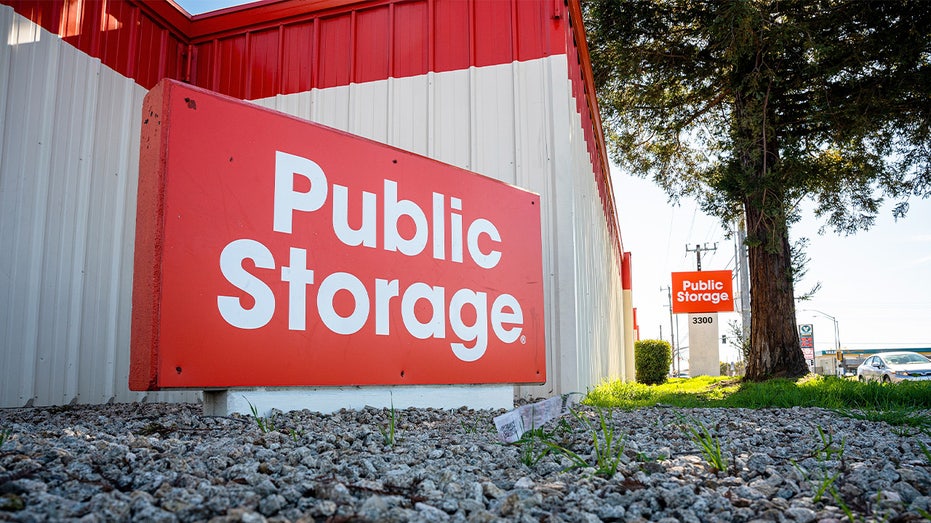
A Public Storage facility in Sacramento, California. (David Paul Morris/Bloomberg via Getty Images)

The leadership changes are part of what the company calls its “fourth era,” a transition designed to accelerate earnings growth, expand margins and deliver stronger long-term shareholder returns.

Advertisement

For Texas, the move underscores the state’s continued success in attracting high-profile headquarters relocations. The Dallas area offers no state income tax, comparatively lower operating costs and a deep talent pool. While Public Storage did not explicitly cite tax or regulatory reasons for the relocation, it highlighted the region’s depth of talent and innovation as strategic advantages.

Public Storage Makes $11 Billion Bid for Rival Life Storage

A Public Storage facility in Sacramento, California, on Monday, Feb. 6, 2023. (David Paul Morris/Bloomberg via Getty Images)

For California, the shift adds to a broader trend of corporate headquarters moves, even as many companies retain significant operations in the state. A headquarters relocation often signals where executive leadership, finance functions and future expansion plans will increasingly be concentrated.

Under the company’s PS4.0 initiative, Public Storage is leaning into digital tools, data science and artificial intelligence to reshape how it prices units, markets to customers and manages its portfolio. Executives say consumers increasingly expect fast, seamless digital experiences – even in traditionally brick-and-mortar sectors like self-storage.

public storage facility in san francisco

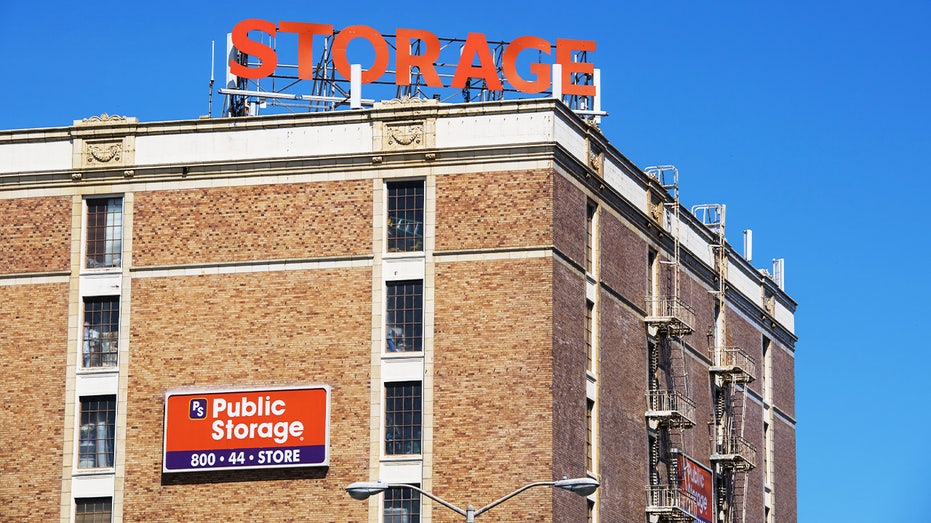
Signage stands on the building of a Public Storage facility in San Francisco, California. (David Paul Morris/Bloomberg via Getty Images)

For renters, that could mean more online bookings, dynamic pricing that shifts with demand and more personalized digital engagement. For investors, the company is signaling a more aggressive push into acquisitions and development in the still-fragmented self-storage industry. Over the past five years, Public Storage has deployed more than $12 billion into deals and new projects, and leadership has indicated it intends to accelerate that pace.

Advertisement

CLICK HERE TO GET FOX BUSINESS ON THE GO

The company also said it is revamping executive compensation to more closely tie pay to shareholder returns, reinforcing its emphasis on stock performance and capital discipline.

Continue Reading

Business

Plug Power (PLUG) Stock Hovers Near $1.84 Amid Cash Burn Concerns, Awaits Q4 2025 Earnings on March 2, 2026

Published

on

Plug Power Inc

Plug Power Inc.’s stock has remained under pressure in February 2026, trading around $1.84 after a volatile stretch that saw sharp declines and partial recoveries, as investors grapple with the hydrogen specialist’s ongoing cash burn, dilution risks from share authorization increases, and pending fourth-quarter 2025 earnings.

Plug Power Inc
Plug Power Inc

As of February 23, 2026, Plug Power (NASDAQ: PLUG) closed at $1.84, down 1.60% on the day with volume exceeding 66 million shares. The shares have fallen roughly 26% over the past 30 days and about 17.5% year-to-date, though they show a modest 15.7% gain over the past year. The 52-week range spans a low of $0.69 to a high of $4.58, reflecting extreme volatility in a sector tied to green hydrogen adoption and policy support.

The recent weakness follows a series of developments that have heightened scrutiny on the company’s financial position. In February 2026, shareholders approved a charter amendment to double authorized common shares from 1.5 billion to 3.0 billion, a move intended to provide flexibility for future capital raises but raising dilution concerns among investors. The special meeting, originally scheduled for January and adjourned multiple times, was accelerated to February 12, 2026, with the board urging votes in favor to support operations and growth.

Plug Power has faced persistent challenges in achieving profitability despite its position as a leader in hydrogen fuel cell systems and green hydrogen production. The company has never posted a full-year operating profit since going public in 1999, with trailing losses underscoring execution hurdles in scaling electrolyzer deployments and hydrogen supply. Last twelve months free cash flow remains deeply negative at around -$904 million, though analysts project narrowing losses and eventual positive cash flow by 2028.

Management’s Project Quantum Leap cost-savings initiative, launched in 2025, aims to streamline operations and focus on higher-margin offerings. Gross margins have shown improvement—negative 51.1% in recent periods versus worse prior figures—with targets for breakeven on gross profit by end-2025 and positive EBITDAS by end-2026. Full profitability is eyed for 2028.

Advertisement

Operational momentum includes key contracts and deployments. In early February 2026, Plug completed the first hydrogen fill for Hynetwork’s Rotterdam pipeline segment, delivering 32 tons of renewable fuel of non-biological origin (RFNBO) hydrogen alongside custom infrastructure. This builds on European expansion, where supportive regulations have boosted traction.

Other recent wins include a December 2025 commencement of a multi-year liquid hydrogen supply contract with NASA for up to 218,000 kilograms to Glenn and Armstrong facilities, valued at about $2.8 million through 2030. The deal validates Plug’s capabilities in high-demand aerospace applications. Additional partnerships feature a 5MW PEM electrolyzer LOI with Hy2gen for France’s Sunrhyse project and installations like a 5MW GenEco unit in Namibia for Africa’s first fully integrated green hydrogen facility.

These milestones highlight growing demand for green hydrogen in material handling, stationary power, and emerging sectors like space and heavy industry. Plug has deployed over 72,000 fuel cell systems and 285 fueling stations, positioning it as a major liquid hydrogen user with operational plants in Georgia, Tennessee, and Louisiana producing 40 tons per day.

Yet headwinds persist. Ongoing class-action securities lawsuits allege misleading statements about DOE loan guarantees and project timelines, adding legal uncertainty. Analyst consensus leans Hold, with 14 firms setting an average 12-month price target around $2.10—implying limited near-term upside but potential if execution improves. Some upgrades, like Clear Street’s to Buy in late 2025, cite paths to profitability.

Advertisement

The next major catalyst arrives March 2, 2026, when Plug reports Q4 and full-year 2025 results before market open, followed by a 4:30 PM ET conference call. Analysts forecast a loss of about $0.10 per share, with focus on revenue trends, margin progress, backlog conversion, and updated guidance amid Project Quantum Leap impacts. Positive surprises on cost controls or new contracts could spark a rebound; continued cash burn or delays might extend downside pressure.

Plug Power navigates a pivotal phase in the hydrogen economy’s evolution. Its leadership in fuel cells, electrolyzers, and infrastructure—bolstered by partnerships with Walmart, Amazon, Home Depot, BMW, and BP—offers long-term potential as global decarbonization accelerates. However, proving sustainable profitability amid capital intensity and competition will determine whether current weakness proves temporary or structural.

Investors weighing the risk-reward see Plug as a high-beta play on green energy transitions, with valuation at roughly 2.9 times trailing sales suggesting room for recovery if milestones are met. As earnings approach, the stock’s trajectory will hinge on evidence that operational gains translate to financial stability in 2026 and beyond.

Advertisement
Continue Reading

Business

Leekes invests to create two new departments at its flagship Llantrisant store

Published

on

Business Live

It has added new homestyling and clothing departments at the 125,000 sq ft store

Emma Leeke.

Family-run and owned the Leekes Group has invested in two new departments at its flagship Llantrisant store in the latest phase of a £10m investment programme.

The homestyling and clothing departments, which extend to 30,000 sq ft, will launch this weekend. They reopen a quarter of the store’s 125,000 footprint after 10 months, with brand-new flooring and a new roof. It follows the recent refurbishment of the Llantrisant store’s furniture studio, the largest in Wales and the south west of England.

Advertisement

Leekes Retail employs 500 people across five stores located in south Wales, the south west of England and the Midlands. This latest investment, says managing director, Emma Leeke, reaffirms the group’s, commitment to both the local area as well as the customer experience and will support the store’s 85 jobs.

READ MORE: The verdict on the promise of £14bn of rail investment in Wales over the long-termREAD MORE: Next £55m phase of the Plasdŵr residential scheme in Cardiff

She added: “After nearly 50 years trading from our Llantrisant store, we’ve seen lots of change but serving our customers in the right way has been our consistent focus. These new departments have been entirely designed around how they love to shop, making browsing easy and inspiring.

“In homestyling, we’ve deliberately brought together everything that creates the look you want for any room in the house into one big space. Similarly, in clothing and footwear, we’ve attracted a wide range of partner brands who, together, present a compelling destination for everyday and outdoor wear.”

Advertisement

As well as its Llantrisant store, the Leekes Group’s retail arm also operates stores in Bilston in the west Midlands, Cross Hands in Carmarthenshire, Melksham in Wiltshire and Cheltenham in Gloucestershire. It also retains its builder’s merchant at Tonypandy, where the business was established in 1897.

The group also includes four star Vale Resort in the Vale of Glamorgan and the nearby 17th and listed Hensol Castle, which is open for conferences, events, and weddings. Hensol Castle Distillery completes the group, which distils own-brand spirits and has a bottling plant.

Continue Reading

Trending

Copyright © 2025