

There are some changes coming into effect in 2026
The Department of Health announced that children in Northern Ireland will be offered a free vaccination against chickenpox for the first time in 2026.
Chickenpox is a common childhood illness that most children catch at some point. Chickenpox is caused by a virus and can spread quickly from someone who is infected with it. It can also occur in adults.
From January 1, eligible children will be offered a combined vaccine as part of their routine infant vaccination schedule. The combined vaccine will be for measles, mumps, rubella and varicella (MMRV) – the clinical term for chickenpox.
READ MORE: ‘Very fortunate’ that injury wasn’t caused say police after bus hit by stonesREAD MORE: Concerns for welfare of missing man last seen in Co Tyrone
The rollout of the MMRV vaccine will take place based on expert scientific advice from the Joint Committee on Vaccination and Immunisation. It comes off the back of research which found the signifant impact severe cases of chickenpox had on children’s health, combined with hospital admission rates and the associated costs around the illness.
Chief Medical Officer Professor Sir Michael McBride said: “Chickenpox is a highly contagious infectious disease. While most cases of chickenpox in children are relatively mild, many children are unwell for several days and in some cases, chickenpox can lead to hospitalisations from serious secondary infections or other complications.
“Immunisation is one of the most effective ways of preventing illness from infectious disease. I encourage parents and guardians of those eligible to avail of the vaccination, when invited to do so, to help protect their children from this disease.”
Symptoms of chickenpox
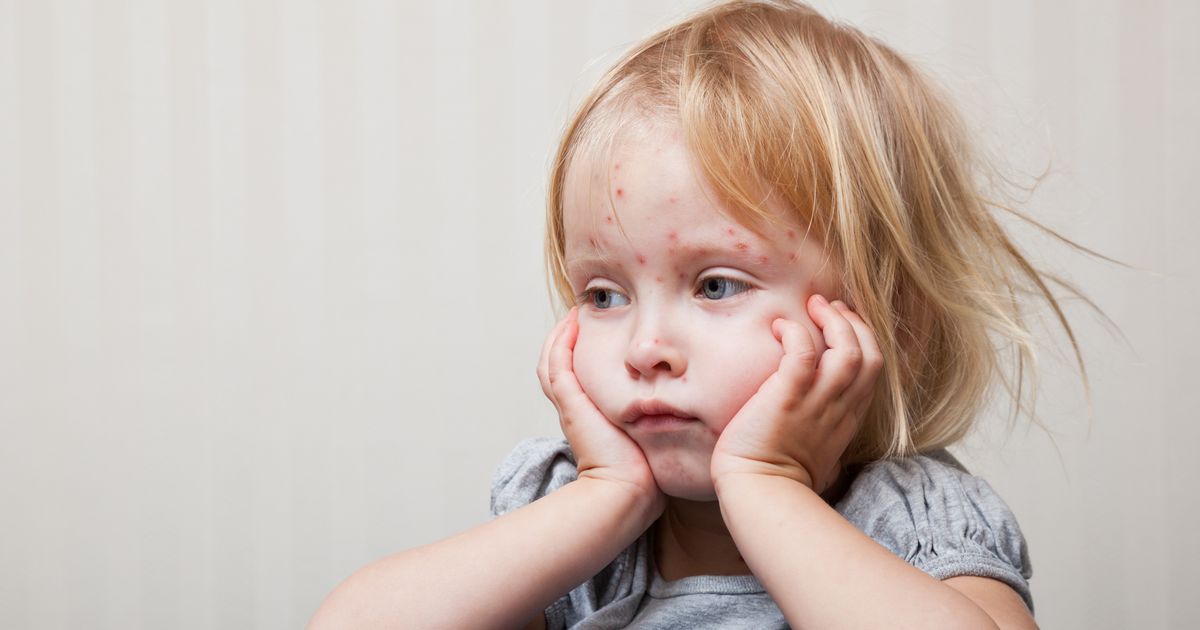
The most well-known and common symptom of chickenpox is the easily recognised, blistering red, spotty rash.
The spots normally appear in clusters and tend to be:
- behind the ears
- on the face
- over the scalp
- on the chest and belly
- on the arms and legs
They can also be located anywhere on the body including on the palms of hands, bottoms of feet and on the inside of the mouth, or ears.
The spots can become intensely itchy after about 12 to 14 hours, according to NI Direct. Most children recover quickly from the illness but for some, it can be more serious.
Contact your GP immediately if you or your child develop any abnormal symptoms, such as:
- the skin surrounding the blisters becoming red and painful
- pain in the chest or difficulty breathing
- any signs of dehydration, such as fewer wet nappies, drowsiness and cold hands and feet
For all the latest news, visit the Belfast Live homepage here and sign up to our daily newsletter here.



