
News Beat
North East workers warned over impact of Formaldehyde

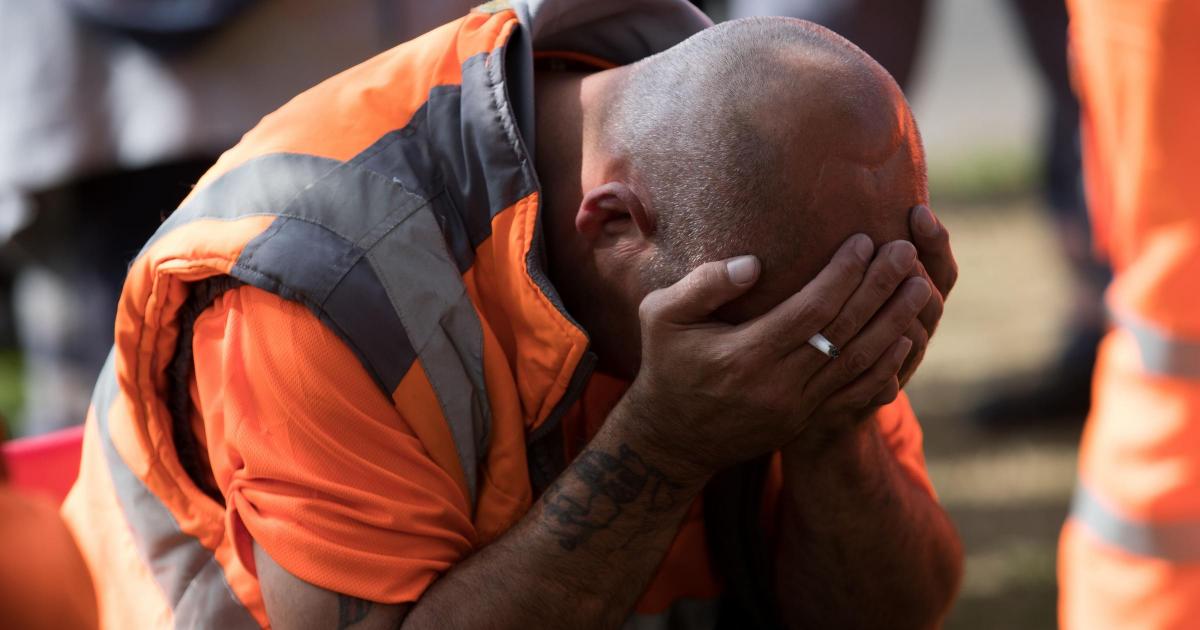
Formaldehyde has been widely used in industry for decades and remains present in many workplaces across the region, despite growing evidence of the serious and potentially disabling health risks it poses, according to experts.
Solicitors at Slater and Gordon, based in the North East, have warned workers in the region about the increasing risk of the chemical.
Early symptoms can include respiratory problems, headaches and cognitive issues, skin irritation, fatigue and nausea, while long-term exposure has been linked to cancer.
Although Workplace Exposure Limits exist, it is not always clear whether these are consistently adhered to, according to legal experts in the North East.
Plans to introduce tougher legal limits in line with EU standards were shelved following Brexit, raising concerns for workers in areas with a strong industrial and manufacturing heritage, including the North East.
The chemical is commonly found in cosmetics manufacturing and in the production of adhesives, polymer coatings and resins, industries with a long history on Teesside, Wearside and Tyneside.
Historically, formaldehyde would have been routinely used in major chemical businesses, including sites linked to former industrial giants, as well as healthcare settings.
Formaldehyde can be inhaled, ingested or absorbed through the skin.

While some health effects can develop quickly, more serious and life-changing conditions may not become apparent until many years after exposure, meaning former workers in North East factories, laboratories and industrial plants could still be at risk today.
Warnings about the dangers of the chemical have intensified in recent years, with campaigners increasingly referring to it as ‘the new asbestos’ as awareness of its harmful effects grows.
Simon Matthews, a specialist industrial disease solicitor at Slater and Gordon, based in the North East, says workers past and present “should not ignore the risks”.
“Formaldehyde is known to cause significant and widespread health risks, and calls are mounting for it to be banned altogether,” he said.
“The fact it is still in use is concerning, particularly in regions like the North East where heavy industry, manufacturing and laboratory work have played such a major role in employment.
“Often, the impact of formaldehyde takes years, even decades, to become apparent, and people can suffer greatly as a result.

“We also see cases where symptoms develop far more quickly, affecting people who are still working today in environments where formaldehyde is present.”
He added: “Employers must be certain they are doing everything possible to protect their staff. Anyone in the North East who has concerns about current or historic exposure should raise them and seek support.
“No one should suffer harm at work because an employer has failed in their duty of care, and for those who fear this may have happened, we would urge them to come forward.”
Earlier this month, it was reported that some NHS pathology departments have exceeded a legal limit of a chemical linked to cancer in their laboratories.
There are set UK limits for workplace exposure to formaldehyde, which is widely used in embalming and tissue preservation.
But according to an investigation by The Independent and Channel 4 News, a third of departments have admitted exceeding the limits.
The news organisations analysed freedom of information data from 117 NHS pathology departments in England and Wales.
Some 34 per cent who responded noted surpassing the limits at least in the “preceding 12-month period”, the news outlets reported.
According to the Health and Safety Executive (HSE), the limit for formaldehyde is two parts per million (2ppm) measured as a “time-weighted average over eight hours”.
The short-term limit, averaged over 10 minutes, is also 2ppm.
In Europe, the limit is 0.3ppm, and in the US it is 0.75ppm.
The Independent and Channel 4 News said a number of legal cases have been brought over workplace exposure in the health service.
A Government spokesperson said: “NHS trusts are responsible for ensuring safe working environments for all staff, and where concerns are raised, we expect the Health and Safety Executive to take swift action.
“This Government inherited a crumbling NHS estate which had been starved of investment, but is turning this around through a record £30 billion for day-to-day maintenance and repairs – with over £5 billion allocated specifically to address the most critical cases.”



