

Business
Paramount boosts Warner Bros offer to rival Netflix in takeover bid



HSBC ADR earnings beat by $0.03, revenue topped estimates

RealReal chief product officer sells $210k in stock

Mortgage Rates Dip Under 6%. 3 Things Weighing on Housing Stocks.
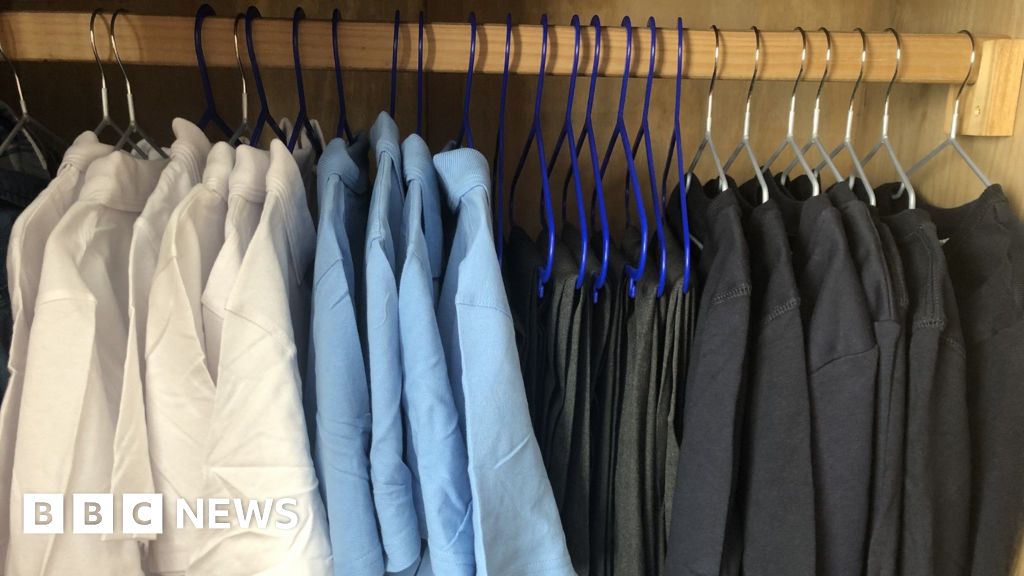
New guidelines have been issued by the Department of Education in the wake of law changes on uniforms.


Virginia Governor Spanberger rips into Trump on economy, immigration

BANGKOK — Thailand’s automotive industry has marked a significant turning point in early 2026, as a strategic pivot toward electric vehicle (EV) manufacturing—spearheaded by major Chinese players—reinvigorates the nation’s standing as Southeast Asia’s premier automotive hub.
According to recent data released by the Federation of Thai Industries (FTI), vehicle production in January 2026 reached 118,386 units. This represents a substantial 10.53% increase compared to the previous year, continuing a growth trend that began in December 2025.
Strategic Investment from Chinese Leaders
A primary catalyst for this production surge is the entry and expansion of Chinese EV manufacturers. Companies such as BYD (Build Your Dreams) and Great Wall Motors have established physical manufacturing plants within Thailand. These investments are influencing the regional landscape in two distinct ways:
- Export Base Expansion: These plants are not merely catering to the Thai market but are designed as critical bases for international exports, further cementing Thailand’s role as a global supplier.
- Local Market Penetration: The presence of these manufacturers is fueling a dramatic spike in domestic interest, contributing to a 53.77% year-on-year increase in domestic sales.
Maintaining Regional Dominance
Thailand remains the largest automotive production center in Southeast Asia. While the country has long been the preferred export base for traditional Japanese giants like Toyota and Honda , the document highlights that the influx of Chinese EV makers represents a “strategic shift” in the country’s industrial output.
By diversifying its production capabilities to include high-demand electric vehicles, Thailand is effectively navigating the transition from traditional internal combustion engines to next-generation technology.
The Bigger Picture
Chinese EV makers have supplied the capital, technology, and speed Thailand needed to leapfrog into the EV era while leveraging its decades-old manufacturing ecosystem. The result: Thailand is solidifying its position as Southeast Asia’s premier EV production and export hub, creating jobs, building supply chains (batteries, chargers, components), and positioning itself as a bridge between Chinese innovation and global markets.
By 2030 and beyond, expect Thai-made EVs—many bearing brands like BYD, GWM, or Changan—to appear on roads from Jakarta to Berlin. The “Detroit of Asia” isn’t just surviving the EV transition—it’s thriving, thanks in large part to its Chinese partners.
Outlook for 2026
The integration of Chinese EV production comes at a critical time for the industry. Following a minor 0.9% dip in production during 2025 (which saw 1.455 million units produced), the FTI is forecasting a robust recovery.
With the momentum provided by the EV sector, the industry has set an ambitious production target of 1.5 million units for 2026 , reflecting an expected annual growth rate of 3%. As Chinese manufacturers continue to scale their operations for both local sales and exports, Thailand is well-positioned to meet these targets and maintain its competitive edge in the global automotive market.
Other People are Reading

Part of the explanation for why so few users will need to verify their age is that Discord already uses an internal “age determination” system that looks at “how long your account has existed, whether you have a payment method on file, what types of servers you’re in, and general patterns of account activity.”

Tandem Diabetes prices $265M convertible notes offering

The companies that sell groceries, cigarettes and household products were mostly unscathed by Monday’s selloff. Stocks like Mondelez International, the company behind Oreos and Ritz crackers, and Procter & Gamble were among the top performers in the S&P 500.

In India, the IT sector has faced substantial pressure amid fears of disruption from AI. While valuations may appear attractive, Schiessl explained that reducing exposure and waiting for more clarity makes sense in the short term. The banking sector, by contrast, continues to trade near its highs, supported by a healthy macroeconomic backdrop. More cyclical and defensive sectors are attracting attention as investors adjust their positions, and the rotation toward these areas is expected to continue for some time.
On the IT services front, Schiessl emphasized the uncertainty surrounding AI’s impact. Large-cap IT stocks may face short-term risk, while smaller, specialized players could be better positioned to navigate disruption. He stressed the importance of management guidance and visibility on new order wins before investors commit fresh capital or take positions against traditional IT businesses.
The pharmaceutical sector, particularly the GLP-1 generics space, presents a significant opportunity. Schiessl described it as “massive,” citing the available market share and the growing range of applications for the compound. Meanwhile, the metals sector has performed strongly over the past year and continues to look attractive. From steel producers to miners, valuations are generally favorable, and earnings prospects remain robust. Schiessl said that commodities and related sectors globally continue to offer appealing opportunities.
Overall, Schiessl’s analysis highlights a market in transition. With rotation from technology into cyclicals, defensive, and commodity-linked sectors, investors are advised to monitor sector fundamentals, management guidance, and order pipelines closely. While uncertainty remains, selective positioning in sectors with strong underlying fundamentals could provide strategic opportunities in the months ahead.


Anthony Cacace sees similarities with Jazza Dickens ahead of world title fight
HSBC ADR earnings beat by $0.03, revenue topped estimates

Coinbase Fully Launches Stock Trading for All U.S. Users With 8,000+ Stocks and ETFs Available


-

 Video5 days ago
XRP News: XRP Just Entered a New Phase (Almost Nobody Noticed)
-

 Fashion4 days ago
Weekend Open Thread: Boden – Corporette.com
-

 Politics3 days ago
Baftas 2026: Awards Nominations, Presenters And Performers
-

 Entertainment7 days ago
Kunal Nayyar’s Secret Acts Of Kindness Sparks Online Discussion
-

 Sports1 day ago
Women’s college basketball rankings: Iowa reenters top 10, Auriemma makes history
-

 Politics2 days ago
Nick Reiner Enters Plea In Deaths Of Parents Rob And Michele
-

 Tech7 days ago
Retro Rover: LT6502 Laptop Packs 8-Bit Power On The Go
-
 Sports6 days ago
Clearing the boundary, crossing into history: J&K end 67-year wait, enter maiden Ranji Trophy final | Cricket News
-

 Business3 days ago
Mattel’s American Girl brand turns 40, dolls enter a new era
-

 Crypto World23 hours ago
XRP price enters “dead zone” as Binance leverage hits lows
-

 Business3 days ago
Law enforcement kills armed man seeking to enter Trump’s Mar-a-Lago resort, officials say
-

 Entertainment6 days ago
Dolores Catania Blasts Rob Rausch For Turning On ‘Housewives’ On ‘Traitors’
-

 Business7 days ago
Tesla avoids California suspension after ending ‘autopilot’ marketing
-

 Tech3 days ago
Anthropic-Backed Group Enters NY-12 AI PAC Fight
-
 NewsBeat2 days ago
‘Hourly’ method from gastroenterologist ‘helps reduce air travel bloating’
-

 NewsBeat2 days ago
Armed man killed after entering secure perimeter of Mar-a-Lago, Secret Service says
-

 Politics3 days ago
Maine has a long track record of electing moderates. Enter Graham Platner.
-

 Crypto World6 days ago
WLFI Crypto Surges Toward $0.12 as Whale Buys $2.75M Before Trump-Linked Forum
-

 Tech13 hours ago
Unsurprisingly, Apple's board gets what it wants in 2026 shareholder meeting
-
 NewsBeat8 hours ago
Police latest as search for missing woman enters day nine