

Video
How To Earn Money Online Paise Kaise Kamaye as a Student |Online Earning Platform|Money Earning Apps


Are you searching for How To Earn Money Online as a student? In this video, I will explain Paise Kaise Kamaye as a Student using a New Earning App and trusted Money Earning Apps.
Contact for business:-technicalatiuttam20@gmail.com
check comment pin box
Many students want to know how to earn money online without investment and how to start online earning from mobile. If you are a school student or college student looking for genuine online earning apps, this video will guide you step by step.
In this video you will learn:
• How to earn money online as a student
• Paise kaise kamaye using money earning apps
• Best new earning app for students
• Online earning app without investment
• Mobile se paise kaise kamaye
• Student online earning ideas
• Work from home earning for students
• Real and trusted money earning apps
If you are serious about student earning and want to start earning from home using your mobile, watch this video till the end.
earn money online
paise kaise kamaye
money earning apps
online earning app
student earning
new earning app
earn money online student
mobile se paise kaise kamaye
online earning without investment
best earning app
student ke liye earning app
money making apps
online jobs for students
work from home student
real earning app
how to earn money
how to earn money online
earn money online
paise kaise kamaye
paise kaise kamaye online
earn money online as a student
how to earn money as a student
student paise kaise kamaye
online earning for students
student earning online
money earning apps
new earning app
online earning app
best earning app
real money earning app
trusted earning app
genuine earning app
mobile se paise kaise kamaye
earn money online without investment
online earning without investment
student online income
earning app for students
school student earning
college student earning
money making apps
paise kamane wala app
new money earning app
Online Earning Platform
latest earning app
top money earning apps
upi earning app
free earning app
daily earning app
beginner earning app
easy earning app
instant earning app
best money earning apps
online paisa kamane ka tarika
paisa kamane ka app
paisa kamane ke apps
online jobs for students
work from home student
part time earning for students
student side income
online income ideas for students
mobile earning app
android earning app
earn money from mobile
ghar baithe paise kaise kamaye
student earning app india
earn money online india
online earning india
student ke liye earning app
money earning app review
earning app tutorial
new earning app 2026
best earning app 2026
money earning apps 2026
online earning app 2026
how students earn money online
student work from home jobs
legit earning app
earning app without investment
zero investment earning app
fastest earning app
simple earning app
passive income for students
student income ideas
online earning guide
paise kaise kamaye student
student money making ideas
earn money online fast
best online earning app
new online earning method
trusted money earning app
real earning app india
top earning apps for students
student earning tips
online earning tricks
money earning app today
earning apps list
earn money online free
student freelancing income
online side income for students
best app to earn money
online earning platform
money earning website
online paisa kamane wala app
paise kamane wala app student
student earning without skills
earn money online 2026
student earning 2026
best earning apps india
earning app proof
online income app
student online business ideas
part time online jobs
mobile se earning
online earning strategy
how to start online earning
earning app kaise use kare
paisa kaise kamaye mobile se
online earning for beginners
🔥 Hashtags
#EarnMoneyOnline
#PaiseKaiseKamaye
#StudentEarning
#MoneyEarningApps
#OnlineEarningApp
#NewEarningApp
source


🦅 Join UpTrade today – Your personal crypto broker: https://www.uptrade.au/
🧠 My FREE Daily 5-Min Crypto Newsletter: https://www.cryptonutshell.com/subscribe
⮕ 🔒 Cold Storage Wallet: https://ledger.pxf.io/aOZEeQ
⮕ 💰 Get Up To $200 With Coinbase: https://coinbase-consumer.sjv.io/R59WLg
Is this the 2026 crypto prediction nobody is ready for?
Tom Lee says 2026 could start strong, then deliver a drawdown nasty enough to feel like a full crypto crash, and then rip higher in a violent V-shaped recovery that leaves most investors sidelined. Not because the economy breaks, but because policy shocks, Fed uncertainty, and fear force people out right before the rebound.
This video breaks down Tom Lee’s full 2026 roadmap and what it could mean for:
Bitcoin 2026 outlook and market cycle positioning
Ethereum 2026 outlook and how narrative shifts hit risk assets
Federal Reserve rate cuts vs tightening, and why “not a recession” selloffs snap back faster
Liquidity, financial conditions, and why markets move before clarity arrives
Policy risk from The White House and a market adjusting to a new Federal Reserve regime
Why crypto has felt dead after major deleveraging, liquidations, and market structure damage
The “digestion phase” after forced selling, and why boredom often precedes the next leg up
The rise of institutional adoption, spot ETFs, and improving infrastructure beneath the surface
If 2026 does follow this playbook, the hardest part will not be finding the top. It will be surviving the middle without getting shaken out.
Subscribe for more macro crypto analysis, Bitcoin and Ethereum predictions, cycle breakdowns, liquidity updates, and real-time market structure explanations.
#crypto #bitcoin #ethereum
Tom Lee: Important Warning To All Small Bitcoin & Crypto Investors (New 2026 Prediction)
source

God is sending surplus and increase your way.
You will suffer no loss and new financial doors will open over your life.
Open doors are your portion in Christ Jesus — all you need to do is step into them in faith.
This message will inspire you to expect miracles, trust God’s provision and walk boldly into the abundance He has prepared for you.
#PropheticWord
#ApostolicTeaching
#SpiritualGrowth
#SupernaturalBreakthrough
#HolySpiritPower #PrayerFire
#KingdomAdvancement
#FaithWalk
#JesusIsLord
#BreakthroughHarvest
#CommandYourDay
#ChristianMotivation
source
This video provides a professional Elliott Wave and technical analysis of Bitcoin (BTC), focusing on market structure, key support and resistance zones, and both bullish and bearish possibilities. The goal is to give viewers a clear, educational overview of Bitcoin’s market setup.
—————————————————————————————–
🧿 MCO Global:
💻 https://www.mcoglobal.com/
✉️ Join the FREE Newsletter:
👉 https://mcoglobal.com/newsletter/
🧿 Join the More Crypto Online Community:
👉 https://www.mcoglobal.com/memberships OR
👉 https://www.youtube.com/channel/UCngIhBkikUe6e7tZTjpKK7Q/join OR
👉 https://www.patreon.com/morecryptoonline
🧿 Join the MCO Stocks & S&P500 Community:
👉 https://www.patreon.com/moretradingonline
—————————————————————————————–
🧿 Social Media:
👉 X / Twitter:
https://x.com/Morecryptoonl
👉 Instagram:
https://www.instagram.com/morecryptoonline_official/
🔗 All Links: https://linktr.ee/morecryptoonline
✉️ Contact: info@morecryptoonline.com
—————————————————————————————–
🧿 Exchanges & Brokers (Affiliate Links):
👉 Trade on Bybit:
https://partner.bybit.com/b/MCO
👉 Trade on Bitget:
https://partner.bitget.com/bg/MoreCryptoOnline
👉 Trade with XTB – a global, regulated broker offering 7,100+ stocks and 1,400 ETFs
🔗 https://geolink.xtb.com/XjNyk
(Please note: XTB services are not available to U.S. clients.)
—————————————————————————————–
🧿 Research & Tools (Affiliate Links):
👉 Tradingview – Chart software
Get a $15 discount on your first subscription:
https://www.tradingview.com/?aff_id=108760
👉 Bitcoin Magazine Pro – On-chain data & research
Get 20% off with code: 20MCO
https://www.bitcoinmagazinepro.com
👉 CoinTracking – Portfolio & tax tracking
Get 10% lifetime discount with this link:
https://cointracking.info/?ref=B776587
👉 Protect your cryptocurrencies with Trezor:
https://bit.ly/morecryptoonline
👉 Protect your cryptocurrencies with Ledger:
https://shop.ledger.com/?r=0fb3c8be2e46
👉 Stay safe with NordVPN:
https://go.nordvpn.net/SH4s0
—————————————————————————————–
⚠️ Disclaimer
The content provided on this channel is for informational and educational purposes only. It does not constitute financial advice, an offer or solicitation to buy or sell any financial instruments, or a financial service under applicable laws.
All analyses and opinions expressed are strictly personal views. You are solely responsible for your own investment decisions and act at your own risk. Always consider your individual risk profile and, if necessary, consult with an independent financial advisor.
Some of the links provided in this description may be affiliate links. If you choose to use them, MCO Global may receive a commission – at no additional cost to you. Thank you for supporting the channel.
⚠️ Important: Affiliate links related to cryptocurrency exchanges are not available to residents of the United Kingdom, the United States, or any other restricted jurisdictions. Please check the laws and regulations that apply in your country before using such services. Other affiliate links (e.g. VPN, hardware wallets, software tools) are unaffected.
source
XRP: Mark This DAY!!! XRP Just Rewrote HISTORY!!! It’s OVER!!!
Subscribe for the latest news on xrp, xrp price prediction, and commentary. Inspired by NCashOfficial, MickleXRP, Digital Asset Investor, Levi, crypto sensei, Moon Lambo, exrtavod, Digital Perspectives, Thinking Crypto.
🚨 Don’t be the one watching from the sidelines. The next crypto success story could be yours — if you’re ready.
👇 Comment below: Are YOU all in on XRP, or still waiting?
🔔 LIKE, SUBSCRIBE & HIT THE BELL for XRP price action, predictions & wealth-building insights!
#XRP #XRPToTheMoon #XRPMillionaire #Ripple #CryptoMillionaire #XRPNews #XRPArmy #CryptoWealth #Altcoins #Bitcoin #Ethereum #XRPBreakout #Crypto2025 #FinancialFreedom
Keep watching to see xrp news today, ripple xrp news today, xrp news, xrp news today now, ripple xrp news, xrp today, xrp,xrp ripple news ,latest xrp news, xrp price prediction, xrp crypto,xrp ripple, crypto news, xrp price, crypto news today, ripple xrp, ripple news, ripple xrp price, xrp lawsuit, xrp prediction ,xrp coin,xrp update, xrp xlm, xrp analysis ,ripple news today, cryptocurrency news, xrp crypto news, xrp price update, what is xrp, xrp latest news, ripple today
source

Pelt Farming is one of the most OVERPOWERED Early Game Money Making Methods in Hypixel Skyblock, making over 60m/hr during Mayor Finnegan. In today’s video, I will show you how to do this!
JOIN THE DISCORD: https://discord.gg/kuvdra – Here you can check the updated Pelt Farming profits, so you can check how much you will make before starting the grind! We also have tons of events, guides and other cool stuff here! Make sure to join to not miss out!
SUPPORT THE CHANNEL: https://www.patreon.com/c/KuvdraYT – get access to Premium money making methods and bot commands, 1-1 support and more! Join today for as little as $6 a month!
JOIN THE GUILD:
– /g join kuvdra (sb lvl 200+)
– Our guild have an active and friendly community, events, giveaways, help, carries, guides, a bridge bot and more! What are you waiting for? JOIN TODAY!
DM me on discord with any questions!: Kuvdra
EMAIL me with business enquiries: kuvdrayt@gmail.com
0:00 Intro
0:31 Method Explanation
1:36 The Setup
4:14 Setting up Hotkeys
5:00 How to Grind Pelts Effectively
8:02 Pelt Farming Rates
9:18 Maximising your Profits!
10:48 Outro
#hypixelskyblock #skyblockfarming #skyblock #hypixel #minecraft #hypixelfarming #mc #recommended #fyp #sb #discord #skyblockafk #skyblockserver #skyblockmoneymakingmethods #hypixelskyblockminions
#skyblockminionsetup #hypixelskyblockmoneymakingmethod #hypixelskyblockguide #hypixelskyblockmining #hypixelskyblockfarmingguide #skyblockmayorrfinnegan #hypixelskyblockhuntingguide #skyblockupdate #skyblockalpha #mayorfinnegan #skyblockpestfarming #hypixelskyblockpeltfarming #mayoraura #skyblockgreenhouse
source
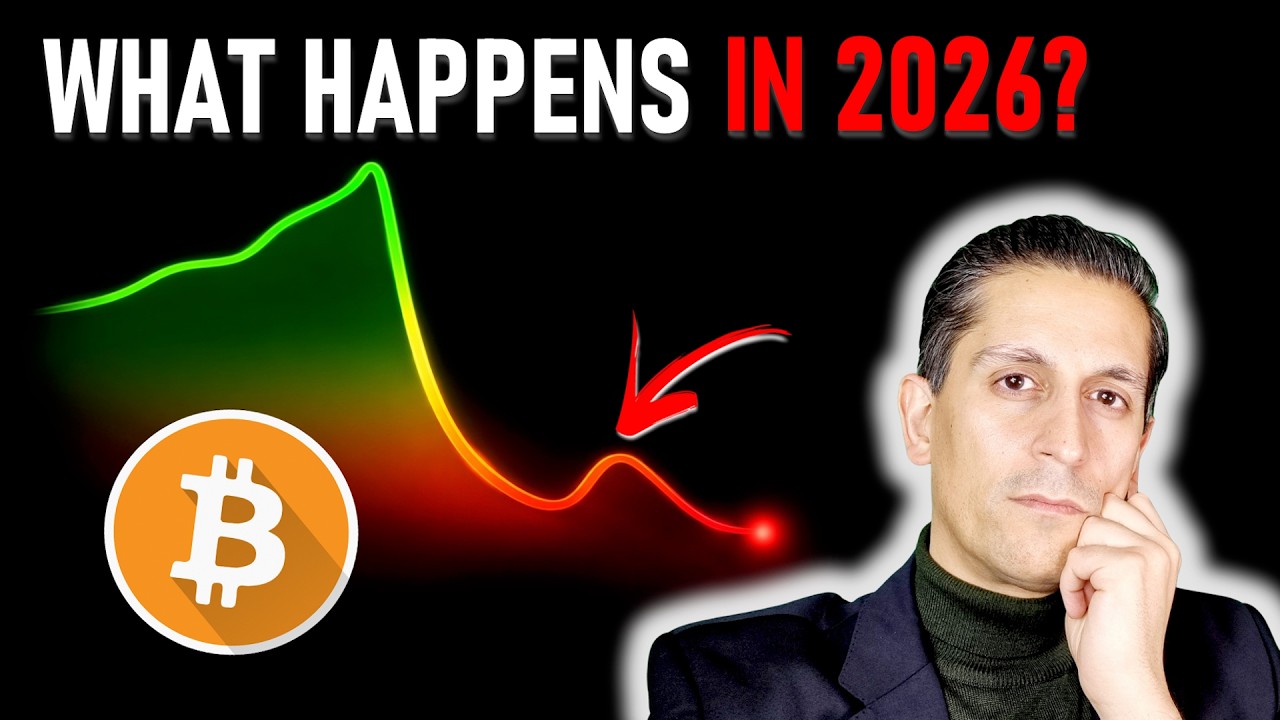
Something big is about to happen to bitcoin and may have an opposite effect, contrary to what many people expect. We explain why in this video and examine whether bitcoin could crash again or rally higher? For example, how likely is it for bitcoin to rally to new all-time highs in 2026 and 2027? We look at the charts with analyst Zak Mir. #bitcoin #btc #alessiorastani
Follow Zak on X here:
https://bit.ly/zaktraderscafex
For the special offer on joining the LeadingTrader membership:
https://bit.ly/leadingtrader-2026
Subscribe: http://bit.ly/2lz33DQ| 🔔Make sure to enable ALL push notifications!🔔
Watch the NEWEST videos: http://bit.ly/2md7PHD
Follow Alessio Rastani:
Twitter: https://twitter.com/alessiorastani
Watch more Alessio Rastani:
Expert Interviews: http://bit.ly/2lHdK7n
Important Videos: http://bit.ly/2md78y1
Latest Videos: http://bit.ly/2md7PHD
Popular Videos: http://bit.ly/2mcbaXj
DISCLAIMER and RISK WARNING:
Trading has large potential rewards and also large potential risks. You must be aware of the risks and be willing to accept them. Don’t trade with money you can’t afford to lose. We are neither an investment advisory service nor an investment advisor. Data and information provided are solely for educational purposes. Nothing in this channel, videos and the information provided in it should be construed as a recommendation to buy or sell stocks, ETFs, futures, indices, forex, cryptocurrencies, commodities or any market. The past performance of any trading system or methodology is not necessarily indicative of future results. Current analysis can change due to future market events. Investing in cryptocoins or tokens is highly speculative and the market is largely unregulated, therefore anyone considering it should be prepared to lose their entire investment.
source

Lecture by Kuldeep Sharma Sir
——————————————————-
PW Skills Finance PAID Batches
📕 Click Here To Enroll ” AI In Finance Batch”👇
https://physicswallah.onelink.me/ZAZB/q8bn3uqz
📕 Click Here To Enroll ” Finance Upskilling Courses”👇
https://physicswallah.onelink.me/ZAZB/v6dmtfll
📕 Click Here To Enroll ” Finance, Tax and Accounting Course (Batch-15)”👇
https://physicswallah.onelink.me/ZAZB/75r3ug7v
📕 Click Here To Enroll ” Financial Modeling with AI”👇
https://physicswallah.onelink.me/ZAZB/gqks2goe
📕 Click Here To Enroll ” TallyPrime Basic with GST”👇
https://physicswallah.onelink.me/ZAZB/th16wuex
📕 Click Here To Enroll ” TallyPrime Advance with GST”👇
https://physicswallah.onelink.me/ZAZB/1dqovby6
📕 Click Here To Enroll “Stock Market for Beginners”👇
https://physicswallah.onelink.me/ZAZB/c5jl6tj1
——————————————————-
PW Skills Finance FREE Batches
📕 Click Here To Enroll ” Financial Planning & Analysis (FP&A) – Free Series”👇
https://physicswallah.onelink.me/ZAZB/hsrt0o8x
📕 Click Here To Enroll ” Financial Modeling Free Course”👇
https://physicswallah.onelink.me/ZAZB/m44hd4mze
——————————————————-
Want to build a successful career in finance but don’t know where to start? This 90-Day Finance Career Roadmap will guide you step-by-step to develop job-ready skills like Excel, Financial Modeling, Forecasting, and industry-relevant certifications.
This roadmap is perfect for B.Com, BBA, MBA Finance, CA aspirants, and finance freshers who want to enter high-demand roles such as Financial Analyst, FP&A Analyst, Investment Banking Analyst, and Corporate Finance professional.
Learn exactly what to study, which skills to build, and which certifications to complete in the next 90 days to become job-ready in the finance industry.
——————————————————-
📕 Finance Career Guidance | PW Skills – Finance
——————————————————-
📲 PW App/Website: https://pwskills.com/
📚 PW Store: Link: https://pwskills.com/category/banking-and-finance/?source=pwskills.com&position=course_dropdown&page_ref=home_page
📲 Instagram: https://www.instagram.com/pwskills_finance
——————————————————-
📌 For any Queries or Complaints Call us on 7428087089
67fa254762d1f60d45a855c6
——————————————————-
#FinanceCareer #FinancialModeling #ExcelForFinance #FPandA #FinanceRoadmap #MBAFinance #FinanceSkills #CareerGuidance
source

Is Bitcoin’s corporate treasury model about to implode? With Strategy underwater on its BTC holdings and copycat firms facing massive losses, fears of forced liquidations are rising. Could this trigger a crypto contagion — or is this just a healthy shakeout before the next leg up? Let’s break down the real risks.
~~~~~
🛒 Get The Hottest Crypto Deals 👉 https://www.coinbureau.com/deals/
♣️ Join The Coin Bureau Club 👉 https://hub.coinbureau.com/
📱 Coin Bureau Telegram 👉 https://go.coinbureau.com/yt-telegram
💥 Coin Bureau Discord 👉 https://go.coinbureau.com/cb-discord
📲 Insider Info in our Socials 👉 https://www.coinbureau.com/socials/
🔥 TOP Crypto TIPS In our Newsletter 👉 https://www.coinbureau.com/newsletters/
💸 Coin Bureau Finance Channel 👉 https://www.youtube.com/@CoinBureauFinance
⭐ Coin Bureau Podcast Channel 👉 https://www.youtube.com/@coinbureaupodcast
📈 Coin Bureau Trading Channel 👉 https://www.youtube.com/@CoinBureauTrading
~~~~~
🔥OUR BRAND PARTNERS🔥
📈Bitget up to 50K USDT Deposit Bonus & GetAgent Plus Trial (Exclusive AI-powered Trading Assistant) 👉 https://go.coinbureau.com/bitget-getagent
📊Join Toobit for 100K USDT Bonus and 50% Lifetime Fee Discount 👉https://www.toobit.pro/t/coinbureau
🔒Get 10% Off Your Tangem Wallet 👉 https://go.coinbureau.com/tangem10
~~~~~
~ TIMESTAMPS ~
00:00 – Intro
03:10 – The $8,000 ‘Solvency Floor’ Explained
05:06 – Copycat Companies in Trouble (BitMine & ETH Treasuries)
08:45 – Why $8,000 Bitcoin Is Unrealistic
~~~~~
📜 Disclaimer 📜
The information contained herein is for informational purposes only. Nothing herein shall be construed to be financial, legal or tax advice. The content of this video is solely the opinions of the speaker who is not a licensed financial advisor or registered investment advisor. Trading cryptocurrencies poses considerable risk of loss. The speaker does not guarantee any particular outcome.
#strategy #michaelsaylor #bitcoin
source

💜 Thanks for supporting the channel! Like, share, and comment if this helped clarify what’s really happening.
🔵 Uphold | Trade, Spend & Earn XRP
➖ U.S. Debit Card: https://uphold.sjv.io/559kj9
➖ Uphold Website: https://uphold.sjv.io/dOmGMq
➖ XRP Rewards: 4% Elite Card / 2% Virtual Card
🟢 Hardware Wallets I Use for XRP
➖ D’CENT Biometric (1x) | 18% Off ($159→$129)
Biometric Wallet – Affiliates
➖ D’CENT Biometric (2x) | 31% Off ($318→$219)
Biometric Wallet 2X Package – Affiliates
➖ Ledger | Official Store
https://www.ledger.com/crypto-sensei
🔗Contact & Collaborations
▸ Collab & Partnerships: partnerships@cryptosensei.net
▸ Business: cryptosensei@cryptonairz.com
▸ Collabs: BD Manager | @Jaalyn_T (Telegram)
▸ Collab Form: https://forms.gle/E6fskio5BBvd4zVn9
▸ Social Links: https://linktr.ee/Crypt0Sensei
(Partnerships & Brand Deals Only | No Agencies)
⚪FREE XRP Newsletter | https://joincryptonairz.com/Newsletter
🔴Full Legal & Regulatory Disclaimer
https://docs.google.com/document/d/1T_wTsSkXDZqdgKDUOKfIEKF-a7ur2kX8gw-e3aAq_Q4/edit?usp=sharing
source

Welcome back to Crypto Ki Taaza Khabar
In this video, we discuss the latest US court order on Trump tariffs. And the big question is, is this good or bad for crypto?
Topics:
Bitcoin updates
Crypto Updates
America’s court order on Trump tariffs
Articles & Tweets
$47.5B in stablecoins now sits on one exchange.
https://x.com/cryptoquant_com/status/2023699531523604907?s=20
https://x.com/gumsays/status/2024621291848831143?s=20
https://x.com/simplykashif/status/2025091471725240389?s=20
https://x.com/simplykashif/status/2025116386620743889?s=20
https://x.com/River/status/2024898048208290164?s=20
https://x.com/simplykashif/status/2025058440994062475?s=20
https://x.com/TedPillows/status/2025151776467382395?s=20
https://x.com/simplykashif/status/2024717879170781244?s=20
https://x.com/bitinning/status/2024759124559626601?s=20
https://x.com/bitinning/status/2024432549871632608?s=20
https://x.com/Vivek4real_/status/2025027669482442961?s=20
https://timesofindia.indiatimes.com/business/international-business/donald-trump-announces-10-global-tariffs-after-sc-deems-his-reciprocal-tariffs-illegal/articleshow/128620771.cms
Podcast with Sagar Sinha: https://www.youtube.com/watch?v=p6Jqf2zktTY
ALERT SCAMMERS:
If you suspect that a message is a scam, report it to YouTube immediately and do not engage with the scammer. Always protect your personal information and be vigilant when using the internet. Don’t fall for these traps and stay safe on YouTube!
——————————————————————————-
Do let us know your thoughts in the comment section.
Thank you for watching. Do subscribe and share!
——————————————————————————-
Follow us on:
🐦Twitter: https://twitter.com/bitinning
📩Telegram: https://t.me/bitinning
📱 Instagram: https://www.instagram.com/bitinning/
👨🏻🏫LinkedIn: https://www.linkedin.com/company/biti…
🎙️Spotify: https://open.spotify.com/show/0Umvhut…
🌐Website: https://www.bitinning.com/
👕Official Bitinning Merchandise: https://bitinning.blinkstore.in/
———————————————————————————-
Disclaimer:
Neither Bitinning, nor any of its personnel, representatives, agents, or independent contractors are licensed financial advisors, registered investment advisors, or registered broker-dealers. None of the Operator Parties is providing investment, financial, legal, or tax advice, and nothing in this video should be construed as such by you. This video should be used as an educational tool only and are not a replacement for professional investment advice.
source

Katie Taylor: Two-weight undisputed champion to retire after Dublin bout this summer

Aston Martin to cut 500 jobs as profit plunges 37% amid tariff pressures

Morpho price soars 15% but can bulls cement gains above key level?


-

 Video5 days ago
XRP News: XRP Just Entered a New Phase (Almost Nobody Noticed)
-

 Politics3 days ago
Baftas 2026: Awards Nominations, Presenters And Performers
-

 Fashion5 days ago
Weekend Open Thread: Boden – Corporette.com
-

 Sports2 days ago
Women’s college basketball rankings: Iowa reenters top 10, Auriemma makes history
-

 Politics2 days ago
Nick Reiner Enters Plea In Deaths Of Parents Rob And Michele
-
 Sports6 days ago
Clearing the boundary, crossing into history: J&K end 67-year wait, enter maiden Ranji Trophy final | Cricket News
-

 Crypto World1 day ago
XRP price enters “dead zone” as Binance leverage hits lows
-

 Business3 days ago
Mattel’s American Girl brand turns 40, dolls enter a new era
-

 Business3 days ago
Law enforcement kills armed man seeking to enter Trump’s Mar-a-Lago resort, officials say
-

 Entertainment7 days ago
Dolores Catania Blasts Rob Rausch For Turning On ‘Housewives’ On ‘Traitors’
-

 Tech3 days ago
Anthropic-Backed Group Enters NY-12 AI PAC Fight
-
 NewsBeat2 days ago
‘Hourly’ method from gastroenterologist ‘helps reduce air travel bloating’
-

 NewsBeat3 days ago
Armed man killed after entering secure perimeter of Mar-a-Lago, Secret Service says
-

 Tech20 hours ago
Unsurprisingly, Apple's board gets what it wants in 2026 shareholder meeting
-

 Politics3 days ago
Maine has a long track record of electing moderates. Enter Graham Platner.
-

 Crypto World7 days ago
WLFI Crypto Surges Toward $0.12 as Whale Buys $2.75M Before Trump-Linked Forum
-
 NewsBeat16 hours ago
Police latest as search for missing woman enters day nine
-

 Crypto World6 days ago
83% of Altcoins Enter Bear Trend as Liquidity Crunch Tightens Grip on Crypto Market
-
 Sports2 days ago
2026 NFL mock draft: WRs fly off the board in first round entering combine week
-

 Crypto World15 hours ago
Entering new markets without increasing payment costs