










The Sea-Scan research team from Trinity College Dublin has been awarded the Defence Innovation Challenge top prize, for its AI-enhanced real-time vessel detection system.
Given the growing threats to subsea communications and energy infrastructure, the need for continuous, reliable monitoring of Ireland’s maritime environment has come to the fore in recent years. This was reflected in the winning project at today’s announcement.
This morning (25 February), Irish Minister for Further and Higher Education, Research, Innovation and Science James Lawless, TD and Minister for Defence Helen McEntee, TD announced more than €1.8m in prize phase funding under the co-funded Research Ireland – Defence Innovation Challenge, with Trinity College Dublin-based project Sea-Scan winning the top award.
The Sea-Scan research team is working on a next-generation maritime situational awareness project to strengthen Ireland’s naval security. The Mash – Mobile Adaptable Shelter – team, led by Dr Daniel McCrum and Dr Kevin Roche from University College Dublin and Defence Forces liaison Captain Dave McKenna, was awarded runner-up funding.
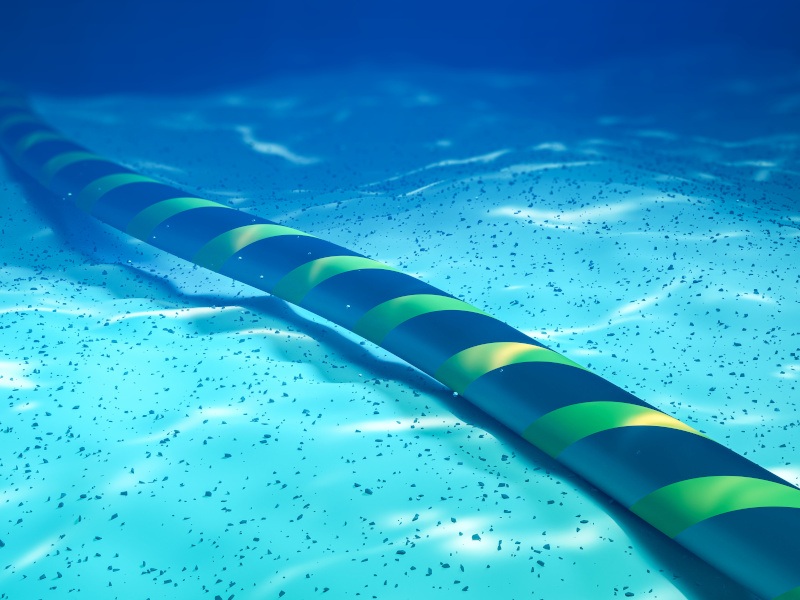
Ireland’s ability to monitor maritime activity, including the detection of so-called “dark” vessels, has been much in the headlines in recent year, with fears over our ability to adequately protect the subsea cables that are the backbone of our international communications.
Sea-Scan will develop an AI-enhanced real-time vessel detection system to support early warning and improved situational awareness, while it also offers potential applications in environmental monitoring. The Sea-Scan team is led by Prof Marco Ruffini and Dr John Kennedy from Trinity College Dublin and Defence Forces liaison Commander Cathal Power. The prize funding was awarded under the Maritime Situational Awareness Challenge.
“Challenge-based research funding encourages researchers to work directly with those most affected by the problems they seek to address,” said Dr Diarmuid O’Brien, CEO of Research Ireland. “The teams being funded today have developed their solutions through close collaboration with Defence Forces personnel. The Sea-Scan team are developing a high-quality solution to a complex problem that will deliver a transformational capability for the Irish Defence Forces.”
“Maintaining strong awareness of activity in Ireland’s maritime domain is essential, particularly given the country’s role as an island nation and a key Atlantic gateway for digital connectivity,” said Ruffini.
“As subsea communications and energy infrastructure continue to grow in strategic importance, so too does the need for continuous, reliable monitoring of the surrounding maritime environment.”
Ruffini says the Sea-Scan team has demonstrated the potential to detect and characterise vessel activity using existing subsea fibre infrastructure, “showcasing a robust sensing capability embedded within operational communications assets and enabling effective vessel monitoring and subsea infrastructure protection”.
“The prize‑winning projects demonstrate how cutting‑edge research can deliver practical, real‑world solutions that strengthen national security while driving technological innovation,” said Lawless.
“Innovation is critical to ensuring our Defence Forces have the tools they need to operate effectively in an increasingly complex environment,” said McEntee. “This investment reflects our commitment to modernising defence capabilities and embracing innovative solutions for the future.”
Don’t miss out on the knowledge you need to succeed. Sign up for the Daily Brief, Silicon Republic’s digest of need-to-know sci-tech news.