
Politics
Terri Bloore: Why I am standing to be Mayor of Newham

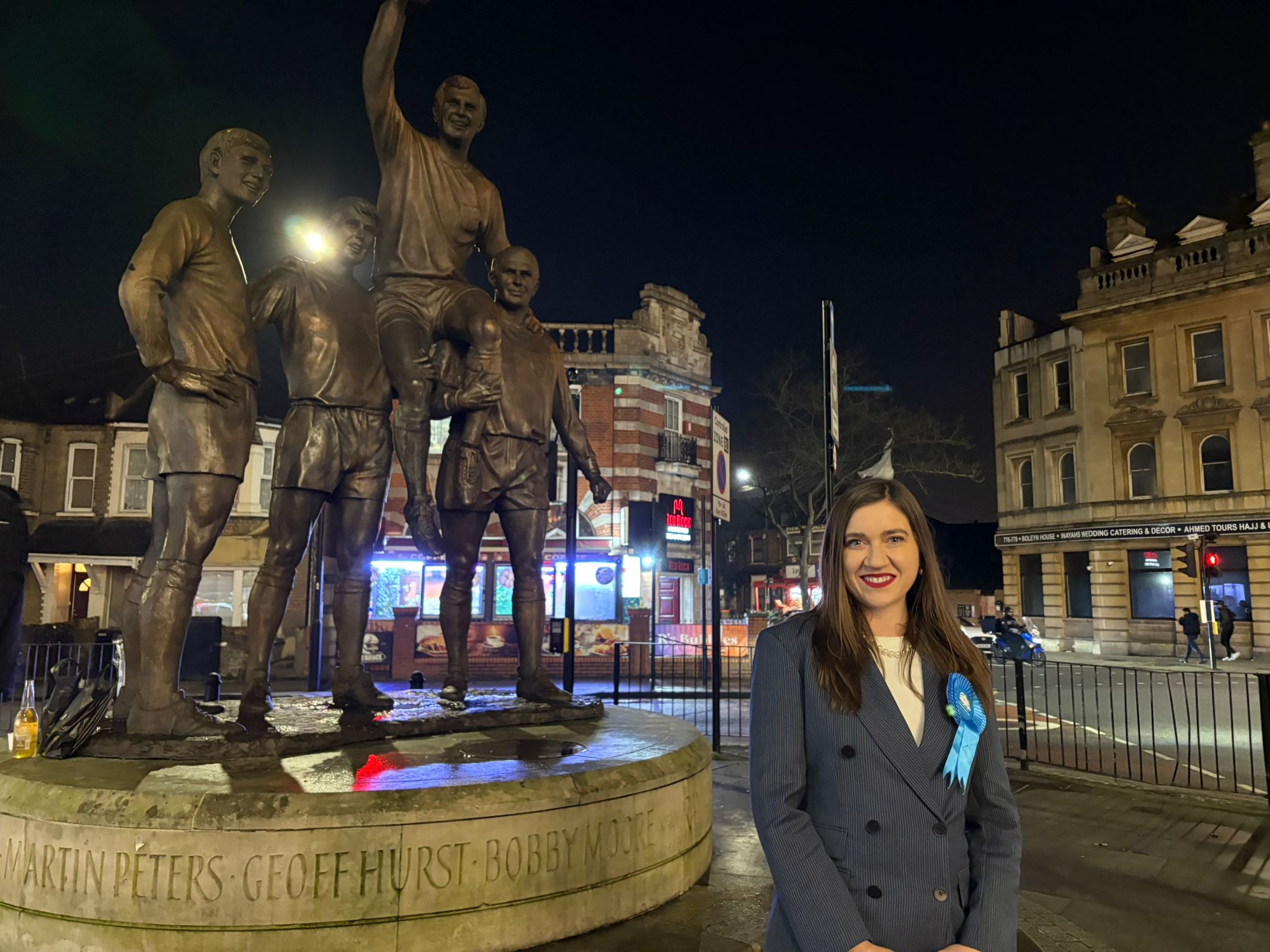
Terri Bloore is the Conservative candidate for Mayor of Newham.
I like a challenge, I always have. I work hard and am ambitious in my plans – my career to date proves that. So, I have thrown my hat in the ring for Mayor of Newham, despite the odds. Yes, the odds are really stacked against me, but I, like most of the British, like the underdog. I also truly believe the time is right in Newham for change.
Newham is one of the capital’s most culturally diverse and rapidly growing communities and grappling with its fair share of social, economic, and administrative challenges. These issues range from deep-rooted housing crises and ballooning public expenditure to strains on public services and living standards. For many residents, these challenges are not abstract statistics but lived realities that shape everyday life.
Just as a reminder for those of you who are less au fait with the East London borough stats, Labour has controlled Newham Council and all its predecessors since at least 1930, with the party has won 90 per cent of seats or more in every local
election since 1978. Yet recently Labour has faced significant by-election losses, leading to discussions about potential vulnerability ahead of the May 2026 election.
Indeed, Newham narrowly escaped bankruptcy, having to resort to drawing up a crisis strategy that includes asking the government for extra help and permission to increase Council Tax by nine per cent – one of the highest in the country. This has hugely affected the services and necessary support that the Borough can offer residents. Under Labour’s watch, Newham now holds the dubious title of Littering Capital of the UK, one of the highest rates of knife crime in London and is one of the most deprived boroughs.
The current Mayor, Rokhsana Fiaz, has rightly announced she is stepping down, yet it has not stopped Labour flouting “Leadership you can rely on” in a pamphlet I had through the door of my Newham flat. You couldn’t make it up!
Labour, as we know, has never been strong on the economy, but this financial mismanagement takes the biscuit. So, what do I plan to do about it, you may ask?
My campaign will be driven to bring back financial trust in Newham Council. I believe a thriving local economy and resilient neighbourhoods go hand in hand — with successful businesses creating jobs, investment and opportunity, while strong communities. I believe we need to bring investment into Newham, which will bring back pride and as a result cleaner, safer streets.
I want to rebuild financial trust and transparency through efficient management and reducing wasteful spending. Just one example of how I would do this is by selling of Newham Dockside, the Council Building that Labour spent £111 million on, yet stands practically empty. A business that doesn’t take regular inventory, of course, will go bust and we need to look at all efficiencies large and small to make these savings. Services will need to be evaluated and front-line services will be prioritised to reducing the financial burden on residents.
Once such vital service that has been woefully under supported is our police. We need more police on our streets to deal with anti-social behaviour and crime. More police presence, will ensure criminals are prosecuted and fined and residents feel safe. We can also deal with fare dodgers too who seemingly go scott-free when our stations are left unmanned.
I truly believe that by improving street cleanliness through quicker response times and tougher penalties for repeat offenders of fly tipping, we can quickly bring back pride onto our streets, and again bring money back into the borough.
We need to be prioritising the development of housing for residents, addressing the high number of households in temporary accommodation, and support for leaseholders who are held over a barrel by management fees.
Finally, I believe in my heart that we must support local businesses in Newham and boost the economy. We can only do this by abolishing business rates.
The challenges are not easy overcome, it will require some uncomfortable moments assessing what we really need and what is nice to have. Newham has extraordinary potential but has never witnessed the opportunities that a Conservative led council could bring. It is a shame and we have seen this in the mishandling of the Borough in the past decades. With the right leadership, we can support local businesses, restore trust in local government, and build communities where people feel safe, listened to and proud to live.
I know we can do this, I know the Conservative values of fairness, equality and good work ethic will make Newham a place businesses and residents are proud of again.

The leadership of Your Party Scotland (YPS) has resigned en masse, citing the consistent contempt shown towards members and the organisation north of the border.
All 12 members of the Interim Scottish Executive Committee have unanimously left their roles and pledged to help form a new party.
Your Party’s Interim Scottish Executive Committee (ISEC) was made up of volunteers who have overseen the running of the party – including the party’s Founding Conference in Dundee earlier this year – since December 2025.
But all 12 of the remaining members of the group have now resigned their posts, with their concerns about a dismissive attitude from the party’s UK leadership towards Scotland continuing to be ignored. Niall Christie, the sole Scotland rep on Your Party’s Central Executive Committee (CEC), has also resigned with immediate effect.
Watch a video message on Facebook or on the Your Party Scotland website.
The decision comes after significant work from ISEC to fulfil the decisions taken by members in Dundee, including ensuring Your Party Scotland had candidates for the upcoming Holyrood elections. Attempts to run internal elections to replace the interim group with a democratically-selected SEC were also blocked by those in control of the party.
Your Party Scotland feeling ignored
Decisions taken at the Your Party CEC – now solely controlled by those aligned to the Jeremy Corbyn-led The Many faction – also underline the disdain shown towards Your Party Scotland and its members.
Proposals tabled by Scotland’s one CEC rep – compared to the 16 allocated to English regions – have repeatedly been ignored by the party’s chair. Your Party’s leadership has also ignored repeated requests for support and discussions.
At a CEC meeting held yesterday, a proposal to provide support to YPS to hold meetings and contact its members – which they have been unable to do since the party’s creation last year – was not heard, nor was a motion affirming the party’s commitment to Scottish autonomy and respecting decisions taken in Scotland.
A proposal to remove thousands of party members due to their membership and affiliation with other socialist organisations – which contradicts the rules of Your Party Scotland – also passed at Sunday’s CEC meeting.
As a result, the ISEC has now released a statement outlining its decision, as well as its belief that the party – which has been haemorrhaging members in Scotland in recent weeks – has now collapsed.
However, the ISEC members – made up of former MSPs and prominent left-wing figures, as well as many of whom have never been involved in politics before – also underlined the need for a new party on the left in Scotland and their intention to continue working towards this.
In a statement, the ISEC said:
As a result of this consistent denial of autonomy for Scotland, and a willingness by the UK leadership to sideline an entire nation by withholding funding and mailing lists and refusing to engage, we have, after careful thought and consideration, taken the collective decision to resign our positions on ISEC, having found ourselves completely blocked when we attempted to carry out the clear mandate set for us by members from across Scotland.
No serious attempt to unite the left can be done through purges of socialists or by disregarding entire nations and their representatives. It is clear that these are fatal blows to the Your Party project from which it cannot recover.
Despite this generational fumble of the left in Britain, the need for a new party on the left in Scotland couldn’t be more urgent, and it is our clear intention to continue working towards this. We call on others who share our vision to join us in doing so over the coming weeks and months, as the reality of a rising far-right and its representatives joining our national parliament set in.
Simply put, the best time for change has passed, but the next best time is now. In Scotland, we intend to continue building that change, but to do so outwith the constraints of the deeply flawed and dying Your Party.
The decision comes after a meeting of nearly 200 Your Party Scotland members on 12 April, which showed overwhelming support for working towards a new left project in Scotland.
Scotland representative on Your Party CEC Christie said:
It has become clear the party has run out of road. This is in no small part down to the consistent disrespect shown to Scotland and Scottish members, with decisions about us being made without our input, and on our behalf.
I’ll be continuing the essential work needed to build the party we were all promised in summer 2025, but I will be doing so outside of Your Party. With an election on the horizon, it is time to take stock of the political landscape in Scotland and work to bring the left in Scotland together – truly – and move towards something new in the not-too-distant future.
My own main takeaway having been involved in Your Party is that whatever comes next must be built in Scotland, by Scotland, for Scotland. Anything else is doomed to fail.
Featured image via the Canary

Legal action by the Hind Rajab Foundation (HRF) has forced an alleged Israel war criminal to cancel a planned trip to Italy.
Former Israeli Occupation Forces (IOF) commander Ofer Winter has abandoned his visit to Europe after the HRF applied for an arrest warrant for him over his alleged involvement in 2014 atrocities and his advocacy for Israel’s current and continuing genocide in Gaza.
Israel ‘Black Friday’ 2014
HRF’s application, accompanied by a “detailed investigative report”, details Winter’s in the 2014 ‘Black Friday’ massacre in Rafah on 1 August 2014. HRF says that:
Following the capture of an Israeli soldier, Winter ordered the activation of the Hannibal Directive, triggering a large-scale and indiscriminate assault on a densely populated civilian area…
…Thousands of artillery shells were fired across urban areas within hours;
Airstrikes, drones, and tank fire targeted roads and civilian movement;
Civilians were indiscriminately—and in some cases deliberately—targeted, leading to up to 200 civilian deaths in three days;
Ambulances and medical teams were struck, preventing the evacuation of the wounded.
Ofer Winter, who was commander of the Givati Brigade and in charge of the Rafah area at the time of the attack, is specifically alleged to be responsible for the crimes committed during the attack, particularly:
The attack on Abu Youssef Al-Najjar Hospital on 1 August 2014;
The attack on al-Birr wa’l-Taqwa Mosque and the ambulances retrieving the wounded therefrom on 1 August 2014;
The attack on UNRWA Boys’ Prep School ‘A’ on 3 August 2014.
Genocide incitement
HRF also lists examples of Winter’s statements inciting genocide, including:
The end game needs to be no Palestinians in Gaza.
Victory will occur when there are no more Arabs in Gaza.
But the law in the State of Israel must draw its authority from the values of the Jewish people, not from the inventions and legal sophistry of the international court. The source of our values is not The Hague. (…) Likewise: ‘If someone comes to kill you, rise early and kill him first.’ And yes, it is necessary to devastate Gaza because destroying houses is essential for protecting our soldiers.
HRF’s application states that in this context, Winter’s planned visit to Italy was:
part of a broader effort to legitimize and disseminate narratives that incite the commission of genocide.
The group says that forcing him to cancel his propaganda visit is a “victory” but that arrest and prosecution remains its goal:
This is a concrete win for HRF and our allies in Italy. When suspected war criminals are forced to alter their movements that is a form of accountability. Full accountability, however, must lead to arrest and prosecution. We will continue pursuing that objective.
Like his genocide-state colleagues, Winter is said to have tried threats to HRF’s top official as a means of preventing action against him. HRF general director Dyab Abou Jahjah said:
When we filed the complaint in Italy against Mr. Winter, his immediate response was to issue threats directed at my address. His subsequent decision to cancel his visit to Italy underscores the tangible impact and seriousness of this legal action. He now faces an additional case in Belgium for those threats. The era of impunity is coming to an end.
Israeli agents have previously threatened both Abou Jahjah and his family. HRF’s campaign of legal action against Israeli war criminals wherever they go continues.
Featured image via the Canary
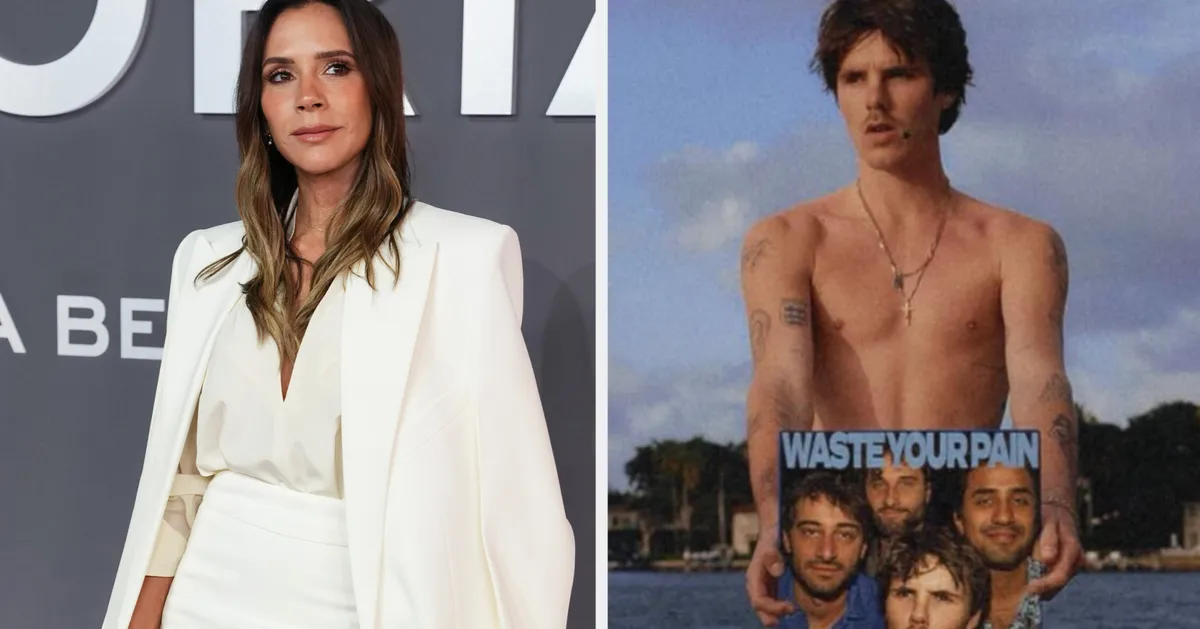
Victoria Beckham had a typical mum reaction to her youngest son Cruz’s imaginative approach to promoting his new music.
Last week, Cruz unveiled his latest song Waste Your Pain, marking the occasion with an Instagram post showing him posing nude behind the single’s vinyl artwork.
It wasn’t long before Victoria popped up in the comments, sharing a gif of herself looking rather stunned.
She also reposted this image on her Instagram story, alongside the caption: “Really Cruz…”
True to form, though, her post was accompanied by a link for her followers to check out the track for themselves.
During the promo trail for his new single, Cruz recently unveiled the Waste Your Pain music video, in which he paid homage to Beckham family friend Tom Cruise’s iconic Risky Business sequence, dancing in an oversized shirt and underwear.
The video was directed by Jackie Apostel, who he’s been in a relationship with since 2024.
Cruz also performed a headline show in London last month, attended by his famous parents Victoria and Sir David Beckham, as well as his brother Romeo Beckham and his mum’s former Spice Girls bandmate Geri Halliwell.
Of course, in recent history, the Beckham family has been at the centre of no end of headlines due to the fall-out between Cruz’s eldest brother Brooklyn Peltz Beckham and his parents.
After months of rumours, Brooklyn broke his silence in January, accusing his parents of “performative” and “controlling” behaviour, and claiming they have persistently tried to “ruin” his relationship with his wife, Nicola Peltz Beckham.
Sir David and Victoria have remained tight-lipped on their son’s remarks, but the family has repeatedly put on a united front in the months since, with the couple also posting sweet messages on Brooklyn’s birthday last month.
Meanwhile, Victoria recently made headlines when she stuck up for so-called “nepo babies” in light of Cruz’s burgeoning music career.
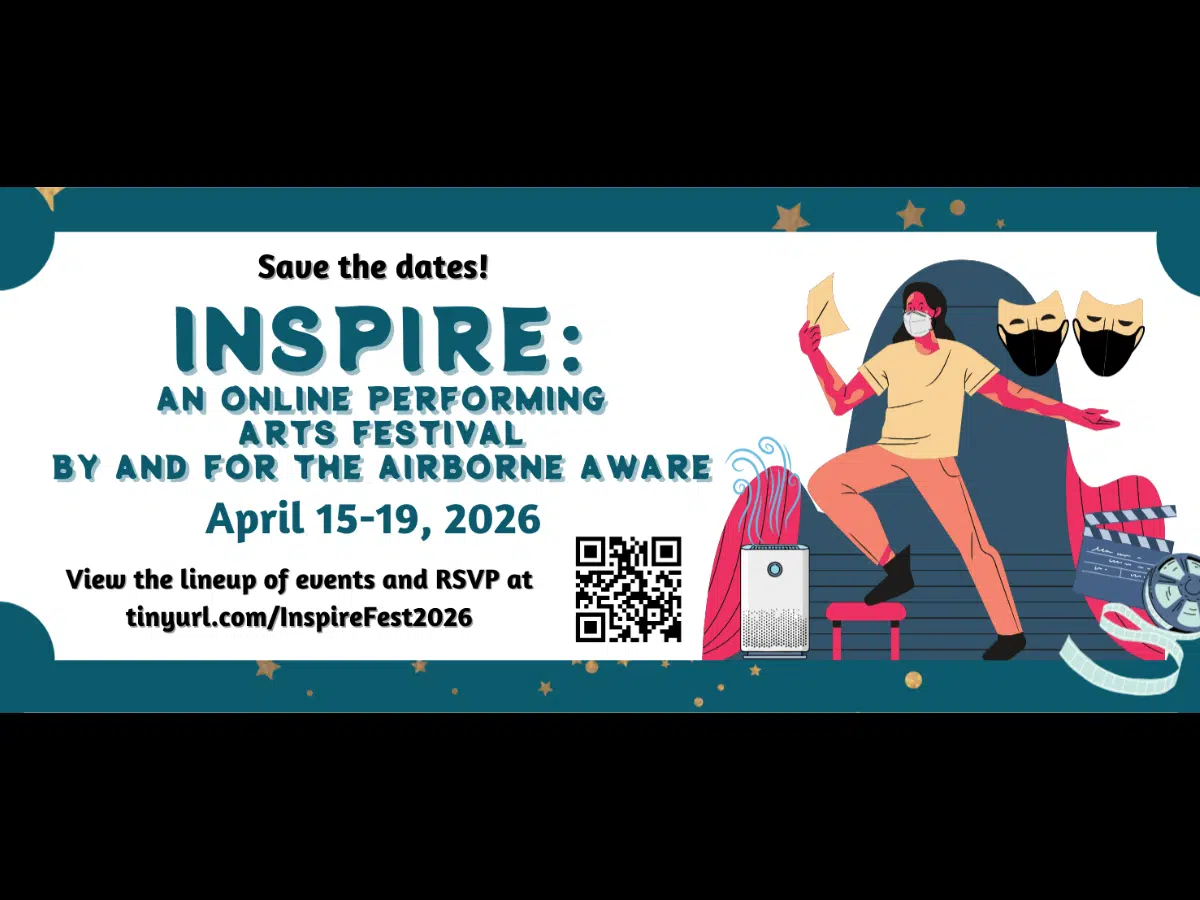
Inspire: A Performing Arts Festival by and for the Airborne Aware, a free Zoom festival running 15–19 April 2026, will bring together music, theater and comedy made by COVID-conscious artists for COVID-conscious audiences.
It is the first known event of its kind to assemble these different genres of COVID-conscious performance into a single airborne-aware program. The five-day program includes music showcases, theater performances and comedy. All events will be presented in a virtual format.
In recent years, individual artists and groups have been producing COVID-conscious art and creating airborne-aware performance spaces. In major cities like Chicago, New York and London, live COVID safer arts events have become more numerous. Inspire festival, organized by COVID-conscious creatives, gathers these individual, local creative labors into one international event.
The COVID-conscious theater ecosystem
In theater, the early years of the ongoing COVID-19 pandemic briefly opened a wide field of digital and hybrid performances. However, with the removal of clean-air measures like masks and testing in live performance venues, the scaling back of online performances, and the widespread taboo of acknowledging the reality of the ongoing pandemic, it has fallen to COVID-conscious theater-makers to create their own spaces.
Two widely documented COVID-conscious theater performances in this emerging ecosystem both took place on 24 April 2025 in New York.
Wake Up and Smell the C*VID by the anonymous collective HEPA (Holy Erotic Propaganda Arson) was a hybrid monologue performance about the impact of COVID and Long COVID on the arts.
Anna RG’s AIR CHANGE PER HOUR was a mask-required Brooklyn performance structured around airborne safety, including testimony from artists living with Long COVID and accessibility measures like rest breaks and HEPA air purifiers.
Wake Up and Smell the C*VID returns at Inspire in an encore presentation on 18 April.
Another major COVID-conscious performance was comedian Guiness Pig’s A Covid Christmas Carol, an audio play performed in December 2025, which adapted the familiar Dickens story into a COVID-conscious satire. At Inspire, Guiness Pig returns with the reader’s theater piece How the Three Little Pigs Almost Learned to Live with the Big Bad Wolf, which reimagines the fairy tale through the normalization of mass infections. The play will be performed April 17.
Most recently was Serina Estrada’s A Pan***ic Play, first staged in January 2026 at The Art School in Glasgow as part of the Royal Conservatoire of Scotland’s Emergence Festival. It was presented as a 50-minute work inspired by verbatim theatre, speaking the lived experiences of people navigating the ongoing pandemic. Inspire will feature an encore performance of the play on April 16.
Inspire’s theater program will also include scenes from The Left by Caridad Svich, a choral play about those left behind ‘when all systems and people have failed one another.’ Svich, a playwright and educator affiliated with Rutgers and the Lortel Theater, is a 2024 Guggenheim Fellow in Drama and Performance Art and a 2012 Obie Award winner for Lifetime Achievement in the theatre. Selections from the play will be broadcast on April 19.
Inspire will also premiere the first two episodes of Wayside, an audio drama by Mo Mora and narrated by Benjamin Liberman, set in a near-future sanctuary community where people still mask.
Airborne-aware musicians and performance spaces
The festival opens on 15 April with a music showcase featuring performances by COVID-conscious musicians.
Music venues, like theaters, have largely rolled back airborne illness-prevention measures, even as the effects of the ongoing pandemic continue to devastate the industry. Within the past few weeks, Lady Gaga canceled the final Montreal date of her tour because of a respiratory infection, and the Goo Goo Dolls canceled the remaining dates of their Canadian run after frontman John Rzeznik was diagnosed with pneumonia. At the same time, musicians like Dave Navarro have spoken publicly about managing Long COVID.
Against this backdrop, Inspire’s music lineup highlights artists who have helped create COVID-conscious performance spaces of their own. Among the featured acts is phytocene, a Paris-based ambient pop and ethereal artist whose work as moves through pop, trip-hop and electronica. She has become widely known in the airborne-aware community for organizing mask-required concerts in France.
Nina Wildflower, another performer in this ecology, is both a musician and a science teacher who advocates for clean air. He also hosts a weekly online open mic for COVID conscious performers.
The final musical act will be the The Long Covid Choir, which was formed in March 2021 by people with Long COVID and designed to be accessible to people living with Long COVID, including people who are housebound or bedridden. The Long COVID Kids Choir, profiled by the World Health Organization, similarly gives children and teenagers in multiple countries an online place to sing and write songs about their own lived experience. Both choirs are under the musical direction of Dutch musician Merel van der Knoop.
A comedy counter-public
In comedy, the ongoing pandemic continues to disrupt live performance and the health of working comics. In September 2025, Steve Martin canceled two tour dates after testing positive for COVID-19. This followed earlier cancellations on the same tour when Martin Short tested positive for SARS-CoV-2. In December 2025, Chevy Chase postponed an appearance at a live screening after being diagnosed with pneumonia.
At the same time, some establishment comedians with large national audiences have used their platforms to ridicule or erase continued COVID prevention. On the 11 December 2025 episode of The Weekly Show with Jon Stewart, Stewart joked about people still wearing masks in workplaces. This prompted public criticism from comedian Judah Friedlander, who responded on Instagram by asking why Stewart was ‘punching down’ on disabled and immunocompromised people. The social media backlash around the exchange generated the hashtag #oneofthetwo and calls for Jon Stewart to interview a public health expert and correct the record.
In November 2025, after actor Tom Hanks was photographed wearing a mask on the New York City subway, in his appearance on The Late Show, Stephen Colbert promoted the moment in the interview and on social media as a ‘subway disguise.’ Even though Hanks himself had explained on the show that he wears a mask for ‘health reasons’ and that he had been infected with COVID multiple times and did not want to get it again.
At the same time, COVID-conscious comedians have been building accessible alternatives. Judah Friedlander performs at recurring Zoom livestream stand-up shows, including a New Year’s Eve performance at the end of 2025.
Inspire’s comedy programming features two events. The festival’s Friday Night Open Mic will take place on 17 April, inviting artists to share original five-minute sets, including stand-up, music, poetry and theater, and will be hosted by writer and comedian Lauren Flans. On 18 April, the festival will present Ron Placone’s Anti-Fascist Pasta Night, a new one-hour stand-up special performed live with ASL interpretation. Placone is a comedian, writer and filmmaker who has toured across the United States, Canada and Australia and premiered a solo show at the Edinburgh Fringe Festival in 2023.
Art, advocacy and mutual aid
Inspire will run 15 April through 19 April 2016 as a free, fully virtual Zoom festival featuring music, theater and comedy and community programming by COVID-conscious artists for COVID-conscious audiences.
To attend, audience members are asked to RSVP through the festival form, selecting the events they want to join. Zoom links will be sent the day of each event. Because capacity is limited, some events may move to a waitlist if demand exceeds available space.
Attendees only need a free Zoom account. Events are scheduled at multiple times across the day to accommodate different time zones. Except for the open mic, audience cameras and microphones will remain off during performances while the chat stays open for conversation. The costs for the festival were shared amongst the organizers, including licensing and subscription fees, so a tip jar will be circulated which will help cover the costs, with the rest distributed to COVID-conscious charities and mutual aid for the wider community.
The festival marks the point at which COVID-conscious arts has matured into its own counter-public with a networked multi-genre ecosystem, as well as relationships to airborne-aware mutual aid and advocacy.

On 12 April, the people of Hungary voted out the loathsome Viktor Orbán. As we reported, the man who’s replacing him is another right-wing Zionist. What he’s not, however, is a member of the same network of would-be-despots as Nigel Farage.
Increasingly, then, it’s looking like the global right-wing uprising that Farage was relying on has stalled:
Nigel Farage, Reform UK and advisors including James Orr and Matt Goodwin are incredibly intertwined with Hungarian Prime Minister Viktor Orbán.@Nigel_Farage even described him as a model leader and the “future of Europe”.
After 20 years of authoritarian rule, he’s conceded… pic.twitter.com/YNnXZYJPHK
— Reform Party UK Exposed 🇬🇧 (@reformexposed) April 12, 2026
Farage and international nationalists
Trump ally Steve Bannon made a tour of Europe in 2018 in which he sought to create a “pan-European far-right movement”. Speaking on this movement, Byline Times wrote:
Anyone who’s seen Alison Klayman’s 2019 documentary The Brink will remember the scenes where Steve Bannon and Nigel Farage sit together discussing a pan-European nationalist populist “Movement” – with Bannon calling Farage “the face” of Brexit while they talk about stitching together far-right parties across the EU. Bannon tells Farage that he’ll “fund it somehow”.
What those scenes didn’t show is that the Brussels vehicle Bannon was about to claim as his own – The Movement – had actually been created out of Farage’s network and that, in the background, Jeffrey Epstein was quietly helping Bannon plan, protect, and track his “European revolution”.
The bed @Nigel_Farage has made. pic.twitter.com/zf7viwdS1W
— Reform Party UK Exposed 🇬🇧 (@reformexposed) April 12, 2026
The far right have grown in Europe and America since then, but the cracks are starting to show. This is obvious in how these parties exist in their own countries and how they interact with their global bedfellows.
Farage himself has made a big deal of his relationship with Donald Trump – the world’s most successful right-winger. He’s made less of a big deal about it lately, of course, because the Epstein-associate Trump and his wars are incredibly unpopular in Britain:
67% of Britons describe themselves as anti-Trump, with Reform UK voters the only group more likely to be pro-Trump than anti
By 2024 vote
Lib Dem: 89% anti-Trump / 2% pro-Trump
Labour: 85% / 3%
Green: 82% / 4%
Conservative: 61% / 19%
Reform UK: 24% / 46%https://t.co/9p6MjkSVbb pic.twitter.com/2k93DnOoTN— YouGov (@YouGov) March 9, 2026
Farage has long attached himself to Trump, hoping that the president’s success would rub off on him. It’s become increasingly difficult for Farage to ride on his coattails, however, because it’s now obvious to everyone that the Emperor has no clothes.
Farage and other European right-wingers have distanced themselves from Trump following his threats to annex Greenland, as TLDR News EU covered:
When the German and French far right turned on Trump, Hungary’s Orban did not. In fact, Orban enjoyed considerable support from the Trump regime in his election. The problem is, Trump’s support is now poison:
So after being offered an in-person appearance from JD Vance and a promise by Don Jr. for “a direct line” to his dad if they support Viktor Orban, Hungarians decided instead to vote for a possible supermajority of seats against Orban pic.twitter.com/yImHGyNwES
— Prem Thakker (@prem_thakker) April 12, 2026
Bringing down the Nigel project
This is what Farage said about Orban in 2011:
Just thanked Viktor Orban at the end of the Hungarian Presidency for being our secret weapon and helping us bring down the EU project.
— Nigel Farage MP (@Nigel_Farage) July 5, 2011
It would be interesting to get an update on how he thinks this is going.
The current situation for Farage is that:
Nigel Farage on Milei “Doing all the things he’s done, that’s leadership, he is amazing”
Kemi Badenoch “Javier Milei would be ‘template’ for my government”
He just cut holiday days to 0, employers can pay in food and 12 hour work days. The result: pic.twitter.com/WgoFxN9EX9
— Jake 🌹🏴 (@ToryWipeout) February 14, 2026
With the next election three years out, it’s hard to see how Farage can do anything besides bleed support.
Featured image via X

As a child, Ariana Godoy couldn’t stop reading. Whatever her hands could reach, her eyes would devour, including grown-up titles she’d sneak off her mother’s bookshelf — and a rather bloody Grimm’s edition of Cinderella. But as she entered adolescence, reading material became scarce. “I lived in a small town in Venezuela, so I really couldn’t afford books,” she says.
One morning, Godoy typed “free books online” into her search engine and found Wattpad, a reading and publishing platform. With the click of a link, she changed the course of her life. Less than a year later, she launched her career as a self-published storyteller who would become an internationally acclaimed Spanish-language novelist with countless translated works and film adaptations on Netflix and Prime Video. Back then, though, Godoy just wanted to read.
In 2009, sexy vampire stories reigned. And Godoy sank her teeth into every salacious entry she could find. Almost immediately, she noticed these writers were just people — ordinary users without publishing contracts, sharing their stories with readers. So she started posting her own. “I felt really safe to do so,” says Godoy. “I thought, ‘If they can do it, I can do it.’”
Her first posts were vampire stories, then she transitioned to YA romance. As she posted, she formed deep, interactive connections with her readers.
“It was so much fun,” says Godoy. “You have all these comments and all this feedback … There is this loyalty when they are part of the process that’s really cool.”
After gaining a dedicated readership all on her own, Godoy received a DM from a publisher at Grupo Planeta, one of the leading global publishing groups for Spanish-speaking writers. It had to be a scam, she thought.
“You never get a publisher in your DMs,” says Godoy. “That’s not how it goes.”
But on that particular day, that’s exactly how it went. Through Wattpad, Godoy signed with Planeta, which led to a relationship with Penguin Random House, where she has flourished as a top-selling author, releasing nearly a dozen titles through those partnerships to date.
In nearly every writer’s life comes a moment when self-disclosure bleeds onto the page. For Godoy, that moment arrived in 2016. One year after moving to Raleigh, North Carolina and six years after her father’s death, she began drafting Sigue Mi Voz (Follow My Voice). At the time, she had no idea how deeply the story of her protagonist, young Klara Rodriguez, would resonate with readers — or lead to the release of a feature-length love story at the intersection of mental illness and young adulthood.
After her father died, Godoy experienced acute, physical manifestations of anxiety in the form of panic attacks. She lived with agoraphobia, and, like Klara, struggled to step outside her house. And though her family adored her and wanted to heal her pain, they lacked a clear understanding of Godoy’s individual response to the trauma of sudden loss, and the type of care she needed throughout her recovery process. And even Godoy wasn’t sure what was happening to her.
“I had no idea,” she says. “Anxiety — what is that? … Growing up in a Latino household, there’s the culture of, ‘Oh, you’re depressed? Go and sweep something. Go and clean up. Go move. Go out and you’ll be fine.’ Depression? There was nothing like that.”
And so, she wrote Sigue Mi Voz to reach readers who might be experiencing similar responses to trauma, to give them the clarity and the clinical language she never had.
“It was more about finding those Arianas that were out there that had no idea, especially in the Latino community, what a panic attack looked like, what it felt like,” says Godoy. “You feel like you are going to die. I ended up in the emergency room so many times with no answers, with a clean bill of health. So as I was writing, I was like, ‘OK, this is the book that I would have liked to have when I was going through my process.’”
Klara’s voice moves the story. She’s an endearing narrator with a tendency to share her every thought, at times through a frenetic stream of consciousness — a character choice Godoy felt would convey both her earnest nature and her anxiety.
“She’s constantly overanalysing, overthinking,” says Godoy. “I think that’s something that happens a lot with anxiety. It still happens with me. I’ve been in therapy for over 10 years, and I still think 10 weeks ahead. For this detail, I think it’s a little more of myself in her [laughs].”
She also speaks frankly yet self-consciously about suicidal ideation, which in prevalent among young people but difficult to track and prevent. Writing so intimately — so vulnerably — through Klara, Godoy gives a powerful agency to those living with mental illness, a voice that speaks to countless young people at a time when Spanish-speaking voices are being forced silent.
And with more than 2 million online followers and 850 million reads, that voice is loud, and it is resonant. Godoy stays in contact with many early readers. Her novels are still available for free on Wattpad, and she encourages aspiring writers to explore different pathways to publication.
Her most powerful advice to them? Keep writing.
“Art is always part of the resistance,” she said. “Books and images, anything that can be an escape and represent, in this case, Latino voices like Klara’s, is inherently part of the resistance.”
Help and support:
- Mind, open Monday to Friday, 9am-6pm on 0300 123 3393.
- Samaritans offers a listening service which is open 24 hours a day, on 116 123 (UK and ROI – this number is FREE to call and will not appear on your phone bill).
- CALM (the Campaign Against Living Miserably) offer a helpline open 5pm-midnight, 365 days a year, on 0800 58 58 58, and a webchat service.
- The Mix is a free support service for people under 25. Call 0808 808 4994 or email help@themix.org.uk
- Rethink Mental Illness offers practical help through its advice line which can be reached on 0808 801 0525 (Monday to Friday 10am-4pm). More info can be found on rethink.org.
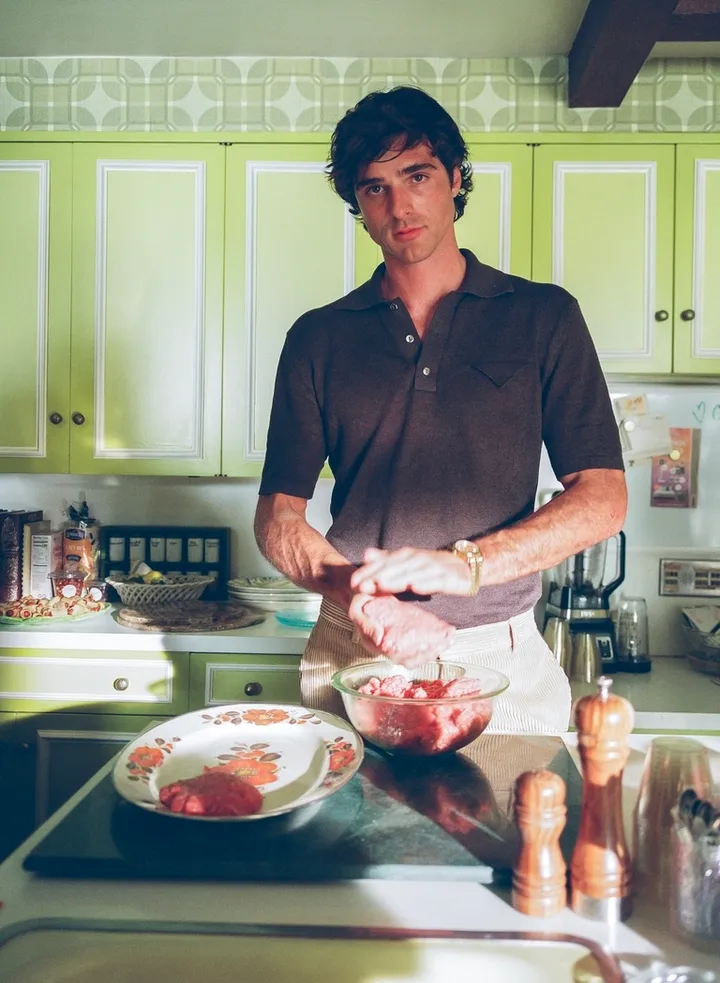
After keeping fans waiting for more than four years, Euphoria is finally back for its third (and, quite probably, final) outing.
Unfortunately, the majority of critics are saying that the new episodes have not exactly been worth the wait.
Because of the delay between seasons, creator Sam Levinson took the decision to age up his teenage characters, with season three reintroducing the usual gang – played by returning stars Zendaya, Jacob Elordi, Sydney Sweeney, Hunter Schafer et al – as young adults.
However, early reviews have said that the show loses its footing in this change, and while there’s been praise for the cast’s performances, critics are not convinced by Euphoria’s new direction – with some even going as far as saying that the new episodes indulge the show’s worst tendencies.
With that in mind, here’s a selection of what critics are saying about Euphoria season three so far…
“The show has lost its zeitgeisty edge. Euphoria has become a series with very little to say, none of it very audacious or compelling.”
“A show which was once blackly funny is now humourless torture porn […] Euphoria season three is grim TV that seems hellbent on rattling us for the sake of it. If its cast seemed desperate to get it over and done with, well, now we know why.”

“Euphoria may still have the gloss, budget and star power of prestige TV, but it’s no longer enough to disguise what increasingly feels like the misogynistic fantasies of a creepy old man.”
“In a first season that emerged at a more progressive moment for pop culture, it took an equal-opportunity approach to exploitation. Now that sexism is in again, its default to the hetero male gaze is unmistakable.”
“As Euphoria’s creator, writer, and director, Sam Levinson wants to craft a show about the pervasiveness of fentanyl, the dangers of addiction, and the lawlessness of the American West. Instead, what he’s made — yet again — is a cannily shot phantasmagoria that’s as beautifully lit as it is emotionally hollow.”
“Euphoria always skewed nihilistic, so none of these ideas are out of place in what may be its last season. But Levinson’s series was never this spiritually hollow, and it was always more active, insistent, and ambitious.”

“The first three episodes of season three (out of an eventual eight) do feel like Euphoria: bombastic, stylish and able to offset grandiosity with sly, cutting humor. What they don’t feel like is tethered to the grounding ballast that kept the first two seasons on the rails even at their most over-the-top.”
“The transfer across to the world of adulthood quite simply [falls] short. Not only has the show lost its way: it’s become a bizarre parody of its former self […] Zendaya’s performance, revealing Rue’s struggles, is a shining light in this disappointing return.”
“There’s a great show lurking in here somewhere. So much of Rue’s journey proves it. Yet Euphoria keeps smothering that greatness with something far grosser, and that’s something no amount of reinvention can hide.”
“Television’s Mount Rushmore of antiheroes and antiheroines is crowded, and if Zendaya’s Rue isn’t carved into the primary peak, she’s somewhere immediately adjacent. But the series as a whole?
“Attention-demanding things that played as extreme and terrifying when they were happening to teenagers simply become ‘things’ when the protagonists are in their 20s; heightened ideas that played as gloriously melodramatic and precariously edgy expressed through high-schoolers barely count as ‘ideas’ when run through a 20-something prism.”
“It is testament to how well-rounded the world of Euphoria is that these new episodes feel true to their characters and an accurate continuation of the saga. Levinson’s spectacular misfire on The Idol shouldn’t detract from his ability to construct tense, witty and morally knotty plots. Against those scripts, his actors (who reports suggest had been lukewarm on a return to the show) appear to be having great fun.”
“Dazzling […] This is Euphoria with a much wider canvas. Before, it was a slickly stylish Instagram-friendly tale of various teenagers from a middle-class suburb in Los Angeles doing irresponsible things. Now they are in their 20s and the terrifying expanse of adult life symbolised by the dusty desert lies ahead.”
Euphoria returns on 13 April on Sky, Now and HBO Max, with new episodes every Monday.
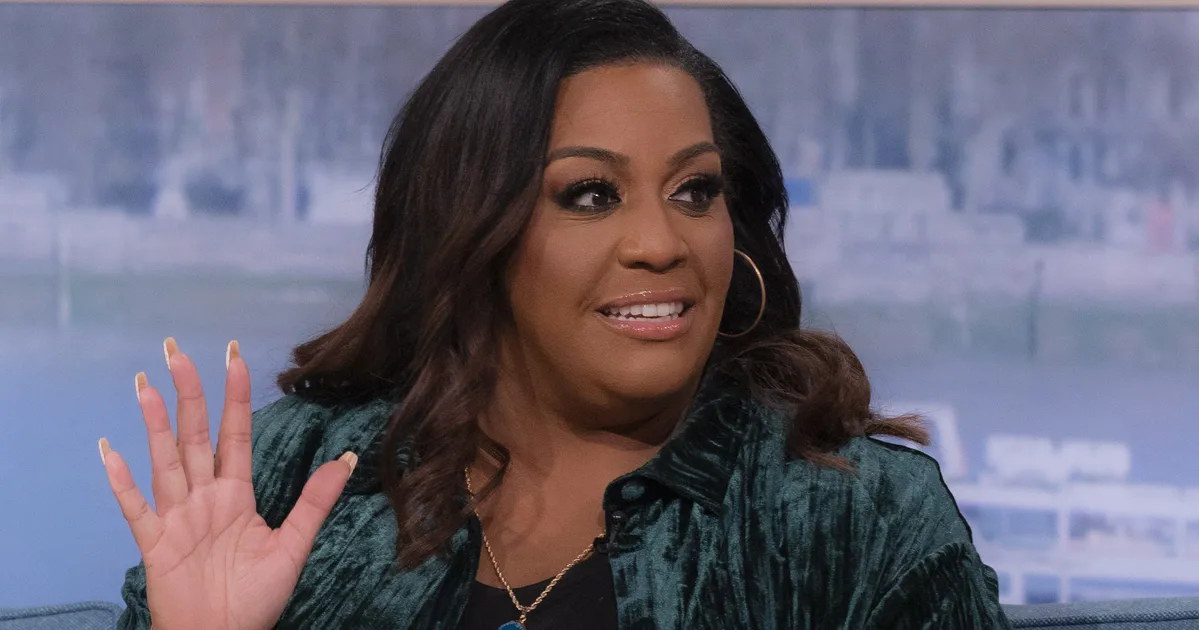
However, it seems she may have spoken too soon.
Reacting to headlines claiming she’d “turned down” an offer to host Strictly, she told Metro: “Do you think I would turn down Strictly if Strictly came along? Who would turn down Strictly! They’d be absolutely crazy.”
She claimed: “I was trying to back them off because ultimately everyone keeps putting my name in the mix and they’re ruining my chances of even getting on to Strictly, d’you know what I mean?”
“You all need to stop talking about it because I need to get in,” Alison added, before insisting: “I’m not too busy, I’m fitter than I’ve ever been before. I can do Strictly. I can do it all.”
After confirming last week that she’d been approached about hosting Strictly, Alison explained to Radio Times: “I’m so busy, babes, that I’m not sure it’s going to happen. It’s unrealistic. I’m so happy they considered me but, like Traitors, I can’t do it because everything clashes.
“I would have loved to have done it – anybody that gets it, they’re going to land the perfect job. But I’m so happy with everything I’ve got. What would I drop, to do Strictly?”
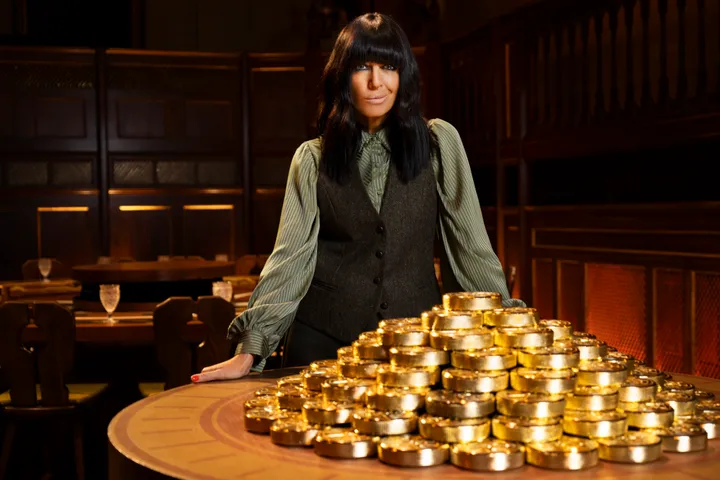
As rumours continue to swirl about which stars will be on the line-up for this year’s season of The Celebrity Traitors, there’s one name that we can now confidently rule out.
Over the weekend, former Doctor Who star Peter Capaldi made an appearance on Laura Kuenssberg’s flagship BBC politics show, during which the subject of Celebrity Traitors came up in the conversation.
The Oscar winner then shared that he’d been approached about putting in a stint in the iconic castle, but turned it down.
Explaining his reasons for not wanting to compete on Celebrity Traitors, Peter said the show “propels” its contestants “into the public eye” and to a “level of fame” and “exposure” that he’s personally not comfortable with.
“It’s like doing my music things,” Peter noted, referring to his recent pivot from acting to music. “It’s very difficult for people in that business to understand that you want to keep it small.
“People keep saying to me, ‘why don’t you do a bigger tour?’, or ‘why don’t you do a bigger release?’, or ‘why don’t you promote this more?’. I’m not doing it to be famous.”

BBC/Studio Lambert/Cody Burridge
Filming on the second season of Celebrity Traitors is due to get underway imminently, before the star-studded reality show returns to our screens in the autumn.
A number of names reported to be in the running for the show’s first iteration, including Bob Mortimer, Daisy May Cooper and Danny Dyer, are now heavily rumoured to be following in Alan Carr’s footsteps, with the likes of Ruth Jones, Cheryl Tweedy, Michael Sheen and Amol Rajan also tipped to be on the follow-up season’s line-up.
Meanwhile, Alison Hammond recently claimed that she was too booked and busy to do the show after rumours about her involvement.
The Traitors will also return for its fifth season in early 2026, with the BBC recently renewing both the main show and its celebrity counterpart until at least 2030.
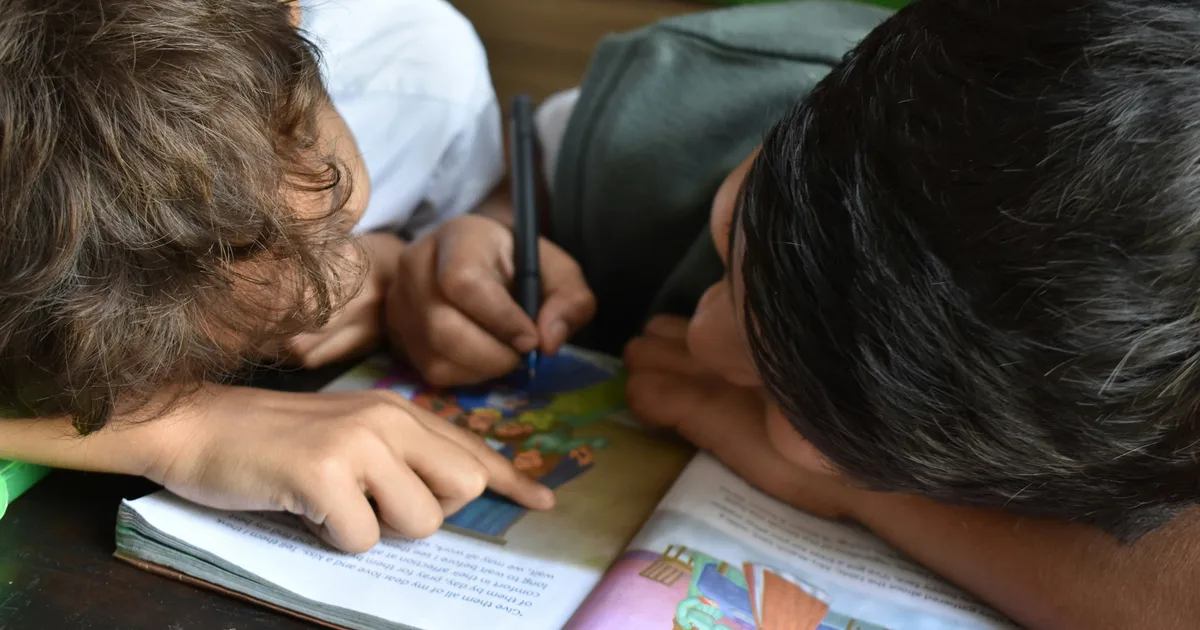
Anyone who watched Louis Theroux’s Inside The Manosphere will be aware that misogynistic content is rife online. Yet these views haven’t just appeared out of nowhere, they’ve been around for years – and social media has amplified it thanks to rage-fuelled algorithms.
Nearly 70% of boys aged 11-14 years old have been exposed to misogynistic content online, according to Ofcom.
After Netflix’s much-lauded series Adolescence shone a spotlight on misogyny among school children last year (and introduced many parents to terms like red pill and manosphere), teachers told HuffPost UK misogynistic comments are commonplace, even from primary school-age boys.
Just this week, one Birmingham-based teacher, who wished to remain anonymous, told Birmingham Live a six-year-old pupil had “said he wasn’t going to get his fruit at snack time and one of the girls would have to go and get the fruit for him”.
The teacher noted misogynistic views are being “trickled down” to younger children through older siblings who are consuming this content online.
When the six-year-old was pulled up on his comments, he said his older brother had been “watching the videos”.
Research by the University of York found most primary and secondary school teachers are “extremely concerned” about the influence of the manosphere – a collection of websites and forums that typically promote masculinity, some of which amplify misogynistic views – on children and young people.
One-quarter of teachers referenced male pupils discussing misogynistic influencers or misogynistic movements from the internet, such as incels.
Educator Rebecca Leigh previously told us she’s noticed “a rise in misogyny” among students – some as young as 11 or 12.
Unison, the UK’s largest union, said a major issue currently affecting schools is the rise in sexist behaviour and language, and sexual harassment – noting it’s being fuelled by explicit content online, as well as on mobile phones.
Childhood is a critical stage of development, and children are “highly impressionable” and particularly vulnerable to extreme views, family psychotherapist Fiona Yassin told HuffPost UK.
“The internet is a hotbed for extremism and misinformation and early research around the impact of the ‘manosphere’ on children is incredibly alarming,”
But parents, carers and anyone working with children can play a role in shaping how youngsters view women.
Regardless of whether you believe your child is exhibiting these behaviours or consuming harmful content online, conversations about misogyny and the treatment of women are incredibly important.
And given all the data, it’s never been more pressing.

Warning after ‘lives put at risk’ by arson attack in West Belfast

D.R. Horton Vs. Lennar: Homebuilder Showdown As Mortgage Rates Jump

Goldman Sachs (GS) Stock Surges on Strong Q1 Results and Record Equities Trading

Why Israel is blocking foreign journalists from entering

Bitcoin: We’re Entering The Most Dangerous Phase

Alan Cumming Brands Baftas Ceremony A ‘Triggering S**tshow’

Ormuz, Crypto & Guerre #blockchain #cryptomonnaie

Financial support sa pagitan ng ASEAN members, tiniyak sa gitna ng tensyon sa Middle East

Cryptocurrency and Bitcoin Trading in Nepal | Is Bitcoin legal | Should You Trade?
-

 Politics3 days ago
US brings back mandatory military draft registration
-

 Fashion3 days ago
Weekend Open Thread: Veronica Beard
-
 Sports3 days ago
Man United discover Nico Schlotterbeck transfer fee as defender reaches Dortmund agreement
-

 Tech6 days ago
How Long Can You Drive With Expired Registration? What Florida Law Says
-

 Politics21 hours ago
World Cup exit makes Italy enter crisis mode
-

 Crypto World4 days ago
Canary Capital Files SEC Registration for PEPE ETF
-

 Business3 days ago
Tesla Model Y Tops China Auto Sales in March 2026 With 39,827 Registrations, Beating Cheaper EVs and Gas Cars
-

 Politics3 days ago
Malcolm In The Middle OG Turned Down ‘Buckets Of Money’ To Appear In Reboot
-

 Fashion6 days ago
Let’s Discuss: DEI in 2026
-

 Crypto World5 days ago
Bitcoin recovers as US and Iran Agree a Ceasefire Deal
-
 NewsBeat14 hours ago
Pep Guardiola and Gary Neville agree over Arsenal title problem that benefits Man City
-

 Business3 days ago
OpenAI Halts Stargate UK Data Centre Project Over Energy Costs and Copyright Row
-

 Business2 days ago
Ireland Fuel Protests Enter Day 5 as Blockades Spark Shortages and Government Prepares Support Package
-

 Politics3 days ago
LBC Presenter Mocks Trump Over Iran War Failures
-

 Crypto World3 days ago
Federal judge blocks Arizona from bringing criminal charges against Kalshi
-

 Tech4 days ago
A version of Windows 10 released a decade ago is now eligible for additional security patches
-
 NewsBeat1 day ago
JD Vance announces ‘no agreement’ with Iran over nuclear weapons fear
-

 Business3 days ago
IMF retains floor for precautionary balances at SDR 20 billion
-
Business2 days ago
Coreweave CSO Venturo sells $5.5m in class a common stock
-
Sports2 days ago
1st-Round WR Enters Vikings Mock Draft Orbit
You must be logged in to post a comment Login