










The firm has pointed to having generated a record amount of power this year

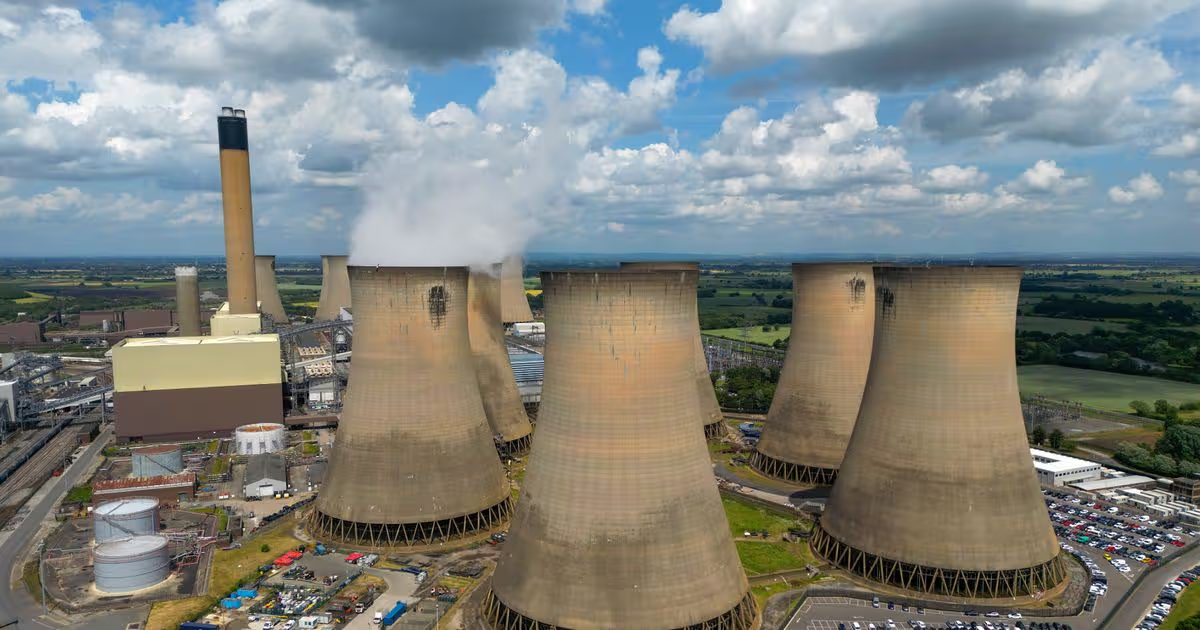
Drax Power Station(Image: Getty Images)
Power giant Drax has reported a steep drop in operating profits, just days after job losses at its Yorkshire base were revealed.
New full year results for the FTSE250 firm show operating profit fell from £850m to £241m in 2025, as pre-tax profit slumped from £753m to £190m. Drax said the numbers reflected non-cash impairments of £378m, including £337m related to having paused setting up of pellet production at Longview in the US, lower expected margins, a “constrained” Canadian fibre market and future demand from the Selby power station.
There was also a £48m impairment attached to bioenergy with carbon capture (BECCS) and storage plans at the site which have not come to fruition but which Drax said it could develop in the long term. That comes after Drax paused its BECCS plans in March 2023.
Despite the fall, the firm said it had generated record levels of renewable power including about 6% of the UK’s power requirement and 11% of UK renewables overall. The Selby plant is the largest power station in the UK and the firm has talked of developing options for a 1.2GW-scale data centre there.
The results come as Drax is targeting cost savings of more than £150m per year from 2027, compared to its 2024 costs. Last month it announced a restructure which will bring 350 job cuts across its UK and US operations.
Drax Group CEO, Will Gardiner, said: “In 2025, we produced more renewable power than ever before, delivering energy security for the UK. Our colleagues and supply chain partners work around the clock to help keep the lights on for millions of the UK’s households and businesses, no matter the weather.
“The signing of the new low carbon dispatchable contract for difference is an inflection point for the group. It provides the foundation for us to keep supporting the UK with the flexible, renewable power it needs for security of supply this decade and beyond. The energy transition and growth in AI are creating opportunities for us to invest and grow our business further in line with the country’s energy needs.
“We are making good progress on this with our initial investments in battery energy storage systems (BESS), which we see as an attractive market. We will continue to explore options to invest in flexible and renewable energy, creating value for stakeholders and attractive returns for shareholders in line with our capital allocation policy.”