









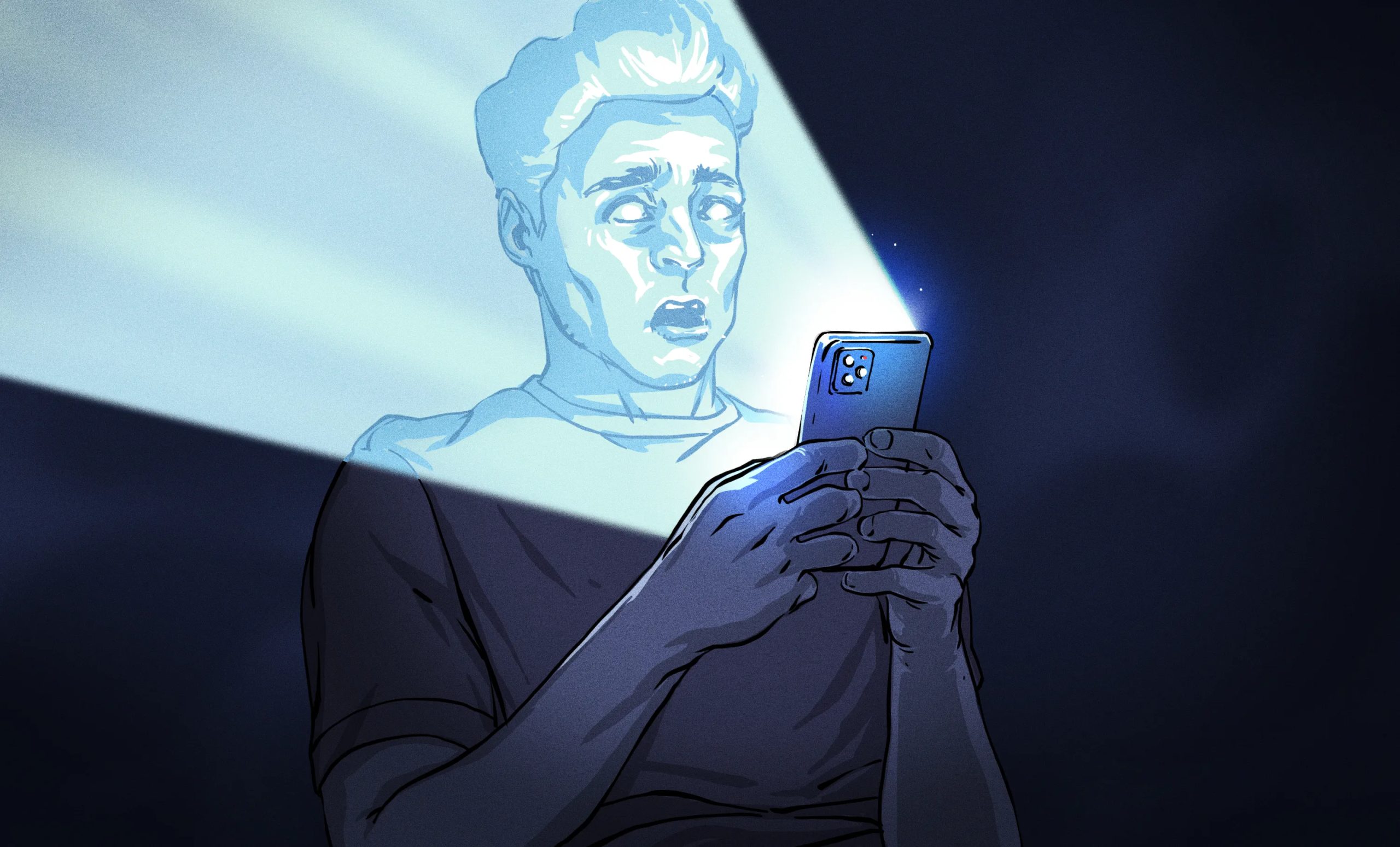
In theory having a single device that combines the features of multiple dedicated devices is a great idea, saving a lot of space, time and money. However, in reality it mostly means that these features now conflict with each other, force us to deal with more complex devices that don’t last nearly as long, and become veritable vampires for your precious attention.
Whereas in the olden days a phone was just used for phone calls, now it’s also a video and photo camera, multimedia computer, pager, and more, but at any point an incoming phone call can interrupt what you are doing. There’s also always the temptation of doom scrolling on one of the infinite ‘social media’ apps. Even appliances like televisions and refrigerators are like that now, adding ‘smarts’ that also vie for your attention, whether it’s with advertisements, notifications, or worse.
Meanwhile trying to simply do some writing work on your PC is a battle against easy distractions, leading people to flee to the digital equivalent of typewriters out of sheer desperation. Similarly, we increasingly see ‘dumb’ phones, and other single-task devices making a comeback, both as commercial options and as DIY projects by the community.
Are we seeing the end of the ‘everything device’ and the return to a more simple time?
Bored Is Good
In the before times, when the iPhones hadn’t yet flooded the planet and Facebooks weren’t even a twinkle yet in some bloke’s eye, your attention wasn’t nearly as much preyed upon as it is today. Spending time on the World Wide Web wasn’t that prevalent, people weren’t yet walking around with displays practically glued to their faces, and if you wanted to do any task it took real effort.
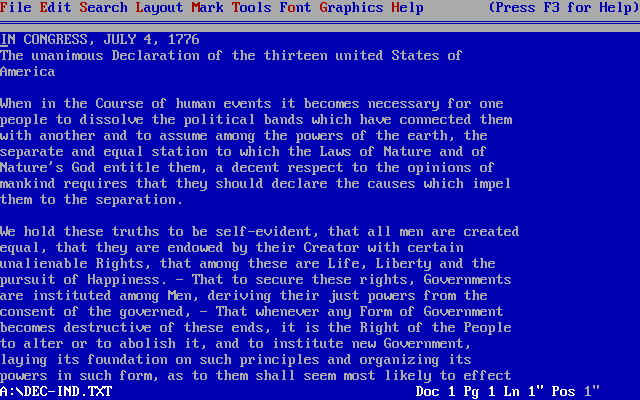
Although I learned to touch-type on an electric typewriter and briefly owned a Brother typewriter, I was already using PCs and word processor software most of the time. Of course, this was initially on MS-DOS with WordPerfect 5.1, running first on the family 286 PC and later the IBM PS/2 386SX system that my father’s work had sold off for a pittance. Back in the single-tasking MS-DOS days it meant that once you were running WordPerfect, or games like Stunts 3D or Doom, that was all you did.
Later I’d run Microsoft Office on Windows, but with only dial-up internet available the temptation from distractions were minimal. Not until the arrival of always-online broadband internet would you have to suffer through notifications from IRC, MSN, ICQ and whatever else you had running in the background, but even then you’d not be on the PC all the time.
When it came to entertainment, such as watching TV, playing a movie or music, it would be just that one thing with zero interruptions on the HiFi set, a Walkman or TV. Along with only landline phones that you were usually not within hearing distance of, it was easy to be ‘bored’ and do some quiet reading, drawing or prod at some small wildlife in a puddle outdoors. Even game consoles were still fully offline, so couch-based gaming – optionally with split-screen – was as multiplayer as things got.
Although even during the 1990s many people had email, you weren’t expected to check your mailbox more than once a week, perhaps a few times a day for serious nerds.
The Online Cacophony
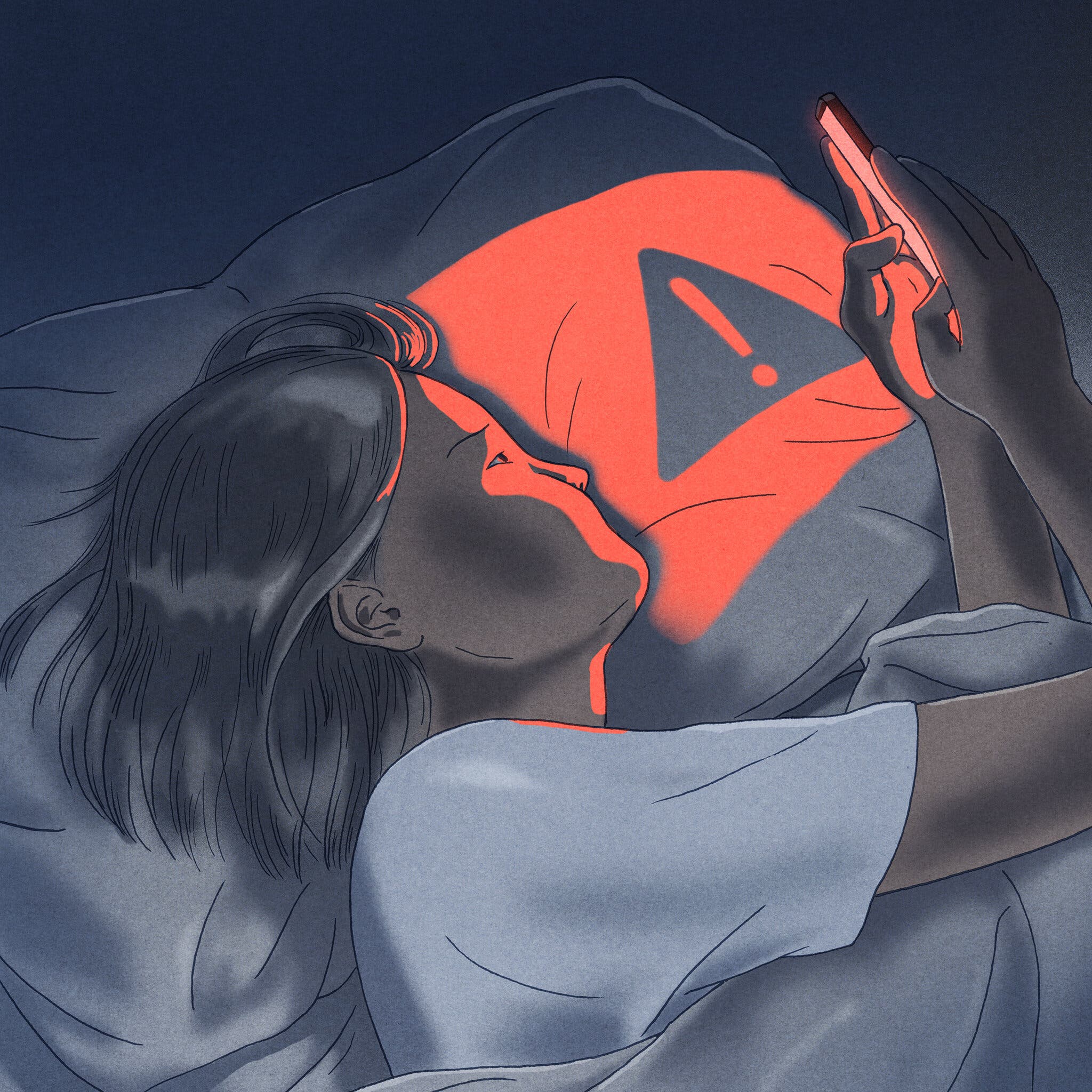
Much of the curse of the ‘everything device’ can be reduced to the fact that everything has to be connected to some remote service or a dozen. Just imagine not having internet on your smartphone, smart TV or PC, and how it almost instantly plummets you into chronic anxiety as only just about everything is connected to some online service, or depends on data stored on remote servers.
Getting away from all this is hard, as signing up for a dozen social media services is part of social pressure, and each of these services make sure to incessantly pull you in with updates and notifications. Then there are advertisements that have become the main financing model for websites and even online services in the 21st century, which ever more intrusively barge into whatever it is that you’re trying to do.
Here the term ‘chronically online‘ along with similar terms has previously been pitched and would seem to be rather apt. Ever more people have to check their smartphone for new notifications and updates, and are constantly occupied with what is happening on social media, rather than in the real world.
Worse, you’re no longer just taking snapshots on your photo camera or recording video on a camcorder, but everything goes straight into the Cloud™, from where you get pushed, harassed, and cajoled into sharing every single bit of content with everyone else, lest someone misses out on your Amazing New Experience.
Out Of Focus
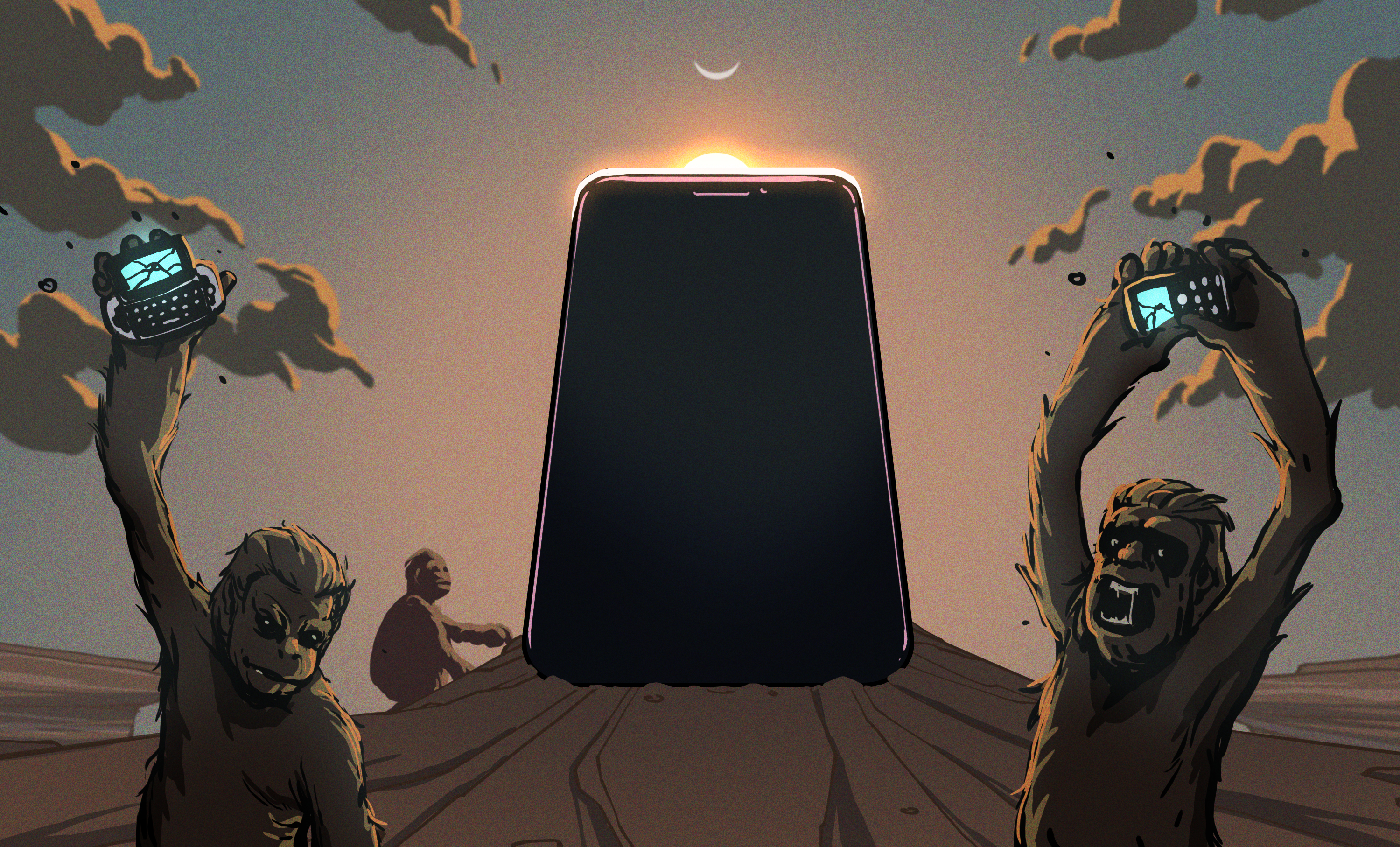
For example, a 2021 study in Frontiers in Psychology by Christina Koessmeier and Oliver B. Büttner investigated the causes behind the distracting effect from social media in particular. FOMO is a big reason, as we are social monkeys who generally like to be part of the group rather than excluded. Self-regulatory issues are many, such as preferring to pop over to a social media app or site rather than complete an unpleasant or difficult task. It feeds the reward center of your brain, even if you’re not actually accomplishing the task you set out to do.
One could argue here that the demise of the third place alongside the rise of ‘everything devices’ like smartphones has led to a situation where being chronically online is a way to compensate for the lack of real-life connections, albeit in an environment that’s mentally rather toxic due to how social media in particular works. By providing a sense of belonging – whether false or not – these online places become an important part of our identity.
That a lot of unhealthy behavior is associated with such a chronically online existence ought to be self-evident. Meanwhile the push towards ‘everything devices’ like smartphones isn’t due to corporate benevolence, but rather to trap all of us into endless subscription services, accessed via a terminal device explicitly designed to siphon off every last drop of our attention, focus, and money.
Escape The Trap
Rather than hapless insects, caught in the slowly solidifying tree sap that will inevitably doom them, we humans like to brag about our intellect and ability to innovate. Thus, at least some of us are trying to get out of this veritable tar pit of FOMO and social manipulation, even as we try to figure out what exactly went wrong down this path of Future Technology™.

The question is: how far exactly should we go back in time? This is a question that’s been on the minds of many, with a wide variety of solutions offered. The most extreme is of course the digital detox approach, whereby a person completely removes all smartphones and similar technology from their lives for a set period of time. Although showing positive effects on people’s mental health, this can of course only ever be a temporary intervention.
For many people the allure of switching away from smartphones and to feature phones (‘dumbphones’) is an appealing one. Personally this is a step that I have also taken, switching from a regular Android smartphone to a KaiOS-based TCL Flip 3 feature phone that’s slightly more full-featured than a Motorola Razr V3, but also equally as user-friendly and devoid of most non-phone functionality. Photos you take also are saved to internal memory, with no cloud storage unless you jump through serious hoops.
When you’re on a PC, it is of course much harder to escape the pull of FOMO and easy ‘rewards’ by doomscrolling or watching funny cat videos on YouTube. Here you can either focus on training your self-control, or by using a zero-distraction typing device that removes all temptation.
On the training side of things, the Pomodoro Technique can be done using a bog-standard kitchen timer to set the intervals, any of a number of online timers, special YouTube videos, or by building your own physical timer, with even just recently a few examples already popping up here on Hackaday.
Back To WordPerfect 5.1
It’s hard to argue with simply installing good ol’ WordPerfect 5.1 or equivalent on some DOS flavor in a system of your choice and typing away there. We have recently seen a SvarDOS-based environment that comes preloaded with a range of word processors and kin to get you started. Since you won’t even have networking, you won’t be distracted by anything. This can of course be replicated in a variety of freely available software, with FreeDOS and any word processor available from Archive.org being fair game.
You can also go down the ‘digital typewriter’ route, with some commercial options even being available here, such as the Zerowriter Ink. Alternatively you can go fully minimalistic with an ESP32-based writer deck, or opt for something vaguely more laptop-like. A lot here depends on how much you require in terms of formatting and editing features. Although sometimes you really just need to hammer out lots of words, in which case the portable equivalent of Notepad is fine, you may want to add at least some formatting.
Personally I’m quite the fan of the calming white-on-blue text with full word processing capabilities alongside the deafening noise of the buckle-spring keyboard of an IBM PS/2, but everyone has their own preferences. And maybe that is another benefit of breaking away from the Everything Device — you get to find out what works best for yourself.
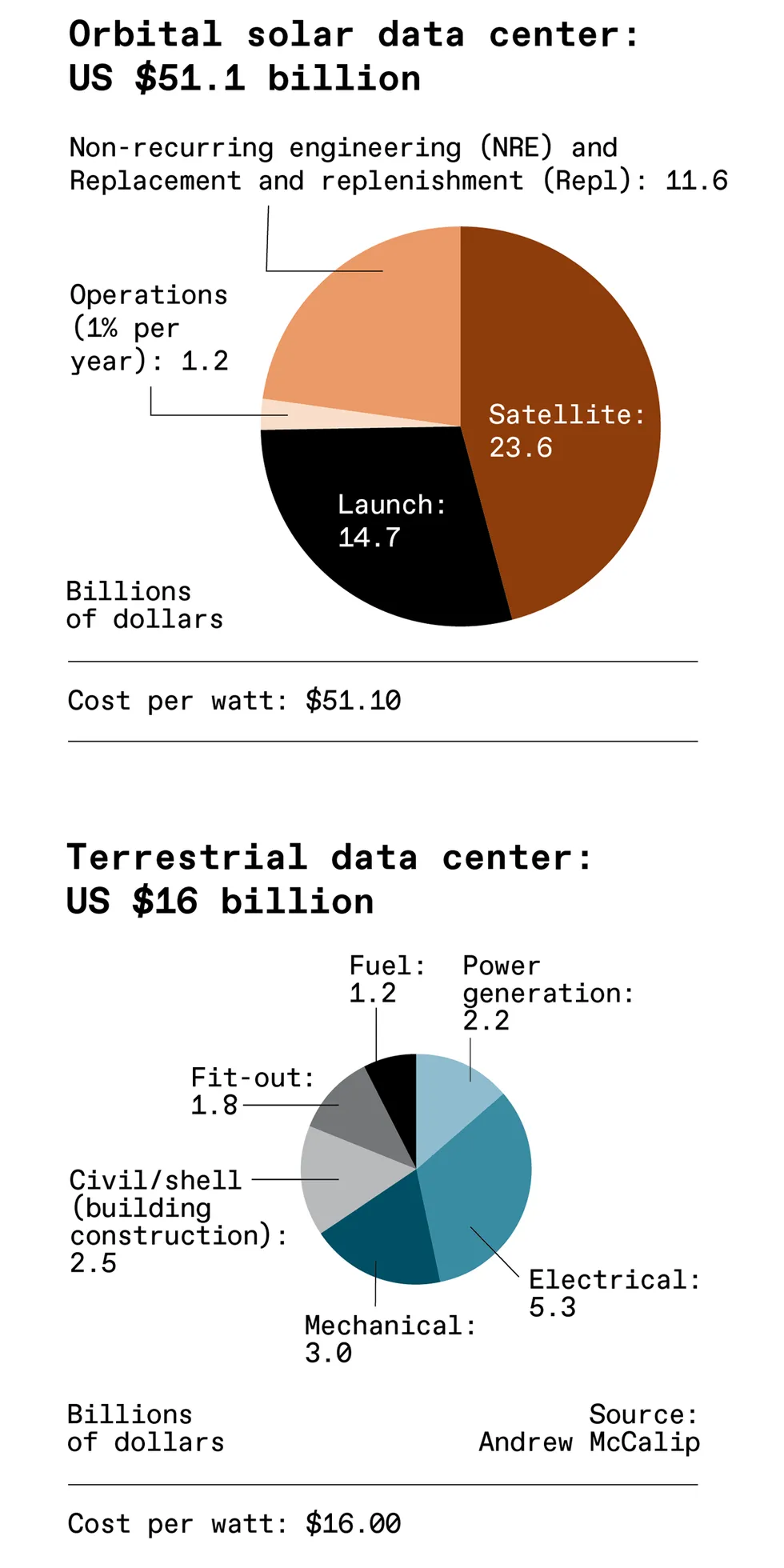
 Likely costs to design, build, and launch a 1-GW orbital
 Audio Precision provides high-performance audio analyzers, accessories, and applications that have helped engineers worldwide design, validate, characterize, and manufacture audio products for over 40 years.
 Audio Precision’s new Bluetooth® 5 module provides an interface to audio devices using the latest version of the Bluetooth specification, including LE Audio devices utilizing Unicast and Auracast™. Adobe Stock