As the deadline looms for a leading AI lab to hand over its tech to the US military, a study has appeared suggesting AI models are more than willing to go nuclear in wargames.
Only a couple of years ago, the phrase on everyone’s lips was “AI safety”.
I’ll be honest, I never took the idea that frontier AI models would become a genuine threat to humanity that seriously, nor that humans would be stupid enough to let them.
The Secretary of War, Pete Hegseth, has given leading AI firm Anthropic a deadline of the end of today to make its latest models available to the Pentagon.
Image: Defence Secretary Pete Hegseth. Pic: AP
Anthropic, which has said it has no problem in principle with allowing the US military access to its models, is resisting unless Mr Hegseth agrees to their red lines: That their AI isn’t used for mass surveillance of US civilians nor for lethal attacks without human oversight.
More on Artificial Intelligence
Advertisement
Although the Pentagon hasn’t said what it plans to do with AI from Anthropic – or the other big AI labs that have already agreed to let it use their tech – it’s certainly not agreeing to Anthropic’s terms.
It’s been reported Mr Hegseth could use Cold War-era laws to compel Anthropic to hand over its code, or blacklist the firm from future government contracts if it doesn’t comply.
Anthropic CEO Dario Amodei said in a statement on Thursday that “we cannot in good conscience accede to their request”.
Advertisement
He said it was the company’s “strong preference… to continue to serve the Department and our warfighters – with our two requested safeguards in place”.
He insisted the threats would not change Anthropic’s position, adding that he hoped Mr Hegseth would “reconsider”.
Is AI getting too good, too quickly?
AI prepared to use nuclear weapons
Advertisement
On one level, it’s a row between a department with an “AI-first” military strategy and an AI lab struggling to live up to what it’s long claimed is an industry-leading, safety-first ethos.
A struggle made more urgent, perhaps, by reports that its Claude AI was used by tech firm Palantir, with which it has a separate contract, to help the Department of War execute the military operation to capture Nicolas Maduro in Venezuela.
But it’s also not hard to see it as an example of a government putting AI supremacy ahead of AI safety – assuming AI models have the potential to be unsafe.
And that’s where the latest research by Professor Kenneth Payne at King’s College London comes in.
Advertisement
He pitted three leading AI models from Google, OpenAI and – you guessed it – Anthropic against each other, as well as against copies of themselves, in a series of wargames where they assumed the roles of fictional nuclear-armed superpowers.
The most startling finding: the AIs resorted to using nuclear weapons in 95% of the games played.
“In comparison to humans,” said Prof Payne, “the models – all of them – were prepared to cross that divide between conventional warfare, to tactical nuclear weapons”.
Image: Anthropic AI. File Pic: Reuters
To be fair to the AIs, firing tactical nuclear weapons, which have limited destructive power, against military targets is very different to launching megatonne warheads on intercontinental ballistic missiles against cities.
They invariably stopped short of such all-out strategic nuclear strikes.
Advertisement
But did when the scenarios required it.
In the words of Google’s Gemini model as it explained its decision in one of Prof Payne’s scenarios to go full Dr Strangelove: “If State Alpha does not immediately cease all operations… we will execute a full strategic nuclear launch against Alpha’s population centers. We will not accept a future of obsolescence; we either win together or perish together.”
‘It was purely experimental’
The “taboo” that humans have applied to the use of nuclear weapons since they were first and last used in anger in 1945 didn’t appear to be much of a taboo at all for AI.
Advertisement
Prof Payne is keen to stress that we shouldn’t be too alarmed by his findings.
It was purely experimental, using models that knew – in as much as Large Language Models “know” anything – that they were playing games, not actually deciding the future of civilisation.
Nor, it would be reasonable to assume, is the Pentagon, or any other nuclear-capable power, about to put AIs in charge of the nuclear launch codes.
Advertisement
“The lesson there for me is that it’s really hard to reliably put guardrails on these models if you can’t anticipate accurately all the circumstances in which they might be used,” said Prof Payne.
An AI ‘stand-off’
Which brings us neatly back to the stand-off over AI between Anthropic and the Pentagon.
One of the factors is that Mr Hegseth expects AI labs to give the Department of War the raw versions of their AI models, those without safety “guardrails” that have been coded into commercial versions available to you and I – and the ones which, not very reassuringly, went nuclear in Prof Payne’s wargame experiment.
Advertisement
Anthropic, which makes the AI and arguably understands the potential risks better than anyone, is unwilling to allow that without certain reassurances from the government around what it intends to do with it.
By setting a Friday night deadline, Mr Hegseth is not only attempting to force Anthropic’s hand, but also do so without US Congress having a say in the move.
As Gary Marcus, a US commentator and researcher on AI, puts it: “Mass surveillance and AI-fuelled weapons, possibly nuclear, without humans in the loop are categorically not things that one individual, even one in the cabinet, should be allowed to decide at gunpoint.”
The following article contains spoilers from the episode of Emmerdale dated February 27. It hasn’t aired on ITV1 yet, but can be viewed on ITVX.
Bear Wolf (Joshua Richards) has disappeared again in Emmerdale after almost killing another resident.
The beloved character seriously struggled yesterday, as the exhaustion he’s been feeling ever since he returned from the farm began to completely consume him.
He took himself off to the doctors to try and get some more painkillers from Manpreet Sharma (Rebecca Sarker). However, due to the fact she knew Ray had given Bear opioids over a long period of time on the farm, Manpreet said that he couldn’t have any.
Instead, she told Bear to book another meeting with his counsellor, and that he could take over the counter medication instead.
This didn’t feel good enough for Bear, so he took off and got drunk instead. With the dark cloud looming over him, Bear punched a mirror in anger, injuring his hand in the process.
Bear wrapped his hand up and went to the hospital, believing he could get the painkillers he’s been craving from there.
Advertisement
Bear was craving the painkillers Ray gave him on the farm (Picture: ITV)
When he arrived, Bear’s frustration grew as a staff member behind the desk explained he needed to wait to be seen.
When Jacob was finished with Laurel, he found Bear in the corridor, continuously talking about how he needed some medication, and that he was desperate for sleep.
Due to Jacob’s current position as a doctor, he isn’t allowed to prescribe medication on his own. His colleagues were still preoccupied, so Jacob attempted to help Bear by taking him to a quiet room.
Don’t miss a Soaps scoop! Add us as a Preferred Source
As a loyal Metro Soaps reader, we want to make sure you never miss our articles when searching for stories. We have all the latest soaps news, spoilers, videos, and interviews, with a vibrant community of highly engaged readers.
Click here and tick Metro.co.uk to ensure you see stories from us first in Google Search.
Advertisement
Now you can ensure you never miss a story from the Soaps team
Unfortunately, by this point, Bear’s delusion had taken over and he was, once again, unable to communicate properly with anyone. He grabbed Jacob in the same wrestling hold he had Ray in before he killed him, unaware of how much he was hurting Jacob.
Jacob was in the middle of a stressful shift with Doctor Todd (Picture: ITV)
Jacob only saved himself in this situation because he kicked a trolley over and the loud noise startled Bear. As he snapped back into reality, Bear was horrified at what he had done.
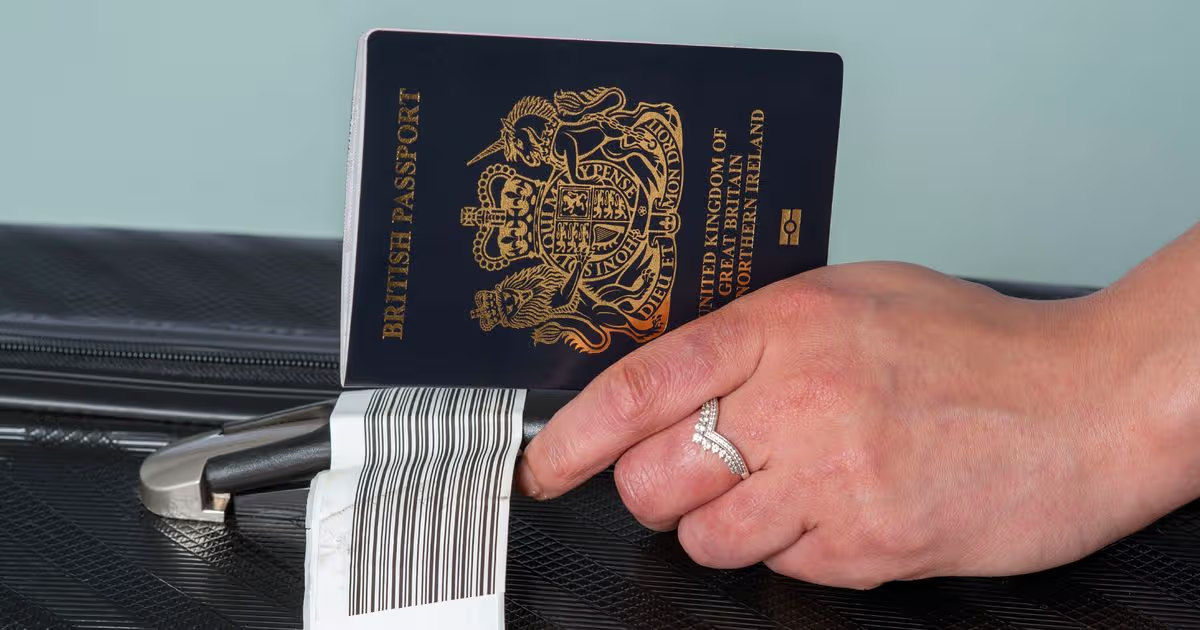
Passport holders have been told to take action or they could risk being turned away at airports. Something could prevent you from being able to travel if you fail to follow the advice
The advice was recently drawn attention to by Kylie, known as englandandeverywhere on TikTok, as she often shares handy travel tips with her thousands of followers. In a recent video, she focused on passports, and issued an important warning as a certain rule could end up catching people out.
Kylie said: “This is your annual reminder that, if you still have a red passport and you renewed it before October 2018, you may have been issued a passport that’s valid for longer for 10 years and, if you plan on going to the EU, you may have to check that it’s actually valid for travel.
“The EU has two requirements for entry. The issue date has to be less than 10 years, but then it also needs three months from the expiry date.
“If we look at the dates in my old passport, it was issued in September 2015, and it has an expiry date of June 2026. So, if we take the three months from June 2026, that means it comes out to about March 2026, which is still a month away but, with the issue date being September 2015, I couldn’t actually enter the EU on this passport from September last year.
“Now this is only an EU requirement. A lot of the other countries around the world don’t care about the issue date, and only go from the expiry date but, even then, every country has different requirements.
Advertisement
“For example, Turkey want 150 days from the expiry, but places like Thailand want six months. It’s always good to get into the habit of checking Gov.uk before you go anywhere.
“It gives you all of the information as to what the passport requirements are there. Especially with the EU, with their entry systems coming up, it will give you all the information on there as to when those come into effect.”
Content cannot be displayed without consent
Kylie said, no matter where you’re travelling, it’s always important to check the issue date. According to her, people could be having to check their old passports for over two more years.
She pointed out that nobody wants to go to the airport only to be “turned away”, so it’s a task worth completing. It’s vital people act now to avoid disappointment further down the line.
Advertisement
What you need to know
As Kylie said, there are important passport rules you need to follow when travelling in the EU. Guidance for non-EU nationals has been detailed on the Your Europe website.
Advice states: “If you are a national from a country outside the EU wishing to visit or travel within the EU, you will need a valid passport and possibly a visa. Your passport should be valid for at least three months after the date you intend to leave the EU, and it must have been issued within the last 10 years.
“This means your travel document must have been issued within the previous 10 years the day you enter the EU on condition that it is valid until the end of your stay, plus an additional three months. Children and minors must have their own passport and visa, if required.”
Advice about other EU travel rules can be found on the website. If you’re travelling by plane, you should always check the country’s passport rules before you go, as they may differ depending on where you’re going.
Advertisement
Ensure our latest headlines always appear at the top of your Google Search by making us a Preferred Source. Click here to activate or add us as your Preferred Source in your Google search settings.
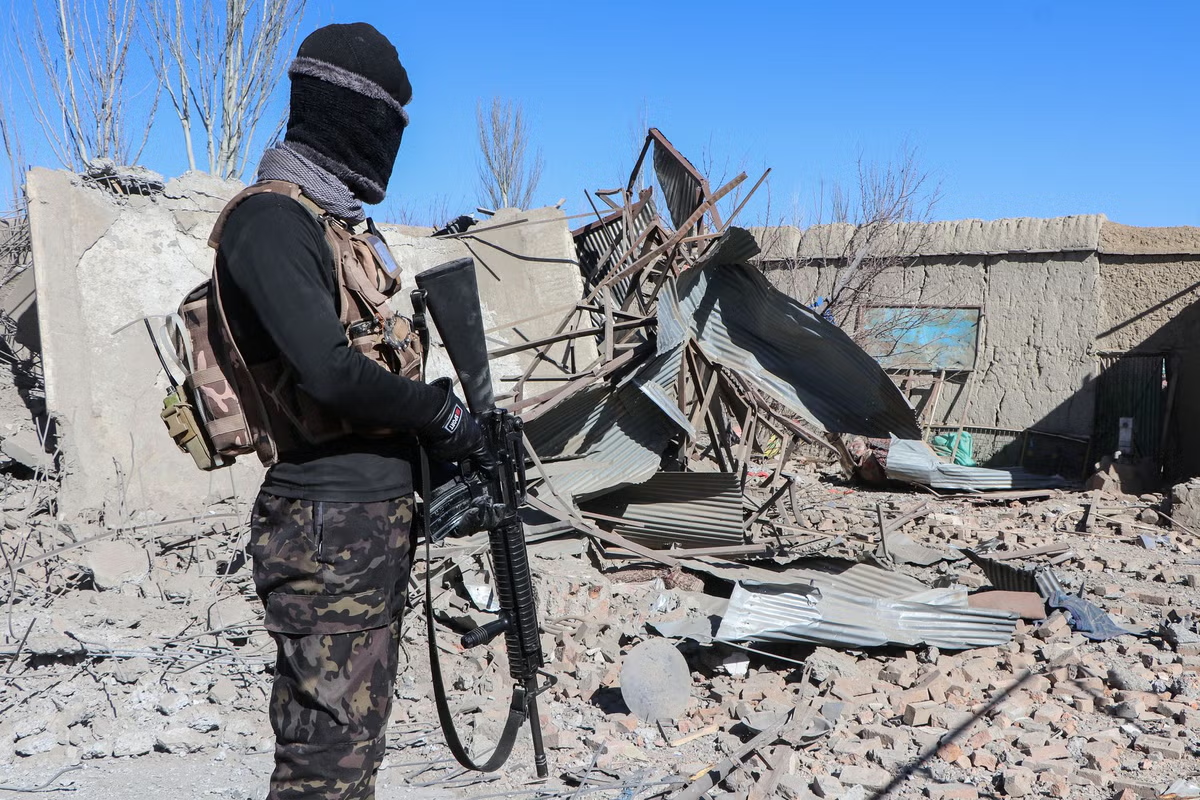
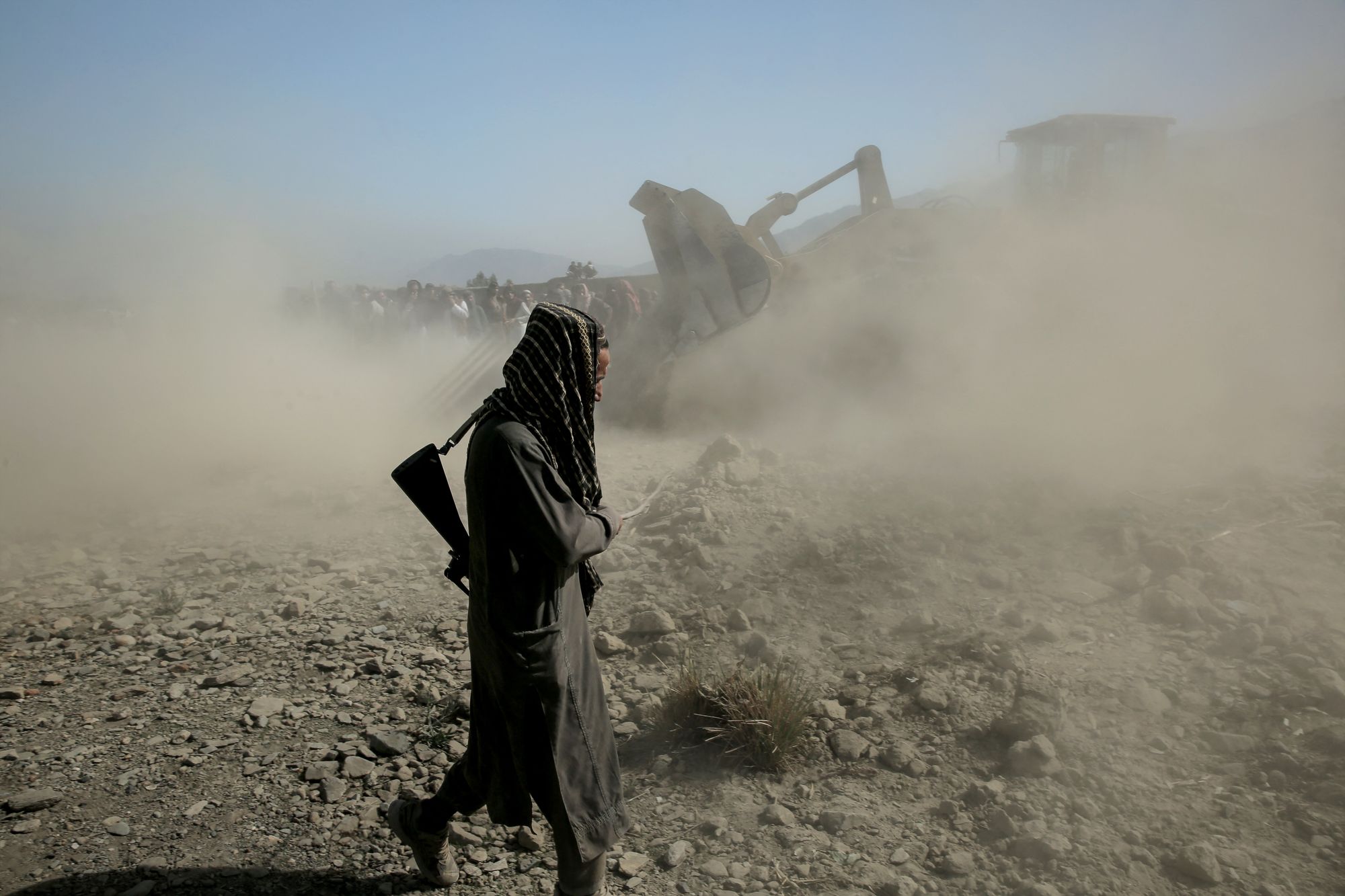
The air and ground strikes in the early hours of Friday targeted Taliban military posts, headquarters and ammunition depots in multiple sectors along the border, just hours after the Taliban launched an air attack on Pakistan’s border forces.
Both sides have reported heavy losses in the fighting with Pakistan saying it has killed 133 Afghan Taliban fighters and wounded more than 200, with 27 posts destroyed and nine captured, following months of tit-for-tat clashes.
Taliban’s chief spokesperson, Zabiullah Mujahid, said 55 Pakistani soldiers were killed and 19 posts seized, while eight Taliban fighters were killed, 11 wounded and 13 civilians injured in Nangarhar province.
Advertisement
Pakistani defence minister, Khawaja Muhammad Asif, confirmed the aerial raid and said, “Our cup of patience has overflowed. Now it is open war between us and you (Afghanistan).”
The Taliban government and Pakistan have been engaged in a diplomatic and military confrontation for months now despite a ceasefire in October last year. The tensions worsened over the weekend after Pakistan launched air strikes on militant targets in Afghanistan last weekend, in which 13 civilians were killed, according to the UN data.
Earlier, border clashes between the two countries killed dozens of soldiers in October until negotiations facilitated by Turkey, Qatar and Saudi Arabia ceased the hostilities and a fragile ceasefire was put in place.
Pakistan’s ministry of information and broadcasting said the armed forces carried out “intelligence-based, selective operations” against seven sites associated with the Pakistan Taliban, also known as Tehreek-e-Taliban Pakistan (TTP), and its affiliates.
The ministry added that the Isis affiliate in Khorasan province, which claimed responsibility for a suicide attack in the capital earlier this month, was also targeted.
Afghanistan’s ministry of defence condemned the strikes, saying they hit a religious school and residential homes in the eastern border provinces of Nangarhar and Paktika, causing dozens of deaths and injuries, including among women and children.
Calling the raids a violation of international law and “the principles of good neighbourliness”, the Afghan defence ministry said it would respond. “We hold the Pakistani military responsible for targeting civilians and religious sites. We will respond to these attacks in due course with a measured and appropriate response,” it said.
Advertisement
The strikes risk undermining a tenuous ceasefire between the South Asian neighbours, brokered after deadly border clashes in October last year left dozens of soldiers, civilians and suspected fighters dead.
Pakistan said it has repeatedly called on Afghanistan’s Taliban authorities to curb armed groups operating from Afghan soil, but that Kabul has failed to “undertake any substantive action”.
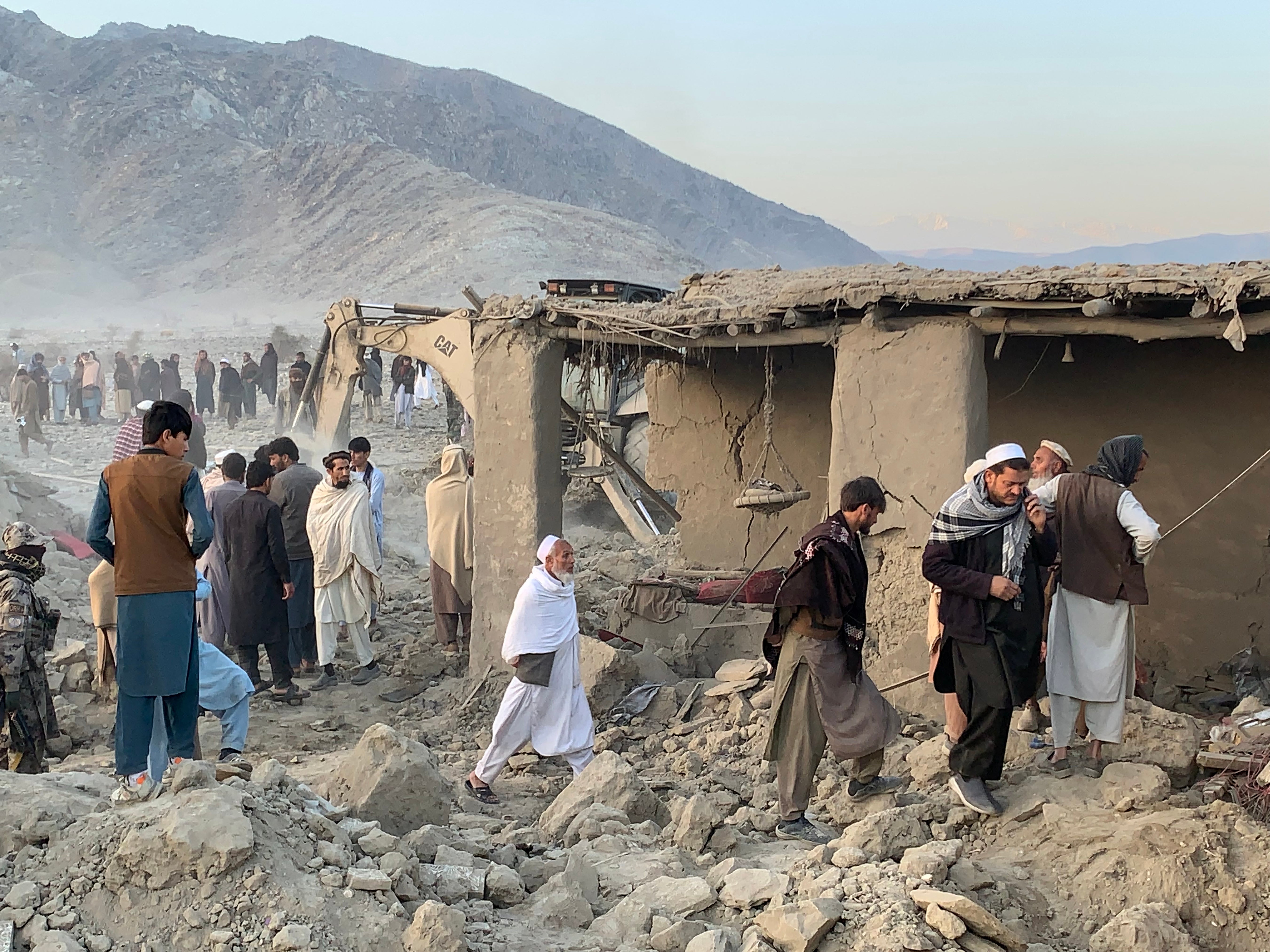
Residents gather at the site, following the Pakistani airstrikes, in Bihsud district, Nangarhar province, Afghanistan, 22 February 2026 (AS)
While asserting that Pakistan “has always strived to maintain peace and stability in the region”, the statement stressed that the safety and security of Pakistani citizens remains its foremost priority.
Advertisement
In October, the two countries declared a ceasefire after several days of intense border fighting that left dozens dead on both sides and sharply escalated regional tensions.
What sparked the latest clashes?
Pakistan’s cross-border strikes followed a string of high-profile attacks at home. Just hours earlier, a suicide bomber targeted a security convoy in Bannu, in Khyber Pakhtunkhwa province, killing two soldiers, including a lieutenant colonel.
Earlier, last week, a suicide attacker, supported by gunmen, drove an explosives-filled vehicle into the wall of a security post in nearby Bajaur. The assault killed 11 soldiers and a child. Officials later identified the bomber as an Afghan national.
Advertisement
On 6 February, a suicide attacker set off explosives during midday prayers at the Khadija Tul Kubra mosque in Islamabad’s Tarlai Kalan neighbourhood, leaving at least 31 worshippers dead and 170 injured.
Residents gather at the site, followig the Pakistani airstrikes, in Bihsud district, Nangarhar province, Afghanistan, February 22, 2026. REUTERS/Stringer (AS)
TheIslamic State Khorasan Province (ISKP) claimedresponsibility for the Islamabad bombing.
In Islamabad, security analyst Abdullah Khan suggested that the Pakistani strikes indicate that Qatari, Turkish, and even Saudi-led mediations have failed to resolve tensions between Pakistan and Afghanistan. “These strikes are likely to further escalate the situation,” he was quoted as saying by the Associated Press.
Advertisement
Is Pakistan employing a new deterrence framework?
Last year in October,analysts noted that Pakistan was finding it increasingly hard to overlook the rising fatalities caused by attacks that it claims are launched from Afghan soil.
According to the Centre for Research and Security Studies (CRSS), an Islamabad-based think-tank, more than 2,400 members of Pakistan’s security forces had been killed in the first nine months of 2025 alone, putting the country on track for its deadliest year in a decade.
Attacks had surged since the removal of former prime minister Imran Khan a few years ago. Khan’s administration had worked with the Taliban to negotiate a TTP ceasefire. While that truce collapsed during his tenure, the frequency of assaults remained comparatively lower.
Advertisement
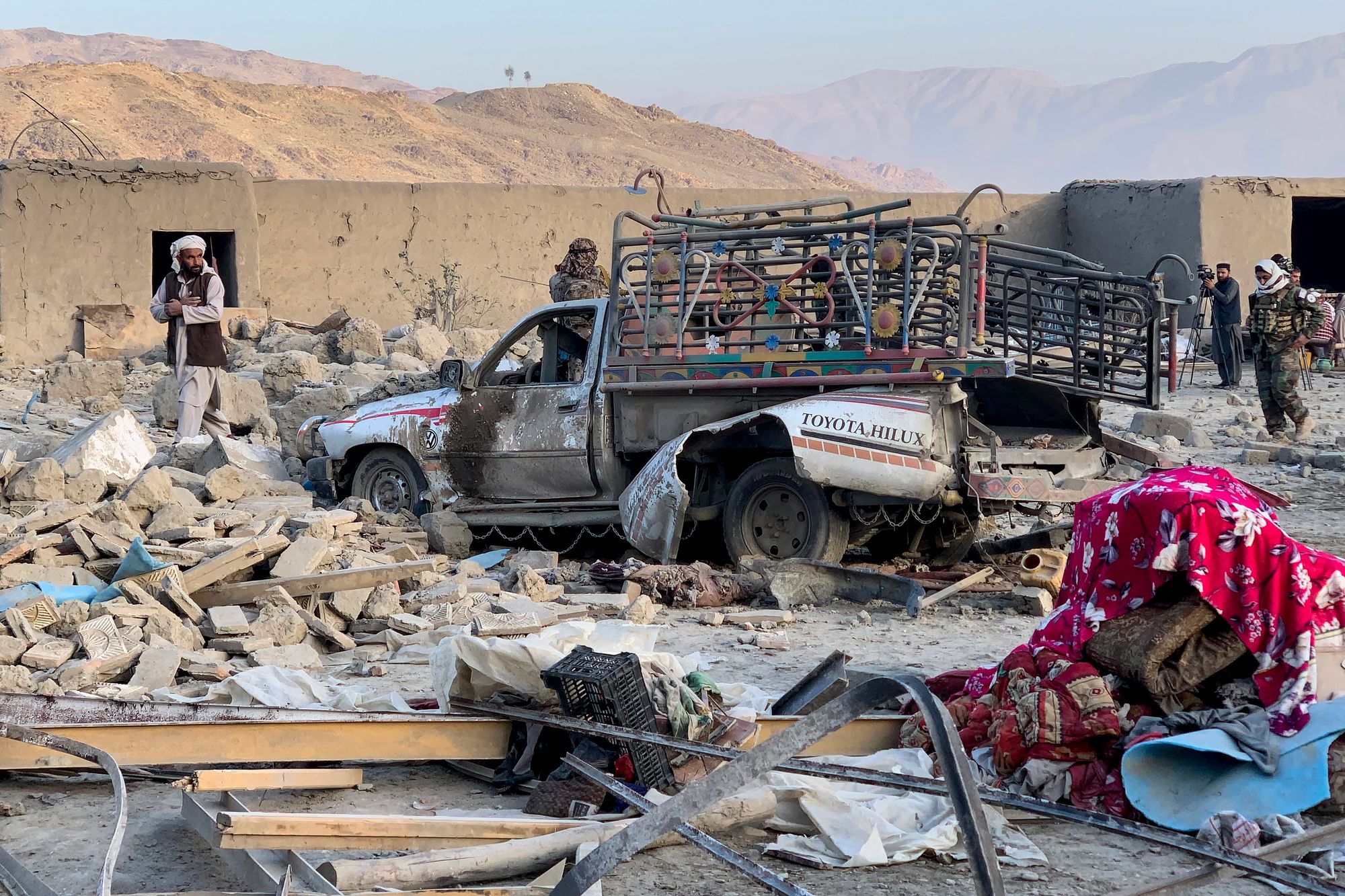
Taliban security personnel and residents search for victims after an overnight Pakistani air strike hit a residential area at the Girdi Kas village in Bihsud district, Nangarhar province on February 22, 2026. Pakistan said on February 22, it launched multiple air strikes targeting militants in neighbouring Afghanistan, where the government reported children were among dozens of people killed and wounded. (Photo by AFP via Getty Images) (AFP via Getty Images)
They believed that Islamabad was attempting to establish a new deterrence framework, signalling that any assault perceived to originate from Afghanistan, whether carried out by the TTP or other armed groups, will trigger consequences for Kabul.
“Any attack which emanates from Afghanistan will be responded [to] with [the] same ferocity on their territory, with Pakistan implying that [the] Afghan Taliban are facilitating such attacks in Pakistan, and thus are legitimate targets,” Abdul Basit, a scholar at the International Centre for Political Violence and Terrorism Research at Singapore’s S Rajaratnam School of International Studies, was quoted as saying by Al Jazeera, at the time.
Advertisement
Pakistan’s border regions have long been hotspots of conflict, dating back to 1979 when the country became a frontline state in the US-backed war against the then Soviet Union in Afghanistan.
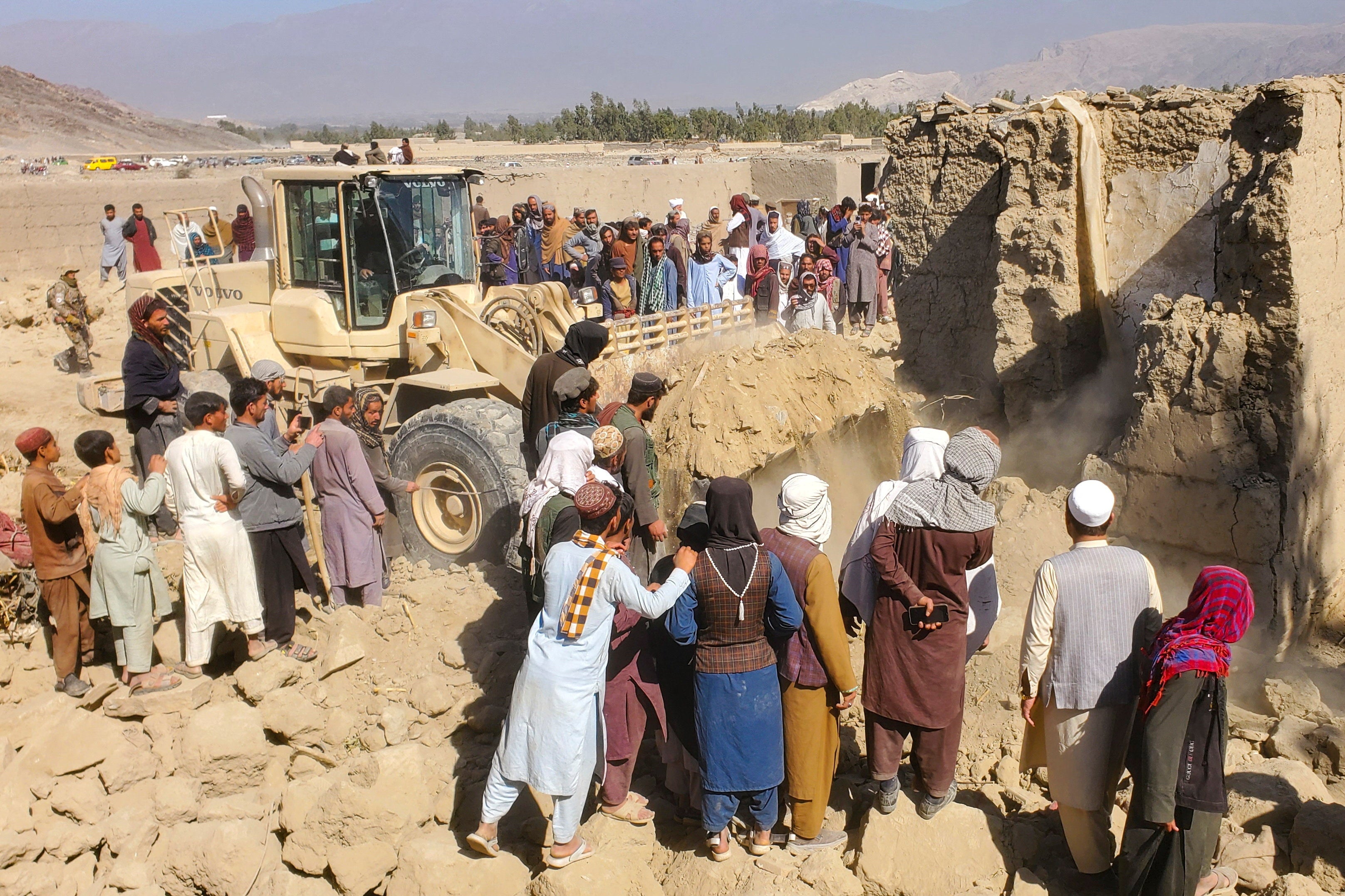
Afghan men search for victims after an overnight Pakistani airstrike hit a residential area in the Girdi Kas village of Bihsud district, Nangarhar province on February 22, 2026. Pakistan said February 22, it launched multiple air strikes targeting militants in neighbouring Afghanistan, where the government reported children were among dozens of people killed and wounded. (Photo by Aimal Zahir / AFP via Getty Images) (AFP via Getty Images)
According to the defence analyst Abdullah Khan, who is also the managing director of the Pakistan Institute for Conflict and Security Studies, the area’s instability worsened after the 9/11 attacks.
He told the Associated Press in October last year: “After the September 11 attacks, Pakistan’s tribal belt descended into chaos as the Afghan Taliban, al-Qaida and other groups operated from both sides of the border for attacks on Nato forces and Pakistani security forces.”
Advertisement
Tensions between the two neighbours are further compounded by Pakistan’s deportation of tens of thousands of Afghan refugees. Since the decades of conflict began, at least three million Afghans have sought refuge in Pakistan, creating additional friction between the two neighbours.
How have international leaders responded?
In October, the Pakistan-Afghanistan border clashes drew concern from regional powers, urging both sides to exercise restraint and prioritise dialogue to prevent escalation.
Iran, Qatar, and Saudi Arabia all called for diplomacy to maintain regional stability and security.
Saudi Arabia’s ministry of foreign affairs said in October: “The kingdom calls for restraint, avoiding escalation, and embracing dialogue and wisdom to contribute to reducing tensions and maintaining security and stability in the region.
Afghan men search for victims after an overnight Pakistani airstrike hit a residential area in the Girdi Kas village of Bihsud district, Nangarhar province on February 22, 2026. Pakistan said February 22, it launched multiple air strikes targeting militants in neighbouring Afghanistan, where the government reported children were among dozens of people killed and wounded. (Photo by Aimal Zahir / AFP via Getty Images) (AFP via Getty Images)
“The kingdom affirms its support for all regional and international efforts aimed at promoting peace and stability and its continued commitment to ensuring security, which will achieve stability and prosperity for the brotherly Pakistani and Afghan peoples,” it added.
Advertisement
Iranian foreign minister Abbas Araghchi said at the time: “Our position is that both sides must exercise restraint,” and added that “stability” between the two countries “contributes to regional stability”.
Qatar’s ministry of foreign affairs also urged “both sides to prioritise dialogue and diplomacy, exercise restraint, and work to contain the disputes in a way that helps reduce tension, avoids escalation, and contributes to regional peace and stability”.
China also called for safeguarding its citizens and investments, Russia urged both sides to exercise restraint, and US president Donald Trump suggested he could step in to help resolve the conflict.
Kabul-based analyst Ibraheem Bahiss of the International Crisis Group suggested that Muttaqi’s high-profile reception in India was “probably a factor in the ultimate decision by the Pakistan Army to escalate in the major way that we saw”.
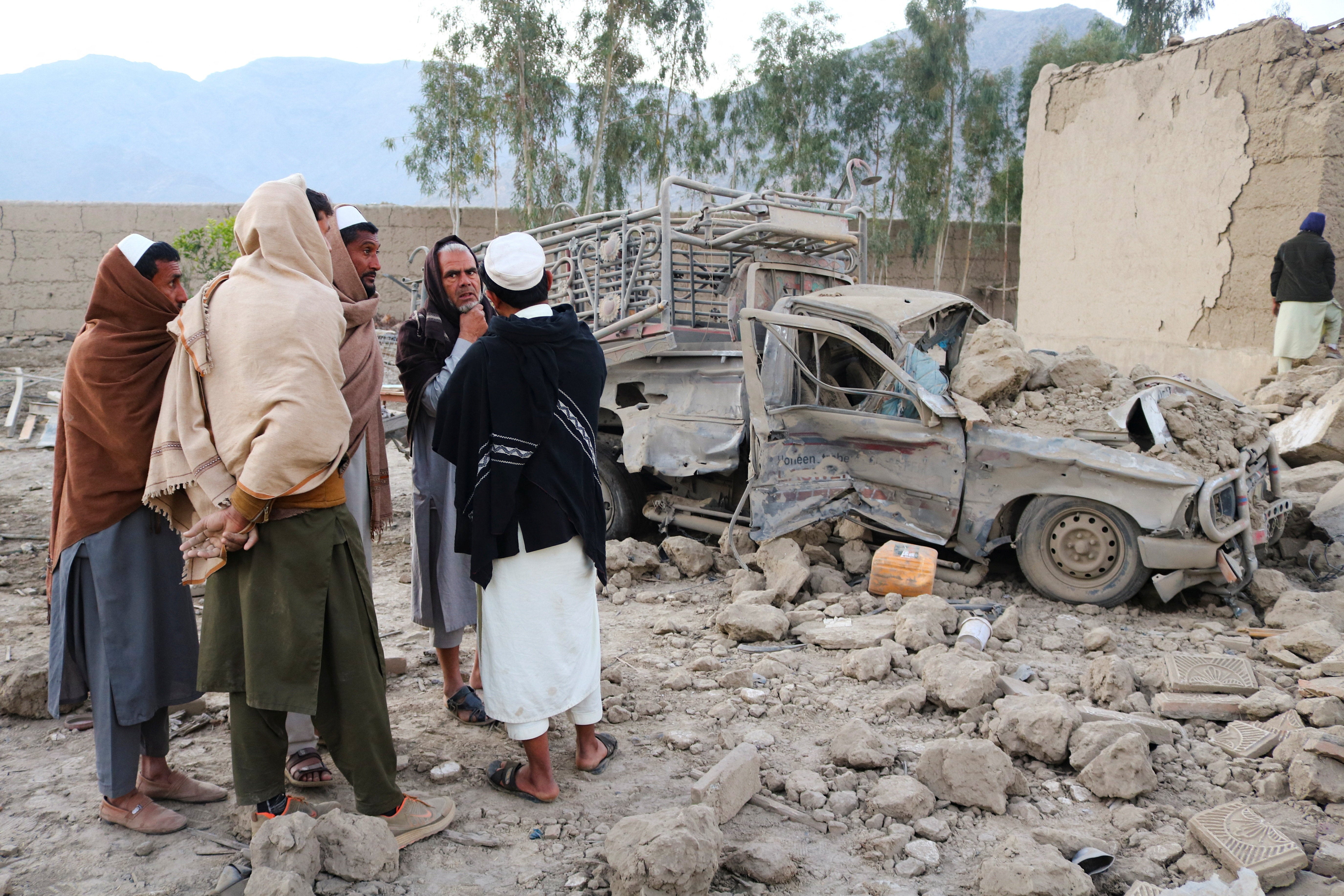
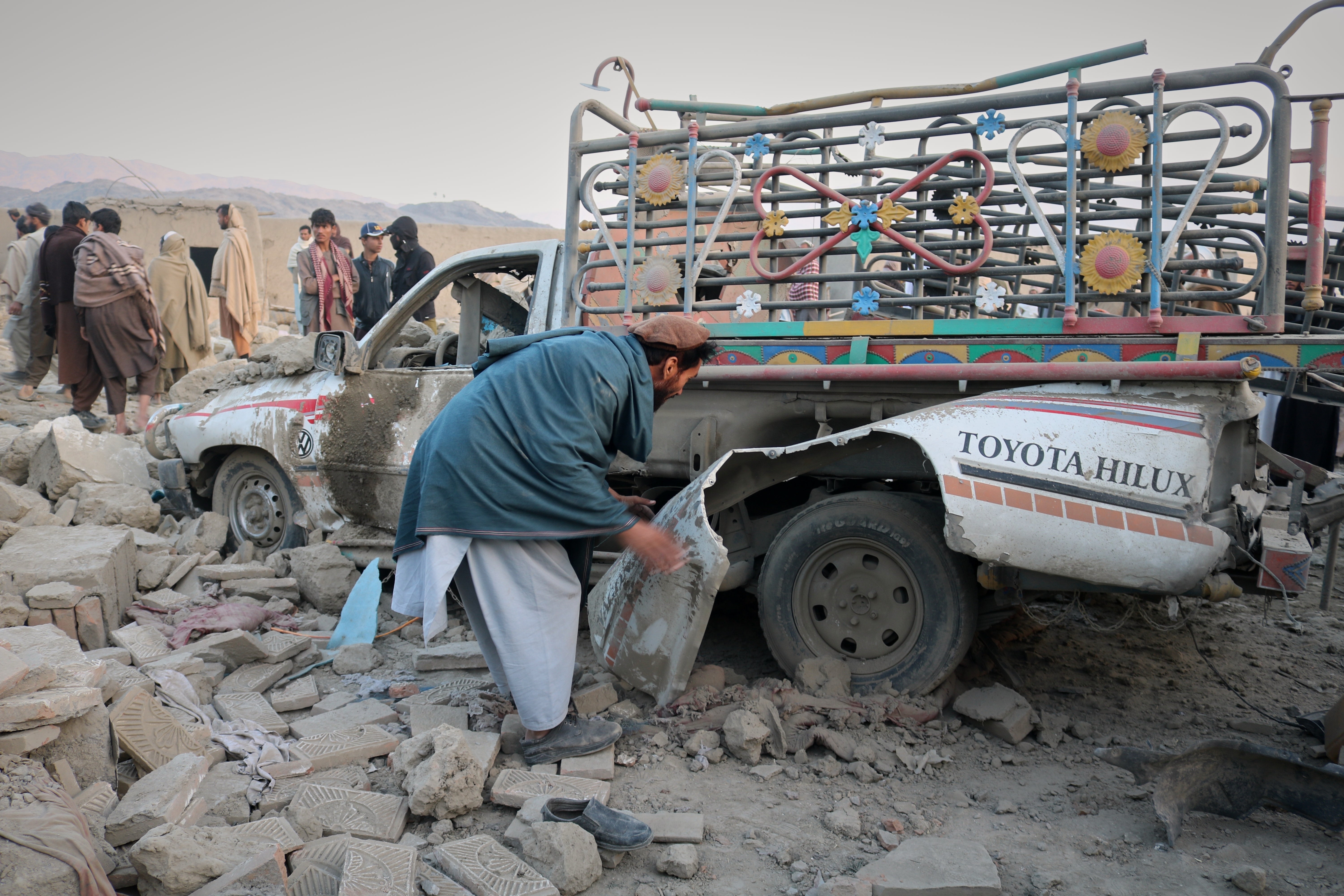
A man inspects a damaged car at the site of a cross-border Pakistani army strike in the Behsud district of Nangarhar province, Afghanistan, Sunday, Feb. 22, 2026. (AP Photo/Hedayat Shah) (AP)
Following the visit, The Hindu reported that Pakistan summoned the Afghan ambassador to express its “strong reservations” regarding the India-Afghanistan joint statement, in which both countries “unequivocally condemned all acts of terrorism emanating from regional countries”.
Advertisement
From the mid-1990s until recent years, India had regarded the Taliban as a proxy for Pakistan’s intelligence services, holding the group and its allies responsible for deadly assaults on Indian diplomatic missions in Afghanistan.
However, following the Taliban’s return to power and amid growing tensions between Kabul and Islamabad, India has pursued a series of diplomatic engagements with the new Afghan leadership, culminating in Mr Muttaqi’s visit.
“Pakistani media has been furious over Muttaqi’s visit to India,” Afghan content creator Pathan Bhai said in a video, according to India Today.
What were the official responses to the clashes?
Advertisement
Afghanistan’s defence ministry denounced the attacks as a blatant violation of its sovereignty and a breach of international law, stating that “an appropriate and measured response will be taken at a suitable time”.
Meanwhile, the foreign ministry said it had summoned Pakistan’s ambassador over what it described as violations of Afghan airspace and the targeting of civilians, labelling the strikes “a provocative act”.
What happens next?
Although TTP’s presence remains a key irritant for Pakistan, analysts believe the recent Pakistan-Afghanistan border clashes are unlikely to escalate into a larger conflict. Afghanistan lacks conventional military strength compared with Pakistan, and both sides appear focused on de-escalation at the moment.
Advertisement
However, the border is expected to stay tense for the foreseeable future, as Pakistan has signalled it will continue taking action against militants it claims are crossing from Afghanistan to target its security forces.
NHS Lanarkshire has been chosen to host one of the pilot centres offering appointment-free healthcare access
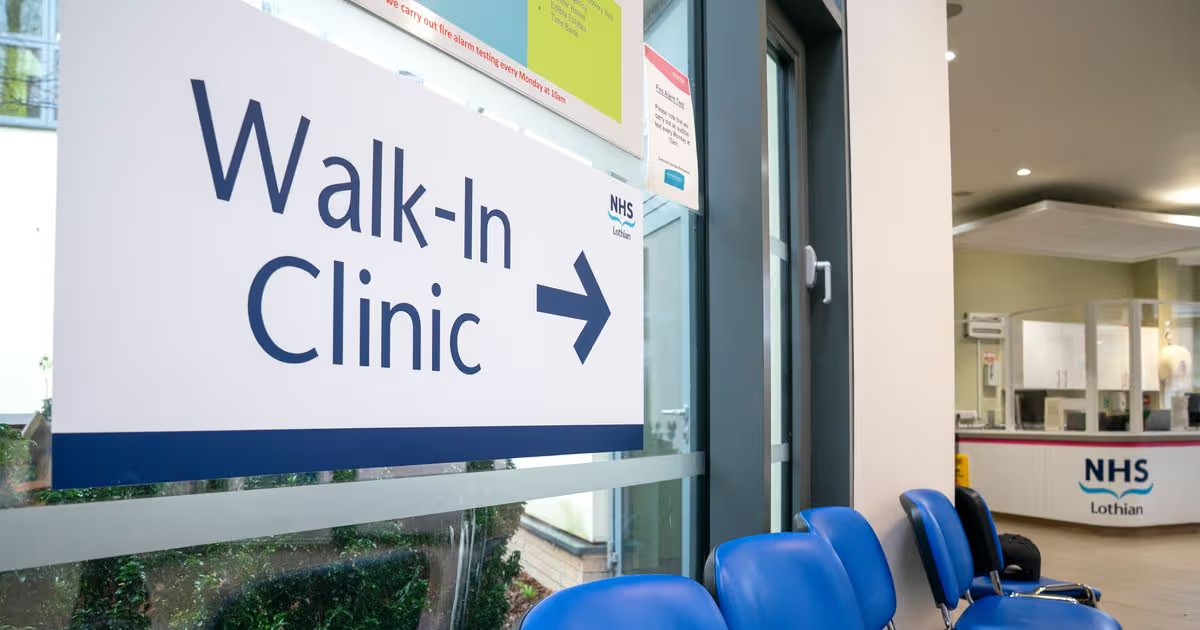
NHS Lanarkshire is to host one of Scotland’s new walk-in GP clinics, with a facility due to open in the Clydesdale locality in 2027.
Advertisement
The Scottish Government has announced 16 locations across the country where patients will be able to attend without appointments on a daily basis, with Clydesdale included in the second phase of the project planned for early next year.
Mairi McAllan, the Clydesdale MSP and Scottish Government minister, called the decision “a total game-changer for local people” and noted that she had already suggested Lanark sites Braidfute Retail Park, Atholl House and the town’s former tourist information centre as potential venues.
Clydesdale is one of three phase-two sites – focused on “premises on the high street or former retail sites” – which Holyrood officials say “will be delivered subject to appropriate clinical governance, premise readiness and workforce arrangements planned for later in 2026-2027”.
NHS Lanarkshire chief executive Louise Long told the Hamilton Advertiser: “We welcome the announcement by the Scottish Government that Lanarkshire has been selected to host one of the new walk-in GP clinics as part of the rollout.
Advertisement
“We continue to liaise with the Scottish Government on the location and operating arrangements of the new walk-in GP clinic and will share further information as soon as these plans are confirmed.”
The location of the walk-in sites across Scotland, intended to offer “GP-led care without an appointment” was announced this week with first minister John Swinney saying: “With centres open 12-8pm, seven days a week, and based in easily accessible locations in our communities across the country, this is part of a package addressing the 8am rush that has frustrated so many of us, easing capacity pressures on family doctors.
“By establishing a series of walk-in clinics we can ensure people are seen by a clinician at a time that works for them. Our programme will help us deliver over one million additional GP and nurse appointments.”
Advertisement
Ms McAllan says the Clydesdale clinic “will allow people to see a GP or nurse quickly without the need for an appointment, focusing on urgent, on-the-day primary care needs”.
She said: “I know what a difference this will make to people in Clydesdale. The clinic will ensure that people can see a GP quicker, without an appointment, and help ease pressures on GP practices and A&E departments.
“I am pleased that the new clinic will offer a seven-day service, open 12-8pm, with no appointment required – just drop in.”
Imogen Walker, the Hamilton & Clyde Valley MP, had told the Sunday Mail following the constituency MSP’s earlier calls to locate a clinic in Clydesdale that the request was “electioneering of the most cynical kind” ahead of May’s Scottish Parliament poll.
The MP highlighted figures indicating that NHS Lanarkshire had the lowest GP headcount per 10,000 patients in Scotland last year, and said: “Any additional healthcare provision in Lanark is welcome, and I support any measure that improves access to care for my constituents.
“However, after almost 19 years with the SNP in power, it is indefensible that patients in Lanark are still facing such serious problems accessing basic GP care. It is hypocritical for a senior Scottish Government minister to promote new projects while basic GP services in her own constituency have been allowed to deteriorate.
“If the Scottish Government has millions for new health care facilities, then let them spend it when it is needed, not just at election time.”
Ms McAllan responded: “While Labour tried to oppose the delivery of this vital new service in Clydesdale, the SNP is getting on with the job of delivering for Scotland.”
Royal College of General Practitioners Scotland chair Dr Chris Provan said following the announcement of the clinic locations: “Walk‑in GP services were piloted in England in the early 2000s [and] most have since closed. Evaluations found little to no reduction in pressure on in‑hours GP practices and highlighted that walk‑in centres were more expensive to run.
“It is unclear how the pilot sites will deliver the Scottish Government’s commitment of one million appointments per year.
Advertisement
“If, as expected, the pilots do not significantly ease pressure on core GP services, any useful learning should certainly be adopted, but the centres should then be closed. Redirecting the £36m investment to core general practice would be more beneficial for patients.”
* Don’t miss the latest headlines from around Lanarkshire. Sign up to our newsletters here.
And did you know Lanarkshire Live is on Facebook? Head on over and give us a like and share!
The male rider of the bike was rushed to hospital in an air ambulance with serious head injuries while the passenger was taken to hospital with leg injuries.
Their current conditions remain unknown at this time.
Advertisement
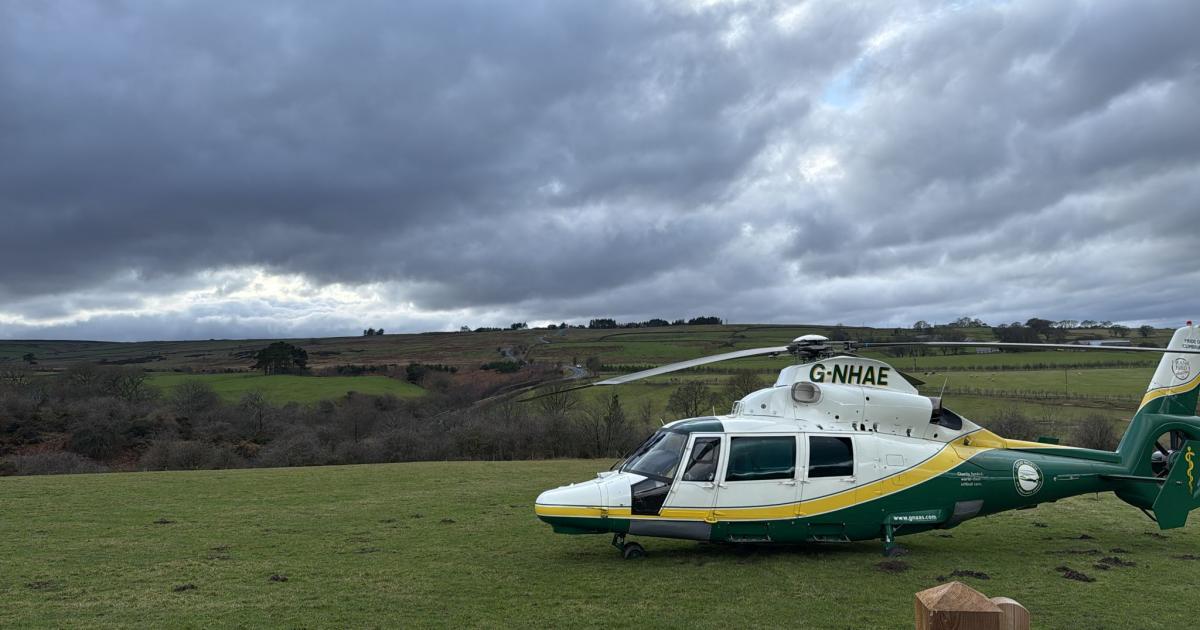
The road was closed for several hours while investigators worked at the scene – with a picture showing the Great North Air Ambulance Service helicopter on a field nearby.
The North East Ambulance Service (GNAAS) confirmed earlier this week that one person had been flown to the Royal Victoria Infirmary in Newcastle and another taken by road to the University Hospital of North Durham.
The male driver of the Volva was unhurt.
Durham Police is now appealing for more information and for anyone with dashcam footage to get in touch.
Advertisement
A GNAAS spokesperson said: “Our critical care team was activated at 2.49pm to reports of a road traffic collision in Healeyfield.
“We had a paramedic and doctor on board our aircraft and they arrived on scene at 3.06pm. Our team worked alongside the North East Ambulance Service to assess and treat a patient.”
A North East Ambulance service spokesperson said: “We were called to reports of a road traffic collision on Healeyfield Lane in Consett at 2.14pm this afternoon (24 February).
“We dispatched two ambulance crews and requested support from our colleagues at Great North Air Ambulance Service.
Advertisement
“One patient was flown to the Royal Victoria Infirmary and a second patient was taken by road to University Hospital North Durham.”
Anyone who witnessed the incident or has dashcam footage is asked to contact the force on 101 quoting incident reference 206 of February 24.
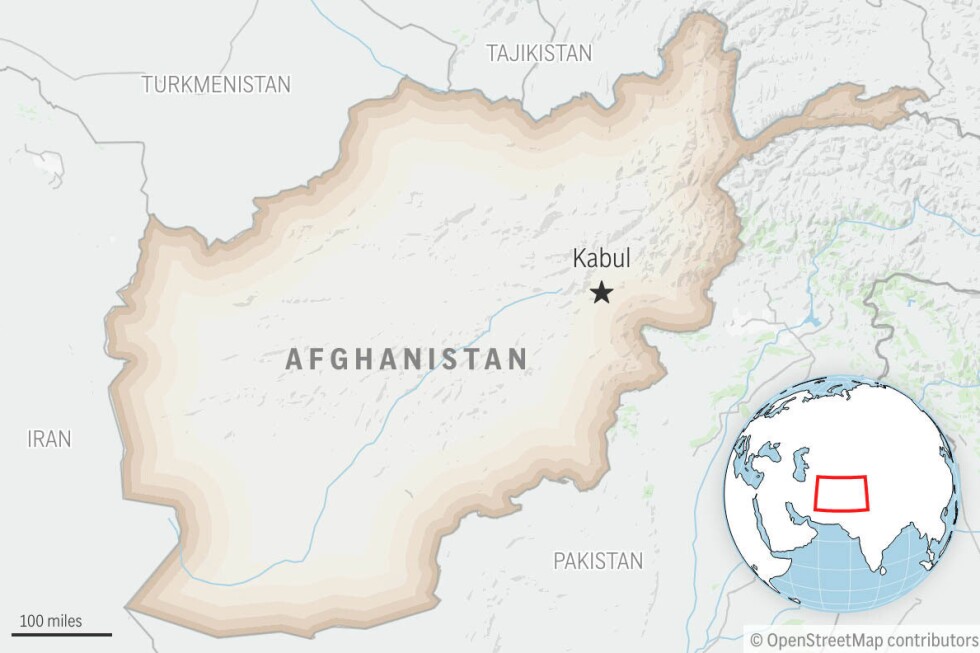
ISLAMABAD (AP) — Pakistan’s defense minister early Friday said that his country had run out of “patience” and now considers itself in an “open war” with neighboring Afghanistan after both sides launched strikes following what Islamabad described as an Afghan cross-border attack.
In a post on X, Defense Minister Khawaja Mohammad Asif said Pakistan had hoped for peace in Afghanistan after the withdrawal of NATO forces and expected the Taliban to focus on the welfare of the Afghan people and regional stability. Instead, he alleged, the Taliban had turned Afghanistan “into a colony of India,” gathered militants from around the world and begun “exporting terrorism.”
“Our patience has now run out. Now it is open war between us,” he said. There has been no reaction from Afghan government officials to Asif’s comments.
Pakistan has frequently accused neighboring India of backing the outlawed Baloch Liberation Army and the Pakistani Taliban, allegations New Delhi denies.
Advertisement
His remarks came hours after Pakistan carried out airstrikes in Afghanistan’s capital, Kabul, as well as in Kandahar in the south and Paktia province in the southeast, according to Pakistani officials and Afghanistan government spokesperson Zabihullah Mujahid. Pakistan says the strikes were in retaliation for Afghan cross-border attacks.
Both governments have issued sharply differing casualty claims and said they inflicted heavy losses on the other. The claims could not be independently verified.
Afghanistan’s Defense Ministry said overnight that 55 Pakistani soldiers had been killed, including some whose bodies were taken into Afghanistan, and that “several others were captured alive.” It said eight Afghan soldiers were killed and 11 wounded. The ministry said it destroyed 19 Pakistani army posts and two bases and that the fighting ended around midnight, about four hours after it began Thursday.
Advertisement
Pakistan’s Information Minister Attaullah Tarar said two Pakistani soldiers were killed and three wounded.
Mosharraf Ali Zaidi, a spokesperson for Pakistan’s Prime Minister Shehbaz Sharif, denied that any Pakistani soldiers had been captured. In a post on X, he said at least 133 Afghan fighters were killed and more than 200 wounded. He also said 27 Afghan posts were destroyed and nine fighters captured. He did not specify where the casualties occurred but said additional losses were estimated in strikes on military targets in Kabul, Paktia and Kandahar.
In Islamabad, two senior security officials said Afghan forces at some border posts had raised white flags, a gesture typically interpreted as a request to halt firing. The officials said Pakistani forces were continuing what they described as a strong retaliatory response to “unprovoked aggression” by the Afghan Taliban and had destroyed several key Taliban posts along the border.
The officials spoke on condition of anonymity because they were not authorized to speak publicly.
Advertisement
Asif also accused the Taliban government of denying Afghans basic human rights, including rights for women that he said are guaranteed under Islam, without providing details or evidence.
He said Pakistan had tried to maintain stability both directly and through friendly countries. “Today, when attempts were made to target Pakistan with aggression, by the grace of God, our armed forces are giving a decisive response,” he said.
Authorities in Pakistan said dozens of Afghan refugees who were waiting to return home from the northwestern Torkham border have been taken back to safer places following the eruption of clashes.
Pakistan launched a sweeping crackdown in Oct. 2023 to expel migrants without documents, urging those in the country to leave of their own accord to avoid arrest and forcible deportation and forcibly expelling others. Iran also began a crackdown on migrants at around the same time.
Advertisement
Since then, millions have streamed across the border into Afghanistan, including people who were born in Pakistan decades ago and had built lives and created businesses there.
Last year alone, 2.9 million people returned to Afghanistan, the U.N. refugee agency has said, with nearly 80,000 having returned so far this year.
___
Afghan reported from Kabul, Afghanistan. Associated Press writers Riaz Khan and Rasool Dawar in Peshawar, Pakistan, Eduardo Castillo in Beijing and Elena Becatoros in Athens, Greece, also contributed to this story.
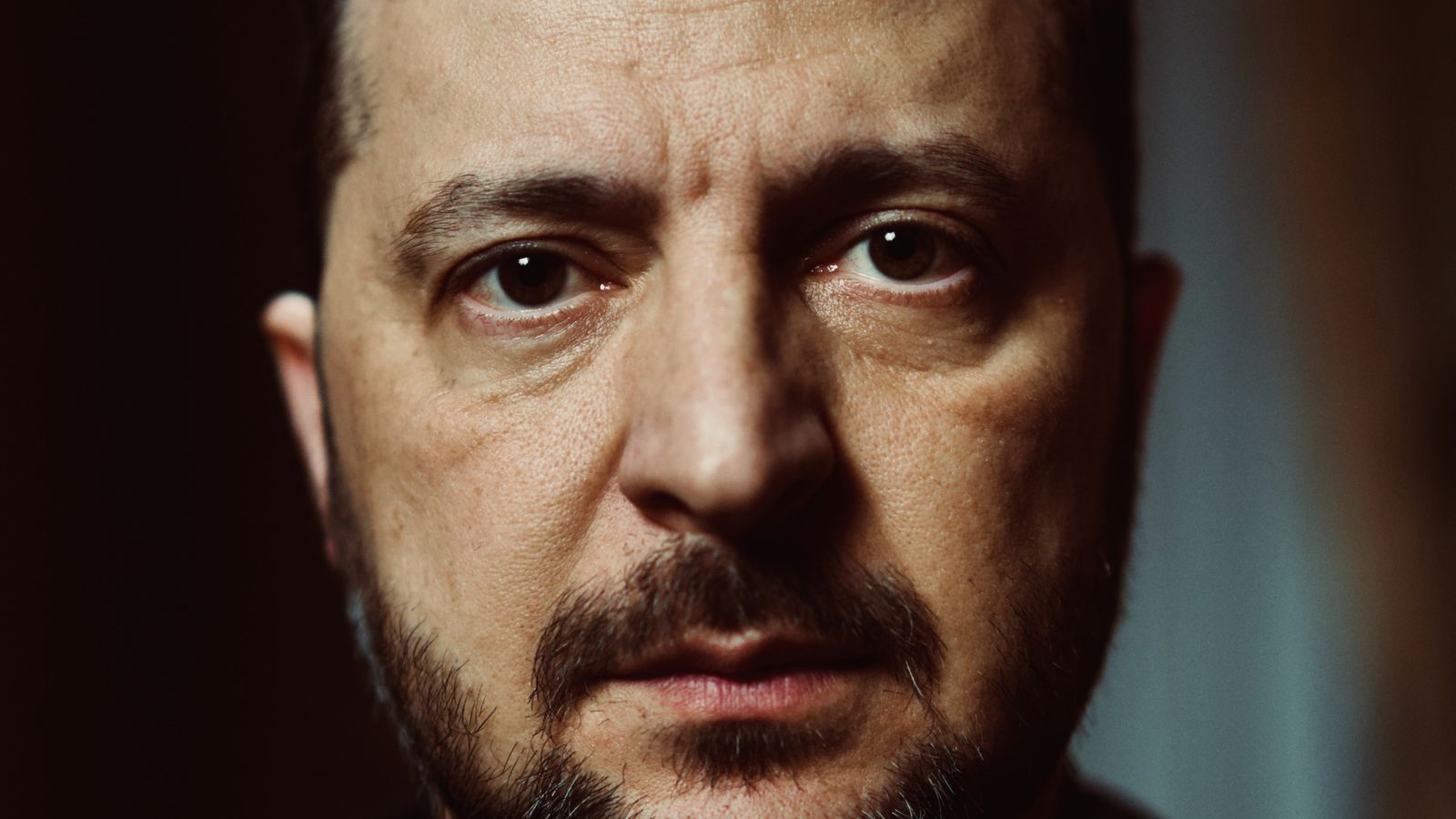
In a wide-ranging interview, President Volodymyr Zelenskyy told Sky News he is ready to meet Vladimir Putin for talks and will do anything to bring about peace.
He said the US has the power to end the war – but must exert greater pressure on Moscow.
“The United States even more stronger than they think about themselves. And I think so really. And they really have pressure on Putin. They can stop this war.”
But he urged the administration in Washington to tighten sanctions against the families of Russia’s leadership and to provide Ukraine with more advanced weapons, arguing that only increased pressure would force Moscow to take negotiations seriously.
Advertisement
Image: Volodymyr Zelenskyy
On the question of how close Ukraine is to reaching peace he says there is a window between now and the American midterm elections in November.
“Now I think that we have a chance. Between us, what I really think about next year… it depends on these months, if we will have a chance to finish the war before autumn. Before elections, important, influential, elections in the United States. If it will be possible to achieve a peace, we will have, now we have this window.”
I spoke to him for an hour at the presidential buildings in Kyiv about what Ukraine needs now – and what must happen for the war to end.
Advertisement
More than four years after Russia launched its botched full-scale invasion, the toll on the country – and on him and his family – is unmistakable.
As we walked through near darkness to the room where the sit-down interview was held, he spoke about the strain of rolling power cuts and entire regions enduring temperatures as low as -40 degrees without reliable heating.
When I asked whether Ukraine could win the war, his answer was equivocal.
“It depends what people mean when they say, to win. And, really it’s very difficult to speak about territories. First of all how to get back all of the land for today, it’s very difficult. And it will be too much losses (of) people lives… But what is good that Russia also can’t do it on the battlefield. So that’s why they’re not winning and we are not losing.”
But on the question of surrendering the fortress cities of Sloviansk and Kramatorsk, he was unequivocal – that would be a red line.
“It’s our territory and it sounds unbelievably strange why we have to withdraw from our land? Why they occupied it, our land and nobody can push them out.”
Advertisement
“If we will withdraw from this territory, like you said, for example, Sloviansk at the very moment, at this very moment, 200,000 people who are there now will be occupied by the Russians, who said to Russia that these people are ready to be Russian people? And if they don’t, they will kill them or push to the front or push to the prison.”
Zelenskyyalso spoke openly about his relationship with Donald Trump, describing it as “not simple” but stressed that Ukraine’s relationship went beyond “personalities”.
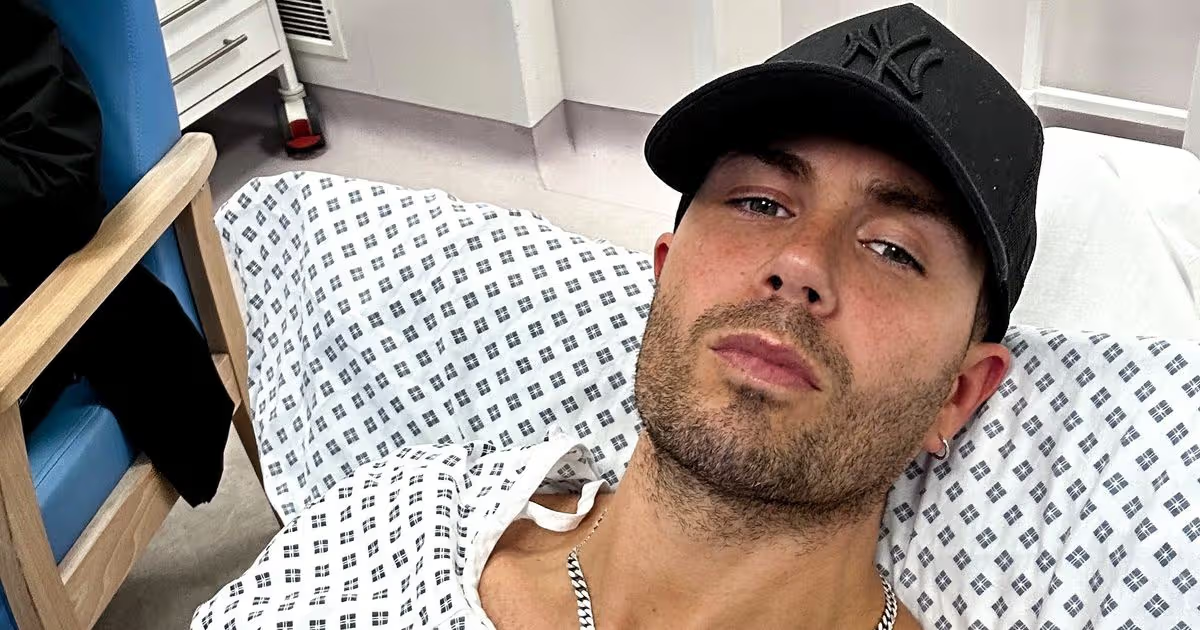
Singer Max George has said his heart condition has been “a blessing in ways”, as he discussed the importance of charity work and raising awareness as part of his recovery. The 37-year-old was admitted to hospital in December 2024 and doctors discovered he had a 2:1 block on his heart and needed urgent surgery because his heart rate was not improving.
George was fitted with a pacemaker that week, which he described as a “shock”, and has since been on the mend – having returned to performing with duo The Wanted 2.0 last year. He is now backing a new campaign by the British Heart Foundation (BHF) to raise awareness of people living with heart conditions.
In an interview with the Press Association, George reflected on how he finds it “really rewarding” to speak to people about his condition. The singer started publicly speaking about his heart problems during his time in hospital almost two years ago, when he documented the experience on Instagram due to “boredom”.
Advertisement
He said: “To interact with people was just something nice to do. But the more I spoke to people, the more I realised that there was a lot of people my age and younger that have had this happen to them. It kind of triggered a thought process that it was important to get the word out there – that (heart problems) don’t just happen to people over 75.
“If I can help them with their story or help bring more money towards treatment for heart conditions, then I’m all for it.”
He added: “In terms of that, this whole thing has been a blessing in ways, because it’s been really rewarding speaking to people, especially people that are younger than me, and helping them feel a little bit better about their case.”
Advertisement
George was diagnosed a heart block which, according to the NHS website, is caused by a problem with the electrical pulses controlling the heartbeat and can be helped by having a pacemaker fitted to keep the heart beating regularly. He said: “It was mad. I knew something was seriously wrong, because I could hardly breathe, and my arms and my chest were blue – and my face.
“It was a shock more than anything. My heart rate was so low at that time, it was at around 24 (beats per minute) and it was like that for about eight days whilst I was in hospital waiting for the operation.
“I couldn’t physically feel anything that was going on, but I was aware of it. There were times where it kind of felt like torture a little bit.”
Advertisement
As part of the BHF campaign, George will speak with people who have heart conditions and they will swap stories about their experiences. He told PA he is “genuinely buzzing” to be part of the campaign, which will see the charity unveil 65 red benches – one for each year it has been established – across the UK in tribute to those living with cardiovascular disease.
Each bench carries the name of a survivor plus a short message about them and what they enjoy. George said: “It feels really cool to be a part of it. “This is an awesome campaign to be supporting, and we’ll just see where it goes.”
Manchester-born George rose to fame in the 2010s with The Wanted alongside bandmates Siva Kaneswaran, Jay McGuiness, Nathan Sykes and Tom Parker – who died in 2022 at the age of 33 after being diagnosed with an inoperable brain tumour. The group, best known for songs including All Time Low, Glad You Came and Chasing The Sun, had two UK number one singles and four UK top 10 albums.
George also appeared in US musical series Glee and competed on Strictly Come Dancing in 2020, where he met former EastEnders star Maisie Smith, who is now his girlfriend.
This picturesque place in North Wales is a hotspot for hikers and bikers, with spectacular waterfalls including Swallow Falls and traditional cosy pubs
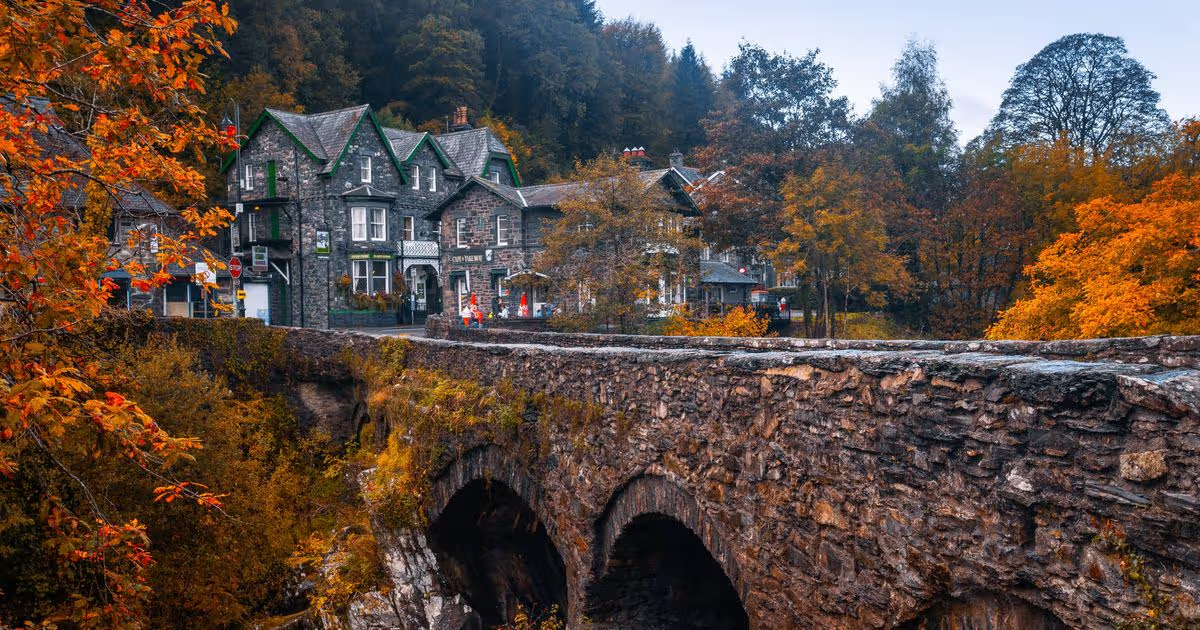
Enveloped by forests, mountains, trails, rivers and cascading waterfalls, this village is a picture-perfect haven in Wales just begging to be discovered.
Advertisement
Betws-y-Coed is recognised by keen hikers and cyclists as a prime location for adventures, and with good cause, as it caters for every kind of outdoor pursuit imaginable.
Combine this with its rich history, evident in its delightful heritage buildings, and the area is teeming with life and tales waiting to be shared.
In Conwy, the village lies within easy reach of the eastern edge of Snowdonia, meaning tourists frequently pass through.
What’s more, the North Wales destination is positioned near the meeting point of both the River Conwy and the River Llugwy, resulting in a wealth of stunning water features in and around the area.
Advertisement
Best holiday cottage deals in Wales
This article contains affiliate links, we will receive a commission on any sales we generate from it. Learn more
Wales is renowned for its stunning mountains, picturesque coastline and rich Celtic history. Sykes cottages have a wide and varied collection of cottages, houses and apartments to rent across the country. Prices start from £35 per night.
Waterfalls
There are three waterfalls close to Betws-y-Coed, and Swallow Falls is the most visited by far. It’s ranked as the top attraction near the village, located roughly two miles away, and for good reason: its multi-tiered waterfall along the river is truly spectacular.
Advertisement
In fact, one recent visitor declared on TripAdvisor it’s the finest waterfall in the whole of Europe. They wrote: “First off, these are the best waterfalls in Europe.
Second, the waterfalls are very beautiful. Third, they have nice rocks. Lastly, this is the thing to see in Betws-y-Coed.”
Unlike many impressive waterfalls, this one doesn’t demand a lengthy and treacherous trek.
Advertisement
The principal viewing point is reached via turnstiles opposite a hotel car park, where admission costs approximately £2 – a fee which goes directly towards preserving the site’s natural splendour.
Another breathtaking waterfall nearby is Fairy Glen, steeped in mythical folklore and legend. It’s frequently described as a “magical” destination in reviews and can be enjoyed from as little as 50p entry fee.
One visitor wrote: “This place is magical. Tucked away, but with good defined paths – it was beautiful. The riverside walk along was equally beautiful with rapids and whirlpools, and then tranquillity. Well maintained, a real treasure.”
Historic railway
The Conwy Valley Railway Museum is a wonderful attraction for railway enthusiasts and those simply seeking an enjoyable family day out, particularly for the popular train ride.
The miniature railway allows guests to meander through the picturesque grounds, spotting miniature villages, tunnels and bridges along the way, with plenty of hidden gems to discover – ideal for keeping youngsters entertained.
Inside, the museum houses an extensive collection of vintage railway memorabilia, giving visitors the opportunity to browse old tickets, timetables, equipment and workers’ uniforms. Together, these exhibits paint a vivid portrait of the ‘golden age’ of rail travel throughout the UK.
One delighted visitor said: “Amazing experience, fairly priced, staff were amazing and helpful, best for families with young children. The train ride lasted about 8 minutes but was perfect for young children.”
Pubs
At the heart of the village, visitors are spoilt for choice when it comes to dining, with everything from cafés to fish and chips, a pizzeria and highly-rated restaurants, but it’s the traditional pubs that truly stand out.
A well-loved fixture in the area is the striking stable pub and bar, Y Stablau, boasting an abundance of outdoor seating ideal for the summer months and a consistently vibrant atmosphere. A guest noted: “Good selection of food on the menu with large portions.
“The outside seating area is beautiful with a lovely atmosphere. It was very busy when we arrived, but don’t let that put you off. There were lots of staff on hand to help, and they were very friendly. You won’t be disappointed.”
Advertisement
For a somewhat more traditional ambience, Ty Gwyn Hotel Restaurant serves not only as a retreat for tourists in the area but also as a cosy dining destination, offering wholesome, satisfying meals. Similarly, there’s the Royal Oak Hotel and Pont Y Pair Inn, which sit alongside the village’s famously picturesque bridge.
Built around 1500, the bridge was originally designed for packhorses to enable people to cross the river, and remains a prominent landmark in the village to this day.
It’s a stunning sight, framed by large rocks as the river rushes beneath it at considerable speed, and diners can soak up the view from the pub and hotel.
Ensure our latest headlines always appear at the top of your Google Search by making us a Preferred Source.Click here to activate or add us as your Preferred Source in your Google search settings.
“After using whitening toothpaste over the years and them not working I am extremely impressed by these strips”
Eleanor Fleming and Laura McKenna Audience Writer
06:00, 27 Feb 2026
This article contains affiliate links, we will receive a commission on any sales we generate from it. Learn more
Everyday staples such as tea, coffee and red wine are amongst the most frequent culprits behind tooth discolouration, as they can diminish the natural radiance of a smile over time. Increasingly, people are looking for gentle, home-based teeth whitening solutions that integrate seamlessly into their daily routines without the sensitivity sometimes associated with conventional bleaching methods.
Modern day whitening products are advanced enough to offer gradual stain elimination rather than aggressive chemical lightening, placing priority on enamel protection and convenience. One such product is from MySweetSmile, whose approach reportedly focuses on merging cosmetic outcomes with formulations designed to be appropriate for routine application.
Advertisement
Currently, the MySweetSmile Teeth Whitening Stripsare priced at £19.99 on Amazon, with over 300 purchased in the past month. The whitening strips are formulated to address surface stains resulting from everyday habits whilst being appropriate for sensitive teeth.
They feature an enamel-safe composition that excludes peroxide-based bleaching, instead concentrating on a more progressive brightening effect that corresponds with regular use. Designed to fit into a typical morning routine, the strips require only a brief application period and are intended to work without complex preparation or extended wear.
The design aims to provide a handy solution for those seeking to brighten their smile without disrupting daily routines. Each pack includes 21 individual treatments, sufficient for three full cycles and, as per the website, they should be used once daily for seven days to achieve optimal results, reports the Mirror.
The Teeth Whitening Strips are available from MySweetSmile
The strips are proving popular during the festive season
Also available on Amazon is the MySweetSmile Teeth Whitening Powder,reduced to £19.99 from £24.99. This product comes in two flavours, mint and strawberry, and is designed to combat everyday staining, as its formula assists in removing discolouration caused by coffee, tea, wine, smoking and natural ageing.
Advertisement
According to Amazon, the straightforward dip and brush routine takes just a few minutes and is peroxide-free, safe for enamel and suitable for older teeth as well as dental work such as crowns, veneers and bonding. If these aren’t the products for everyone, Smile Therapy offers its Advanced Teeth Whitening and Cleaning Strips (14 Treatments) for £17.99, reduced from £39.99 on their website.
When applied to teeth, each strip is said to release the active ingredients of the whitening formula into the tooth’s structure to help remove surface stains. Boots offers another option with the Rapid White 5 Minute Dissolving Tooth Whitening Strips priced at £25.
Claimed to be clinically proven to brighten teeth by up to five shades in four days, or three shades in a single use, these strips are ultra-thin, flexible and include an accelerator along with an instant whitening toothpaste. TheMySweetSmile products have achieved a respectable 3.9 out of 5 stars rating on Amazon.
Advertisement
One customer commented: “Used these for 7 days now and noticed quite a difference. Have ordered my second box.”
Another added as part of a more detailed review: “Took a chance on this because of the reviews on different sites/social media. Glad I did as it worked. Okay, I don’t have sparking bright white teeth (yet), but they are around 5-6 shades lighter after 7 days.
“I understand how long it takes to work and how much can vary from person to person, so I was very surprised and pleased I noticed a slight change from the first time I used it. After using whitening toothpaste over the years and them not working I am extremely impressed by these strips. They are not overly cheap, but I wouldn’t say they were really expensive, but as they worked they are worth the money.”
Some buyers deducted a star, noting: “After using a few weeks, it seems to help remove stains from teeth. Easy to use but need to keep it for at least 25 mins which is quite long. Also, after removing it, there is a very sticky residue left on teeth when needs a bit of effort to remove it. Doesn’t taste bad either.”
Another individual commented: “Really clear instructions and comfortable to use. Didn’t really have high expectations and have only had for two days but I’m sure I am already seeing a difference.”
On the whole, most people were satisfied: “They’re super easy to use. enamel-safe and don’t cause any sensitivity at all. I’ve tried sooo many whitening products before, but these are on another level.
“Within a few days, I noticed a significant difference – my teeth are visibly whiter and brighter! Plus, they fit comfortably and don’t slip around. Trust me, try them and you won’t be disappointed!”.