Longtime Slashdot reader ArchieBunker shares a report from NBC News: NASA revealed that astronaut Mike Fincke was the crew member who suffered a medical incident at the International Space Station in January, which prompted the agency to carry out the first evacuation due to a medical issue in the space station’s 25-year history. The rare decision to cut a mission short and bring Fincke and three other crew members home early made for a dramatic week in space early this year.
In a statement released by NASA “at the request of Fincke,” the veteran astronaut said he experienced a medical event on Jan. 7 “that required immediate attention” from his space station crew members. “Thanks to their quick response and the guidance of our NASA flight surgeons, my status quickly stabilized,” Fincke, 58, said in the statement. […] In his statement, Fincke thanked his Crew-11 colleagues, along with NASA astronaut Chris Williams and Russian cosmonauts Sergey Kud-Sverchkov and Sergei Mikaev, who were also aboard the space station at the time and are still in space. Fincke also thanked the teams at NASA, SpaceX and the medical professionals at Scripps Memorial Hospital La Jolla. “Their professionalism and dedication ensured a positive outcome,” he said.
Fincke ended his statement by saying he is “doing very well” and still actively involved with standard post-flight reconditioning at NASA’s Johnson Space Center in Houston. “Spaceflight is an incredible privilege, and sometimes it reminds us just how human we are,” he said. “Thank you for all your support.”
It’s a busy week for TV fans, with new seasons of some popular shows premiering on the world’s best streaming services. From addictive period romance and staggering Monsterverse action, to a hit political thriller and long-dormant medical comedy, there’s something for nearly every taste.
As for new movies, there’s an action-adventure swashbuckler that ticks every Friday night box, including iconic stars, non-stop explosive pacing, and plenty of high-stakes thrills. Get ready to bid farewell to February with our pick of the week’s best new releases. – Amelia Schwanke, senior entertainment editor
Bridgerton season 4 part 2 (Netflix)
Bridgerton Season 4 | Part 2 Official Trailer | Netflix – YouTube
The second half of Bridgerton season 4 — read my Bridgerton season 4 part 2 ending explainer once you’ve watched it — thankfully course corrects Sophie’s (Yerin Ha) life for the better. Benedict (Luke Thompson) finally puts his big boy boots on and throws caution to the wind, fighting for the love that society doesn’t want him to have.
Advertisement
As with volume 1 of the Netflix show’s latest season, I think Violet (Ruth Gemmell) has the most interesting storyline, but watch out for Francesca (Hannah Dodd). You’ll be swooning for Benophie, but Francesca’s journey in season 4 part 2 will rip your heart out. If you’ve read the books, you’ll know exactly what I’m talking about. — Jasmine Valentine, entertainment reporter
Paradise season 2 (Hulu/Disney+)
Paradise Season 2 | Official Trailer | Hulu – YouTube
I’ve already stated my belief that Paradise season 2 is the best show of 2026 so far, but I’ll happily remind you why here. This time, Xavier (Sterling K. Brown) leaves the bunker behind to try and find estranged wife Teri (Enuka Okuma), and we meet medical school dropout-turned-Graceland tour guide Annie (Shailene Woodley), who has to hide out in the King’s mansion for the three years after the Doomsday event.
Frankly, it’s widening the outside world that really makes this series pop. Woodley is heart-breaking while wearing her heart on her sleeve, changing our understanding of the doomsday impact in the blink of an eye. Don’t rule out Sinatra (Julianne Nicholson), though… I wouldn’t trust her as far as I could throw her. — JV
The Bluff (Prime Video)
The Bluff – Official Trailer | Prime Video – YouTube
Priyanka Chopra and Karl Urban lead the cast of this new Amazon movie, which was also produced by Marvelgiants Joe and Anthony Russo. Despite the huge names attached, though, The Bluff hasn’t received glowing reviews, with critics awarding it 68% on Rotten Tomatoes.
Sign up for breaking news, reviews, opinion, top tech deals, and more.
It does have all the ingredients for a decent swashbuckler, though. In it, we follow a former pirate who must protect her family when her past catches up to her. It’s also set in the 19th century, and there’s some excellent costumes, naturally, so it may be worth setting sail towards Prime Video this weekend to get your action fix if this ticks all the right boxes. — Lucy Buglass, senior entertainment reporter
Scrubs revival (Hulu/Disney+)
Scrubs Revival | Official Trailer | ABC & Hulu – YouTube
Almost 25 years before The Pitt became a tour de force, another medical comedy-drama in Scrubs was appointment viewing on ABC (US), Channel 4 (UK), and other TV networks globally.
Well, it’s time for millennials to cry “Eeeaaaaggle!” again and return to Sacred Heart, because the beloved dramady has been resuscitated for the streaming era. Hopefully, Scrubs‘ 10th season picks up sometime after season 8 and won’t prescribe its incredibly forgettable follow-up as required viewing…
Anyway, the Scrubs revival’s two-episode premiere is out now on ABC and Hulu stateside, and Disney+ everywhere else. Give me reams more sass from Doctor Cox and the Janitor, J.D. and Turk being the best bromance on TV, and plenty of laughs and heart-breaking moments, and I won’t be calling for Scrubs to be taken off life support again. — Tom Power, senior entertainment reporter
Advertisement
DTF St. Louis (HBO Max)
DTF St. Louis | Official Trailer | HBO Max – YouTube
DTF St. Louis is a new HBO Max series that features quite the ensemble. David Harbour, Jason Bateman, Linda Cardellini, Joy Sunday, and Richard Jenkins all star in this seven-part dark comedy with a very intriguing plot.
Indeed, it centers around a complicated love triangle between three adults all experiencing “middle-age malaise”, which leads to one of them ending up dead. It’s not quite how any of them expected all that to go and the resulting downward spiral is inevitable. Who knew a casual hook up app could be so deadly?
Advertisement
New episodes will be released weekly, so that’s my Friday nights sorted for the foreseeable future. — LB
Monarch: Legacy of Monsters season 2 (Apple TV)
Monarch: Legacy of Monsters — Season 2 Official Trailer | Apple TV – YouTube
Ready for more Titan on Titan action in Legendary’s Monsterverse? You’re in luck. Season 2 of interquel show Monarch: Legacy of Monsters has debuted on Apple TV — and, judging by its official trailer, it’ll have less of the laborious human drama and more big thing-fighting-big thing action spectacle this time around.
Start those engines, because it’s time to head back into the Formula 1 paddock for eight more episodes of behind-the-scenes action. Formula 1: Drive to Survive season 8 has raced onto Netflix and it revisits the biggest moments from the 2025 Formula One World Championship.
The title fight went down to the wire between Lando Norris, Max Verstappen, and Oscar Piastri, with the trio neck-and-neck heading into the 24th and final Grand Prix, making it one of the closest finishes in more than a decade. No spoilers for anyone who didn’t hear who won, but what I will say is season 8 also spotlights the four rookies who made their debut, Christian Horner’s Red Bull exit, and plenty of other pivotal moments from the season.
Advertisement
With the 2026 championship around the corner, the new season sets the stage perfectly for the battles to come. — AS
FiiO’s product pipeline has been relentless. Over the past two years, the company has introduced a few dozen new models spanning portable DACs, Bluetooth amplifiers, IEMs, headphones, desktop gear, and now increasingly innovative home audio components. Some have been clear hits. Others have felt like experiments in a very crowded field. That is the reality when a brand moves this fast.
The $199 FiiO BTR17, launched in late 2024 as a portable Bluetooth DAC and headphone amplifier, arrived during the early phase of this surge. At the time, it drew rave reviews and strong word of mouth. Now in 2026, it is no longer the newest device in the lineup, but it may be one of the most durable and worthwhile.
Behind the scenes, it is clear that FiiO has no intention of slowing down. What we have seen offline suggests that 2026 and 2027 will bring even more ambitious desktop and home audio components that push the brand further upmarket. Against that backdrop, the BTR17 stands out as one of the earlier releases from this cycle and possibly one of the most complete.
In a market overflowing with portable DAC and amplifier options between $99 and $299, the question is simple. Is the BTR17 still relevant in 2026, and was it quietly one of FiiO’s best moves during this recent run?
Advertisement
Specifications & Technology
Let’s start where it actually matters with the BTR17: the DAC and the amplification stage.
Digital to analogue conversion is handled by a pair of ESS Sabre ES9069Q chips. On paper, they are serious performers, rated at up to 130 dB dynamic range with THD plus noise hovering around -120 dB, all while keeping power consumption in check. These are not entry level DACs thrown in to hit a price point. They are modern, efficient, and more than capable of resolving fine detail without adding grit or glare of their own.
On the amplification side, FiiO opted for the THX AAA 78+ platform. The design uses eight op-amps in a parallel configuration and can deliver up to 650 mW from the balanced 4.4 mm output into 32 ohm headphones. There is an important caveat. That full output is only available in wired Desktop mode. In portable use, maximum output drops to 300 mW, which is still respectable but not the headline number.
Power delivery inside the BTR17 is not an afterthought. The internal supply is divided into three distinct stages to keep things stable and controlled:
Advertisement
Stage 1: Filtering and overvoltage protection
Stage 2: DC to DC boost conversion
Stage 3: High precision LDO voltage stabilization
Critical sections such as the DAC chips and the amplifier each receive power from dedicated rails, a design choice intended to reduce interference and improve overall performance. Whether that translates into audible benefits is something we will dig into in the listening section.
A quick word on Desktop mode, because it is one of the BTR17’s more practical features. Flip the switch and connect power to the dedicated USB C “power in” port, and the unit runs from an external supply instead of its internal battery. That means you can use it at a desk all day without cycling the battery. For anyone planning to use this as a compact home DAC and amp, that is not a small detail.
There are two additional operating modes: BT and PHONE.
Advertisement. Scroll to continue reading.
BT mode is exactly what it sounds like. It is engaged when using the BTR17 wirelessly. The unit runs Bluetooth 5.4 via Qualcomm’s QCC5181 platform, with support for transmission rates up to 2100 kbps, along with LDAC and aptX Lossless. In practical terms, that puts it at the front of the pack for high resolution wireless audio support at this price.
PHONE mode is more about power management. In this setting, the BTR17 shares the load with the connected source device rather than drawing heavily from it. The idea is to reduce battery drain on your phone or tablet during wired use. It is a thoughtful inclusion for anyone who has watched their phone battery nosedive during a long listening session.
Back to the hardware.
FiiO fitted the BTR17 with an XMOS XU316 USB processor, which is not bargain bin silicon. It offers low latency, stable data transmission, and support for 32-bit/768kHz PCM and native DSD512. Even with the built in parametric EQ engaged, it can handle up to 192 kHz. In short, there is more than enough headroom here for any real world use case.
Speaking of EQ, you get a full 10 band parametric setup to fine tune the sound. That means proper control over frequency, gain, and EQ, not just a handful of preset tone tweaks. Profiles can be saved, imported, exported, and shared through the FiiO Control app, so if you have a dialed in curve for a specific IEM or headphone, you can pass it along instead of trying to describe it over text like a lunatic.
Advertisement
The FiiO Control app also handles core settings and firmware updates. Most adjustments can be made directly on the device, but the app makes deeper configuration easier and keeps the unit current with software refinements.
As for battery life, FiiO rates the BTR17 at roughly eight hours using the 4.4 mm balanced output. In practice, that figure held up during continuous use with LDAC over Bluetooth. For a compact all in one DAC and amplifier at $199, that is a solid, realistic result rather than marketing fantasy.
Design & Build Quality
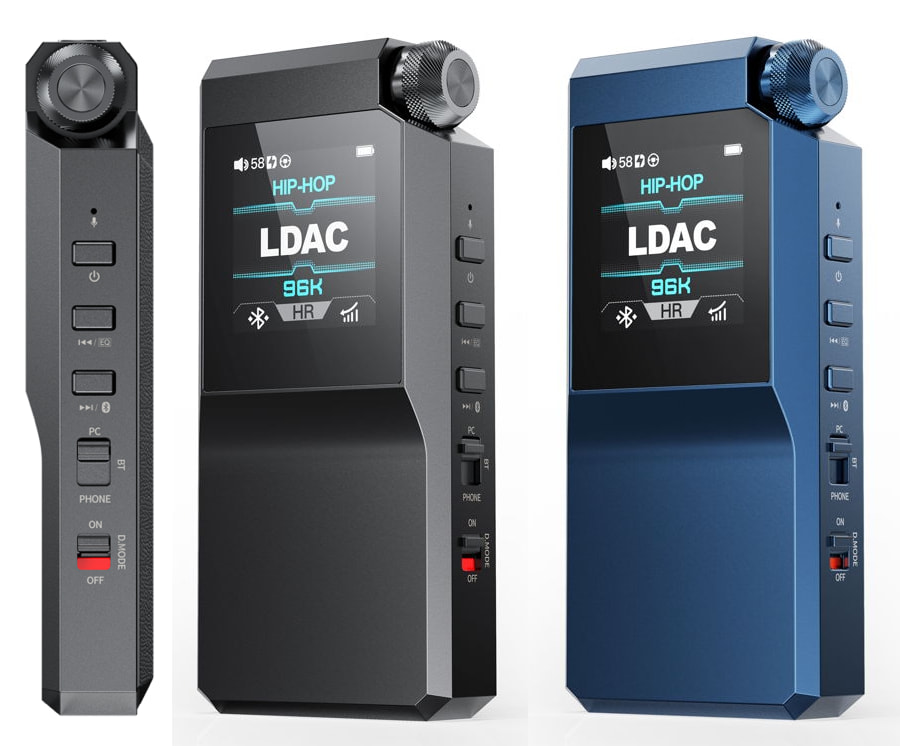
The centerpiece of the BTR17’s design is its display. The 1.3 inch IPS screen, with a 240 x 240 resolution, is bright enough for outdoor use and delivers surprisingly vibrant color for a device this small. Key information is always front and center, including volume level, active Bluetooth codec, and sampling rate. Each codec is color coded, which makes it easy to see at a glance what you are actually streaming.
FiiO makes a point of highlighting the tactile, stepped volume knob. In practice, it is serviceable but not exactly luxurious. The rotation feels a bit light, and the integrated push button comes across slightly hollow and sticky when pressed. It works, but I have handled more refined implementations on competing devices.
The back panel is wrapped in raw leather, which adds some welcome texture and grip. The main chassis is aluminum alloy, something that still is not guaranteed in the sub $200 category. The overall construction feels solid even if the control hardware is not class leading.
Advertisement
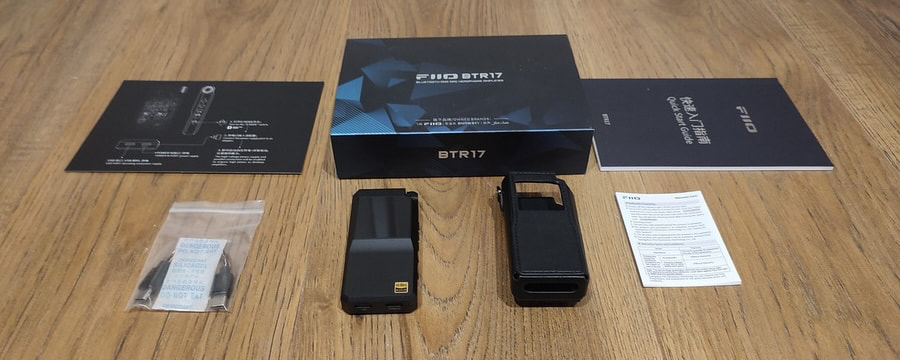
In the box, FiiO includes the usual documentation, a well made leatherette case, and an eight stranded USB C to C cable that looks and feels more premium than expected at this price.
Physically, the BTR17 measures 16.3 mm x 41.2 mm x 86.6 mm, which translates to roughly 0.64 x 1.62 x 3.41 inches. It weighs about 73.4 grams, or approximately 2.6 ounces. In daily use, it is compact and light enough to disappear into a pocket. Our review sample was black, but it is also available in a striking blue finish.
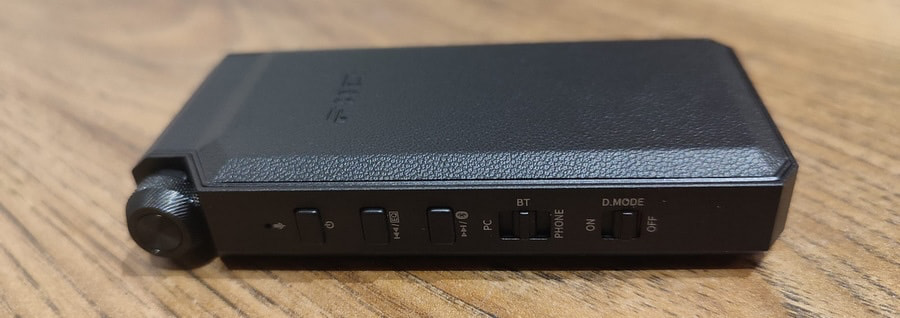
On the right side of the chassis you will find the physical controls. Just below the volume knob sits the power button. Beneath that are the forward and backward track buttons, which also double as EQ preset selectors. Further down are the switches for power mode selection and Desktop mode activation.
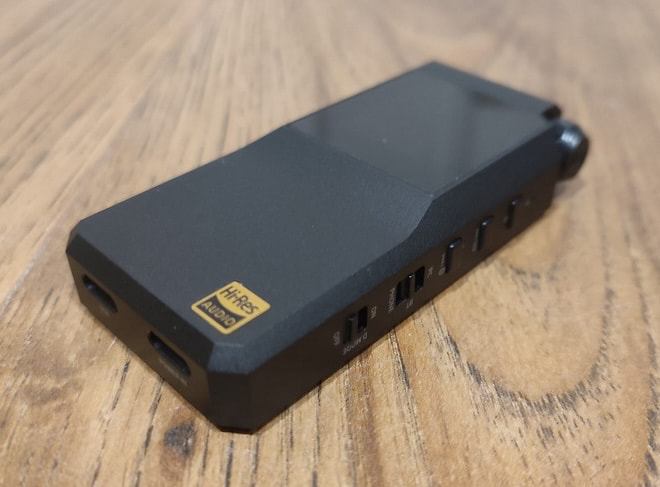
Along the bottom edge are two USB-C ports. One handles data transfer and charging, while the second is dedicated to external power input when using Desktop mode. Up top are the headphone outputs: a standard 3.5 mm single ended jack and a 4.4 mm balanced Pentaconn connection.
Advertisement
Advertisement. Scroll to continue reading.
Listening & Headphone Synergy
With output figures that edge toward a full watt in Desktop mode, the BTR17 has more than enough muscle for the vast majority of full size over ear headphones. Even in portable mode, there is sufficient headroom for anyone who listens at spirited levels.
At that point, the conversation shifts. Raw power is only part of the equation. The real question is how clean, controlled, and refined that power sounds. Quality of amplification matters just as much as quantity, and in many cases more.
It is also worth saying that using a Bluetooth DAC and amplifier in general feels liberating. Being able to move around freely without being anchored to a desk changes the experience in a very real way. That freedom alone makes listening more enjoyable, and it gives the BTR17 an advantage that is not captured on a spec sheet.
The first thing I noticed after plugging the HiFiMAN HE1000 Unveiled into the BTR17 was a subtle but clear sense of added weight down low, even with no EQ engaged. I do not believe the unit is altering frequency response in any dramatic way, but there is a perceptible increase in bass impact and authority compared to some other solid state DAC and amp combinations.
Advertisement
On “Why So Serious?” by Hans Zimmer and James Newton Howard, the subterranean swell that creeps in around the three and a half minute mark had more physical presence and drive than I heard from the FiiO JM21 DAP I reviewed recently. The BTR17 gives that moment extra grunt, which makes the track feel more visceral without tipping into exaggeration.
That translates into a slightly warm overall character, but not one that sounds bloated or soft. The midrange remains articulate and clean, and there is a mild lift in the upper mids that enhances perceived detail. Dynamics are lively across the spectrum, with good separation and fine note clarity. Treble extension is intact with no obvious roll off, though it stops short of the most ethereal or shimmering presentation I have heard. Even so, the delicate triangle hits in L’Impératrice’s “La Lune” came through clearly and without any significant loss of detail.
I have often felt that the HE1000 Unveiled can use a touch more foundation in the bass. The BTR17 does not transform it into a reference caliber headphone in that range, but it does add just enough authority down low to counterbalance the headphone’s inherent treble energy. The pairing felt cohesive and well judged rather than artificially thickened.
Listening was split between wired Desktop mode and wireless operation over LDAC from my phone. Despite the lower maximum output and reduced sampling rate in Bluetooth mode, I was genuinely hard pressed to identify meaningful sonic differences between the two in casual and focused listening. That should reassure anyone planning to use this primarily as a wireless solution.
That said, perspective matters. Moving over to a dedicated desktop chain like the SMSL DO400 paired with the Aune S17 Pro immediately delivered greater soundstage width, more defined layering, and a higher level of micro detail. The BTR17 gets impressively close for a compact all in one device, but a serious desktop stack still has the edge in outright scale and refinement.
The Bottom Line
The FiiO BTR17 gets the fundamentals right.
It delivers clean, controlled power with a slightly warm tilt that adds welcome body without sacrificing clarity. The dual ESS DAC implementation, THX AAA amplification, XMOS USB stage, and full 10 band parametric EQ are not filler features. They translate into real flexibility and performance that push this well beyond basic Bluetooth dongle territory. In Desktop mode, it has enough output to handle demanding full size headphones. In wireless mode over LDAC or aptX Lossless, it retains far more composure and resolution than most portable solutions in this price bracket.
Advertisement. Scroll to continue reading.
Advertisement
What it does not do is replace a serious desktop stack. You will still get greater scale, layering, and ultimate refinement from a dedicated DAC and amplifier chain. The volume control hardware is also merely adequate rather than premium. If you are chasing the last word in micro detail or build finesse, this is not that device.
What makes the BTR17 compelling in 2026 is the combination of genuine audiophile architecture, robust codec support, proper EQ control, and real world usability in a device that fits in your pocket. It is as comfortable on a desk in Desktop mode as it is clipped to a jacket streaming from your phone.
Who should consider it? Anyone who wants near desktop performance without being chained to a desk and headphone enthusiasts with multiple pairs of headphones and IEMs to drive; and that includes commuters and business travellers who have not ventured down the wireless earbud or headphone rabbit hole.
In a cycle where FiiO has released dozens of products, the BTR17 stands out as one of the more complete and mature executions. Not perfect. Not revolutionary. But very, very well executed for $199.
Advertisement
Pros:
Powerful for the size – Up to 650 mW balanced in Desktop mode with enough headroom for most full size headphones, including higher impedance models.
Excellent wireless support – Bluetooth 5.4 with LDAC and aptX Lossless delivers near wired performance in real world use.
High end internal architecture – Dual ESS ES9069Q DACs, THX AAA 78+ amplification, and XMOS XU316 USB stage at $199 is strong value.
Full 10 band parametric EQ – Deep tuning capability with profile import and export via the FiiO Control app.
Flexible use cases – Desktop mode, PHONE mode power management, balanced and single ended outputs, compact and genuinely portable.
Cons:
Not a true desktop replacement – Dedicated DAC and amplifier stacks still outperform it in staging, layering, and ultimate refinement.
Volume knob feels average – Tactile response and integrated button lack a premium feel.
Power drops in portable mode – Maximum output is reduced outside Desktop mode.
Treble is clean but not exceptional – Extended and articulate, though not the most airy presentation.
Feature density may overwhelm casual users – Extensive settings and modes require some learning curve.
Google just launched Nano Banana 2, and this model produces professional-grade photos at warp speed while still providing the kind of control you’d only get from premium models in the past. Powered by the Gemini 3.1 Flash architecture, it replaces the previous Nano Banana on all main platforms. Users now have access to significantly more detail, richer textures, and brilliant lighting in every photo. You may create photographs ranging from ultra low-resolution to 4K, and you have complete control over how they appear, whether you want a square portrait or a vast, theatrical scene.
One of the most noteworthy features is the generator’s speed, which allows you to experiment with different ideas without having to wait. Edits appear quickly, whether you’re adjusting the lighting, composition, or a single element. This makes it ideal for rapid experimentation, whether you’re working on a single concept or testing out a variety of images.
Google Pixel 10a is a durable, everyday phone with more[1]; snap brilliant photography on a simple, powerful camera, get 30+ hours out of a full…
Unlocked Android phone gives you the flexibility to change carriers and choose your own data plan; it works with Google Fi, Verizon, T-Mobile, AT&T…
Pixel 10a is sleek and durable, with a super smooth finish, scratch-resistant Corning Gorilla Glass 7i display, and IP68 water and dust protection[4]
It’s not only about speed; the control is far more precise than ever before. Complex directions are accurately picked up; you may even request tiny nuances in style or tone, and it will be perfectly executed. Object consistency is also far more reliable; you can have up to five characters or figures that seem same from one image to the next. The model can also accommodate up to 14 separate items in a single scene without losing a step, making it ideal for agricultural scenes with animals and tools, as well as highly complex multi-panel storytelling.
Text rendering also looks much better, with words and phrases appearing crisp and clear, making it an ideal tool for infographics, signs, diagrams, and marketing materials. With Gemini’s real-time expertise, the tool can even extract exact details for objects, scenarios, or data visualizations, resulting in a diagram of the water cycle with the proper labels and ingredients.
Nano Banana 2 is currently available in the Gemini app, with options for fast, thoughtful, and pro modes. Google Search has received an AI boost, and technologies such as Flow, AI Studio, Google Cloud, and Ads will include the model in the coming months. Free users will have access to fewer generations, whilst premium subscribers will have far more.
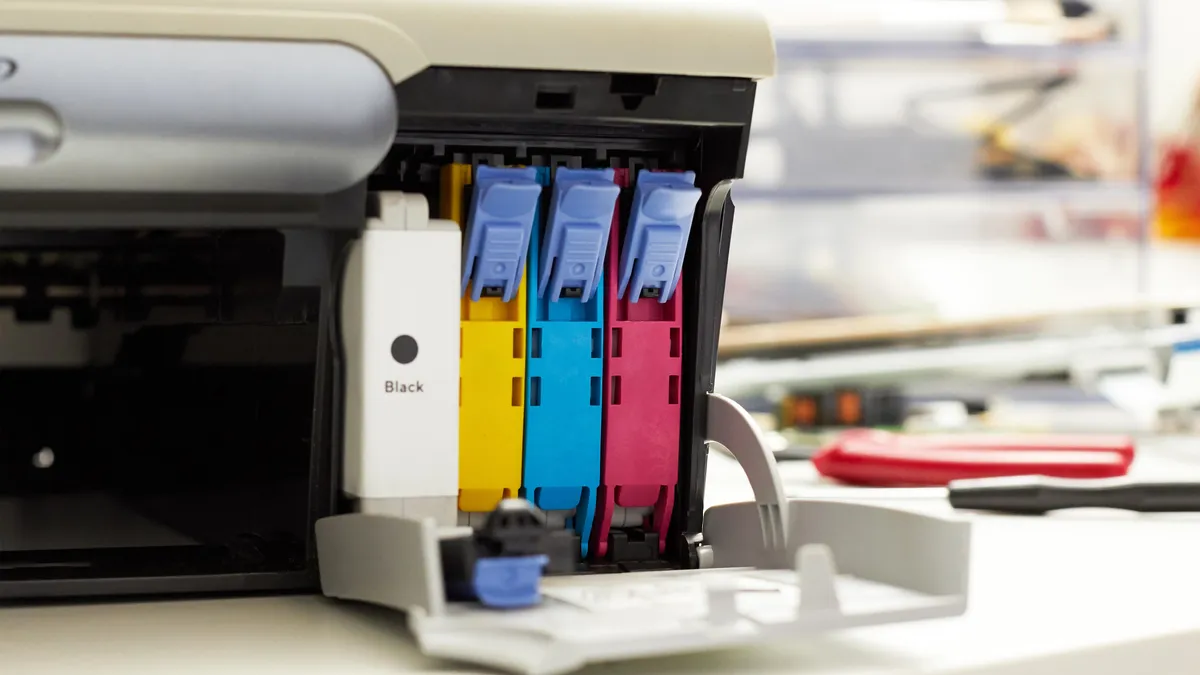
Finding an inexpensive, quality inkjet printer isn’t a challenge. But getting affordable replacement ink is another matter entirely.
You might be shocked to learn that replacement ink cartridges can cost as much as the printer itself, if not more. It’s because printers are often sold at a loss, with the company expecting to make its profit on the ink.
This strategy, also known as the “razor-and-blades model,” is common in consumer goods, including printers, coffee makers (the ones that use disposable pods) and its namesake, shaving razors.
Advertisement
Printer manufacturers, however, claim there are several reasons why ink costs so much, beyond revenue. Here are the main reasons why printer ink is so expensive.
The razor blade business
The razor-and-blade business model provides a continued revenue stream for printer-makers after a customer buys the hardware. It also locks that customer into an ecosystem. Just as some razor handles are compatible with only a specific blade, printers support only certain inkjet or toner cartridges.
Manufacturers typically offer different printer models, but they likely use different cartridges that aren’t interchangeable. The cartridges also aren’t refillable by design. While it may seem manipulative, this business model is legal and common practice. It also keeps prices high due to a lack of competition.
It’s all proprietary (aka intellectual property)
Advertisement
Thanasi/Getty
Another way consumers are locked into a closed ecosystem is that many ink and toner cartridges contain chipsets that communicate with the printer, such as the amount of ink or toner left, so the printer can estimate how many pages it can print. They also verify whether the cartridge is authentic (i.e., from the printer manufacturer) or has been refilled. In either case, the printer could reject the cartridge.
While some third-party suppliers have found ways around this, printer cartridges are proprietary, the intellectual property of the original manufacturer. Customers are usually limited in replacement options other than buying from their printer’s original equipment manufacturer.
This isn’t about the cost of research and manufacturing, or at least, not just about that. Printer-makers claim that their technology ensures consumers get the best print quality from their ink or toner, as well as proper performance and accurate color or monochrome prints.
For example, inkjet printer ink is formulated to flow smoothly through the tiny printhead nozzles, while laser printer toner powder must be heated and applied evenly. That ink or toner also has to dry quickly on paper without smudging, which is another key reason. The official cartridges also include security features that manufacturers claim protect against malware.
So, although cartridges look simple on the outside, their embedded technology adds to manufacturing costs. Companies say this helps ensure high print quality, but consumer advocacy groups say it is designed to keep out competition while shifting the cost to users.
Advertisement
If you print often, expect to spend more on consumables
Gettyimages/Photoplus magazine
Obviously, the more ink or toner used, the sooner replenishment is needed. This is especially the case with inkjet printers, as cartridges often contain a low yield of ink (between 150 to 300 pages). And, if the printer uses multiple cartridges, those costs add up quickly. If you run out of one color, you might not even be able to print black-and-white documents.
Worse, new inkjet printers include “starter ink cartridges” that offer even lower yields. Laser printer toner cartridges also require replacing, but they tend to have higher yields than their inkjet counterparts.
Also, if you don’t print often, the ink in the cartridges can dry out, requiring replacement before you can print anything.
How to reduce printer ink costs
Advertisement
Epson/CNET
There’s no way around it: Inkjet printers need ink, which will eventually run out. But there are a few ways to save some money.
High-yield cartridges
Some printers support high-yield ink or toner cartridges, which double the output of standard options. They cost a bit more, but you may be able to reduce the frequency of ink replacements. They also might be cheaper per page printed.
Refillable ink
Refillable inkjet printers, also known as supertank printers, have gained popularity. As the name suggests, a user pours ink into tanks built into the printer, much like refilling a soap bottle. Refillable inks are cheaper than ink cartridges and offer a much higher yield. (They also produce less waste in general.) However, the printers themselves are more expensive to purchase upfront.
HP
Subscription programs
HP offers its Instant Ink program, which automatically ships you a replacement when ink runs low (the printer sends this info to HP when connected to Wi-Fi). Starting at $1.79 a month, HP sends new high-yield cartridges only when needed and recycles your old cartridges to reduce e-waste. HP says Instant Ink offers a savings of up to 50% when compared to buying off the shelf, and most Wi-Fi-enabled HP printers support the program.
Epson launched a new service called ReadyPrint, where, for a monthly fee (starting at $15), you get a printer and unlimited refillable ink. ReadyPrint is available only on select models.
Advertisement
Print in draft mode and limit color
Oftentimes, lower-quality draft mode is more than sufficient for most print jobs. This can help increase page yields. Nearly all inkjet printers can output in color, but that doesn’t mean you should. Make sure you disable color in your print settings and enable it only when needed.
Consider a laser printer
Laser toner cartridge.
Getty Images/Smith Collection
Evaluate the amount and type of printing you plan to do. If it’s mostly black-and-white documents, it may be more economical to invest in a laser printer, since toner offers higher yields and doesn’t dry out between infrequent uses.
Advertisement
Then, if you need to occasionally print color or photos, print them professionally at FedEx, pharmacies like CVS and any number of local or online photo print shops. In the long run, this might be cheaper than owning your own color printer if you don’t print regularly.
Third-party supplies
Third-party ink supplies can offer significant savings, but printer manufacturers have strongly fought against this option. They’ve even implemented measures to prevent their use. However, it’s not illegal for consumers to use third-party inks. Before you choose this option, know that the savings may come at the cost of print quality, and some third-party inks could damage the hardware.
While using third-party ink won’t void the warranty, the printer manufacturer may not cover repairs or replacements if third-party supplies are found to be the source of damage. It’s best to choose a reputable retailer or service known for high-quality third-party inks, and that will stand behind them.
The upcoming BGMI 4.3 update will introduce a new racing-style feature to classic matches, adding an action-packed element to the traditional battle royale experience. The update brings drag-style checkpoints that players can activate during regular games, turning certain map zones into timed vehicle challenge areas.
Once a squad enters a flagged race zone, a timed driving challenge begins. Players must move quickly through designated checkpoints before the timer expires. Finishing the run successfully rewards additional loot, which may provide a game-changing boost during mid-game situations. Nevertheless, such paths are commonly placed in open areas, making the vehicle vulnerable to enemy fire. This is a strategic choice – pursue reward routes or play it safe.
The racing system is a part of the overall mobility emphasis in the 4.3 update. Vehicles are about to play a more strategic role rather than being confined to rotation or escape routes. Such checkpoints can be used by teams as mid-game objectives, aggressive loot routes, or even quick shortcuts.
In this way, the update combines speed challenges with survival gameplay to keep matches interesting and less predictable. Casual gamers and pro squads will actively use the feature to secure bonus loot and strengthen their map position. The checkpoints in the update ensure that the players act quickly and do not hesitate.
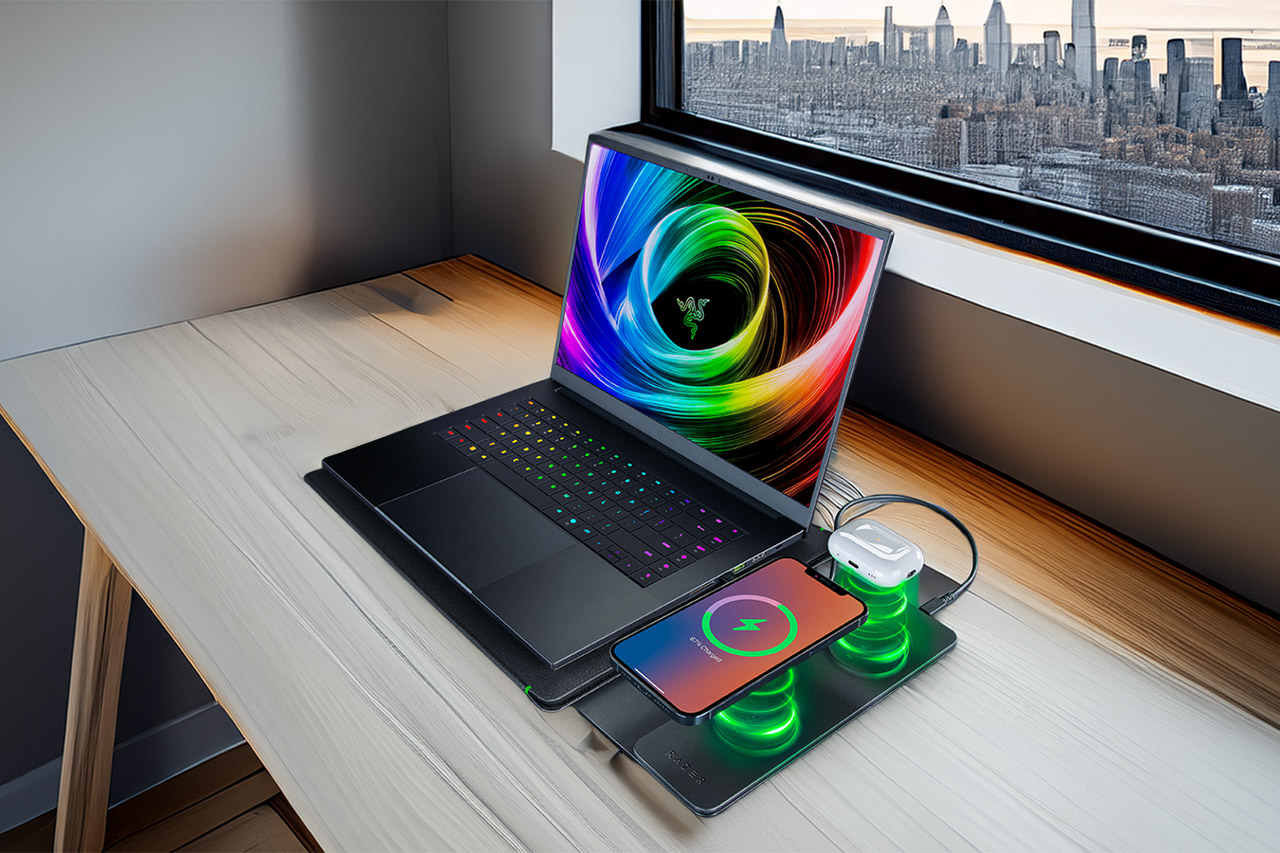
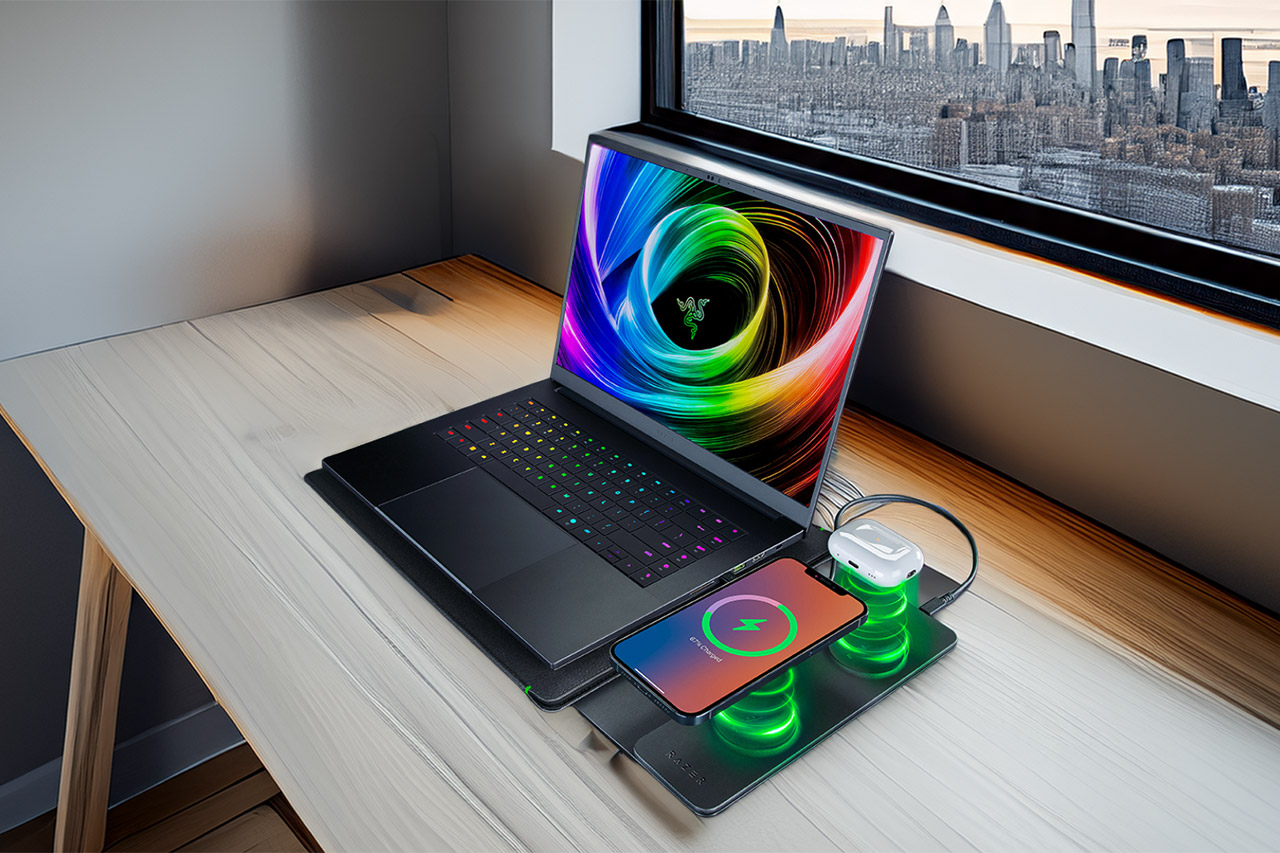
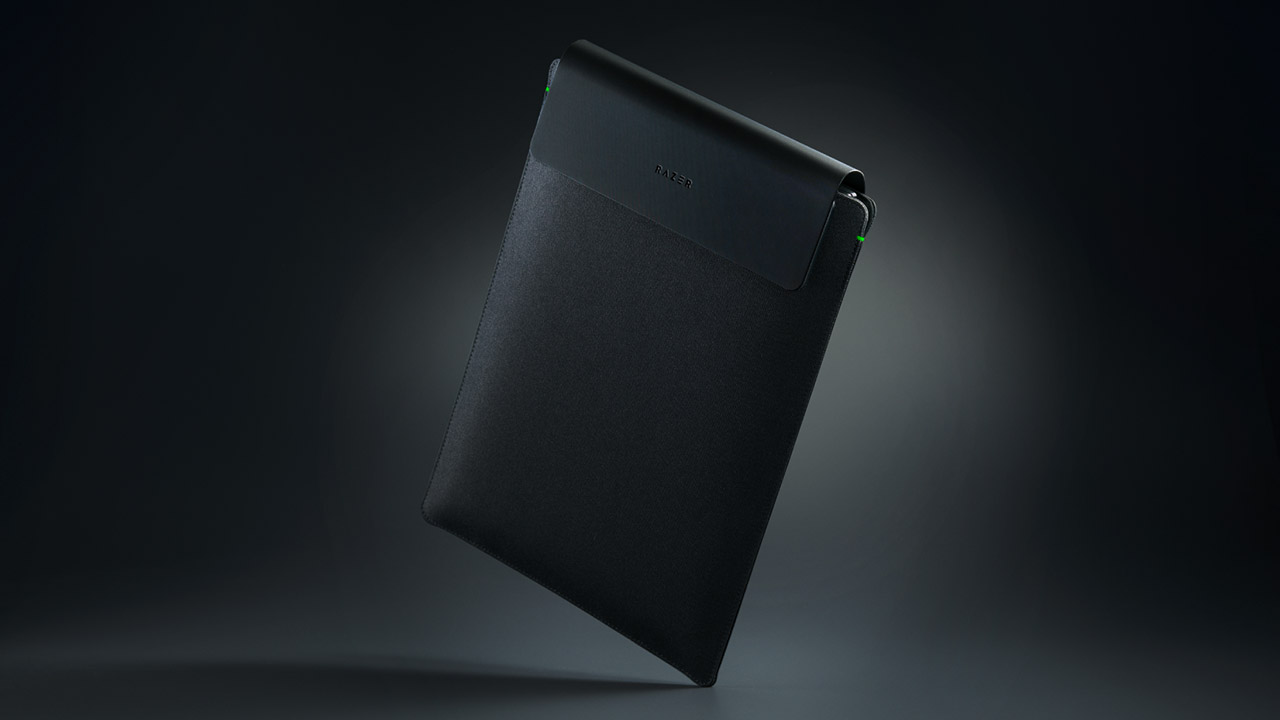
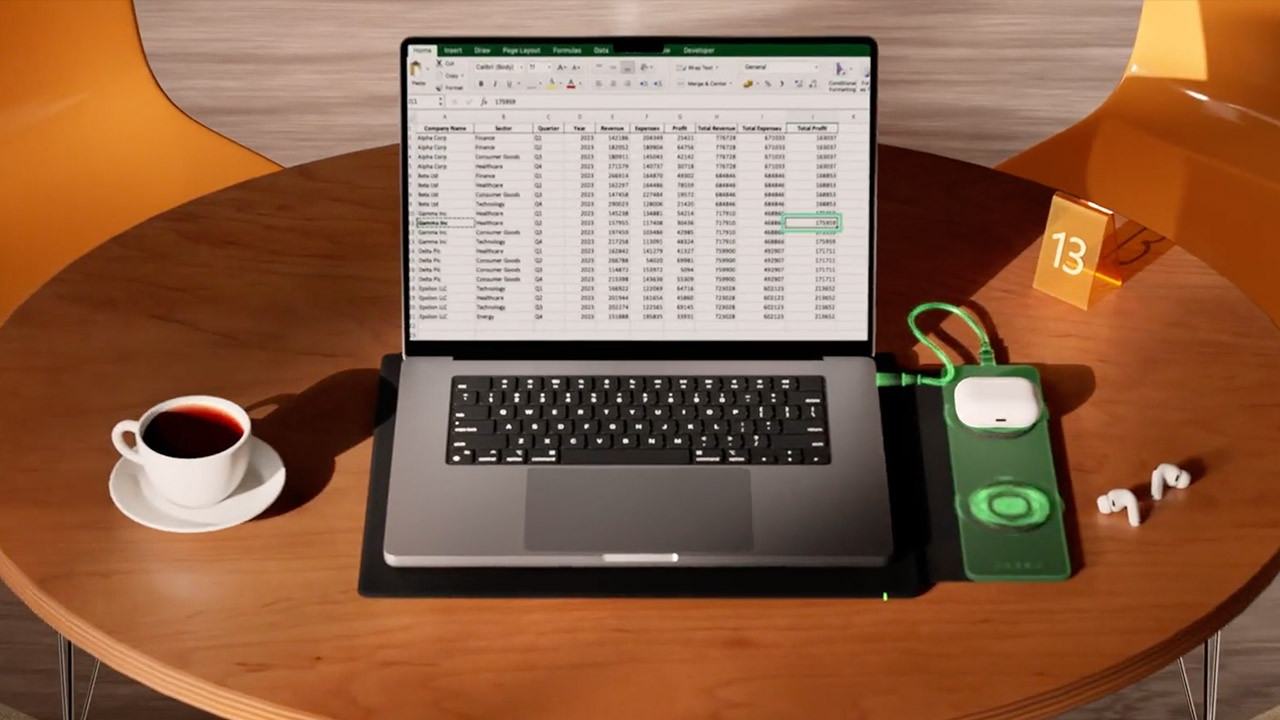
Razer has just released a new laptop sleeve built for 16-inch laptops, and it does more than just protect your system from scratches and drops. Two wireless charging pads are located in the front of the device, allowing you to charge your phone and earbuds without the need for an outlet or a cable. So, you can place your iPhone on the lower pad for up to 15 watts of rapid charging, or AirPods on the upper pad for 5 watts. The good news is that both will continue to work even after you plug the sleeve into a USB-C charger with at least 30 watts.
With the design, they made a serious effort to cover users who have to carry laptops around all day. The sleeve has magnetic alignment snaps your devices into position and keeps them secure, even while you’re on the go. This ensures that the charging is always consistent, whether you’re in a conference or waiting for your gate to be called. One thing to keep in mind is that it does not have a built-in battery, so it will take power from whatever source you have connected in, such as your laptop charger, a wall adapter, or a portable power bank
This laptop sleeve dimensions: 15.7 x 11.2 x 2 inch (L x W x H); The laptop compartment dimensions: 14.6 x 10.6 x 1.6 inch (L x W x H); One…
TSA Friendly Design: With portable handle, top opening double zippers gliding smoothly freely 90-180 degree opening and offers convenient access to…
Organize Your Digital Life: our laptop sleeve case is perfect for women and men’s daily use on business trip, travel, office etc. 15.6 laptop case…
Despite the extra charging feature, they did not overlook protection. A robust woven polyester shell can withstand the rigors of everyday life, and the reinforced edges are intended to absorb shocks. Inside, there’s a beautiful padded microfiber interior to cushion your laptop, and a snakeskin-patterned finish to keep it looking nice, while all of this weighs in at 410 grams, which is around 60 grams more than their normal non-charging version, thanks to the extra coils and expensive PU leather.
Advertisement
This sleeve is compatible with laptops up to 16 inches, including the latest Razer Blade models. If your smartphone is Qi-compatible, it will charge just fine; but, if you’re an Apple fan, you’ll be pleased to hear that the sleeve supports MagSafe, so you can simply slap your Air or Macbook onto the charging pad and feel that gratifying snap. The sleeve remains quite compact, so it will easily slip into a backpack or briefcase without taking up too much space.
How much? It costs $129.99, which is a little more than your standard sleeve, but the added convenience will be a blessing for travelers or multitaskers who are tired of their batteries dying in the middle of the day. Razer is currently offering it on their website, along with a plain $79.99 version that lacks the charging capability.
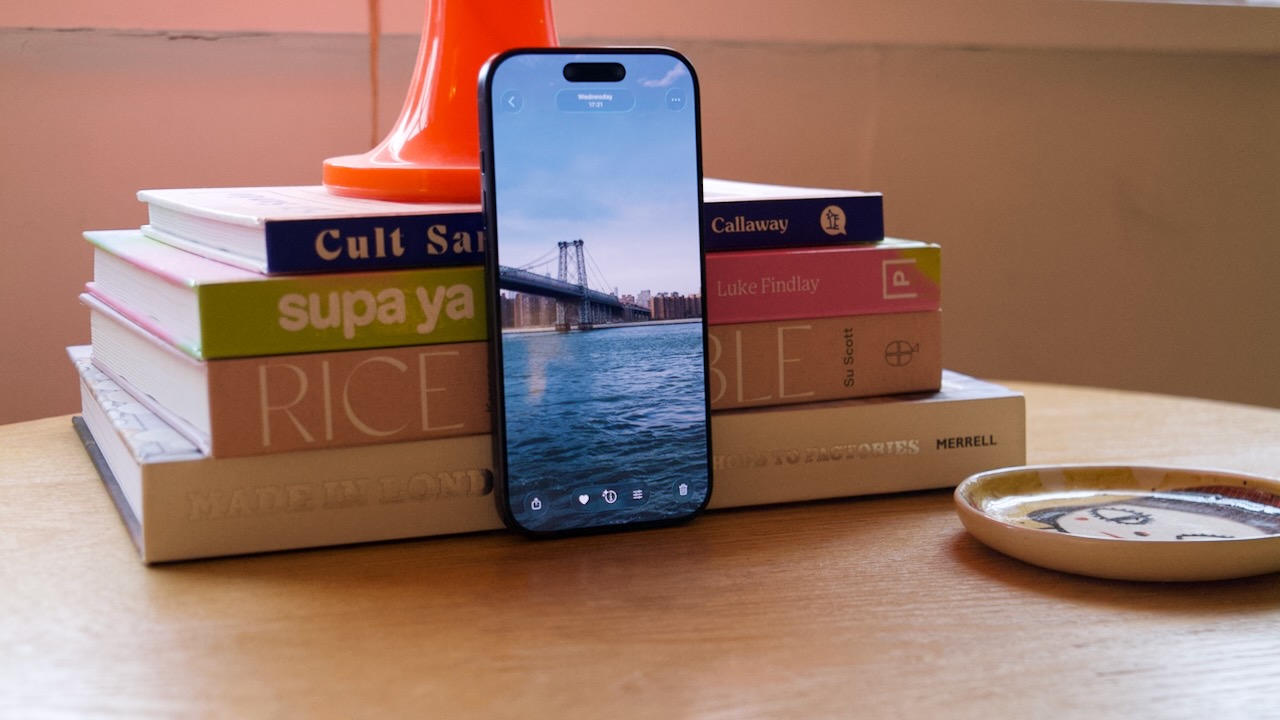
Apple may be preparing to shrink the Dynamic Island on next year’s iPhone 18 Pro models.
According to Bloomberg, alongside several well-known leakers, the iPhone 18 Pro and Pro Max are expected to feature a smaller cut-out at the top of the display. However, the Dynamic Island itself isn’t going anywhere just yet.
Apple is reportedly planning to move the Face ID dot illuminator under the display, which would allow the visible cut-out to shrink. At the same time, improvements in front-facing camera miniaturisation could further reduce the space required. The front camera, infrared camera and dot projector are still expected to sit within the Dynamic Island. Therefore, the interactive software element would remain intact.
Advertisement
It’s worth noting that similar rumours surfaced ahead of the iPhone 17 Pro launch, only for the design to stay the same. However, when multiple independent sources begin aligning this close to a launch cycle, it typically suggests something is in motion. Even if the final change ends up subtle, this kind of consensus is unusual.
Advertisement
Long term, Apple is widely believed to be working toward a completely uninterrupted display — essentially a slab of glass with no visible cut-outs. That milestone could align with the iPhone’s 20th anniversary in 2027. For now, though, the iPhone 18 Pro looks set to take a smaller step forward rather than a dramatic leap.
Although not as reviled as the sound of nails on chalkboard, the sound of adhesive tape being peeled is quite probably at least as distinctive. With every millimeter of the tape’s removal from the roll sounding like it’s screaming in protest, it has led some to wonder just why this process is noisy enough to be heard from across an open-plan office. Recently [Er Qiang Li] et al. had their paper on a likely theory published in Physical Review E, in which they examine the supersonic air pulses at the core of this phenomenon.
The shockwaves produced by peeling tape, captured on Schlieren imaging. (Credit: Er Qiang Li et al., 2026)
Using rolls of adhesive tape and two microphones synchronized with two high-speed cameras in a Schlieren imaging setup, they gathered experimental data of this stick-slip mechanism. Incidentally, in addition to this auditory effect, adhesive tape is also known for the triboluminescence effect, as well as the generating of X-rays, making them quite the source of scientific demonstrations, even when they’re not also being used to create graphene with.
What they deduced from the recorded data was that the transverse fractures that suddenly appear after the extended stick phase hold a vacuum until they reach the end of the fracture during the brief slip phase, at which point the vacuum collapses very suddenly. This produces a pressure of 9600 Pa and clearly visible shock fronts on the Schlieren images.
Now that we know why peeling adhesive tape from its roll is so noisy, it won’t make it any more quiet, but at least we can add another fascinating science fact to its role of achievements.
For most retailers, that kind of turnout is reserved for limited edition launches or concert ticket drops. For SGFR, it’s a recurring phenomenon.
Advertisement
The brand has gone viral multiple times, drawing huge crowds for each store opening and new product launches—and it’s a sign of just how quickly the brand has captured a niche in Singapore’s snack market.
SGFR Store’s founder was just 18 when he started the business
Image Credit: SGFR Store
Opened in Mar 2022, SGFR Store brands itself as a “concept candy store.” The business’s focus is on cult favourite goodies among today’s chronically online youth.
Its shelves are stocked with the likes of PRIME energy drinks from influencers Logan Paul and KSI, chocolate bars by YouTuber MrBeast, and Takis tortilla chips in flavours such as ‘Blue Heat’ and ‘Fuego.’ These aren’t just snacks—the influencers behind them have followings bigger than some countries, while Takis taste-test videos rack up millions of views online.
Too niche for mainstream grocery chains like NTUC FairPrice, they find a home at SGFR, catering to young consumers who grew up idolising these online personalities and now seek out their favourite snacks in one place.
Price points vary just as wildly as the products: you can grab Hershey’s Popping Candy for as little as S$1, or splash out on a limited-edition Gold PRIME drink for S$300.
Advertisement
Image Credit:Paing Htoo Kyaw, Sridevi Gogini via Google Reviews
Behind the business is 23-year-old Mohamed Haikkel, whose entrepreneurial streak began early. Before SGFR Store took its current form, it was known as SGFishingRigz, where Haikkel sold fishing kits.
At 16, fresh out of his O-Levels, Haikkel broke his leg in an accident that left him stuck at home. Looking for something to pass the time, he picked up fishing—and quickly spotted a gap in the market.
“When my friends started asking me how to fish, I noticed something. The uncles and aunties at fishing shops only wanted to sell to pros. Nobody wanted to help beginners,” he shared in an interview with Spirit of Enterprise.
So he built what the market didn’t have. Through SGFishingRigz, Haikkel offered beginner-friendly fishing kits that included everything needed to get started, along with QR codes linking to tutorials.
The timing worked in his favour: during the pandemic, when travel was drawn to a halt and people were searching for new hobbies, demand grew. By 2022, at just 18 years old, Haikkel had opened a physical store in Tampines and was running a full-fledged business.
Advertisement
(Left): Haikkel (far left) fishing together with his friends, who also helped him run SGFishingRigz; (Right): The SGFishingRigz store in Tampines./ Image Credit: Mohamed Haikkel/ SGFR Store
By then, however, with COVID-19 restrictions easing and travel resuming, interest in fishing was tapering off. Despite attempts to revive sales through events and new product launches, the store’s revenue declined sharply.
Amid the downturn, Haikkel spotted a new opportunity. He noticed that customers browsing for fishing gear would often pick up snacks and drinks as well. Influenced by YouTubers showcasing viral American snacks, he began to question why such products were not as easily accessible in Singapore.
That curiosity led Haikkel to import PRIME Hydration, starting with just 10 cartons (or a total of 150 bottles). One TikTok post later, the entire stock sold out in four hours, proving there was a ready market in Singapore for viral, Internet-famous snacks.
Hence, Haikkel pivoted fully from fishing gear to focus on this new venture, marking the start of SGFR Store that same year.
Expanding to nine outlets & launching its own product line
SGFR Store’s early success snowballed quickly. Haikkel brought in other trending brands and expanded to multiple locations, running the business alongside co-owner and longtime friend Lucas Phua.
At first glance, it might seem like SGFR is simply chasing viral trends on TikTok. Some Reddit users have questioned the sustainability of the business model, noting that some outlets appear quiet on certain days.
Haikkel addressed this in a TikTok video. The business doesn’t sell necessities like Watsons, Guardian or NTUC—it is a candy store, hence it “won’t have footfall at every moment.”
Some days are good, some days are bad, and we try doing events and online sales to expand our income streams.
That said, SGFR Store didn’t just want to wait for trends—it aimed to create them. This led to the launch of its first in-house product line. The debut was Quench, billed as the world’s first canned ice cream milk drink, inspired by Singapore’s balang-style pasar malam drinks.
Months of research and development were documented on social media, generating anticipation ahead of launch. The product sold out immediately.
Advertisement
Image Credit: SGFR Store
Today, the brand has even expanded to launch snacks like the Cwumble Cwunch, inspired by the viral Kunafe Dubai Chocolate. When shipment delays threatened supply, Haikkel and his small team improvised, working tirelessly for five days to recreate the recipe in-house. Today, Cwumble Cwunch remains one of SGFR’s signature products.
SGFR Store aims to grow beyond Singapore’s shores
SGFR Store’s expanding product line and growing number of outlets are fuelled by its loyal following, something Haikkel has emphasised repeatedly in interviews and on social media.
Influencers like Logan Paul and KSI shaped his approach—it’s not about fame, but about interacting with your audience and keeping them invested with fun, engaging content, he shared in the Spirit of Enterprise interview.
Haikkel together with streamer IShowSpeed./ Image Credit: Mohamed Haikkel via Instagram
Every month, SGFR Store does something for its community, even if it comes at a cost. During streamer IShowSpeed’s Sept 2024 visit to Singapore, Haikkel gifted him an iPhone 16 Pro Max and a One Piece figure when the streamer dropped by the Arab Street outlet.
On another occasion, the business gave out 400 bottles of PRIME to a local mosque. “This is the stuff that people really remember. This creates a personal connection between us and the viewers each time,” he told Rice Media.
Beyond giveaways, SGFR Store regularly hosts meet-and-greets with fans and content creators like Luqmaan Hakiim, who joined Haikkel and Lucas as a co-owner.
Advertisement
Unlike most retail owners, the SGFR team is treated almost like celebrities—at store launches, fans line up for autographs and selfies, a clear reflection of the brand’s cultural influence among young Singaporeans.
Building on this momentum, SGFR Store aims to expand to 15 outlets by 2026 and set its sights on overseas markets by 2027. “None of this would have been possible without our customers,” said Haikkel. “From day one, they weren’t just buying snacks—they were part of this journey with us.”
On sale in late March for $1,970 / £1,799 (about AU$3,000)
I can’t say I’m the core target audience for the best digital audio player — I don’t have thousands (or even hundreds) to spend on kit like this, so it’s the ultra-cheap options like the Majority MP3 that I end up focusing on. But a new release from Astell & Kern is really catching my attention.
Just a few days after its new copper DAP was one of the gadgets I played with at a high-end audio show, A&K has revealed a new device. Meet the Astell & Kern PD20, which is set to go on sale in mid-March for $1,970 / £1,799 (about AU$3,000).
The headline feature of this new digital audio player (often shortened to DAP by people who know about such things) is that it comes with a “Personal Sound” system, as A&K is calling it. This uses the packaged in-ear headphones — yep, no need to worry about buying separate IEMs — to analyze your hearing, and create a bespoke listening profile just for you. The idea is that it can compensate for any flaws or shortcomings in your own hearing; after all, our ears are all unique. For example, if you struggle to hear bass, it could boost it a little bit.
This feature was designed with Audiodo, another testament to its usefulness: this company also designed the build-in listening test in headphones like the Nothing Ear (3), CMF Headphone Pro and Noble FoKus Amadeus. We praised all three, so expectations are high.
It sounds like the listening test requires the dedicated earphones, so make sure not to lose them: it could affect resale value, and cut you off from the key feature.
I absolutely love listening tests, and while a growing number of wireless earbuds come with their own proprietary solutions, they’re rather hit-or-miss. I imagine a respected company like Astell & Kern will get it right, especially when working with a reputed audio design brand.
Advertisement
Sounding PD good
(Image credit: Astell & Kern)
Beyond its listening test, the A&K PD20 has a few other draws. It uses a triple-amp design, with a slider letting you easily switch between three listening modes, and a second slider letting you adjust the amp’s current to get even more control over your sound.
Sign up for breaking news, reviews, opinion, top tech deals, and more.
There are four built-in DACs, and the device uses the Digital Audio Remaster tech that also came in the fantastic SP4000. This creates a more natural sound by putting the audio signal through several stages of processing to restore lost sound.
You can use the PD20 as a USB-connected DAC for computers (both Windows and Macs) which is a neat extra. It offers 2-channel stereo sound and EQ control that doesn’t interrupt your playback. There’s a sound wheel,
Advertisement
The PD20 has 256GB memory and you can bump that up to 2TB with microSD cards, and it supports aptX HD, LDAC and BT Sink wirelessly to act as a Bluetooth DAC too.
The device itself has a 6-inch FHD+ screen and, according to A&K, lasts for about 14 hours of playback if you’re not listening to high-end codecs. It has both 3.5mm and 4.4mm out jacks, and a USB-C port for charging or computer connection.
It all sounds pretty neat, but we’ll have to let our dedicated audio reviewers get their hands (and ears) on it, to see how well it runs. Watch this space…
And of course, you can also follow TechRadar on YouTube and TikTok for news, reviews, unboxings in video form, and get regular updates from us on WhatsApp too.