The Development Bank of Wales and its predecessor Finance Wales invested £3.5m into the business

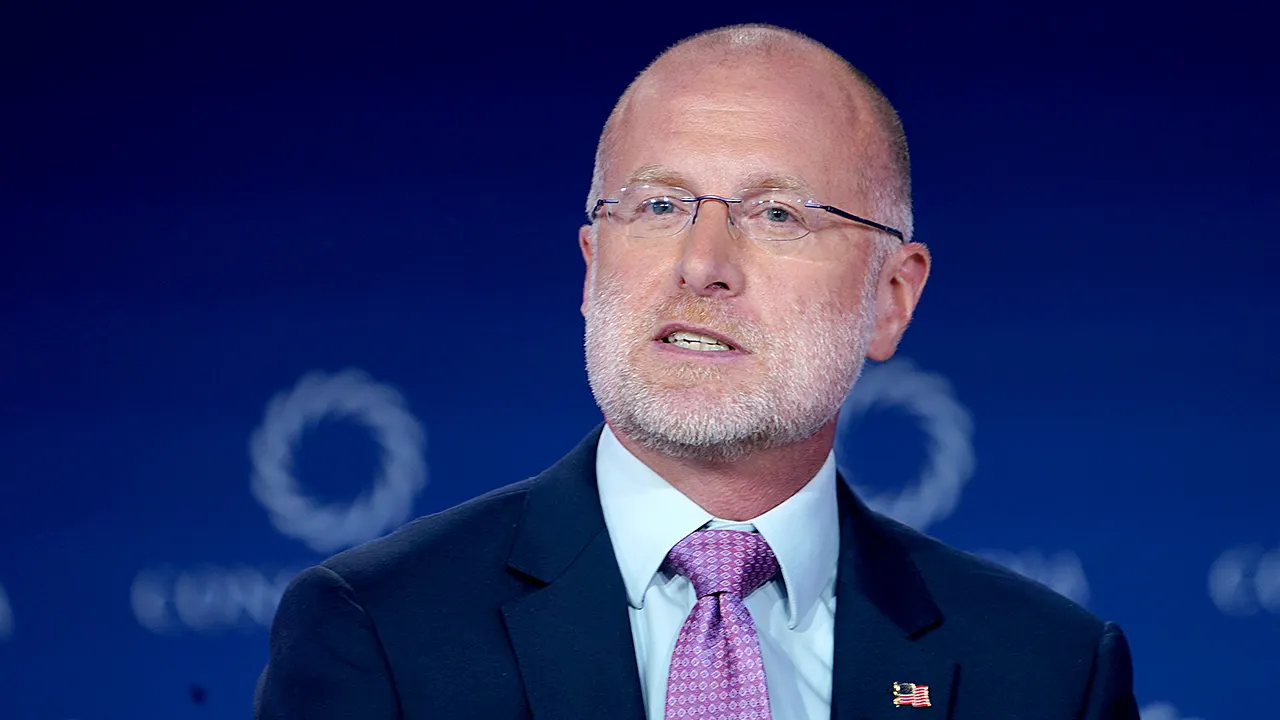
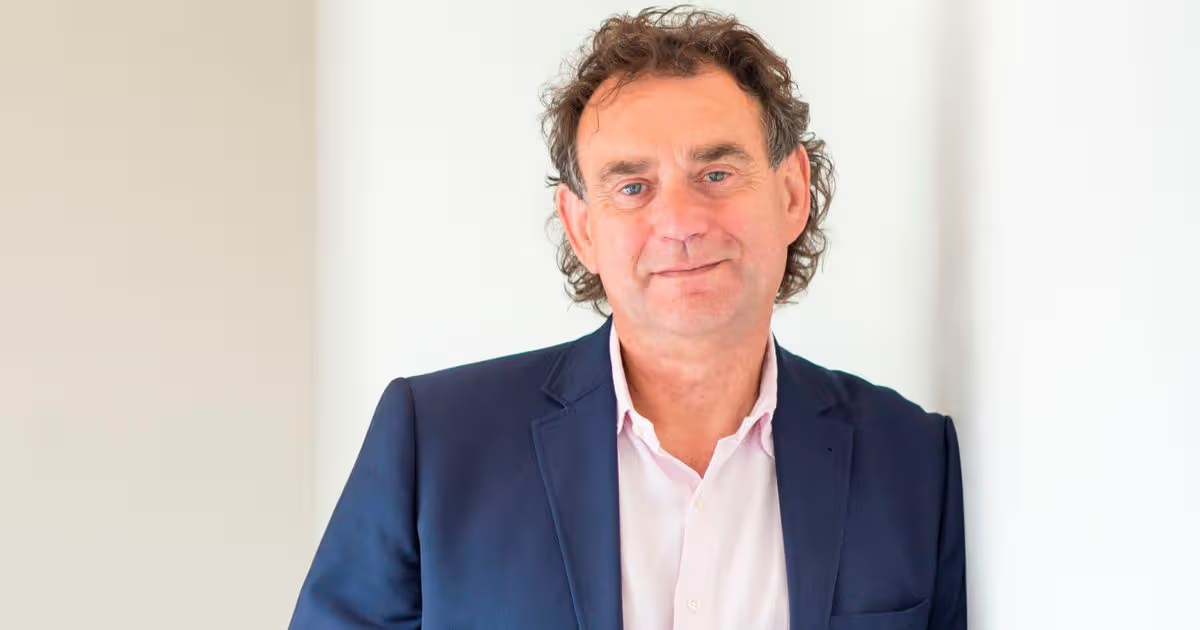
Marc Clement who chaired Calon Cardio-Technology.(Image: Matthew Horwood)
Swansea medtech firm Calon Cardio-Technology is being liquidated, owing creditors – which include the Development Bank of Wales and Swansea Council – more than £5m.
Founders of the Swansea University spin-out company, which had developed an implantable heart pump for patients with severe heart failure, included Professor Stephen Westaby and Prof Marc Clement, who was sacked for gross misconduct as dean of Swansea University’s School of Management in 2019.
The business, which employed 17 people, entered administration last summer. However, efforts to acquire the business out of administration, as well as hopes of securing investment to agree a company voluntary arrangement with creditors, failed to materialise. Prior to the administration the company had been locked out of its premises in Swansea after the landlord served a forfeiture notice.
READ MORE: We shouldn’t get hung up on firms being Welsh-owned but those with potential for growthREAD MORE: Crypto asset protection venture CoinCover appoints Silicon Valley veteran as its new CEO
Gareth Stones, administrator from Swansea-based insolvency firm Stones & Co, has informed creditors that the business will now be liquidated. He said: “The administration has proved unsuccessful and so the proper course of action is for the company to be placed into liquidation.”
The creditor position of the Development Bank of Wales, which is wholly-owned by the Welsh Government, includes a loan, over which it held a floating charge over company assets, of £1.6m. It also had two convertible loans with a combined value of £425,000.
In total the development bank – including through its predecessor Finance Wales – invested £3.5m through a combination of debt and equity. Equity holders are the lowest ranked in terms of any returns from the administration process. In the case of Calon shareholders, they will get nothing back.
The UK Government, through its £1.1bn Future Fund – which was set up to support tech businesses during the pandemic – is also a shareholder in the business with a stake of just over 6%.
As well as backing from the Development Bank of Wales (and Finance Wales), Calon Cardio-Technology secured more than £20m through a number of equity fundraising rounds following its formation in 2007. Through dilution, the development bank’s stake had been reduced to less than 10% at the point of Calon entering administration. Another major equity backer of the company was Longbow Capital, which, as well as its equity backing, is also a creditor to the tune of £78,000.
The latest statement of affairs estimates a total deficit to creditors of £5.4m. That assumes realisations of assets and didn’t include administrator fees. Non-preferential and unsecured creditors are not expected to receive anything from the liquidation of any assets.
There is an estimated realisation for the development bank on its floating charge debt of £50,000 from any sale of the company’s assets and intellectual property.
As well as the Development Bank of Wales and Longbow Capital, other creditors include HMRC (£277,847); law firm Pinsent Masons – which issued a winding-up petition – (£150,056); Swansea-headquartered accountancy firm Bevan and Buckland (£45,027); Swansea Council (£68,342); and Swansea University (£2,800).
There is an estimated £21,000 being available for preferential creditors for whom the first claim would be former employees of the company.
Mr Stones said in his latest statement of affairs to creditors: “The company employed 17 staff (including one of the directors), and substantial monies were owed to them in respect of outstanding holiday pay and wages. Outstanding holiday pay and wages of employees are subject to statutory limits.”
A spokesperson for the Development Bank of Wales said: “The initial investment in Calon Cardio was made in 2010 by Finance Wales. Between 2010 and 2018 the business received £3.5m in a combination of debt and equity, some of which was secured. The majority was from the EU-backed JEREMIE Fund. We have not made any material investments since 2018 and currently hold a 9% shareholding. We anticipate a return on our secured debt following the liquidation process.”
Speaking to Nation Cymru in 2023, Prof Clement, who chaired Calon, was upbeat about the commercial potential of the business, with the promise of creating 100 high-skilled jobs in Swansea.
That optimism was supported by a non-binding heads-of-terms agreement for Calon to be acquired in a £39m deal by AIM-listed special purpose acquisition company Ashington Innovation. However, the reverse takeover of Calon was conditional on Ashington acquiring another company called Cell Therapy, which was founded by Cardiff University academic Sir Martin Evans and former dentist Ajan Reginald. However, the planned acquisitions failed to materialise.
After being dismissed by Swansea University, Prof Clement and university colleague Steve Poole – who was also sacked for gross misconduct – had their joint unfair dismissal case against the university rejected by an employment tribunal.
Mr Poole is listed as a creditor of Calon Cardio with a convertible loan of £41,000, as is Prof Clement to the tune of £36,000.
Prior to the administration, Mr Stones said the board of Calon had informed him that $2.6m had been attempted to be transferred into the company’s HSBC bank account from an identified potential lender.
He added: “Draft documents were received via the directors that had emanated from the potential lender and cited New York, USA law as applicable. I made it clear to the representatives that the law of England and Wales must prevail and that identification required under the UK Anti-Money Laundering Regulations was essential. The potential lender was repeatedly requested to engage UK solicitors to assist them with the matter.”
Mr Stones added: “During the course of a Zoom call (in December), it became apparent that the potential lender’s solicitors were averse to their client lending monies to fund a company voluntary arrangement proposal via administration, and that their client was best advised to formulate an offer for the intellectual property rights and the tangible fixed assets.
“There are now potentially three other interested parties, of which I am presently aware, who may be prepared to formulate an offer for the company’s remaining IP rights and tangible assets. I have not pursued these potential leads to date, as the prospective lender was the primary focus in order to rescue the company as a going concern. Such leads would be best pursued by a liquidator.”
It is proposed that Mr Stones be appointed to liquidate the business.