

Politics
The gross bigotry behind the Greens’ hippy facade

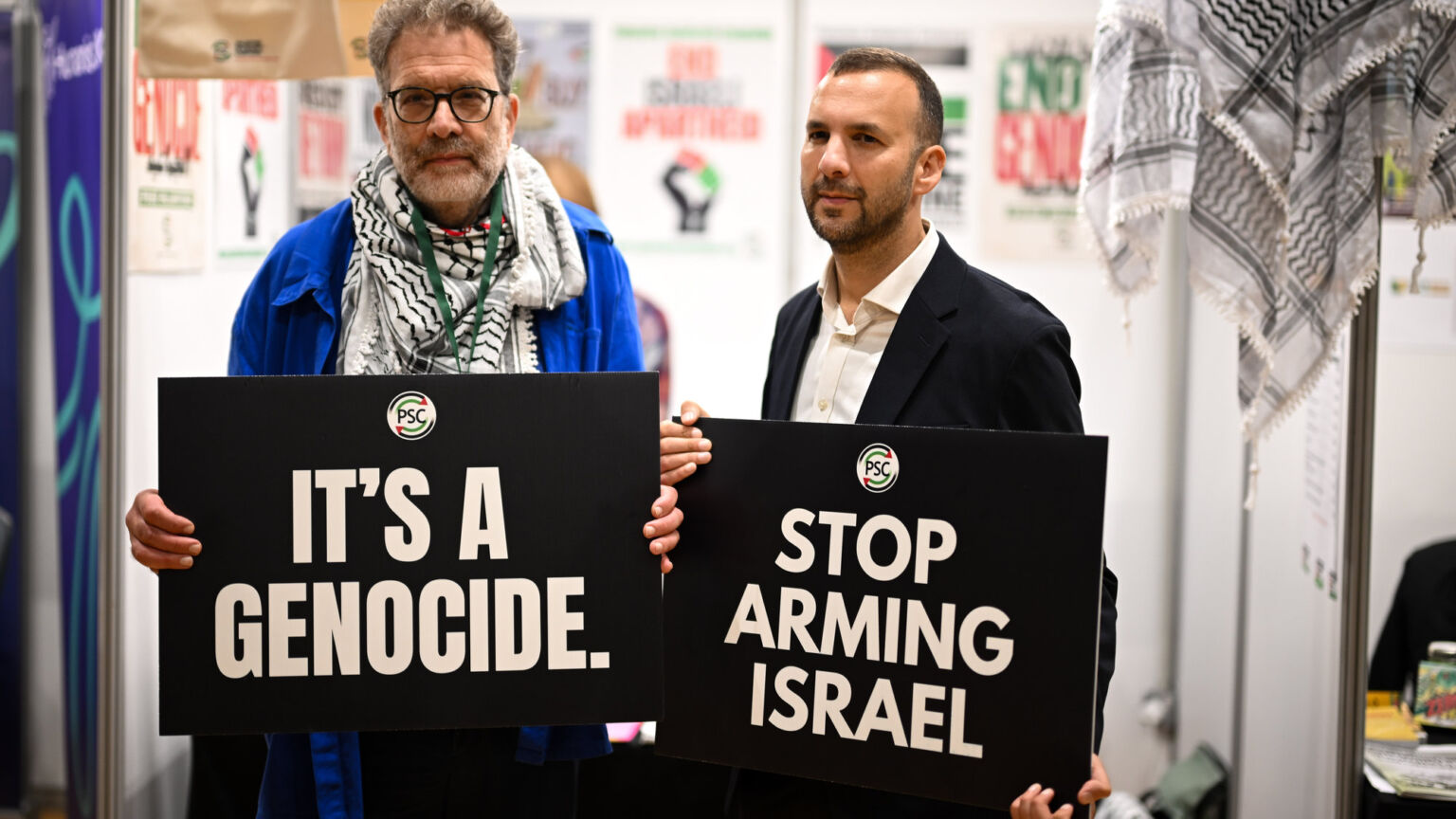
Next month, Britain’s cuddly, hope-spreading Green Party will vote on whether to adopt what some are calling a ‘hateful’ policy. The policy says ‘Zionism is racism’. It calls Zionism a wicked system of ‘racial hierarchy, segregation and domination’. It damns this cruel ideology as ‘fundamentally incompatible’ with civilised values. It commits the Greens to being an ‘explicitly… anti-Zionist party’.
Can we speak frankly? A party that rejects the right of nationhood for the Jews and the Jews alone is a party of bigotry. Zionism means just one thing: the right of the Jewish people to their own homeland. To define yourself, ‘explicitly’, as ‘anti-Zionist’ is to single out the Jews as less deserving of nationhood than every other people on Earth. Isn’t there a word for demoting an entire ethnic group down the ladder of moral worth and stealing from them a liberty enjoyed by others?
The impact of this policy on Britain’s Jews would be disastrous. Seventy-five per cent of Jewish Brits feel a strong ‘emotional attachment’ with Israel. The vast majority define themselves as Zionists. For a party to overnight brand these good people as slavish adherents to a barbaric ideology would be catastrophic. It would hang yet another target sign around the necks of our Jewish compatriots, who are already the quarry of so much venom from the activist class.
The policy would also commit the Greens to supporting Palestinian ‘resistance’. What, like the pogrom of October 7? Or the Second Intifada of 2000 to 2005? During those five years of Hamas savagery, Jews in the Holy Land were blown up in pizza parlours, in discotheques, on buses. That’s what ‘resistance’ has come to mean under the Islamised death cult of 21st-century Israelophobia. For the Greens to formally adopt a pro-‘resistance’ policy would be extraordinary. It would be the first time since Oswald Mosley’s Blackshirts that a mainstream British party had institutionalised something like disregard for the sanctity of Jewish life.
If the Greens were to adopt a policy of opposing the war in Gaza, no one would bat an eye. Every bourgeois tosser in a keffiyeh is opposed to Israel’s war against the Islamofascists that invaded it so brutally on 7 October 2023. But with this policy, the Greens would go so much further. They would make the destruction of the Jewish people’s national rights a central plank of their worldview. They would say with words what Hamas longs to do with knives and guns – dismantle the world’s only Jewish nation and disabuse the Jews of the foolish notion that they should be equal to other peoples.
That this policy document came to light during the Gorton and Denton by-election was striking. There was the Green candidate, now MP, Hannah Spencer slamming Reform UK for being ‘divisive’. There was that vacant spouter of hollow platitudes – Zack Polanski – calling Reform ‘far-right adjacent’. Yet behind the scenes, it was the Greens who were furiously debating whether to condemn Jews who dream of nationhood and to imply that they are ‘racist’.
Imagine if it was discovered that Matt Goodwin, Reform’s candidate in Gorton and Denton, had been rustling up policy documents saying everyone who supports Pakistani nationhood is a racist piece of shit. Or if it was revealed that Reform was weighing up whether to define itself as ‘explicitly’ opposed to Turkish statehood – and only Turkish statehood. The accusations of racial hatred would fly. The Guardian would speak of little else. But the Jews? Who cares? The truth is that the Greens’ urge to rob the Jews of national rights is a prejudice widely shared among the bigots of our cultural establishment.
Imagine calling others ‘far right’ when you’re singling out Zionists for opprobrium and inequality. Imagine throwing around the accusation of ‘divisiveness’ when you are essentially dividing the world between those deserving of sovereign rights (non-Jews) and those undeserving of them (Jews). What this by-election really exposed is the iron fist of fashionable bigotry that lurks behind the velvet glove of wokeness and ‘hope’ and all the other crap. Woke’s progressive mask was well and truly ripped off by the Greens’ poisonous campaigning in Greater Manchester.
Witness how they sought to marshall Muslim fury over the war in Gaza. ‘Punish Labour for Gaza’, Greens hollered at Muslim voters. Or consider how they gave a sinister nod and wink to anti-Hindu animus by distributing a video showing Keir Starmer shaking hands with Indian PM Narendra Modi. The video was in Urdu, too. It was a blatant attempt to appeal to Hinduphobia among certain Muslim constituencies by linking Starmer with the Hindu leader Islamists love to hate. But, Greens moan, Labour also did it in the Batley and Spen by-election in 2021 when it handed out a leaflet showing Boris Johnson with Modi alongside the words ‘Don’t risk a Tory MP who is not on your side’. Yes, and that was lowlife bigotry-mongering too.
Greens also gave interviews to 5Pillars, the hardline Islamic outlet that is sympathetic to the Taliban and regularly features cosy chats with the neo-fascist, Nick Griffin. If Goodwin had gone on a pod infamous for its far-right guests, we’d never have heard the end of it. Then there’s the Greens’ neo-misogyny. This is a party that bows to the post-truth sexist mantra that ‘trans women are women’. It would let men into women’s changing rooms, women’s sports, women’s rape shelters. Not content with demolishing the Jewish right of nationhood, Greens also want to do away with the female right of privacy and dignity.
How is it possible that a party that rubs shoulders with sectarian bigots, and which would sacrifice women’s rights at the altar of men’s feelings, and which demonises Jewish nationhood, can get away with calling itself ‘progressive’? Call me a stickler for linguistic accuracy, but such a searingly dismissive attitude to the rights of women and Jews sounds more ‘far right’ to me than anything Matt Goodwin has ever said.
The loony Greens are a firm reminder that women and Jews are the two great losers under the Islamo-left ideology. On one side we have the keffiyeh-adorned genderfluid left that thinks a man’s right to piss where he likes counts for more than a woman’s right to privacy and which views Zionism as a demonic force deserving of destruction. And on the other we have regressive Islamists who think women should be cloaked when out in public and that Jews are a pox on humankind. In flirting with both of these nauseating creeds, the Greens have made themselves into the prime engine of bigotry in mainstream British politics. Pricking their hippyish facade, and exposing the truth about woke, is a pressing task of our time.
Brendan O’Neill is spiked’s chief political writer and host of the spiked podcast, The Brendan O’Neill Show. Subscribe to the podcast here. His new book, Vibe Shift: The Revolt Against Wokeness, Greenism and Technocracy, is out now. Find Brendan on Instagram: @burntoakboy.

In the UK, the clocks jump forward an hour at 1am on the last Sunday of every March.
This year (2026), that’ll happen on Sunday, 29 March.
That marks the start of British Summer Time, usually shortened to BST.
Why do the clocks go forward?
For a long time, the daylight – or lack of it – across seasons didn’t affect our clocks.
But BST, also sometimes called daylight saving time, came into force in 1916 (some, like Benjamin Franklin, had called for something in 1784).
This happened after a Kent builder called William Willett made the idea popular in the UK.
He wanted to change the clocks according to the season because he was frustrated by seeing curtains drawn in bright mornings during the summer – people were sleeping through morning sunshine, and he thought that was wasteful.
So, he self-funded a pamphlet called The Waste Of Daylight. He originally proposed 80-minute clock shifts implemented slowly across each season.
Because he advocated so strongly for the idea, he eventually caught the attention of MP Robert Pearce, who brought the concept to the House of Commons.
That first version didn’t take. But when Germany launched their own daylight savings time in 1916, the UK followed weeks after.
There have been some experiments in the UK since. For instance, during the Second World War, we gave “British Double Summer Time” (two hours ahead, rather than the usual one) a try.
And in the late ’60s and early ’70s, the government tried moving the clocks forward, but not back.
These didn’t stick, though.
Some experts want to get rid of BST
Daylight savings time, or BST, means an hour less sleep in the morning.
This does mean evenings feel longer, but the change to people’s sleep routines has been linked to increased car accidents and heart attacks.
For these reasons, the European Parliament has backed a proposal to get rid of daylight saving time. And The Royal Society for the Prevention of Accidents have asked for the same thing to happen in the UK multiple times, too.
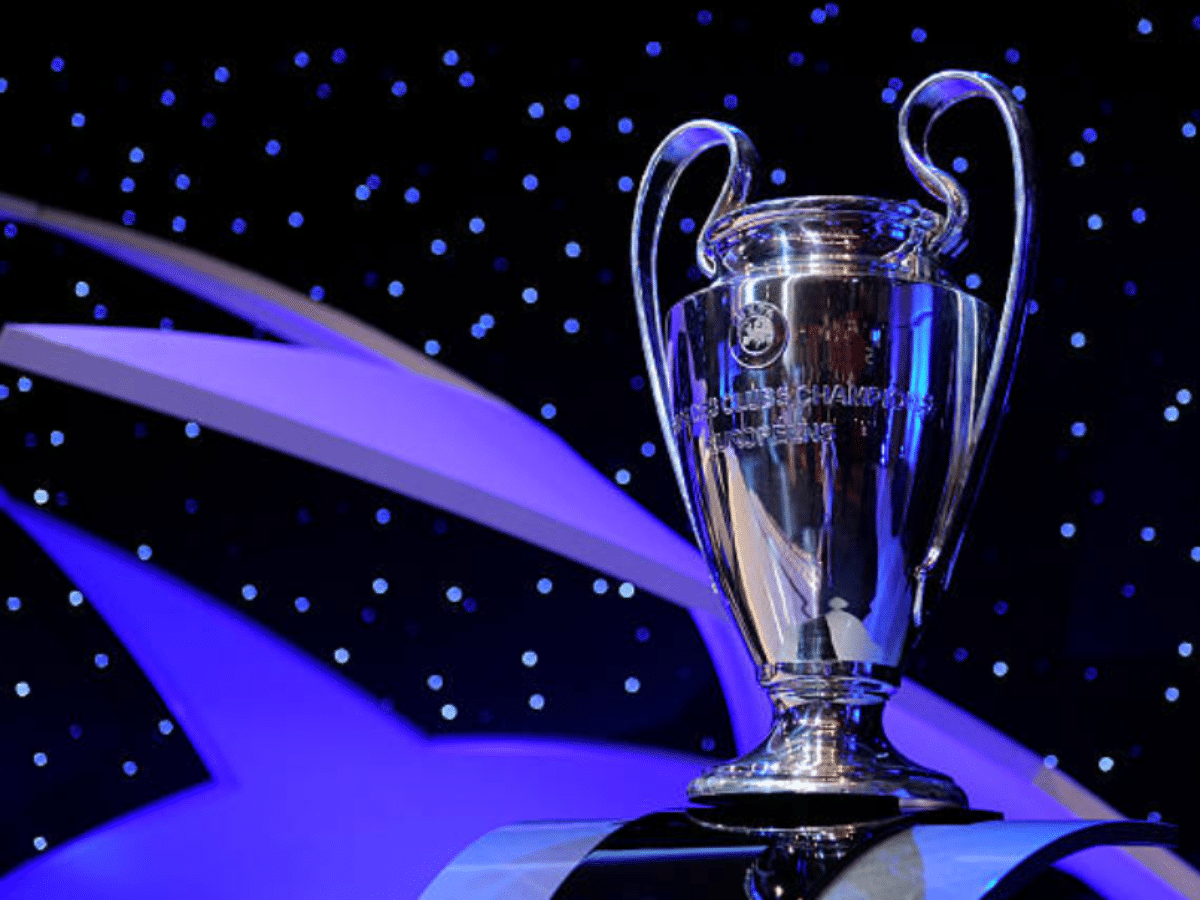
The draw for the quarter-finals of the Champions League resulted in heavy-caliber confrontations, led by the renewed clash between Real Madrid and Manchester City, in a confrontation that has become a constant headline for recent seasons in the continental championship, while Barcelona breathed a sigh of relief after avoiding facing defending champions Paris Saint-Germain, colliding instead with Newcastle United.
The draw, conducted by UEFA in Nyon, Switzerland, saw former Croatian star Ivan Rakitic participate in the ball draw, and resulted in open paths to exciting possibilities until the final match.
Champions League draw: renewed summit between Real Madrid and City
European football fans will face a fiery confrontation between Real Madrid, the record holder for the number of titles, and Manchester City, the English champion, in an early test that may determine the features of the competition for the title.
Recent years have not been without decisive clashes between the two teams, giving this confrontation a high-level revenge and tactical character, especially in light of the technical rapprochement between them.
Barcelona avoids the Paris complex
On the other hand, Barcelona avoided facing Paris Saint-Germain, a team that formed a clear knot for the Catalan club in recent years, despite the historic “Remontada” night in 2017. Since that confrontation, the Parisian team has eliminated its Spanish counterpart twice, and also defeated it during the league stage this season.
Barcelona will face a different test against Newcastle United, which has been performing remarkably domestically and continentally this season. Despite the development of the English team, the numbers are in favor of the Catalan club, which has won four out of five matches that brought them together previously, the last of which was a victory in the league stage this season, which contributed to its direct qualification to the knockout rounds.
Barcelona will benefit from the advantage of playing the return match at its home stadium.
Full 16-final matches
The quarter-final matches were as follows (the first leg on the home soil of the first-mentioned teams):
• Atletico Madrid × Tottenham Hotspur
• Newcastle United × Barcelona
• Bodø/Glimt × Sporting Lisbon
• Bayer Leverkusen × Arsenal
• Galatasaray × Liverpool
• Paris Saint-Germain × Chelsea
• Real Madrid × Manchester City
• Atalanta × Bayern Munich
The first leg matches will be held on March 10 and 11, while the return matches will be played on the 17 and 18 of the same month.
Quarter and semi-final tracks
The draw has set possible paths for upcoming matches in the next rounds, as the winner of the Paris Saint-Germain and Chelsea match will meet the winner of the Galatasaray and Liverpool match. In the opposite path, the winner of the Real Madrid and Manchester City summit will face the winner of the Atalanta and Bayern Munich match.
The winner of the Newcastle-Barcelona match will clash with the winner of the Atletico Madrid-Tottenham match, while the final path will bring together the winner of the Bodø/Glimt-Sporting Lisbon match, and the winner of the Bayer Leverkusen-Arsenal clash.
In the semi-finals, one of the two teams in the semi-finals from Paris Saint-Germain, Chelsea, Galatasaray or Liverpool will face the winner from Real Madrid, Manchester City, Atalanta or Bayern Munich. While the other semi-final brings together the winner from the Barcelona, Newcastle, Atletico Madrid or Tottenham path, with the winner from the Bodø/Glimt path, Sporting Lisbon, Bayer Leverkusen or Arsenal.
A draw promises open matches for all possibilities, in an edition that seems likely to present one of the most exciting editions of the Champions League in recent years
Featured image via the Canary
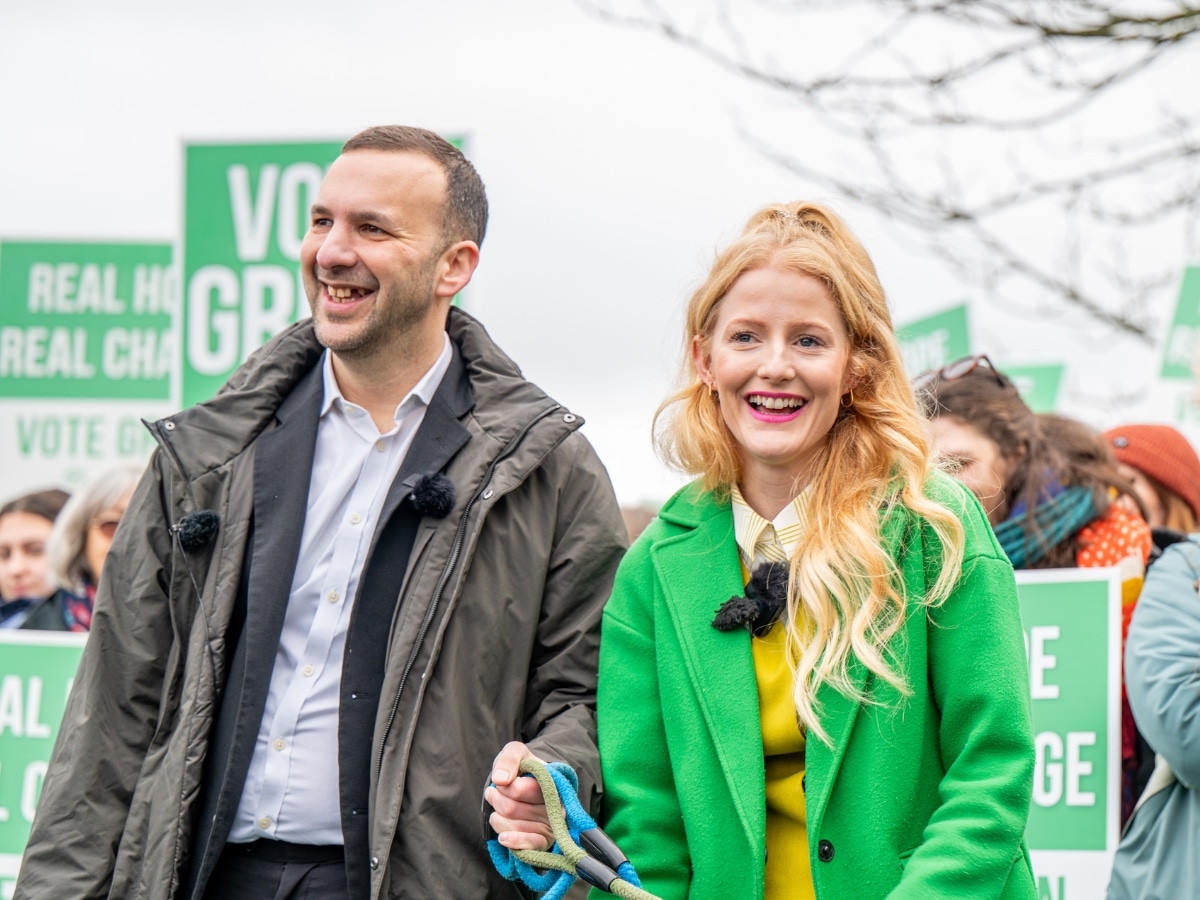
In the end, it wasn’t even close. Hannah Spencer stormed the Gorton and Denton by-election. This is the first parliamentary by-election the Green Party has won. It won’t be the last.
‘Urgh, Labour’
The day before the vote, a group of us from the North East were knocking on doors there. Speaking to voters who’d not yet been contacted – either always out at work, or maybe just back from their hols.
I quickly got to know the “urgh, Labour” face. Men, women, old, young, black, brown, white – whenever the subject of Labour came up they looked like they’d found a hair in their coffee. Not anger, more a bewildered disgust.
Some of it was about the local services. Fly tipping, rubbish. A bit about the poor quality of housing. From the state of the front door I could see some landlords were skimping on maintenance. Some spoke to me about Gaza.
Mostly, though, people raised the cost of living in one form or another. Energy bills. Rents. Food prices. Insecure work. Not a single person said anything remotely transphobic. That seems to be an obsession of online culture warriors. The working people of Gorton and Denton are more worried about their depleted bank accounts.
The future’s Green
Wednesday drive time I did a Times Radio interview on my phone. John Pienaar remarked how upbeat I sounded. I told him what people told me – the Green vote was strong. It wasn’t a scientific sample, but from what I’d seen Hannah Spencer was going to win.
So is anything less than a resounding victory a bad result for you, he asked. Isn’t it remarkable, I said, how this has been framed. This is an ultra-safe Labour seat. Whatever happens, Labour’s last remaining argument has been shredded. You don’t need to vote Labour to stop Reform.
Gorton and Denton was 127th on the Greens’ target list. In other words, if the Greens won by just 1 vote, they’d expect to win 127 seats in a general election. Political analysts Electoral Calculus looked at the demographics and said that, based on this result, we’d see only 33 Labour MPs elected at the next general selection. 10 Tories, 38 Lib Dems, and 254 Reform.
249 Green MPs would be elected, including all three Newcastle seats. I’ve been working on those already. Data from campaigning already shows that Greens will replace Labour in council seats across Newcastle this May. No more will people hold their nose and vote Labour to keep out Tories or Reform. People will vote Green to win.
Green Party positive, not divisive
John Pienaar put it to me that the Greens had run a divisive campaign by raising the issue of Gaza. I said that in a democracy people can and should choose their own voting criteria:
People like you and me, John, read the economic sections of the manifestos. Most people don’t. They see video of hospitals being bombed and civilians being gunned down while queuing for food. They want to see some compassion from their leaders. They look at the way their politicians respond to issues like Gaza and use that as an indicator of their character.
We were out again from 6am Thursday, delivering “get out the vote” reminders. Then door knocking in the rain until well after it was dark. Voters didn’t let the weather deter them. I guess they’re used to it in Manchester.
The establishment parties have been roundly thrashed, and Reform candidate Matt Goodwin blames the electorate, calling them “a coalition of Islamists and woke progressives.” We can expect to see them ramp up the dirty tricks. Not just fake polls, but nasty disinformation. But they’ve already been doing it.
The Green Party said loud and proud, we will tax billionaires. We will take utilities into public ownership. We’ll have a humane asylum system. We’ll introduce rent controls. We will treat drugs like a public health problem. And we will treat everyone with dignity and human rights, and stand against racism, sexism, homophobia and transphobia.
And it worked. The Great British public heard all the slurs and lies from Labour and Reform, and thought, you know what, I quite like the sound of a country where everyone works together. A tolerant Britain. A fair Britain. And they voted for a northern working class woman in a party led by a gay Jewish man.
Featured image via Barold / the Canary
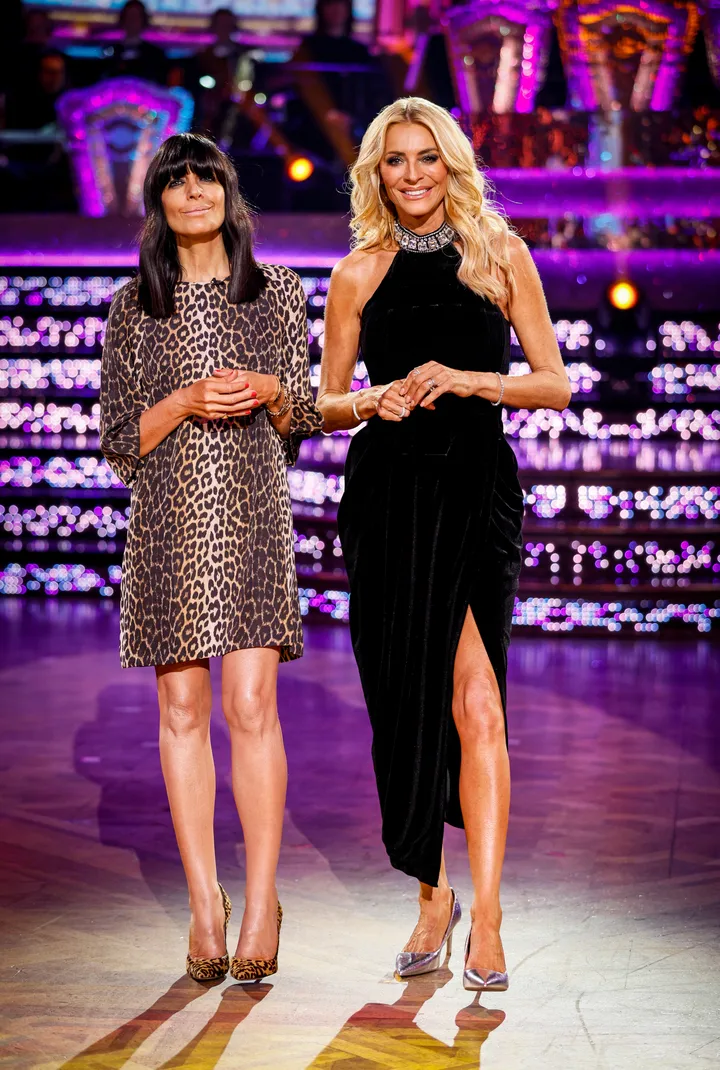
Claudia Winkleman has insisted that the various controversies surrounding Strictly Come Dancing were not behind her decision to leave the show.
In October 2025, Claudia and her co-host Tess Daly shocked Strictly fans when, in the middle of the most recent series, they announced they would be stepping down as its presenters at the end of the year.
During a new interview with the Daily Mail, the Traitors host was asked if the pair’s decision to leave came after “one scandal too many” for the long-running BBC dance show, to which she responded: “Absolutely not.”
“It is a genuinely beautiful show to be part of. Almost every single person who’s taken part is happy they did,” she responded. “So no, it wasn’t that.”
Claudia also claimed that she and Tess had decided the most recent season of Strictly would be their last “about a year before” they made their official announcement.

Guy LevyCREDIT LINEBBC/Guy Levy
She said at the time: “Strictly is a magical, glittery, fake tanned train and it’s been a privilege to be a tiny part of it. The extraordinary talent of the dancers, the band, the hair and makeup and costume teams, the unbelievable production crew and creatives – all utterly amazing.
“I’ve always believed it’s best to leave a party before you’re fully ready to go and I know the new hosts will be magnificent, I look forward to watching them take Strictly to new heights.
“As for Tess – I’m so so lucky I got to stand next to you. You’re funny, kind, whip smart and a true friend and I love you.”
Following her Strictly exit, Claudia is currently gearing up for the debut of her new BBC talk show, made by the same team as The Graham Norton Show.
The launch date for the seven-part series was confirmed earlier this week, as well as the line-up of celebrity guests who’ll be joining Claudia in her first episode.
Meanwhile, a host of celebrities have been rumoured to be in the running to replace Tess and Claudia on Strictly, ahead of the show’s return in the autumn.
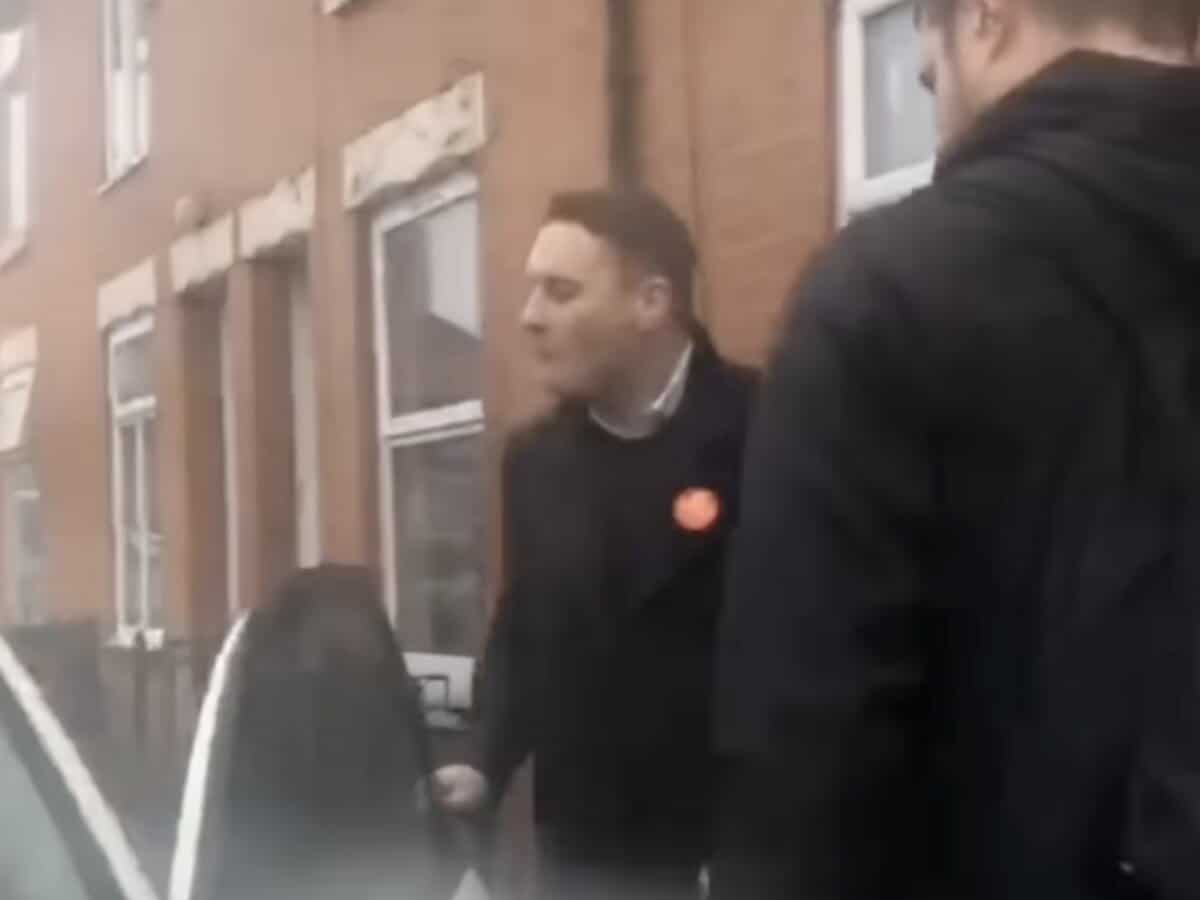
A Canary journalist spotted Wes Streeting bundling five people into a four-seater Fiat 500 – clearly breaking the law:
The Canary spotted the car in Gorton and Denton on Thursday, 26 February. Streeting pulled the passenger seat forward to allow three other people into the back seats. He then got into the passenger seat. Another person got into the driver’s seat.
Of course, we had to check the registration plate to confirm, but the car is a 2016 Fiat 500 POP. It has 3 doors, and four (small!) seats.
And four seats equals four seatbelts. Which means one passenger was not wearing a seatbelt, and therefore broke the law.
UK law states:
You must wear a seat belt if one is fitted in the seat you’re using – there are only a few exceptions.
You’re also only allowed one person in each seat fitted with a seat belt.
You can be fined up to £500 if you do not wear a seat belt when you’re supposed to.
Wes Streeting also got into that car, knowing the passengers were breaking the law.
Road fatalities
In recent years, there has been a huge increase in the number of road fatalities due to people not wearing seatbelts.
The most recent figures from the Department for Transport show that 40% of back seat passengers killed in car crashes were not wearing their seat belts.
In 2023, 1,766 people died in the UK, and many more received serious, life-changing injuries which could have been prevented by wearing a seat belt.
Amid ever-increasing pressure on the NHS, and with Streeting as the Secretary of State for Health and Social Care, there seems to be an ever-so-slight mismatch between messaging and action.
Simply getting into an overfilled car without enough seatbelts shows that Streeting thinks he is above the rules.
Featured image via the Canary
Members get access to Guido Whispers every Friday. For all the latest gossip swirling around Westminster and beyond, join us today by clicking here to get 50% off your membership. Get tomorrow’s news, today…
!function(n){if(!window.cnx){window.cnx={},window.cnx.cmd=[];var t=n.createElement(‘iframe’);t.display=’none’,t.onload=function(){var n=t.contentWindow.document,c=n.createElement(‘script’);c.src=”//cd.connatix.com/connatix.player.js”,c.setAttribute(‘async’,’1′),c.setAttribute(‘type’,’text/javascript’),n.body.appendChild(c)},n.head.appendChild(t)}}(document);(new Image()).src=”https://capi.connatix.com/tr/si?token=8b034f64-513c-4987-b16f-42d6008f7feb”;cnx.cmd.push(function(){cnx({“playerId”:”8b034f64-513c-4987-b16f-42d6008f7feb”,”mediaId”:”8ada6b79-325c-4aef-9b1d-9f05b4b23378″}).render(“69a1bef8e4b022e3a55846dc”);});
On 3 March 2026, the “worm moon” – a name given to the full moon in March – will rise.
And due to an event called a total lunar eclipse, this year, it’s set to look deep red from some parts of the Earth.
What is a total lunar eclipse?
This can only happen during a full moon. It occurs when the Earth gets into a position right in between the moon and the sun, making the surface of the moon look dimmer.
When the moon moves into the inner part of the Earth’s shadow (its umbra) in a total lunar eclipse, the Earth’s atmosphere filters the light from the sun to the moon.
Why will March’s “blood moon” be red?
During a total lunar eclipse, the light on the moon has to pass through our atmosphere.
Because shorter waves of light, like blue and purple tones, scatter faster than their longer-length cousins, red and orange, the moon can look reddish or orange during the event.
“It’s as if all the world’s sunrises and sunsets are projected onto the Moon,” NASA said.
This is sometimes called a blood moon, thanks to the colour.
The more dust in our atmosphere, the redder the moon is likely to look.
When will the “blood moon” happen?
It’s set to happen on 3 March, 2026. And while the time the moon actually spends in the Earth’s umbra is just under an hour, Space.com said that “the show goes on for much longer than that”.
The eclipse will “peak” at 11:33am GMT. At this point, the moon will move closest to the centre of the Earth’s shadow, as part of the “eclipse maximum”.
Where can I see the March blood moon?
Sadly, it won’t be visible from the UK or Ireland – nor will it be seen from Africa or Europe.
But views from North America, the Pacific area, Australia, and parts of East Asia are expected to be particularly stunning.
Why is the March moon called the “worm moon”?
Per Royal Museums Greenwich, the name comes from Native Americans, who coined the term because of “the worm trails that would appear in the newly thawed ground” in March.
Other names include the death moon, crust moon, sap moon, and chaste moon.
And, of course, this month, it counts as a “blood moon” too.
Related…


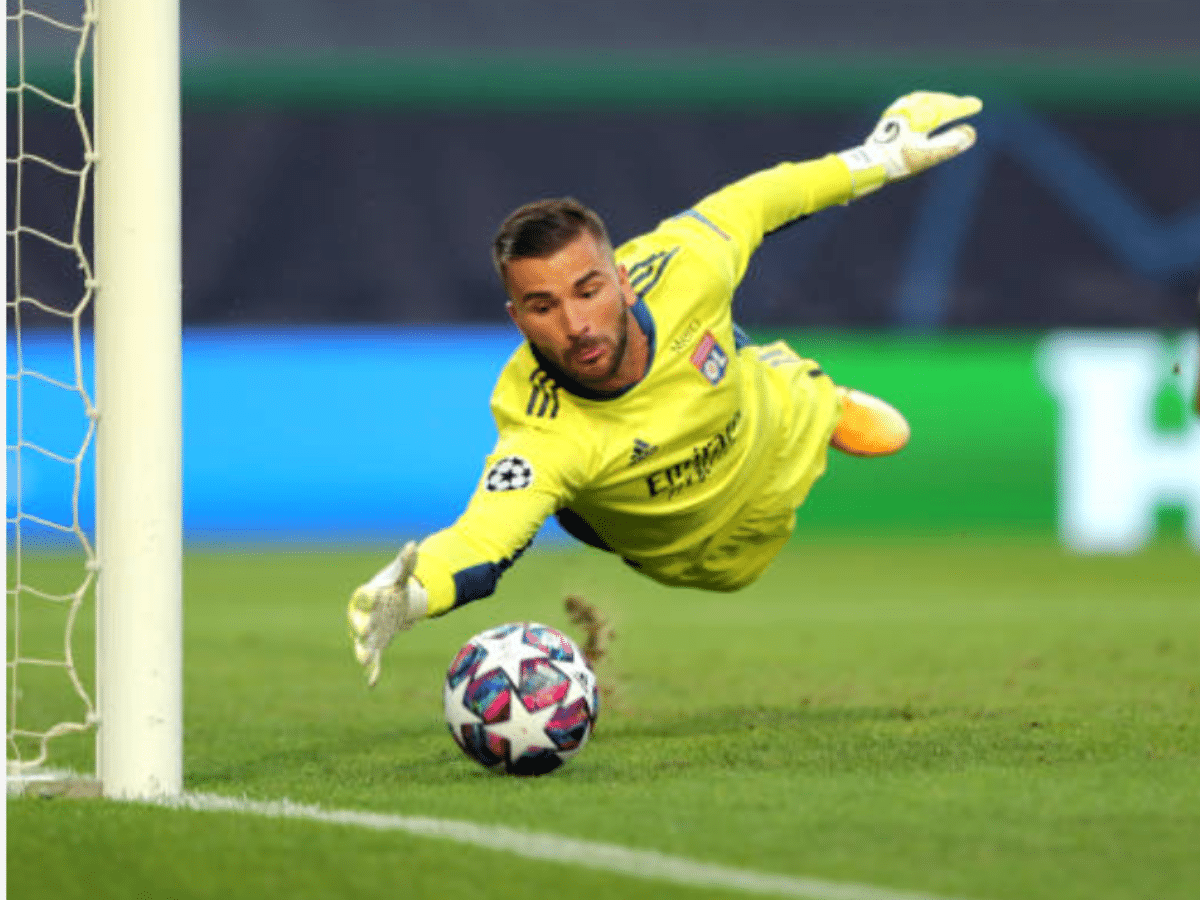
A French League match between Nantes and Le Havre showed a human moment. In the 74th minute, Nantes goalkeeper, Portuguese Anthony Lopes, fell to the ground, clutching his hamstring, in what at first glance appeared to be a routine injury requiring medical attention. Play was halted for several minutes as the medical staff rushed to the veteran goalkeeper.
But behind this pause, another story was being written.
French League shamed
The French League has regulations prohibiting the suspension of matches for religious reasons, unlike some European competitions that allow a short break at sunset to enable fasting players to break their fast.
In England, for example, the Premier League has adopted a mechanism allowing referees to grant a minute of rest at sunset during Ramadan. In France, however, the situation is different.
As Lopez fell to the ground, the Muslim players on the pitch found those precious moments they had been waiting for. They quickly headed to the touchline, ate dates, and drank water, in a quiet scene tinged with gratitude.
There was no official announcement, no special refereeing decision, just a brief window of opportunity created by the goalkeeper.
After the moment passed, Lopez got up. He showed no signs of injury and didn’t ask to be substituted. He returned to his position under the crossbar, as if nothing had happened.
Solidarity beyond words
Such details might not be recorded in goal reports, but they are etched in the players’ memories.
Lopez’s action – whether spontaneous or deliberate – carried a clear message of solidarity: in football, there is more to it than just competition.
The match ended with Nantes winning 2-0, bringing their points tally to 17. But the most important statistic wasn’t in the standings, but in the 74th minute… when the match was paused, and some players quietly broke their fast.
Between law and spirit
This incident highlights an ongoing debate within French football regarding how to handle fasting players during Ramadan, at a time when other competitions are moving towards flexible solutions that respect the legal framework while also acknowledging religious sensitivities.
Amidst this debate, Lopez’s gesture offered a simple example of humanity: a non-Muslim player giving his teammates a moment they needed, without speeches or slogans.
Sometimes, solidarity doesn’t require an official statement; it’s enough for a goalkeeper to fall, and others to rise up and break their fast.
Featured image via the Canary
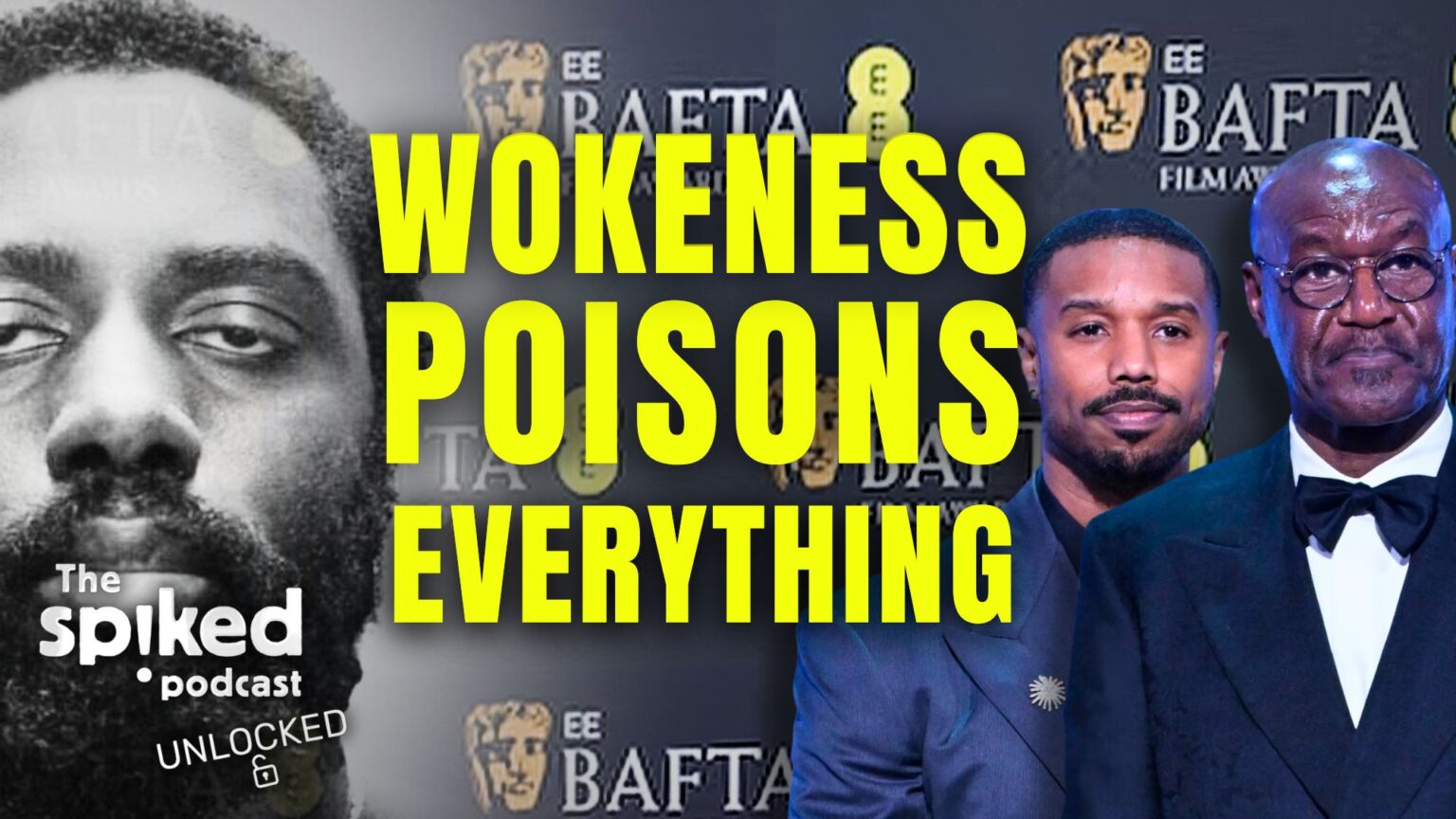
The post Valdo Calocane, the BAFTAs and the poison of wokeness appeared first on spiked.
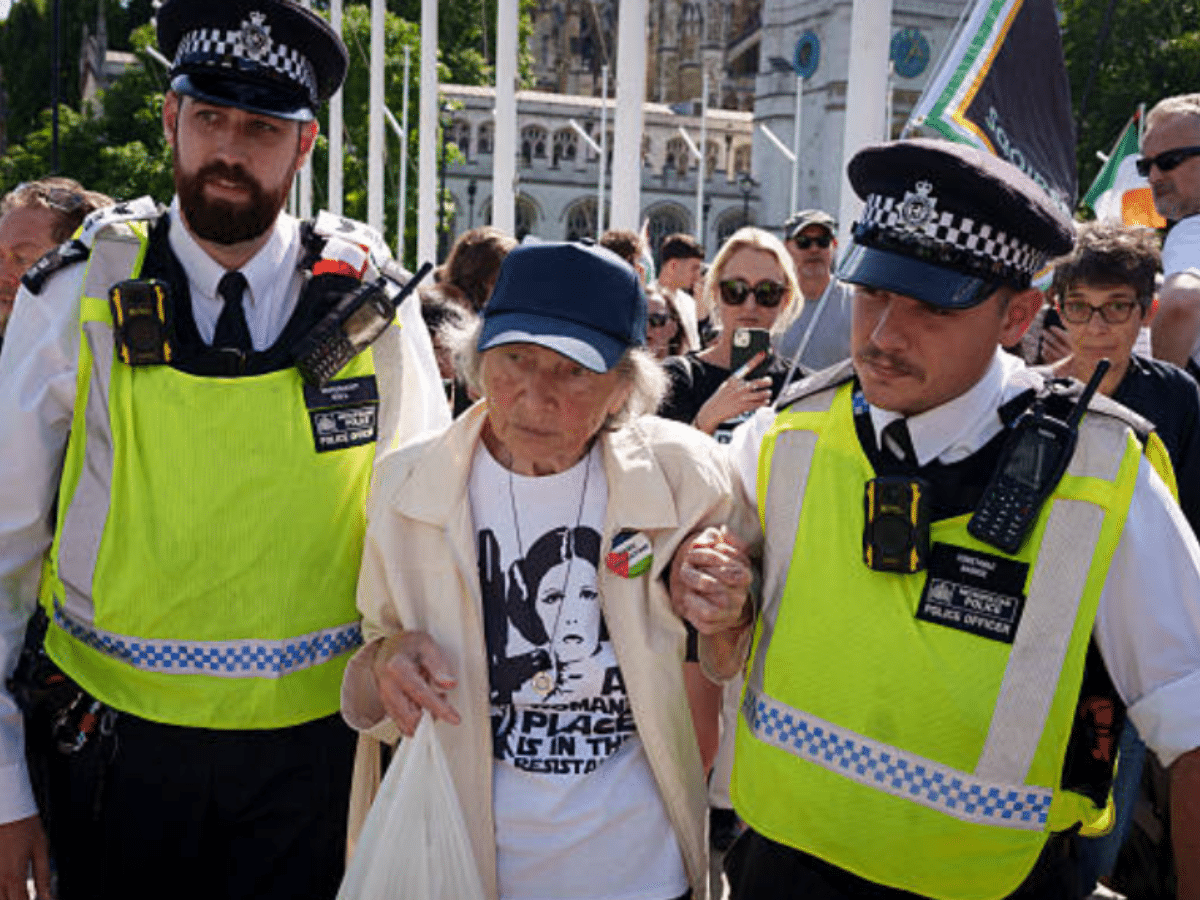
Analysts have documented over 900 cases of UK institutions and pro-Israel groups targeting supporters of Palestine with different types of repression.
The European Legal Support Center (ELSC) and research group Forensic Architecture have put together an Index of Repression. Upon launching this public database, the ELSC said:
For too long, anti-Palestinian repression has been dismissed as incidental, exceptional, and justified. On 25 February, we confirm what the movement has long known: this repression is multi-sited, institutionalised and systematic, unfolding across varied stages.
This, it insisted, is a “coordinated system” seeking to undermine public criticism of Israel’s settler-colonial crimes and genocide in Gaza. And the Index of Repression has documented:
964 verified incidents of repression targeting Palestine solidarity documented across Britain (January 2019 – August 2025)
Those responsible, the Guardian said, were:
police (220 incidents), educational institutions (192), pro-Israel advocacy groups (141), and journalists and other media actors (141).
‘Strategic targeting to dismantle solidarity’ with people living under Israeli occupation
The UK’s crackdown includes smears, sanctions, and other repercussions for speaking out. And it:
focuses deliberately on sectors fundamental to shaping public discourse and holding public trust: Education; Activism and Protest; Workplace; and Culture.
It is a “strategic targeting across sectors” that:
aims to dismantle solidarity at every stage, from the formation of political consciousness in universities and schools, to its expression in culture, to its organisation in public spaces.
The cancel culture on behalf of a genocidal foreign state has targeted educators and those they teach in particular. As the Guardian summarised:
Students, academics and teachers (336 incidents) appeared most frequently on the index as targets of repression, followed by activists and organisers (229). The report says they are often targeted in different ways, with artists and cultural workers often having events cancelled (71 incidents).
The paper added that techniques included:
smears, disinformation, harassment, doxing (having private or identifying information published online), visa cancellations, financial blacklisting, loss of employment and arrest
Large-scale Western repression in service of Israel’s genocide
The UK has faced significant criticism domestically and internationally for its unlawful proscription of non-violent direct-action group Palestine Action. The government has already spent hundreds of thousands of pounds on its highly controversial ban. But it is still fighting the courts to keep it in place.
The ELSC’s Tara Mariwany clarified that it was “not our role” to discuss or determine whether allegations against targets were true or not, emphasising:
It’s simply our role to document it and to show that it doesn’t matter if you wear a watermelon sticker on your shirt, that might give rise to the allegation of antisemitism…
It’s simply about showing the scale of it and that should give enough of a cause to question the allegation itself and question the smearing itself.
The project is not a standalone piece of work either. Instead, as the ELSC explained:
It builds on Germany’s Index of Repression, which we have launched in May 2025, and is both a continuation of this work and an expansion into a broader transnational effort to document and expose repression across Europe. The forthcoming Index of Repression for the Netherlands – alongside other country reports – marks the next phase of this sustained, cross-border project.
Featured image via the Canary

What to know: Paramount, Warner Bros. and the future of Hollywood

Jack Dorsey says Block cutting nearly half of workforce for AI transformation

Why Analysts Agree on the Target but Smart Money Is Already Moving to Pepeto

Smart energy pays enters the US market, targeting scalable financial infrastructure

Why Israel is blocking foreign journalists from entering

Bitcoin: We’re Entering The Most Dangerous Phase

Altseason Starting? Bull Trap or Relief Rally Explained | Crypto Market Update | Bitcoin Update?

Bitcoin Accumulation ERUPTS As The Financial System Cracks! Supply Shock Incoming?

Financial Planning in Your 40s | #ytshorts #shorts #financialplanning #personalfinance #moneygoals
-

 Politics5 days ago
Baftas 2026: Awards Nominations, Presenters And Performers
-

 Fashion7 days ago
Weekend Open Thread: Boden – Corporette.com
-

 Sports4 days ago
Women’s college basketball rankings: Iowa reenters top 10, Auriemma makes history
-

 Politics4 days ago
Nick Reiner Enters Plea In Deaths Of Parents Rob And Michele
-

 Business3 days ago
True Citrus debuts functional drink mix collection
-

 Politics18 hours ago
ITV enters Gaza with IDF amid ongoing genocide
-

 Crypto World3 days ago
XRP price enters “dead zone” as Binance leverage hits lows
-

 Business5 days ago
Mattel’s American Girl brand turns 40, dolls enter a new era
-

 Business5 days ago
Law enforcement kills armed man seeking to enter Trump’s Mar-a-Lago resort, officials say
-

 NewsBeat2 days ago
Cuba says its forces have killed four on US-registered speedboat | World News
-
 NewsBeat2 days ago
Manchester Central Mosque issues statement as it imposes new measures ‘with immediate effect’ after armed men enter
-

 Tech3 days ago
Unsurprisingly, Apple's board gets what it wants in 2026 shareholder meeting
-
 NewsBeat4 days ago
‘Hourly’ method from gastroenterologist ‘helps reduce air travel bloating’
-

 Tech5 days ago
Anthropic-Backed Group Enters NY-12 AI PAC Fight
-

 NewsBeat5 days ago
Armed man killed after entering secure perimeter of Mar-a-Lago, Secret Service says
-

 Politics5 days ago
Maine has a long track record of electing moderates. Enter Graham Platner.
-

 Business2 days ago
Discord Pushes Implementation of Global Age Checks to Second Half of 2026
-
 NewsBeat3 days ago
Police latest as search for missing woman enters day nine
-
 Sports4 days ago
2026 NFL mock draft: WRs fly off the board in first round entering combine week
-

 Crypto World3 days ago
Entering new markets without increasing payment costs