
News Beat
Storm Goretti: Current Advice For Driving In The UK

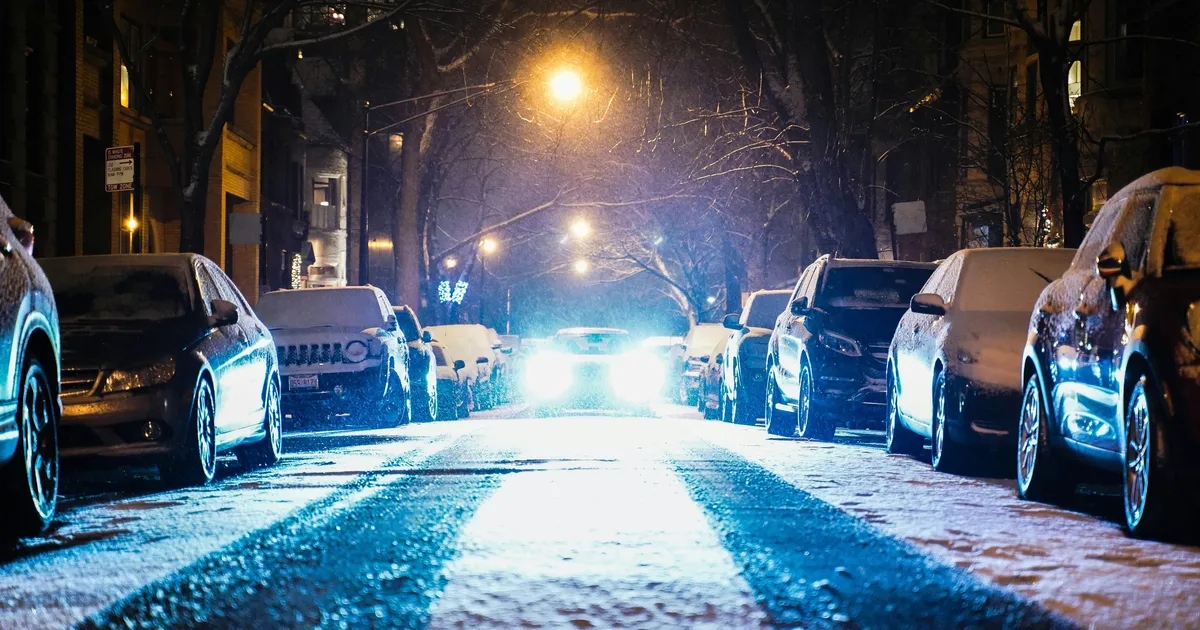
At the time of writing (8 January), there are 10 yellow and amber weather warnings in place across the UK.
Not all of these relate to Storm Goretti, a “multi-hazard” set of snowy, windy conditions expected to reach us today from the south.
But two snow and wind warnings have been issued in advance of its arrival.
How bad is Storm Goretti expected to be?
These warnings have been escalated from a yellow status (yesterday, both warnings were said to have a medium impact and a low likelihood) to an amber status (medium impact and high likelihood for the wind, and medium impact and medium likelihood for the snow).
Conditions may bring snowfall as high as 30cm, and wind speeds as fast as 90mph, in parts of the UK.
Check the forecast regularly to stay up to date with reports and advice.
Is it safe to drive during Storm Goretti?
Not all parts of the UK will be affected equally, though the Met Office has said that we don’t yet know for certain where Storm Goretti will hit.
But as we’ve mentioned, there are other weather alerts in place across the UK that don’t have to do with Storm Goretti, which may affect how safe it is to drive.
Traffic Scotland says it is best to avoid driving during weather alerts of any level if you can help it.
According to RAC breakdown spokesperson Alice Simpson, “In the areas worst affected by Storm Goretti, drivers need to be considering if it’s safe to get behind the wheel. As temperatures plummet, breakdowns rise, especially as older, less reliable batteries tend to fail more often in cold conditions.
“The key is allowing more time at every stage of the journey, whether that’s clearing vehicles of snow and ice before setting off or reducing the speed at which you’re travelling to suit the conditions.”
She advised against using hot water or a kettle to deice your windshield on icy mornings, too, as this could make the glass crack.
“Instead, leave more time before setting off and carry a decent scraper and de-icer so you can clear the windscreen quickly. Stick to major roads that are more likely to be clear of snow and stay tuned to weather forecasts to decide if it’s a good idea to drive,” she added.
“It’s important to have plenty of screen wash that protects down to at least -10°C, ensuring you always have a clear view due to all the dirt from gritted roads.”
What if I have to drive in Storm Goretti?
The Met Office shared that if you have to drive in tough conditions, you should plan ahead, change your route if needed, and stay up-to-date with forecasts and alerts.
They stressed, “Snow ploughs are unable to get through if the road or motorway is full of stationary traffic, so do not make journeys unless completely necessary to give National Highways and local authorities the space they need to help you on your journey.”
Avoid steep hills and exposed roads as these are likely to become more challenging. Main roads are likelier to get gritted.
The Met Office said you should “Accelerate gently, using low revs” in snowy and icy conditions. “You may need to take off in second gear to avoid skidding”.
Don’t brake suddenly and try to give “10 times the normal gap between your car and the car in front”.
Be especially alert and cautious at junctions as the usual signs and markings might not be visible, and do not get too close to vehicles clearing snow or ice or overtake them (if you get ahead of them, you could end up on slippy terrain).
And in wet and/or windy weather, drive more slowly, dip your headlights if visibility is seriously reduced, and “Increase your following gap to at least four seconds from the moving traffic in front” to give yourself a longer reaction time.
Try to stay on main roads as this reduces the risk of “fallen branches and debris and flooding”, and keep an eye out for gaps in barriers to the road, like bridges and missing trees, as these can expose you to a side gust.



